
Conservative/parody account “Today I escaped anxiety. Or no, I discarded it, because it was within me, in my own perceptions —not outside." Marcus Aurelius
Joined April 2025
- Tweets 90,578
- Following 2,104
- Followers 3,103
- Likes 108,074
10,410 Photos and videos









AchillesHeel retweeted
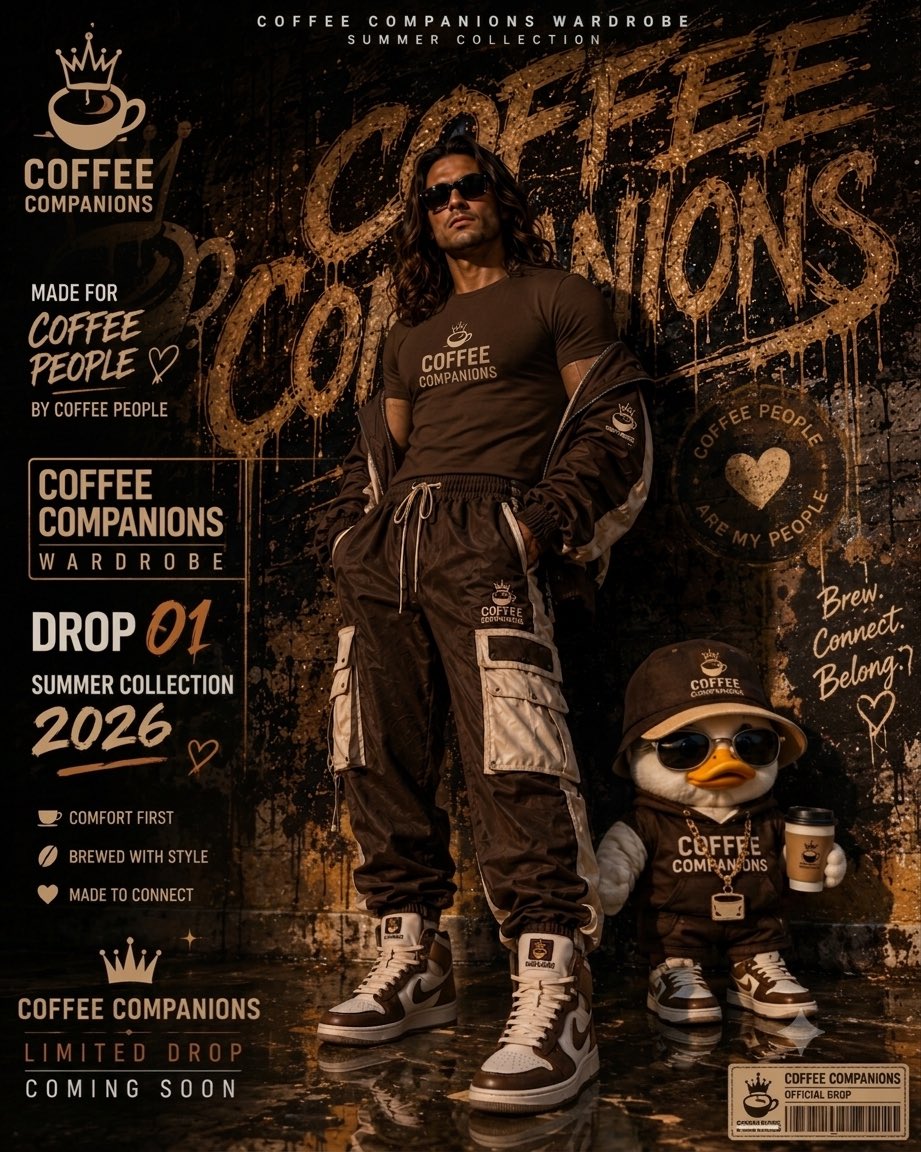
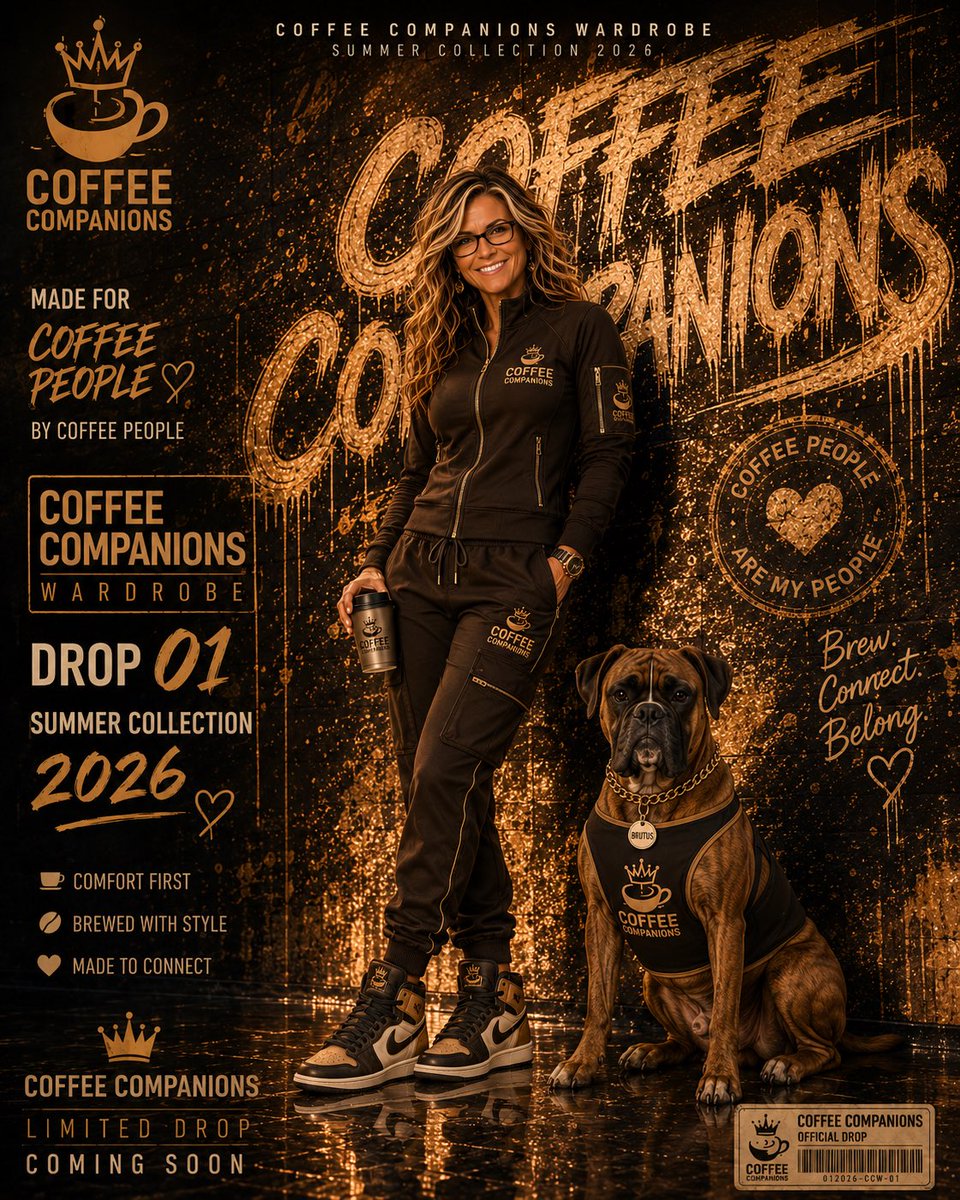
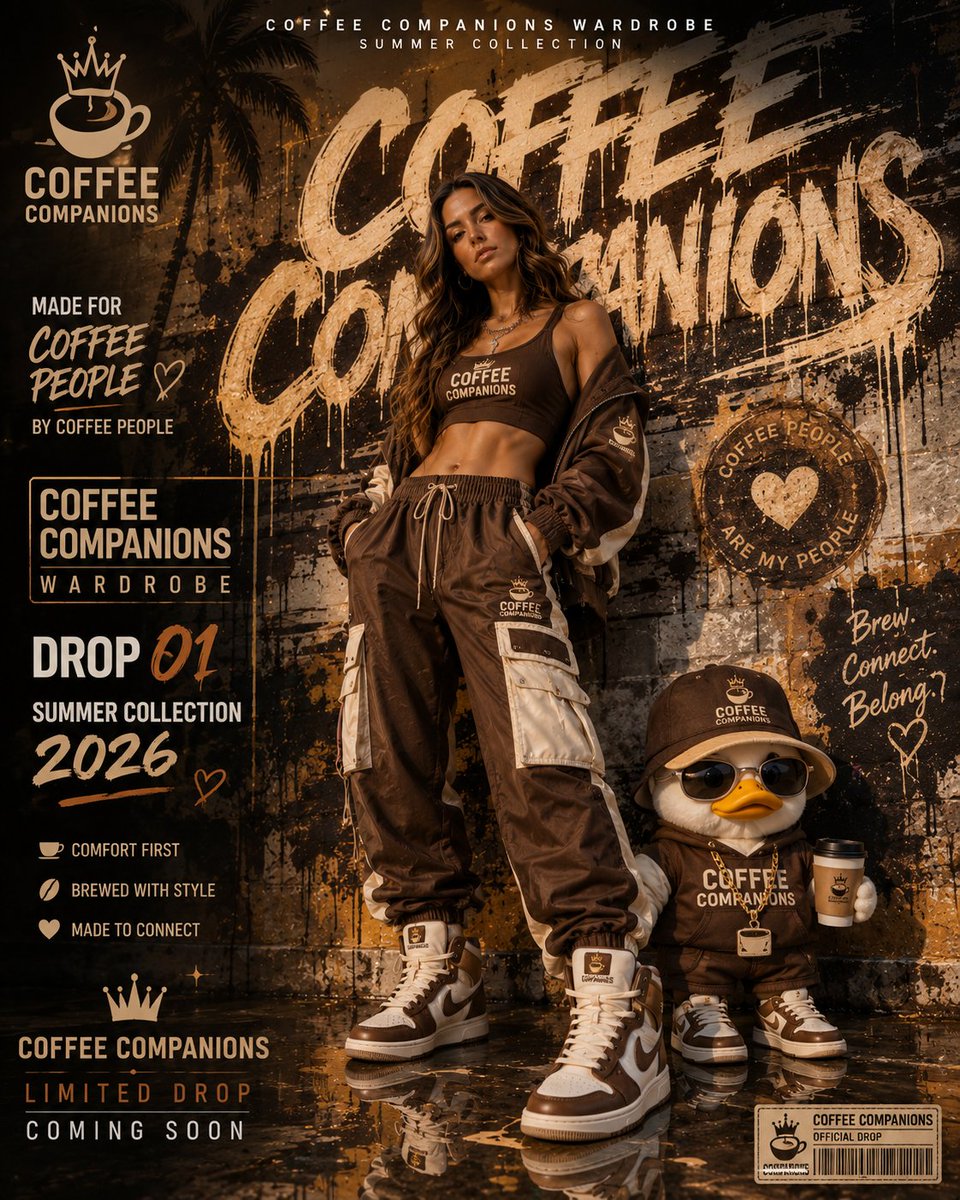
Coffee Companions Wardrobe. ☕✨
What started as a morning coffee group became a community, and every community deserves its own style.
Comfortable. Casual. Coffee fueled.
If Coffee Companions had its own streetwear line, this would be my first pick.
Would you wear it?
☕ Brew.
🤝 Connect.
❤️ Belong.
#coffeecompanions #streetwear
7
7
19
546
AchillesHeel retweeted

Thank you for the tag, Elizabeth! I quoted my favorite, but I created these tonight, too.




3
1
3
33
AchillesHeel retweeted

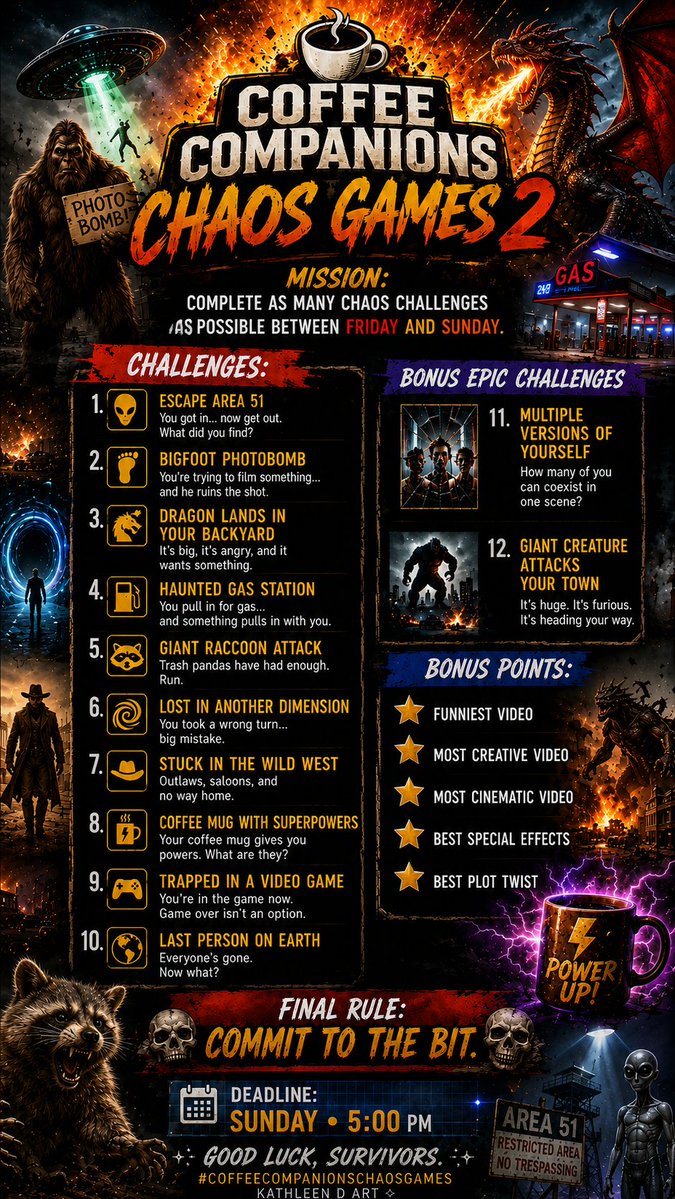
COFFEE COMPANIONS CHAOS GAMES 2 ☕
Starting slow today, but here are the challenges 1, 8, 6, and 7 😀 sorry it is so long. I color outside the lines 😀
#CCchaosGames
Jun 12

☕ COFFEE COMPANIONS CHAOS GAMES 2 ☕
This isn't just for Coffee Companions.
Anyone can join.
You don't have to make videos. You can create images, short clips, storyboards, edits, memes, AI creations, or anything else that fits the challenge.
The goal is simple:
Have fun.
Be creative.
Commit to the bit.
Pick one challenge or try them all.
No pressure.
No entry fee.
No experience required.
Just imagination, creativity, and a willingness to embrace a little chaos.
Deadline:
📅 Sunday • 5:00 PM
Good luck, survivors.
#CoffeeCompanionsChaosGames
kathleen d art ✧
2
6
12
108
AchillesHeel retweeted

2
1
2
27
AchillesHeel retweeted

Fabulous Aatif!💜 Thank you for the tag!💜
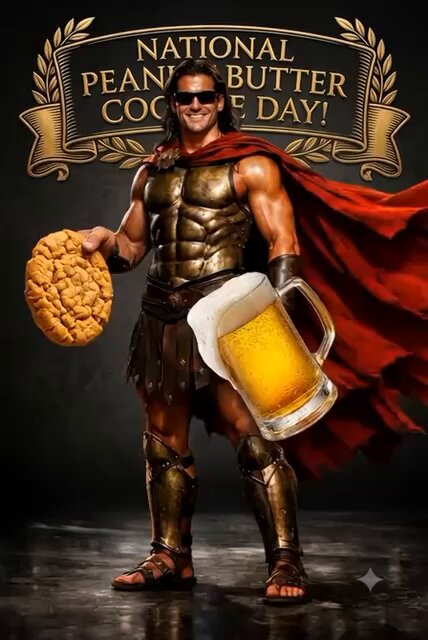
🎨🥜🍪 | QT Your Peanut Butter Cookie!
@philipc6769
@__Dave__1

5
2
7
69
AchillesHeel retweeted

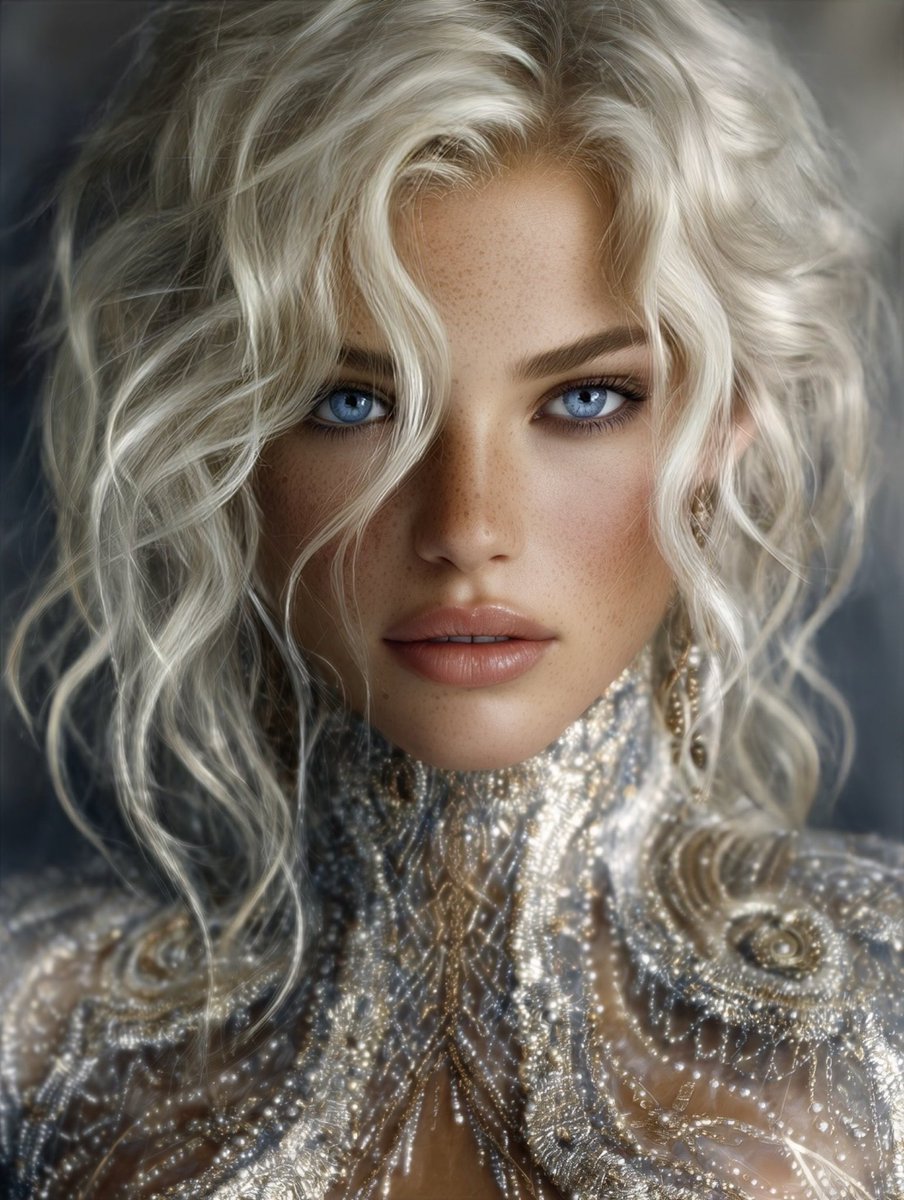
🤍 BLONDE ART SHARE 🤍
Theme: BLONDE ✨
Golden, honey, ash, platinum, or icy white
show us your vision of blonde beauty.
Create your artwork and let your imagination shine.
✨ Let’s connect, share, and inspire. ✨
#BlondeArt #AIArt #Blonde #PlatinumBlonde #FantasyArt
60
11
123
4,826

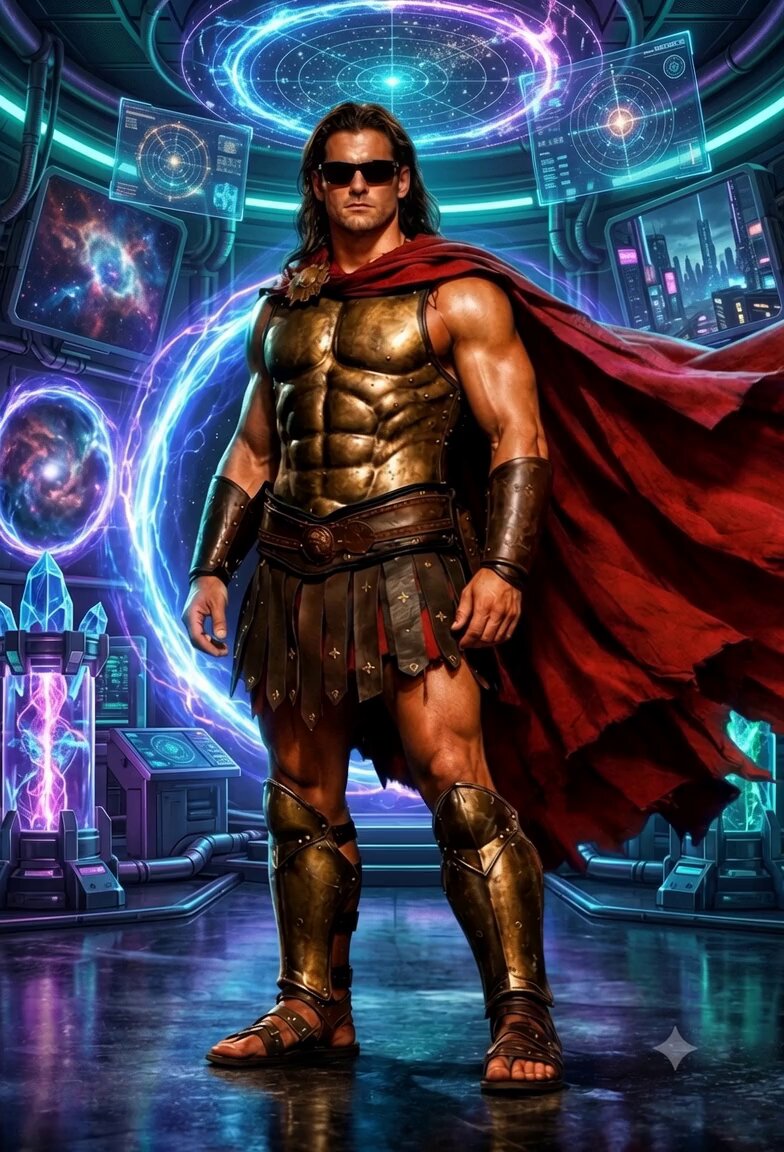
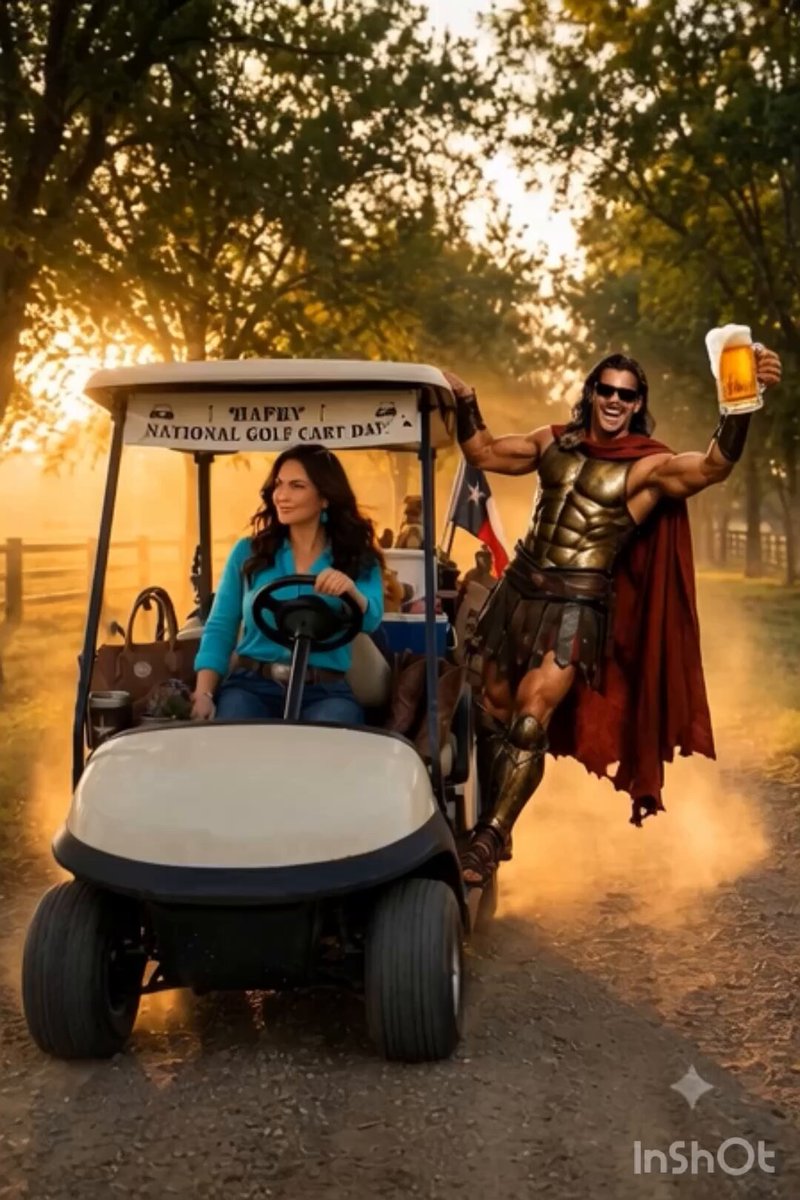
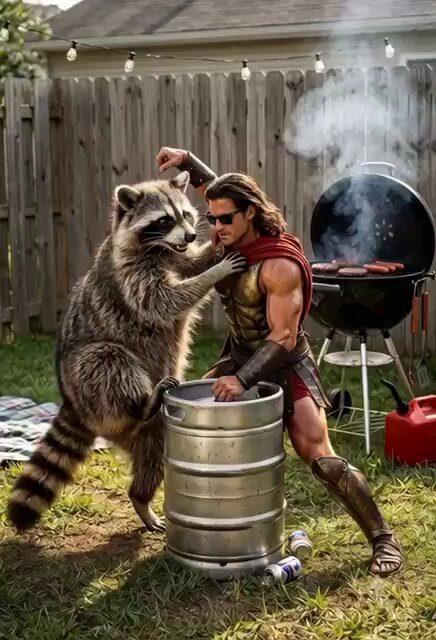
Lost in another dimension #6
Redux
But at least it has beer!🤣
#CoffeeCompanionsChaosGames
#CCcaosGames
Jun 12
☕ COFFEE COMPANIONS CHAOS GAMES 2 ☕
This isn't just for Coffee Companions.
Anyone can join.
You don't have to make videos. You can create images, short clips, storyboards, edits, memes, AI creations, or anything else that fits the challenge.
The goal is simple:
Have fun.
Be creative.
Commit to the bit.
Pick one challenge or try them all.
No pressure.
No entry fee.
No experience required.
Just imagination, creativity, and a willingness to embrace a little chaos.
Deadline:
📅 Sunday • 5:00 PM
Good luck, survivors.
#CoffeeCompanionsChaosGames
kathleen d art ✧
3
3
9
163
AchillesHeel retweeted
6
7
31
442
AchillesHeel retweeted

1
1
2
79
AchillesHeel retweeted

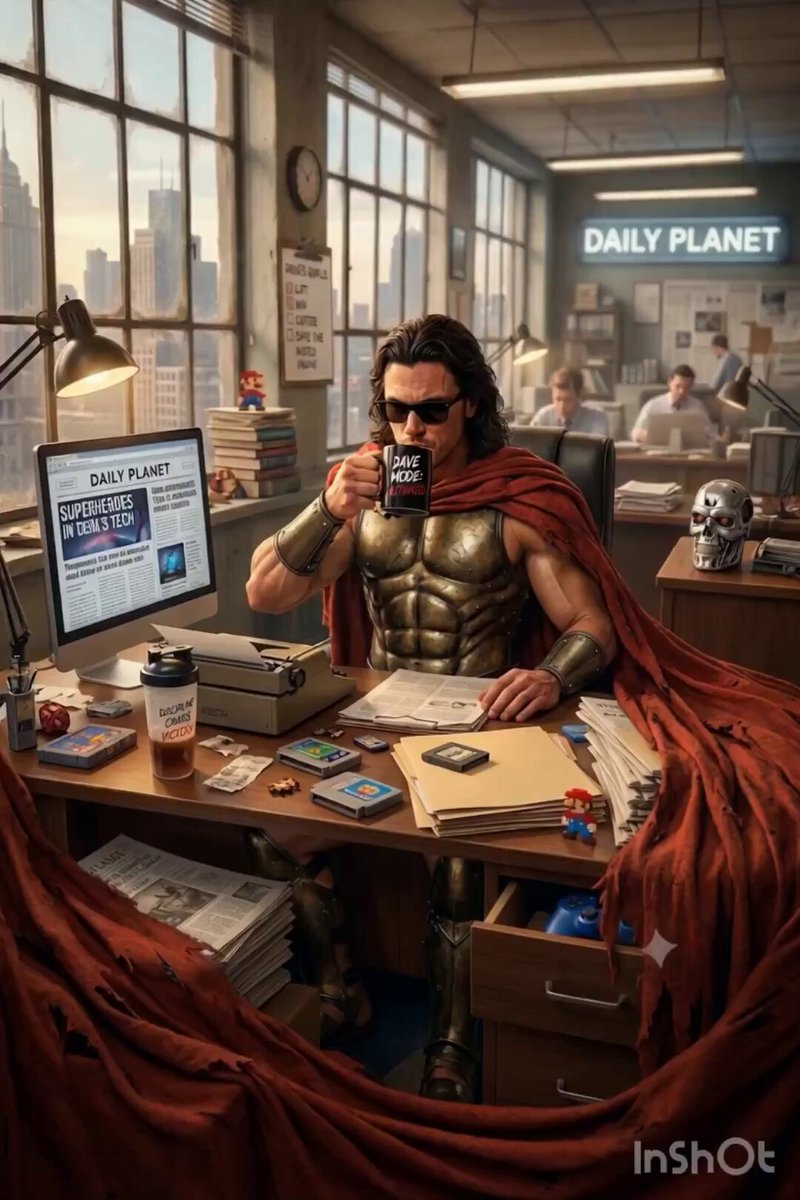
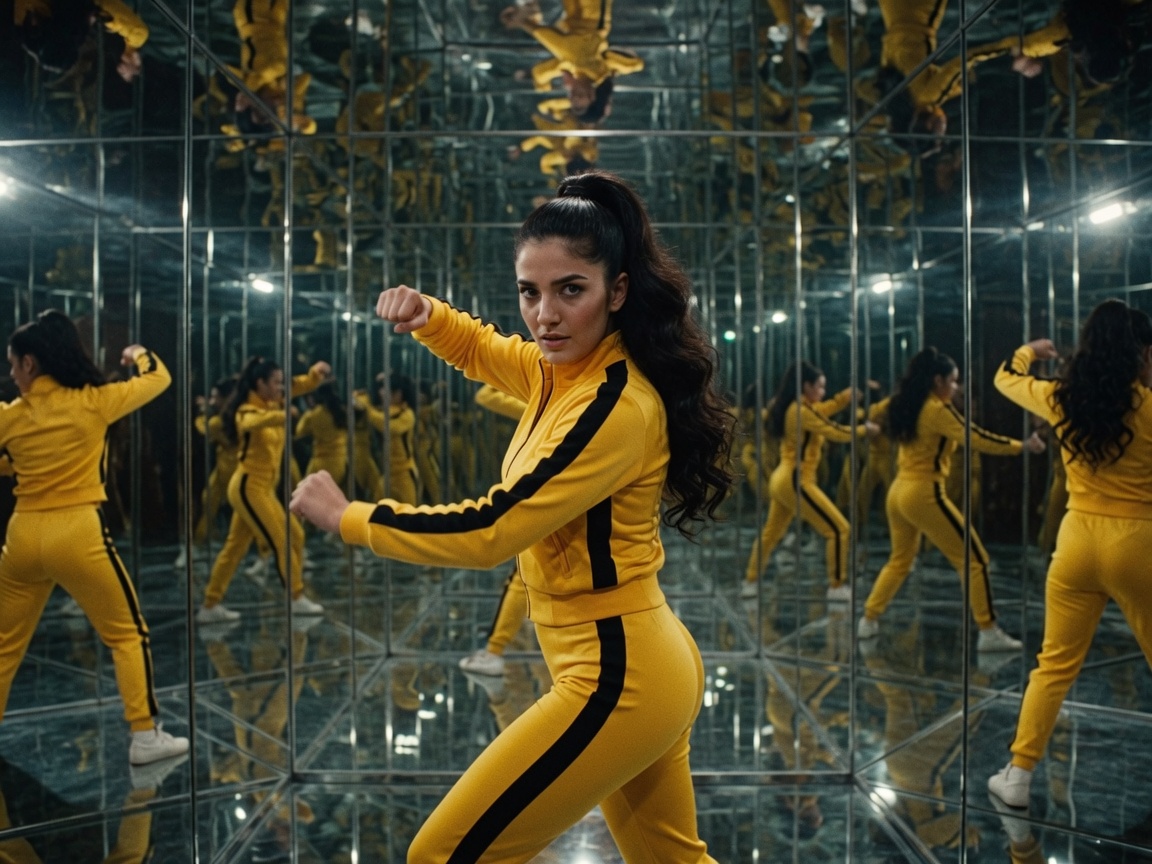
BONUS EPIC CHALLENGE #11 MULTIPLE VERSIONS OF YOURSELF!!
How many of you can coexist in one scene.. 🔥
#CCcaosGames #CoffeeCompanions
@kathae909 @__Dave__1 @philipc6769 @jackiejames1004 @RudolphR70469 @JustJoshie1973 @tappyai007 @RissaMiller2 @DrewMor22
Jun 12
☕ COFFEE COMPANIONS CHAOS GAMES 2 ☕
This isn't just for Coffee Companions.
Anyone can join.
You don't have to make videos. You can create images, short clips, storyboards, edits, memes, AI creations, or anything else that fits the challenge.
The goal is simple:
Have fun.
Be creative.
Commit to the bit.
Pick one challenge or try them all.
No pressure.
No entry fee.
No experience required.
Just imagination, creativity, and a willingness to embrace a little chaos.
Deadline:
📅 Sunday • 5:00 PM
Good luck, survivors.
#CoffeeCompanionsChaosGames
kathleen d art ✧
6
4
14
358
AchillesHeel retweeted

Rissa, this so pretty!!😍 love it! This is the one I made before making the steam punk one with Eliza
4
1
7
72

AchillesHeel retweeted
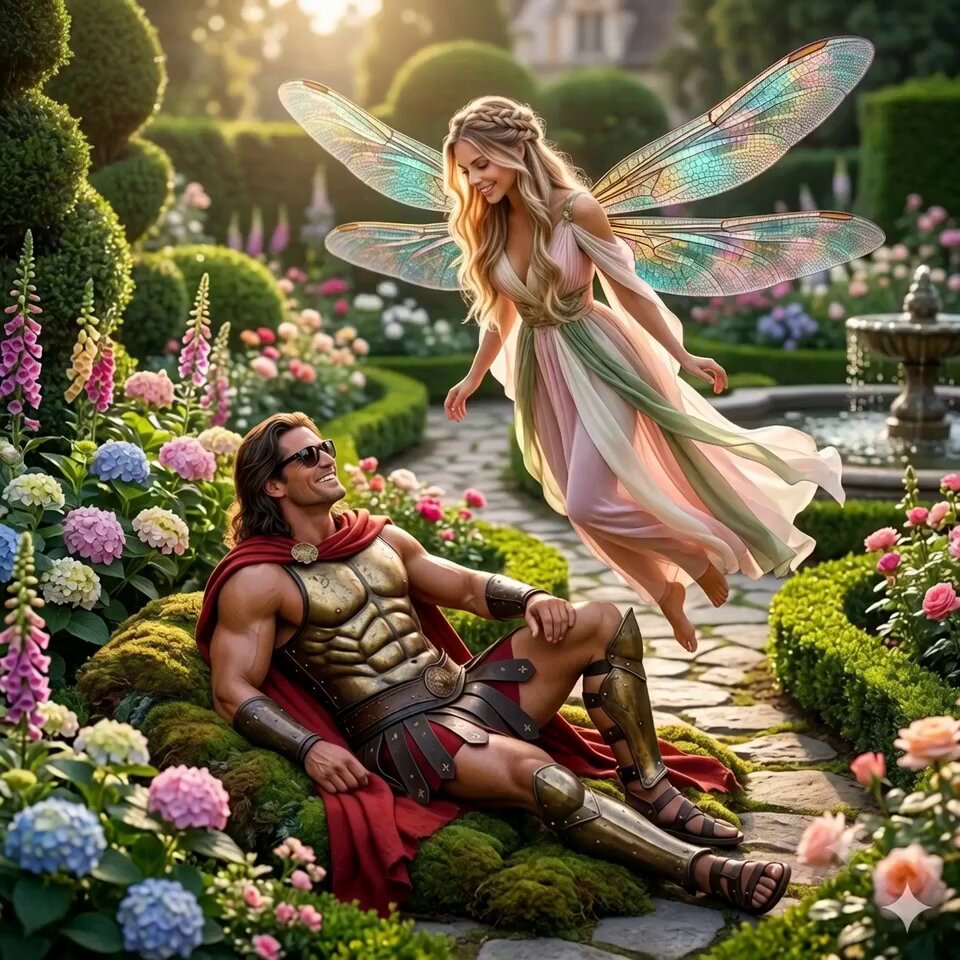
Qt your dragonfly or flying dragon for National Dragonfly
Thanks TYFTT @__Dave__1
@brandt_lor23351 @rdejay @lordstanley2019

Qt your dragonfly or flying dragon for National Dragonfly
Thanks @philipc6769
@DeliaTX
@RissaMiller2
@Elisabeth6Rose
Free for all
5
3
12
432
AchillesHeel retweeted
☕ COFFEE COMPANIONS CHAOS GAMES 2 ☕
#8 Coffee mug with superpowers
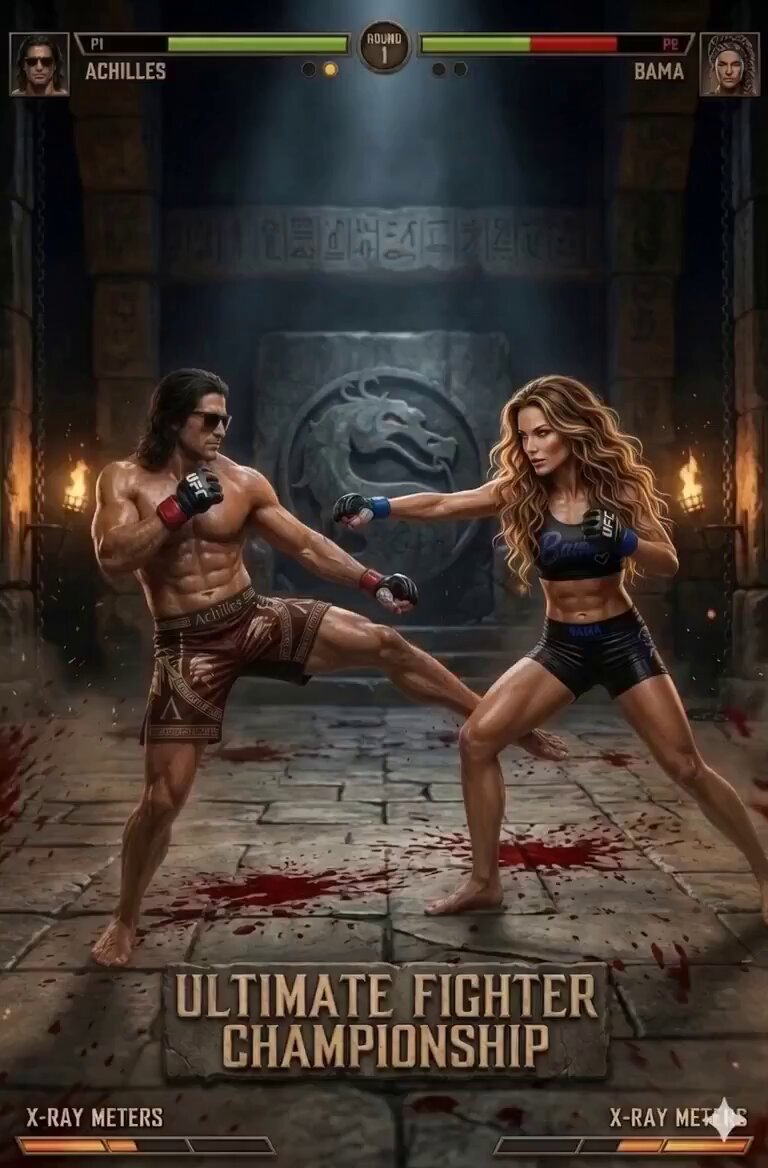
#9 Trapped in a video game
#10 Last person on earth
#coffeecompanions
#CCchaosGames
@__Dave__1 @jackiejames1004 @JustJoshie1973 @tappyai007 @DrewMor22 @DeliaTX
Jun 12
☕ COFFEE COMPANIONS CHAOS GAMES 2 ☕
This isn't just for Coffee Companions.
Anyone can join.
You don't have to make videos. You can create images, short clips, storyboards, edits, memes, AI creations, or anything else that fits the challenge.
The goal is simple:
Have fun.
Be creative.
Commit to the bit.
Pick one challenge or try them all.
No pressure.
No entry fee.
No experience required.
Just imagination, creativity, and a willingness to embrace a little chaos.
Deadline:
📅 Sunday • 5:00 PM
Good luck, survivors.
#CoffeeCompanionsChaosGames
kathleen d art ✧
7
3
14
257
AchillesHeel retweeted
This was fun thank you @Dheepanratnam for sharing
Jun 12

Created with seedance 2.0
Live show performances - Prompts in the comments ⤵️
Flamenco dancer dueling a smoke bull at midnight… Origami master battling a wind dancer in Times Square… Drunken boxer clowning a Praying Mantis master in Hong Kong…
Feel free to try remix. have fun
5
7
21
600
AchillesHeel retweeted
Thought I was exploring a jungle.
Turns out I was trapped inside a VR nightmare filled with giant spiders, powered armor, plasma blasts, and more chaos than I signed up for.
10/10 adventure.
0/10 would trust that headset again.
Now I'm going to put on my VR headset and watch Disclosure from the safety of my living room. 😁😁😁
If I don't make it back... send coffee. ☺️
#SpiderAttack #AIgame
5
6
27
430
AchillesHeel retweeted

Apr 30
Was just messing around with a prompt… and somehow created the Ace of Chaos ♠️🔥
Honestly, I feel like this card should come with a warning label.
Some prompts behave. Mine start plot twists.
#ManicMonday
#CoffeeBeforeChaos

9
11
44
499
AchillesHeel retweeted
May 20
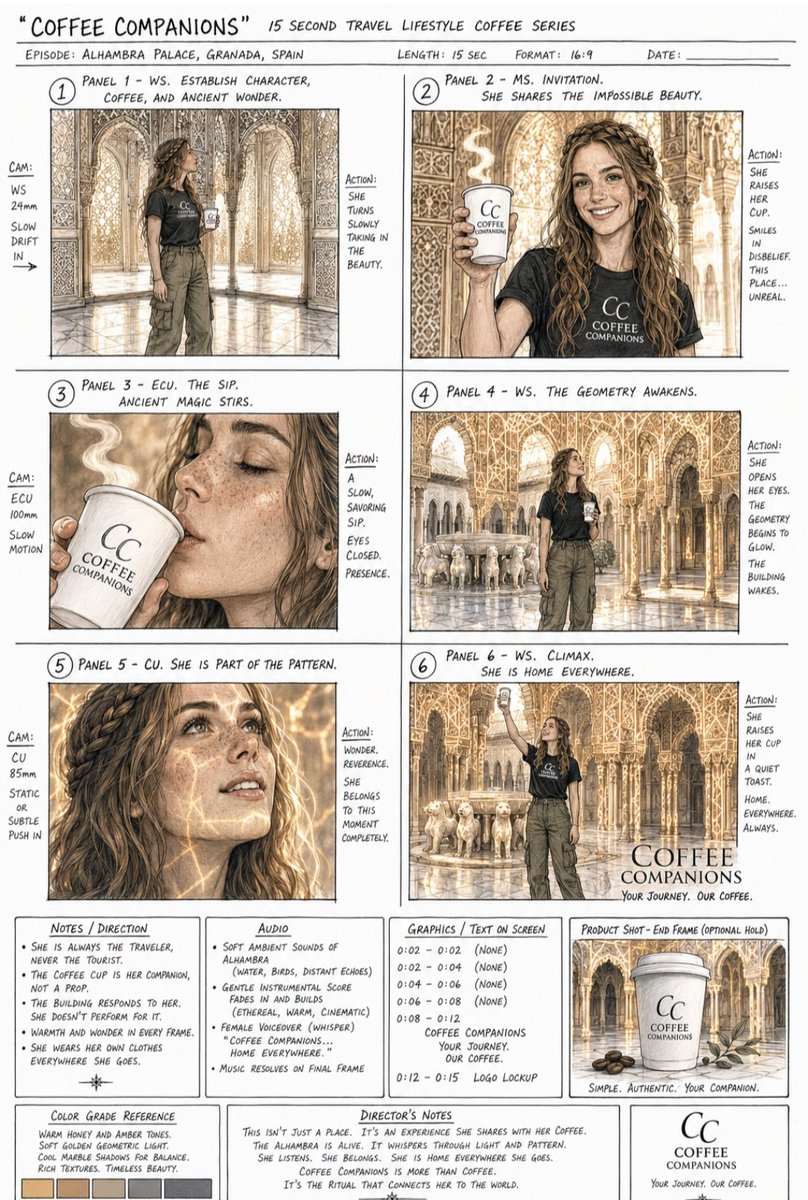
After testing cinematic storyboard workflows more heavily, I’ve personally noticed a major difference between Grok and Seedance in how they handle structured AI filmmaking.
For my workflow, Grok performs much stronger in stylized or cartoon-like generations, where loose interpretation and exaggerated visuals actually help the output. But when it comes to cinematic realism, storyboard accuracy, character continuity, facial identity retention, and controlled scene progression, it struggles significantly more.
Even with highly detailed “nuclear prompts,” Grok tends to:
- drift from storyboard structure
- reinterpret scenes instead of following them
- lose facial consistency
- alter camera framing unexpectedly
- prioritize vibe over precision
Seedance behaves much more like an actual storyboard-to-scene system. It respects sequencing, continuity, and direction with far more discipline.
At least from my testing so far, Grok feels more like an imaginative visual improviser, while Seedance feels more like a cinematic production tool.
That difference becomes extremely noticeable when you’re trying to build consistent AI filmmaking instead of isolated cool-looking shots.
kathleen d art ✧
1st video Grok
2nd video Seedance
3rd storyboard image
12
16
39
616