
Writes chick tweets, fond of spiders, and snakes. Irreverent used to be my middle name. Now it is merely irrelevant. Catch me at goo.gl/XAYJmH
Joined December 2011
- Tweets 136,714
- Following 529
- Followers 1,028
- Likes 35,657
1,360 Photos and videos





a muse retweeted

I can hear them overhead right now

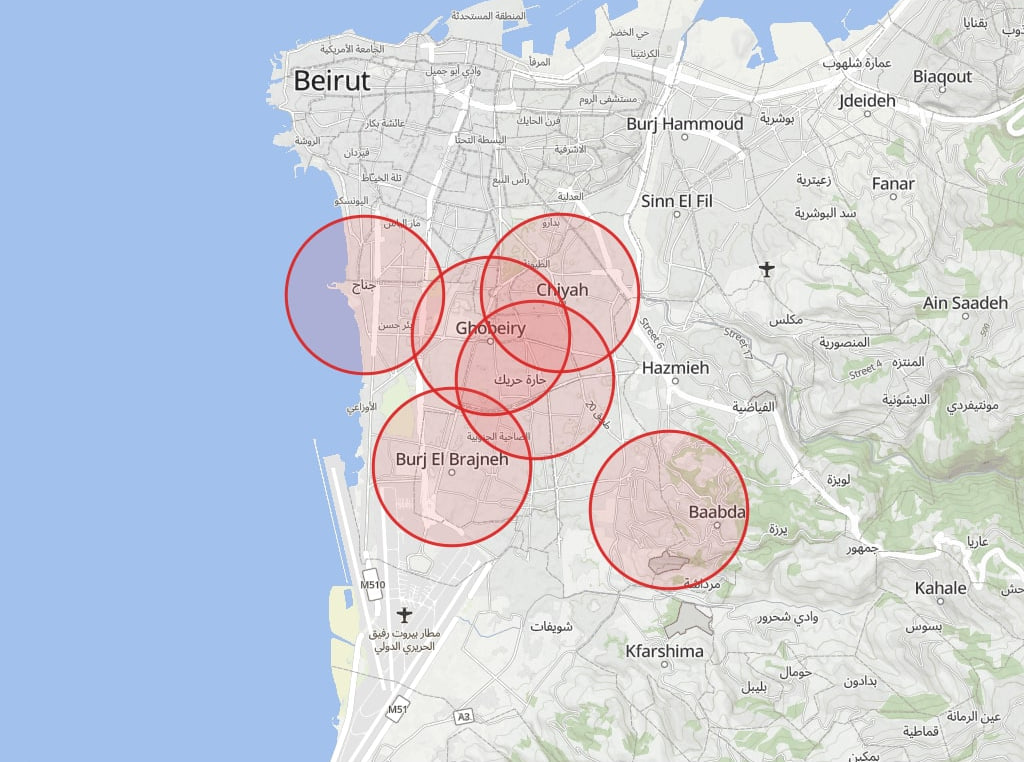
Flight tracking data indicates Israeli reconnaissance drones are operating over Beirut and its southern suburbs.
8
442
1,091
17,251
a muse retweeted

Jun 14
FIFA doing this to avoid a lawsuit they’re not being generous
Jun 14

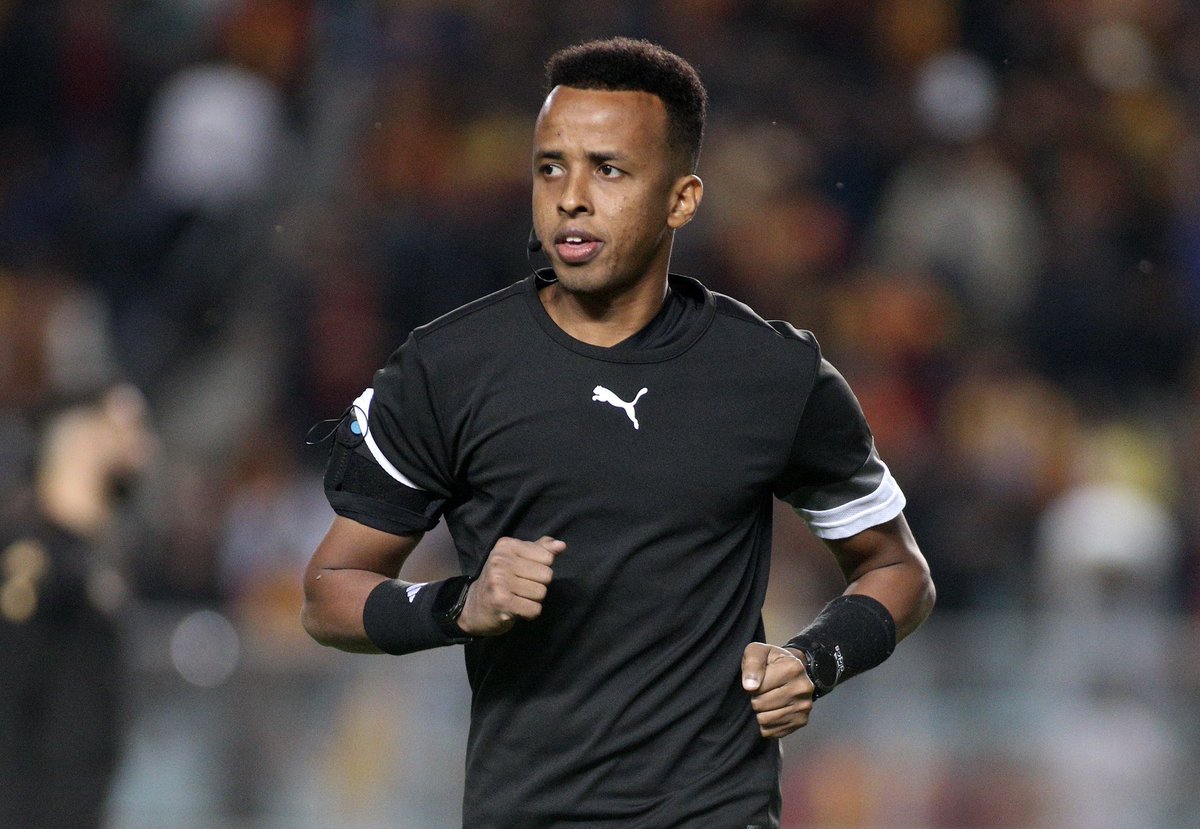
🚨🚨| JUST IN: FIFA will pay 𝐅𝐔𝐋𝐋 𝐒𝐀𝐋𝐀𝐑𝐘 to Somali referee Omar Artan after he was denied entry to the USA for the World Cup. 🇸🇴
FIFA has committed to paying Artan the full salary he was due to receive during the tournament.
[@BBCSport]
33
5,858
55,649
722,973
a muse retweeted

A leaked memo shows the European Union has known since 2017 that it had the legal right to freeze Israel's trade deal due to Israel's persistent violations of international law in the occupied West Bank. trib.al/QDiFA7I
21
304
374
6,330
Lulz.
Bravo, Iran.
15h

JUST IN: 🇺🇸🇮🇷 US to release $12,000,000,000 in frozen assets to Iran.
16
a muse retweeted

Uruguay the 3rd best team in South America and the 16th best team in the world, who are due to play Saudi Arabia tomorrow cannot enter the USA.
Because the USA will not allow them due to 'visa issues'.
The racist World Cup continues to be a disgusting joke.

394
3,660
9,205
237,635

You guys didn’t sway Trump, whom you spent months sucking off, and now you resort to trying to bully a football team. A roach has more honor.

BREAKING
Iranians have gathered outside Islamic Republic’s team hotel in Los Angeles
Chants of “shame on you” are heard
6
86
846
18,856
a muse retweeted

This is the Israeli perspective of what Indian interests are in #WestAsia. But these points can't be farther from the Indian perspective. Indian interests and Israeli interests in the region, though both countries enjoy very good bilat ties, are starkly different. Let's have a relook at each point.
1. Pakistan is not becoming a leader of the Global South at India's expense just because Pakistan brokered a ceasefire between the U.S. and Iran after a failed U.S.-Israel war. India is well aware of Pakistan's capabilities and limitations. Pakistan had been the blue-eyed boy of the U.S. throughout the Cold War. And India dealt with it. It's true that Pakistan today is rebuilding its ties with the US and expanding its diplomatic footprint in West Asia. That space for Pakistan was opened not by the deal trump is reaching with Iran but by the war Israel and the U.S. launched in India's neighbourhood. And that space will be paid close attention in New Delhi.
2. If the deal allows Iran to dominate the Strait of Hormuz, that means the war Israel and the US launched had been a total failure. India has historically enjoyed good bilat ties with Iran. Iran's ballistic missiles or a growing Iranian economy do not pose any threat to India. India has also invested millions in Iran. Iran offers a route to India to Afghanistan bypassing Pakistan; Iran is also a critical link in the North-South Transport Corridor which gives India an alternative route to connect with Europe bypassing the Suez Canal. India looks at IMEC as an important connectivity project, as well. But the missing piece in IMEC is the absence of an Israel-Saudi normalisation. If Israel is ready to settle the Palestine question politically and normalise ties with the Arab world, it would open great opportunities for India's regional engagement.
3. Millions of Indians have been living in the Persian Gulf countries for decades. The first wave of migration started in the 1960s, in the early stage of the oil boom, well before the revolution in Iran. They had never been threatened by Iranian missiles before this war. For the safety of millions of Indians in the Gulf and for remittances to continue to flow to India, what India wants is stability and economic progress in the region. In other words, Israel bringing its wars to the Persian Gulf is a direct threat to India's economic and energy security and the safety of millions of Indians living in the region. India sees itself as one of the pillars of the emerging order; so it's imperative for India to continue to grow economically, and tackle the disturbances that challenge this growth trajectory.
4. India clearly doesn't want another nuclear power in its neighbourhood. But it wants the nuclear question to be resolved diplomatically, not through unwise, less thought-out wars that hurt everyone. Israel wants regime change in Tehran, India doesn't. From an Indian perspective, the JCPOA addressed the nuclear question and Iranian facilities were open for international inspection. It was trump 1.0 that sabotaged the JCPOA, and it was Israel that recklessly, non-strategically took the war directly to Iran, exactly a year ago, after which Iran cut off the IAEA access to its nuclear programme.
So yes, India wants stability in West Asia. And for long-term stability, the Palestine question should be politically addressed; unending wars in the region should be stopped; Iran's nuclear programme should be addressed diplomatically and sovereignty and territorial integrity of all countries in the region should be respected.

India is cautiously welcoming the Iran deal, but let’s be clear: this is a disaster for India.
1️⃣ This deal has elevated India’s arch-nemesis Pakistan to the level of global peacemaker. It undermines India’s efforts to call out Pakistan’s destabilizing behavior and support for terrorism by making Islamabad a byword for peacemaking. It also transforms Pakistan into a powerbroker and leader of the Global South at India’s expense.
2️⃣ The capitulation allows Iran to dominate India’s western trading gateway. Before the Iranian Axis launched the October 7 War, India was dreaming of building the IMEC trade corridor through the Gulf and Israel to Europe. It was meant to slash transit costs and turbocharge Indian manufacturing. An emboldened Iran with ballistic missiles and billions in sanctions relief imperils that vision. Iran receives a veto over any infrastructure project in a maritime zone it seeks to dominate. Critically, the deal emboldens Iran’s proxy armies by establishing the precedent that they are inviolable, and this will threaten shipping in the Indian Ocean and Red Sea.
3️⃣ This deal keeps nearly 10 million Indians in the shadow of Iran’s ballistic missiles and killer drones The Iranian attack on Kuwait’s airport killed an Indian and the attack on Fujeirah injured three. India needs the Iranian threat neutralized to safeguard its migrant workers and the essential remittances they send home.
4️⃣ The failure to resolve the nuclear issue, while surrendering US leverage, means India will continue to be threatened by an Iranian regime in league with Pakistan pursuing nuclear weapons. It will continue to attack Indian interests with impunity and sow chaos in West Asia, sabotaging the stability that India needs for long-term economic projects. A nuclear-threshold Iran leaves India permanently exposed.
India’s approach of neutrality is unsustainable and jeopardizes its long-term interests. This disastrous deal must push it to reevaluate its geopolitical posture in a world in which Iran is dangerous and Pakistan is ascendant. Closer military and economic ties with Israel, similarly threatened by this news, is inevitable.
8
101
346
22,922
a muse retweeted

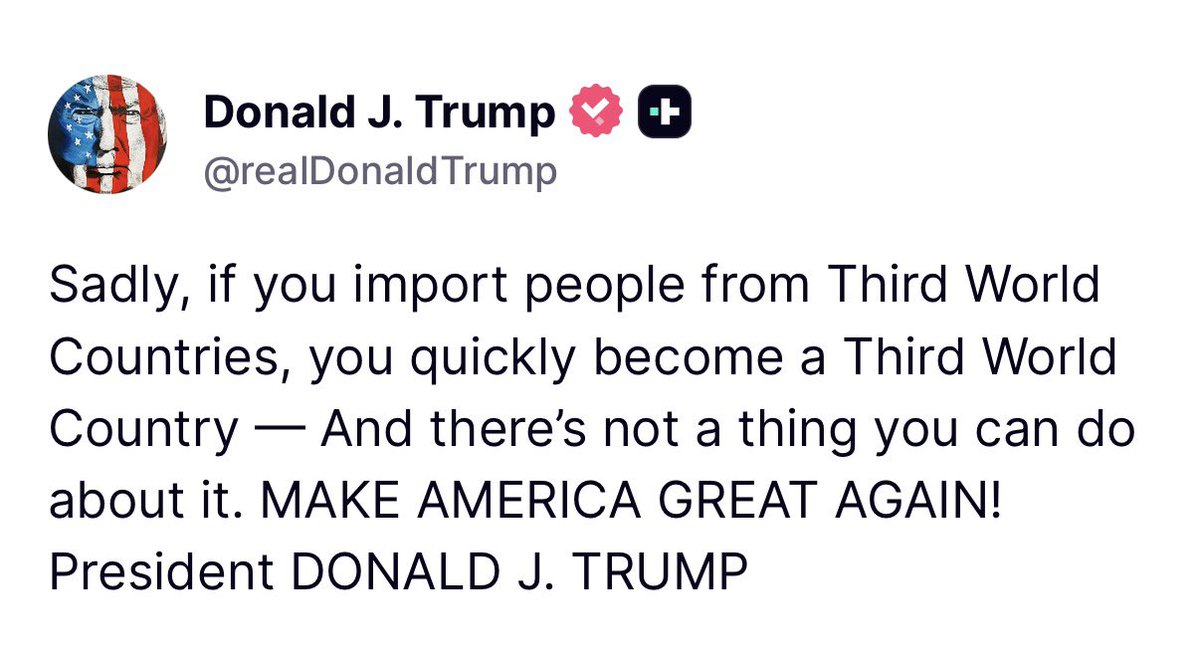
No apology or acknowledgement for the deaths of Indian sailors in the U.S.-Iran war
Instead we get this
68
218
1,258
48,950
a muse retweeted

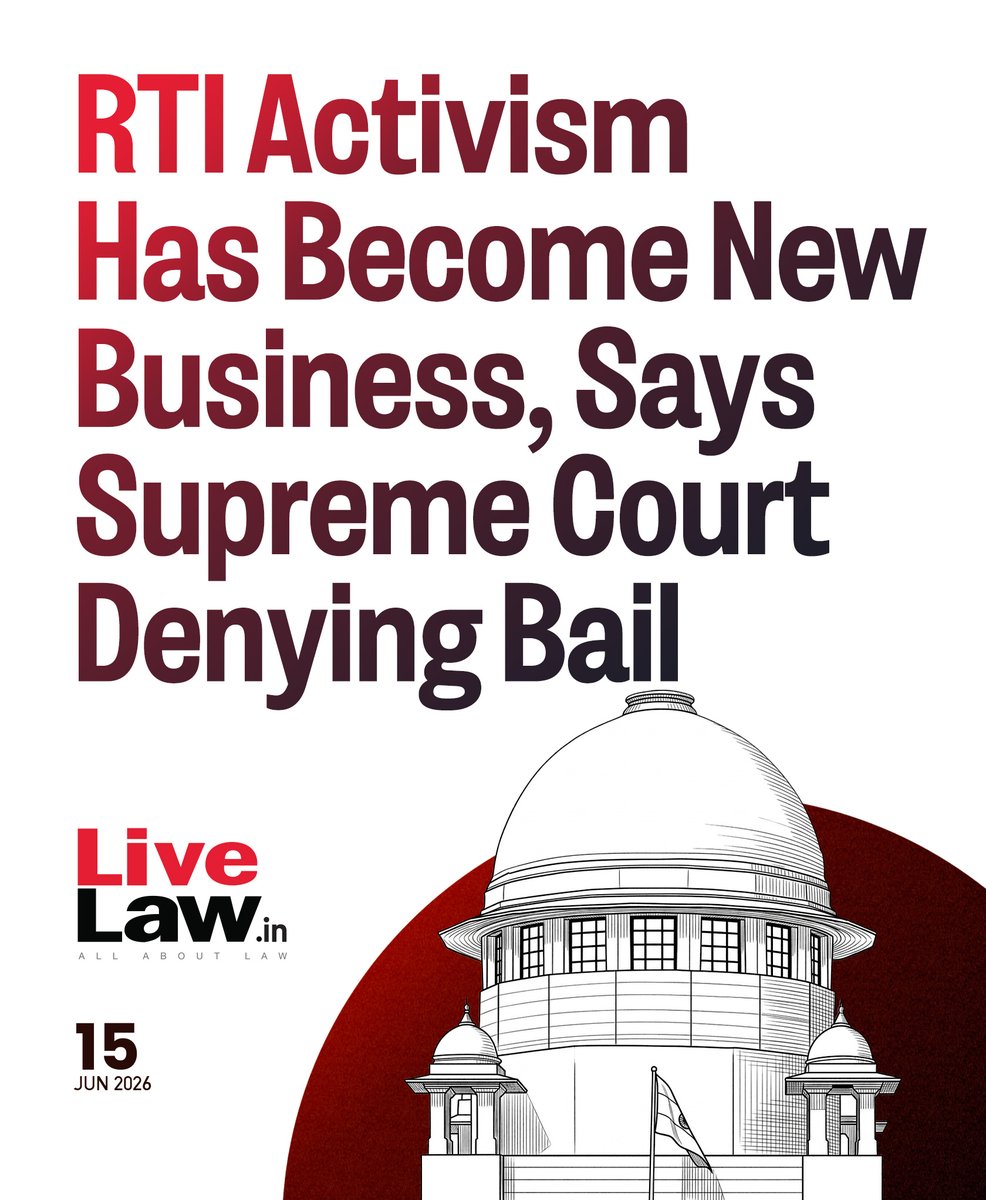
Dear lordships,
- 100 RTI users have been killed for exposing corruption & thousands attacked and harassed- SC is silent.
- The Whistleblowers Protection Act passed in 2014 not implemented till date- SC is silent.
But every few days the SC berates RTI activists and calls them names- cockroaches, busy bodies, and today the Court is asking who are citizens to monitor public works! Perhaps your lordships need to be reminded that in a democracy citizens are sovereign and tax payers have a right to know how their money is spent. Courts should deal with individual cases on merit without passing derogatory remarks about those who hold power to account.

The Supreme Court today(May 15) denied anticipatory bail to an RTI activist accused of obstructing a public servant in connection with the construction of a road.
Read more: zurl.co/bGz7E
#SupremeCourt
22
427
671
12,616
a muse retweeted

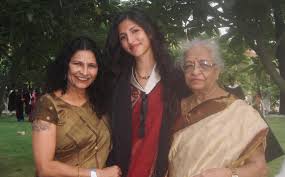
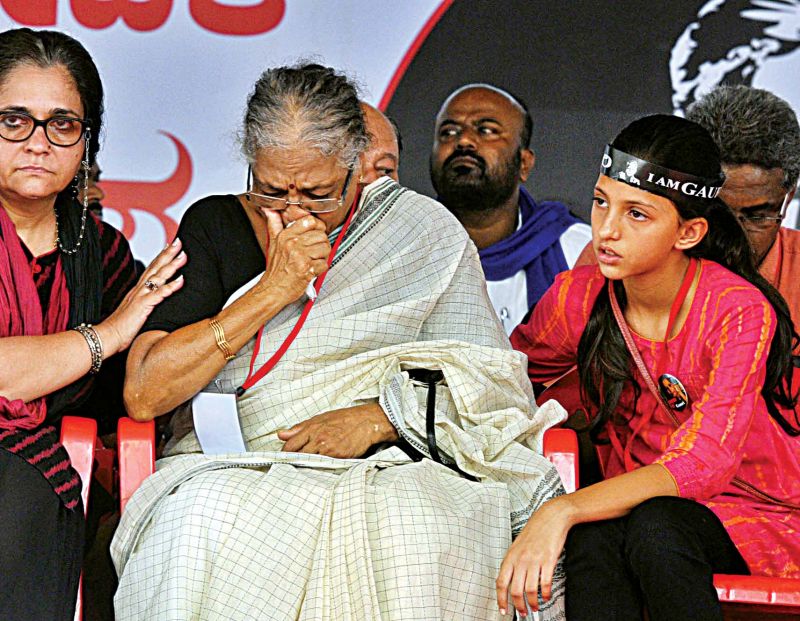
For nine years she grieved, fought for justice for daughter #GauriLankesh, battled cancer, had beautiful talented @kavithalankesh soul sister mine and film-maker by her side, thru thick and thin. Darling #Esha too. And now she has left, pacefully, last night this morning in her sleep. Rest in Power (RIP) n Peace #Indiramma #JusticeForGauri will be done. That we promise.

10
104
381
14,768
a muse retweeted

Iran's FM Spox. Esmail Baghaei
Under this MOU, the American side is obligated to lift all sanctions — secondary, primary, UN Security Council sanctions, and relevant IAEA Board resolutions.
From the moment the MOU is signed on Friday, Iran must be able to sell oil, petrochemical products, and petroleum derivatives without any obstacle.
6
81
410
44,697
a muse retweeted

JUST IN: 🇮🇷🇮🇱🇱🇧 Response by Iran’s Foreign Ministry to Israel’s claim they will not withdraw from Lebanon:
– We know that Israel never takes any action without consultation and direct coordination with America.
– Therefore, we hold America directly responsible if it fails to force Israel to submit to its obligations as part of the MoU, with necessary consequences.
127
3,167
10,364
347,177
a muse retweeted

All’aereo della Celeste, che a mezzanotte (tra 16 ore) deve affrontare l’Arabia Saudita, non è stato permesso di entrare negli USA. Al di là dei rimpalli di responsabilità, il mondiale di Trump e Infantino è un’intollerabile pagliacciata.
#Uruguay
224
2,572
7,471
473,054

Trashy when poors do it, classy when influenzars do it

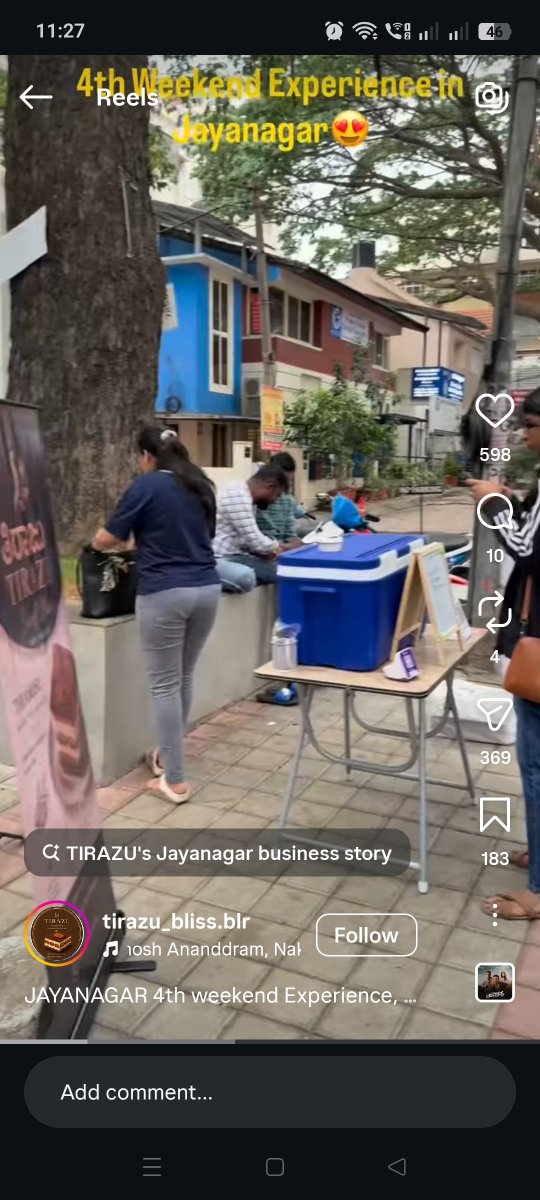
Footpath vendors are mushrooming across Bangalore. Thanks to the highly educated, instagram super active minus the civic sense crowd! No @fssaiindia license no @GBA_office license. Just some #haftha 😭??? @NammaBengaluroo @ChristinMP_ @ICCCBengaluru @timesofindia

15
224
2,515
50,759
RT @SushantSin: If you were to follow the Godi media reporters and editors, you would think that what does a respected former navy chief li…
73
a muse retweeted

there are literally israeli colonies in parts of india. where generations of israelis have settled down, have had kids and created a weird “whites only” space. so yes, we need to be concerned about india-israel relations, israelis are not neutral people, they are people who have served in the IOF, who have participated in the genocide in lebanon and gaza. accountability matters.
26
199
1,037
16,822
a muse retweeted

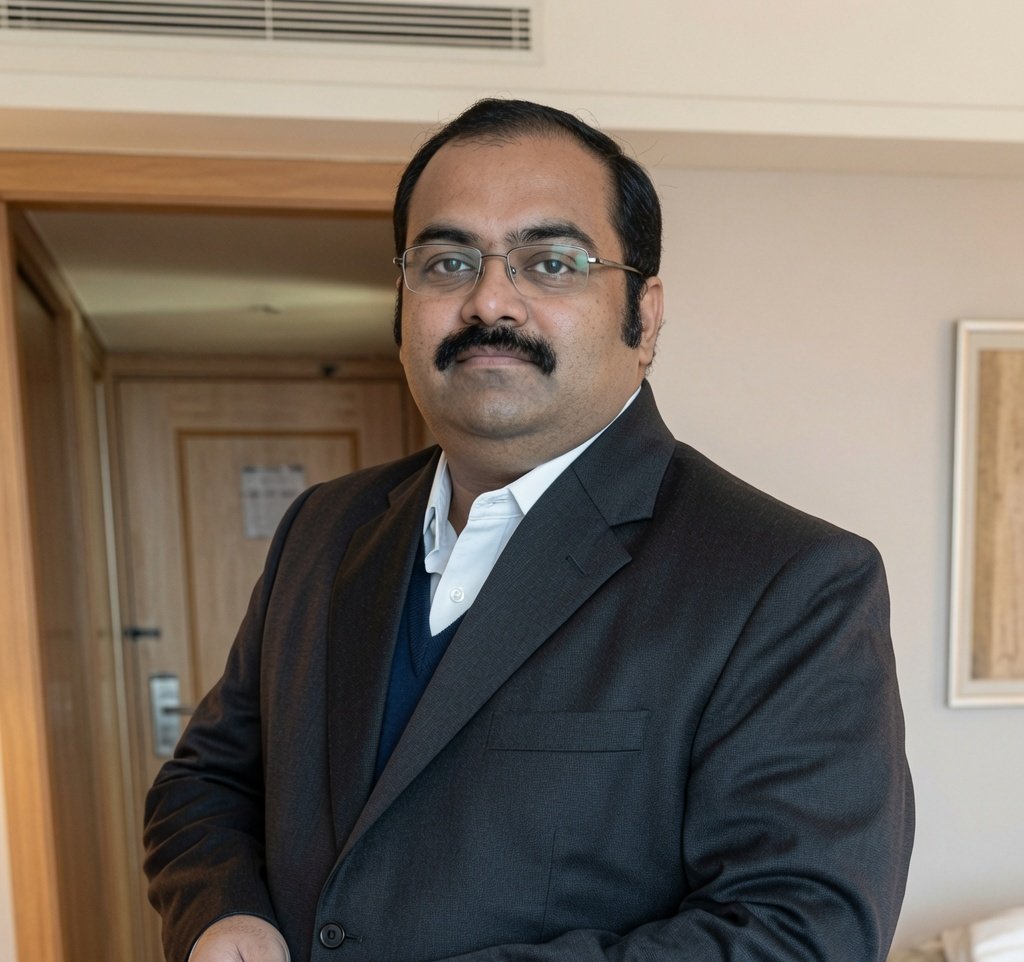
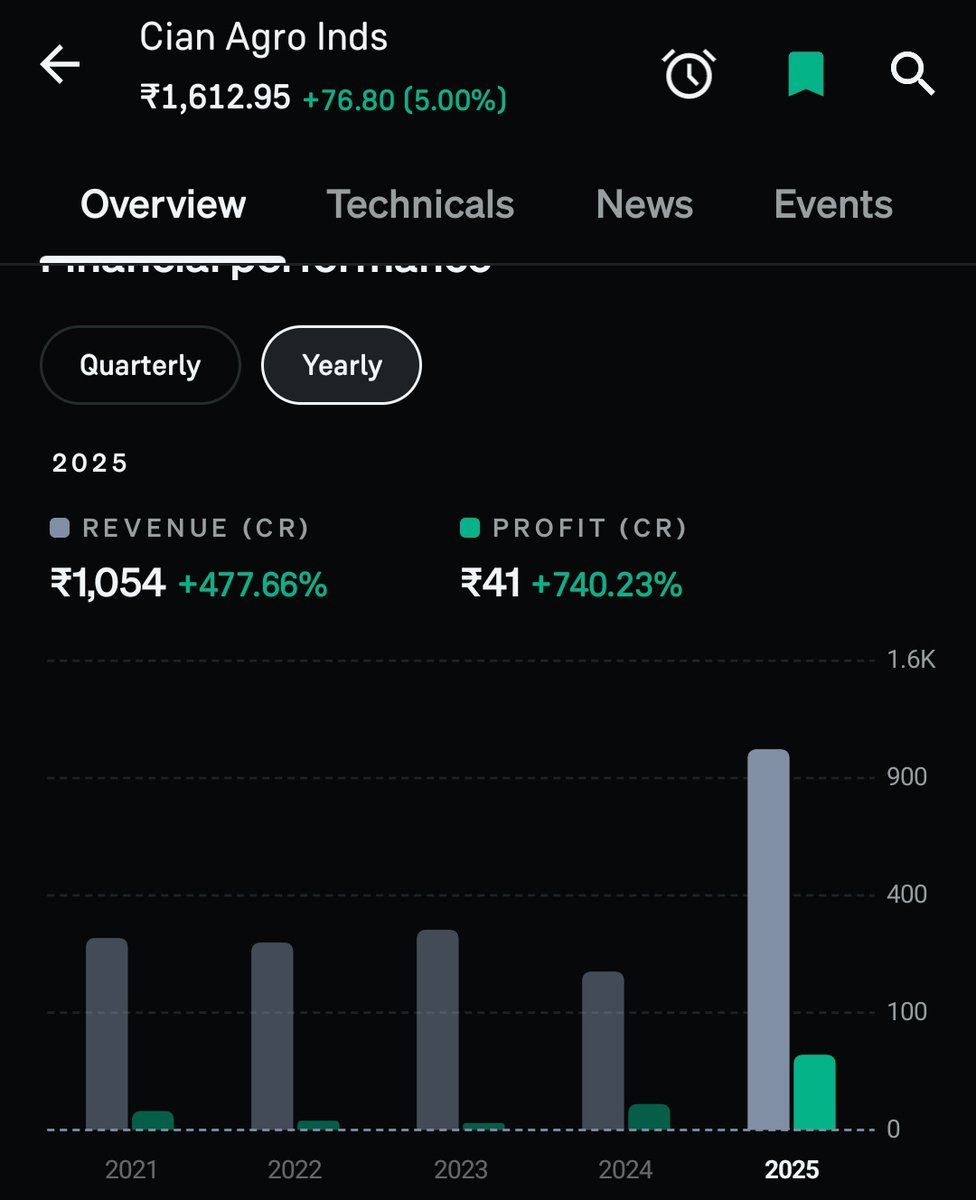
Nikhil Gadkari’s Cian Agro profits jump a whopping 740% in 2025 compared to the previous year.
186
1,070
5,762
325,480
a muse retweeted

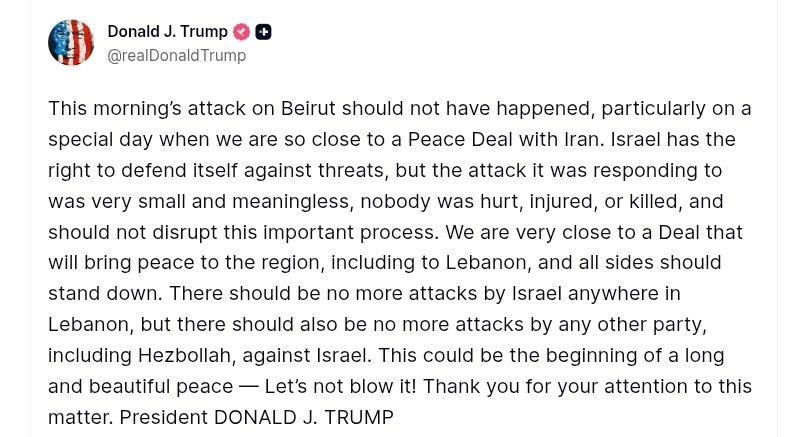
Here’s what’s happened, Mark.
You spent years craving a US war with Iran.
You got your war, and then the US lost that war.
It’s really not very complicated!

249
1,839
12,503
387,553
a muse retweeted

If the Zionist regime does not abide by the ceasefire, ships and tankers will not pass through the Strait of Hormuz.

There is no ceasefire in Lebanon with I$raeli attacks continuing in the south as it insists the MOU between Iran and the US doesn’t apply to them.
Multiple villages have been targeted this morning with demolition operations while a booby-trapped vehicle was detonated on the road between Haris and Tebnine.
Some municipalities have warned people not to return as many of those displaced from their homes are heading south.
I$raeli forces this morning opened fire on Kfar Roummaine and also targeted the area around Maifdoun as civilians tried to return with at least one person wounded.
175
1,066
3,031
51,274
a muse retweeted

Jun 14
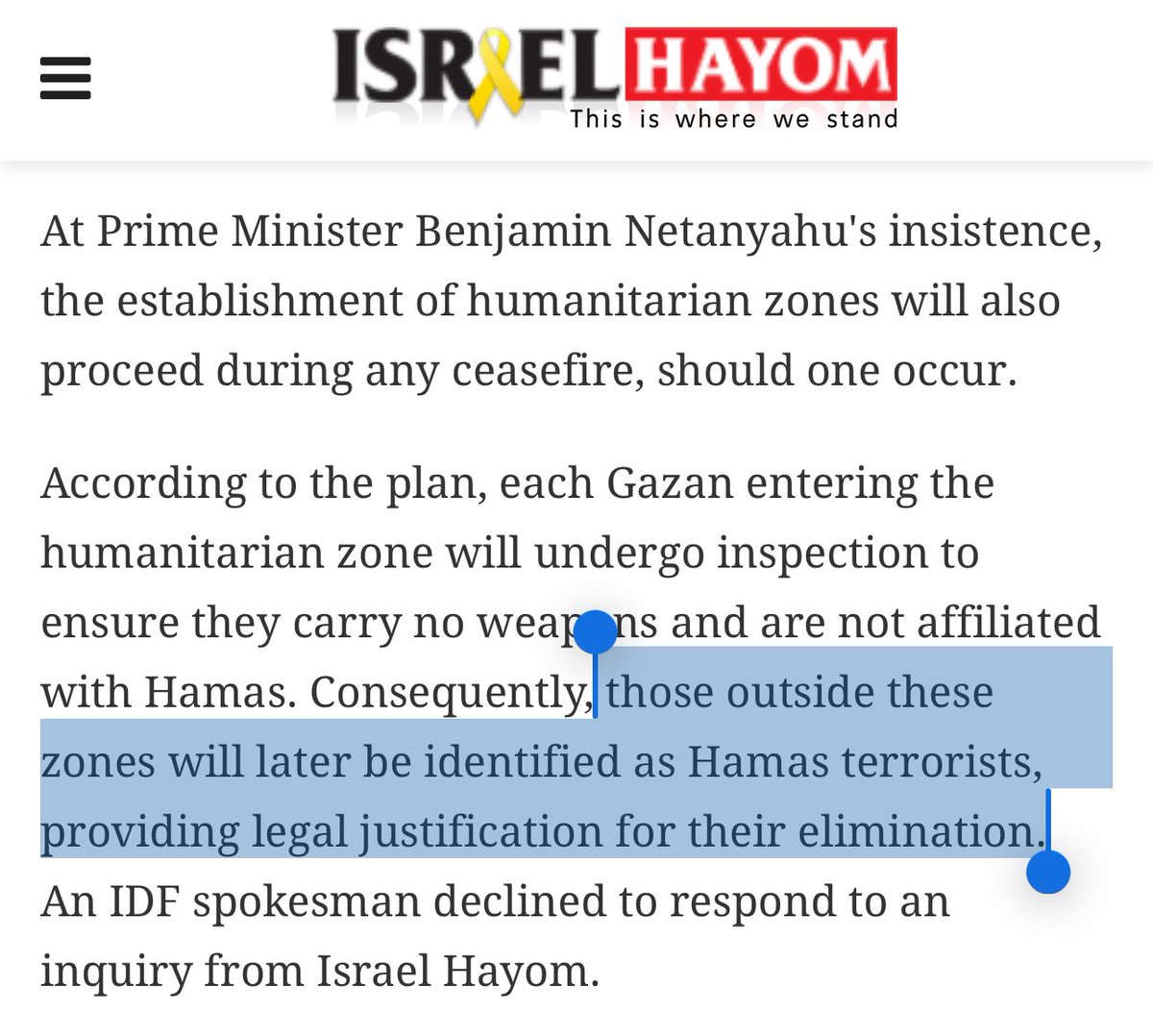
Just to be clear: Palestinians who refuse to “voluntarily” enter this concentration camp will be MURDERED. That’s the plan. Stated openly. And people still insist with a straight face that this isn’t genocide.

So, anyone who doesn’t go to the concentration camp will be “eliminated.”
Doesn’t sound genocidal at all…
14
1,287
2,402
27,419