VP Product @TelerikAcademy. 11 years as Product Manager and Entrepreneur. Father, continuous learner, AI-optimist, and tennis enthusiast.
Joined April 2010
- Tweets 1,961
- Following 738
- Followers 627
- Likes 4,887
85 Photos and videos






Jun 16
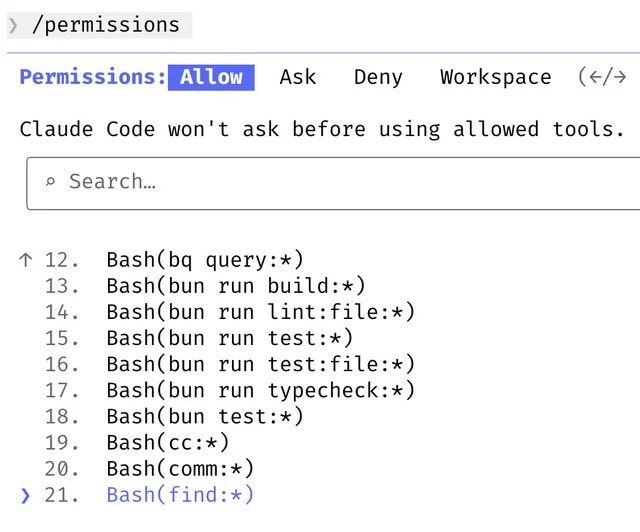
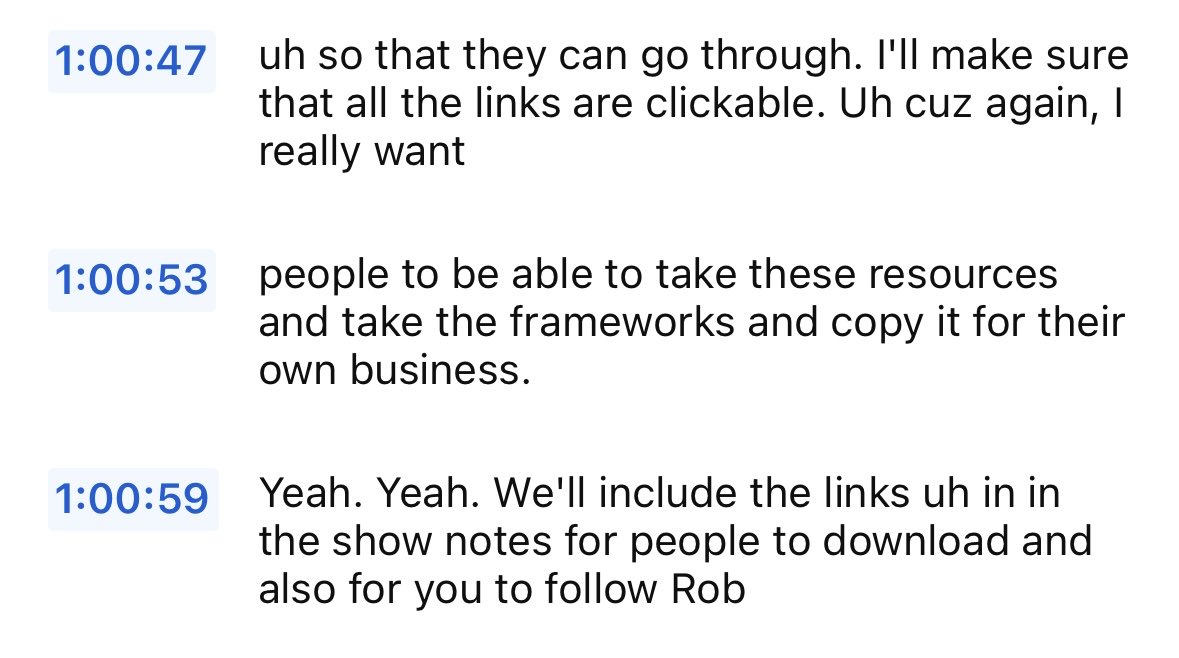
"@ElevenLabs periodically updates default voices and automatically reroutes old voice IDs to updated versions. The original "Charlie - Deep, Confident, Energetic" version is no longer available through that ID."
Anyone from the @ElevenLabs team here? Looking for a solution.
9
Alexander Kitov retweeted

Apr 11
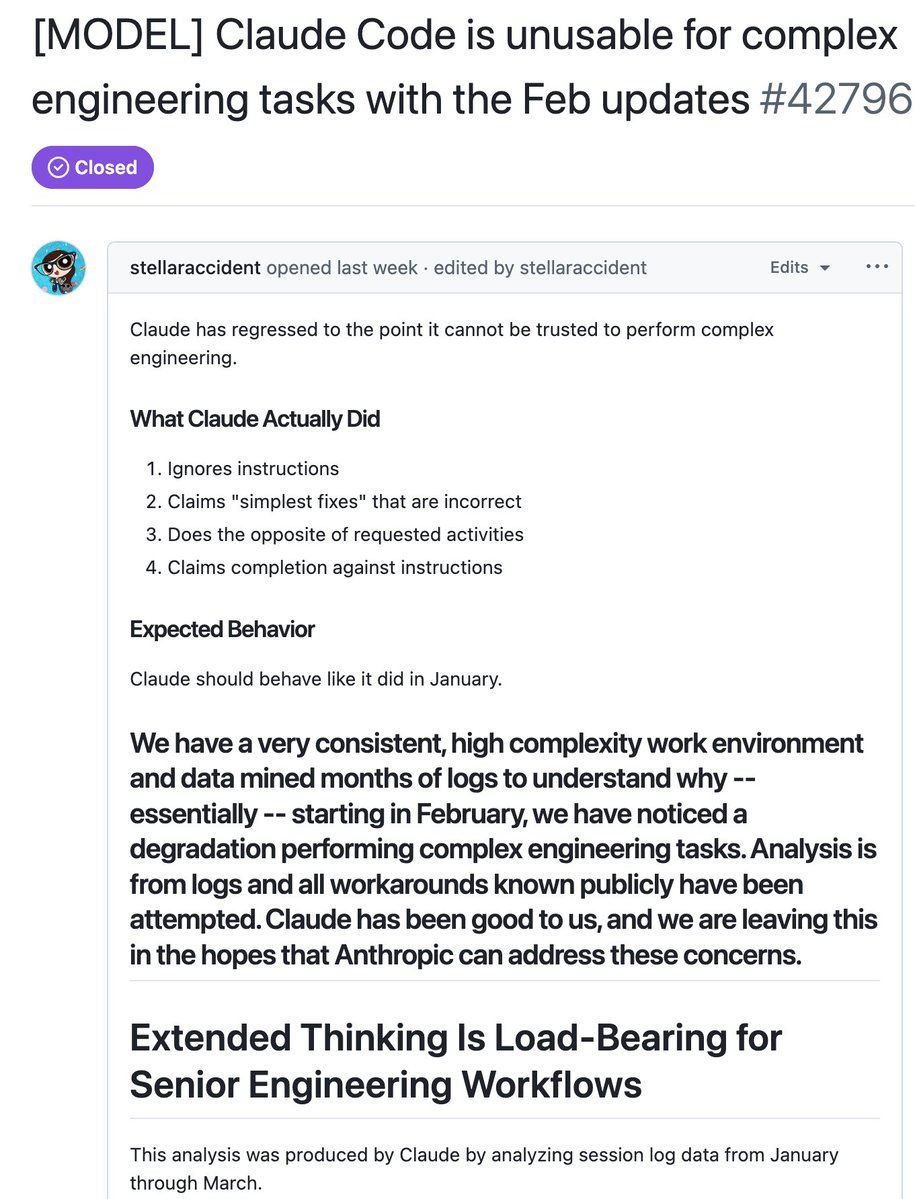
AMD Senior AI Director confirms Claude has been nerfed. She analyzed Claude's session logs from Janurary to March:
> median thinking dropped from ~2,200 to ~600 chars
> API requests went up 80x from Feb to Mar. less thinking and failed attempts meaning more retries, burning more tokens, and spending more on tokens
> reads-per-edit dropped from 6.6x → 2.0x. model stops researching code before touching it.
> model tried to bail out or ask "should i continue" 173 times in 17 days (0 times before March 8).
> self-contradiction in reasoning ("oh wait, actually...") tripled.
> conventions like CLAUDE.md get ignored because there's less thinking budget to cross-check edits
> 5pm and 7pm PST are the worst hours, late night is significantly better. this means the thinking allocation is most likely GPU-load-sensitive.
321
1,034
9,485
3,865,669
Apr 5
Boris, Anthony, you guys can't keep up with everything I'm sure, but I'm planting a seed here.
Loading up large skill files (or other resources) should be rule-based, but that's possible only if the est. token size is known upfront, ie. frontmatter'ed
CC @bcherny @amorriscode
1
26
Apr 1
this is the debate about being
AI-native - define the task, let agent(s) find the tool and get to the solution
vs
AI-enabled - a human gets to decide and use a selection of different opinionated AI agents specialized for different tasks
Apr 1

I keep thinking about built-in agency vs. agent sprawl.
Custom agents may become the new custom fields of AI software: easy to add, hard to manage, and a long-term source of complexity overhead.
You end up with hundreds of agents doing narrow tasks across systems independently, conflicting with each other’s changes and burning tokens as they go instead of having one system operating in an agentic way.
45
Mar 24
listened through it all over the weekend and yes, lots of gems, a bit all over the place in terms of topics,
but the whole Shopify company and ecosystem, and heck the whole world
should be grateful to have such a people-oriented, entrepreneurial tinkerer as a CEO
Jan 18

My conversation with Tobi Lütke (@tobi), co-founder and CEO of Shopify.
0:00 Companies as Social Technology
5:27 The Value of Reading Books: Cheat Codes for Life
7:28 Post-IPO Crisis: Cosplaying as a CEO
7:54 Competition vs Rivalry: The Power of Healthy Competition
16:02 COVID as a Turning Point: Rebuilding the Executive Team
18:21 Hiring Founders: Building a Team of High-Agency People
26:49 Shopify OS: Engineering the Company from First Principles
36:48 Compensation Innovation: Giving Employees Full Agency
40:41 The Psychology of Identity and Affirmations
48:43 Differentiation Over Perfection: Making It Your Own
50:31 Context Podcast: Documenting Decision-Making
1:26:36 The IPO Decision: Going Against Silicon Valley Orthodoxy
1:35:08 Building a Company Worth Working For
1:41:50 Hiring for Spikiness: Finding Non-Conformists
1:48:28 Office Design Philosophy: Creating Space for Excellence
1:58:54 Video Games as Business Training: StarCraft Lessons
2:07:06 AI Revolution: 2026 and Beyond
2:11:44 Focus on Craft: The Unquantifiable Elements of Excellence
2:21:08 Survivorship Bias: The Importance of Entrepreneurial Exposure
2:23:22 Closing
Includes paid partnerships.
31
Alexander Kitov retweeted

Jan 18
My conversation with Tobi Lütke (@tobi), co-founder and CEO of Shopify.
0:00 Companies as Social Technology
5:27 The Value of Reading Books: Cheat Codes for Life
7:28 Post-IPO Crisis: Cosplaying as a CEO
7:54 Competition vs Rivalry: The Power of Healthy Competition
16:02 COVID as a Turning Point: Rebuilding the Executive Team
18:21 Hiring Founders: Building a Team of High-Agency People
26:49 Shopify OS: Engineering the Company from First Principles
36:48 Compensation Innovation: Giving Employees Full Agency
40:41 The Psychology of Identity and Affirmations
48:43 Differentiation Over Perfection: Making It Your Own
50:31 Context Podcast: Documenting Decision-Making
1:26:36 The IPO Decision: Going Against Silicon Valley Orthodoxy
1:35:08 Building a Company Worth Working For
1:41:50 Hiring for Spikiness: Finding Non-Conformists
1:48:28 Office Design Philosophy: Creating Space for Excellence
1:58:54 Video Games as Business Training: StarCraft Lessons
2:07:06 AI Revolution: 2026 and Beyond
2:11:44 Focus on Craft: The Unquantifiable Elements of Excellence
2:21:08 Survivorship Bias: The Importance of Entrepreneurial Exposure
2:23:22 Closing
Includes paid partnerships.
138
431
4,664
16,315,526

David Sinclair says we’ll find out this year whether aging is reversible.
His lab reversed biological age in animals by 75% in six weeks. The FDA has cleared the first human trial.
Aging may be information loss.
Information can be restored.
567
1,553
9,761
1,642,335
Alexander Kitov retweeted

Feb 17
Deutschland sucht Gründer.
Und bezahlt Manager fürs Aufhören.
Warum in Deutschland niemand mehr gründet?
Weil Aufhören besser bezahlt wird als Anfangen.
Gerade mit einem Kollegen aus einem Konzern gesprochen (ca. 20.000 MA).
Oberes Mittelmanagement.
Nicht Vorstand, nicht C-Level.
Abfindung im mittleren sechsstelligen Bereich.
Jahresgehalt weit über 150.000 Euro.
Dazu Bonus, Dienstwagen, Betriebsrente, 30 Tage Urlaub und ein Betriebsrat, der jede Kündigung zum Verhandlungsmarathon macht.
Die Faustformel sagt: ein halbes bis ganzes Bruttomonatsgehalt pro Beschäftigungsjahr.
Nach 20 Jahren Konzern wird daraus schnell ein kleines Vermögen. Und in der Praxis liegt der Faktor oft deutlich höher.
Zum Vergleich:
Wir haben uns als Gründer seit zweieinhalb Jahren keinen einzigen Cent ausgezahlt. Laut Creandum Founder Compensation Report liegt der europäische Median für bootstrapped Gründer bei 30.000 Euro im Jahr. Weniger als ein Berufseinsteiger im Konzern.
Kein Bonus.
Kein Dienstwagen.
Kein Netz, kein doppelter Boden.
Von den fehlenden Urlaubstagen und den Arbeitszeiten, die kein Arbeitsgericht durchwinken würde, fange ich gar nicht erst an.
Dafür Haftung mit allem, was wir haben.
Und ja, ich weiß:
Gründer bauen Firmenwert auf.
Theoretisch.
Laut IfM Bonn überlebt nicht einmal jedes zweite Unternehmen die ersten fünf Jahre.
Nach fünf Jahren sind es nur noch 38 Prozent.
Die Equity ist eine Wette.
Die Abfindung ist garantiert.
Und wer als Gründer Investoren sucht, wird gefragt, warum er sich überhaupt ein Gehalt zahlt.
Im Konzern fragt niemand, warum die Abfindung sechsstellig ist.
Das System belohnt Sicherheit, nicht Risiko.
Es belohnt Größe, nicht Mut.
Deutschland investiert laut KfW 0,25 Prozent seines BIP in Wagniskapital.
Die USA das Dreifache.
Der deutsche VC-Markt stagniert bei 7,2 Milliarden Euro, während allein US-Investitionen in KI-Startups 2025 um 85 Prozent auf 211 Milliarden Dollar gestiegen sind.
Deutschland hat 29 Unicorns.
Die USA über 700.
Pro Kopf nicht einmal ein Fünftel.
Das ist kein Rückstand. Das ist eine andere Liga.
2025 gab es in Deutschland so viele Startup-Gründungen wie nie. 3.568 neue Unternehmen, ein Drittel mehr als im Vorjahr. Der Wille ist da.
Was fehlt, sind die Bedingungen.
Statt Wagniskapital diskutiert die Politik über Subventionen für Großkonzerne, über Abwrackprämien und über Abgabenerhöhung.
Über alles, was das Bestehende konserviert.
Über nichts, was Neues ermöglicht.
2024 haben 270.000 Deutsche das Land verlassen.
Zwei Drittel davon unter 40, drei Viertel mit Hochschulabschluss. Fast jeder zweite Freelancer denkt laut aktuellem Freelancer-Kompass über Auswanderung nach.
38 Prozent nennen steuerliche Vorteile im Ausland als Grund. Nicht weil sie müssen. Weil die Bedingungen woanders besser sind.
Und wer trotzdem bleibt, arbeitet unter dem Damoklesschwert der Scheinselbstständigkeit.
66 Prozent der Freelancer nennen sie laut Freelancer-Kompass als eine der größten Herausforderungen.
Das Prinzip: Du gründest, du baust auf, du trägst das volle Risiko – und die Deutsche Rentenversicherung prüft im Nachhinein, ob du eigentlich doch ein Angestellter bist.
Nicht du entscheidest über deinen Status.
Eine Behörde tut es.
Rückwirkend.
Mit Nachzahlungen, die Existenzen vernichten.
Die Ironie dabei: Dieselbe Rentenversicherung, die über den Fachkräftemangel klagt, treibt Selbstständige systematisch ins Ausland.
Nicht mit schlechten Leistungen.
Mit Rechtsunsicherheit.
Unternehmen stornieren Aufträge an Freelancer, weil das Risiko einer Statusfeststellung zu groß ist.
Die Projekte gehen ins Ausland.
Das Know-how gleich mit.
Selbst die erfolgreichsten deutschen Gründer bestätigen es:
In einer Bitkom-Befragung unter Unicorn-Gründern fordern 79 Prozent Bürokratieabbau als wichtigste Maßnahme.
Nicht mehr Subventionen.
Nicht mehr Programme.
Weniger Hindernisse.
Deutschland hat kein Innovationsproblem. Deutschland hat ein Anreizproblem.
Und solange eine Abfindung im Konzern mehr wert ist als drei Jahre Gründerdasein, solange ein Manager für seinen Abgang besser entlohnt wird als ein Unternehmer für seinen Aufbau, wird sich daran nichts ändern.
Die Besten werden weiter woanders gründen.
Nicht aus Trotz.
Aus reiner Vernunft.
Feb 17

Ich bin übrigens wirklich davon überzeugt, dass es Deutschland und Europa flächendeckend besser ginge, wenn Startups und VCs viel mehr Bedeutung in der politischen Debatte hätten.
Denn am Ende sind es eben Startups gepaart mit VC Fonds, die Innovationen am Fließband produzieren. Ganz einfach.
64
168
886
80,522
Alexander Kitov retweeted

Jan 26
I'm a Reserve Manager at a central bank.
My job is buying gold.
297 tons this year.
Quietly.
While we print money.
Loudly.
Gold hit $5,000 an ounce yesterday.
We've been buying since it was $1,800.
That's called "reserve diversification."
Diversification means we don't trust our own currency.
But we can't say that.
So we say "diversification."
The Governor went on television last month.
He said inflation is "anchored."
Anchored means 6%.
Used to mean 2%.
We moved the anchor.
That's monetary policy.
He said the currency is "sound."
Sound means losing 20% of its value.
Per year.
But it sounds sound.
That's what matters.
We bought 45 tons in November.
Poland bought 95 tons.
Brazil bought 43.
China reports 1 ton.
China is lying.
We all know.
Nobody says it.
95% of central banks plan to buy more gold next year.
That's a survey.
We surveyed ourselves.
On whether we trust ourselves.
We don't.
We trust gold.
Citizens ask why prices keep rising.
We say "supply chains."
We say "external factors."
We don't say "we printed 40% of all money in existence since 2020."
That's not external.
That's us.
The Finance Minister asked if gold is a hedge against our own policies.
I said "gold is a strategic reserve asset."
Strategic means yes.
I just can't say yes.
Gold is $5,000 now.
Our currency buys less every day.
Our gold buys more.
That's the strategy.
For us.
Not for you.
You get the currency.
We get the gold.
That's central banking.
656
3,815
16,831
1,513,274
Alexander Kitov retweeted

Jan 23
50% chance of Minimal AGI by 2028. As I've been saying publicly since 2009.
64
53
685
169,849
Jan 7
design / UX / taste and you have it :)
Jan 7

49
Jan 4
AI tools that help teams consistently find more of these intersections will be insanely valuable and they’re clearly coming.
Their real value will be defined by how well they evaluate each of those whitespace criteria.
1
22
Jan 4
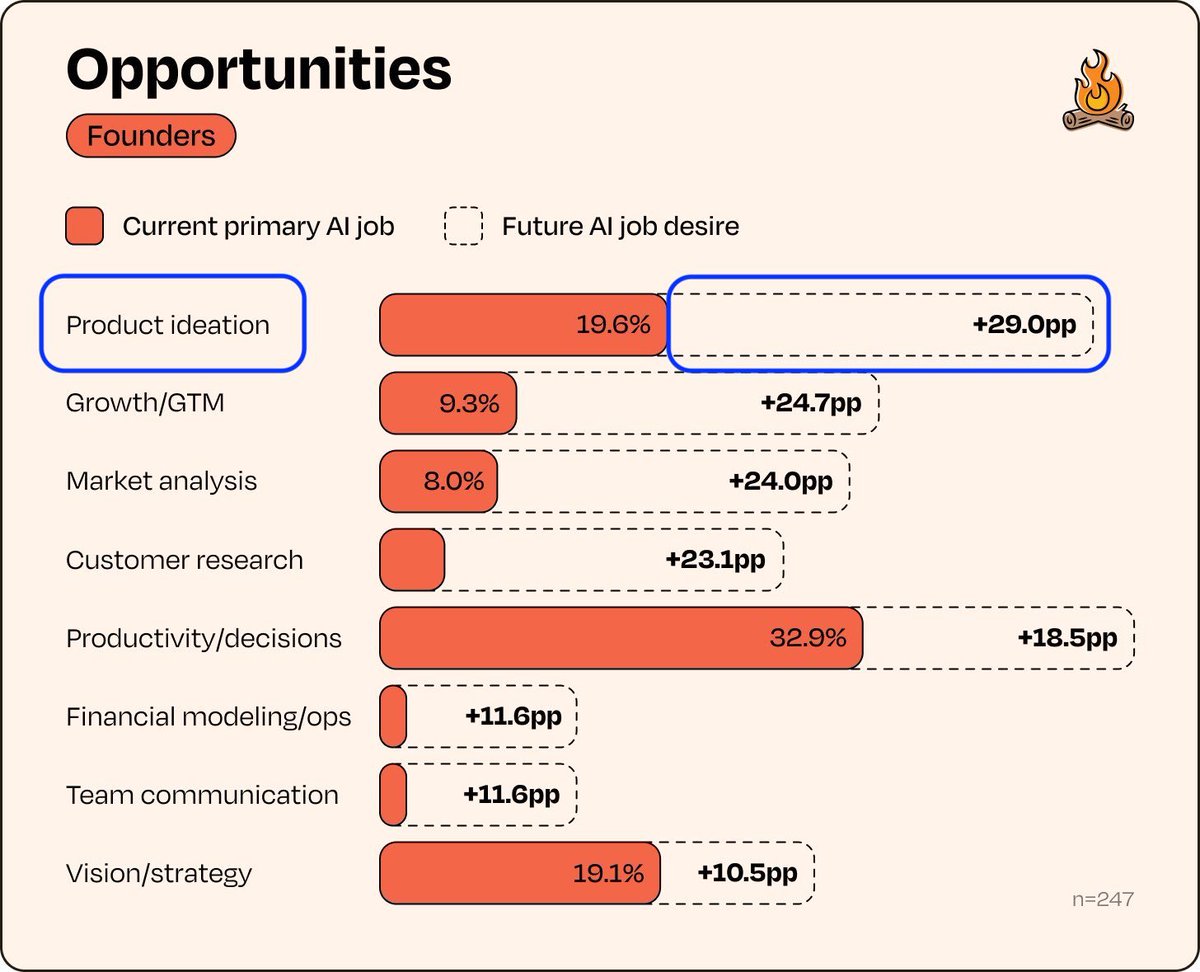
Now you get to combine fast ideation (#1) with fast validation (#2), and you get how successful companies will operate:
Find → Evaluate → Validate → Kill or Rebuild & Scale
Same motion as before. Just much faster now, thanks to AI research & vibe coded prototypes.
17