
useful hands and a cheerful heart | @_torontosociety
Joined October 2011
- Tweets 13,768
- Following 1,254
- Followers 3,669
- Likes 41,205
1,539 Photos and videos







Pinned Tweet

Apr 29
When I first started talking with @mattyj612 a couple years ago, it transformed my life.
Through conversations about games and the art of agency, statecraft, Frederick Gardiner, air pumps, leviathans, and lithography, he brought me into dialogue with the history of technologies and the wider culture they interact with.
I've seen him do this for hundreds of people.
If you work in technology. If you are an engineer, a designer, or a writer. If you are interested in the technical marvels that seem to constantly drag us into a new reality.
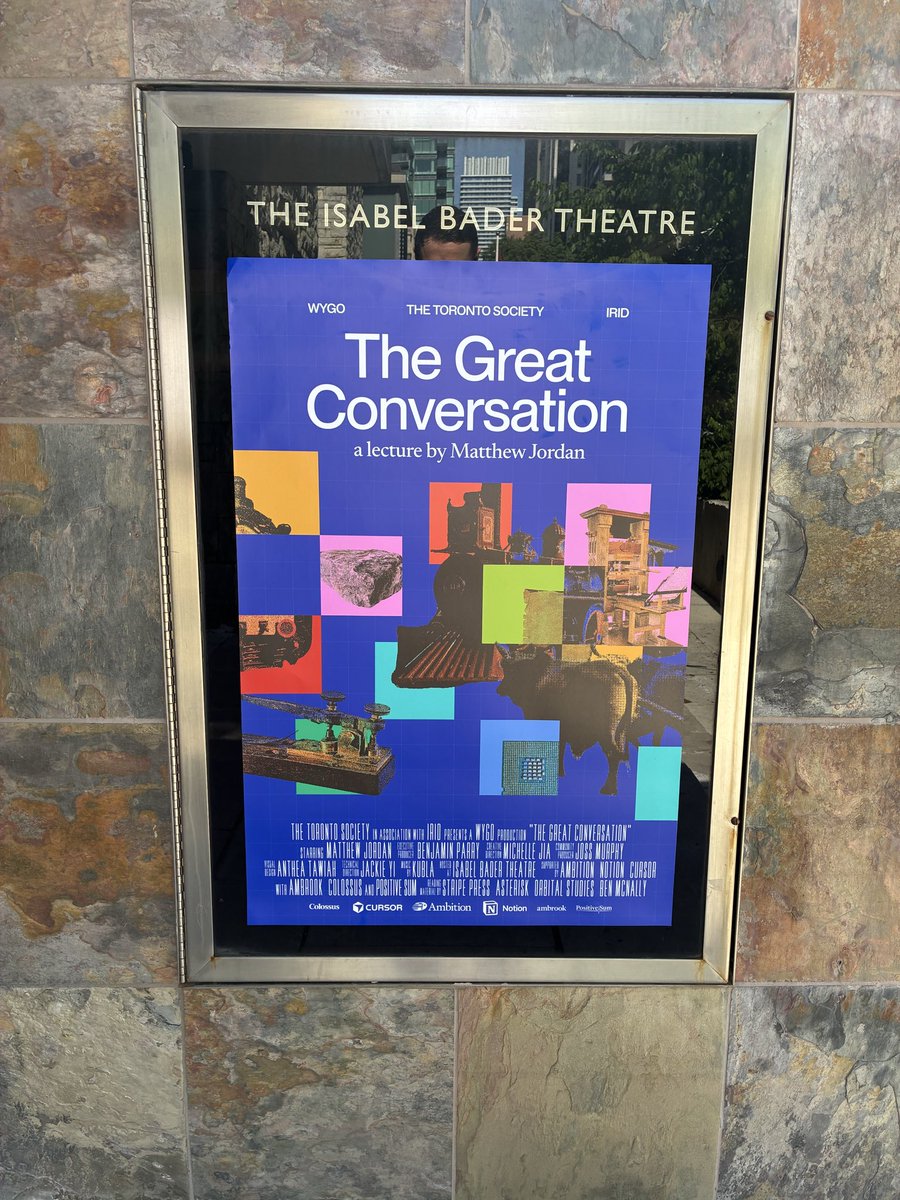
Come join the conversation on May 27th during Toronto Tech Week.
There is nothing stopping you from engaging with the paradigms and background beliefs that shape the world long before our tools arrive.
Apr 29

We’ve been telling the story of technology backwards. Our tools take center stage, but these artifacts are the lagging indicators of progress, not the drivers.
What propels the world forward is dialogue, a swirling conversation across generations about what it means to be human.
You have been part of this conversation your entire life. You just haven't been formally introduced.
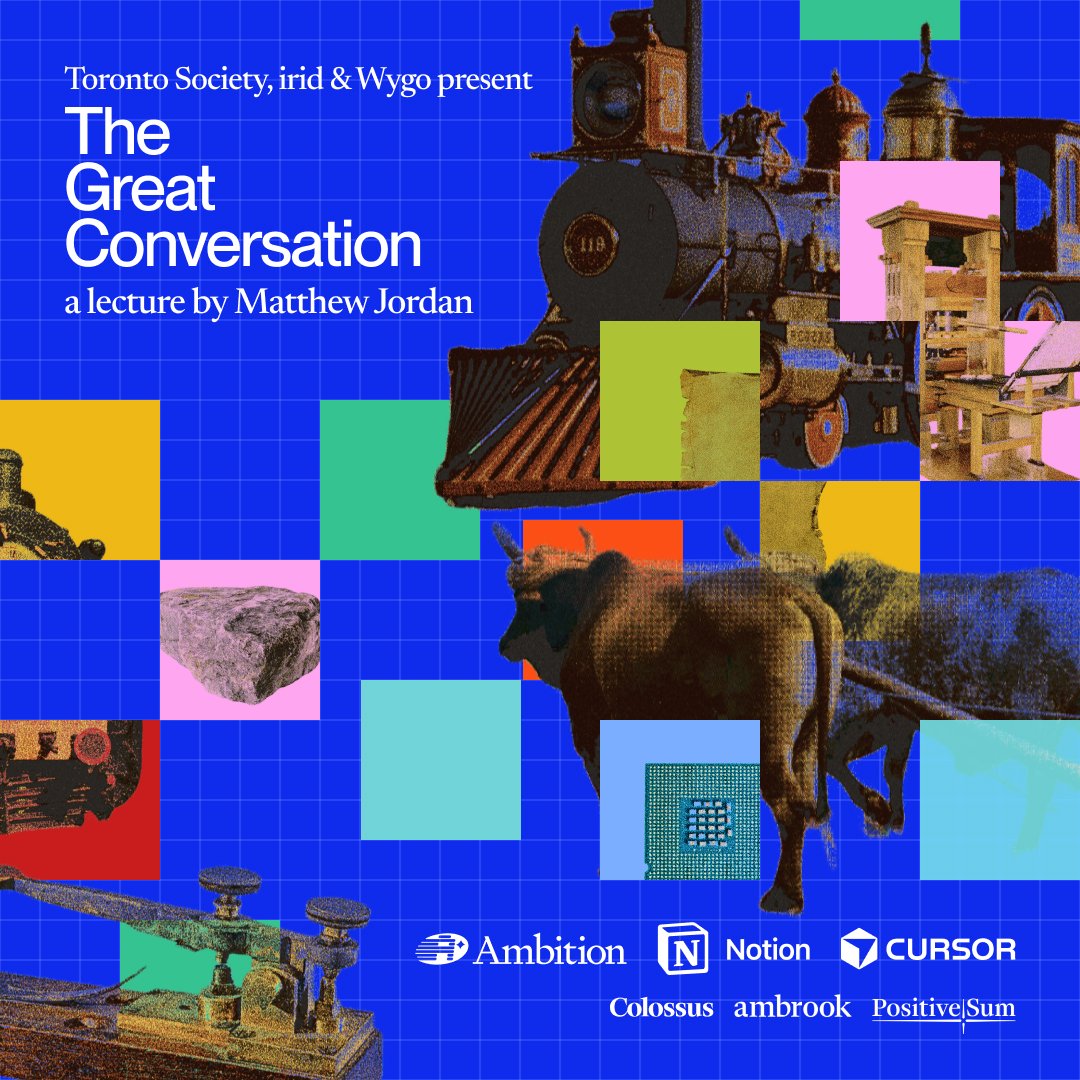
On May 27th, during @TOTechWeek we invite you to join The Great Conversation, a lecture about how technologists shape history.
Hosted with @ambitionlabsinc, @NotionHQ, @cursor_ai, @AmbrookAG, @colossusmag, @psumvc, and many more.
Tickets on sale now!
1
3
17
2,398
Beauty is always an affordance but never an action. Always useful but never a use. This is why it is ‘disinterested.’
1
143
Benjamin Parry retweeted

Jun 12
Communists? Reading groups. Founding fathers? Reading groups. Protestants? Reading groups. Fabian society? Reading groups. Confucians? Reading groups. If you want to change the world, run reading groups tied to a culture of social and political organization
8
32
474
8,617
Jun 12
A petition to withdraw Bill C-22
"Bill C-22 authorizes regulations requiring designated "core providers" to collect and retain metadata on all Canadians for up to one year without any individual being under suspicion or investigation, and grants the Minister of Public Safety power to impose these same requirements on any electronic service provider by ministerial order. Such metadata can reveal highly sensitive information including patterns of movement, association, medical activity, religious participation, and political activity;"
ourcommons.ca/petitions/en/P…
112
Jun 12
AI is a spectacular vector for individual empowerment (there are with this, of course, challenges for communities).
This will radically change how much and how fast an individual can learn on their own.
In this world what matters most for your education is the kind of person you are formed into not the kind of information you are given.
Jun 11

It's becoming more and more difficult for me to believe that teachers or classrooms will continue to exist the way they have. "Classes" are going to become solely discussion, project, and debate-based. Universities are going to flourish. The liberal arts will make a comeback.
Keep your eyes peeled
1
4
757
Jun 12
Incredibly generous gift. I highly recommend you take this chance to donate. I just did.
@torontolibrary is one of the best library systems in the world.
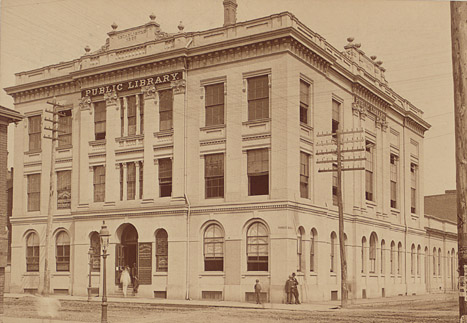
It was first formed by absorbing the library of the Toronto Mechanics' Institute in 1884 (the mechanics institute that Sandford Fleming inventor of timezones worked at). In 1922 it opened one of the first dedicated children's library in the world.
Today it is one of the largest, most used, and most accessible systems anywhere. It has a similar number of locations to the New York public library. By most measures it has more books in circulation than any other comparable system. 80% of the city uses it.
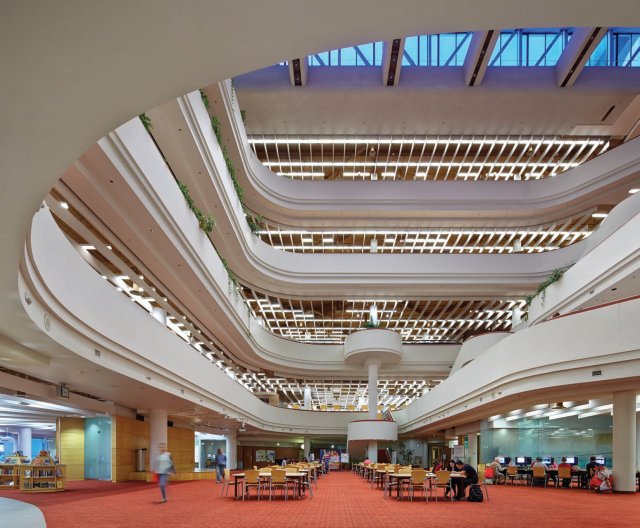
It is also home to some truly glorious pieces of library architecture (reference library, North York).
It is clean, well run, fast, efficient, free and operates basically everywhere that it could be useful. One of the things Toronto should be very proud of.

Jun 11

The @torontolibrary gave me my first job and opened a lot of doors for a kid growing up in Scarborough.
Today, @aratisharma and I are matching donations to @TPL_Foundation 2X up to $100,000 to help fund after-school programs across the city.
Donate 📚➡️ tplfoundation.ca/GoodFuture

3
11
142
17,434
Benjamin Parry retweeted

Jun 11
The @torontolibrary gave me my first job and opened a lot of doors for a kid growing up in Scarborough.
Today, @aratisharma and I are matching donations to @TPL_Foundation 2X up to $100,000 to help fund after-school programs across the city.
Donate 📚➡️ tplfoundation.ca/GoodFuture
39
51
362
50,621
I adore this graphic. Very beautiful. Speaks to emerging design trends. Kind of mesmerizing to watch. It describes clearly but not laboriously what it's about.
It also has that lovely quality of thoughtfulness about human achievement (the march of progress) and the things that people are emotionally invested in without it being a larp. It's the same thing that leads so many to cherish the founders fund intro video.
Generally there is a whole here for what is being said with the gif, the name etc. Anthropic is head and shoulders above the other labs on marketing.
So grateful in general that the labs are starting to treat the aesthetics of their announcements and the associated marketing with this kind of care.

Introducing Claude Fable 5: a Mythos-class model that we’ve made safe for general use.
Its capabilities exceed those of any model we’ve ever made generally available.
3
16
3,284
I am somewhat skeptical of mnemonics and memory palaces as an untrammelled good.
It is a very long time since I was in kindergarten and yet I still am at a loss without singing the alphabet.
I clearly learned it fast and it stuck but have I been trapped at some permanent level of childish engagement with the world?
Is there a world of true forms I am permanently at a loss to experience?
I know full grown adults who look at their hands to see which way is left...
3
3
394
Wonderful read.
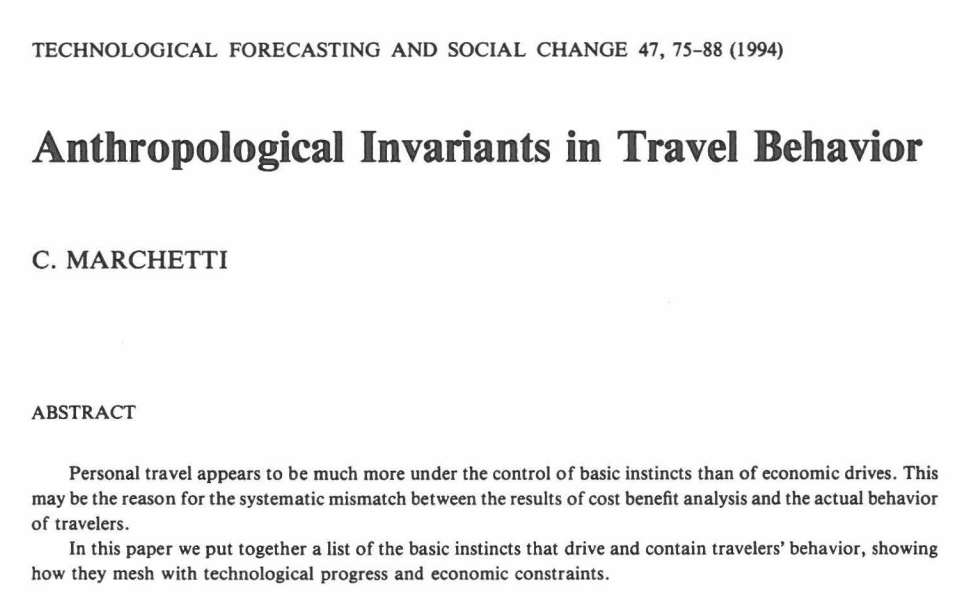
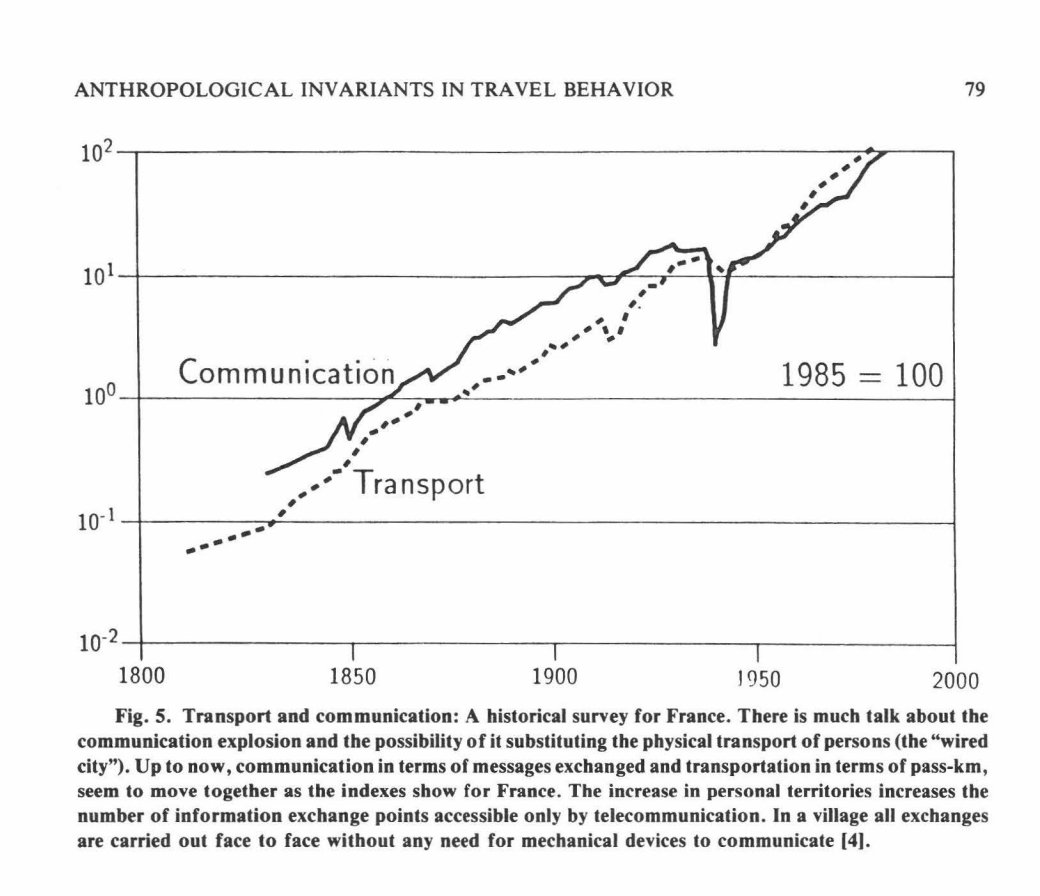
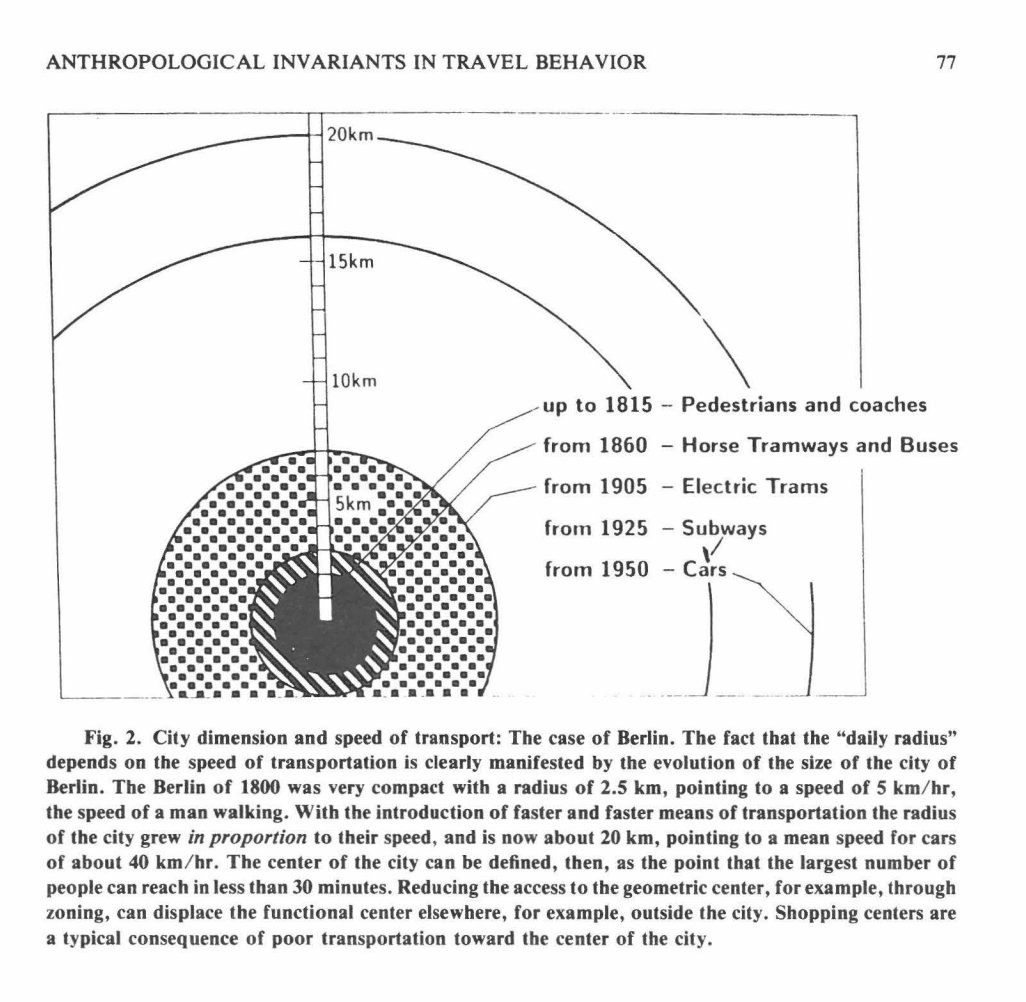
So cool to me that this essay explains the Marchetti Constant (new to me):
'The average person spends ~an hour a day commuting regardless of the distance traveled.'
It's not a new observation, but this piece—a founder offering 10,000 words on everything you need to know about flying cars—highlights the lovely convergence of business with learning and research.
Today, companies and their founders increasingly surface powerful ideas, engage seriously with new theoretical and empirical work, explain what they have learned to wide audiences, and even maintain a dialogue with centuries-old traditions. In all of this they are way more engaged with the conversation about these ideas in the public domain.
This kind of engagement has always existed in some form. If you look at the library of J. P. Morgan, see the way Edison engaged the public, or read about the history of accounting, it's clear that industrial giants or successful merchants were never completely shorn of richer traditions of knowledge.
My sense, though, is that in the late 20th century, perhaps for many reasons at once, including managerial ones (see Burnham), the connections were not made as explicitly. Academia and corporations became increasingly separate worlds.
You still found analysis that blended business, rigorous academia, and storytelling in The Economist, the FT, and the occasional standout Wired piece. But it occupied its own world.
In the last 10 years, we've started to have a much healthier ecosystem (at least online) of dialogue across these boundaries. Founders, investors, and business communicators who explain, debate, and engage with serious ideas rather than standing apart from them.
There's a lot driving this convergence of business and intellectual life. The ability to go direct to customers, employees, and investors. The importance of 'worldbuilding' for finding / forming an audience (see @Alex_Danco's essay on why he joined a16z). The increasing sophistication of companies at the frontier creating novel insights to share. Technology companies with large margins and capital to spare for experiments.
There's also demand from customers and communities for their companies to speak to them in this way. When founders and their companies share complex ideas that are in dialogue with the broader history of science, technology, society, art, and philosophy, it can be a profound gift to offer to a community. It is also a kind of proof-of-work. A way to show authentic engagement with a real problem.
This is not fully distinct from 'content marketing'—and obviously anyone talking about ideas related to their own business will be in the thick of it. Yet, when the ideas are clear enough and the explanations lucid, it simply becomes extremely hard to fake real understanding.
The risk is more similar to the one a journalist or an academic runs when presenting a new idea. If their career or identity is bound up in a certain position, it can naturally colour their work. A careless reader may miss a jump in logic or a subtle, pervasive bias. It's real, but something we accept every day.
This trend is still early. In the breadth of distribution as well as the depth and rigour of ideas, there is still a huge gap between the best products of the business world and the greatest intellectual work.
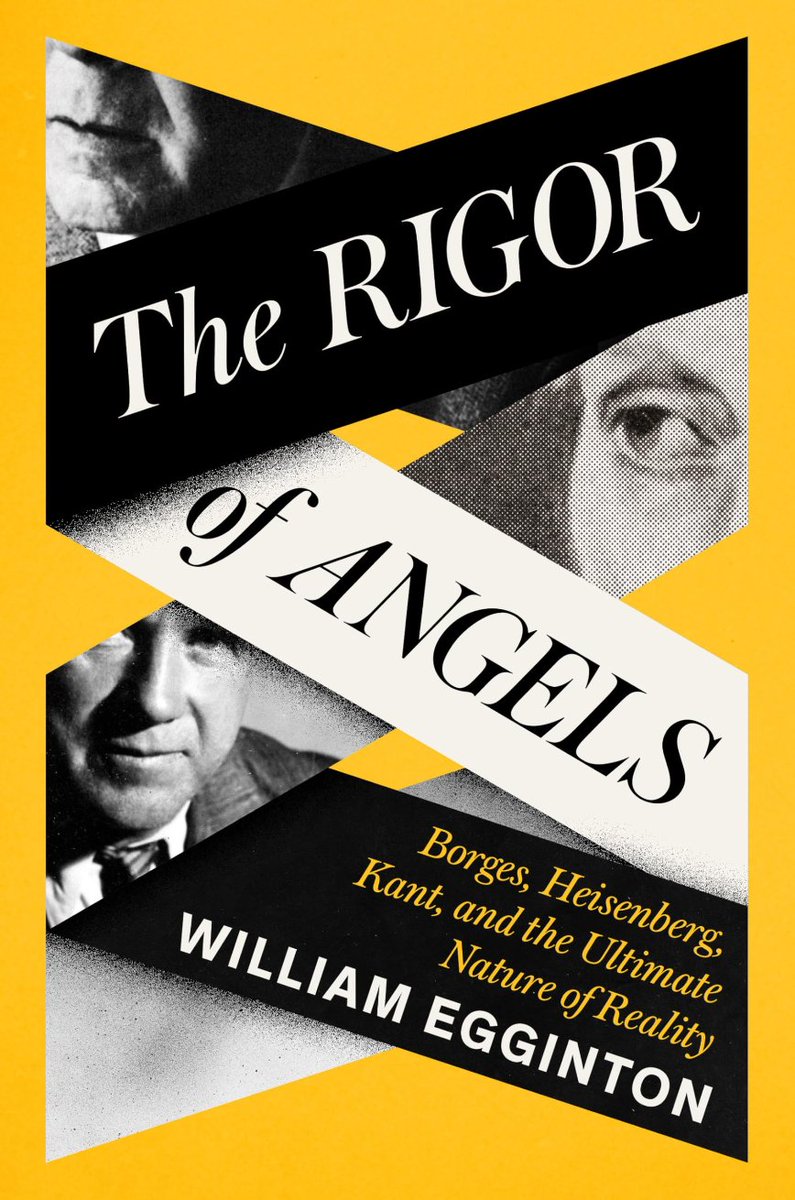
Borrowing a phrase from Borges, William Egginton wrote in The Rigor of Angels that Kant and Heisenberg pushed so far towards a completely accurate description of reality that they ran up against the very limits of understanding. How many businesses have similar aspirations for the way they engage in public discussions? Could they?
Even without the most outlandish version of this, I can imagine a very different, optimistic world where many communities are embedded in a wide ecosystem of ideas that owe a lot to companies and founders alongside the other traditional modes of learning.
This may become its own kind of rich education — not just an education via access to facts, but one that exposes people to trained judgement and great teachers. The kind a previous generation might have assumed they had to be in university to access.
A world that rhymes with the patronage, arts, and deep civic engagement you would see in Franklin's Philadelphia or the Medici's Florence.
Jun 8

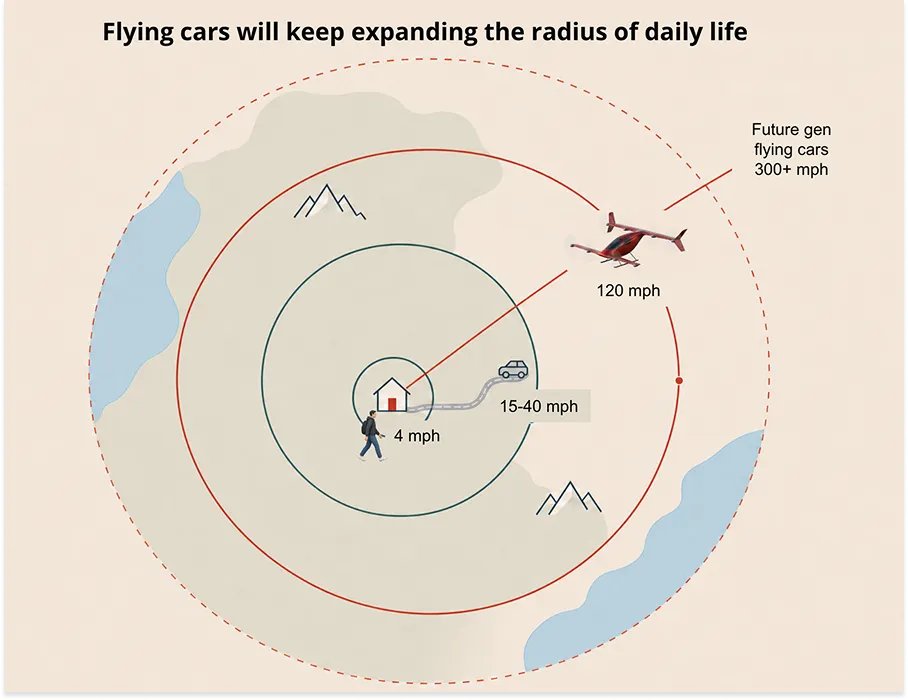
WHERE IS MY FLYING CAR?
Every time a transportation technology lets us go further, faster, we use that technology to expand the radius of our lives. This is Marchetti's Constant.
@tsungxu is building flying cars, because the time is right technologically and regulatorily, and because they can eliminate the speed-freedom trade-off that limits every transportation technology.
This week's co-written essay explains why now is finally the time for flying cars, and what we can expect our world to look like when we get them.
1
3
31
10,531
Benjamin Parry retweeted

I’m entering the race for Ontario Liberal Leader because I believe Ontario can still win!
But not if we keep ignoring our big problems. (1/3) 👇
142
135
872
439,982
Style is a shared perspective

One of the things that makes for a style rather than just a shared aesthetic is that the designers submit themselves to a set of, what can appear more or less arbitrary, rules so that they can be in genuine dialogue with the other designers working in that style.
A style must take a philosophical stand and have invariant practices for how to express it.
Gothic cathedrals are immediately recognisable because there was a driving philosophy of communion and clear rules that the architects knew and refused to break so that they remained within the tradition.
Obviously, this includes pointed arches, but it also includes: a three-storey interior, cruciform plan, ambulatory around the choir, window tracery, ribbed vaults...
The artistic expression that developed within this style was downstream of working according to this rulebook. And it was extremely varied! Chartres and King's College Chapel are worlds apart.
Part of the reason that the Bauhaus-inspired modernist aesthetics that dominate modern architecture feel so bland is that they reject the constraints of style unequivocally. Yes, they all have a somewhat similar aesthetic in having flat roofs, boxes, grids, etc. But this is more because they refuse to engage with any specific kind of ornament, and so are reduced to bare forms. The architects themselves would say being part of a style would be a failure. As Gropius said:
'A “Bauhaus Style” would have been a confession of failure and a return to that very stagnation and devitalizing inertia which I had called it into being to combat.'
If we are really going to develop a new style in architecture or any other art, the architects, the artists must take a stand on what that style requires.
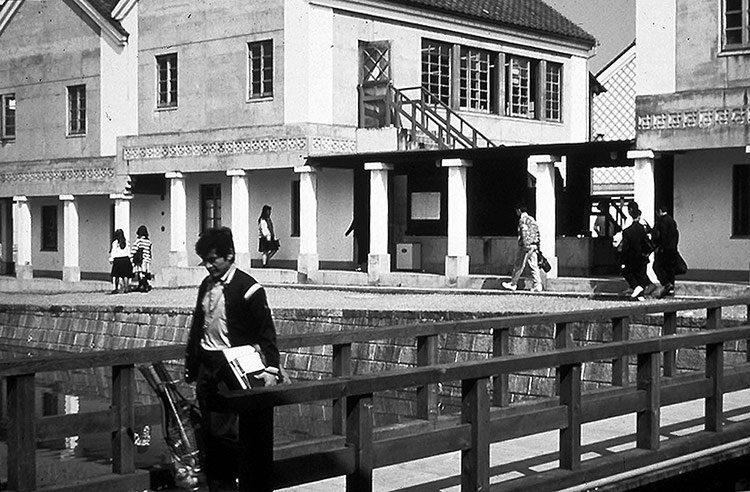
This building could be a glorious direction. A firm commitment to meaningful ornament independent of structural system, a recognition of continuity with biological and geological systems, and a deference to human public-realm experience. This might include:
a massing that transitions from heavier, human-scaled ground floors up to double-height upper floors, consistent self-similar patterns at multiple scales, arched openings that are expressive rather than load-bearing, and repeating arcade rhythms.
A single building is never enough on its own. Many buildings gesturing at something together might produce an aesthetic. If we want a style, we will need to rally behind some real constraints that architects are willing to defer to. This of course brings risks. It is so easy to end up worshipping ashes rather than having faith in something generative. But if we want to create beautiful places rather than just beautiful buildings, we have no choice but to do it eventually.
1
4
377
One of the things that makes for a style rather than just a shared aesthetic is that the designers submit themselves to a set of, what can appear more or less arbitrary, rules so that they can be in genuine dialogue with the other designers working in that style.
A style must take a philosophical stand and have invariant practices for how to express it.
Gothic cathedrals are immediately recognisable because there was a driving philosophy of communion and clear rules that the architects knew and refused to break so that they remained within the tradition.
Obviously, this includes pointed arches, but it also includes: a three-storey interior, cruciform plan, ambulatory around the choir, window tracery, ribbed vaults...
The artistic expression that developed within this style was downstream of working according to this rulebook. And it was extremely varied! Chartres and King's College Chapel are worlds apart.
Part of the reason that the Bauhaus-inspired modernist aesthetics that dominate modern architecture feel so bland is that they reject the constraints of style unequivocally. Yes, they all have a somewhat similar aesthetic in having flat roofs, boxes, grids, etc. But this is more because they refuse to engage with any specific kind of ornament, and so are reduced to bare forms. The architects themselves would say being part of a style would be a failure. As Gropius said:
'A “Bauhaus Style” would have been a confession of failure and a return to that very stagnation and devitalizing inertia which I had called it into being to combat.'
If we are really going to develop a new style in architecture or any other art, the architects, the artists must take a stand on what that style requires.
This building could be a glorious direction. A firm commitment to meaningful ornament independent of structural system, a recognition of continuity with biological and geological systems, and a deference to human public-realm experience. This might include:
a massing that transitions from heavier, human-scaled ground floors up to double-height upper floors, consistent self-similar patterns at multiple scales, arched openings that are expressive rather than load-bearing, and repeating arcade rhythms.
A single building is never enough on its own. Many buildings gesturing at something together might produce an aesthetic. If we want a style, we will need to rally behind some real constraints that architects are willing to defer to. This of course brings risks. It is so easy to end up worshipping ashes rather than having faith in something generative. But if we want to create beautiful places rather than just beautiful buildings, we have no choice but to do it eventually.

Whatever we want to call this style, it’s a style we’re going to see a lot of in the coming decade.

3
7
76
10,621
Really cool collection of new NYC buildings in the thread underneath this post.
I wonder if anyone in Toronto is looking at similar things? @ChrisSpoke


3
7
761
Benjamin Parry retweeted

Jun 3
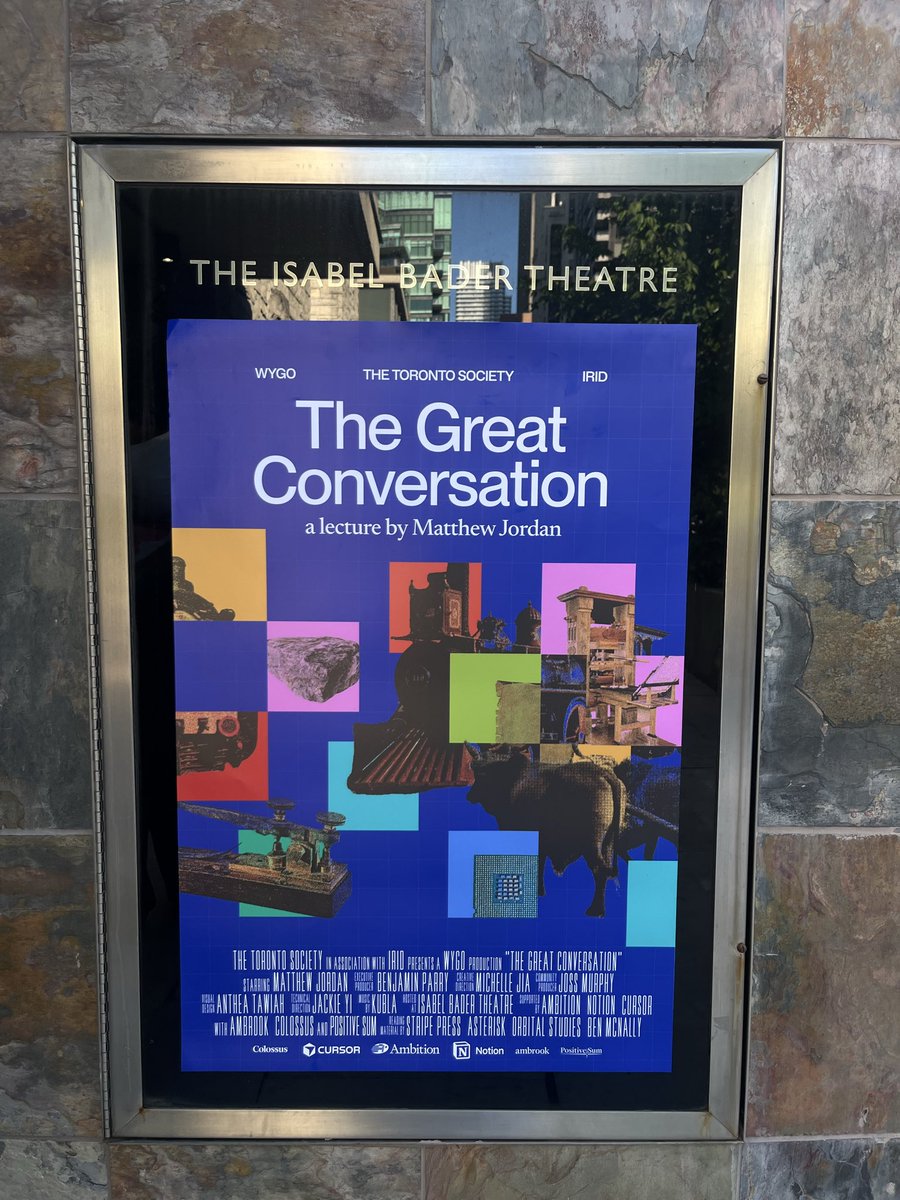
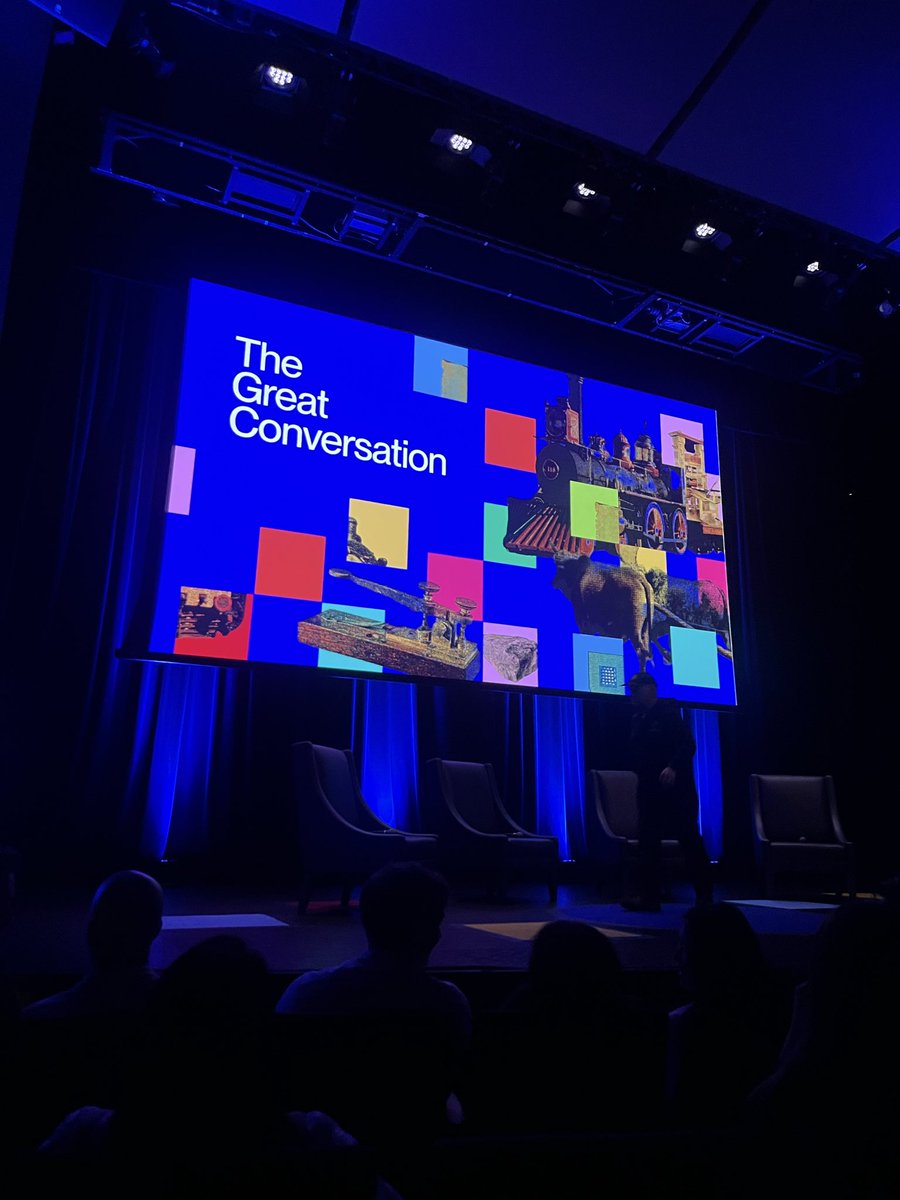
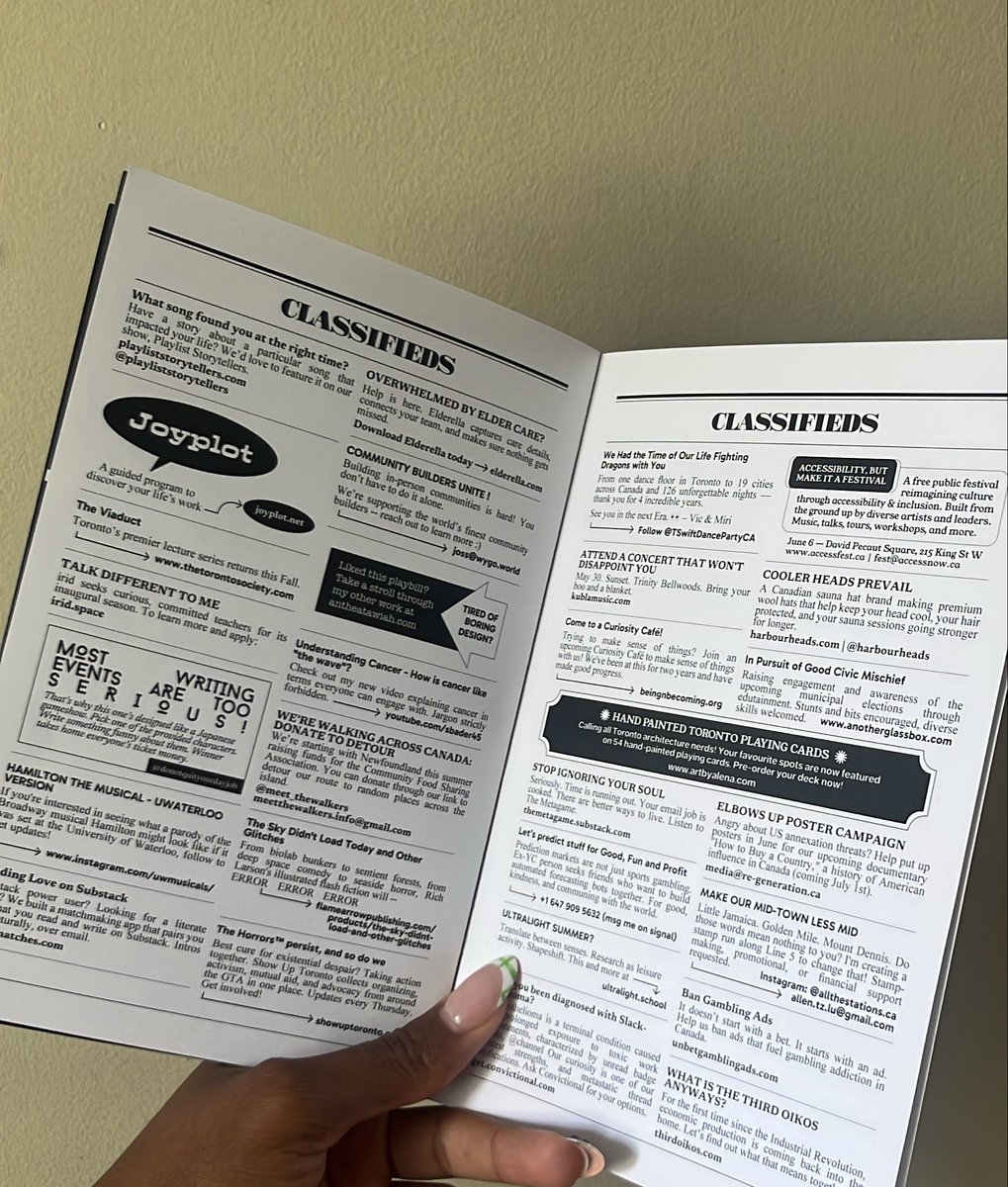
category: seeing things i made on my laptop out in the wild

9
3
60
3,427
Benjamin Parry retweeted

Jun 3
I travelled to Mexico City with my wife last week. It was our first time.
Like most first-timers, we spent most of our time in “el pollo,” the part of town that includes Roma, Condesa, Juárez, Polanco, Chapultepec, parts of Coyoacán, and parts of Centro.
Roma Norte and Condesa in particular were among the nicest neighbourhoods I’ve ever visited. Beautiful architecture, nice walkable streets, a tonne of greenery, and some of the best food I’ve ever had in my life.
It was a great trip.
It also made me think more about what Toronto should be doing to nail urban design.
I made a joke at the Missing Middle Summit (missingmiddlesummit.com) that Toronto housing policy needs to be both more libertarian and more communist. More libertarian in the sense of being more permissive, less prescriptive, and less rule-bound. More communist in the sense of having a more communal understanding of how we handle amenity space, garbage pickup, bicycle infrastructure, and trees.
The tree point in particular really hit home in CDMX.
As with the nicer parts of Manhattan and Brooklyn, which we also recently visited, the streets of Roma Norte are incredibly green, with world-class tree canopies, despite very few trees remaining on private property.
Developers cut those trees down to develop buildings. Then the city planted a bunch of new trees in the right-of-way.
In Toronto, one of our perpetual frustrations when underwriting sites for acquisition is the uncertainty around whether larger by-law protected trees can be removed. City staff have told me that they’re struggling with a dual mandate from Council to both increase housing options in neighbourhoods (missing middle housing) and increase the tree canopy.
But this conflict is mostly self-imposed.
The solution is very obviously to allow the removal of trees that interfere with development on private property as-of-right, while planting far more street trees in the public right-of-way.
We should be less precious about trees on private property, especially when they stand in the way of new housing, and much more serious about building a continuous, high-quality, publicly managed urban canopy.
Given that most of Toronto’s streets and rights-of-way are oversized, there is plenty of opportunity to expand sidewalk widths and plant more street trees, especially where doing so does not interfere with infill development. That is where the canopy should go: along the streets, where everyone benefits from it, where it improves the public realm, and where it can be planned, maintained, and replaced properly over time.

11
9
131
9,619
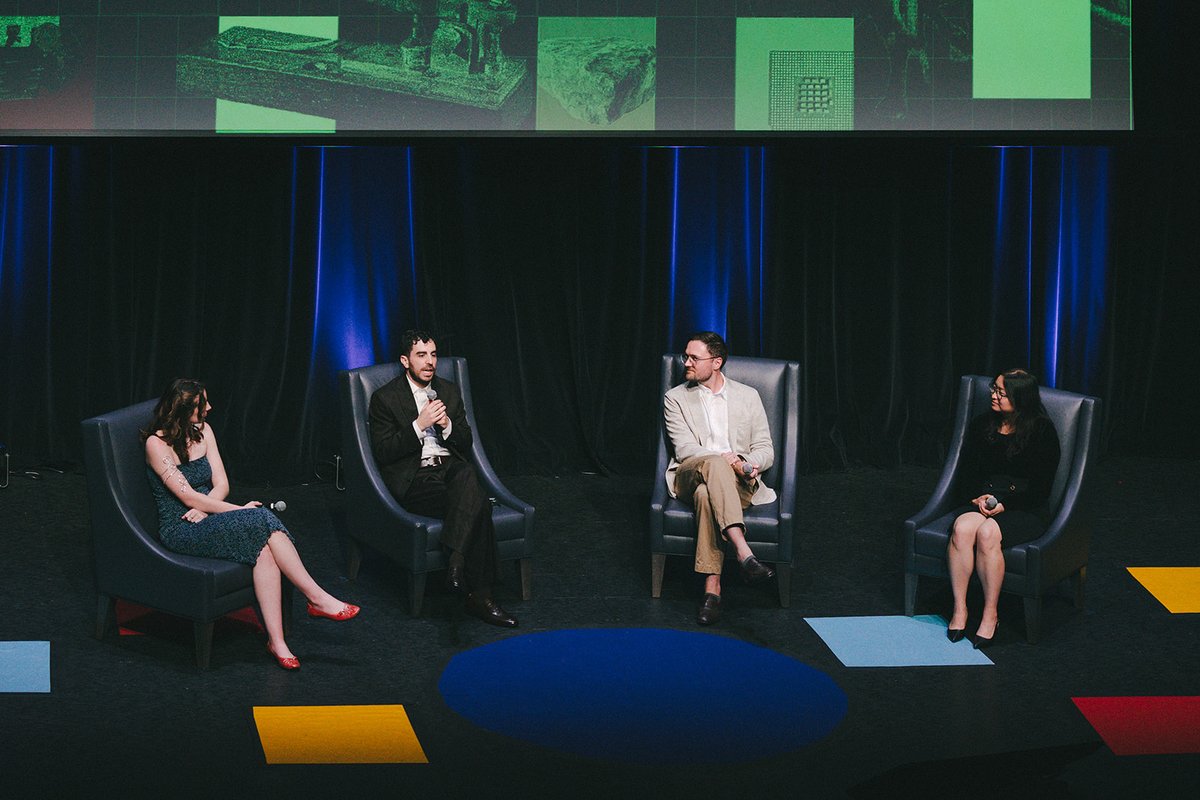
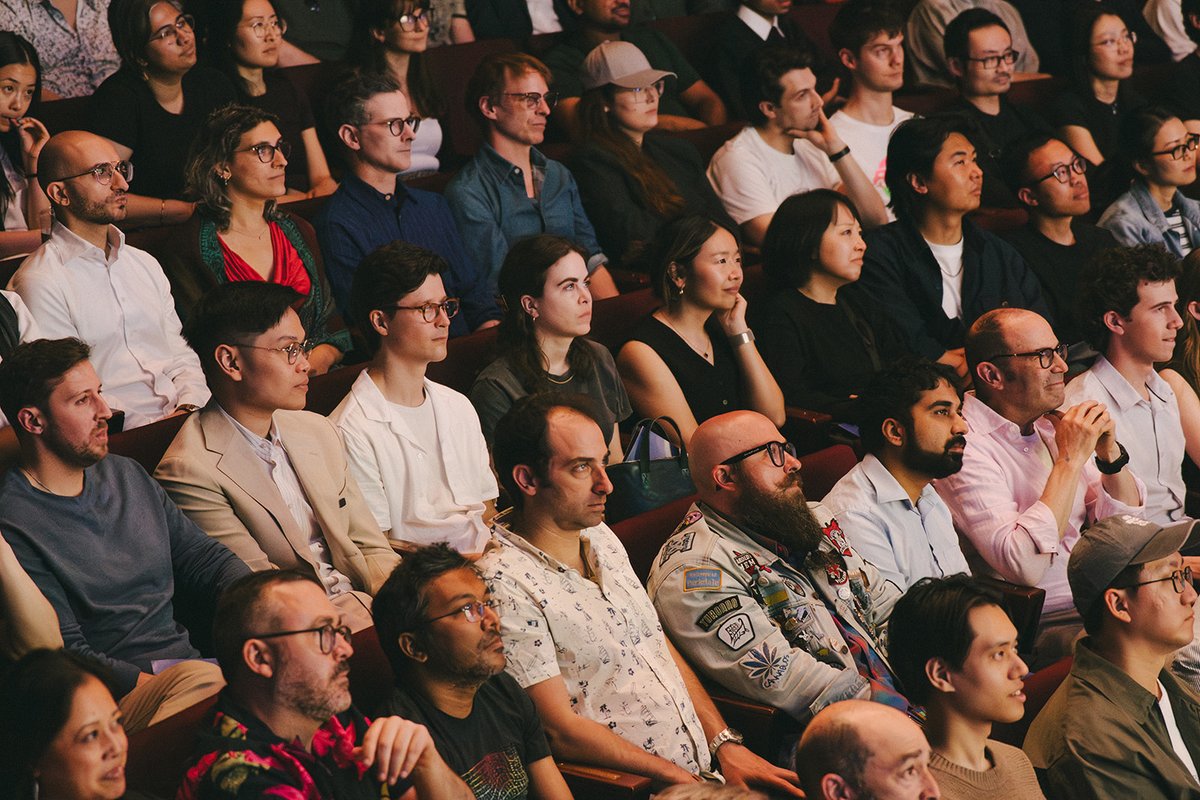
The Great Conversation wouldn’t have happened without Toronto Tech Week.
We were inspired by what @skanwar and the whole team were putting together and wanted to be part of it. To provide our own perspective on technology in this city
In particular a foundational belief for everyone that worked on the event is that one of the things the Toronto tech community is capable of, deserves, and (frankly) needs is a clear intellectual perspective—a set of ideas that it can offer to the global discourse about technology.
In the creation of new technology there is the work of building and distributing. But, there is also an intellectual side of things. A discussion about what should be built, why it should be built, how it connects to our politics, our philosophy, our art, our science and our humanity.
One of the many things I learned from @mattyj612 is that Toronto has a long history of being part of this discussion: Marshall McLuhan, Ursula Franklin, George Grant, all of the intellectual work that went into the deep learning revolution. This is something we should be proud of and continue to contribute to.
To really participate in the great conversation, though, we need to act as a community, not a set of isolated individuals. The creation and dissemination of ideas always happens face to face with your peers. Great intellectual lineages and artistic expressions come from groups.
So, a specific thank you to the @TOtechweek team and @skanwar for everything they did last week.
Events like tech week can play a huge role in showing that a scene exists. This kind of thing is difficult and risky. In the end it is an incredible gift they have offered us to form a community that can have important discussions.

Thank you for taking part in The Great Conversation.
The lecture was the beginning of a dialogue we hope to carry forward for the rest of our lives. It is an honour to be in this tradition with all of you.

2
2
24
1,929

I’m looking for people in Toronto who can help me pull off the 2nd season of Toronto School of Foundation Modelling. Have a few exciting guest speakers locked in already. I have more ambitious goals for this season. I’m looking for someone who
- can actually commit time every week to planning season 2. Talk is cheap, you want to do the work alongside me
- fairly technical / has the appetite to learn intensely
- you love learning and feel energized by the process and not just the outcome
These are my promises:
You’ll be paid for your work. You will learn a lot. Your name will be everywhere TSFM is. You’ll feel fulfilled by the impact you’ll have on the people here and you’ll be left inspired by the commitment the cohort will exhibit.
21
22
136
15,411
A funny and underrated thing is that doing the readings really is like going to the gym.
If you do it consistently, your skill and strength will grow. You can achieve a new baseline level of health. It can be extremely pleasurable and gratifying once you get good at it. The harder you push, the better your results.
People can tell if you have done the work and it makes you sexy (they can also tell if you haven't).
I think people still know this intuitively, but it's worthwhile to talk about it more.

100%! I am assigning *more* reading this year than previously. 2020 led to a lot of bad societal habits, and "set low expectations" was one of them. Don't blame the kids for our errors!
1
2
74
4,843
Benjamin Parry retweeted

Jun 1
The faster the world changes, the more we must turn to timeless truths: the fragility of knowledge, the centrality of face-to-face collaboration, the wisdom of tradition.
We are all influenced arcane scribblings of the past; we are all the wearers of "cerulean sweaters". To know this history is to move more freely through the world; dialogue with the past empowers us to shape the future.
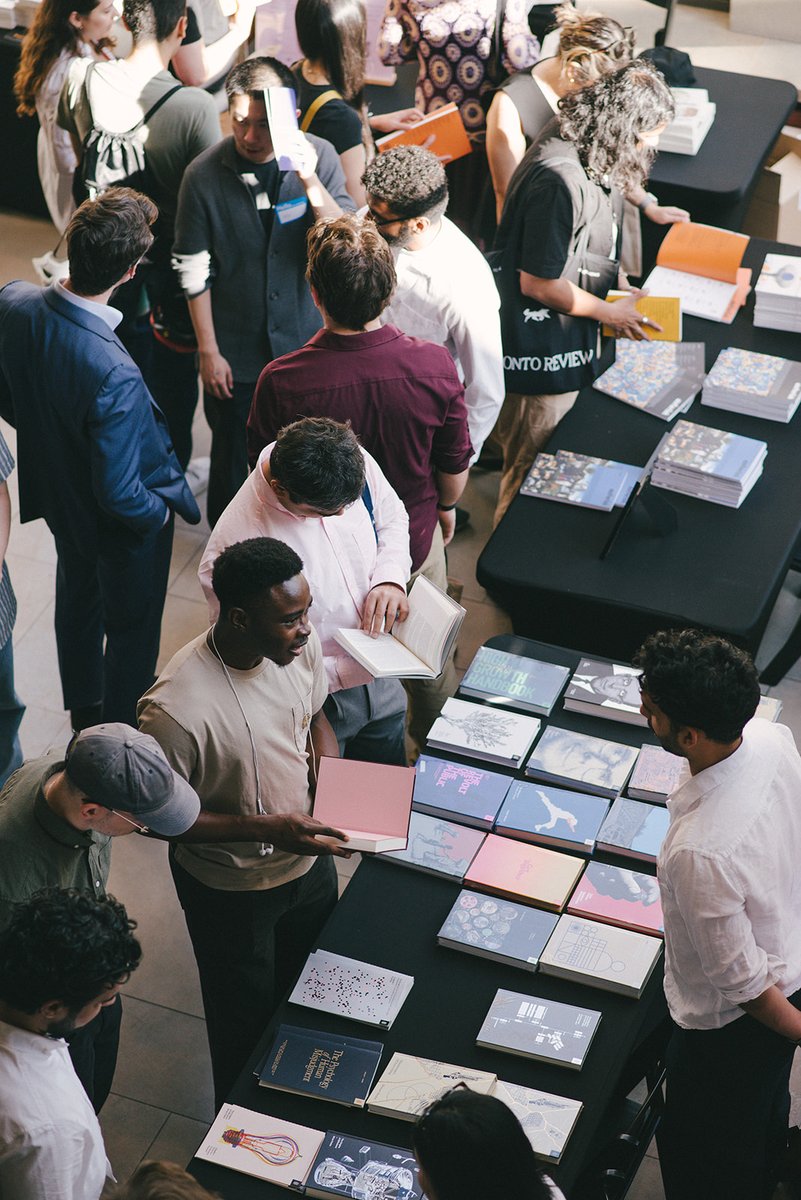
What a privilege to bring people together in Toronto to discuss these ideas alongside @_benjaminparry and @jiamixue, hosted on Wygo by @jossmurphyy, featuring the gorgeous design of @anthea_irl, a beautiful livestream led by @looeegee, and a full-blown book fair.
This was the beginning of a dialogue we hope to carry forward in Toronto for the rest of our lives. It is an honour to be part of The Great Conversation with all of you.
Stay tuned for the full video & written lecture in the next few weeks.
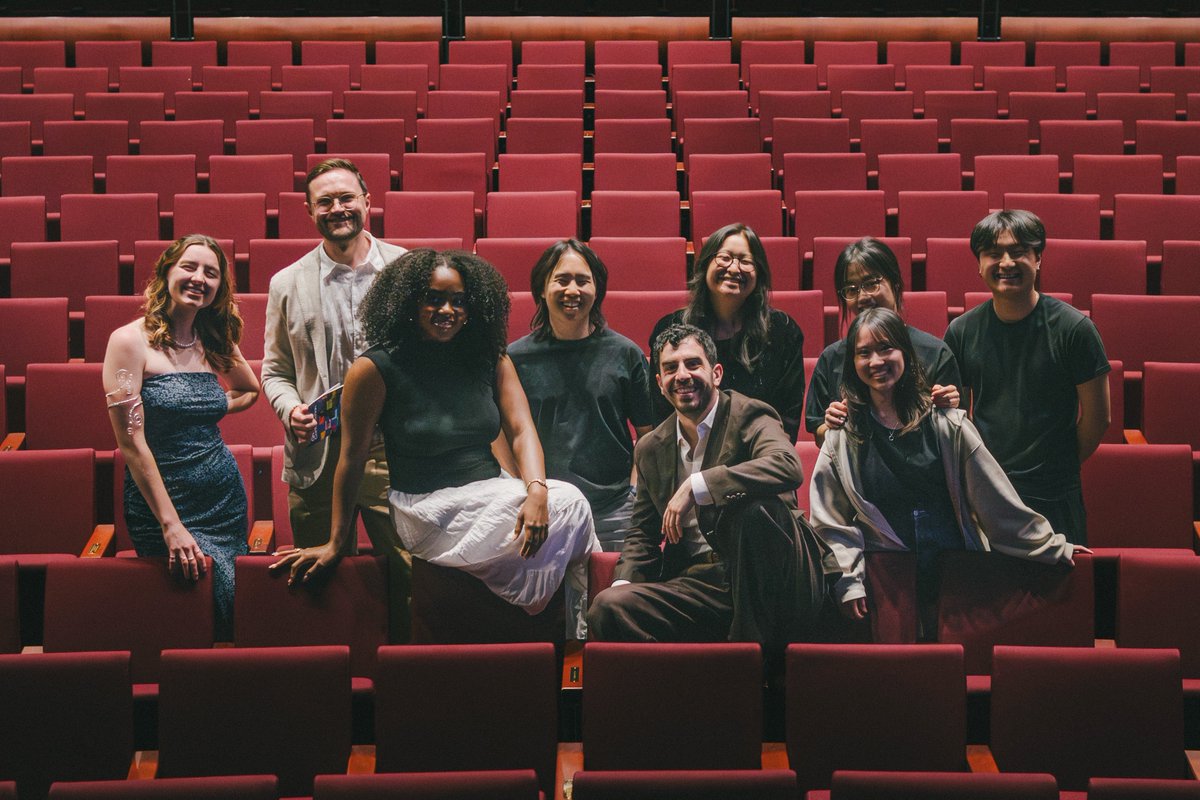
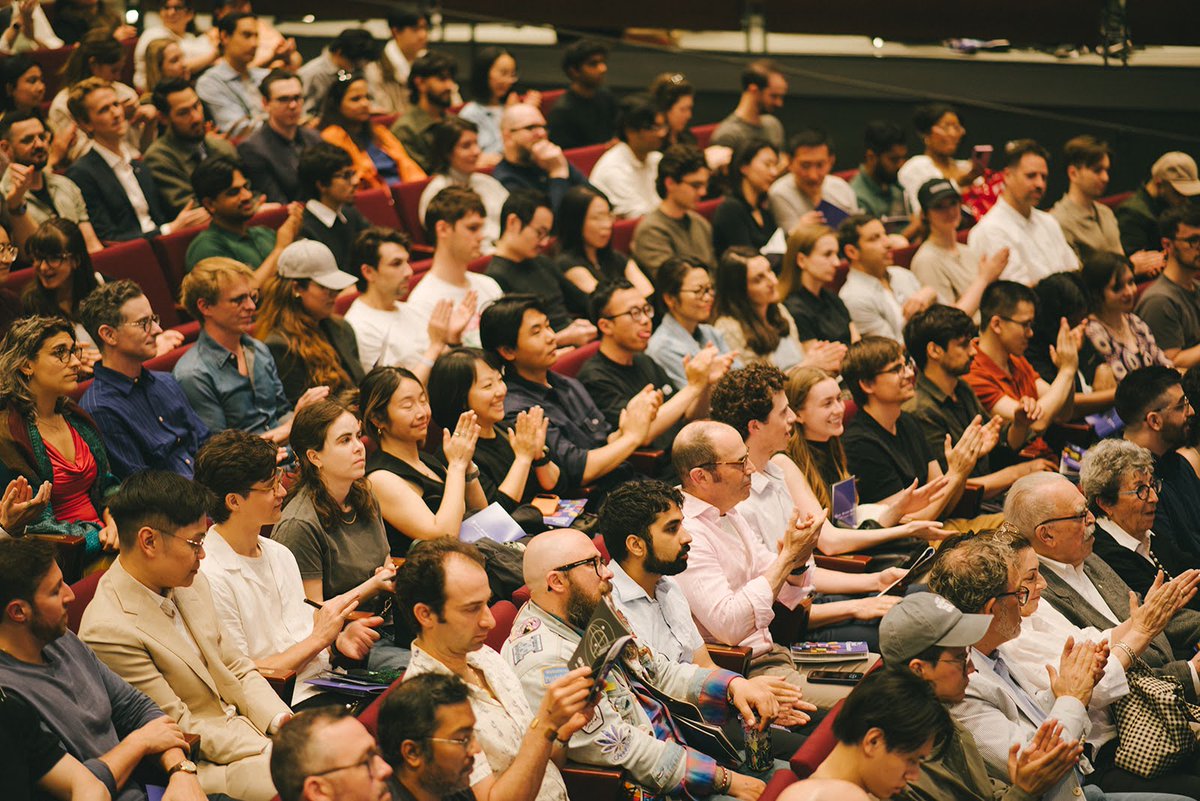
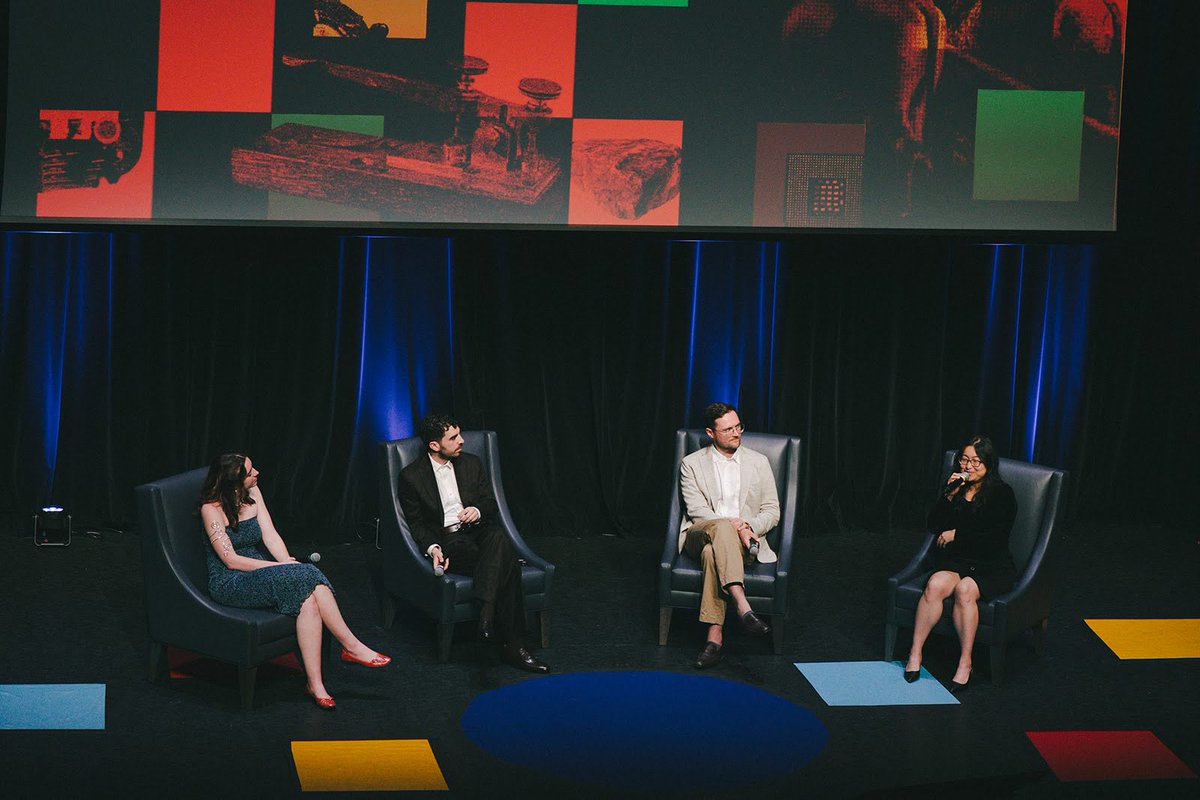
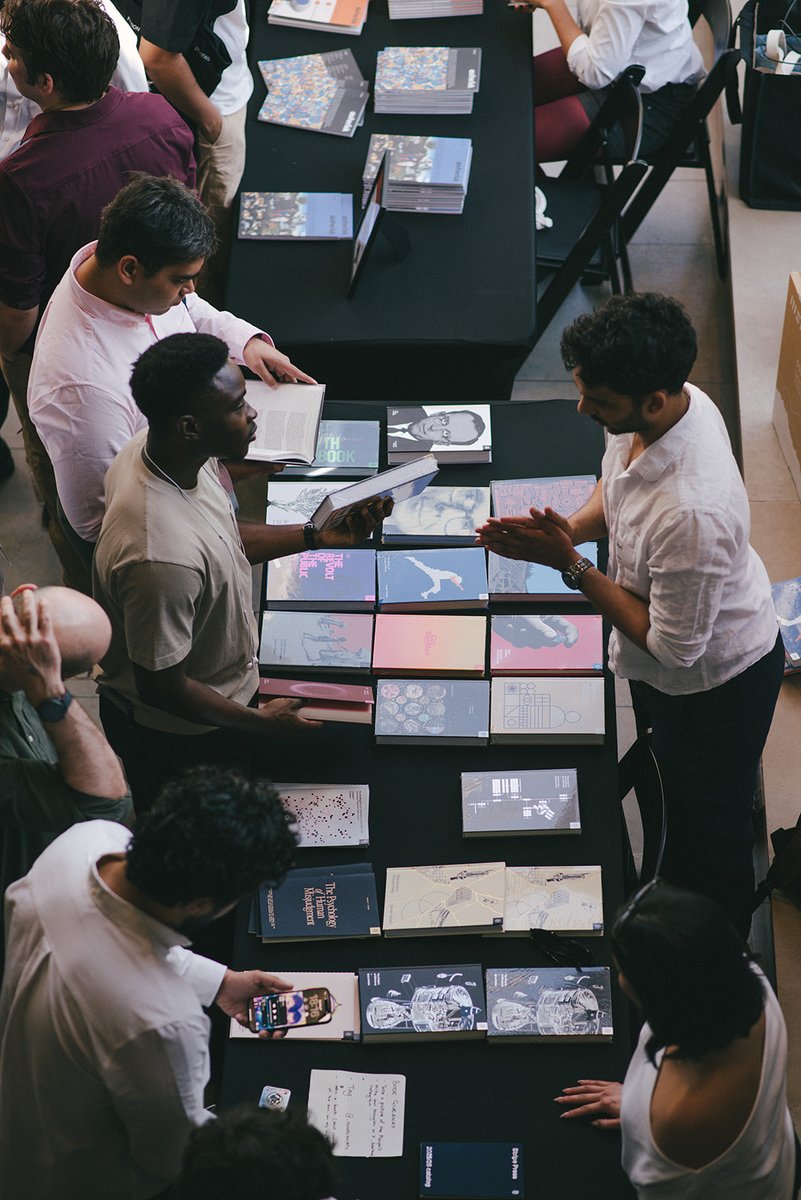
Thank you for taking part in The Great Conversation.
The lecture was the beginning of a dialogue we hope to carry forward for the rest of our lives. It is an honour to be in this tradition with all of you.
5
10
41
4,150