
533 Photos and videos




1/6
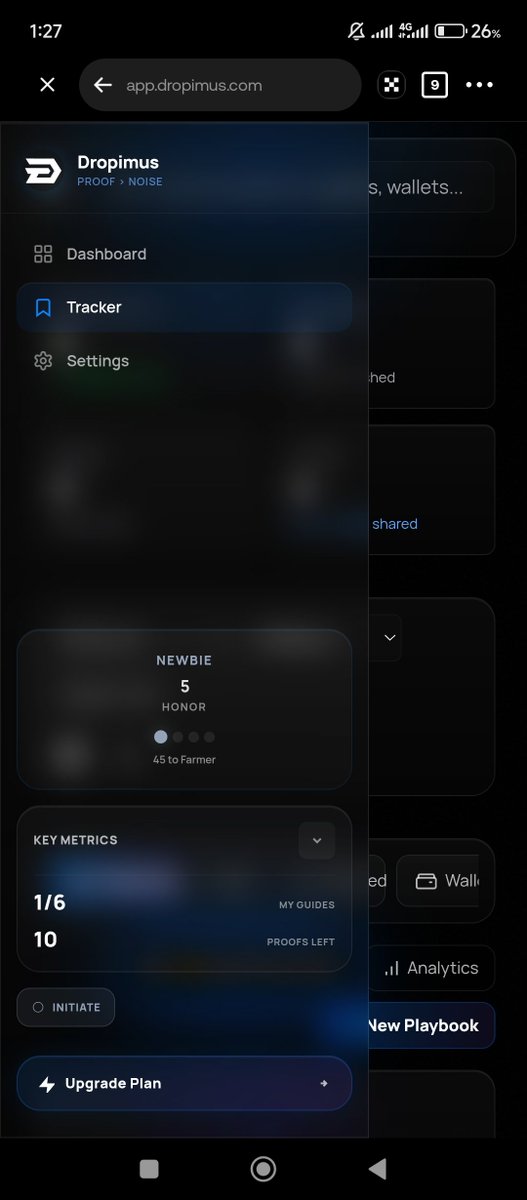
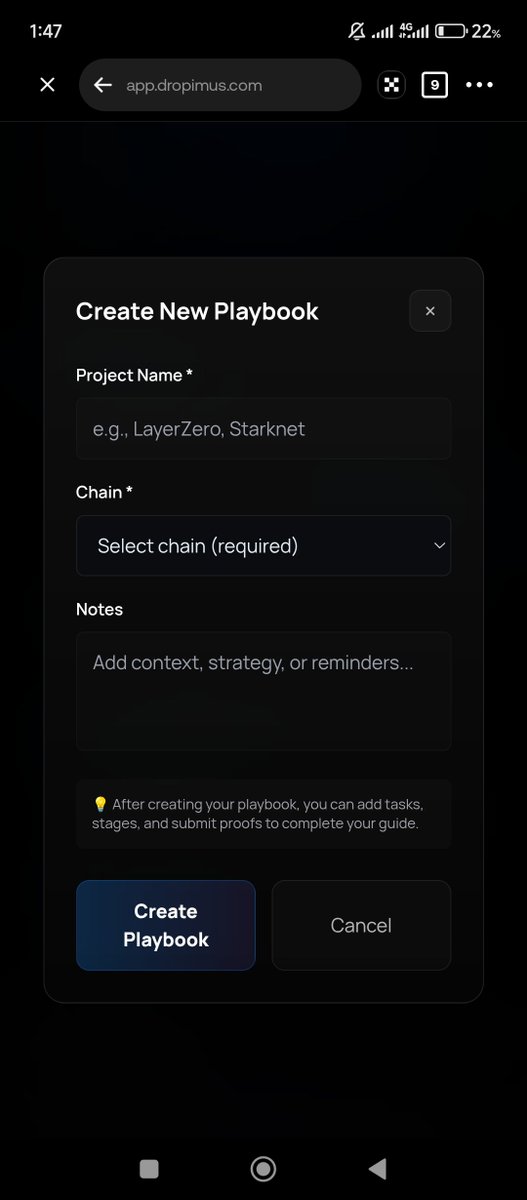
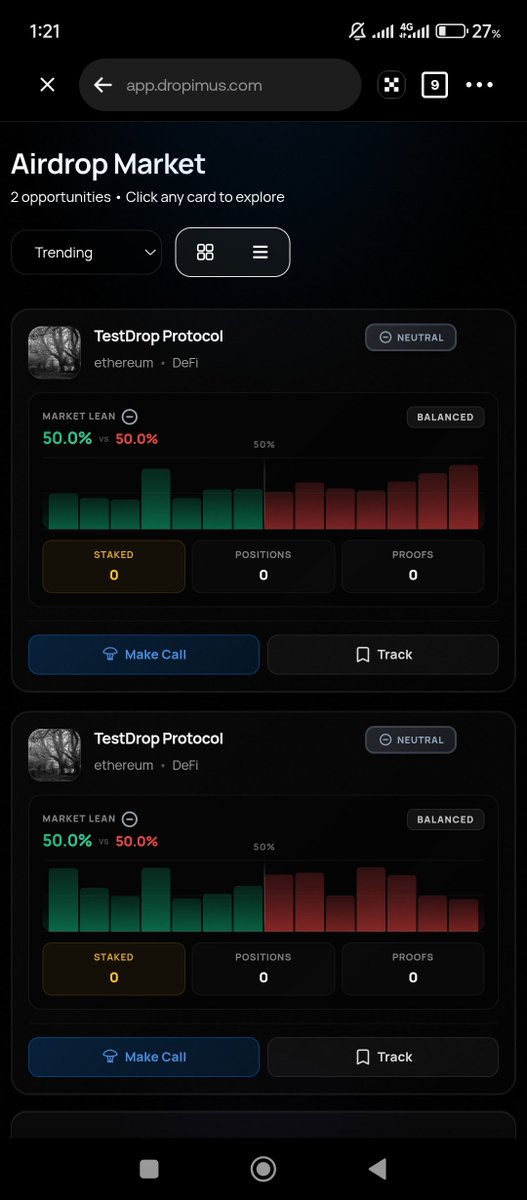
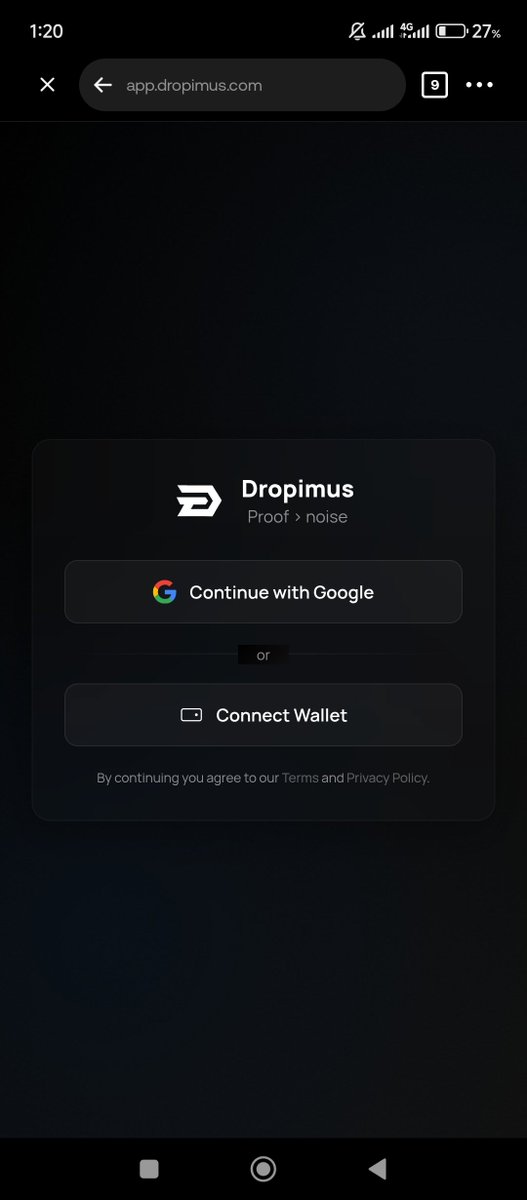
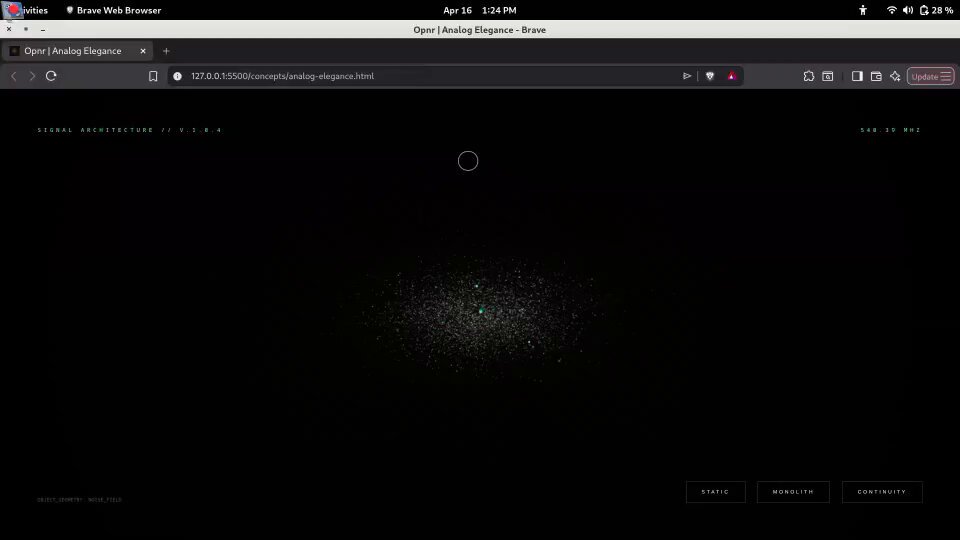
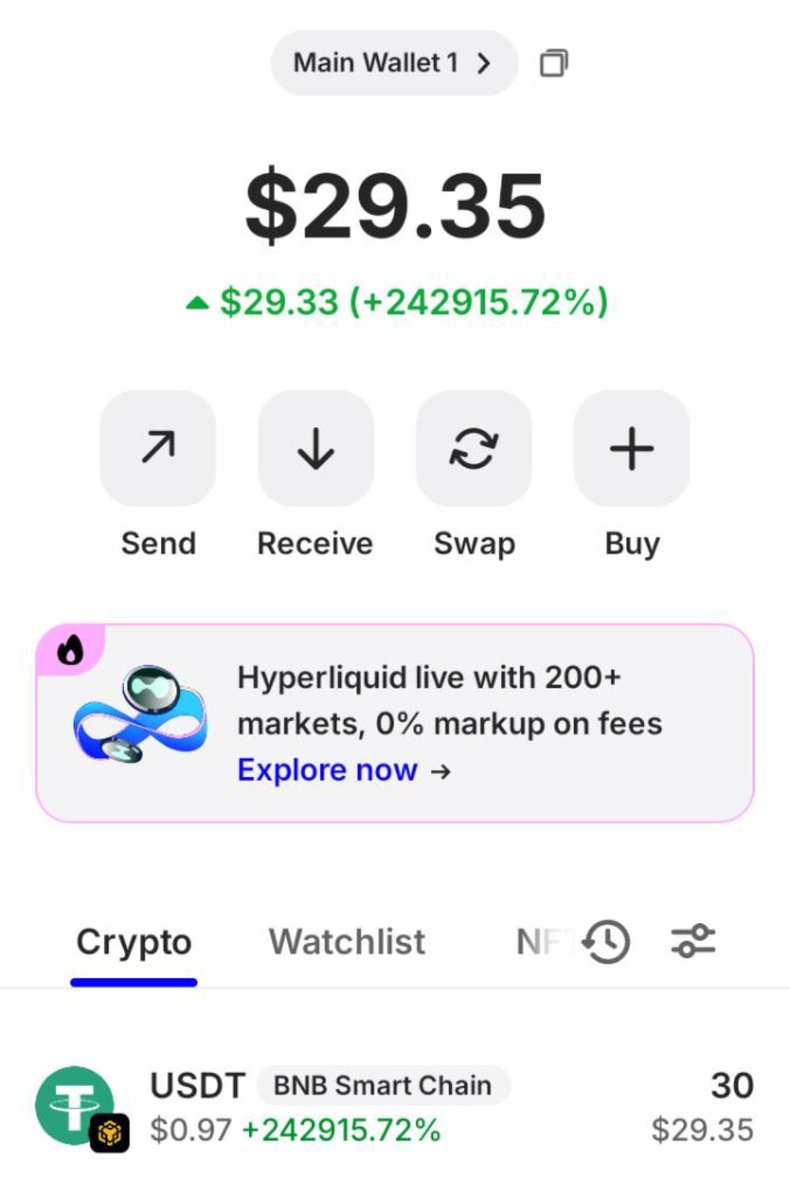
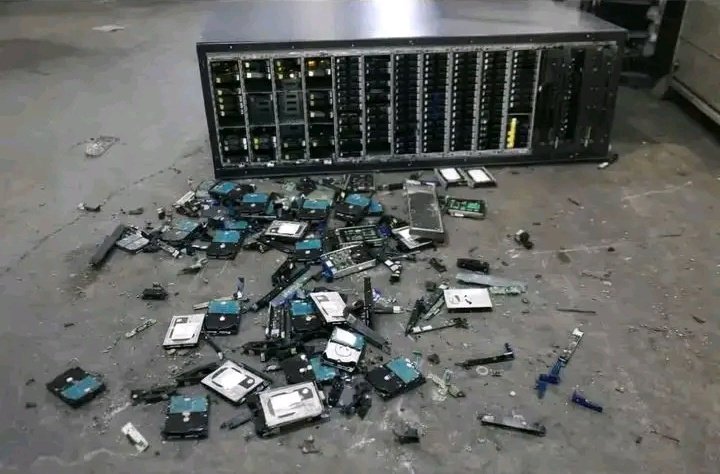
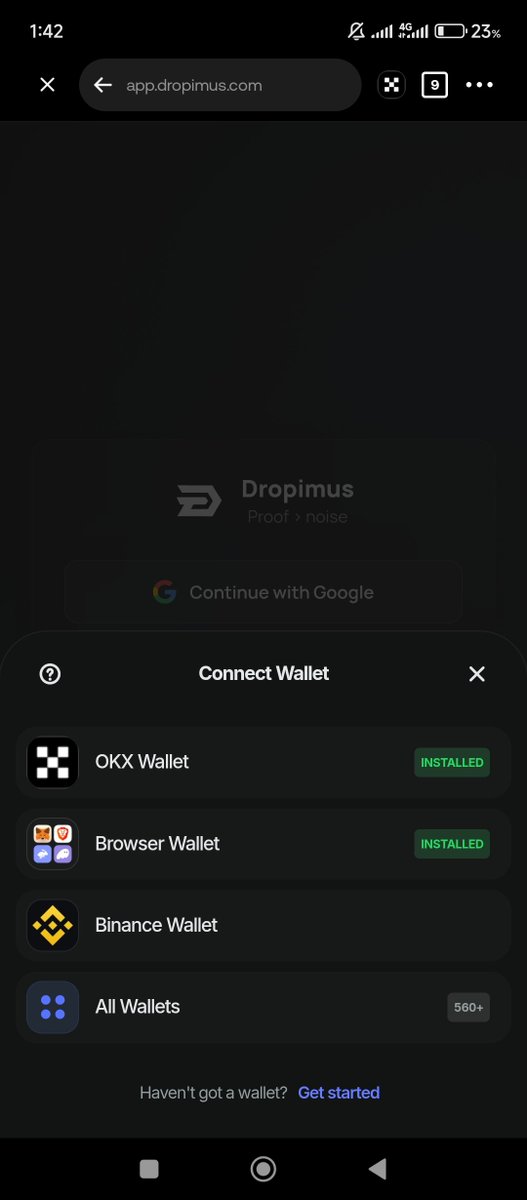
Just shipped serious progress on @Dropimus
Despite unstable electricity and bad network, app.dropimus.com is now live for testing
Google login works. Wallet connect is stable.
Fake airdrop guides are still everywhere. This is the alternative being built in real time.
1
1
5
258
This is exactly what I'm fixing with the temporal consensus protocol I've been working on

Jupiter made a DAO vote to decide if the JUP airdrop should be withheld or not
But what's the point of a vote if one wallet holding millions of JUP can easily manipulate the outcome?
One whale votes and it outweighs 10,000 community members voting together
That's not governance. That's a dictatorship with a voting UI
10
Imagine if the water doesn't break open



19
Available for remote Full Stack and Web3 dev work. I built and deployed a full Web3 protocol solo using FastAPI, Docker, AWS EC2, ethers.js, Celery, Redis, Nginx. DM me or see my work at dropimus.com and opnr.pages.dev
1
41
3\3
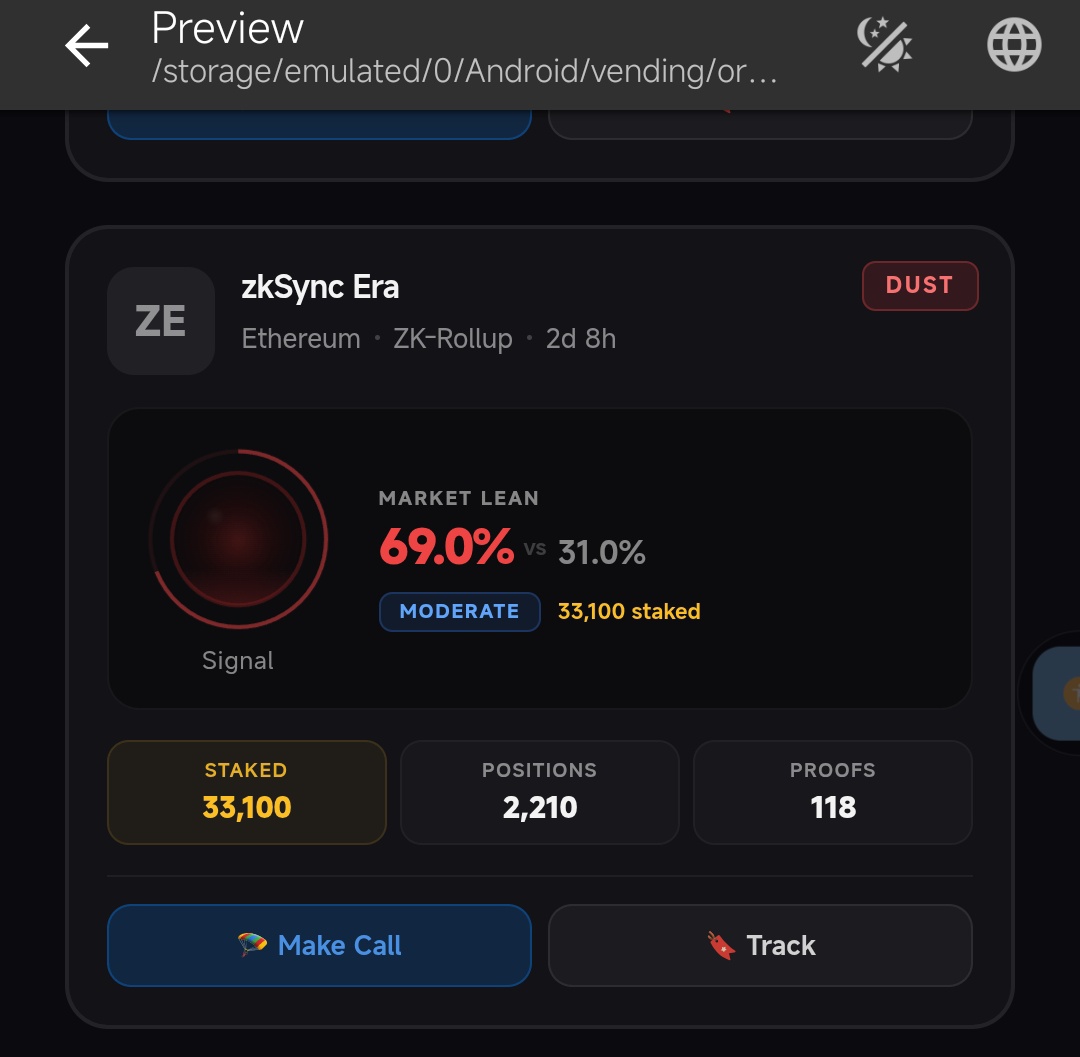
Goal: Smooth, merit-based entry so genuine participants can start submitting Calls faster while maintaining protocol quality.
More details are coming as I finish this section of the research paper.
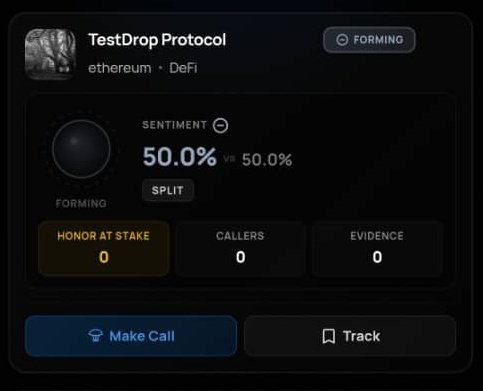
Live testing - app.dropimus.com
12
But I'm still learning 😭😂
Jun 2

Some developers use "I'm still learning" for 3 years straight 😭
1
1
174

Big Vik retweeted

May 26
Introducing $SLIME
Please check the website for how to participate in the AirDrop and TGE. slime.sptokens.com
2,284
2,193
2,647
98,461
Big Vik retweeted
May 26
Introducing the $SLIME premium NFT.
Supply: TBA
Network: $SOL
Mint price: Free
Applications are now open:
➔ smapocke.com/slimesbt
More details Coming Soon.

2,972
2,375
2,821
116,932

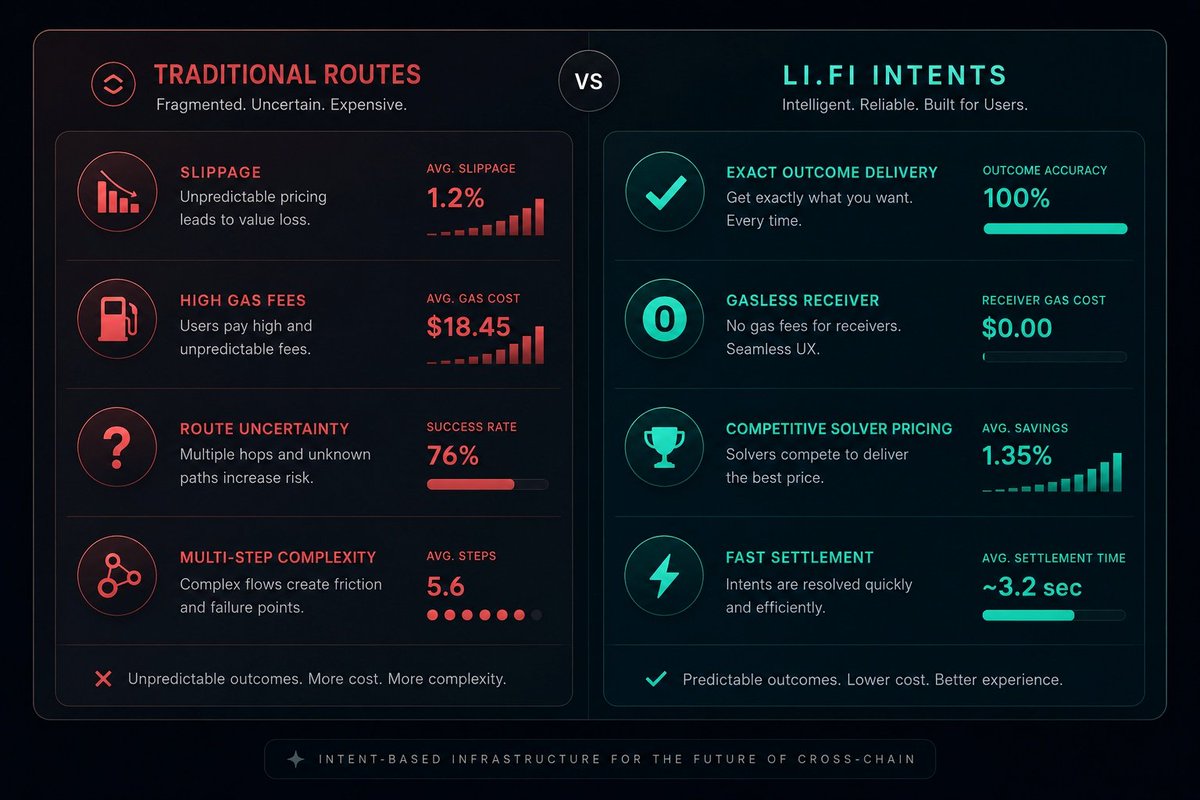
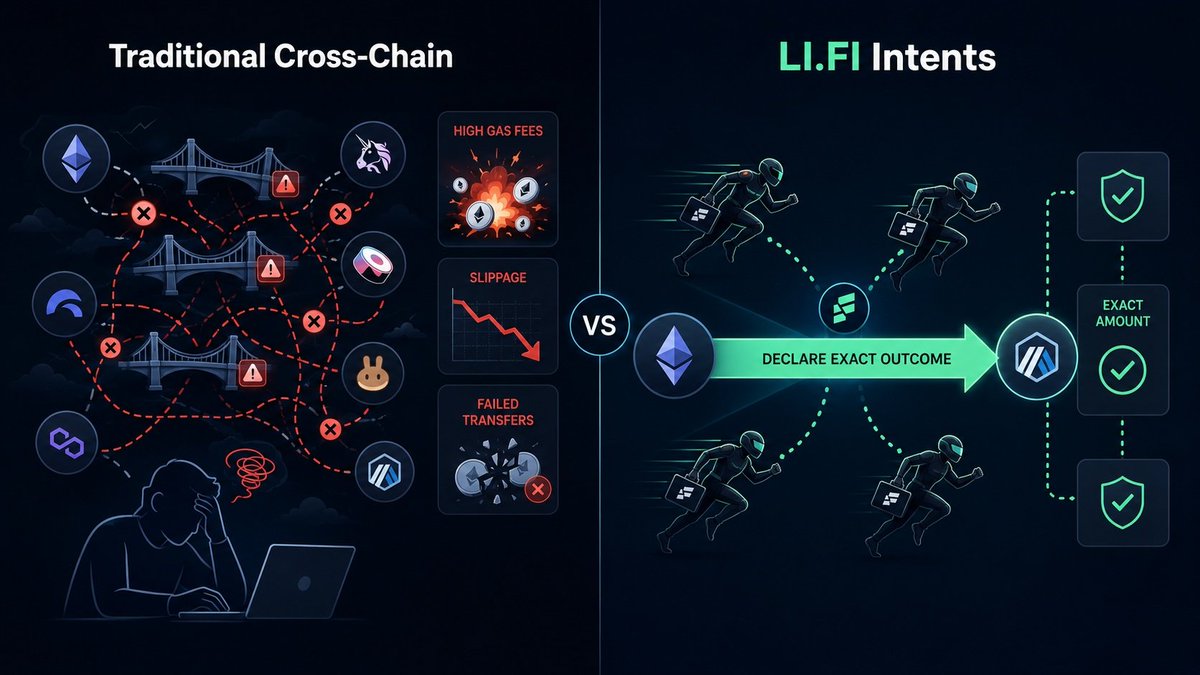
Cross-chain UX still feels messy, too many steps, fees, and outcomes that change mid-transfer.
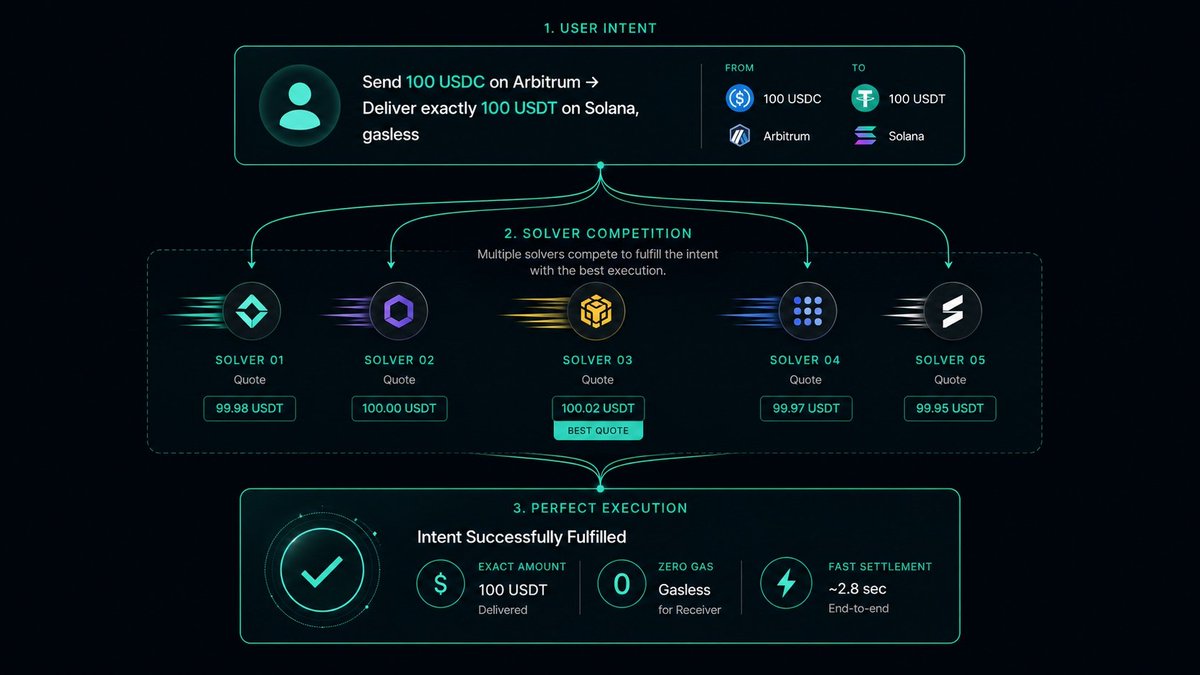
@lifiprotocol Intents changes that by letting you define the exact outcome you want while solvers compete to execute it.
What’s interesting is what this changes behind the scenes 👇
May 26

Introducing LI.FI Intents.
Infrastructure for apps, wallets, and neobanks to:
• Enable stablecoin payments
• Access real-world assets
• Tap into compliant onchain liquidity
Built for enterprises bringing financial products onchain.
1
1
54
3/ LI.FI already handles serious volume across dozens of chains, so Intents feels less like an experiment and more like the next step for cross-chain UX.
What exact outcome would you automate first?
li.fi/intents
13