
NERC funded collaborative project between Plymouth & Oxford Universities, JNCC & BGS investigating influence of population connectivity on diversity in deep sea
Joined March 2016
- Tweets 435
- Following 37
- Followers 1,074
- Likes 349
118 Photos and videos

Deep Links retweeted

15 Aug 2019
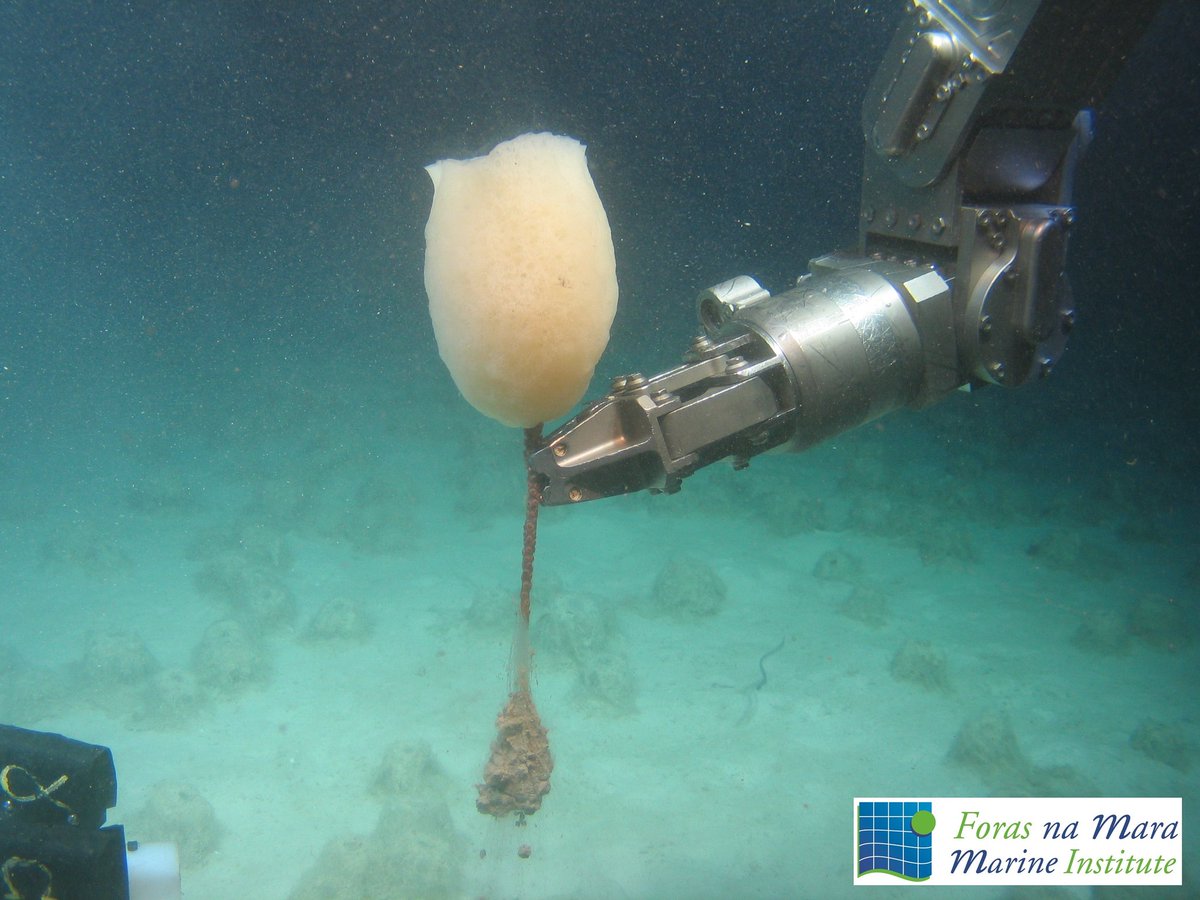
#spongethursday #SeaRover2019 Here is a closer look at Hyalonema the tulip sponge and its glass roots <insert pun here> (those are zoanthid anemones up the stem) @MarineInst @EU_MARE @npwsBioData @agriculture_ie @Dept_CCAE @PlymUniMI @DeepSeaCRU
13
34
Deep Links retweeted

29 Jun 2019
“There’s not much more to life than Ducks and Capybaras” 💕
I’ve just been informed by @ReganDrennan there is an area of the internet dedicated to Capybaras enjoying being surrounded by other animals. This has made my day. Two of my favourite animals feature in this one:
27 Jun 2019

"I too used to be swarming with parasites until I discovered ducks." - Capybara.
1
1
4

9 Jun 2019
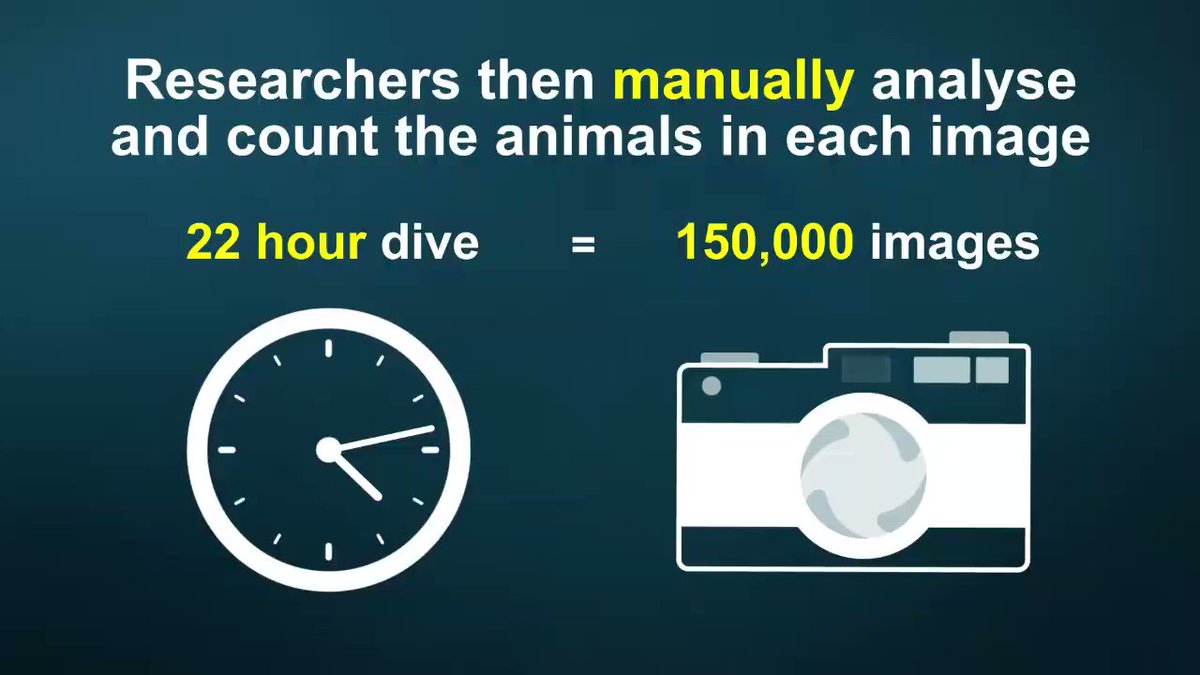
In case you missed it, check out our latest paper on how artificial intelligence (AI) could help us speed up the rate at which we gather knowledge of the #deepsea and #highseas plymouth.ac.uk/news/study-ex… @NERCscience @DeepSeaCRU @deepseaecol @NPiechaud x.com/PlymUni/status/1126748…
7
13

Deep Links retweeted

10 May 2019
Artificial intelligence (AI) could help scientists shed new light on the variety of species living on the ocean floor.
plymouth.ac.uk/news/study-ex… @NERCscience @_deeplinks @NPiechaud
23
38
Deep Links retweeted

7 May 2019
Hi folks, again we are having discussion around what to call our ship-based field work. Place your vote now.
35%
Cruise
48%
Expedition
7%
Mission
11%
Voyage
149 votes • Final results
8
8
3
Deep Links retweeted

3 May 2019
Biodiversity crisis is about to put humanity at risk, UN scientists to warn theguardian.com/environment/…
5
6
Deep Links retweeted
13 Sep 2018
Great presentation by @herre_san on work to model population connectivity of corals on the Gulf of Mexico. Larvae staying at depth of release. Similar observation to @_deeplinks
1
2
Deep Links retweeted
13 Sep 2018
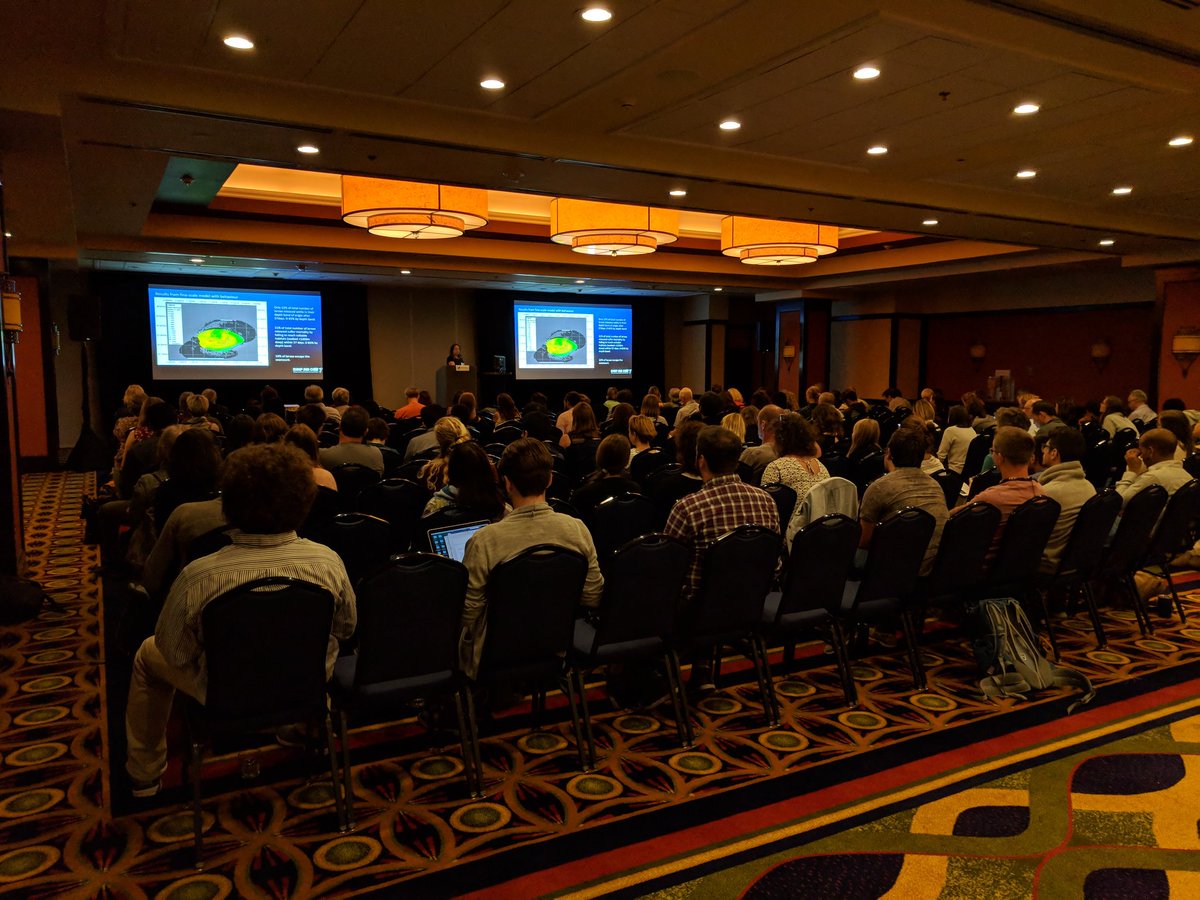
@DeepSeaEcol (head of @DeepSeaCRU) presenting @_deeplinks modelling results: ~50% Lophelia larvae settle in depth band of origin and bathyal peak in escapees from seamount. Better escape if passive, better depth mixing if swimming. Will compare to genetics soon. #DSBS2018
10
21
Deep Links retweeted
10 Sep 2018
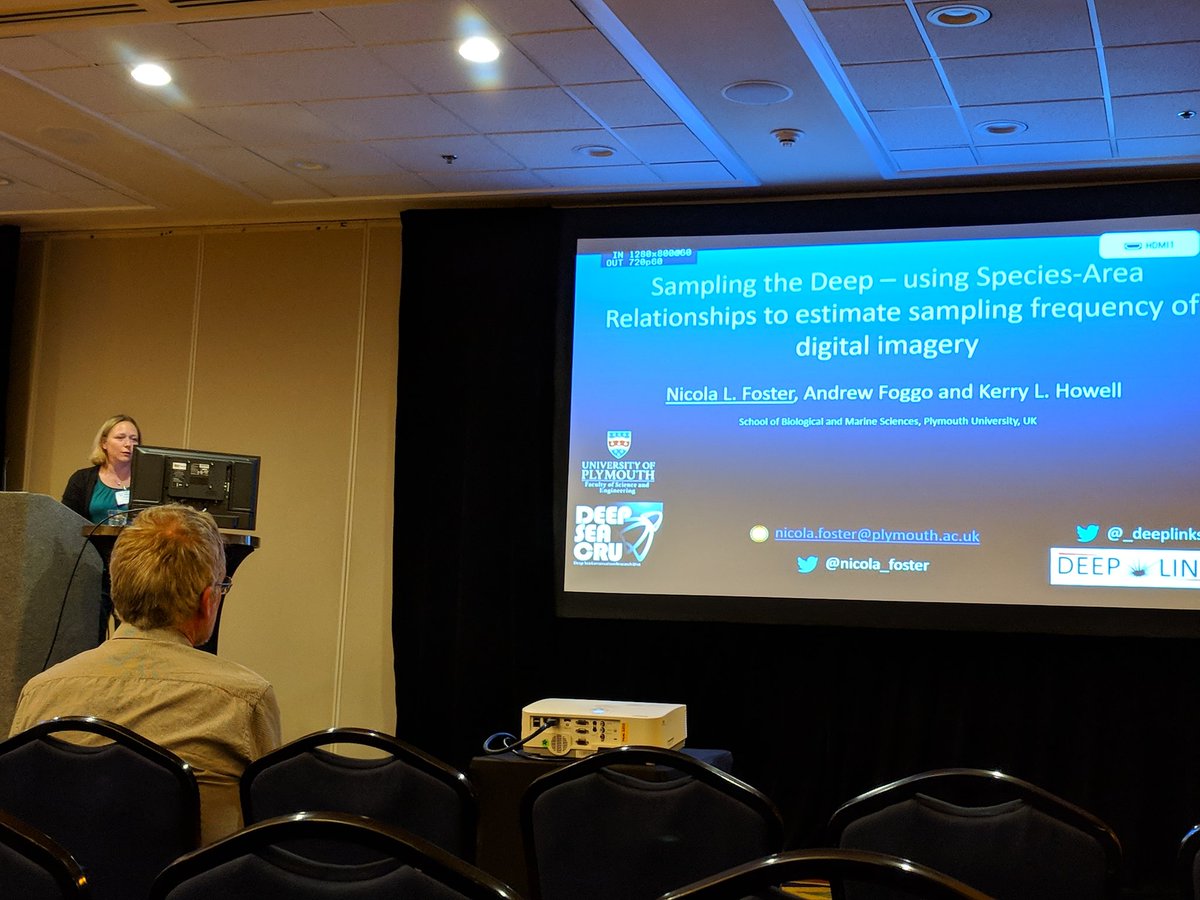
@nicola_foster - checking how many images you need to analyse and how often to adequately represent community. Depends on substrate and different intervals sample either alpha or beta diversity. Must ensure adequate transect length! #DSBS2018 @DeepSeaCRU @_deeplinks
9
15
13 Jul 2018
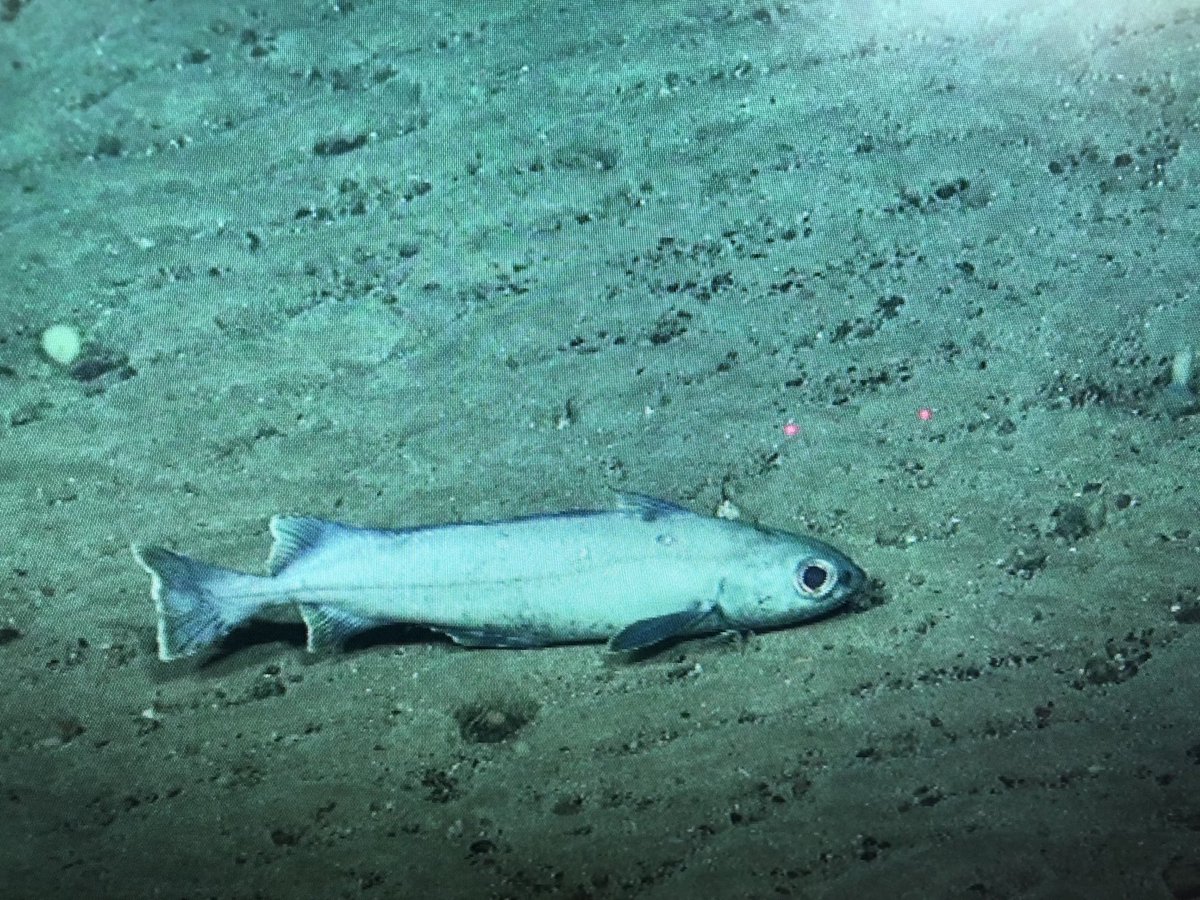
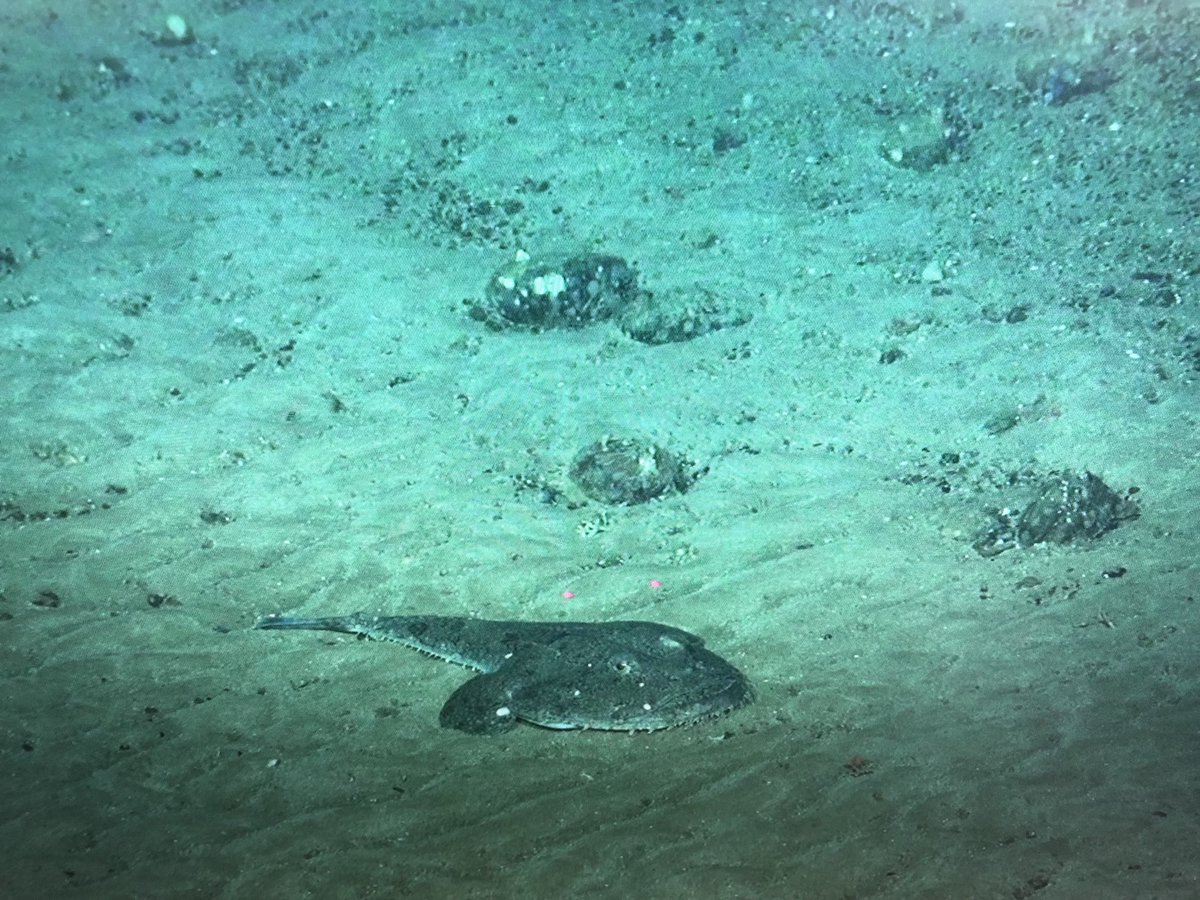
Came across this guy on the video transect at 800m today! Just chillin’ 😎 #deeplinks #deepsea
1
5
21 Jun 2018
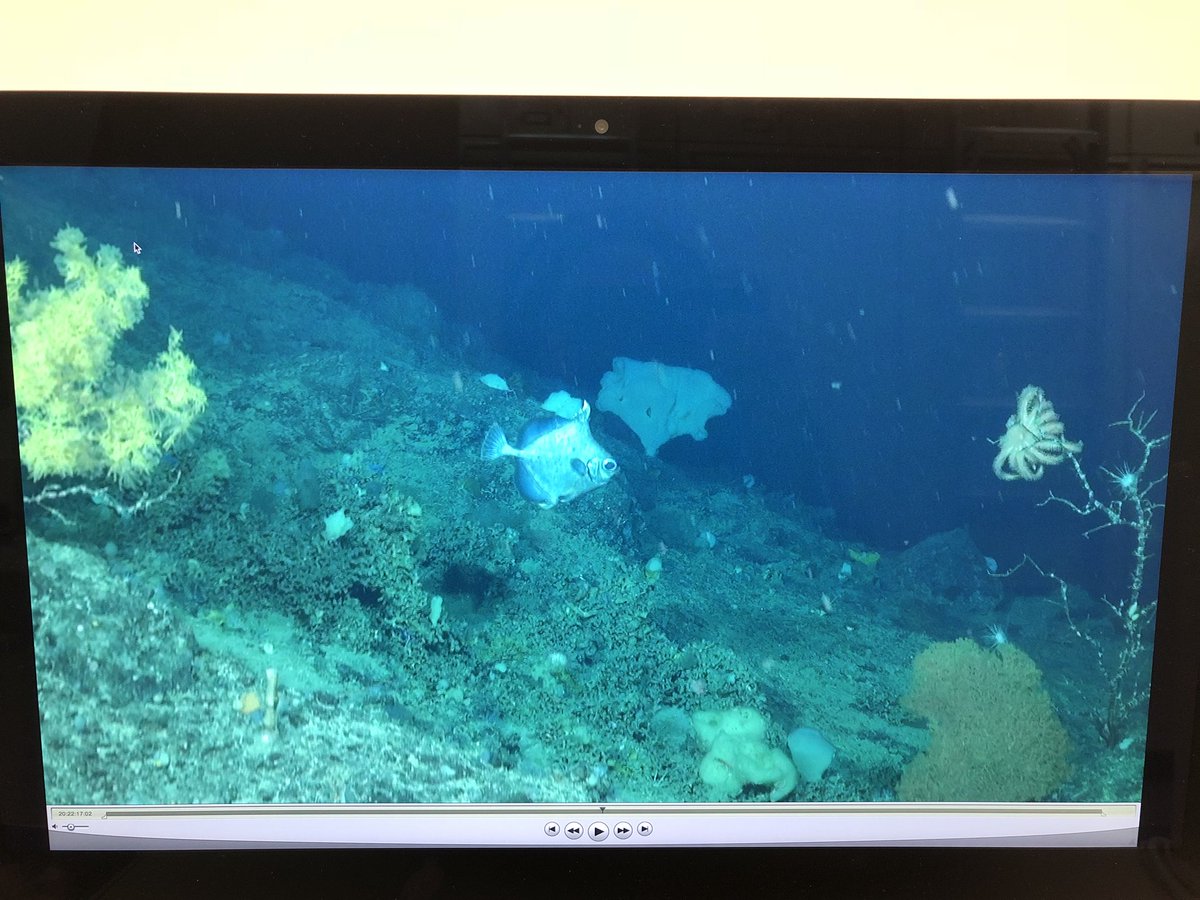
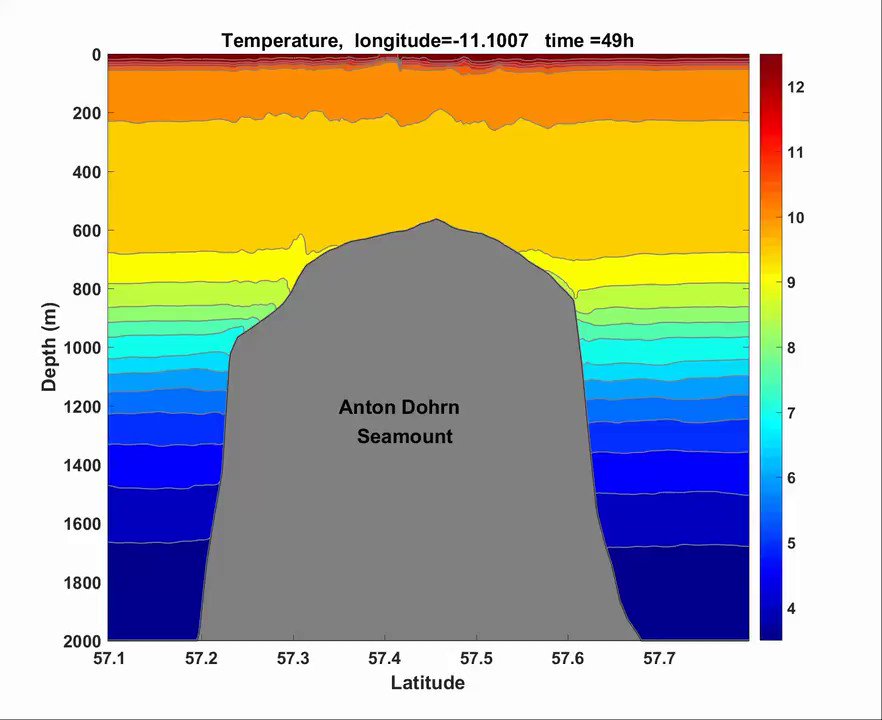
Footage from our #DeepLinks research cruise shows some of the amazing life found in the Anton Dohrn Seamount #MarineProtectedArea just off the coast of the UK #deepsea x.com/JNCC_UK/status/1009026…

230km west of the Outer Hebrides is an underwater extinct volcano, the Anton Dohrn Seamount #MarineProtectedAreas . Home to wonderful corals and sponges and sadly also a crisp packet – 2000m down! @Oceanwarrior @Deeplinks #breakfreefromplastic bit.ly/2JQA9uj
6
8
21 Jun 2018
Footage from our #DeepLinks research cruise shows some of the amazing life found in #MarineProtectedAreas just off the coast of the UK #deepsea x.com/JNCC_UK/status/1008723…
With 10 #MarineProtectedAreas, Atlantic North-West Approaches protect some of the UKs highest underwater mountains, alien-like #deepsea creatures & examples of cold-water #coral #reefs found nowhere else in the world! youtu.be/I5DWvyTN37o @marinescotland @_deeplinks @NOCnews
2

This #WorldOceansDay explore the #MarineProtectedArea cycle from concept to protection, with a lot of water in between! Learn how we collect #data & work with partner orgs, govs & industry towards a healthy sustainable marine environment. View in full @ youtu.be/SD59BvJdEgs
1
6
9
Deep Links retweeted

8 Jun 2018
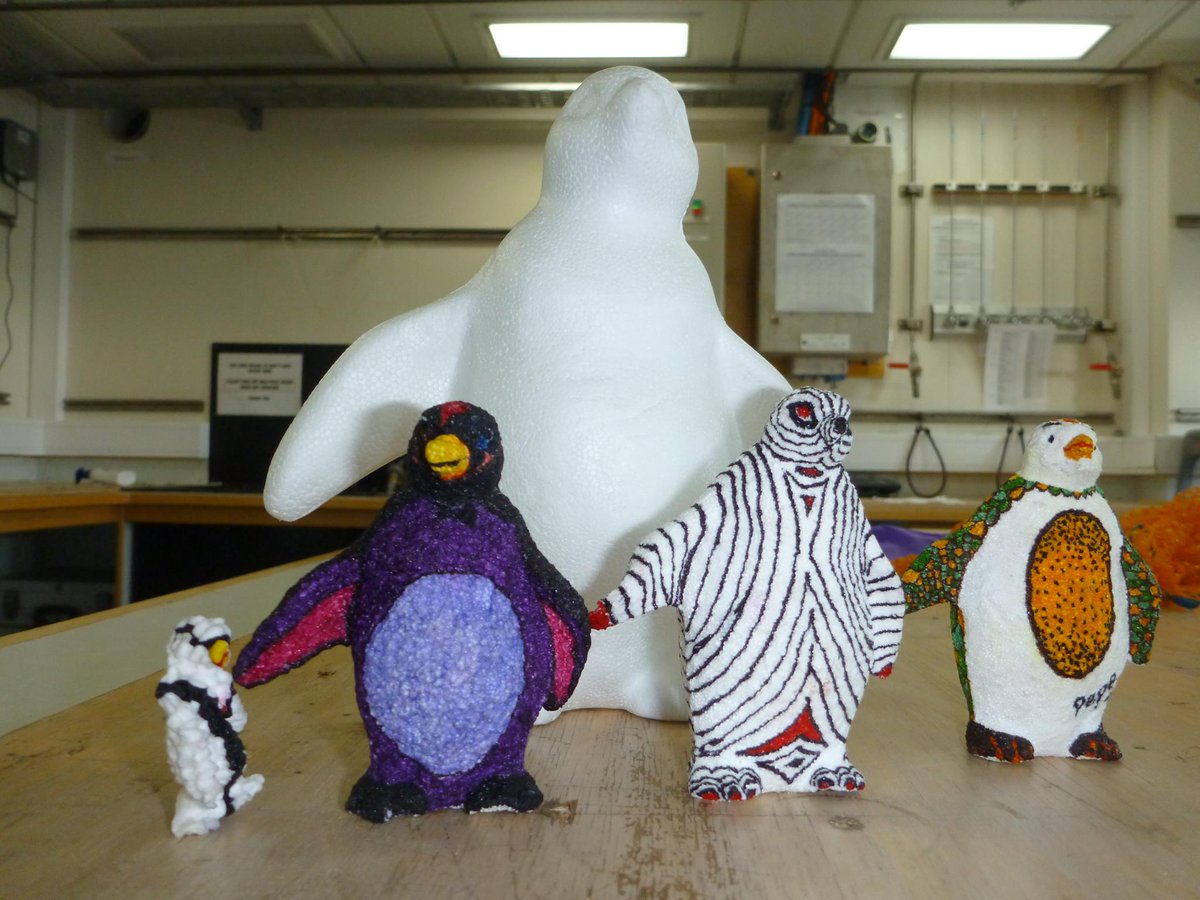
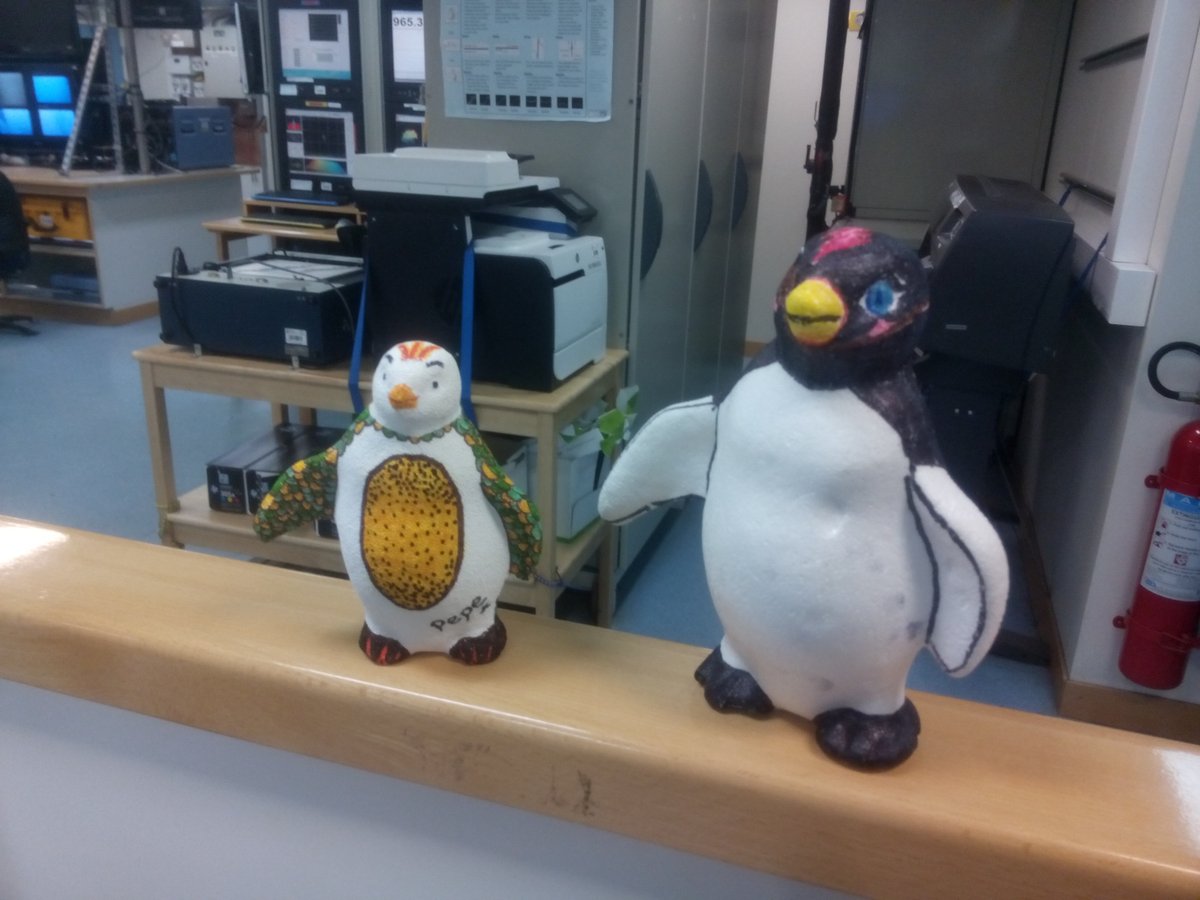
Yeah Sure #shrunkencupoff is all nice and well but what about #shrunkenpenguinoff? #jc136 @_deeplinks (uncoloured penguin is unshrunken)
1
5
30
Deep Links retweeted

8 Jun 2018
Our @DeepSeaCRU researchers are working with @JNCC_UK and other partners in the @_deeplinks project to help protect the amazing diversity of life in the UK's deep ocean #WorldOceansDay2018 x.com/JNCC_UK/status/1002525…
Mosaic of #MPAs protecting a myriad of habitats, species & geological features, fit together to make UK MPA network. In turn, contributing to wider networks of protected areas in Europe & NE Atlantic #OceanOptimism #EuropeanMartimeConference View in full @ youtu.be/wD3PCXhRKw4
6
16
Mosaic of #MPAs protecting a myriad of habitats, species & geological features, fit together to make UK MPA network. In turn, contributing to wider networks of protected areas in Europe & NE Atlantic #OceanOptimism #EuropeanMartimeConference View in full @ youtu.be/wD3PCXhRKw4
1
7
13
The Southern #NorthSea is important for both man & beast! It provides food for #seabirds, seals & harbour porpoise, as well as supporting EU #fishing fleets & is a source of #oilandgas for the UK. View the full video on #MPAs located there at bit.ly/SouthernNorthSea @CefasGovUK
9
10
#ThursdayThoughts~10,000 years ago you could have visited Europe from the UK by foot when Dogger Bank #MPA was dry land! Now submerged, the UK’s largest sandbank gives protection to habitats which support a rich variety of #MarineLife #NorthSea bit.ly/DoggerBank @CefasGovUK
7
17