
founder watchup.site & Omnikit.watchup.site|| polyglot dev || Verso - Anonymous Poetry || Toms DB
Joined November 2022
- Tweets 7,418
- Following 630
- Followers 1,063
- Likes 11,788
656 Photos and videos






Pinned Tweet

Jun 8
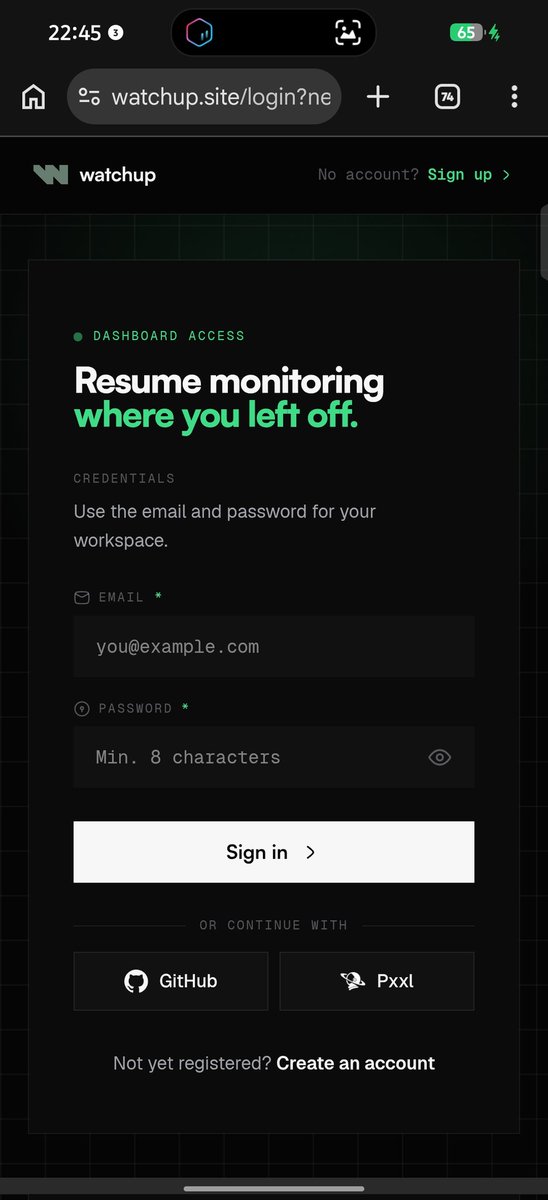
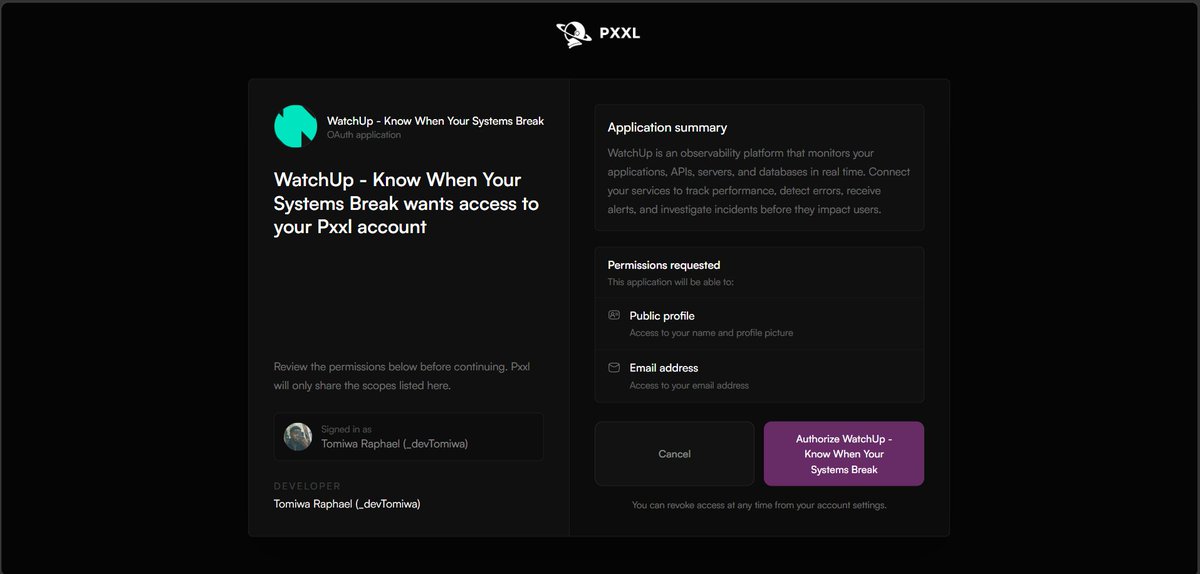
Tired of bloated enterprise monitoring tools that take weeks to configure?
Watchup gives you dead-simple, real-time error tracking and API monitoring. Set up in minutes, watch your infrastructure in real-time.
Keep production stable: watchup.site
3
7
108
117,660
What I worked on as a dev today:
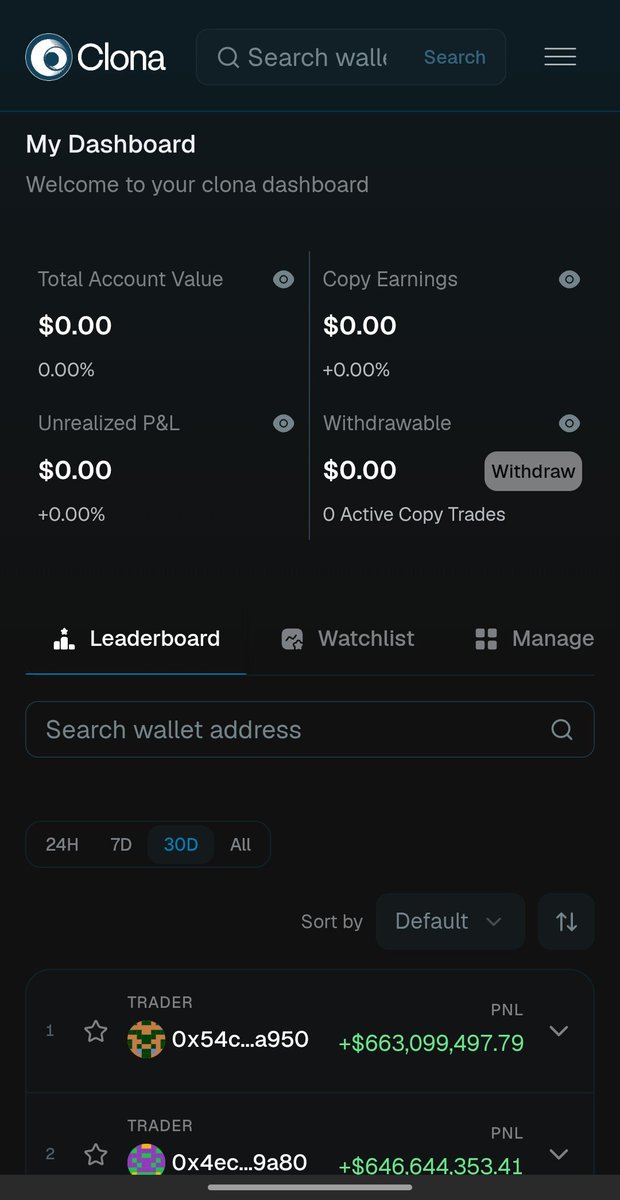
Revamped the existing system for traders leaderboard from hyper liquid
Account Value, PnL, ROI, Sharpe ratio, etc
with per user aggregation
streaming for updates, Drift fix incase of partial updates due to ws disconnections.
Pushed out a marketing mail For Watchup Users.
7
73
ATP, I feel like I'll top Wakatimes charts if I was to link the extension. 😅
18
Are you frontend heavy?
Cause nginx isn't really complicated...
Jun 13

Nginx configuration is one of the most confusing things I’ve ever had to work with.
And doing it directly on a server through the terminal makes it even more challenging.
Don’t even get me started on Vim. Opening a file is easy. Exiting it is a completely different battle.
Every time I think I’ve figured it out, Linux finds a new way to humble me.
1
36

The team behind express looking at you downgrade their work
Jun 13

Because you can’t use express for something serious, lol
It’s for side projects
1
5
187

Dev Tomiwa retweeted

Jun 12
“you don’t owe your parents anything”
yeah maybe not you and yours, but i owe mine like mad, thanks
129
5,328
17,396
228,050
Jun 13
Just look at this🔥😭
I mean, scrolling through the TL isn't as smooth, but big ups fr.
Jun 13

Did X push an update or am I in beta right now?
I can't even tell.
But I think the update feels way better.
A few bugs but it's really cool on my phone.
1
56
Jun 13
Did X push an update or am I in beta right now?
I can't even tell.
But I think the update feels way better.
A few bugs but it's really cool on my phone.
1
101
Jun 13
Good Afternoon Techies!
What's on your To-Do list for today?
Freelance work and Personal!
3
7
177
Dev Tomiwa retweeted

Jun 13
GM TL! 😅
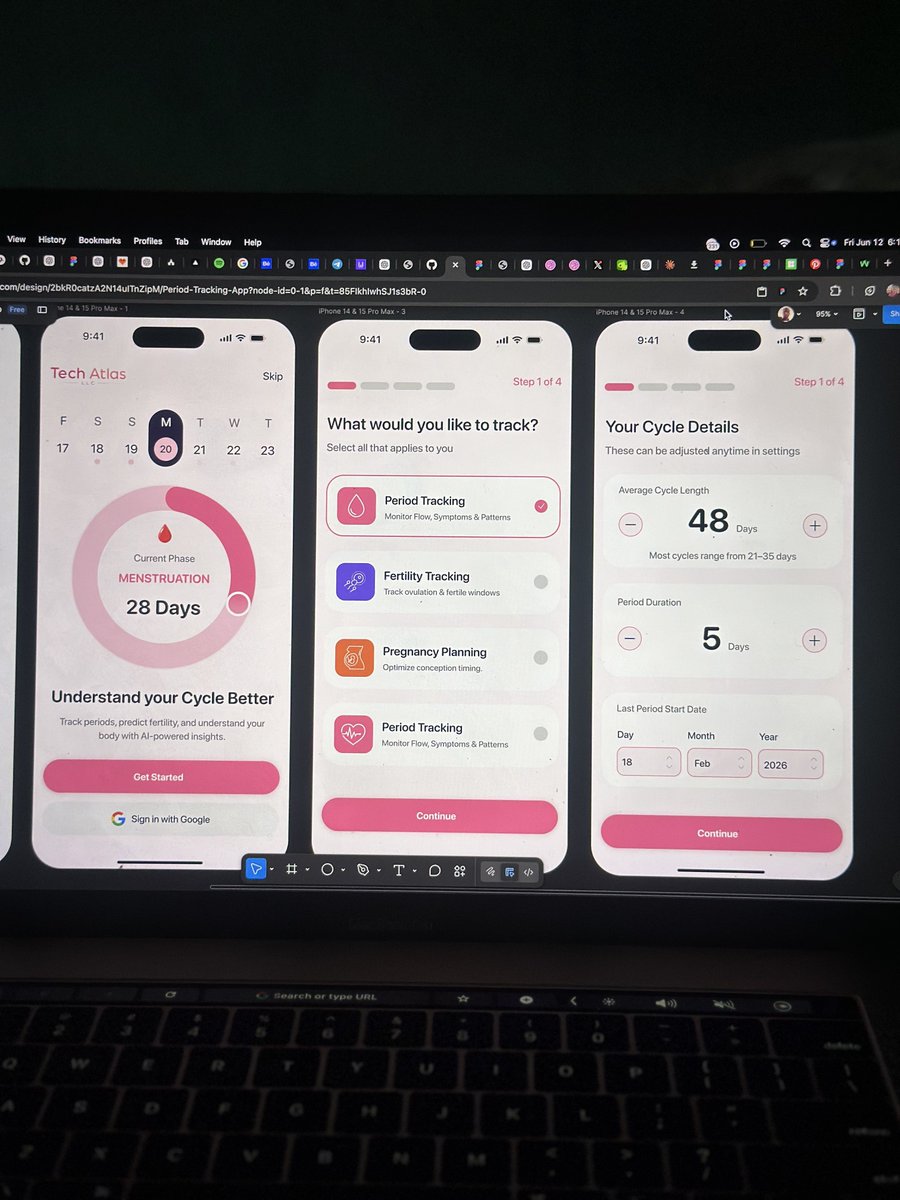
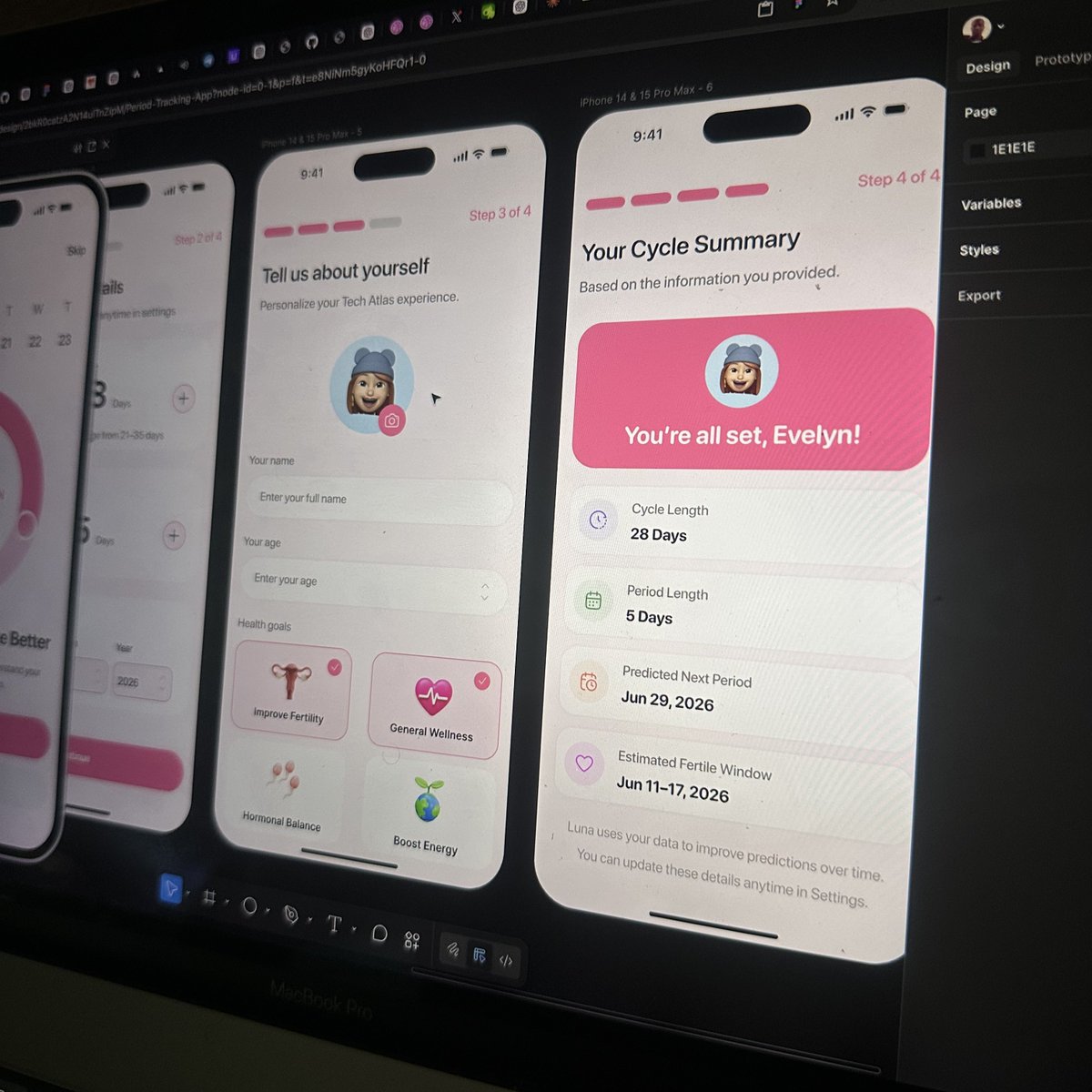
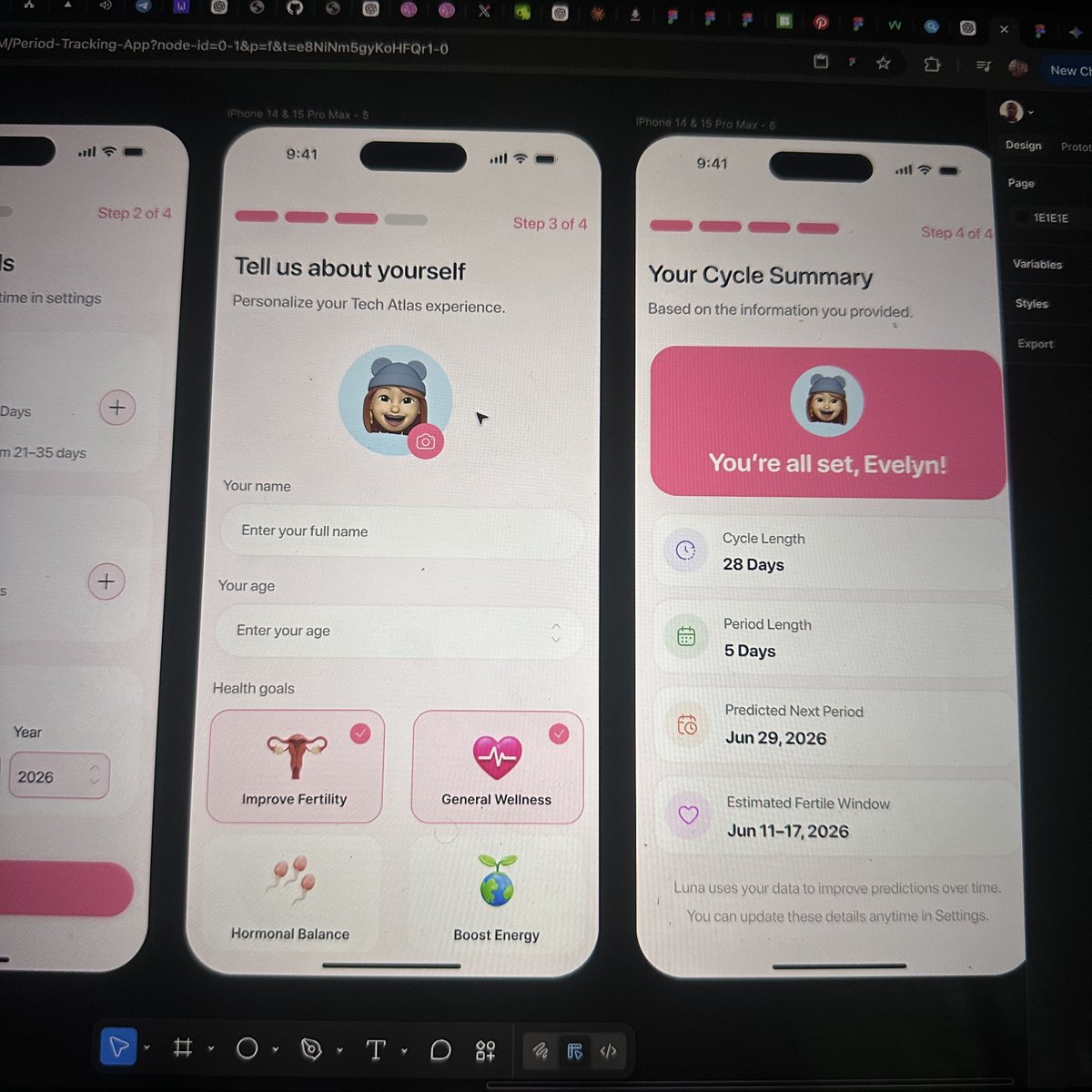
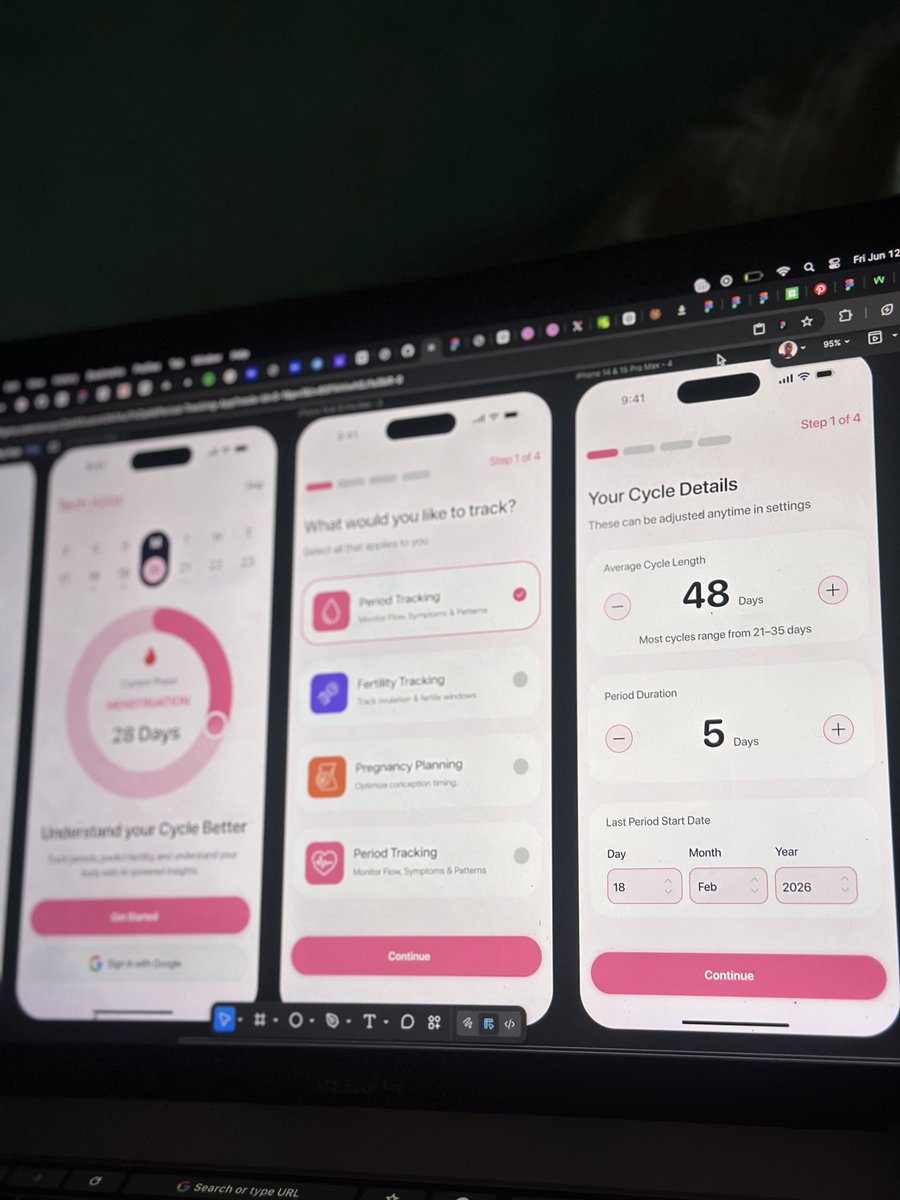
Sneak peak of what I’m currently working on, a Period tracker app for women.
What do yall think?
1
1
3
589
Jun 12
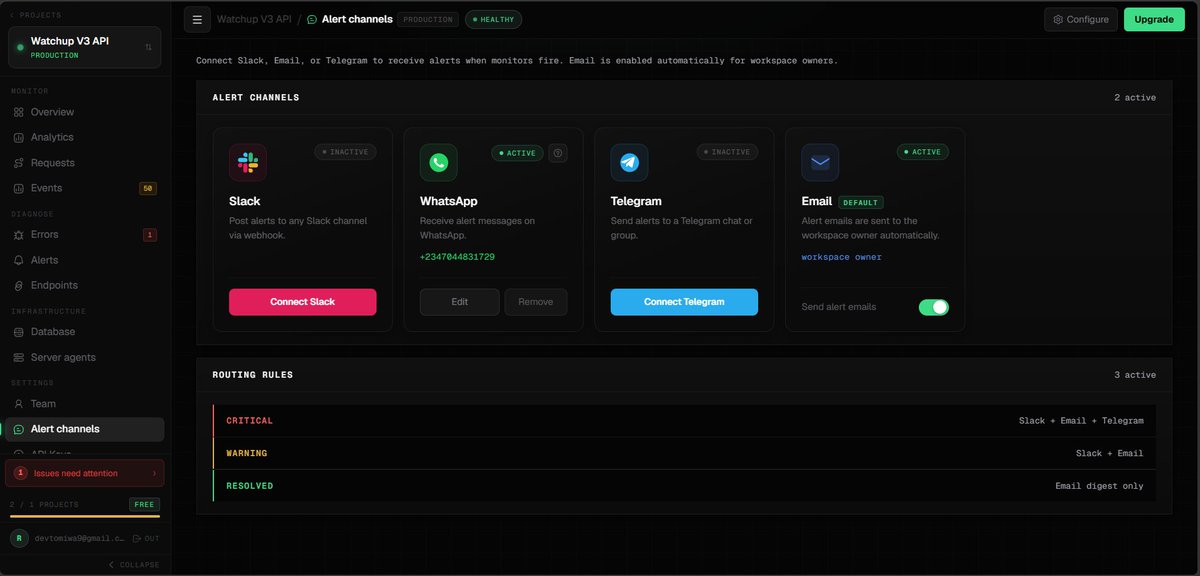
Semi-Fixed the favicon issue for watchup.site
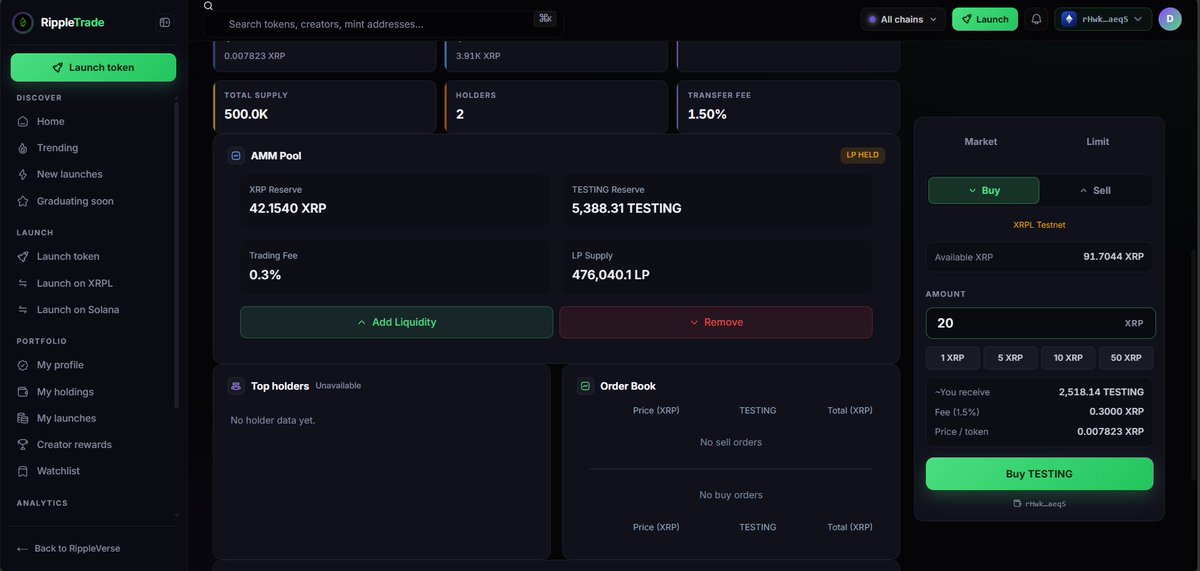
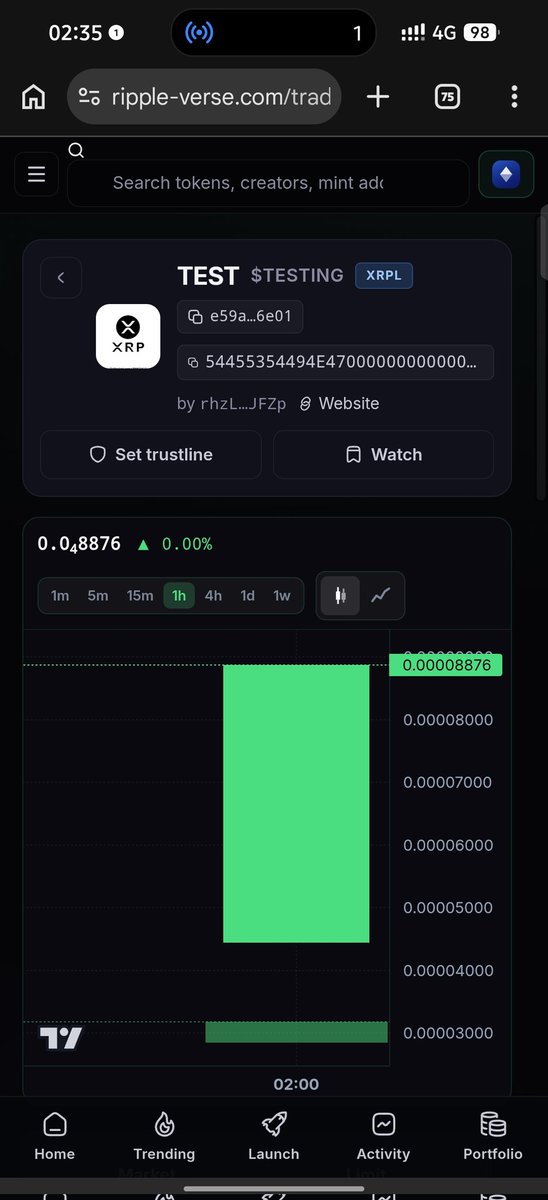
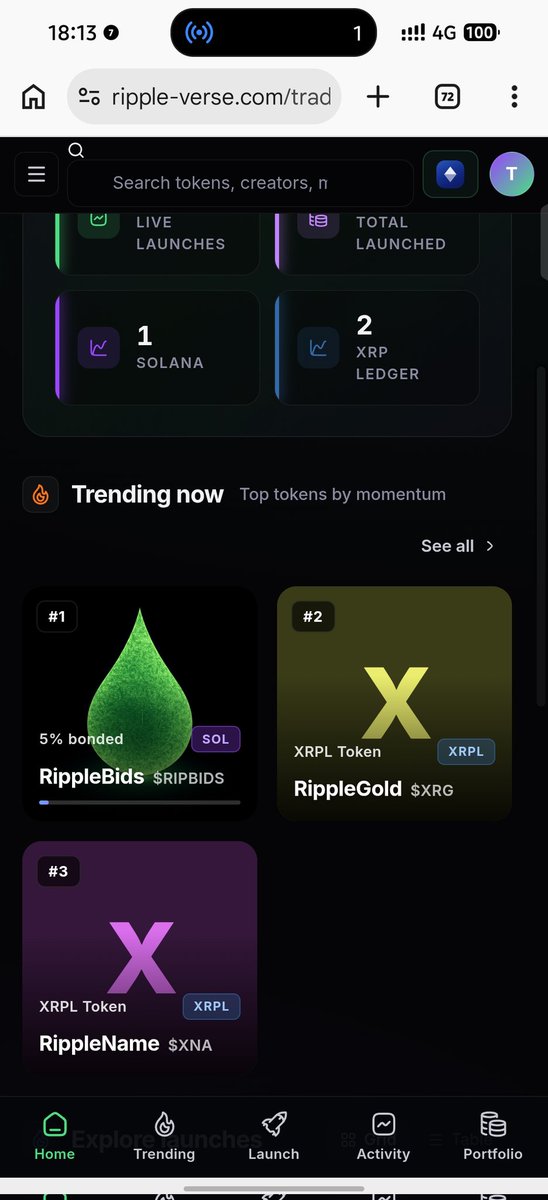
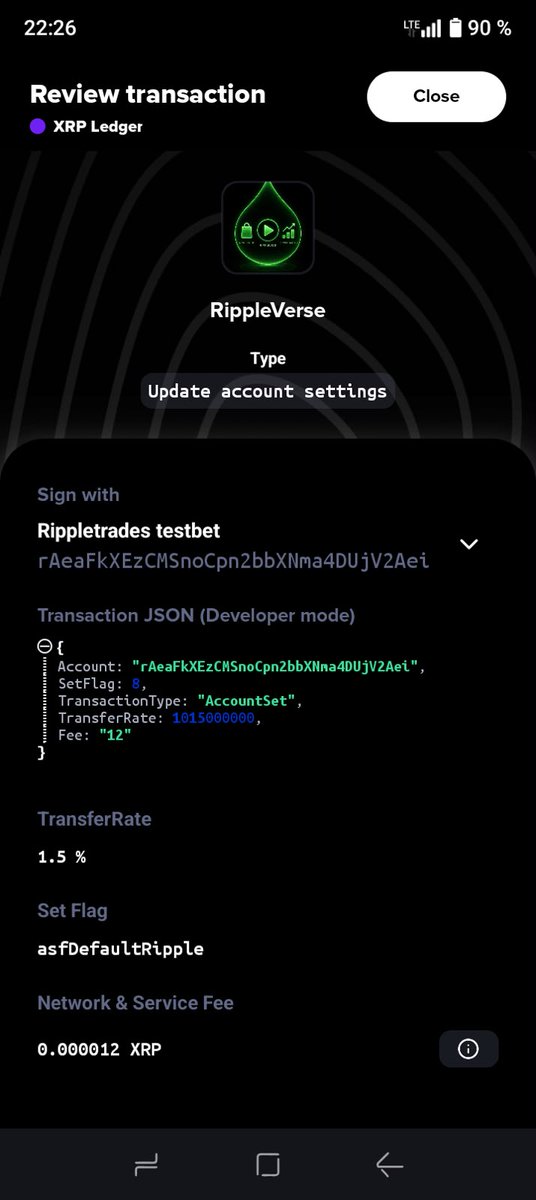
Fixed the AMM deposit and Withdrawal issue in the XRPL launchpad i worked on for a company.
Fixed issues with adding Telegram as an Alert Channel for users in Watchup!
Jun 12

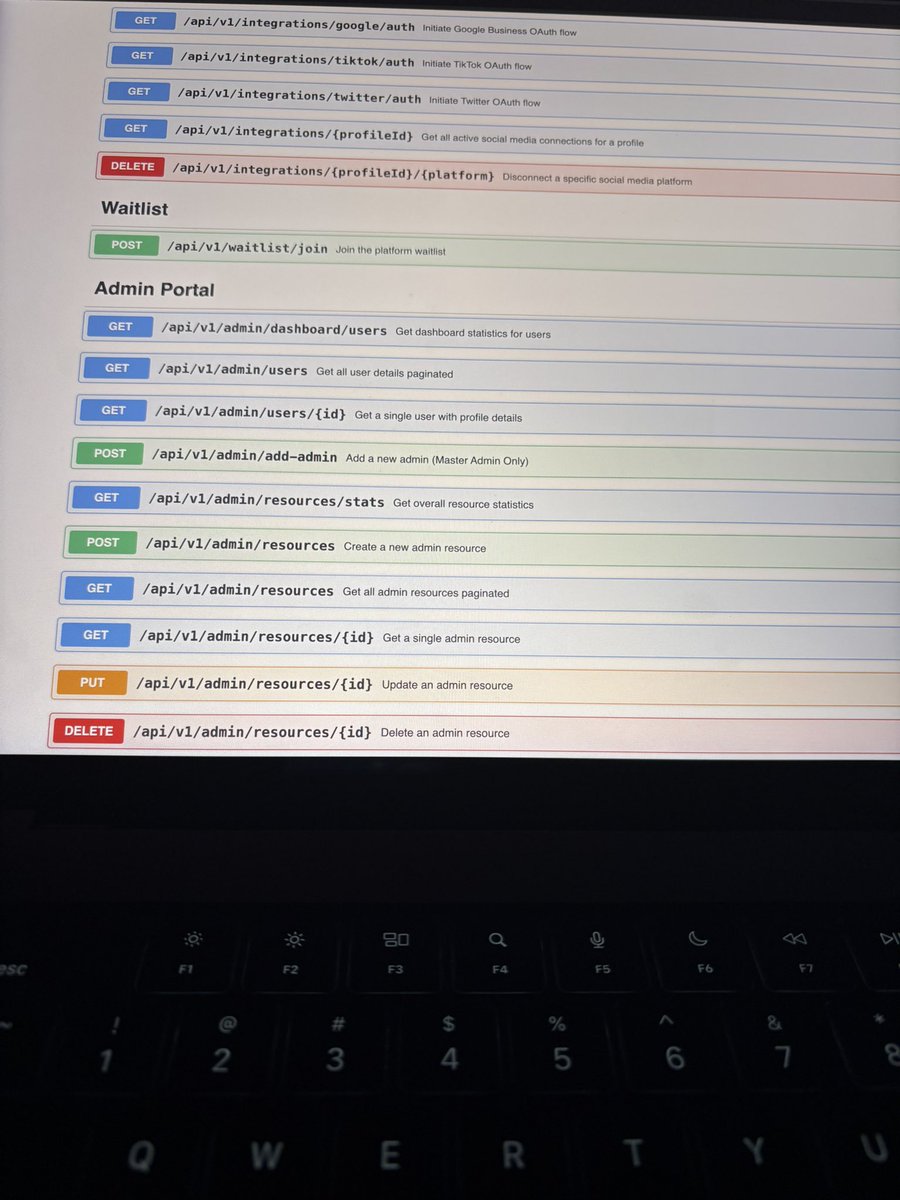
What I got to work on today as an independent contractor :
1. Built out the full flow for session specialization of a project I’m working on. A user type can now select multiple specialization areas, and sessions are intelligently filtered to match them.
2. Implemented a task system:
• Admins can create tasks
• Users can fetch & update tasks
• Added endpoints for pending tasks, unfinished goals nearing deadlines, and assignment submissions.
3. Progressed key product flows:
• Almost done with all core features (remaining: admin endpoint social auth integrations Google, TikTok, Facebook, Twitter, Instagram)
• Auto welcome message revenue flow for 1:1 sessions queued next.
4. Improved developer experience:
• Started updating Swagger docs with accurate endpoint responses
• Added a public resource module (fetch all, single resource, tracking)
• Updated waitlist → signup flow
Stacking small wins daily. Shipping, refining, repeating.
What did you build today?

1
1,131
Dev Tomiwa retweeted
Jun 12
Solving UX problems has always been one of my favorite skill as a product designer.
2 years ago today, I proposed a search feature for the X Bookmarks section to make finding saved posts faster and easier.
It later got implemented btw 😅
12 Jun 2024

Hello @x! What if there’s a search feature in the bookmarks section? 🤔 During my regular use of this app, I noticed an opportunity to make the bookmarks screen more user-friendly by adding a much-needed search icon. Y'all Check out my design and let me know your thoughts.
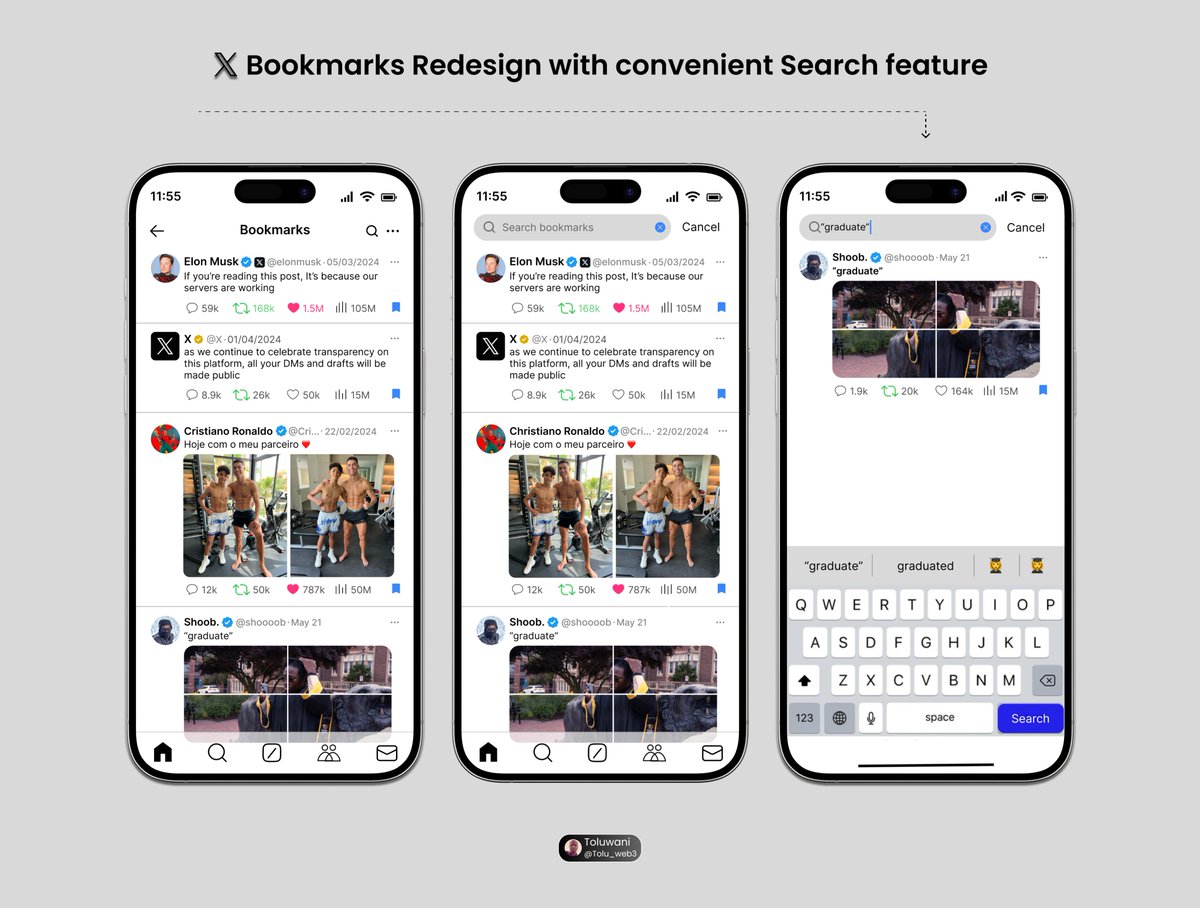
ALT X bookmarks redesign with convenient search feature
1
4
7
256
Jun 12
what's the cost implication like?
or is it open source?
Jun 12

spent way too much time maintaining custom indexers in the past. uptime issues, schema changes breaking everything, supporting one chain at a time. it becomes a full-time job just keeping it alive.
been testing goldrush pipeline and the setup is surprisingly simple. pick a chain, choose where the data goes, streaming in minutes.
still get full ownership. without building and maintaining everything yourself.
goldrush.dev/platform/pipeli…
2
50


Jun 11
Basically yeah.
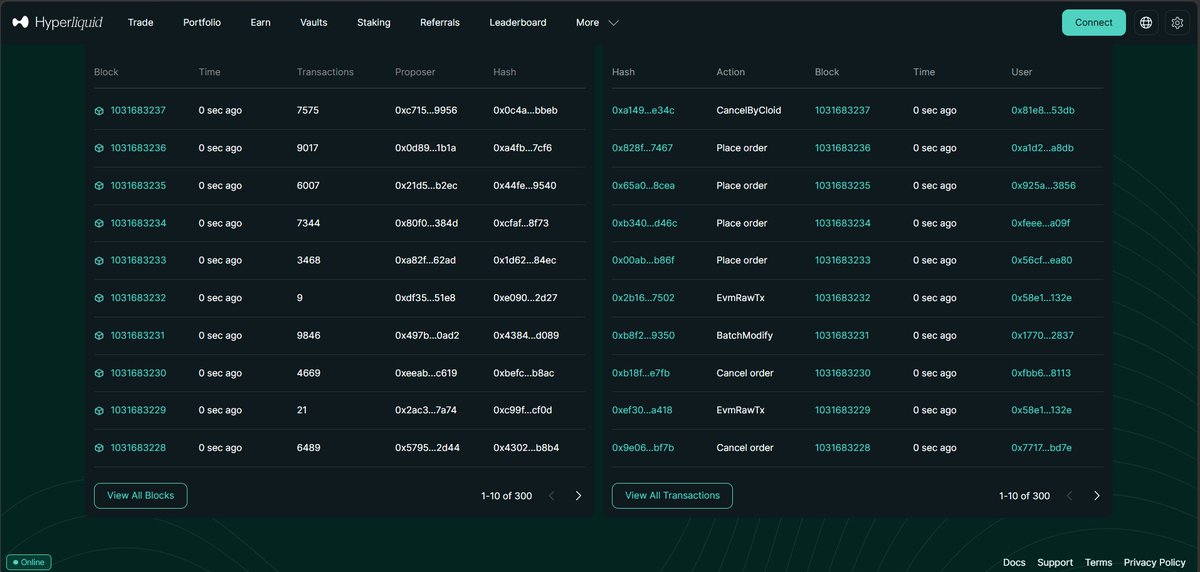
At any given time, the maximum number of records shown in each category is capped at 300.
But they don’t just drop new data when that limit is hit - they maintain it as a rolling window.
As new records come in, the oldest ones get removed to make space.
So for example:
10 new records come in == records 300–291 get dropped.
It’s a simple idea, but really well thought out.
I’m definitely going to use this pattern for what i'm working on rn.
It’s super smooth.
Jun 11
The person who handled the pagination for Hyperliquid transactions and blocks is really smart.
For a platform processing massive volumes of data in very short periods (>300 transactions in under 5 seconds), pagination limits matter a lot.
I noticed they capped the pagination at 300, which is a really thoughtful design choice. Allowing arbitrarily large result sets could make the page significantly slower on certain devices and networks, especially when rendering large amounts of data at once.
It's a small detail, but seeing decisions like that makes me appreciate the engineering behind the platform 😅
2
64