
93 Photos and videos





efwe retweeted

8 Apr 2022
BIG personal news! My Erdős–Bacon number is now 7:
— My Erdős number is 4: Me→Wenke Lee→Richard Lipton→Noga Alon→Paul Erdős
— My Bacon number is 3: Me–<After We're Over>→Chris Mollica–<Westworld>→Evan Rachel Wood–<Digging to China>→Kevin Bacon
en.wikipedia.org/wiki/ErdÅ…
6
3
142
efwe retweeted

19 Dec 2023
ALT http://suffer-rosa.tumblr.com/post/628908287005474816
3
57
545
96,468
efwe retweeted

8 Dec 2023
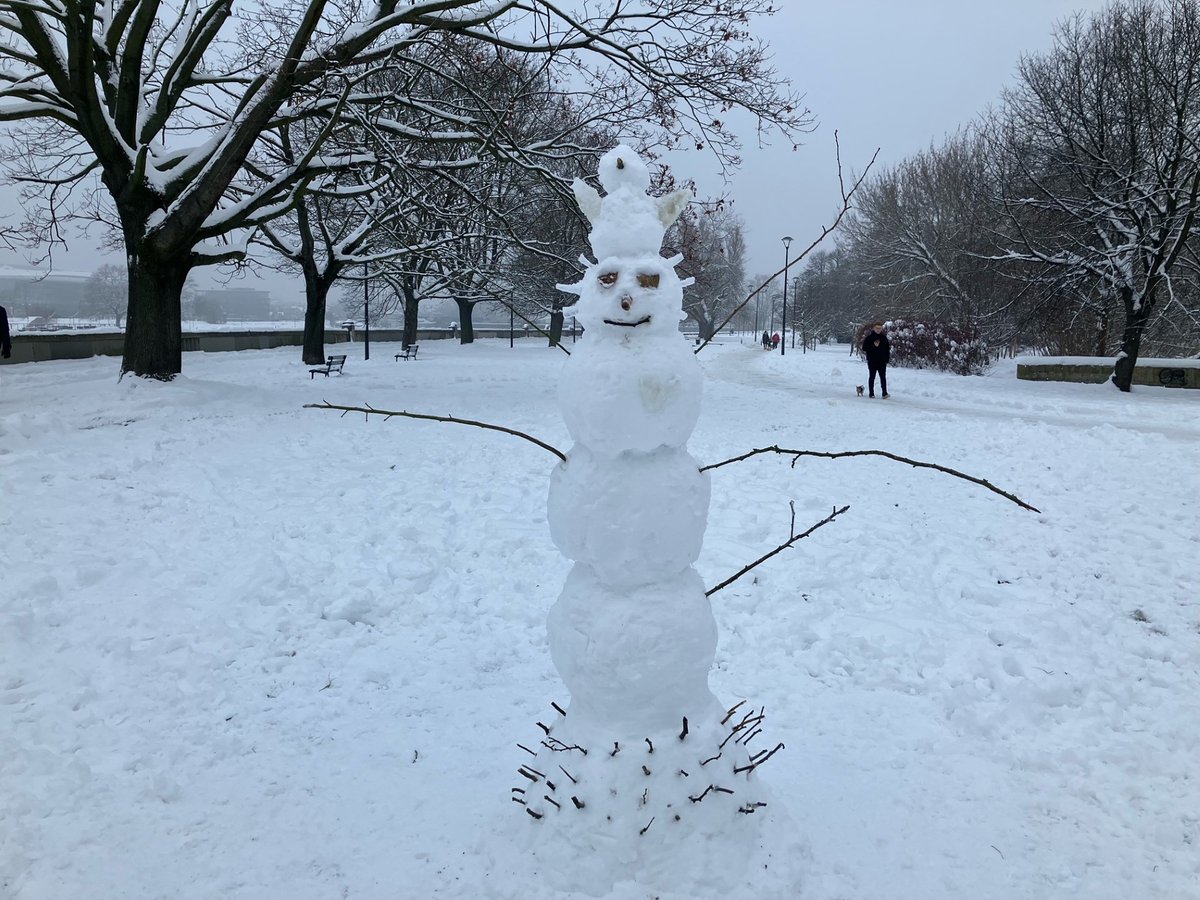
Polish word of the day: bałwan (snowman). Also meaning religious idol (see "bałwochwalstwo" - idolatry), a lump or pillar of material, or pejorative for unintelligent person. May derive from Turkic, Persian, or Sanskrit roots for powerful person/hero or a column in their honour.
7
26
165
12,071
efwe retweeted

4 Nov 2023
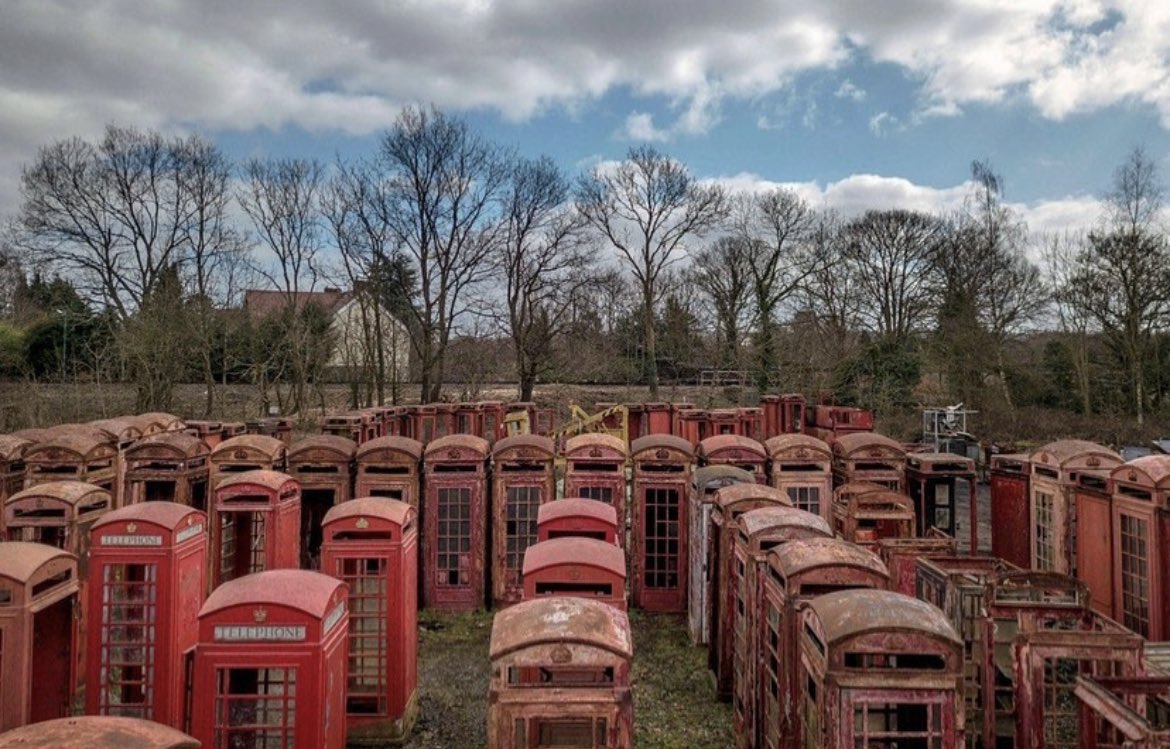
Red telephone booth cemetery on the outskirts of London
The public telephone boxes that once lined the streets of the UK, lit up the roads of Bermuda and Malta, and stood proudly on the corners of Gibraltar were designed by Sir Giles Gilbert Scott. These streamlined, brightly colored boxes were convenient, easy to spot, and much loved by the people. By the 1980s, over 73,000 of these iconic phone booths were in use.
However, like many technological innovations, what was once convenient can become clunky, expensive, and high-maintenance almost overnight. By 1985, the telephone box had been deemed obsolete, and they became more trouble than they were worth. The kiosks needed to find new homes now that they were no longer welcome on the city streets.
The iconic boxes still had many admirers, leading to various repurposing ventures. Some were turned into shower stalls in homes, mini libraries, and, of course, a wide array of art projects. Those that weren't repurposed were carted out en masse to rural storage areas.
One of these rural "graveyards" is located in a small village in northern England called Carlton Miniott, where hundreds of decommissioned phone boxes lie in various stages of decay.
239
593
4,858
2,263,388
efwe retweeted

4 Nov 2023
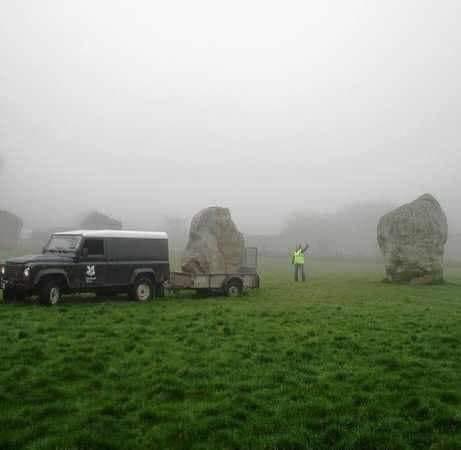
Busy, cold night at Stonehenge as we move the stones backwards an hour...
30
510
2,652
134,000
efwe retweeted

5 Nov 2023
Residents around the small town of Lidzbark in northern Poland have been greeted by the unusual sight of a kangaroo on the loose
A local animal charity has appealed for people to report sightings of the animal, which has been on the run for over two weeks wiadomosci.wp.pl/kangur-na-m…
9
11
152
37,150

efwe retweeted

22 Oct 2023
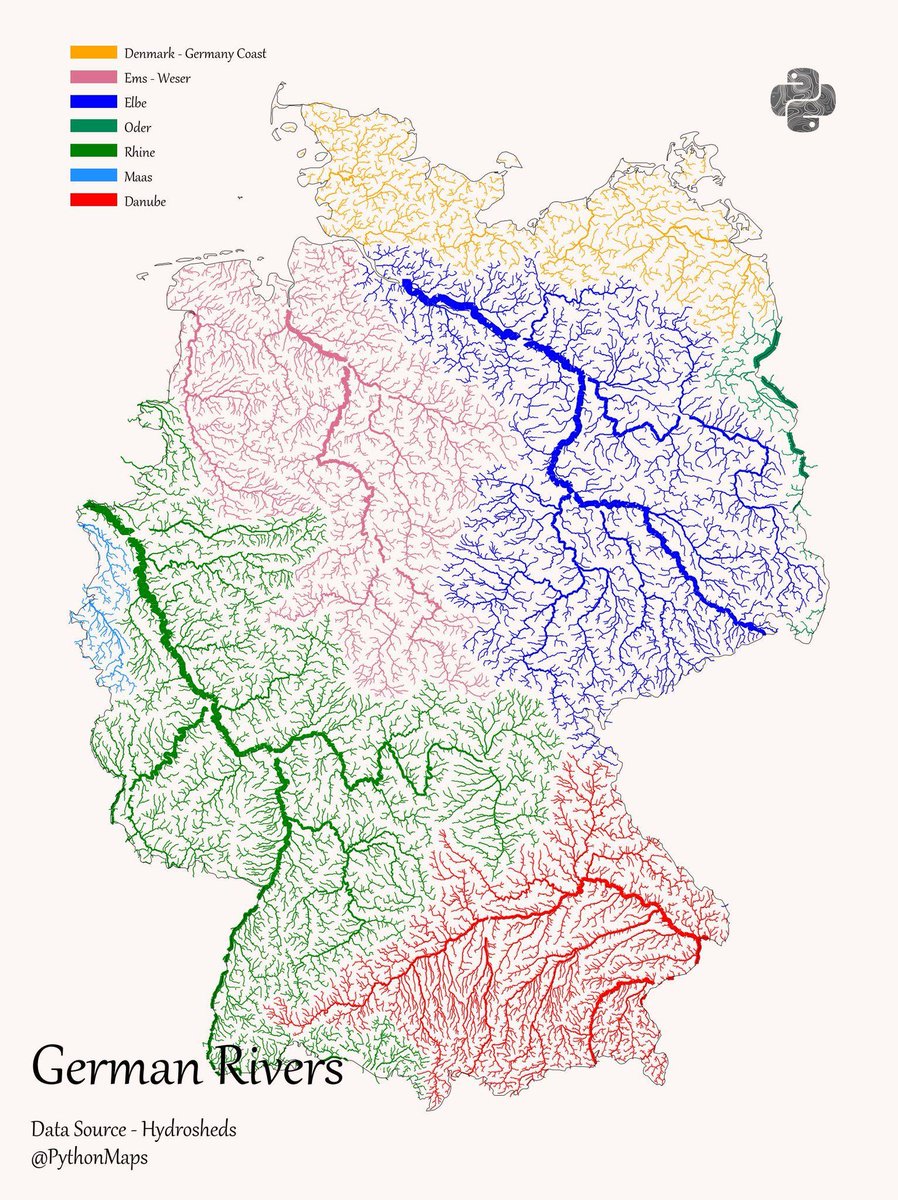
Hurray, @pythonmaps finally published the river basin map for my birth country of Germany. I was born and raised in the red part (even though it’s very black politically).
37
212
1,802
194,604

efwe retweeted
17 Oct 2023
ALT http://www.stephanvanfleteren.com/
8
118
1,056
188,527
efwe retweeted

27 Sep 2023
Der ehemalige deutsche Musiksender VIVA würde am 1. Dezember seinen 30. Geburtstag feiern. Die ARD hat ihm nun eine Doku gewidmet.
bit.ly/3LIjXsP
4
8
880
efwe retweeted
24 Sep 2023
ALT http://sprint95.tumblr.com/post/177941137160
4
82
843
143,824


efwe retweeted

24 Jul 2023
Cant fool me, thats the Predator at Notting Hill Carnival
24 Jul 2023

This is a lobster (Panulirus ornatus )
📸image via Avantgardens FB

4
8
34
5,138
efwe retweeted
23 Jul 2023
The government will provide funds to help small towns reduce concrete spaces, increase greenery, and improve water retention.
Recent years have seen many municipalities replace greenery with concrete, a trend labelled betonoza ("concretitis") by critics notesfrompoland.com/2023/07/…
1
25
130
10,238

efwe retweeted

20 Jul 2023
Because every timeline needs a yawning otter.. 😅
Sound on.. 😊
1,048
41,693
263,940
16,580,997