。°˖ ⩩ ❥ zandik.xn--6ii ˖ ⊹ ✧ (人*´∀`)。゚ .。♡
Joined August 2020
- Tweets 99,253
- Following 733
- Followers 657
- Likes 104,546
2,363 Photos and videos









╭ ─✦─────────── ✦𝄞⁺.
╰─ ꩜ omnivore.carrd.com
₊˚ ✧ ──── ˗ˏˋ𐂯ˎˊ˗ ──── ✧₊˚
╰─ ❤︎ .ᐟ
2,540
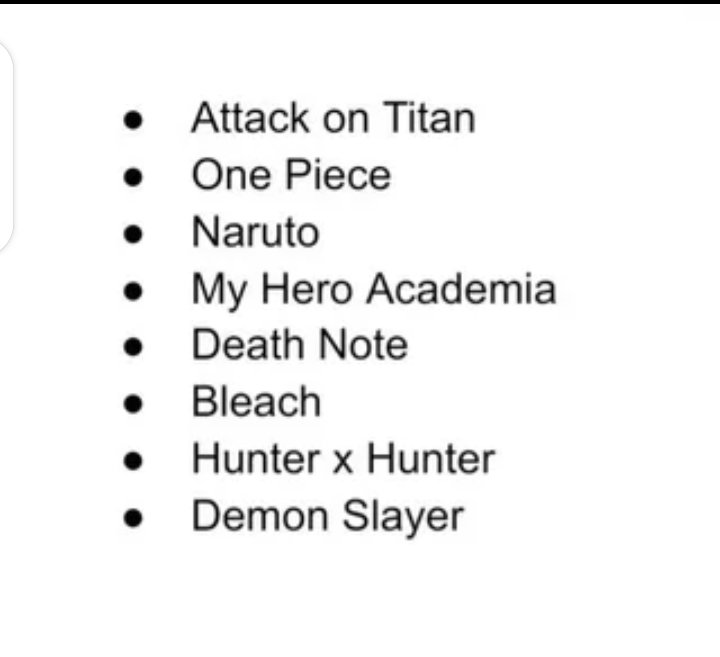
91 days, odd taxi, vinland saga, gintama, orb, dan masih banyak lagi and these alone already mogged this list haha.

1
4


xuehua˖❆ retweeted



6
682
5,157
30,274




tapi keknya di indo apa aja jadi aib deh kalo gue perhatikan, gue nggak tau ya kenapa orang kita itu punya kecenderungan senang membuat orang lain merasa gagal dengan narasi yg menurut gue absurd.
Jun 15

benci bgt mentality di indo gap year jadi aib, telat lulus juga aib, emang hidup cuma berakhir di umur 25 kah???
34
3,215
10,619
131,874
bro keeps spitting facts
10h

Let me talk about the final subject of “poverty”—real poverty.
There is actually no such thing as “fake poverty.”
People in countries with a GDP per capita in the $30,000 range still struggle in their own way, even if clean running water is readily available.
In countries with a GDP per capita of around $60,000, such as the United States, the middle class also struggles, even if their cars are extremely large.
The standards are simply different.
There are many definitions of hardship.
In some cases, even eating cup ramen noodles can feel like a sign of wealth, while in others, life can feel extremely difficult despite outward stability.
However, there are also people who are truly poor by any global standard.
I know a wonderful Japanese person who volunteered in parts of Africa where there is no electricity or running water.
She lived there for several years and taught children in those communities.
Those children do not have smartphones, of course, which means they have almost no way to access manga at all.
(Of course, this is a simplified description. Reality is always more complex, and I hope to talk about it in more detail another time.)
I have no problem if those children were to read my manga for free.
If I could, I would even want to teach them manga myself.
But in reality, they do not need manga education in the first place—they simply have no access to it.
There are no manga readers, and no aspiring manga artists there yet.
Yeah... this is an important point when we talk about poverty and manga.
I believe that a country can begin developing a manga industry once it reaches around $2,000 in GDP per capita.
It can already become an important market, and eventually a major comics-producing nation.
Around $10,000 per capita, which was roughly South Korea’s economic level when I made my debut, a strong manhwa industry is already possible—and indeed, South Korea had already become a major manhwa-producing country by then.
Manga also has the power to help transform a developing nation into a cultural powerhouse over time.
That is one of its true strengths.
I have mentioned two key ideas about manga before:
First is diversity is one of manga’s greatest strengths.
Second is manga gives opportunity to children in poorer countries, and through them, the culture and soft power itself grows and becomes stronger.
The baseline here is roughly $2,000 GDP per capita and access to basic infrastructure such as running water.
When a country cannot even build basic infrastructure, manga cannot easily become part of daily life—because there is no access to it in the first place.
No smartphones, no internet connection, sometimes not even basic tools for reading or writing.
But I do not give up on this idea.
In fact, I have long been thinking about how manga could still reach those people as a form of hope.
Individually, manga only requires very simple tools—paper, a calendar, a pen or pencil.
But what is truly needed is a system.
Yes, a system.
There is no more affordable art form than manga when it comes to learning and education.
But it requires infrastructure.
And ideally, that system should allow children to access it for free.
This is where “poverty” and “free access” must meet in a positive way.
In the end, real poverty is exactly this kind of situation: a world without phones, without social media, without running water, and therefore without access to manga at all.
For those people, manga must move forward—not as a paid product, but as something supported by systems, education, and infrastructure.
And later, when value is created, global long-term investors and industries can recover that value in sustainable ways.
Of course—not through piracy.
To be continued...
32
xuehua˖❆ retweeted

10h
Let me talk about the final subject of “poverty”—real poverty.
There is actually no such thing as “fake poverty.”
People in countries with a GDP per capita in the $30,000 range still struggle in their own way, even if clean running water is readily available.
In countries with a GDP per capita of around $60,000, such as the United States, the middle class also struggles, even if their cars are extremely large.
The standards are simply different.
There are many definitions of hardship.
In some cases, even eating cup ramen noodles can feel like a sign of wealth, while in others, life can feel extremely difficult despite outward stability.
However, there are also people who are truly poor by any global standard.
I know a wonderful Japanese person who volunteered in parts of Africa where there is no electricity or running water.
She lived there for several years and taught children in those communities.
Those children do not have smartphones, of course, which means they have almost no way to access manga at all.
(Of course, this is a simplified description. Reality is always more complex, and I hope to talk about it in more detail another time.)
I have no problem if those children were to read my manga for free.
If I could, I would even want to teach them manga myself.
But in reality, they do not need manga education in the first place—they simply have no access to it.
There are no manga readers, and no aspiring manga artists there yet.
Yeah... this is an important point when we talk about poverty and manga.
I believe that a country can begin developing a manga industry once it reaches around $2,000 in GDP per capita.
It can already become an important market, and eventually a major comics-producing nation.
Around $10,000 per capita, which was roughly South Korea’s economic level when I made my debut, a strong manhwa industry is already possible—and indeed, South Korea had already become a major manhwa-producing country by then.
Manga also has the power to help transform a developing nation into a cultural powerhouse over time.
That is one of its true strengths.
I have mentioned two key ideas about manga before:
First is diversity is one of manga’s greatest strengths.
Second is manga gives opportunity to children in poorer countries, and through them, the culture and soft power itself grows and becomes stronger.
The baseline here is roughly $2,000 GDP per capita and access to basic infrastructure such as running water.
When a country cannot even build basic infrastructure, manga cannot easily become part of daily life—because there is no access to it in the first place.
No smartphones, no internet connection, sometimes not even basic tools for reading or writing.
But I do not give up on this idea.
In fact, I have long been thinking about how manga could still reach those people as a form of hope.
Individually, manga only requires very simple tools—paper, a calendar, a pen or pencil.
But what is truly needed is a system.
Yes, a system.
There is no more affordable art form than manga when it comes to learning and education.
But it requires infrastructure.
And ideally, that system should allow children to access it for free.
This is where “poverty” and “free access” must meet in a positive way.
In the end, real poverty is exactly this kind of situation: a world without phones, without social media, without running water, and therefore without access to manga at all.
For those people, manga must move forward—not as a paid product, but as something supported by systems, education, and infrastructure.
And later, when value is created, global long-term investors and industries can recover that value in sustainable ways.
Of course—not through piracy.
To be continued...
18
197
1,218
30,103
the way he is still better and he has been around for a long time while being an NPC at that. you're embarrassing yourself just stop.


2
73
xuehua˖❆ retweeted

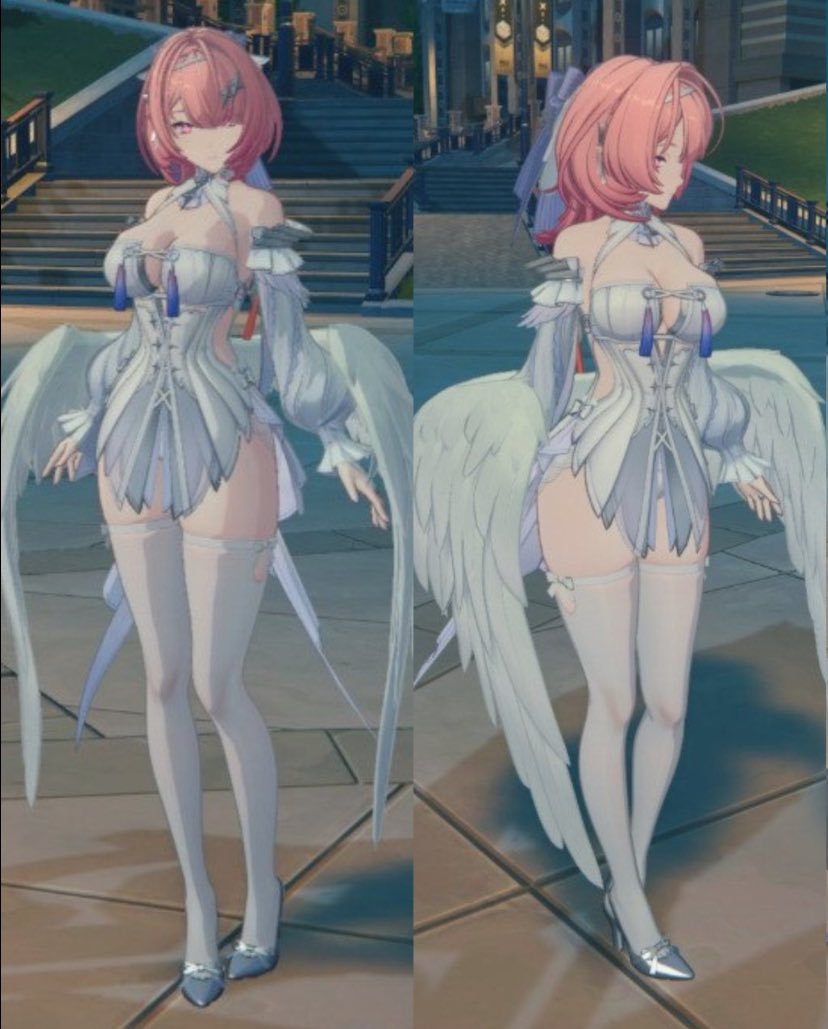
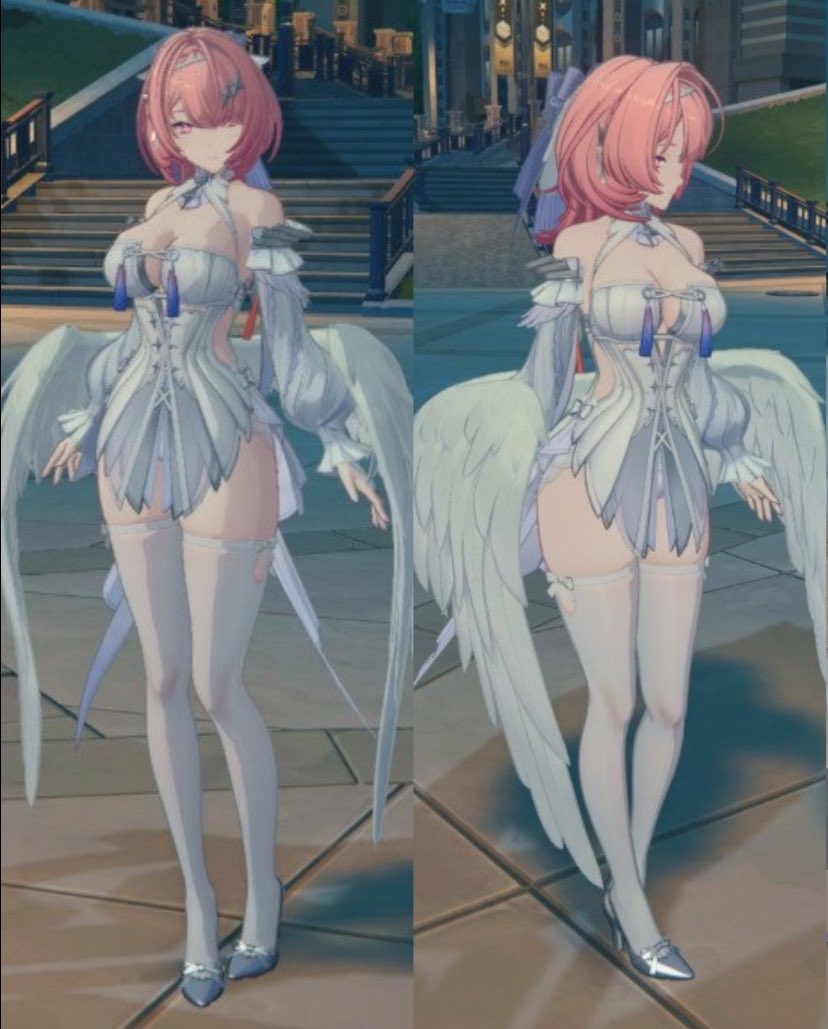
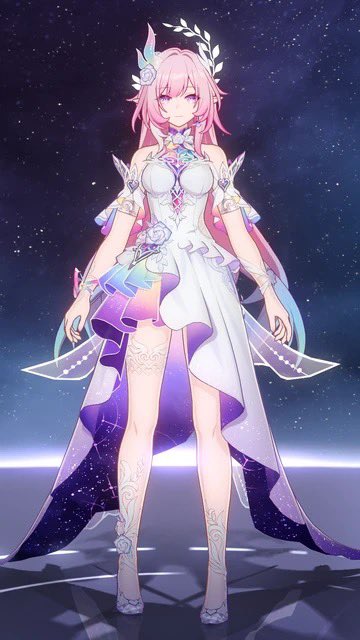
cyrene’s design is so beautiful i almost liked a hate tweet
12
83
1,183
14,280

xuehua˖❆ retweeted

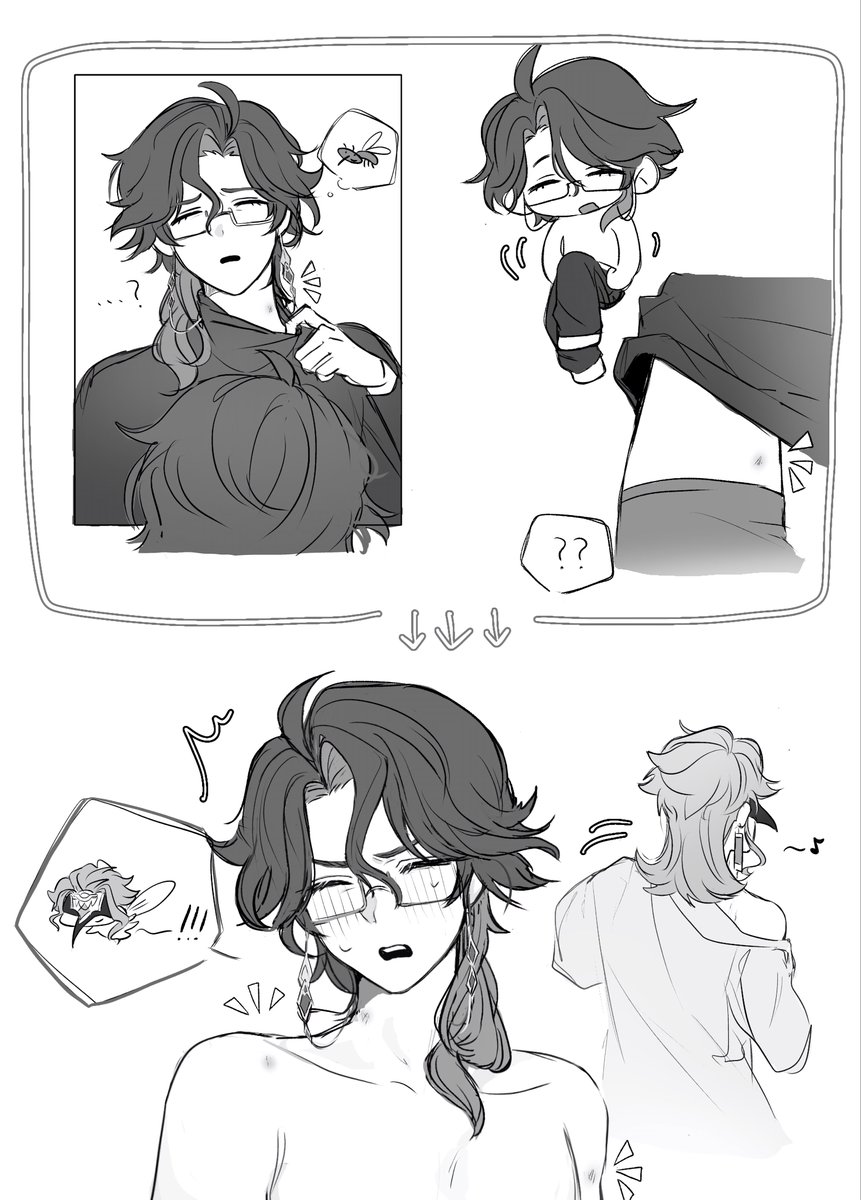
how it feels waiting for the leaks that finally confirm playable dottore in snezhnaya:
9
109
742
5,243
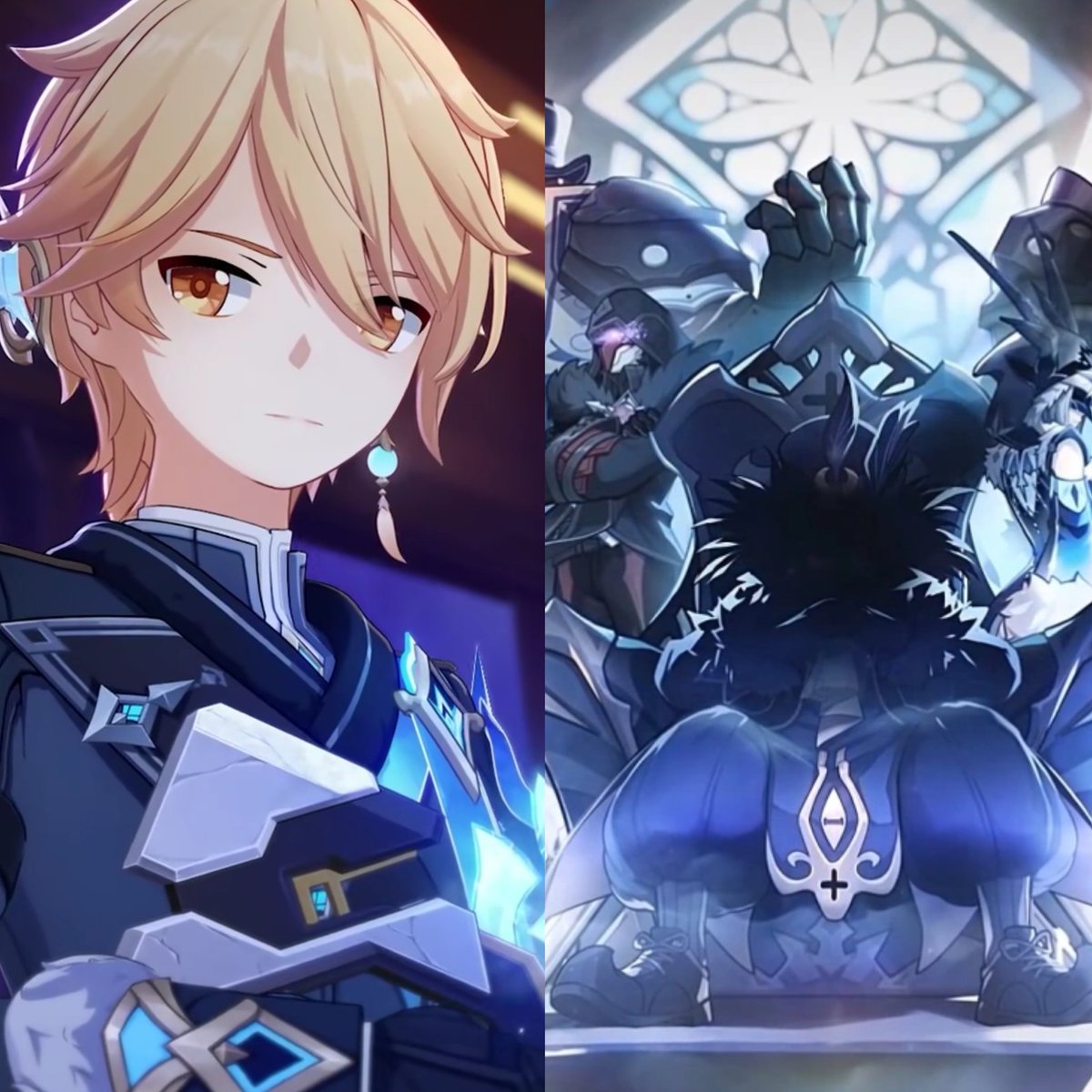
so pantalone dual pistols user is very possible.

Snezhnaya Combat introduces fully realized shooter mechanics with a locked third-person, over-the-shoulder camera:
- Hip-Fire: Permanent white dot crosshair. High bullet spread, cross-shaped marker shows dispersion.
- Aim-Down-Sights: Camera zooms in to a tight shoulder-view, drastically reducing bullet spread.
- Future Plans: Rumored to potentially become permanent content with PvP modes and leaderboards.
Via Anonymous Tester & UncleLunar
#GenshinImpact
105
'aether-sama'

2
19
214
2,117