
4,903 Photos and videos





Tequila crisis — fighting an increasing exchange rate 👇
Mexico is famous for tequila.
Yes, it’s famous for many others as well. But tequila is an easy recall.
And maybe that’s why we now talk about the Tequila Crisis of 1994 (it wasn’t about tequila at all).
In the 1990s, Latin American countries were starting to look tempting.
They were viewed as “emerging markets”. Among them, Mexico was a particular favourite among international investors.
It was right next to the USA. It had a large working age population.
Foreign money started entering the country.
It was really in 1988 when the newly elected president raised the level of optimism among foreign investors.
With the signing of NAFTA, Mexico was supposed to become the ‘factory of the USA’.
Mexico had a history of rebel factions fighting the government. They threatened to destabilize the “hot new emerging market” narrative.
NAFTA came into effect on Jan 1, 1994.
Confidence was high, backed by the then president’s promises.
And then a rebel uprising in the south of the country raised a few eyebrows.
“Is Mexico really as stable as we were assuming?”, thought investors.
And then, the presidential candidate was assassinated. Investors lost more confidence.
Eventually, they started selling their investments and exiting the country.
That was the gradual start of the crisis — The Tequila Crisis of 1994.
The Peso (Mexican currency) started spiralling down.
The formal name is the Mexican peso crisis.
International observers nicknamed it the “Tequila Crisis” or “Tequila Effect” because Mexico’s financial shock quickly “spilled over” into other emerging markets, especially in Latin America, much like a hangover spreading beyond the original party.
If you’re not familiar with how currency exchange rates work, the above few lines might confuse you. Let’s try to understand that in depth, and the Tequila Crisis will start making more sense.
Strengthening & Weakening
Currencies are often traded. Which means, you can buy them — like buying shares or bonds or milk.
When you visit Italy, you cannot use Indian Rupees. You have to use Euros. So you buy some euros to use in Italy (you pay for them using your Indian Rupees).
Once your trip is done, you return to India, where Euros are not accepted. So you need to convert the Euros you have back to Indian Rupees.
So you use your Euros to buy Indian Rupees (you pay in Euros to buy Rupees).
The moment buying and selling is involved, there’s supply and demand.
And we know all too well that supply and demand can increase or reduce the price of a commodity.
When too many people are trying to buy Euros (by selling their Indian Rupees):
demand for Euros is up
therefore supply of Rupees is also up
The obvious happens. The price of Euros goes up. The price of Rupees falls down.
If earlier you had to pay Rs 120 to get €1, now you might have to pay Rs 125 to get €1 (example).
So we will say ʼthe Euro strengthened and the Indian Rupees weakenedʼ.
This is called the exchange rate — the amount of one currency needed to buy another currency.
The above was an example of the Euro-Indian Rupee exchange rate.
At any point, millions and billions of currencies are being bought and sold. This keeps the net price at a similar level.
When trades lean one way more or the other, the exchange rates increase/decrease accordingly.
BoP
So what’s the problem? What happens if the exchange rate goes too high or too low?
A lot can happen. It can be good. It can also be bad. People worry mostly about the bad parts (of course).
If a country imports food products, a falling exchange rate can mean more expensive food. Very worrying — not good.
Similarly, if it imports critical items and relies on them heavily, it will hurt the country’s economy and people.
The opposite does not automatically mean good.
For exporting nations, a strong currency is not good.
Many countries have factories that are appealing to richer countries because factory-worker salaries are cheap. If the country’s currency strengthens, those salaries automatically go up.
It could mean that fewer orders come to those countries, resulting in loss of trade and jobs.
Countries that rely heavily on exporting actually intentionally weaken their currency too.
By now you would be able to guess the positives here.
A strengthening currency is good if you’re importing. A weakening currency is good if you’re exporting.
In fact, it isn’t just about imports and exports. Money enters and leaves a country due to several other factors.
Some of those factors are:
Import & export of goods (already discussed)
Import & export of services
Remittances (people working in foreign countries sending money home)
Foreign Direct Investment
Portfolio investment (investing in stock markets, bonds, etc)
Borrowing and repayment of loans (companies taking loans from foreign lenders)
Sending back profits to home country (foreign companies do this)
And a few others
Each of these causes money to flow in and out of a country. And therefore, each of these affects the exchange rate of a country.
This is called Balance of Payments (BoP).
The balance is between payments coming in and leaving from the country.
Mexico
Back to Mexico.
The Tequila Crisis was a Balance of Payment Crisis.
The Mexican peso exchange rate with the US dollar was kept stable thanks mostly due to incoming investments.
So when investors started pulling out, the exchange rate started crashing. That made it difficult for them to import essential items which only worsened the situation.
Actually, initially, the Mexican central bank was able to control the exchange rate fall. How?
Central banks can control the exchange rate to some extent. They do so by maintaining reserves of foreign currencies.
When demand for the peso fell, Mexico’s central bank sold dollars from its reserves and bought pesos. This created demand for pesos and helped slow the fall.
Since the supply of the foreign currency goes up because of this, it can offset the effect of the increased supply of the local currency.
But it can only work for some time. The reserves eventually run low and the central bank can’t do much after that.
The crisis left a deep scar in Mexico’s economy. But they did bounce back from it after reforms and some loans being extended.
There have been many famous big BoP crises.
Asian Financial Crisis of 1997
Black Wednesday (UK) of 1992
BoP Crisis India in 1991
Argentina in 2001-2002
Russia in 1998
It’s an interesting list. Each of them makes for an interesting read.
1
526
Groww retweeted

Jun 11
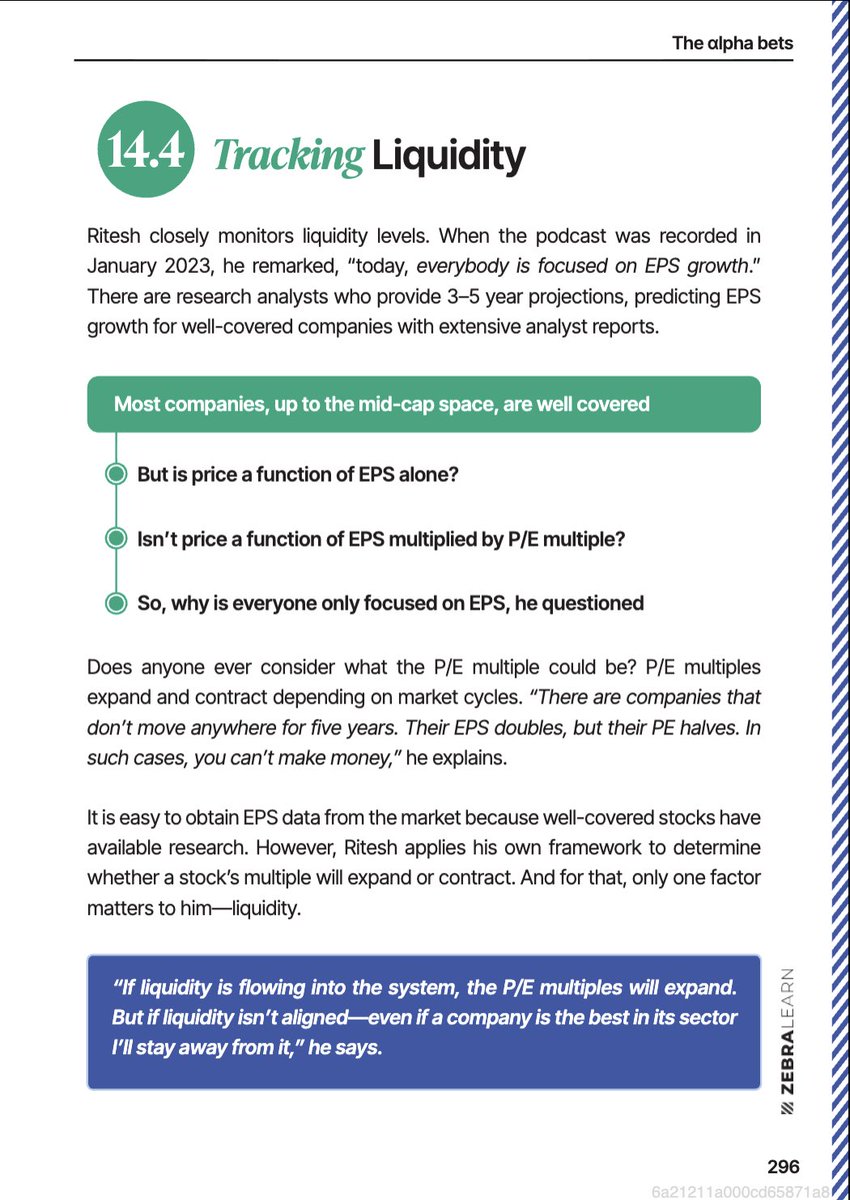
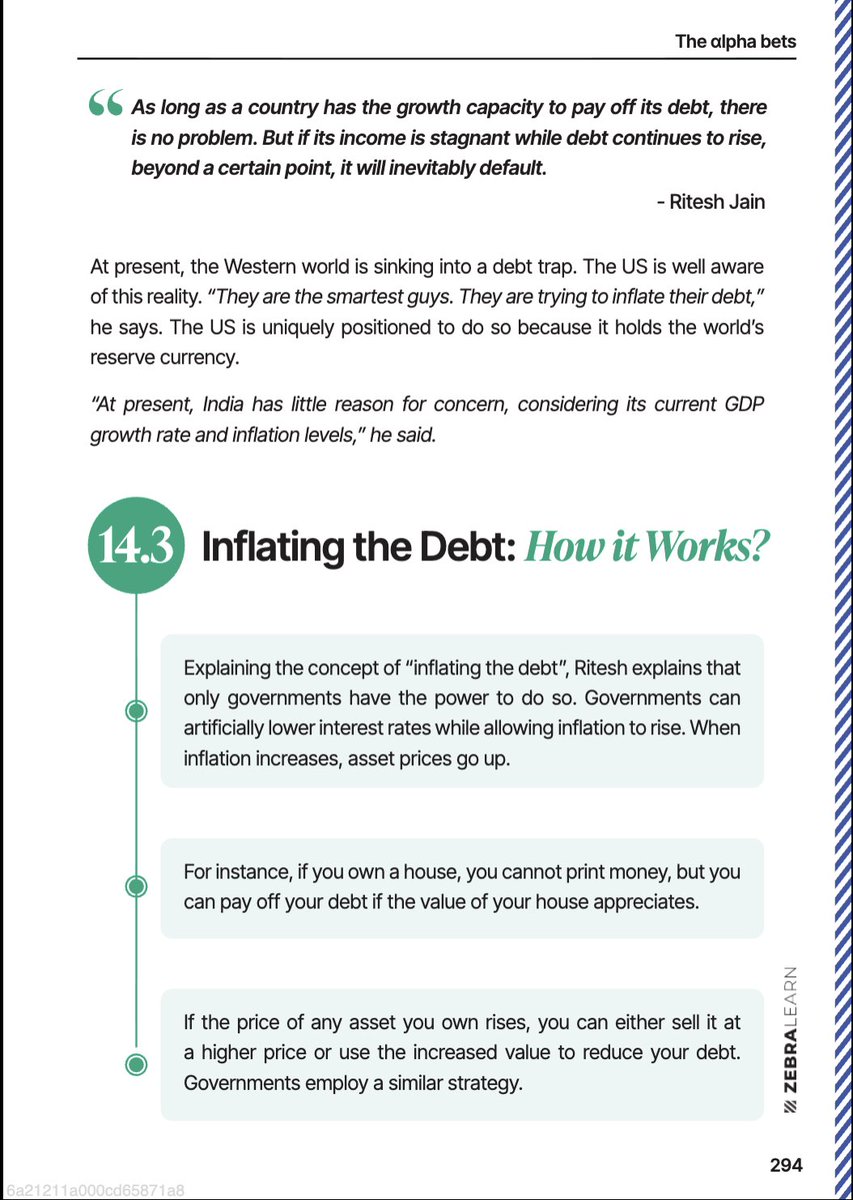
Honoured to be featured in The Alpha Bets by @_groww, sharing how we think about markets, risk, and alpha.
1
7
88
8,276
We’re incredibly honored to share that Groww has been awarded ‘Best Fintech (Investments)’ at the FE Best Bank Awards.
We are grateful to Financial Express and the esteemed jury for this recognition.
We thank Shri Piyush Goyal ji, Hon’ble Minister of Commerce & Industry, for presenting this award to Groww co-founder and COO Harsh Jain.
This recognition belongs to all our customers who have trusted us as part of their wealth creation journey.
Thank you for believing in us, growing with us, and inspiring us to keep building for you.
12
4
27
3,708
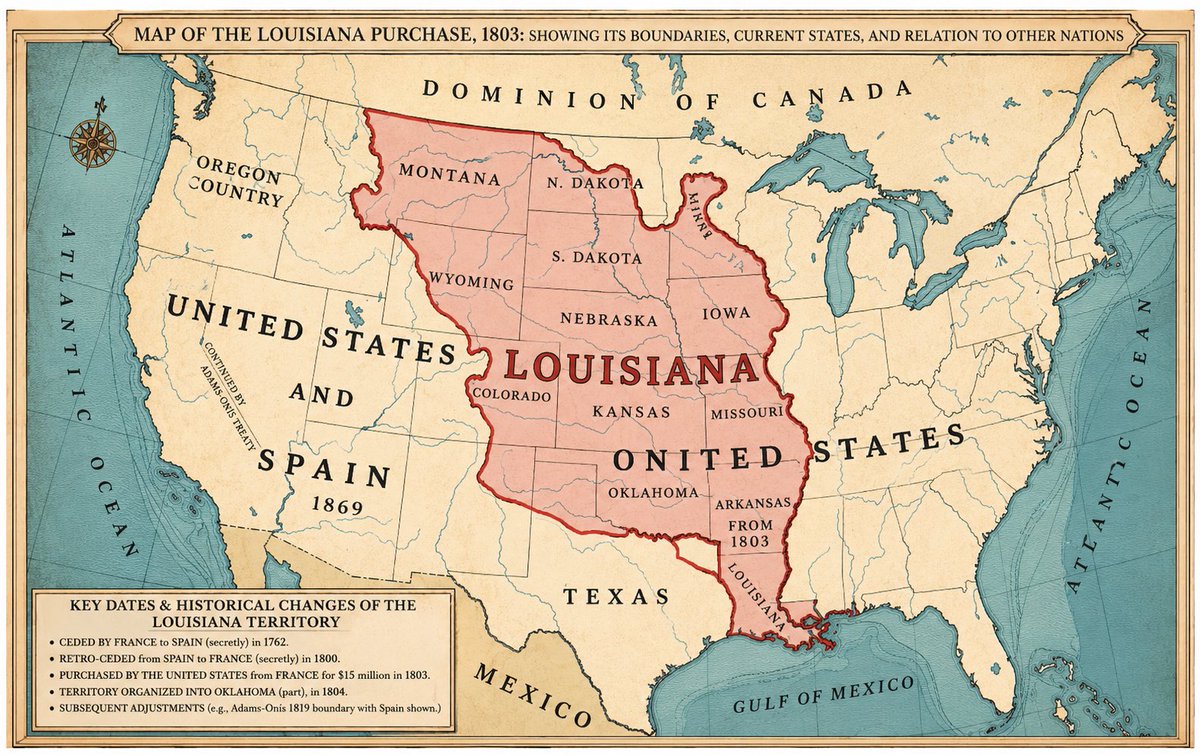
The USA wasn’t always as big as it is today.
There was Louisiana, which bordered the USA on the west.
People familiar with the map of the USA would know that today, Louisiana is actually a small state in the US.
But that’s not what we’re talking about here. We’re talking of a much larger region called Louisiana.
This Louisiana was controlled by the Spanish people.
In 1800, Spain and France signed a treaty that allowed France to take Louisiana from Spain.
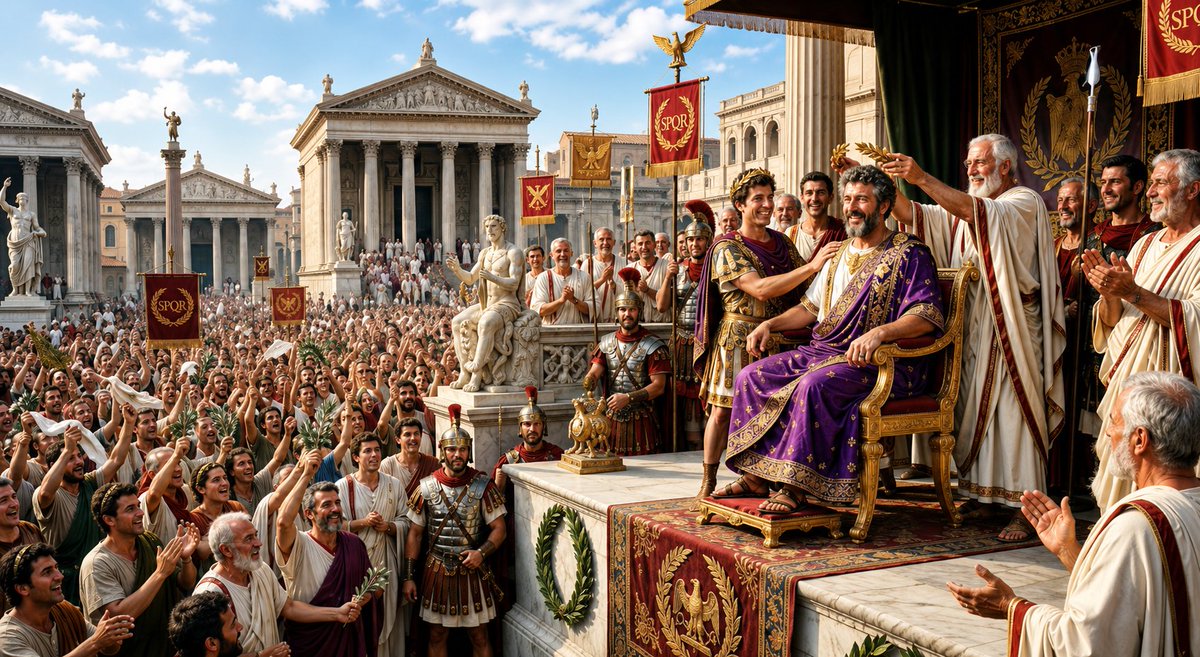
Thomas Jefferson became the President of the USA in 1801.
Jefferson was famous for his strict adherence to the constitution. His philosophy was that the USA was a federal republic.
This means that the individual states created the central government or the federal government. He believed in the absolute power of the constitution.
Jefferson was known for having been extremely vocal in trying to prevent the federal government from taking action in cases that were not defined by the constitution.
Before he became president, Jefferson was famous for vehemently defending free speech by rallying against a bill being brought in by the federal government.
His argument was that the federal government’s jurisdiction did not involve controlling free speech in any manner whatsoever. So it could not ban it in any manner.
Louisiana
The east side was the US. Then there was Louisiana. And then, there was the rest of the wild west — where America wanted to expand to. This area was controlled by the British, Spanish, and other native folk.
But that was not the only complexity. The river Mississippi formed the eastern border of Louisiana. And the USA depended on it heavily for trade and transportation.
The USA had signed a treaty with Spain for using the river.
For the USA, the Spanish were predictable. The treaty they had signed was enough for them to feel relaxed.
But with the territory going back to France, tensions rose.
Napoleon's ambitions of territorial expansion had the Americans worried.
If the French were present in Louisiana, they could limit or prohibit them from accessing the Mississippi river.
Not just access to the river, Jefferson was worried about military threats from Europe.
Jefferson’s Idea
Jefferson had a simple idea.
He sent his trusted envoys to France to talk to Napoleon. They were authorised to spend a sum of $10 million (a lot lot more in today’s value).
And they were given a task that seemed monumentally difficult: try to buy parts of Louisiana to ensure access to the river.
They arrived in France and pitched the idea to the French.
Napoleon, the then ruler of France, had imperialist ambitions. He wanted to expand French territory in Europe and the Americas.
But the plans weren’t going as per his wishes. A revolution in Haiti spoiled his plans, and there were risks of wars starting on multiple fronts even in Europe.
He was running short on money and would need more to continue fighting.
When the Americans approached the French with an offer to buy parts of Louisiana, the French had a counteroffer that was hard to believe.
The French were offering to sell the entire Louisiana territory. All of it.
The two countries negotiated for a period, eventually agreeing to $15 million.
The deal was on.
The news was made public on the 4th of July, 1803.
The Challenge
Upon its announcement, the idea was more or less well received.
But for Jefferson, there was a small problem. A problem that he was more likely to be targeted for than others.
The constitution had no provision for the President of the USA to buy land.
The opposition was ready to target him for being a hypocrite.
Jefferson, being the strict follower of rules that he was, called for an amendment of the constitution to allow the president to buy land and incorporate it into the territory of the USA..
They wanted to finish with it before Napoleon changed his mind.
They were running out of time and would need to convince the opposition to allow for expanding the federal government’s powers.
This was peculiar because it was Jefferson’s side that was most famous for wanting to limit the federal government’s powers.
On Oct 20, 1803, the Senate voted and ratified the treaty.
And thus, Louisiana became a part of the USA — all 830,000 square miles of it!
The USA’s size doubled (that’s how much territory it bought).
Jefferson
This episode is a great example of how many times we first decide what we want to do, and then justify doing so later.
Jefferson knew the deal was too good to miss. He realised that the opportunity was massive and would solve many problems for the USA.
He decided to find ways to justify going beyond his constitutional power later. First, he wanted to ensure he got the territory.
And it worked.
After the treaty was signed, some senators still believed the move was unconstitutional. But it was never challenged in court.
Investing
If there’s one lesson for investors in this tale, it’s this: do not be so rigid with criteria that you miss good opportunities.
Warren Buffett was a strict believer in value investing. That is, buying stocks that were trading below their intrinsic value.
But over time, he changed his methods as the best of his investments happened to be great companies — even if not undervalued.
Charlie Munger bent the rules for Costco. Despite being considered overvalued by many, he never sold the shares.
Had he sold, the shares would have been sold at a much lower valuation.
3
1
12
2,612
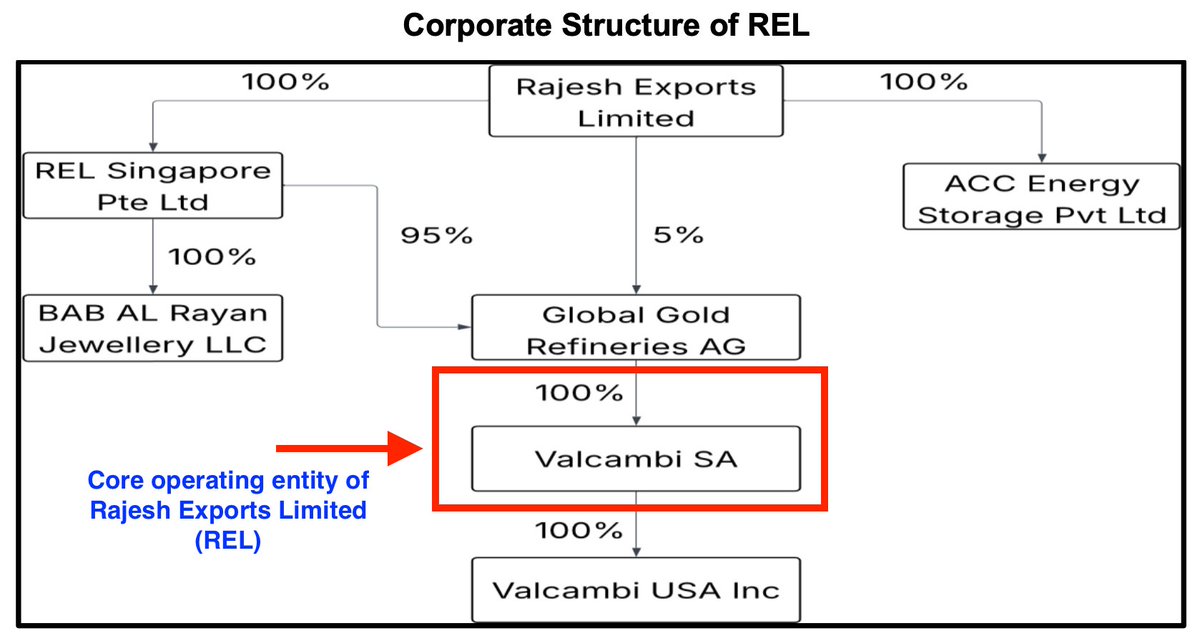
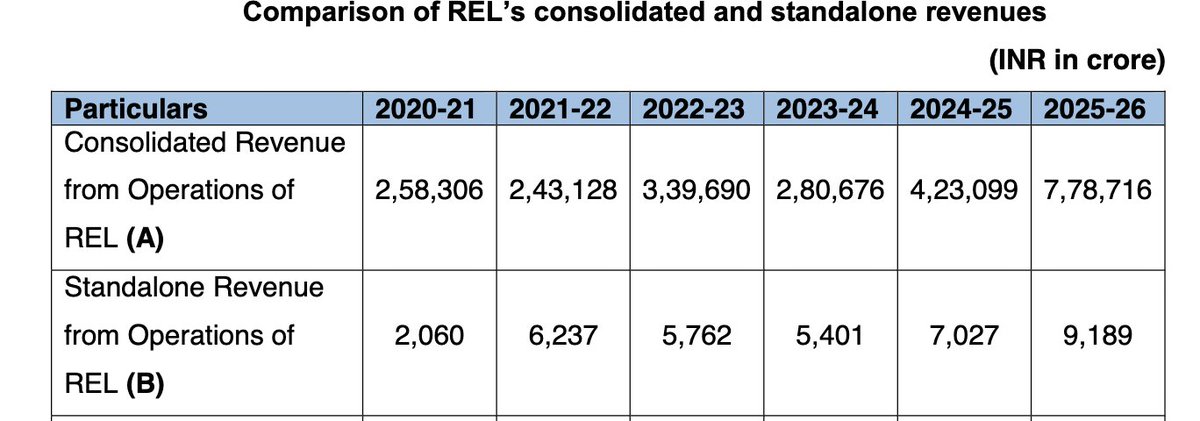
While the order is interim in nature, the stock has fallen ~5% today after the news broke
The company has officially denied the charges placed by SEBI and plans to contest it
Check out the links for the full order by SEBI and company’s clarification:
- SEBI order: sebi.gov.in/enforcement/orde…
- REL reply: bseindia.com/xml-data/corpfi…
1
2
40
9,143
Lefdal Olivine Mine is located in Norway.
It is no longer a functional mine.
Opened in 1971, it used to be the world’s biggest olivine mine.
Lefdal was an underground mine in which olivine was extracted by making tunnels. Over the decades, the mine had become massive.
Each tunnel was sufficiently tall and wide.
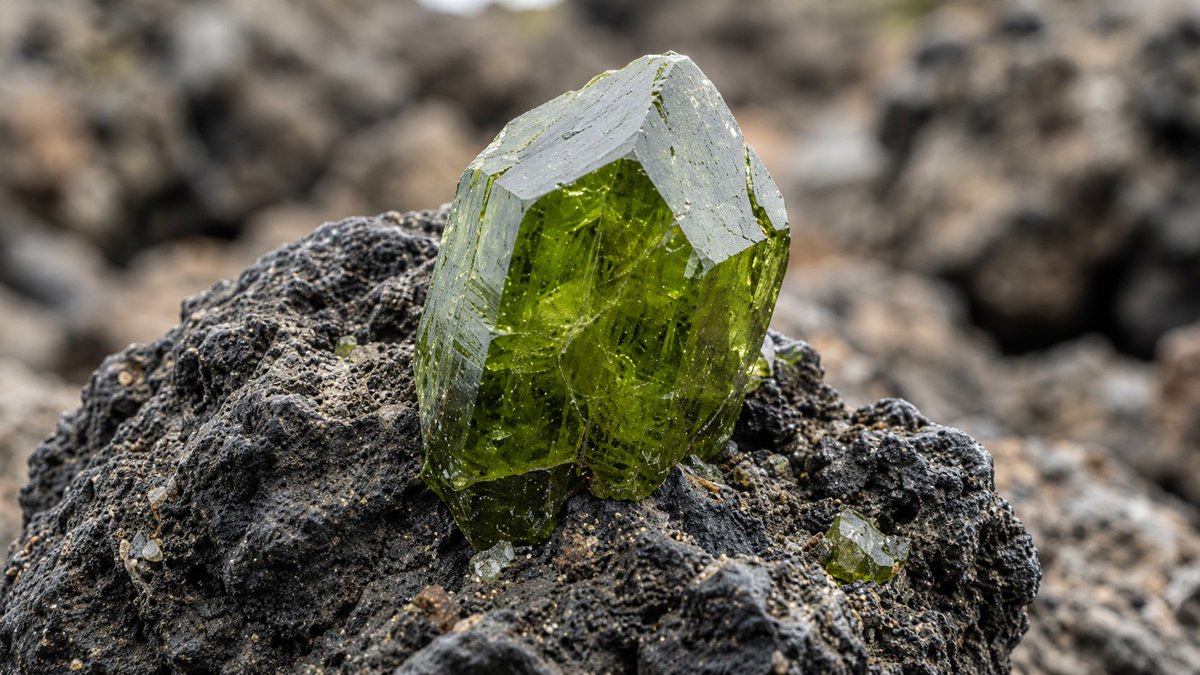
In case you’re wondering, olivine is a green mineral. It looks fit for use as jewellery but its primary use is in the steel industry.
Only 10 km from Lefdal, they found another olivine site. Here, the olivine was on the surface, not underground.
Once this was discovered, it made no sense to take the effort to dig and bring out olivine from underground.
The Lefdal Olivine Mine shut down in 2009.
The entire mine was about 13 lakh square feet in size. That’s about 1,000 times the size of a regular 3BHK urban apartment.
The space was not being used for anything. Until some folks had an idea for it.
Re-opening
In 2017, it opened again. It was back, not as an olivine mine, but as a data centre.
The massive mine had many traits that made it perfect for use as a data centre.
1: It already existed
When a new data centre is commissioned, the first step is to acquire land, and build the building that will house the data centre.
The land needs to be levelled. Fences need to be erected. Then the building’s foundation, walls, roofs, etc follow.
In Lefdal, all of this was already done. It was a giant underground system of wide tunnels.
Yes, a lot more work was needed to make it a data centre. But still easier.
2: Secure
One of the biggest headaches with data centres is security. Data centres are the backbone of the global tech industry.
So for bad actors, data centres are a good target. It could be to steal data, harm the operations of a company, disrupt communications, interrupt supply chains, and the list is endless.
Data centre owning companies spend a big portion of their expenses on securing them.
Deep underground, surrounded by rocks on all sides, this risk reduces by a massive degree.
Lefdal had that massive advantage as well.
3. Cooling
If you have been following the data centre boom of late, you would have realised that they get hot. They need cooling.
Lefdal sits right next to a 565 m deep and cold fjord. The fjord is able to supply a constant and steady stream of cold water.
4. Power supply
Norway happens to be a country with a massive hydroelectric power supply — renewable green energy.
Hydroelectric energy is non-polluting, renewable, and consistent. Another vital feather in Lefdal’s cap.
5. Norway
Norway is a developed, rich, stable, and influential European country. This further sweetened Lefdal’s appeal to international companies.
Less surprises like geopolitical tensions, surprise red tape, interruptions, etc.
Today, the Lefdal Olivine Mine is an expansive network of tunnels that operates as one of the world’s most efficient, green, and secure data centres.
You’d be amused to know, some of Mercedes’ servers are housed in this data centre, maintained by Infosys!
Data Centre Boom
Now, of course you have heard about all the hype around data centres in recent times.
If you have not, just know this: whatever hype around AI and LLMs you have heard, it sits on these data centres.
What is a data centre?
It’s just a computer. Or many computers. It looks more like a desktop computer without a screen. Everything you see on the internet is stored, processed, and passed through one or more servers across the world.
Your WhatsApp message passes through a server before reaching your friend. Your online pictures are passed through servers and stored on them too.
“Cloud” anything is literally a server something.
Cloud compute means instead of processing something on your computer, the processing will happen on a computer server somewhere in a data centre. Cloud storage — you get the idea.
So, what’s happening is, with AI, the need for computation power has shot through the roof.
The demand for AI products is only multiplying and so, the need to build data centres is also multiplying.
The challenge with data centres is that most of them are not as ideal as Lefdal Olivine Mine in Norway.
Most bring a set of challenges with them.
Power
Because of the massive demand for power thanks to AI, shuttered nuclear plants are being brought back to life.
In fact, many regions across the developed world had reached some sort of an equilibrium. Power demand had flattened and enough power was being produced.
Now, the demand has risen sharply. Some estimate that power demand from data centres will rise by 160% by 2030.
So sharply, in fact, that some developed areas with a history of consistent power supply are experiencing power cuts.
Data centres cannot do without power 24x7. So to deal with shortages, they often stock diesel generators. These can cause noise and air pollution.
Water
We have all heard about data centres requiring water. Data centres get very hot and require cooling.
This is true.
Since data centres are evolving rapidly, they are becoming more efficient with time. Many data centres require a constant stream of water.
Many are able to work with seawater also. Some are coming up with a closed-loop system where water is filled once and not needed again (similar to a car engine’s water & coolant system).
But these are still evolving, not fully ready.
As of now, anyone building a new data centre needs to worry about sourcing water.
Like electricity, there are places in the world that are facing water shortages because of new data centres opening up near them.
Land
Like factories and warehouses, data centres also need land.
And similar to those other industrial buildings, data centres also have a laundry list of location-based requirements.
They want to be in a location where land is relatively cheap, but it must be well connected via roads and highways.
It shouldn’t be too remote such that finding employees for the data centre becomes difficult.
The location should be safe and secure from a crime perspective as well as from natural factors like flooding, storms, extreme heat, etc.
Further, data centres need to be connected to the internet — so they cannot be too far from existing fibre optic cable highways.
To reduce latency, data centres can’t be too far from their customers (enterprise or individual).
Equipment
All the above are factors that can be supplied and solved by different competing parties.
There are many different power sources, water sources, and locations.
A real bottleneck unique to the data centre industry — equipment.
Data centres or servers are just computers. And computer parts are supplied by a small number of companies.
Because of excessive demand, those companies’ order books are filled for years.
Supply of memory, CPUs, and GPUs is one of the biggest bottlenecks of the industry today.
Growth of Data Centres
Countries across the world have deeply internalised the importance of data centres, compute capacity, and data storage.
In a world where everything runs via computers, data centres are as important as any other national infrastructure like highways, telecommunications lines, etc.
Many countries now want more data centres within their own borders.
India has rules requiring finance and fintech companies to store customers’ data on Indian servers. The AI boom means that the ones who own the data and compute decide the next big breakthrough in AI.
As of 2025, the US is the biggest in this regard. They have over 5,000 data centres. The second is Germany with about 500 (that’s not a typing mistake).
Measuring data centres in numbers is a wrong way to go about it. Because data centres can be tiny or massive. So saying ‘3 data centres’ does not automatically mean it is bigger than ‘1 data centre’.
One way to measure data centre is by the amount of electricity they consume.
Measured like that, we see an interesting pattern.
We see that the data centre capacity has been rising consistently for many years, not just after the LLM boom.
The table below is data from a Goldman Sachs report where they highlight how power consumption from the Americas, the EU, and the Asia-Pacific region has consistently risen over the last decade.
Now, CPUs and GPUs are getting more powerful and efficient. This means that these metrics don’t represent processing power accurately.
A modern data centre might use less power than an older one and yet be more capable.
Most data centres are never “finished”. They are always being upgraded with the latest equipment.
This is why neither power usage nor number is a good measure.
Some simply prefer to measure in square footage. The assumption here is that everyone will be able to upgrade to the latest CPUs and GPUs soon.
So the one with the largest physical space is the one who will have the most compute power.
But wait — what if two data centres are 100,000 sqft each but one of them has a 3 m roof and other has a 6 m roof?
Obviously the second one will be able to house more servers?
Yet another way to measure capacity is number of servers. How many servers can a data centre house? That is another measure.
There are many more. It’s a bit messy. The unit you would use would depend on what you’re trying to talk about.
Real estate folks would use area (square feet or meters). Environmental analysts would care about water usage and heat generation. Power industry folk would care about the power needed. Data centre engineers would talk in terms of storage capacity, compute capacity, server count, rack count, etc.
And so on.
The Biggest Players
This industry has two types of companies.
Data centre companies and tech companies.
Data centre companies offer their services to other companies. They simply own and maintain the servers while others pay rent to use them.
Tech companies tend to develop, maintain, and use their own data centres. Theirs is not available on rent for others.
The 3 biggest data centre owners in the world today are cloud companies. They offer cloud services (storage and compute) to others and themselves.
Amazon Web Services, Microsoft Azure, and Google Cloud — these are the cloud companies owned by Amazon, Microsoft, and Google, respectively.
India
Yes, India is turning up the heat too.
Many new data centres are planned, and being built. Some are active.
India has a strong policy push in this space as well. The government wants more data centres. Data localisation is a dominant theme.
India’s active tech and IT sector also means that data centres have a natural pull.
Most of these serve local India based clients.
There are some existing tech companies who own data centres. Some legacy companies are also choosing to enter this new industry.
The thinking many investors have is that in an AI gold race, data centres are the shovels. This line makes a lot of sense if you have heard about the gold rush in Western USA in the 1800s.
But as usual, valuations and potential upside matter more than many investors give importance.
Besides, ability to execute on plans and quality of leadership also matter.
And of course, we can never rule out the possible negative and positive effects of luck in the mix.
2
1
10
3,015
Karen Bertiger was holidaying in the Bahamas.
The Bahamas is a group of islands out in the Caribbean Sea.
Back in the 1980s, the network was poor practically everywhere. The Bahamas being a more remote location, had a much poorer network.
When Karen returned, she complained about it to her husband.
Her husband, Bary Bertiger, was a senior executive at Motorola. After listening to his wife’s complaint, he had an idea.
What if there was a cell network in every part of the world? No dead zones.
He pitched it to his company. Motorola’s then chairman was a daring person who loved the idea and pushed for it to be pursued.
The project kicked off in 1987.
It was called Iridium.
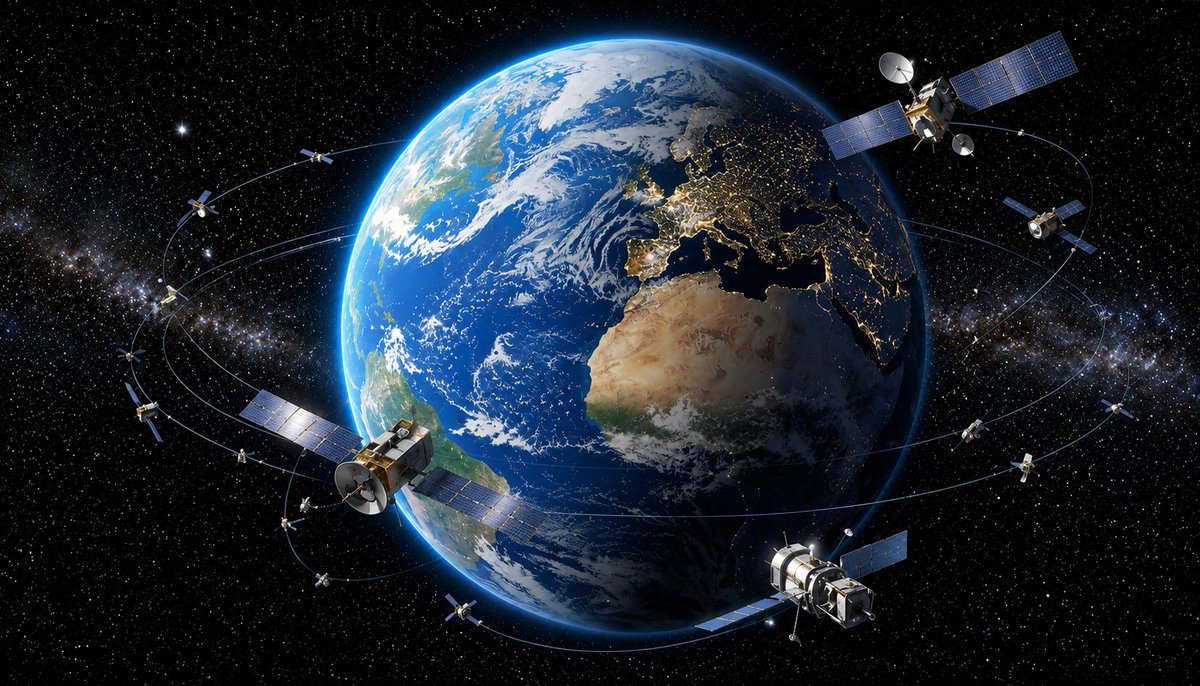
They had calculated that Iridium would need 77 low-Earth satellites across the earth to achieve its target. 77 is the atomic number of the element Iridium. So they chose Iridium as its name.
Oddly, technological improvements later enabled them to achieve the same results using only 66 satellites. But the name stayed.
It was not easy by any measure. It was one of the hardest technological challenges of that time.
So hard in fact, that Motorola decided to spin it off into a separate entity.
Iridium
In 1991, Iridium was created as a separate entity in which Motorola was a backer.
Motorola was a healthy publicly listed company. It could not be seen to be investing so much money into a new venture that was not ready yet.
This separate entity allowed Motorola to shield itself from Iridium. It also allowed Iridium to raise more money from other lenders and investors.
Motorola had signed on Iridium as the primary contractor. Motorola would make and maintain satellites for Iridium. This was a $3.37 billion contract along with a maintenance contract.
This was Motorola’s masterstroke.
The technology was incredibly complicated. It took many years of research and development.
But the promise of being able to talk on the phone from anywhere in the world was too tempting.
Their target audience was high-net-worth clients like CEOs, military personnel, oil barons, etc.
It was an 11-year effort. An extremely complicated and intricate technology was developed and rolled out.
Through the years, investors were enamored by the promise of the satellite-enabled communication. To many investors, it seemed like an obvious and easy bet to take.
It seemed like Iridium would have a monopoly over the global satellite communications network.
But to operate in various parts of the world, it would need local partners for permits and regulations.
Iridium decided to offer many other companies working across different countries a chance to invest in the company.
This would allow Iridium to operate in those countries. On the other hand, the companies would get a chance to invest in what was to be a monopoly company.
Companies from the USA, Europe, Japan, S Korea, Taiwan, and a few others lined up and bought stakes in Iridium.
The largest controlling shareholder was still Motorola. It owned around 20% of the company.
About $1.75 billion came from Motorola and a consortium of various companies. About $1.55 billion was from a consortium of banks in the form of loans.
About $1.45 billion came from issuing bonds. The company also went for an IPO in 1997 and raised $240 million. There were a few other sources.
All in all, Iridium received around $5 billion.
The Moat
What made Iridium so irresistible?
The moat? There seemingly were many.
Motorola had practically invented the cellular industry. Their engineering was seen as the top of the chain. To bet against a company as good as Motorola was considered blasphemous.
And this tech sat on an investment that was unparalleled. Motorola and Iridium had been able to gather money to an astronomical level. Gathering this much investment interest was beyond most competitors.
There were some competitors, but none came close to Iridium’s satellite communications technology built on $5 billion cash.
The fact that the product was targeted towards wealthy clients who were usually willing to pay fat amounts for convenience made the project that much more tempting.
The absolute masterstroke was the use of strategic investments. Getting other companies to invest in Iridium would ensure all those companies (across different countries and continents) had an incentive to get all necessary legal and regulatory approvals.
To further sweeten the deals, Motorola and Iridium’s management had gathered investors who would also be suppliers (parts suppliers, maintenance companies, etc).
So if Iridium did well, their own businesses would get more orders from Iridium.
It was an extremely difficult to beat offer.
Launch & Post Launch
The product was launched on Nov 1, 1998.
It was a big handheld device that was roughly the size of a mineral water bottle. The Vice President of the USA, Al Gore, made the first call. It worked flawlessly.
Iridium kicked off its global advertising campaign. Orders started coming in. But not fast enough.
Further, they were not able to serve the orders. Motorola and other suppliers were not able to manufacture enough devices on time. They were busy fighting hardware and software glitches.
The device cost $3,000.
The big flaw in it started becoming loudly highlighted as more customers received their handsets. For the satellite phone to work, it needed to make direct contact with the sky.
So, the phone wouldn’t work inside buildings, inside moving cars, even under a tree.
In the meantime, telecom companies had invested billions in expanding their network. They set up towers and laid wires. The regular cellular network by now had started to offer very good network coverage.
It worked indoors and was much cheaper than Iridium’s satellite phone.
For the business model to work, Iridium needed 52,000 paying customers. They had only about 10,000. Some sources say they needed 5,00,000 subscribers and had only 20,000 or so.
Either way, the point still holds — they didn’t have enough paying customers to break even.
The only customers who needed the satellite phone were oil rig workers, military personnel, and sailors.
The market size of such customers was too tiny to pay back for their $5 billion investment.
Lenders soon realised that their hypothesis was wrong. The company was bleeding money to keep their satellites in orbit.
Less than a year after its launch, the company filed for bankruptcy.
It became one of the 20 biggest bankruptcies in the US.
The company’s assets eventually sold for $25 million (0.5% of what it received as investments and loans).
Today, it’s still alive. It was acquired and its technology was put to use. The company is doing quite well now.
But it is still nowhere near where investors thought it would be.
The case of Iridium is a pertinent example of how even the biggest and most prestigious investors and lenders can be very, very wrong.
Often, many such cases have an element of fraud and cheating in them.
Iridium was not that.
Nobody had bad intentions.
It was a case of very smart and ambitious people. They had the pedigree and required background. Their reputation was excellent.
They just got it wrong.
2
1
17
4,570