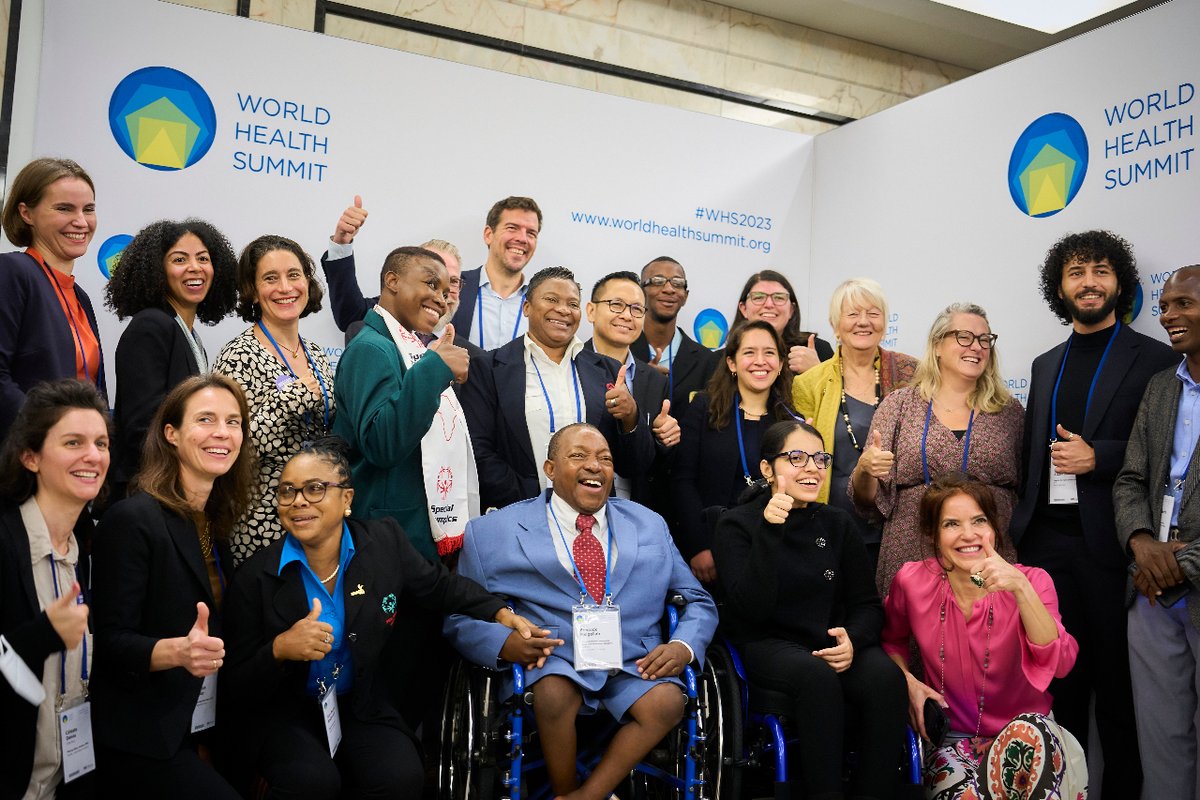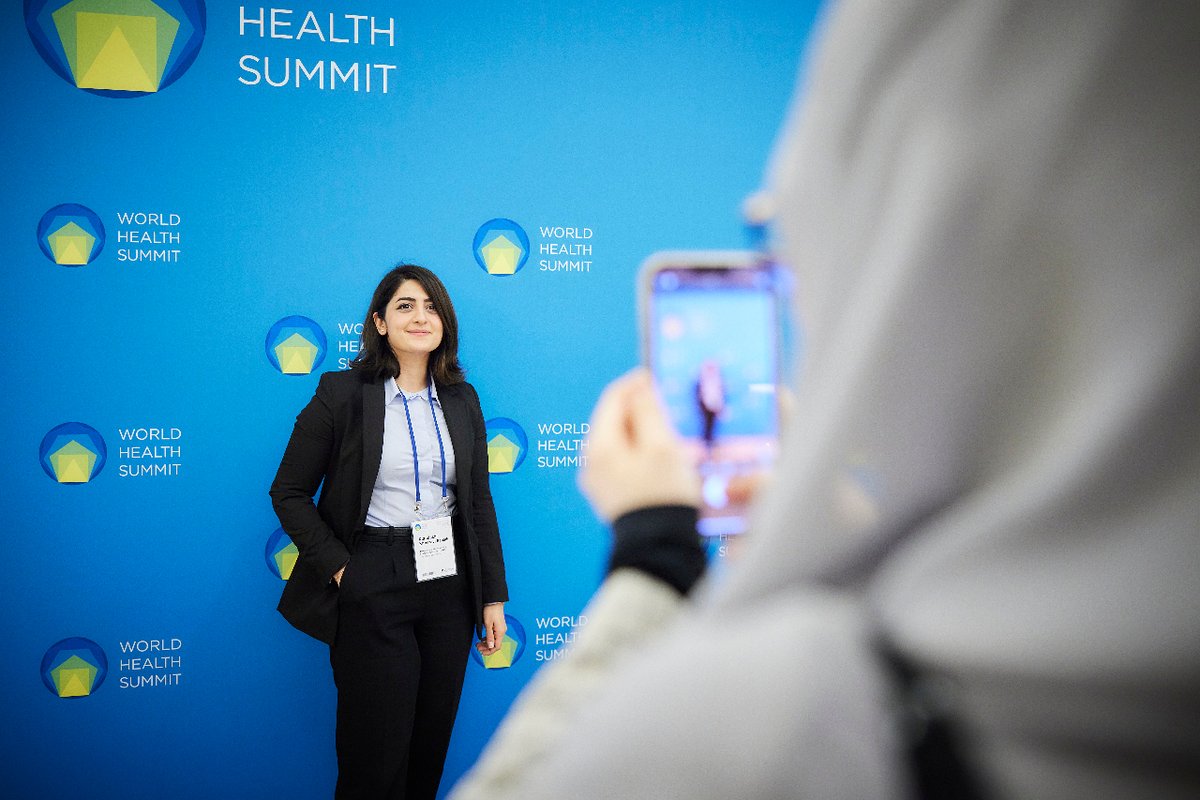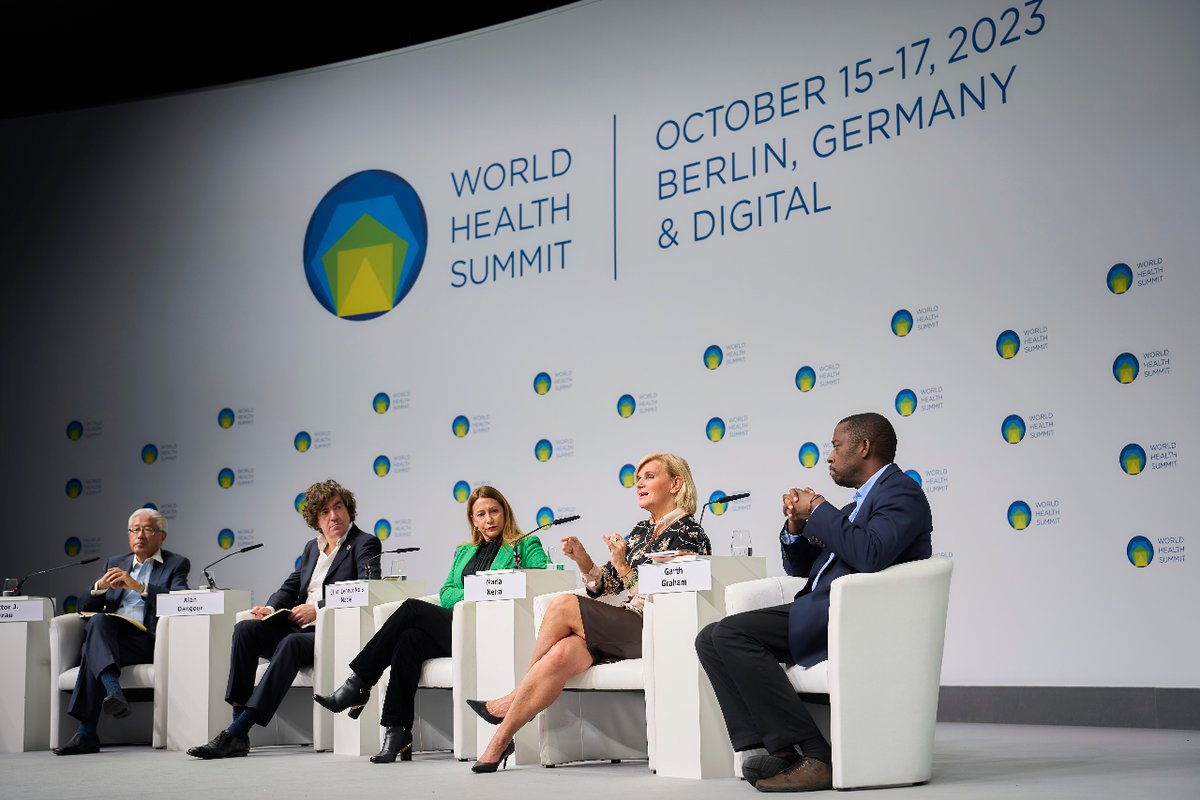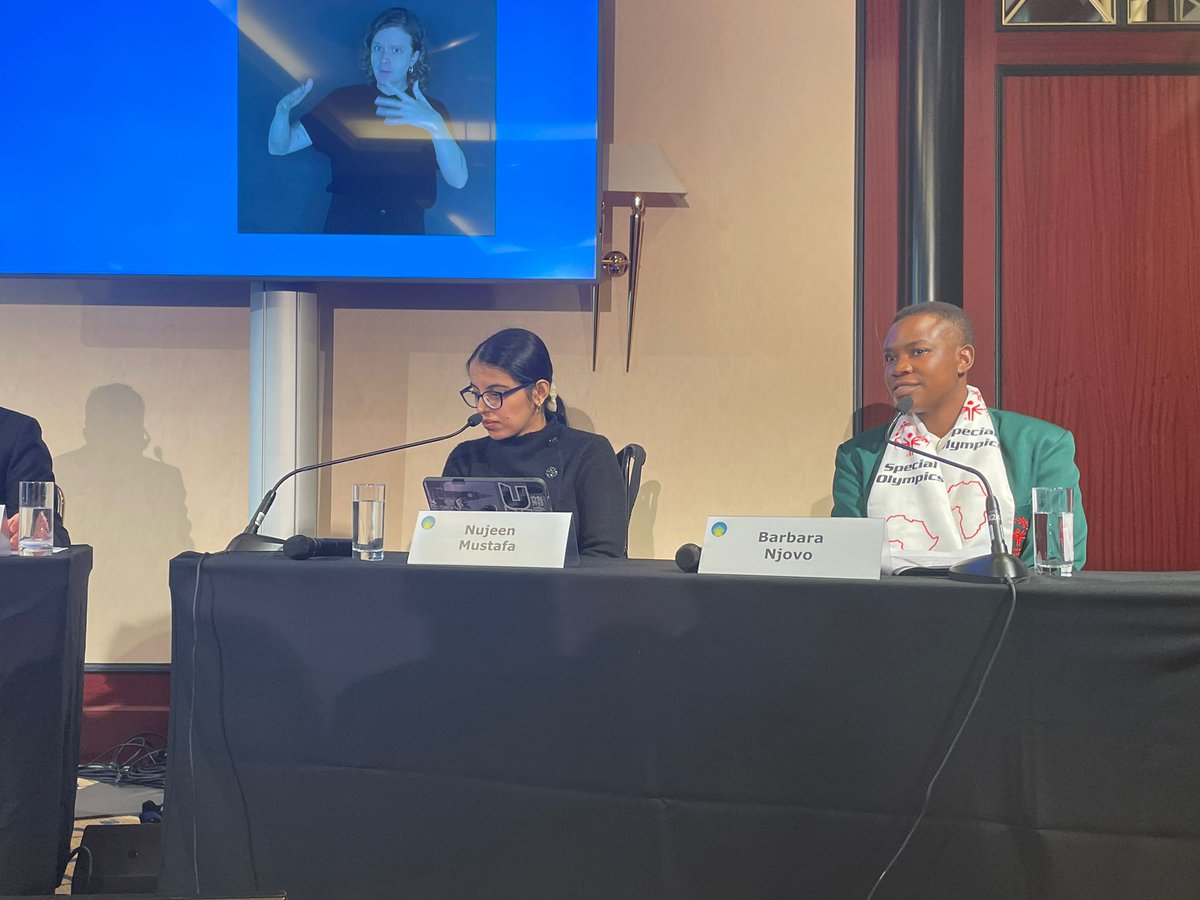
The Missing Billion is dedicated to transforming health systems so they ensure better access and outcomes for everyone, including people with disabilities.
- Tweets 322
- Following 251
- Followers 412
- Likes 260
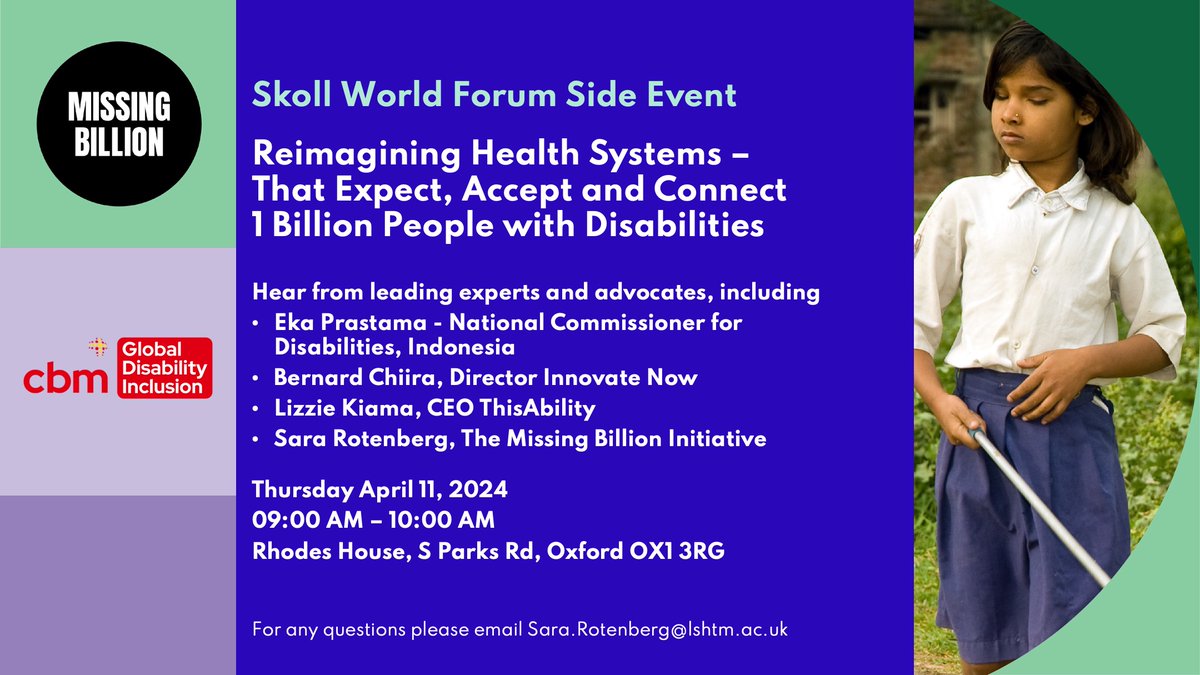



ALT On the left, a decorative green and purple panel with the Missing Billion and CBM Global logos. On the right, a decorative panel has a young, South Asian blind girl holding a white cane. In the middle, white text on a blue background shares details of the event: Skoll World Forum Side Event. Reimagining Health Systems That Expect, Accept and Connect 1 Billion People with Disabilities. Hear from leading experts and advocates, including: Eka Prastama, National Commissioner for Disabilities, Indonesia; Bernard Chiira, Director Innovate Now; Lizzie Kiama, CEO ThisAbility; Sara Rotenberg, The Missing Billion Initiative. Thursday April 11, 2024. 9 AM to 10 AM. Rhodes House, S Parks Rd, Oxford OX1 3RG.




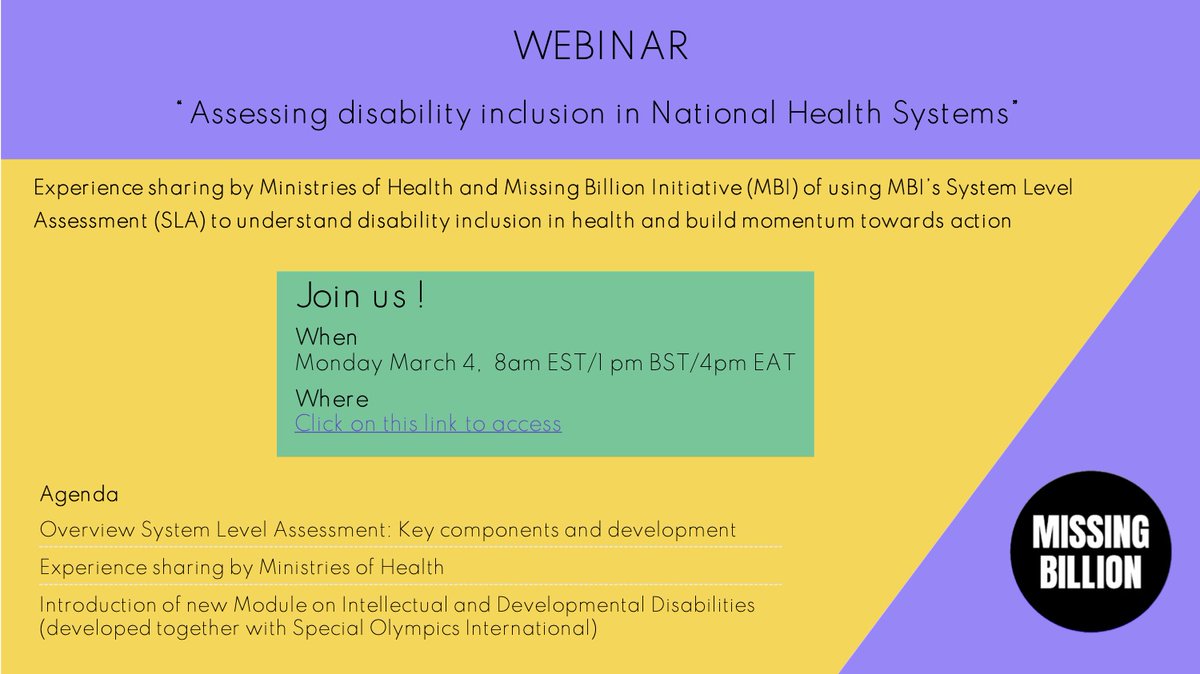
ALT Purple and yellow background. Text reads Webinar, Assessing disability inclusion in national health systems. Experience sharing by Ministires of Health and Missing Billion Initiative of using MBI's System Level Assessment to understand disability inclusion in health and build momentum towards action. Agenda: Overview of System Level Assessment key components and development. Experience sharing with Ministries of Health. Introduction of new module on Intellectual and Developmental Disabilities (developed together with Special Olympics International).

ALT Purple and yellow background. Text reads Webinar, Assessing disability inclusion in national health systems. Experience sharing by Ministires of Health and Missing Billion Initiative of using MBI's System Level Assessment to understand disability inclusion in health and build momentum towards action. Agenda: Overview of System Level Assessment key components and development. Experience sharing with Ministries of Health. Introduction of new module on Intellectual and Developmental Disabilities (developed together with Special Olympics International).