
Content Writer | Community Manager | Ambassador
Joined June 2022
- Tweets 1,496
- Following 293
- Followers 206
- Likes 3,741
228 Photos and videos












Something important just changed with the @Nasun_io Genesis Pass drop
and it actually makes things more interesting.
First, mint is no longer happening on OpenSea.
It’s now on their own site.
Cleaner experience, less friction…
and the fees saved are being redirected to reward the top 100 on the leaderboard.
Nice touch.
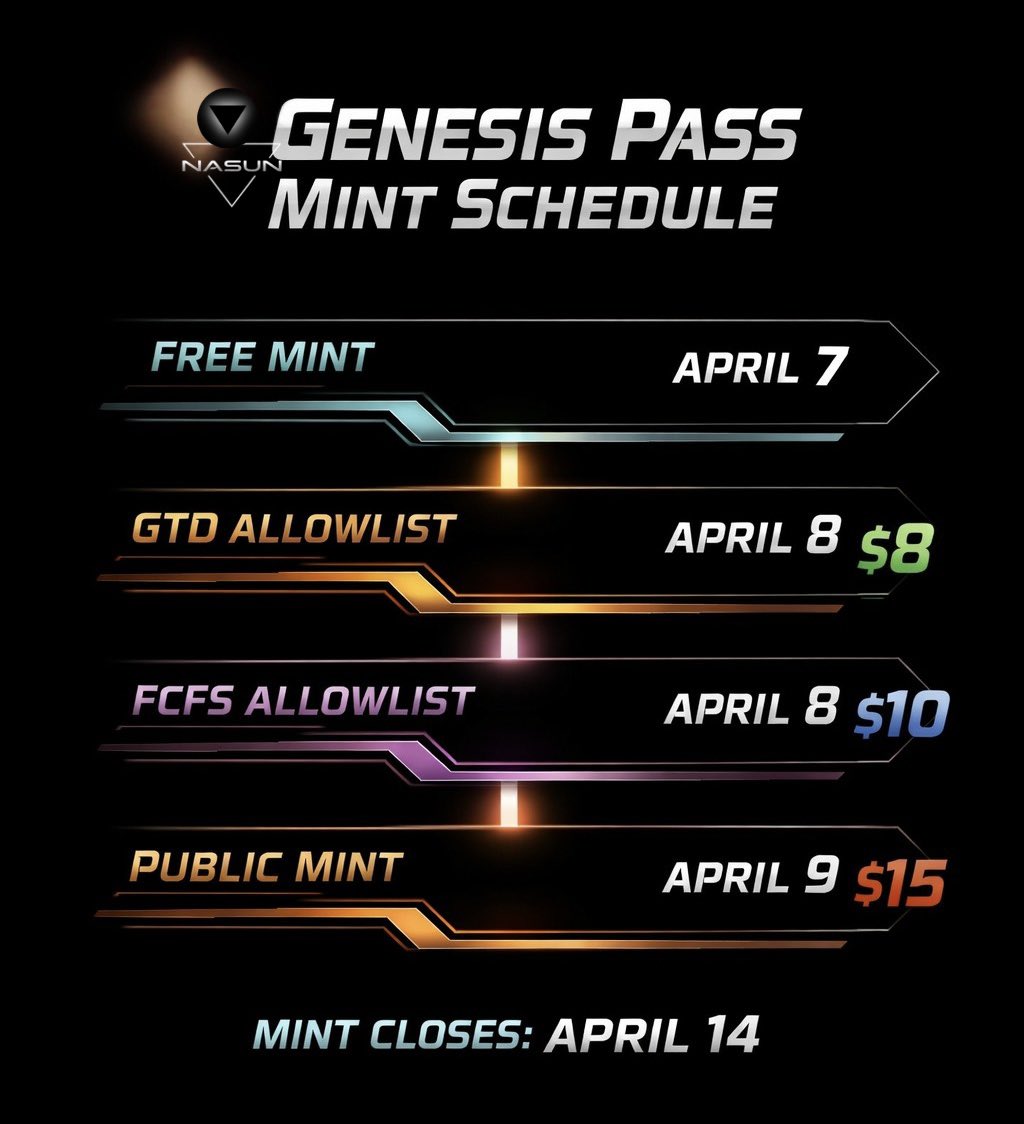
Dates also got shifted by one day, so here’s how it now plays out:
Free mint kicks off April 7.
Then allowlists on April 8.
Public mint opens April 9.
Everything wraps up April 14.
But the bigger shift isn’t even the dates.
It’s how supply works.
There’s no fixed number anymore
mint is time-based.
Once the window closes, that’s the final supply.
So allowlists aren’t about “access” now…
They’re about price advantage.
Early = cheaper
Late = higher
GTD gets the lowest entry,
FCFS comes next, and once public opens, everyone’s minting at the highest price.
If you’re FCFS, that window matters.
Miss it, and you’re paying more for the same thing.
Also worth noting;
FCFS allowlist closes April 8.
If you haven’t registered yet, now’s the time.
That’s basically a 33% discount vs public.
And if you already registered, go check your status
it’s been updated.
Overall, this update shifts things from
“who gets in” to “who moves early.”
If you’ve been watching @Nasun_io
this is one of those moments you don’t want to be late to.
Mint / register ↓
nasun.io/wave1/genesis-pass-…

📢 Genesis Pass Drop Update
Two important changes. Please read and share.
🔺 We are moving the mint to our own website: nasun.io/wave1/genesis-pass-…
No more OpenSea.
This means a smoother experience for everyone.
Plus the savings from that switch go directly to the top 100 on the Leaderboard as a thank you.
Once minted, your Genesis Pass can still be traded on OpenSea.
📅 All dates moved back one day.
🕒 UTC Schedule:
• Free Mint: April 7 — 3:00 PM UTC
• GTD Allowlist: April 8 — 3:00 AM UTC @ ~$8 in ETH
• FCFS Allowlist: April 8 — 3:00 PM UTC @ ~$10 in ETH
• Public Mint: April 9 — 3:00 PM UTC @ ~$15 in ETH
• Mint closes: April 14 — 3:00 PM UTC
⚡ Supply is limited by time, not by number
There is no fixed supply cap. The mint window is what determines how many Genesis Passes exist. Once the window closes, minting ends. This changes how the allowlist works: GTD and FCFS are no longer about guaranteed access vs. limited slots, everyone can mint.
The difference is now price. GTD allowlist gets early access at $8 (20% off original), FCFS allowlist at $10, and Public at $15.
If you're on the FCFS allowlist, make sure to mint before Public opens to lock in your price at $10. After that, it's $15 for everyone.
⛓ Ethereum Mainnet. Minted directly on nasun.io/wave1/genesis-pass-…
Please share this with anyone in the community.
41
2
50
577
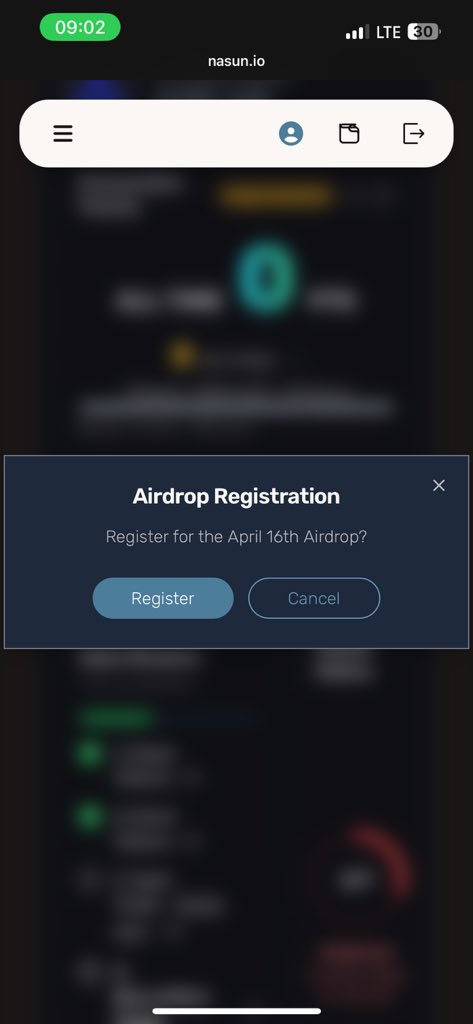
Just registered for @Nasun_io first airdrop
And completed my daily tasks
I can’t seem to buy scratch card using my Pc
But it works perfectly well on my mobile device
Is that the setting or I’m missing something @Naru010110
Anyways, remember to register for the airdrop, Mint free Alliance NFT, and complete your daily tasks.
Registration closes April 8
Airdrop on April 16
Here’s my wallet address
0x35de0bf46089e82c8b25794788ec45d5a3f4fe4285441ff669b11d47c238ed8d
Send in some tokens to complete tasks
Also, drop your address in the comment section for some tokens.
25
2
52
178
DeFi has never lacked capability.
You can trade, lend, earn yield, take leverage
all onchain.
But using it never really feels… complete.
Because behind all that power, everything is still split.
Your capital sits in different places.
Your positions live in different systems.
Your decisions happen somewhere else entirely.
So even when you’re active, your capital isn’t.
It’s scattered.
The problem isn’t what DeFi can do.
It’s how everything is separated.
Each action forces a choice
where to move funds, what to lock,
how to manage risk across multiple platforms that don’t speak to each other.
And while all of this is happening,
the most important part "context"
lives outside the system.
You’re reading markets on one screen,
discussing on another, and executing somewhere else.
Nothing is connected.
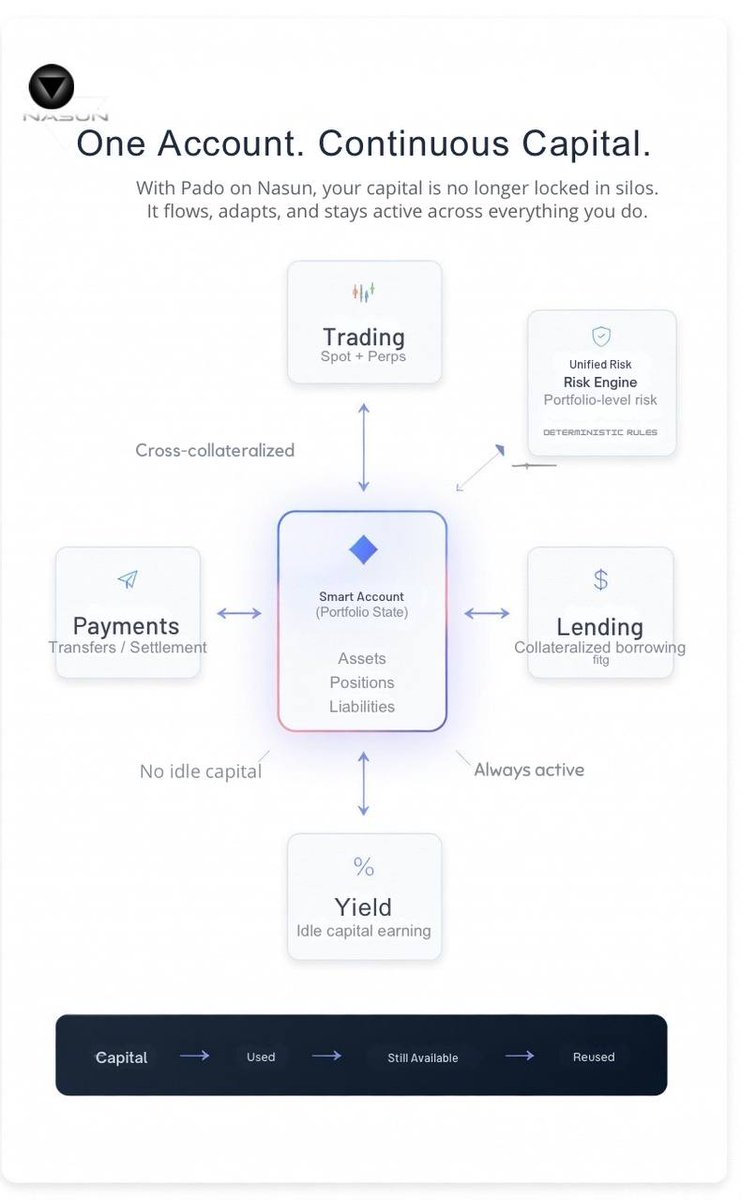
Built on @Nasun_io Pado takes a different approach.
Instead of building another product on top of this structure, it restructures the experience itself.
One account.
One system.
One continuous flow of capital.
No switching between protocols.
No splitting balances.
No locking funds into isolated use cases.
Just a single financial state that moves with you.
What changes with this model isn’t just convenience.
It’s how your capital behaves.
Instead of sitting idle in separate pools, your balance becomes continuous
available, reusable, and always in motion.
The same capital can support multiple actions without being split or reassigned every time.
You’re no longer managing pieces of a portfolio across different systems.
You’re operating from one.
That shift sounds simple.
But it changes everything.
Because once capital stops being fragmented,
the system starts to feel less like a collection of tools…
…and more like actual finance.
DeFi didn’t need more features.
It needed coordination.
Pado starts there.
In practice, it looks like this: ⏬
44
2
62
1,804
Been a while since I posted about @River4fun
but I’ve still been keeping up.
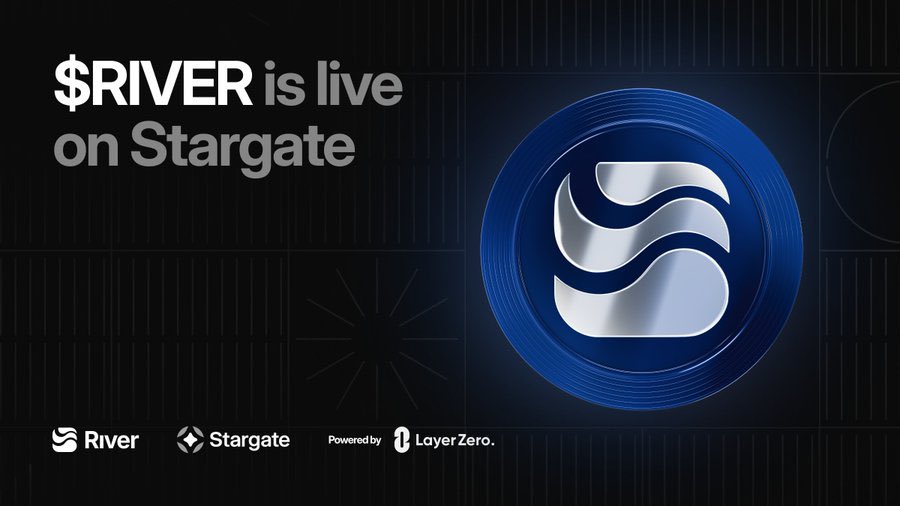
$RIVER is now live on @StargateFinance,
so you can move it across Ethereum, Base, and BNB Chain.
Also,
@RiverdotInc Sessions at EthCC is happening in a few days
private one in Cannes.
Check out the @RiverdotInc page for update.
Let’s see how this plays out.
26
2
32
303
In the last piece, I left off with a simple question:
How does a system like this actually work?
Not in theory, but in practice.
How value moves. How coordination happens.
How everything stays connected without breaking down.
This is where Nasun becomes more than just an idea.
Handling transactions is no longer the challenge.
What’s difficult now is supporting systems
where multiple actors, assets, and processes interact continuously.
AI agents coordinating decisions.
Games running persistent economies.
Financial systems involving multiple parties at once.
This is where traditional architectures start to break.
@Nasun_io approaches this differently.
Instead of separating infrastructure, execution, and applications,
it connects them into a single coordinated stack:
➤ A protocol layer that handles ownership and settlement
➤ An infrastructure layer that powers execution
➤ An application layer where real interactions happen
Individually, these layers have always existed
but they’ve never worked together without friction at scale.
Applications on Nasun don’t operate in isolation.
They generate activity that moves through the system:
➤ Infrastructure executes it
➤ The protocol secures and settles it
➤ Value flows back into the network
For example,
imagine a game asset being traded between players:
the application triggers the interaction,
infrastructure executes the exchange in real time,
the protocol finalizes ownership,
and the value generated flows back into both the game and the network.
What you get isn’t a one-way process, but a loop:
activity → execution → settlement → value → back into the system
That loop is what allows Nasun to function as more than a transaction layer.
When applications generate revenue, it flows to:
➛ The projects building on the network
➛ The ecosystem treasury
From there, $NSN holders govern how that value is allocated.
Not extracted.
Not distributed as short-term rewards.
But reinvested into:
➛ Product development
➛ Ecosystem growth
➛ Network-wide initiatives
It’s a model designed for long-term sustainability.
This is where the design starts to matter.
Nasun supports systems that require continuous interaction,
not just isolated transactions:
➤ Persistent assets across games, AI models, and platforms
➤ Programmable ownership with built-in royalties and splits
➤ High-frequency microtransactions
➤ Parallel execution without global bottlenecks
These aren’t extras.
They’re what make coordination at scale possible.
Different types of builders benefit from this structure:
𝗖𝗿𝗲𝗮𝘁𝗼𝗿𝘀 monetize directly through programmable ownership.
𝗚𝗮𝗺𝗲𝘀 sustain economies that persist across worlds.
𝗔𝗜 systems coordinate agents with attributable compute.
𝗙𝗶𝗻𝗮𝗻𝗰𝗲 enables capital to move across multiple parties at once.
Different use cases.
Same underlying need:
coordination at scale.
@Nasun_io is built on Move
a resource-oriented language designed for secure, explicit ownership.
Combined with:
➤ Mysticeti consensus for fast finality
➤ Delegated Proof-of-Stake for efficient validation
➤ Object-centric execution for parallel processing
The result isn’t just a system that processes transactions faster
it’s one that keeps complex systems running without breaking coordination as they scale.

Most blockchains don’t have a usage problem.
They have a value problem.
Applications get built. Users show up. Activity happens.
But the value? It doesn’t stay.
It leaks
across layers, across platforms, across ecosystems that were never designed to work as one.
What we’ve built so far are networks.
Functional, scalable, even impressive.
But not coordinated.
Not economies.
That’s the gap @Nasun_io is stepping into.
Not as just another Layer-1 competing on speed or fees,
but as infrastructure designed to align everything happening on top of it.
Built on Move,
Nasun brings together three high-growth verticals
𝗙𝗶𝗻𝗮𝗻𝗰𝗲, 𝗔𝗜, and 𝗘𝗻𝘁𝗲𝗿𝘁𝗮𝗶𝗻𝗺𝗲𝗻𝘁
into a single system where value isn’t just created,
but retained and coordinated.
And instead of stopping at the base layer, it extends upward
integrating the applications themselves into the network’s core design.
Most blockchains stop at infrastructure.
They provide blockspace, execution, and settlement
and leave everything else to external builders.
Nasun doesn’t.
It integrates protocol, infrastructure, and applications into one system.
Not as separate layers operating
independently,
but as parts of a coordinated whole.
The result is simple:
Value doesn’t just pass through the network
it stays within it.
This isn’t theoretical.
Nasun already has three live platforms shaping its ecosystem:
⇨ 𝗣𝗮𝗱𝗼 — a full-featured DeFi layer
⇨ 𝗚𝗲𝗻𝗦𝗼𝗹— a cinematic sci-fi universe across games, animation, and film
⇨ 𝗕𝗮𝗿𝗮𝗺 — on-chain coordination for AI agents
Each operates in a different vertical
finance, culture, and intelligence.
But together, they create something more interesting:
A system where capital, content, and computation
exist inside the same environment.
The shift is already happening.
AI systems are becoming more autonomous.
Digital economies are expanding beyond finance.
Users are no longer just transacting
they’re participating.
What’s missing is infrastructure that can coordinate all of it in one place.
Nasun is building into that gap
starting from a strategically positioned market with deep crypto adoption,
strong regulatory momentum, and global cultural reach.
A lot of projects lead with vision.
Nasun leads with execution.
Its core systems and platforms are already live on devnet
not as isolated experiments, but as parts of a connected stack.
No long roadmap.
Just early infrastructure, already in motion.
But the real question isn’t just what @Nasun_io is building.
It’s how a system like this actually works
how value flows, how coordination happens,
and how the network holds it all together.
37
3
66
1,116
Most blockchains don’t have a usage problem.
They have a value problem.
Applications get built. Users show up. Activity happens.
But the value? It doesn’t stay.
It leaks
across layers, across platforms, across ecosystems that were never designed to work as one.
What we’ve built so far are networks.
Functional, scalable, even impressive.
But not coordinated.
Not economies.
That’s the gap @Nasun_io is stepping into.
Not as just another Layer-1 competing on speed or fees,
but as infrastructure designed to align everything happening on top of it.
Built on Move,
Nasun brings together three high-growth verticals
𝗙𝗶𝗻𝗮𝗻𝗰𝗲, 𝗔𝗜, and 𝗘𝗻𝘁𝗲𝗿𝘁𝗮𝗶𝗻𝗺𝗲𝗻𝘁
into a single system where value isn’t just created,
but retained and coordinated.
And instead of stopping at the base layer, it extends upward
integrating the applications themselves into the network’s core design.
Most blockchains stop at infrastructure.
They provide blockspace, execution, and settlement
and leave everything else to external builders.
Nasun doesn’t.
It integrates protocol, infrastructure, and applications into one system.
Not as separate layers operating
independently,
but as parts of a coordinated whole.
The result is simple:
Value doesn’t just pass through the network
it stays within it.
This isn’t theoretical.
Nasun already has three live platforms shaping its ecosystem:
⇨ 𝗣𝗮𝗱𝗼 — a full-featured DeFi layer
⇨ 𝗚𝗲𝗻𝗦𝗼𝗹— a cinematic sci-fi universe across games, animation, and film
⇨ 𝗕𝗮𝗿𝗮𝗺 — on-chain coordination for AI agents
Each operates in a different vertical
finance, culture, and intelligence.
But together, they create something more interesting:
A system where capital, content, and computation
exist inside the same environment.
The shift is already happening.
AI systems are becoming more autonomous.
Digital economies are expanding beyond finance.
Users are no longer just transacting
they’re participating.
What’s missing is infrastructure that can coordinate all of it in one place.
Nasun is building into that gap
starting from a strategically positioned market with deep crypto adoption,
strong regulatory momentum, and global cultural reach.
A lot of projects lead with vision.
Nasun leads with execution.
Its core systems and platforms are already live on devnet
not as isolated experiments, but as parts of a connected stack.
No long roadmap.
Just early infrastructure, already in motion.
But the real question isn’t just what @Nasun_io is building.
It’s how a system like this actually works
how value flows, how coordination happens,
and how the network holds it all together.
45
2
78
2,370
It still surprises me how liquidity in crypto is everywhere,
but not really connected.
It’s kinda funny because DeFi is growing
but capital still feels scattered across chains.
Been seeing what @RiverdotInc is building,
and it actually makes sense
they’re trying to make liquidity flow properly instead of just sitting in different places,
plus rewarding users for being active too at @River4fun
$RIVER

48
2
65
1,118
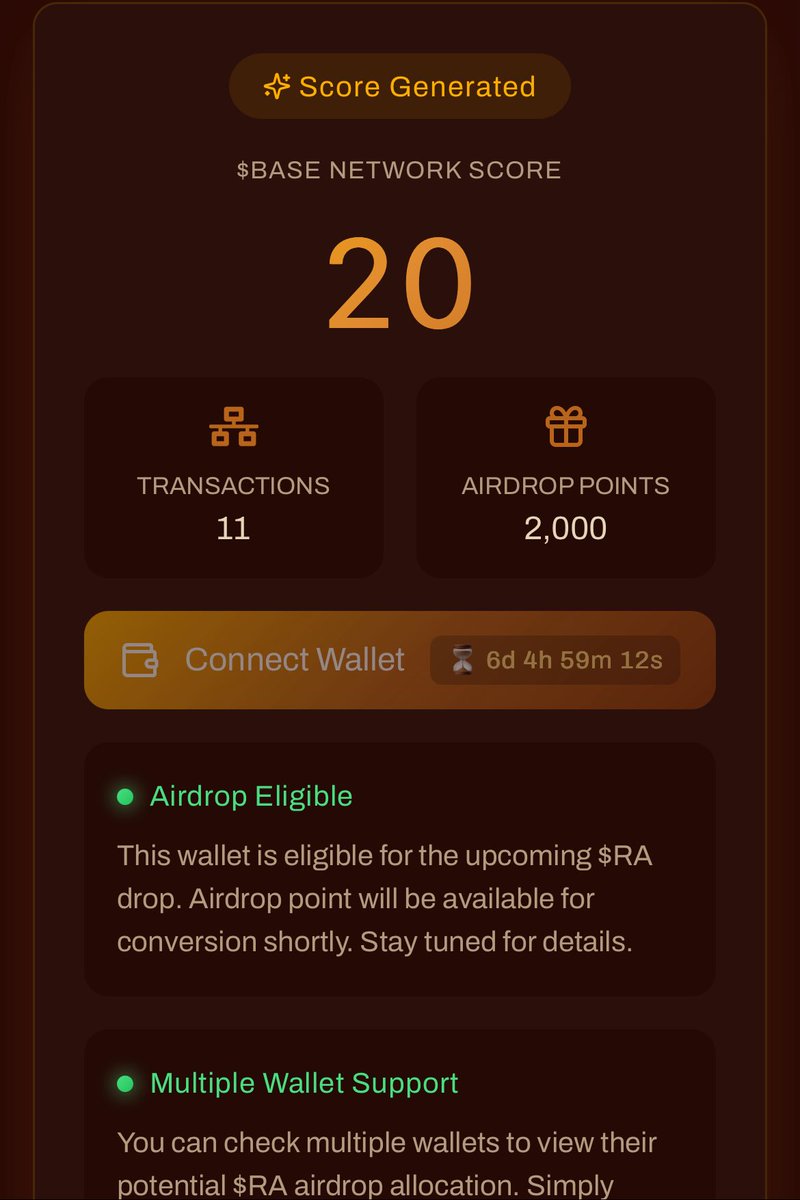
Saw a post about checking base score on @remoteaixyz
Out of curiosity I said why not
I didn’t participate in anything to become eligible but there’s no harm in trying right?
To my surprise?
I am in fact very eligible with 2000 points
If you have had any transactions on base network, then you should check yours too
Just 6 Days to go⏳
Here: theremoteai.xyz/check-score?…
21
1
41
1,489
Jane 🦋 retweeted

Mar 18
Remote AI is building autonomous agents to optimize token launches by bridging liquidity markets in real time.
Exclusively built on @base
Your past Base network activity now earns RA points — redeemable for $RA 👀
Check yours: theremoteai.xyz
5,044
7,551
10,708
186,323

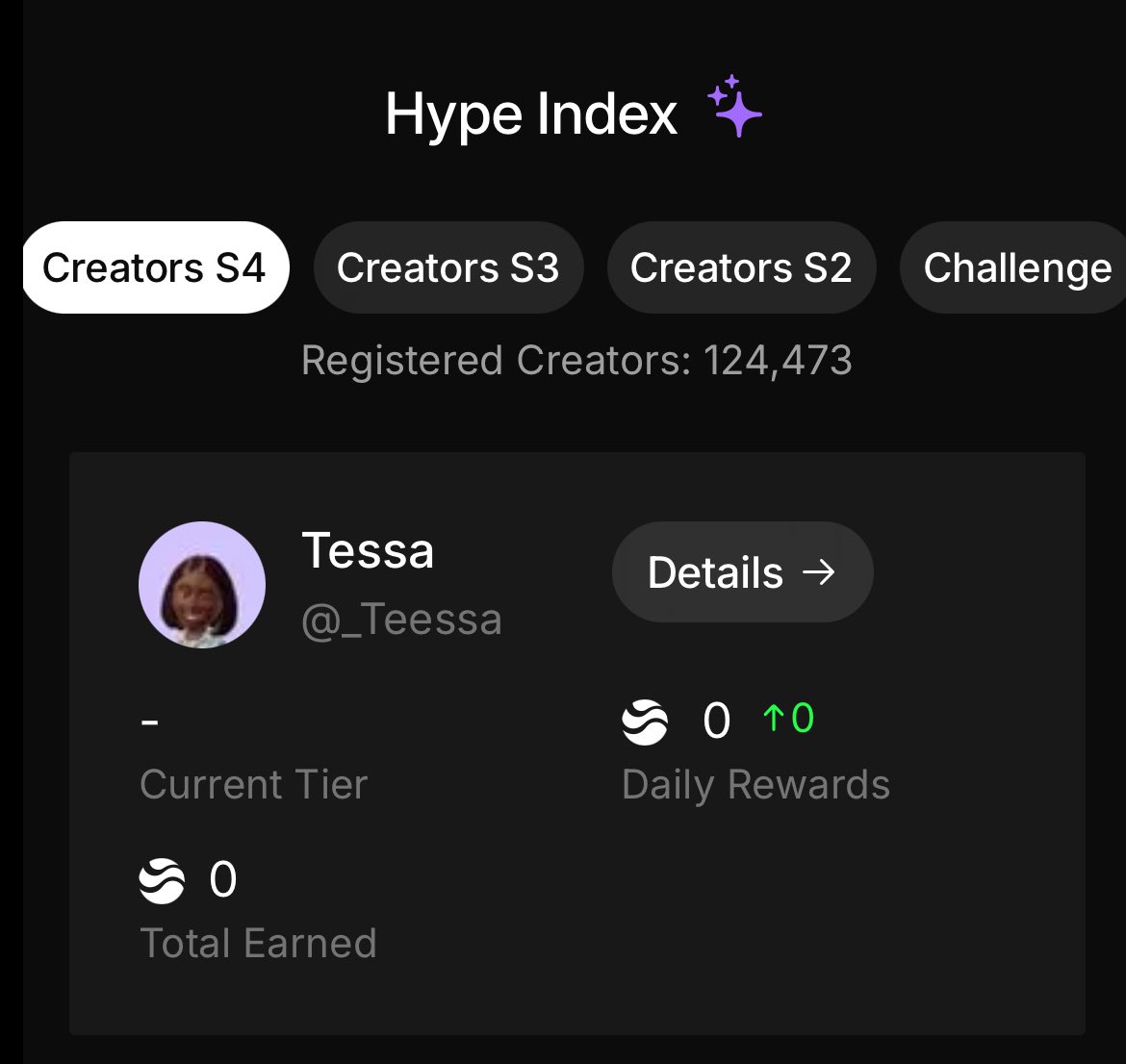
My $RIVER points don’t seem to be adding up
I have been posting for two days straight
But my points are still at zero
Is the site lagging or I’m I missing something?
Anyone else experiencing this?
Please @River4fun look into it
19
My $RIVER points don’t seem to be adding up
I have been posting for two days straight
But my points are still at zero
Is the site lagging or I’m I missing something?
Anyone else experiencing this?
Please @River4fun look into it
83
5
105
5,646
I was trying to move funds across chains recently…
and I won’t lie, it felt like too much for something that should be simple.
One wrong step and you’re stuck.
Not because there’s no capital
but because it doesn’t flow.
Liquidity is scattered across chains,
stablecoins don’t really connect, and every move comes with bridges, delays, and extra steps.
But… @RiverdotInc flips that.
Instead of forcing assets to move around,
it lets you access liquidity where you need it.
You can deposit collateral on one chain and mint 𝙨𝙖𝙩𝙐𝙎𝘿 on another
no bridges, no wrapping, just clean access.
Under the hood is 𝙊𝙢𝙣𝙞-𝘾𝘿𝙋,
letting you use assets like BTC, ETH, BNB, even LSTs,
while everything stays synced across chains.
So your capital isn’t stuck
it’s usable anywhere.
And it doesn’t just stop at access.
River makes stablecoins productive.
Stake satUSD, get satUSD , and earn from real protocol activity
like minting and redemptions.
Your stablecoin is actually working.
It also taps into something most protocols ignore
your activity.
With @River4fun you can post, engage,
and earn points that convert to $RIVER.
If you’re contributing, you’re getting rewarded.
If you prefer things simple,
𝙎𝙢𝙖𝙧𝙩 𝙫𝙖𝙪𝙡𝙩 lets you deposit and earn without worrying about liquidation.
And for bigger players,
𝙋𝙧𝙞𝙢𝙚 𝙫𝙖𝙪𝙡𝙩 adds that institutional layer
secure custody and steady yield.
When you step back,
@RiverdotInc isn’t just a stablecoin system.
It’s a loop where capital flows, earns, and feeds back into itself.
Most protocols are still trying to attract liquidity.
River is focused on making it move.
217
I was trying to move funds across chains recently…
and I won’t lie, it felt like too much for something that should be simple.
One wrong step and you’re stuck.
Not because there’s no capital
but because it doesn’t flow.
Liquidity is scattered across chains,
stablecoins don’t really connect, and every move comes with bridges, delays, and extra steps.
But… @RiverdotInc flips that.
Instead of forcing assets to move around,
it lets you access liquidity where you need it.
You can deposit collateral on one chain and mint 𝙨𝙖𝙩𝙐𝙎𝘿 on another
no bridges, no wrapping, just clean access.
Under the hood is 𝙊𝙢𝙣𝙞-𝘾𝘿𝙋,
letting you use assets like BTC, ETH, BNB, even LSTs,
while everything stays synced across chains.
So your capital isn’t stuck
it’s usable anywhere.
And it doesn’t just stop at access.
River makes stablecoins productive.
Stake satUSD, get satUSD , and earn from real protocol activity
like minting and redemptions.
Your stablecoin is actually working.
It also taps into something most protocols ignore
your activity.
With @River4fun you can post, engage,
and earn points that convert to $RIVER.
If you’re contributing, you’re getting rewarded.
If you prefer things simple,
𝙎𝙢𝙖𝙧𝙩 𝙫𝙖𝙪𝙡𝙩 lets you deposit and earn without worrying about liquidation.
And for bigger players,
𝙋𝙧𝙞𝙢𝙚 𝙫𝙖𝙪𝙡𝙩 adds that institutional layer
secure custody and steady yield.
When you step back,
@RiverdotInc isn’t just a stablecoin system.
It’s a loop where capital flows, earns, and feeds back into itself.
Most protocols are still trying to attract liquidity.
River is focused on making it move.
44
1
68
934
We are still making money from just creating contents ‼️
And somehow, a lot of us are still overlooking @River4fun
Season 4 wraps up in 15 days,
but the opportunity is still open.
Here’s how to go about it:
⇨ Head to: app.river.inc/fun?ref=_Teess…
⇨ Connect your X account wallet
⇨ Start posting and make sure to tag @River4fun
⇨ Earn $RIVER points
And $RIVER is sitting around ~$21
Do the maths.
Remember to always DYOR.
28
1
35
792
If someone said, “I did the work, just trust me,”
you’d be suspicious.
Online, that’s exactly how most systems operate.
And somehow, we’ve accepted it.
Systems look autonomous.
But underneath the interface, they still rely on trust.
Actions can’t be proven. Memory can be changed.
Payments aren’t inherently verifiable.
That’s why autonomy works in demos
not in real economic systems.
The moment real value is at stake, trust becomes a liability.
If autonomy breaks because nothing can be proven,
then the fix isn’t smarter AI
it’s provability.
Systems need a way to show what executed, what changed, and what counts as valid work.
That’s where PROOF® comes in.
PROOF® is developed within the @Xyberinc ecosystem as an execution layer for AI systems
one that allows them to prove what they ran, record what changed,
and settle work without relying on trust.
PROOF® is governed by six invariants
non-negotiable guarantees that define what autonomous systems must satisfy to operate economically:
➠ Attested Execution
➠ Verifiable State
➠ Canonical Action Provenance
➠ Proof-Based Settlement
➠ Deterministic Coordination
➠ Modular Composability
Together, these invariants replace trust with enforceable properties.
In simple terms,
PROOF® turns autonomy from a controlled demonstration
into infrastructure that can operate inside real markets.
Before memory, before payments, before coordination,
one question comes first:
Did the work actually run as claimed?
Execution starts inside a Trusted Execution Environment (TEE)
a secure space where code runs as intended and cannot be silently modified.
The result is execution that can be verified, not assumed.
Without that foundation, nothing else holds.
But execution alone isn’t enough.
If memory can be rewritten later, verification collapses.
So memory must be anchored.
Persistent state is tied to cryptographic records,
making every change visible and auditable.
Long-running decisions no longer depend on mutable databases or silent edits.
When an AI acts, that action needs a record.
Each action becomes a verifiable onchain commitment
a public receipt for behavior that shows what was done, under what conditions, and why it counts.
If actions are verifiable, payment no longer needs trust.
Work is compensated only when there is clear evidence it was completed.
No proof, no payment.
This flips the incentive structure: verification becomes the gatekeeper of value.
Once payment is tied to proof, agents can collaborate safely.
Coordination happens through shared, verifiable execution and state.
Agents don’t need to trust each other’s intentions.
They only need to follow the same rules and produce valid results.
Trust shifts from counterparties to mathematics.
These guarantees don’t stop at software.
They extend to physical machines
where commands, actions, and outcomes can be verified instead of assumed.
Robots and devices can operate with the same accountability as digital systems.
If even machines in the physical world can operate with verifiable accountability,
autonomy stops being theoretical.
It stops being something we hope works.
It becomes something we can check.
And when verification is built in from the start, trust is no longer the foundation
proof is.
That’s the shift.
Not toward smarter systems.
Toward accountable ones.
Moving from systems that rely on belief
to systems that rely on evidence.
Read more: xyber.inc/pdf/PROOF_Whitepap…
19
2
34
506
In ancient times,
power didn’t just come from strength
it came from ownership.
You could build cities, fight wars, and grow empires.
But without land or title, you still owned nothing.
AI is in that same position today.
Highly capable, widely used
but economically invisible.
Back then, ownership decided who truly had power.
And today, nothing has really changed.
AI thinks, acts, and scales faster than anything before.
Yet it still can’t own its outputs, hold value, decide economically, or prove actions on its own.
Everything it does is mediated by someone else.
So the problem isn’t that AI isn’t smart enough.
It’s that it has no economic agency.
Without ownership, AI remains a tool
not an actor.
And that’s the limitation @Xyberinc starts from.
44
2
93
2,744
For anyone scrolling…
.
.
.
.
.
.
.
.
.
.
.
.
.
.
.
This is the point
.
.
.
.
.
.
.
.
.
.
.
.
.
.
.
@campnetworkxyz turns creators into IP owners.
30
1
67
1,303
The countdown to 2026 has started.
Before racing ahead,
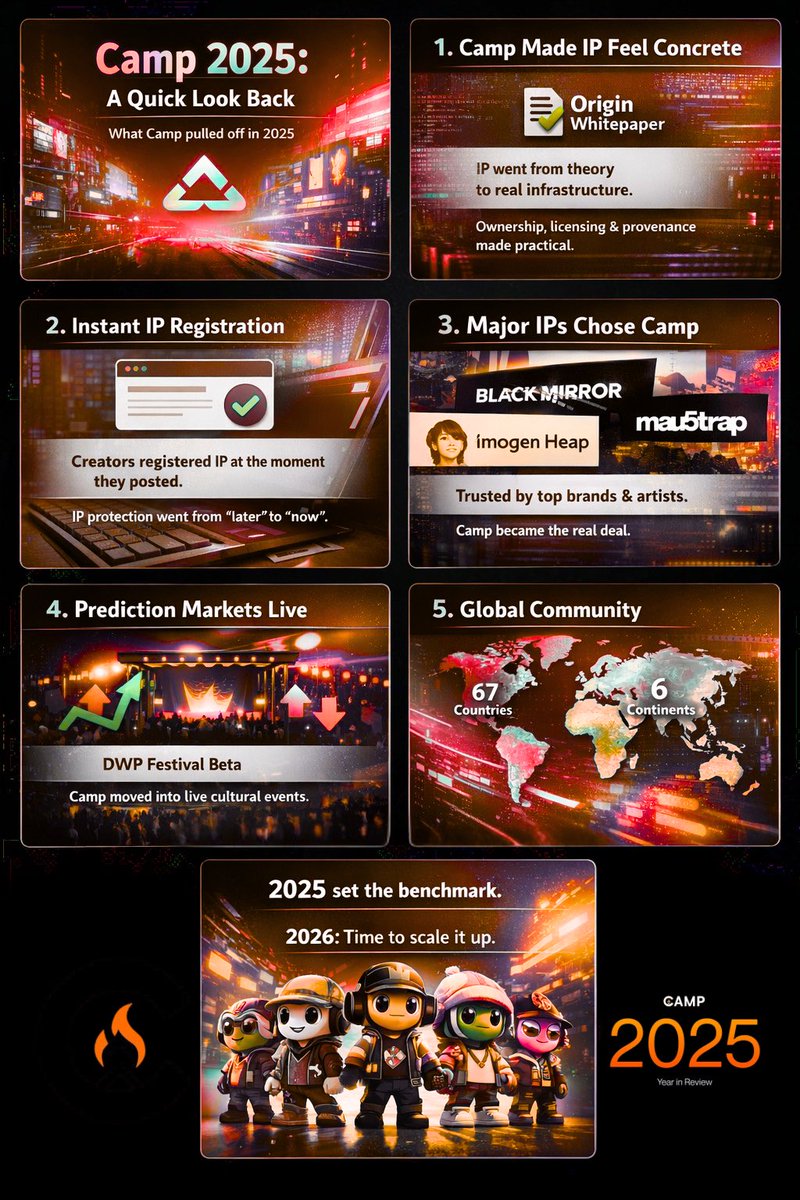
it’s worth pausing to appreciate what @campnetworkxyz actually pulled off in 2025.
This wasn’t about noise.
It was about proving the idea works.
Here’s how I think about Camp’s 2025 wins
and why each one mattered:
➥ Camp made IP feel concrete
The publication of the Origin Whitepaper didn’t just explain ideas
it showed that IP ownership, licensing, and provenance can actually work in an AI-first world.
𝑾𝒉𝒂𝒕 𝒄𝒉𝒂𝒏𝒈𝒆𝒅: IP stopped being theory and started becoming real infrastructure.
➥ Origin going live changed how creators protect their work
With Origin on mainnet and the Chrome extension, creators could register IP the moment they posted.
𝑾𝒉𝒂𝒕 𝒄𝒉𝒂𝒏𝒈𝒆𝒅: IP protection moved from “later” to now.
➥ Global IP choosing Camp validated the model
From Black Mirror to Imogen Heap, Moonbirds, and more
major IPs didn’t just experiment.
They built on Camp.
𝑾𝒉𝒂𝒕 𝒄𝒉𝒂𝒏𝒈𝒆𝒅: Camp earned trust, not attention.
➥ Prediction markets showed range
The DWP Festival beta proved Camp isn’t locked into one use case.
Culture can be interactive, tradable, and live.
𝑾𝒉𝒂𝒕 𝒄𝒉𝒂𝒏𝒈𝒆𝒅: Camp expanded from IP registry to cultural coordination.
➥ A truly global community formed
A community across 6 continents and 67 countries.
Builders, creators, and operators all in.
𝑾𝒉𝒂𝒕 𝒄𝒉𝒂𝒏𝒈𝒆𝒅: Camp became global without forcing growth.
➥ TrailHeads turned IP into something alive
400k derivatives in under a week.
Music, visuals, remixes, created by the community.
𝑾𝒉𝒂𝒕 𝒄𝒉𝒂𝒏𝒈𝒆𝒅: AI-native IP stopped being a question and became something you could see.
2025 was about viability.
Camp proved that:
➞ IP can be registered cleanly
➞ AI can operate on licensed content
➞ Creators will opt into better systems
➞ Culture can move onchain without losing its soul
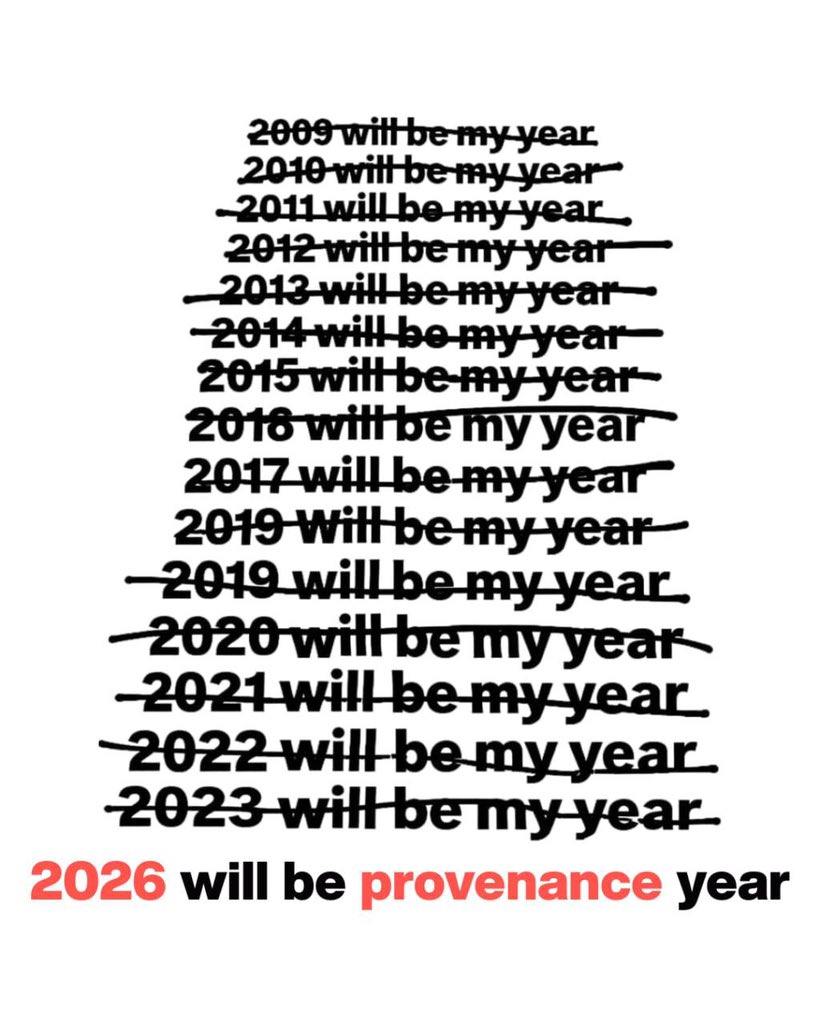
2025 proved the model.
2026 is about scaling it.
These wins aren’t the finish line.
They’re the benchmark.
Because @campnetworkxyz isn’t just building for today’s IP
it’s building for what IP is becoming.
31 Dec 2025

34
3
58
854