🙌Oferta de feina
🌲💧💻El grup de Boscos i Aigua busca un/a postdoc per treballar en modelització ecohidrològica i gestió forestal
S'accepten candidatures fins 📅16 febrer
ℹ️ Més info tuit.cat/OnB1W
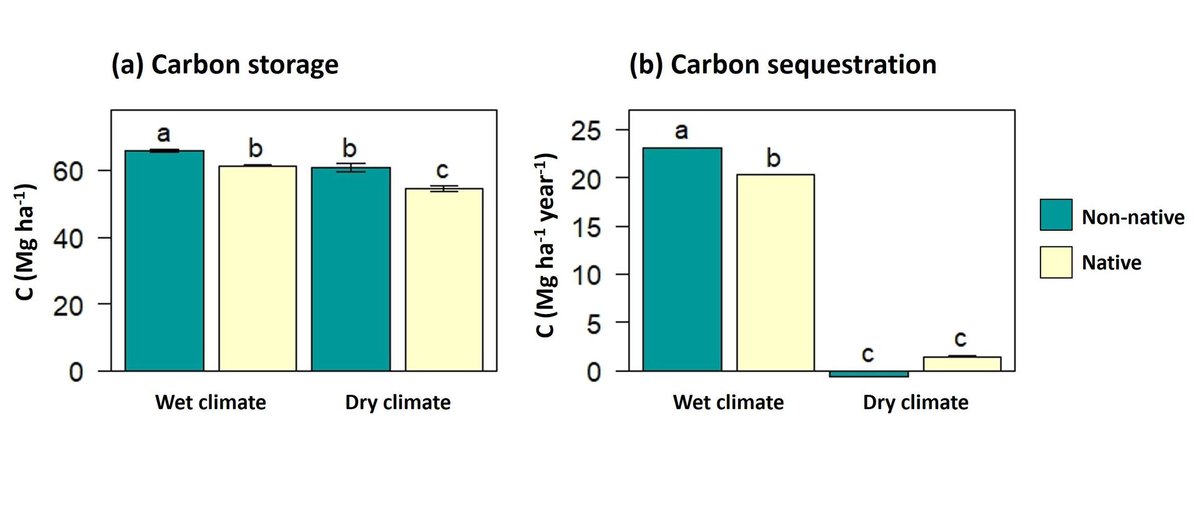
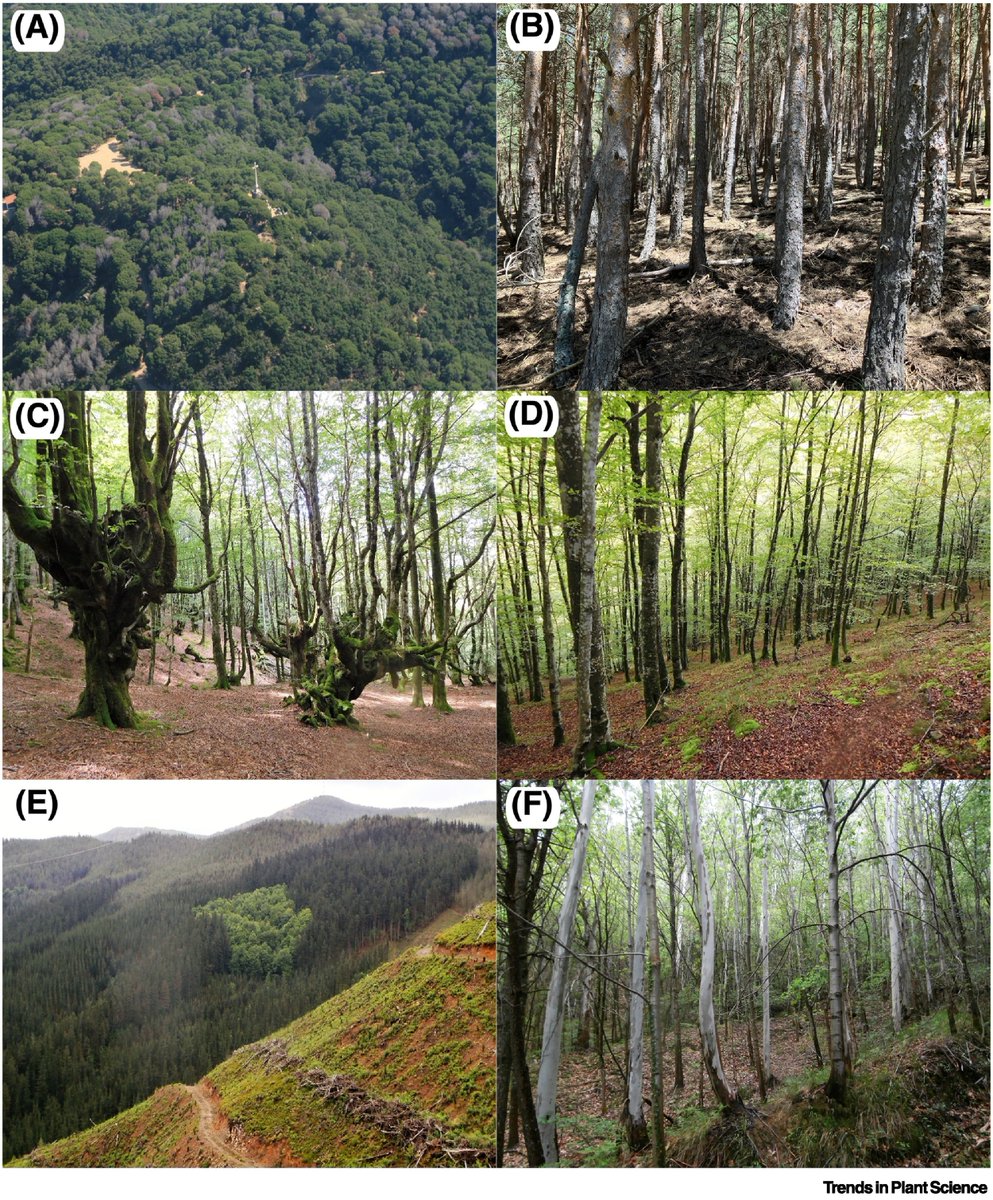
New paper in @TrendsPlantSci where we set out how anthropogenic land-use legacies that persist in forest properties can heighten the impact of climatic stressors on forest, with A Vilà-Cabrera, @_pRb_ , @AlistairJump, MA Zavala, F Seijo, D Sperlich
authors.elsevier.com/c/1hALt…
🧵👇
Come and work with us! We are looking for someone with coding experience to help develop the benchmarking system for our global vegetation model and a web application for results. Primarily using R. Deadline 28th Nov. @becc_sweden@4cBecc@lunduniversitylu.varbi.com/en/what:job/job…
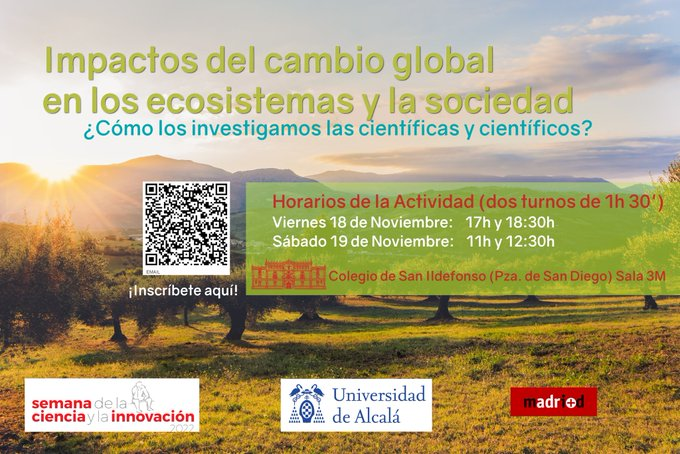
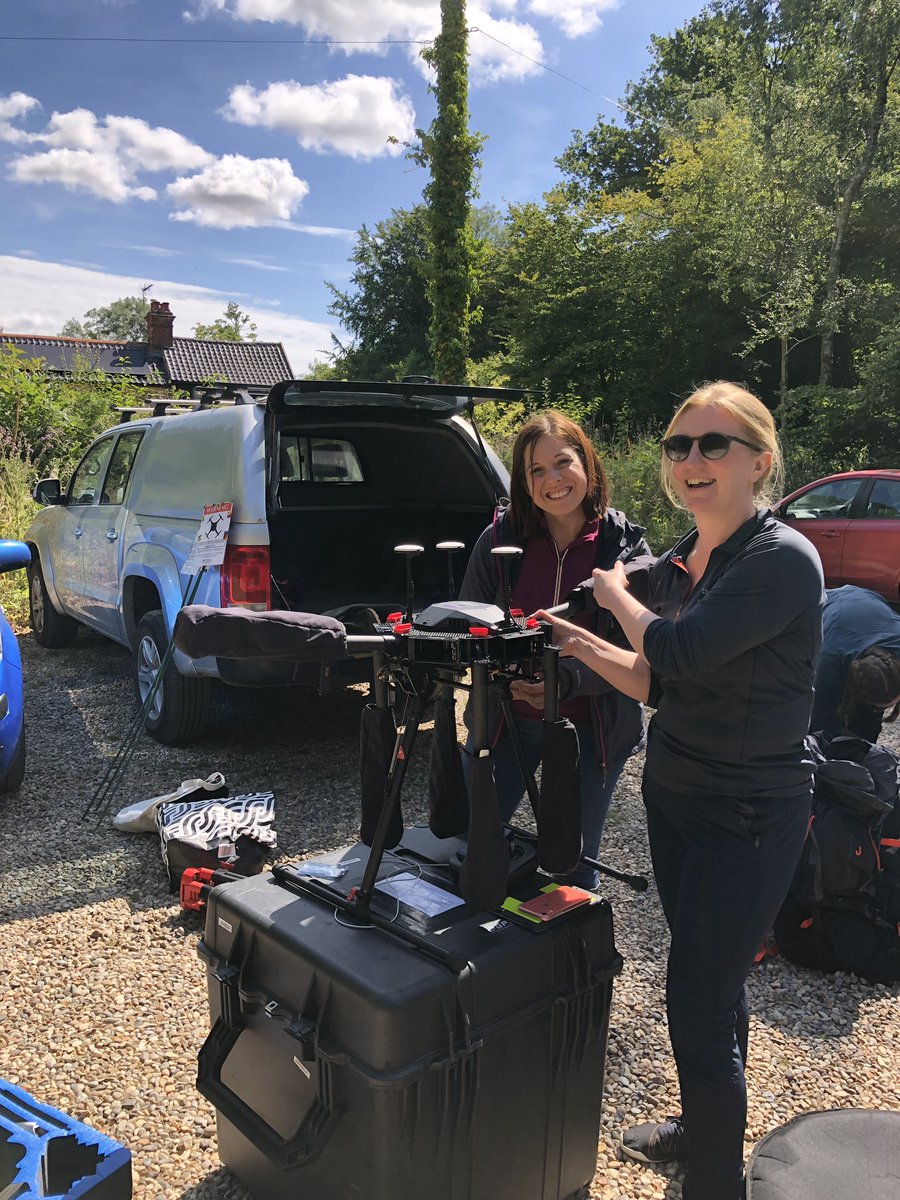
¿Te apetece echar un rato aprendiendo como las investigadoras e investigadores de la UAH estudiamos el cambio global? ¡Pásate por la uni a aprender de manera interactiva!
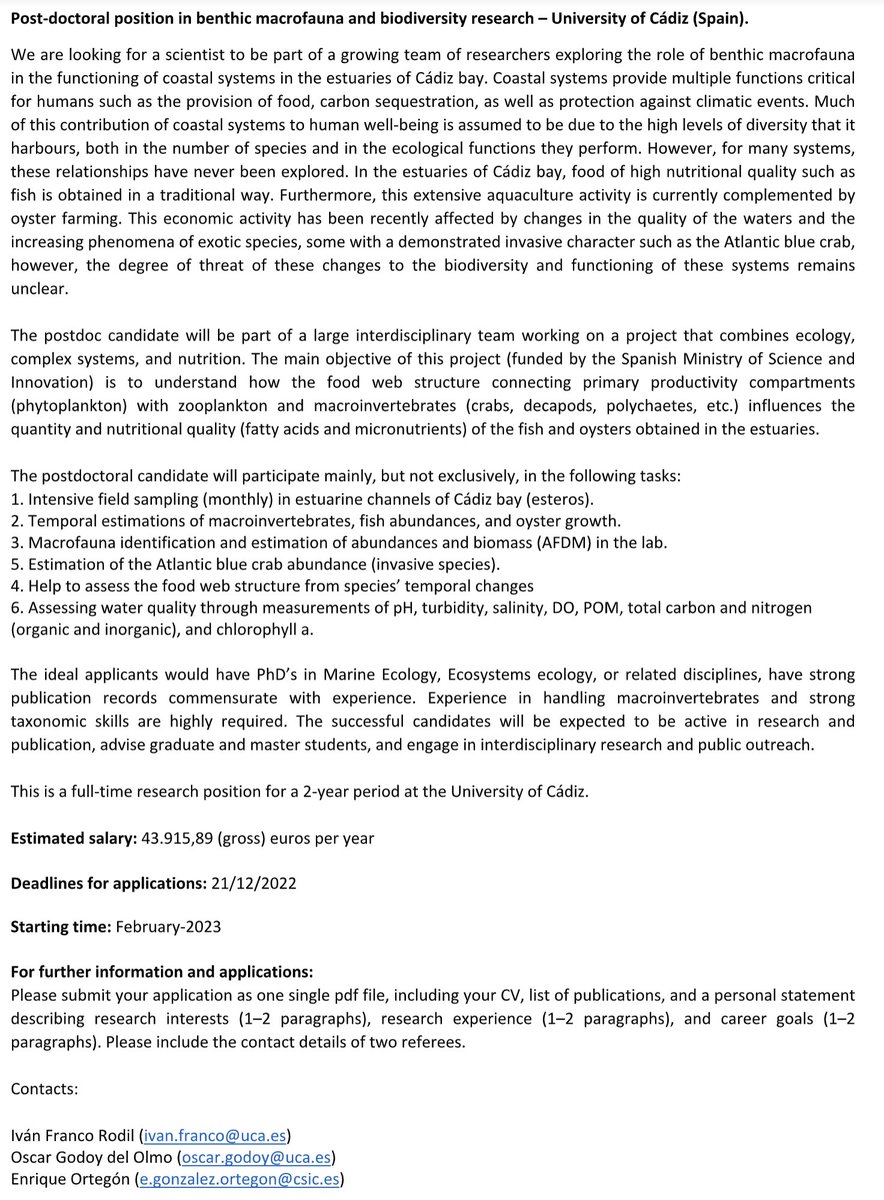
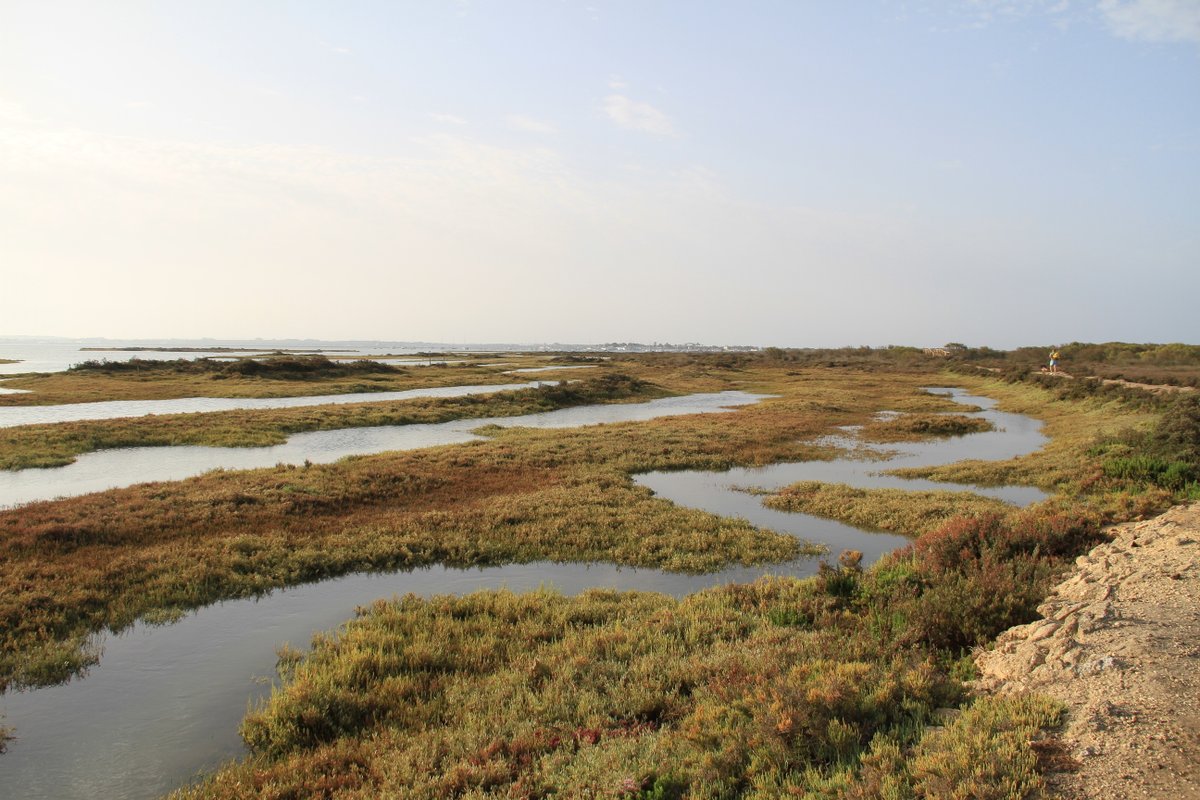
We are offering a 2-yr postdoc position @uca to work on salt marshes biodiversity and their consequences for oyster and fish quality. Seeking marine biologist/ ecosystem ecologist with extensive experience on benthic macrofauna. Great team w/ @Rodil_IF@quique_ortegon Please RT!
CLIMB-FOREST is a new @HorizonEU project working to ensure Europe’s forests are resilient to the changing climate and support people and nature.
Find out more at: climbforest.eu/
Glad to share our new paper in the 25th Anniversary Vol of @EcosystemsJ . We used field plots, dendrochronology and Landsat to monitor dieback in a P. pinea forest in Almorox (Toledo, Spain)
@_pRb_ @emilyrlines @ForEco_Lab@UAHes
Available in OpenAcces:
link.springer.com/article/10…
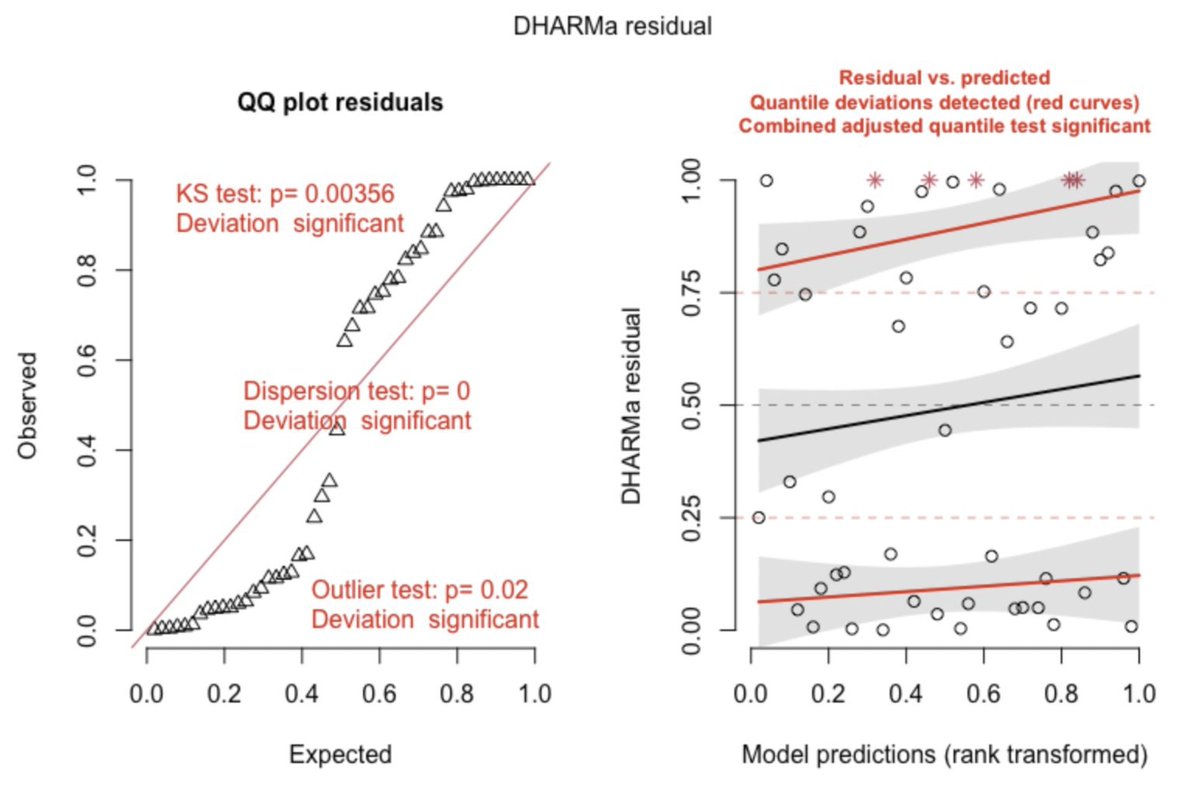
DHARMa v0.4.6 #rstats package for #glmm residual diagnostics now available on #CRAN. Among other things, this version includes a new function to calculate simulated LRTs for GLMMs. See NEWS for further updates. cran.r-project.org/web/packa…
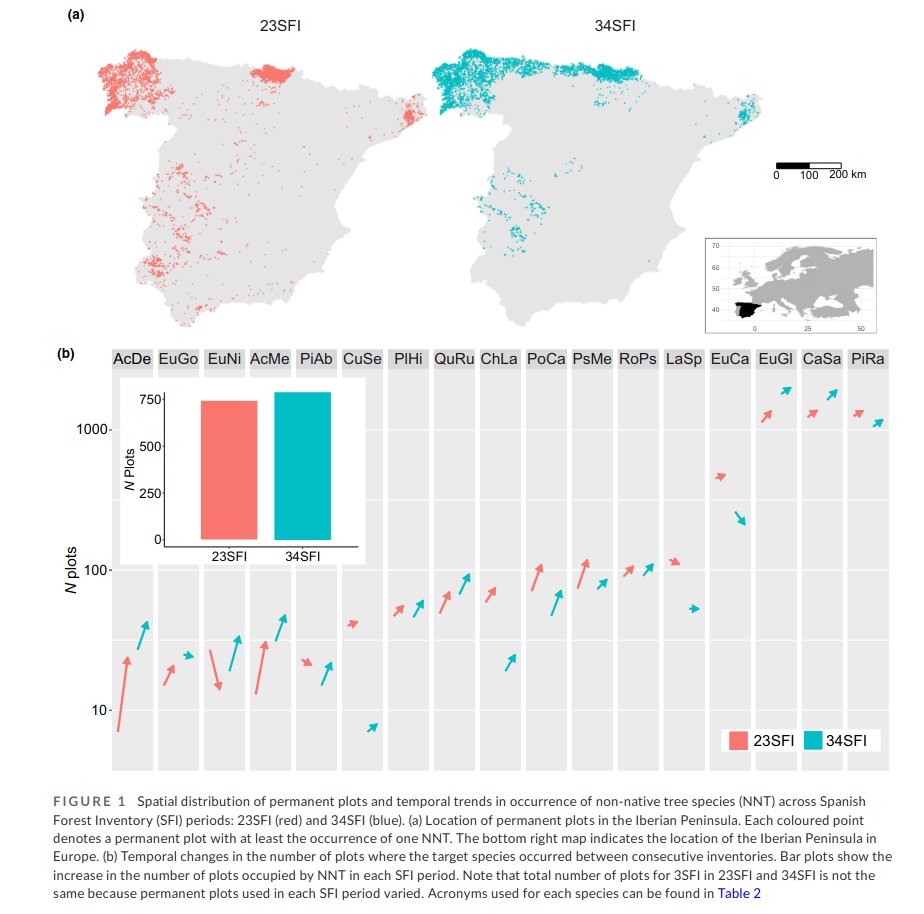
New article published in @JVegSci "Functional traits and propagule pressure explain changes in the
distribution and demography of non-native trees in Spain". Great collaboration with my colleagues @_pRb_ and pilar castro from @uahonlinelibrary.wiley.com/doi/…
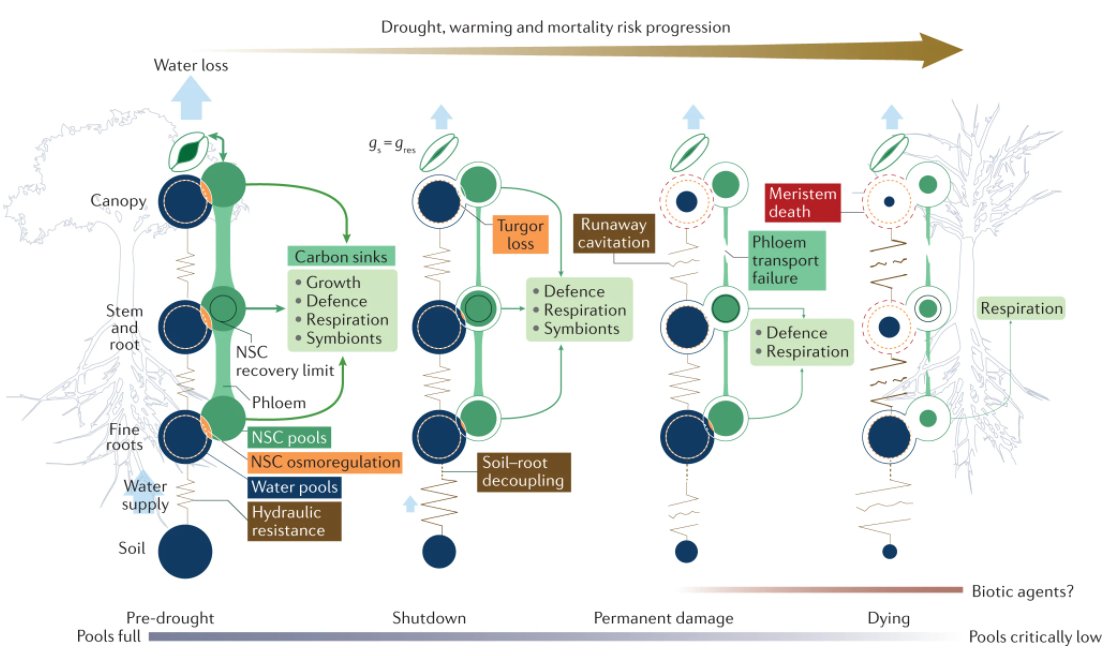
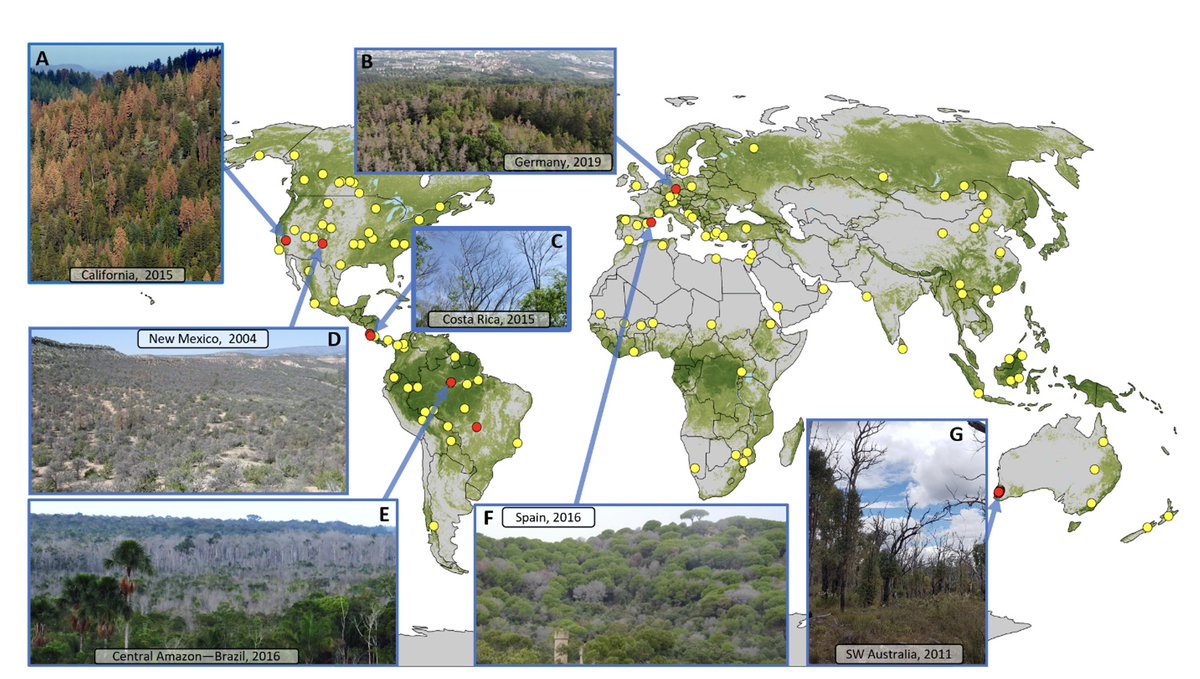
Drought-associated tree mortality has been increasing in the last decades & is projected to increase further🌳
This new Review discusses the mechanisms of #tree mortality under rising #drought, #CO2 & vapour pressure deficit
nature.com/articles/s43017-0…
Free: rdcu.be/cJ43y
ALT Diagram showing the mechanisms that lead towards tree mortality. Hypothesized mechanisms, including pools and fluxes, that influence mortality as drought progresses. Primary water and carbohydrate pools are in blue and green circles, respectively, with their fluxes as resistors and green arrows. Interactions between water and carbon pools are in orange. As drought progresses, stomatal and belowground conductance decline to near zero. gres (residual conductance from foliage and bark post-stomatal closure) then dominates water loss and plant survival depends on the finite, stored carbon and water pools. Ultimately, dehydration and depletion of these pools promotes sustained negative turgor (dashed orange circles), followed by meristem death (dashed red circles) from the cellular water content falling below a threshold for cellular rupture. The black circle within the stem and root carbohydrate pools indicates the point at which there is insufficient carbohydrates to recover via regrowth.
Nobody teach us how to be a good PhD/MSc supervisor, even tough it is maybe our most challenging responsibility as academic. I have been diving in the web but just found little scattered info. Do you know any guide/book providing some tips?