
YouTube Partner! I have freelanced for TechRaptor, Gamexplain, and Wazakas Gaming. hmu for more details! contact: pixelchris.mgmt@ritualnetwork.com
Joined October 2012
- Tweets 13,907
- Following 1,262
- Followers 393
- Likes 22,642
1,155 Photos and videos




Pinned Tweet

17 Apr 2025
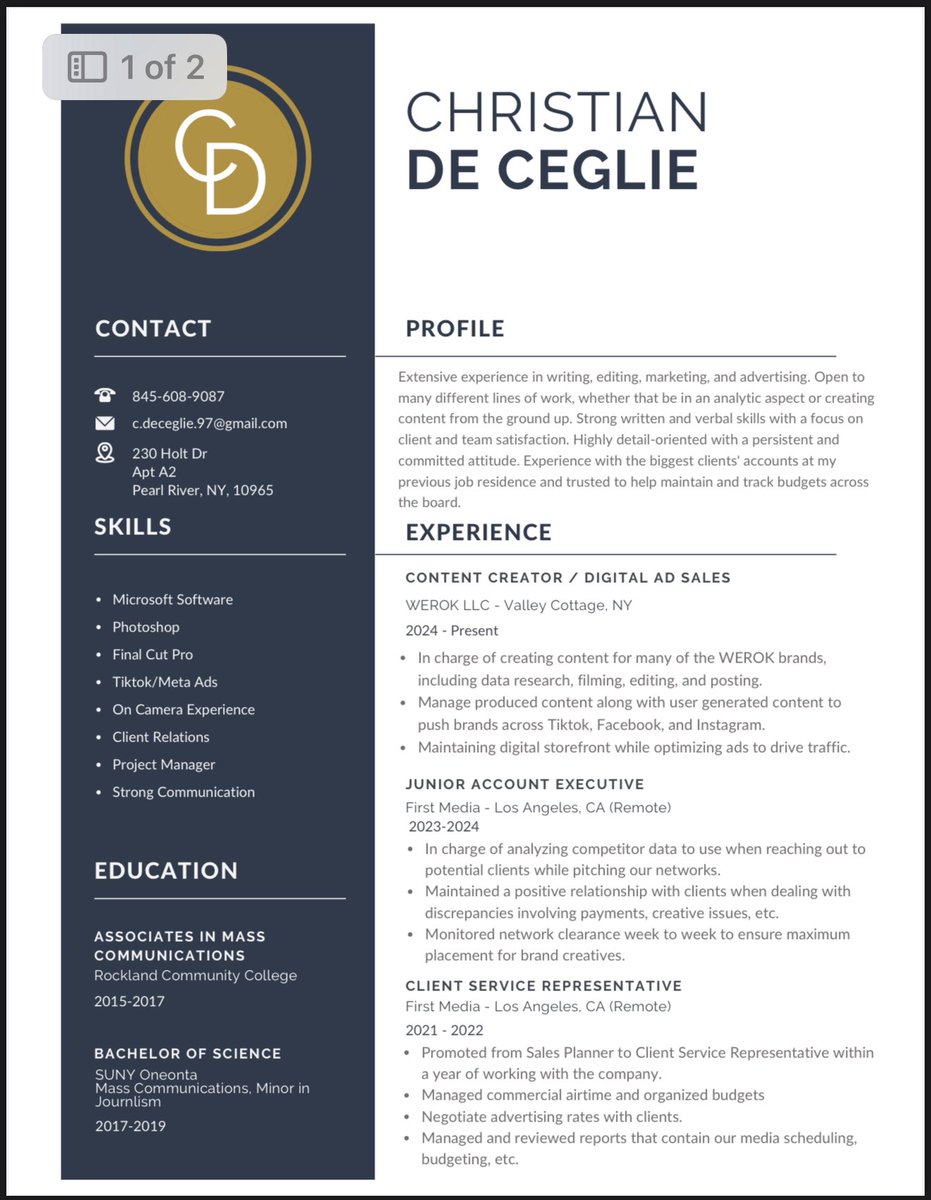
Hi Friends, it’s been a year of job searching and despite getting to final rounds for multiple roles I have yet to lock anything down. If anyone is looking for an Account Manager, sales person, or social media manager/editor please do reach out. ❤️

6
1,120
Jun 12
If Ariana Grande was a Pokémon Elite Four member, her team would be INSANE:
☁️ Altaria (Cloud perfume)
🌙 Clefable (moon/pink/NASA)
🎤 Primarina (whistle tone)
🧁 Alcremie (Sweetener)
🎀 Sylveon (Thank U, Next)
🦄 Galarian Rapidash (high ponytail)
Realistic Pokémon Team trend, but make it pop star 👀
Who's next? 👇
80
Jun 12
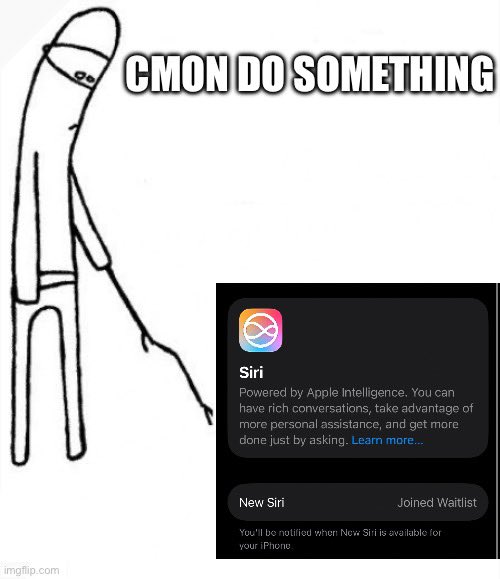
Reposting for anyone who wants to use apple foundation models included in mac os 27 beta 1 with your hermes agent! :)
Jun 12

Your Mac is hiding a free LLM and almost nobody is using it.
I'm running macOS 27 beta 1, and I wired the on-device model into my self-hosted Discord bot as its "reflexes" — with my local Gemma 12B as the brain.
Casual replies went from 45 seconds to under 1.
$0. No cloud. Here's the build 🧵
39
Jun 12
Your Mac is hiding a free LLM and almost nobody is using it.
I'm running macOS 27 beta 1, and I wired the on-device model into my self-hosted Discord bot as its "reflexes" — with my local Gemma 12B as the brain.
Casual replies went from 45 seconds to under 1.
$0. No cloud. Here's the build 🧵
2
2
158
Jun 12
I'm on an Apple Silicon Mac running macOS 27 beta 1 (Apple Intelligence enabled) with a local LLM serving an OpenAI-compatible API via llama.cpp/Ollama. Build me an "on-device reflex layer":
A Swift app exposing Apple's Foundation Models framework as an OpenAI-compatible server on localhost (/v1/chat/completions, /v1/models, /health, /stats). Compile with swiftc directly targeting macOS 27 (SwiftPM may be broken under Command Line Tools), assemble a .app bundle with usage strings, ad-hoc codesign with a stable bundle identifier so TCC permissions persist, bind explicitly to 127.0.0.1 (NWListener defaults to IPv6), and run it as a LaunchAgent.
A cascade model id "auto": try the on-device model first, auto-escalate to my local LLM when the prompt exceeds the 4096-token context, the model errors or guardrail-refuses, or the output fails validation (empty, or invalid JSON when JSON was requested). Log escalations as JSONL training pairs.
A device-agent model id: the on-device model parses requests into a JSON action protocol (don't use @Generable macros — they need full Xcode) and Swift executes via EventKit (create/list calendar events reminders), Contacts, and the shortcuts CLI. Inject a precomputed weekday→date table into the instructions — small models fail at calendar math, give them the answers.
Vision in 3 tiers: Vision-framework OCR first for text-heavy images (it's digit-exact, generative vision isn't), native ImageAttachment multimodal second, escalate to my local vision model as the floor.
Keep the model warm with session.prewarm() every 4 minutes — macOS evicts it when idle.
Wire my agent's lightweight tasks (triage, classification, titles, casual replies) to the bridge and keep heavy reasoning on my local LLM.
Verify each piece end-to-end with curl before moving on, and clean up any test calendar entries you create.
That prompt encodes every pothole we hit so you don't have to. Have fun. 🍏🤝🦙
1
69
Jun 12
PLEASE NOTE THIS WAS TESTED ON MAC OS 27 BETA 1. ANY REFERENCE TO MAC OS 26 ARE A MISTAKE AND IM TOO LAZY TO FIX EM.
38
Jun 11
Someone offers you $1 million to punt your favorite Pokemon like a football.
Would you take it?
And more importantly — could you even do it? 😂
If your favorite is Groudon, that's 2,000 lbs. You'd need a crane, not a cleat.
Drop your favorite Pokemon below 👇
28
Jun 9
Pokémon Pokopia DLC just confirmed during Nintendo Direct:
🌊 Free 2.0 update — dive underwater with infinite breath, build ocean towns (August)
💰 3-part paid expansion — Part 1 "Bubbly Basin" drops same day
🎁 Preorder bonuses — Dynamic Ditto furniture 30 PokeMetal ingots
What's your dream feature? 👇
1
139
Jun 9
Nintendo just confirmed what everyone was hoping for: Legend of Zelda Ocarina of Time is getting a FULL remake on Switch 2 in 2026.
New art style. Ground-up rebuild. Insane.
But hear me out... what if it launches alongside GTA 6? 💀
What's your honest take?
77

Christian Travis retweeted

Jun 7
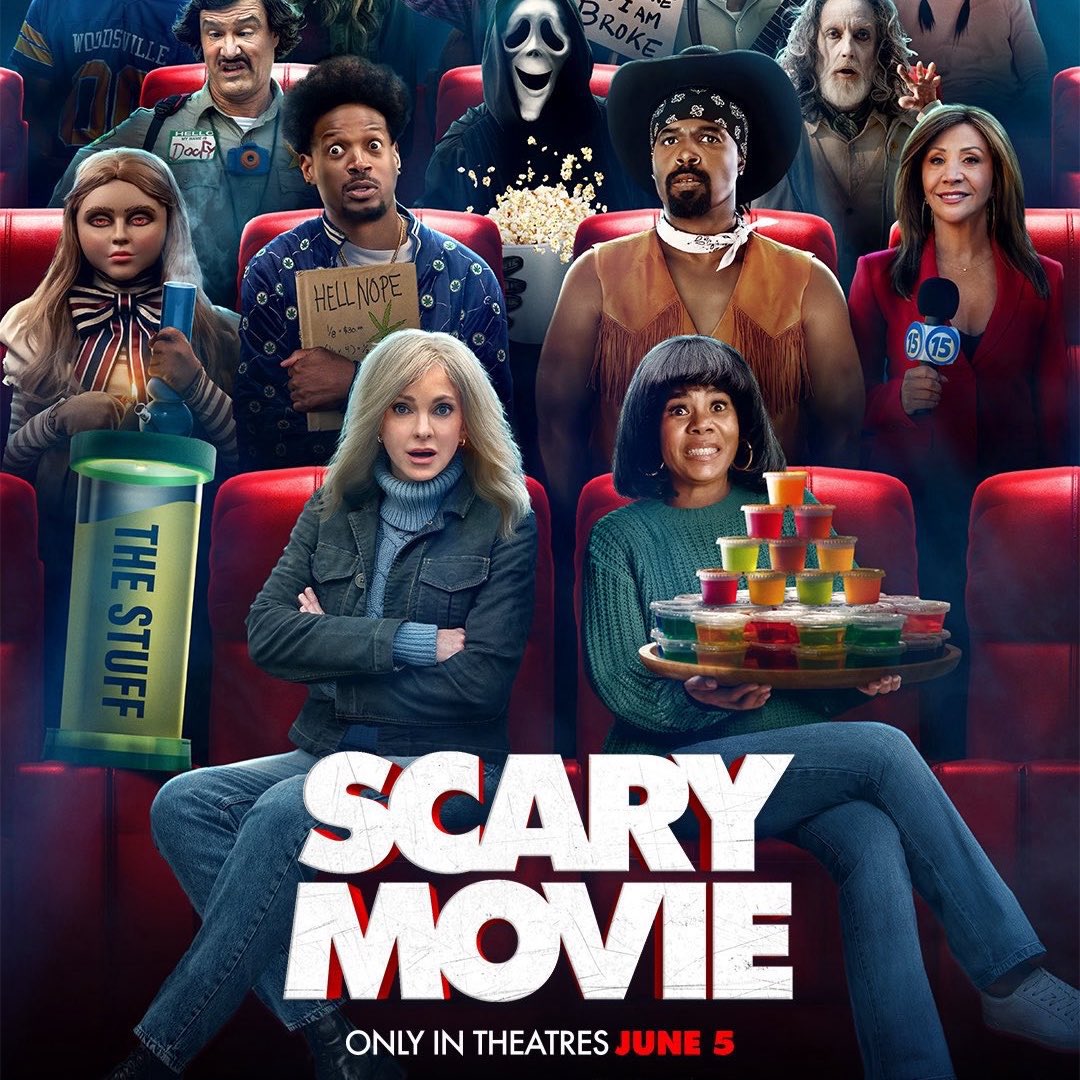
Yeah we’re getting White Chicks 2

‘SCARY MOVIE 6’ has opened with $105.5 million at the global box office.
Biggest opening weekend for the franchise ever.
110
3,190
49,136
1,293,149
Christian Travis retweeted

Jun 5
Claire Redfield being airlifted from Capcom’s basement for the Resident Evil CODE: Veronica Remake
50
3,968
26,397
364,452
Christian Travis retweeted

Jun 6
new bisexual flag just dropped

42
5,423
34,181
244,133