
219 Photos and videos
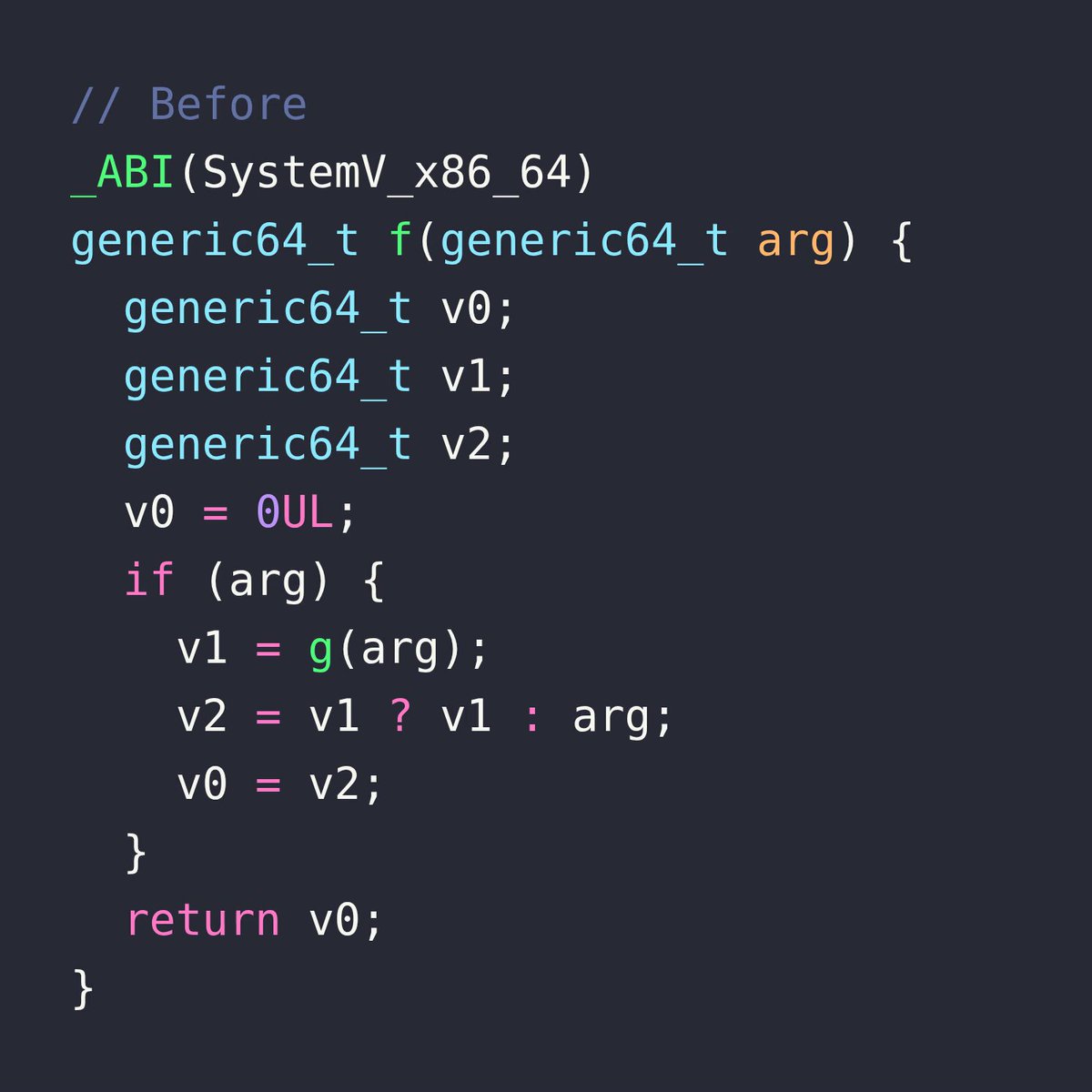
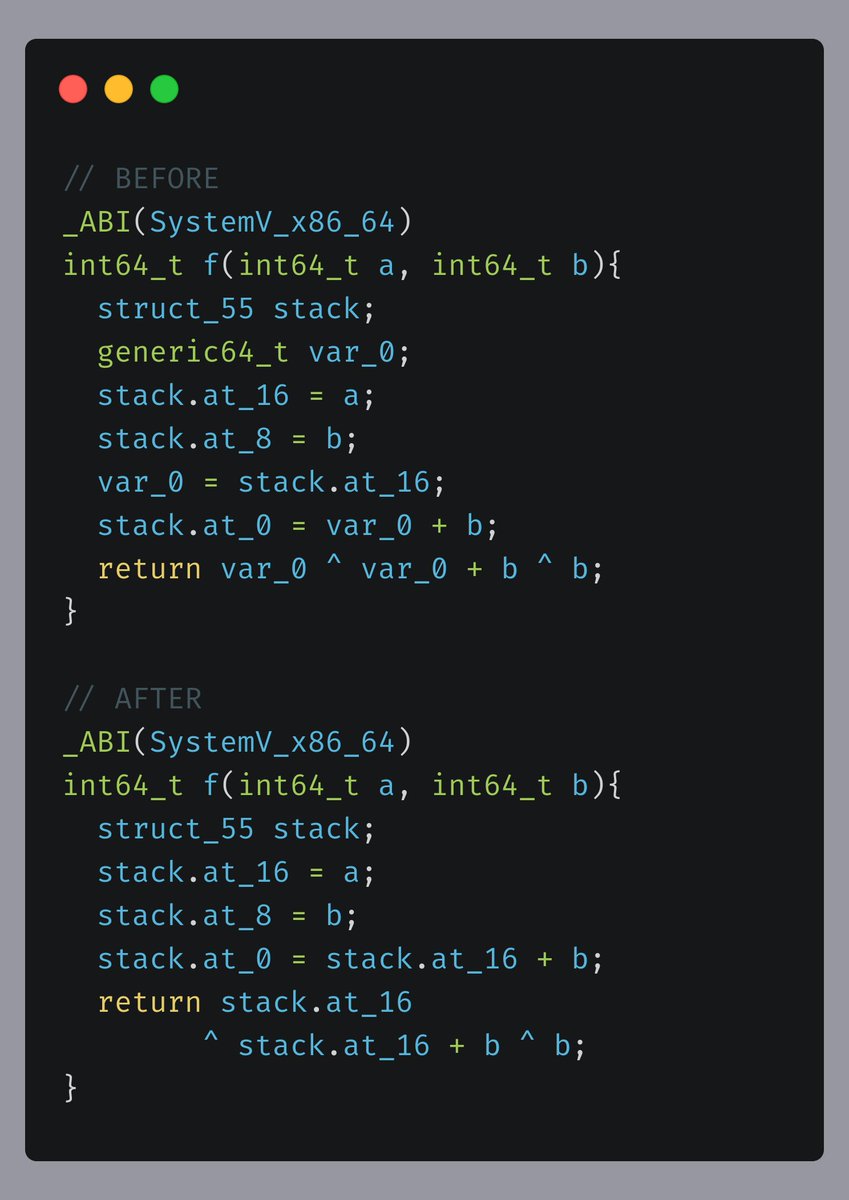
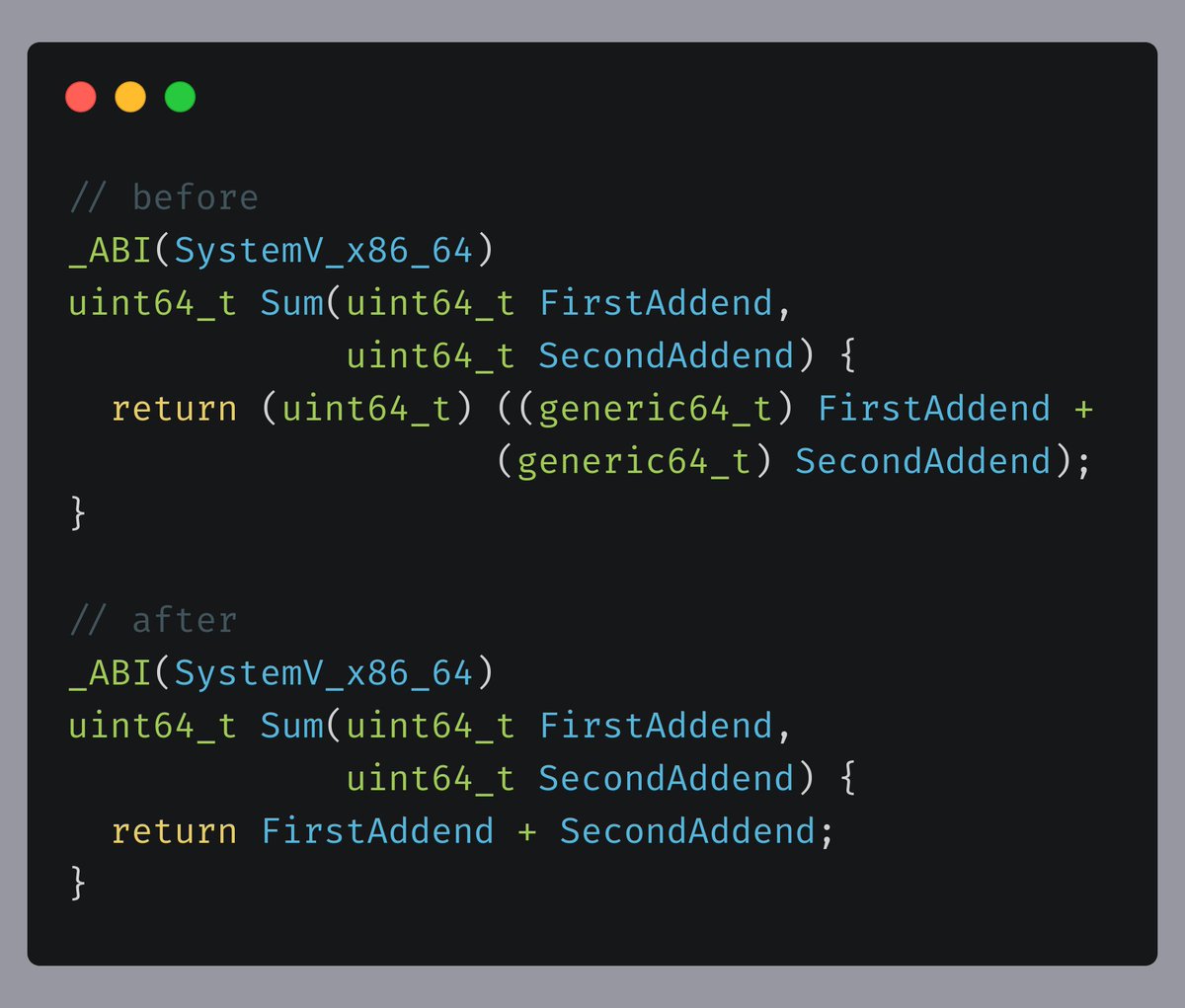

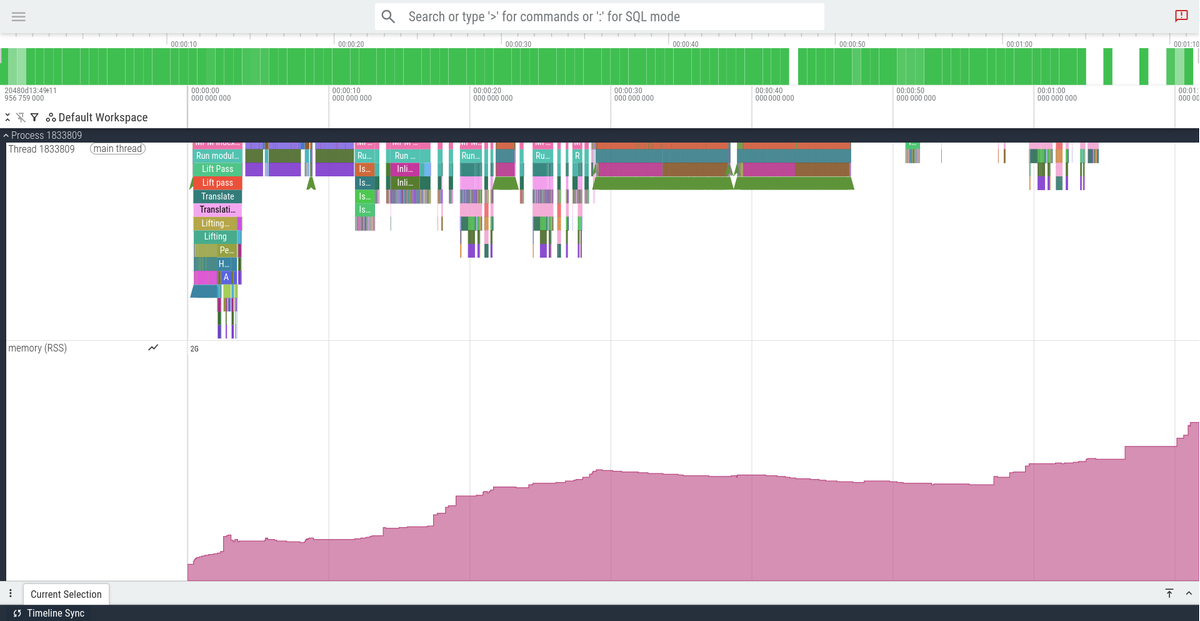

⚠️ We just merged the cast elision branch!
Now we no longer print all the 👻 casts, i.e., those that, according to the C standard, are implicit.
Big win for readability without resorting to "hide all casts" as some other tools do 😉
Design document (REP60): pad.rev.ng/s/jbM3NmEVq
1
5
887
Presentation: pad.rev.ng/p/wSccC86ts#/
Also available on YouTube: youtu.be/jrZ56K3Sl_k
6
977
Presentation: pad.rev.ng/p/5hyplXyv5#/
Also available on YouTube: youtube.com/watch?v=vV-Oi6nU…
461
rev.ng retweeted

Mar 10
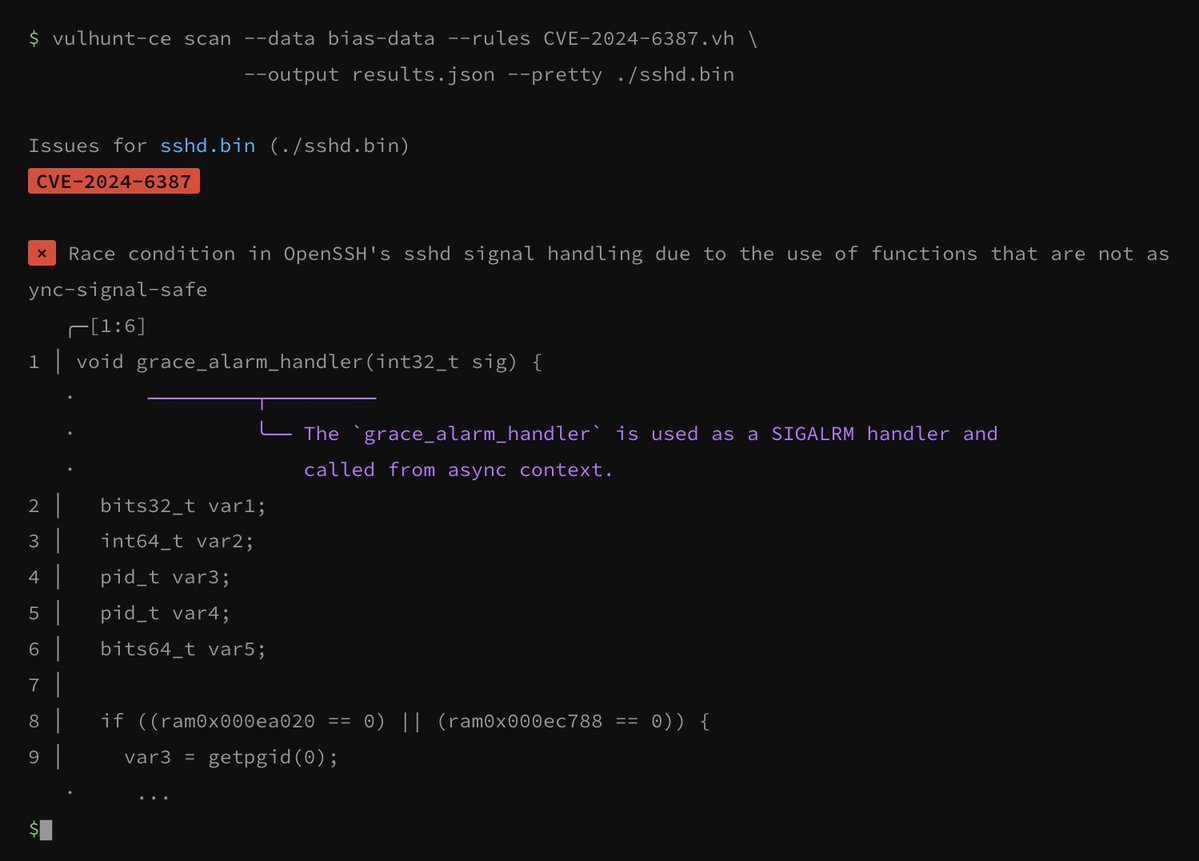
VULHUNT IS OPEN SOURCE
you can now use our binary analysis and querying engine for your own research or let an agent go ham with the MCP.
the team also did an amazing job to ship comprehensive docs and blog posts with the details, check them out!
Mar 7

We @binarly_io just open-sourced our VulHunt framework at @REverseConf!
GitHub: github.com/vulhunt-re/vulhun…
Documentation: vulhunt.re/docs
Slack: join.slack.com/t/vulhunt/sha…
vulhunt.re
11
27
113
10,065
🎉 The 10th Nix Milano Unconference is back at our HQ!
Limited seats, so secure your spot and join us!
📅 Saturday, Mar 14, 2026 | 9:30 AM
📍 Via Carlo Farini 57A, Milan
🔗 mobilizon.it/events/096bf456…
2
477
Presentation: pad.rev.ng/p/3chrWgT5d#/
Also available on YouTube: youtu.be/OCBLTMKLGAk
5
1,200