🇨🇺🪬😷🏳️🌈 COVID, Palestine, climate, & the police state are all the same issue samantics.bsky.social
Joined July 2013
- Tweets 3,772
- Following 1,527
- Followers 560
- Likes 45,496
310 Photos and videos












centers for disease circulation & proliferation retweeted

Jun 12
being gay with a birthday during pride month

181
6,420
85,252
799,057
centers for disease circulation & proliferation retweeted

Jun 13
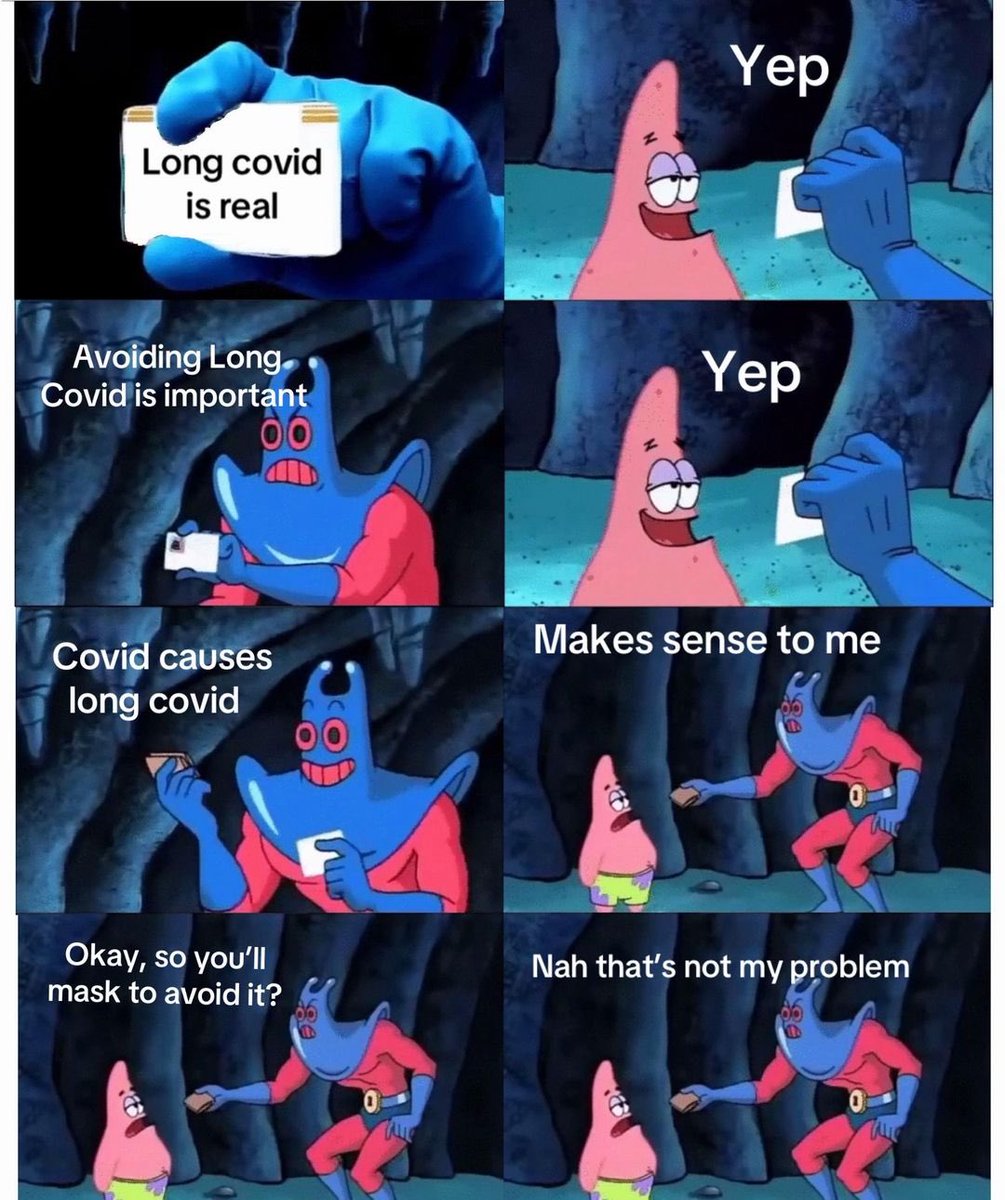
Made by me lol!
6
208
1,008
7,504
centers for disease circulation & proliferation retweeted

Jun 11
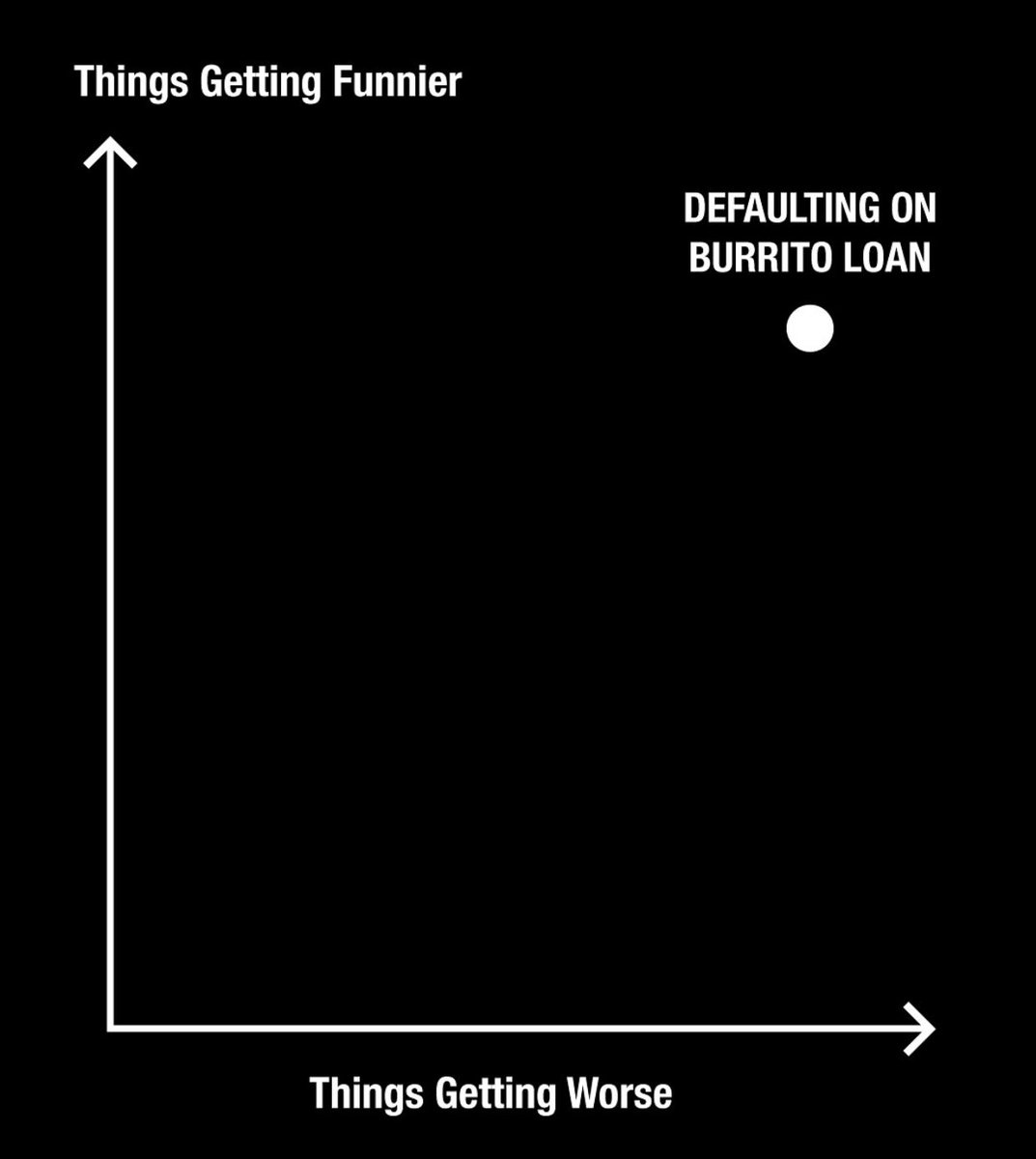
Thinking about this one again
10
769
14,905
136,948
centers for disease circulation & proliferation retweeted

the fact that we didn’t go all in on solar power the second we discovered it is still so crazy to me
530
8,186
152,544
5,755,728
centers for disease circulation & proliferation retweeted

Jun 11
when someone follows you on letterboxd and likes your reviews

17
1,533
14,738
134,021
centers for disease circulation & proliferation retweeted

Jun 11
If you’ve had COVID, please have a full thyroid panel done and your antibodies for Hashimoto’s. I don’t care if you think long COVID is fake. As a first waver that was diagnosed with Hashimoto’s and had to have a thyroidectomy, I’m telling you. Watch your levels.
4
17
116
3,280
centers for disease circulation & proliferation retweeted

Jun 10
We must resist the normalization of mass death. I am asking you to look directly at what is happening in the world and call it what it is.
If we become comfortable with the suffering of others, we should not be surprised when that same indifference reaches our own doorstep.
20
496
1,555
13,600
centers for disease circulation & proliferation retweeted

Jun 10
we live in age of great moral panics about things that don’t matter and zero moral outrage over some of the most egregious societal sins we’ve ever seen
176
10,996
59,687
854,676
centers for disease circulation & proliferation retweeted

Jun 9
i’m actually stealing AI’s job (wasting resources and making up stupid shit)
58
4,470
38,114
747,500
centers for disease circulation & proliferation retweeted

Jun 8
go see I love boosters!!

43
4,870
30,638
283,391
centers for disease circulation & proliferation retweeted

How can you enjoy sex it has no deckbuilding or roguelike gameplay elements to make each run unique
315
7,335
89,543
1,693,581
centers for disease circulation & proliferation retweeted

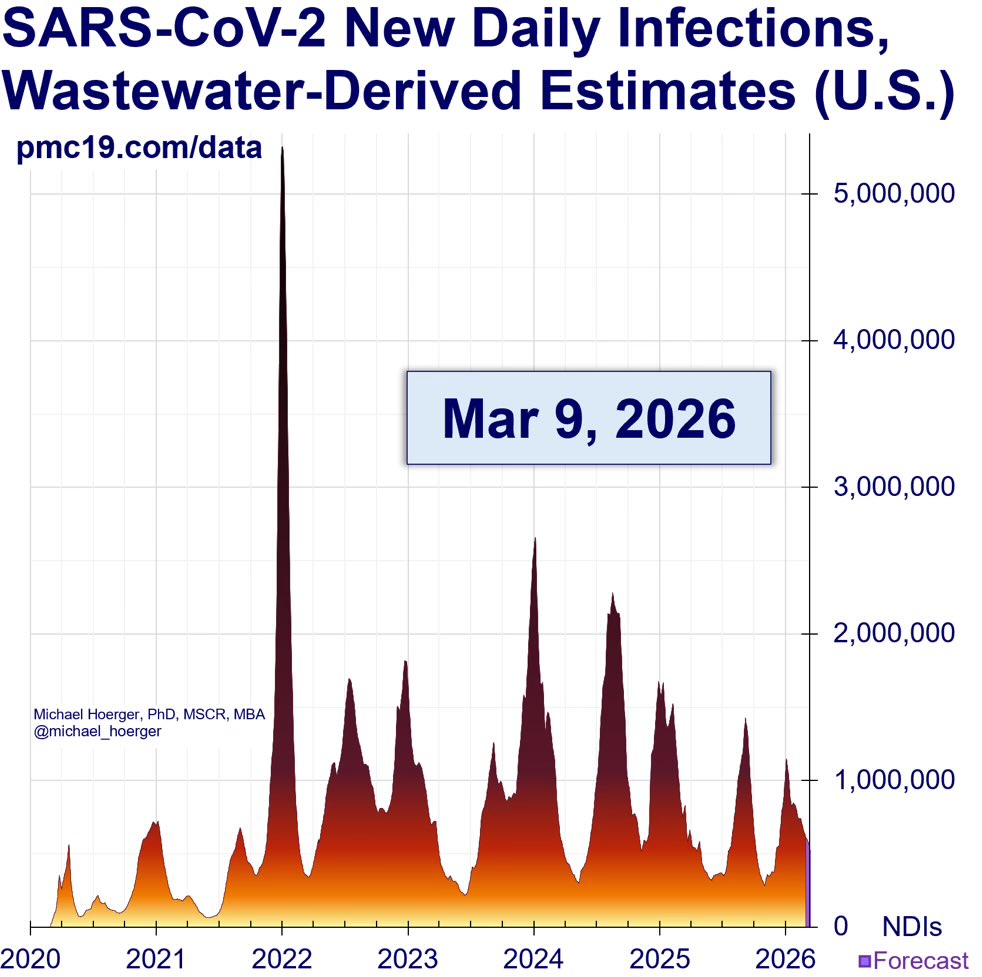
Monday we officially launched our national county-level COVlD heatmap and called on the CDC to do the same.
They have not updated their main wastewater map yet. However, the CDC did update their main ED forecasting map with county-level data. #KeepFighting
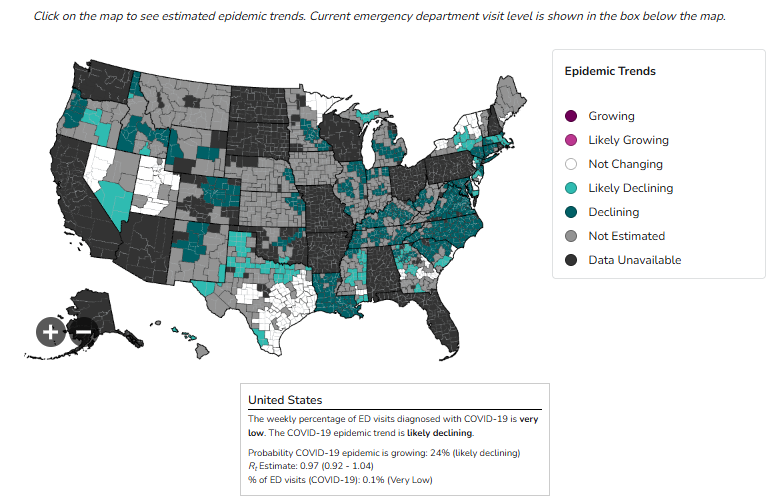
ALT National county-level forecasting map (CDC), ED visits for COVlD

PMC Update (Jun 1, 2026)
COVlD levels are "very low" relative to other time periods. 1 in 277 US residents are estimated actively infectious.
However, there active hot spots in the Central Appalachia Region, Guam, Franklin County (WA), & Morgan County (AL).
🧵1/5
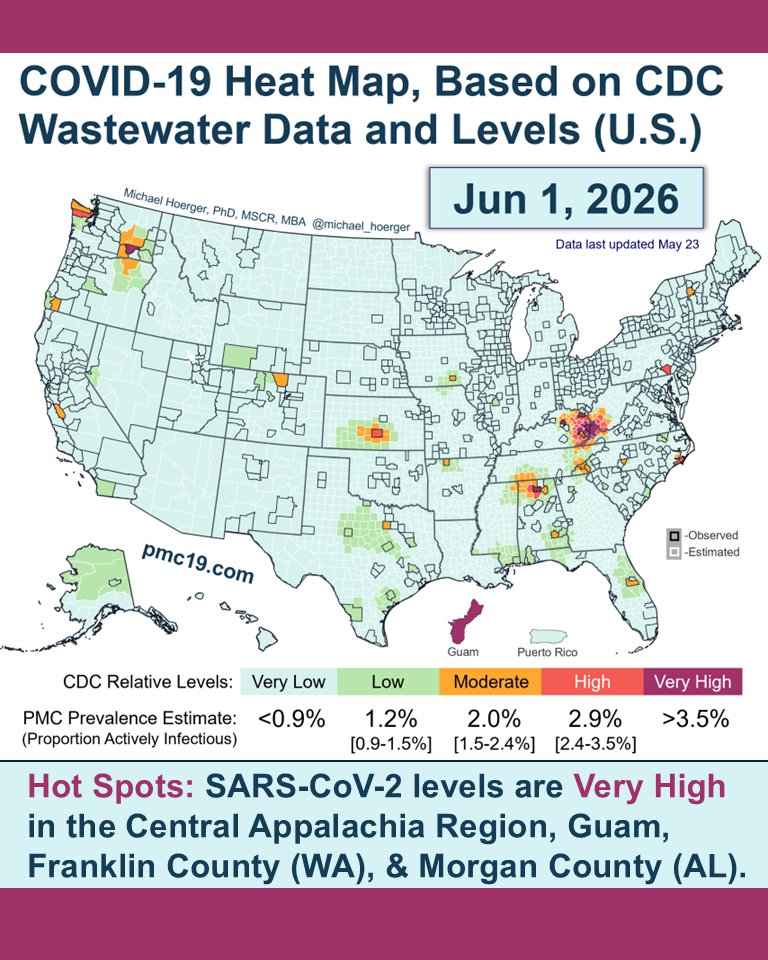
ALT National county-level heat map using CDC data
12
126
548
18,937




centers for disease circulation & proliferation retweeted

Bjork with a stud gf like Wow there is beauty in this world despite the horrors
2
792
5,537
61,562
centers for disease circulation & proliferation retweeted

People are only hating on The Backrooms because it dares to imagine a queer-friendly third space
7
590
5,608
71,301
centers for disease circulation & proliferation retweeted

Brain health is huge reason I take precautions (ie wear n95 everywhere, avoid crowds, don’t eat/drink inside in public).
I know 2 people early 60s who developed early dementia after 2-3 covid infections. My mom’s already failing cognition also got worse after her 1st infection.

Data published in npj Dementia shows older Covid survivors experience a 41% increased risk of all-cause dementia and a staggering 77% increased risk of vascular dementia compared to uninfected controls.
Leadership and health "care" have abandoned us to this.

14
181
683
27,629
centers for disease circulation & proliferation retweeted

Jun 3
love saying no when my dr asks if they can use ai during my virtual visit

2
33
417
centers for disease circulation & proliferation retweeted

Jun 3
i hope the next global trend will be empathy and critical thinking.
938
92,658
383,593
6,175,217
centers for disease circulation & proliferation retweeted

Jun 1
“🚨NORWEGIAN CONFIRMATION BOMBSHELL:
COVID infection leaves lasting, hidden scars on the heart muscle, even years later.”
A Cardiovascular & Thoracic Surgeon is trying to warn you.
But you keep listening to politicians & billionaires.
May 31

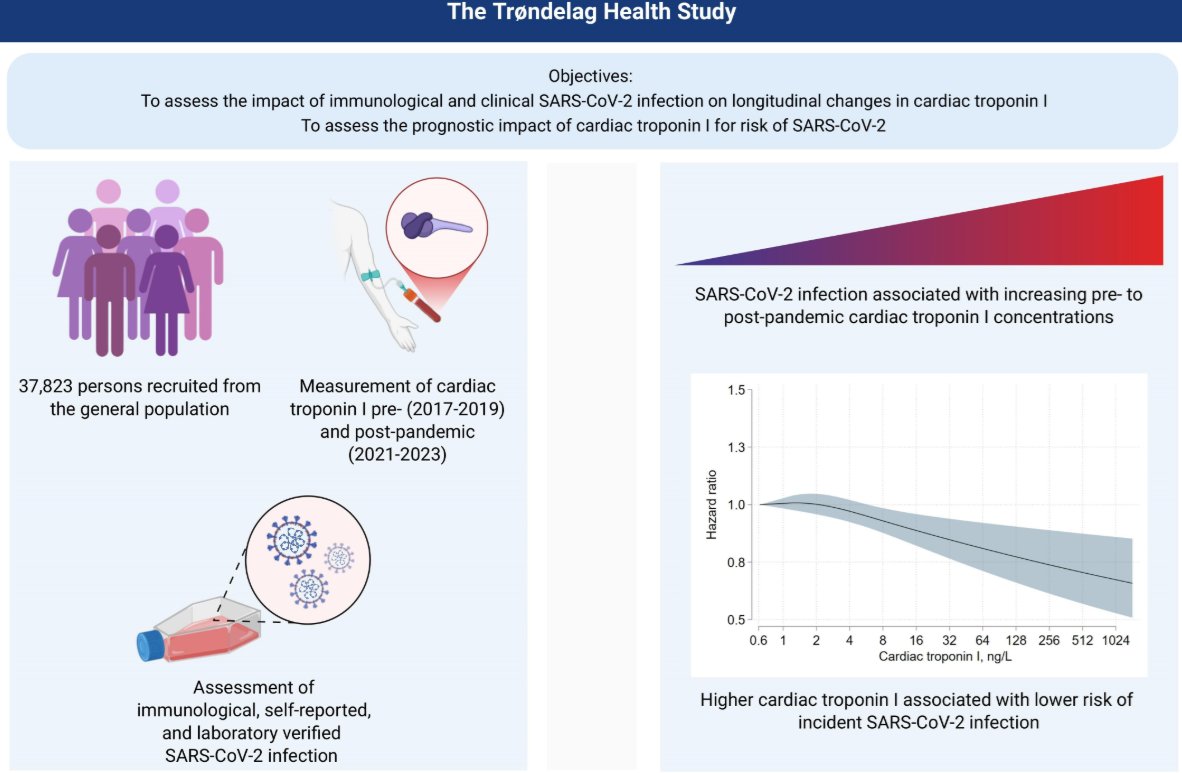
Impact of SARS-CoV-2 infection on subclinical myocardial injury in the general population: the Trøndelag Health Study
🚨NORWEGIAN CONFIRMATION BOMBSHELL:
COVID infection leaves lasting, hidden scars on the heart muscle, even years later.
"An elevated cardiac troponin I (cTnI) level indicates the presence of heart damage!"
➡️Study:
- This was a prospective longitudinal cohort study within the Trøndelag Health Study (HUNT), a large population-based survey in Norway,
- Researchers measured high-sensitivity cardiac troponin I (hs-cTnI), a sensitive blood marker of subclinical myocardial (heart muscle) injury, at baseline before the COVID-19 pandemic (2017–2019) in 37,823 general-population adults,
- The same marker was then re-measured after the pandemic wave (2021–2023) in the 19,550 participants who returned for follow-up,
- SARSCoV2 infection status was rigorously determined at follow-up via spike and nucleocapsid IgG antibody tests in blood, combined with self-reported infection history and any available laboratory confirmation of prior infection,
- Infection was defined using nucleocapsid IgG (specific to natural infection, not vaccination) plus spike IgG, self-report, and lab confirmation, precisely to capture true infections regardless of vaccination,
➡️Pre-infection result:
- Higher baseline hs-cTnI was associated with a lower risk of subsequent SARSCoV2 infection,
➡️Post-infection result:
- Confirmed SARSCoV2 infection (any definition) was independently linked to higher post-pandemic hs-cTnI concentrations and a significantly greater probability of an increase in hs-cTnI from pre- to post-pandemic levels, after full adjustment for confounders and baseline troponin,
➡️Vaccination:
- Study reports that 98.9% of participants were vaccinated and explain(in Methods) why they used nucleocapsid IgG (not spike) to avoid vaccine confounding,
➡️Limitations:
- Correctly sited and commented,
- No data on symptoms, asymptomatic/mild/severe cases, or hospitalization, but one may rightfully assume that the majority were mild SarsCoV2 cases,
➡️Conclusion:
“SARSCoV2 infection is associated with increased risk of developing chronic subclinical myocardial injury in the general population, but pre-existing chronic subclinical myocardial injury is not associated with increased risk of contracting SARS-CoV-2.”
‼️To all minimiser still shrugging off SARS-CoV-2 as “just a cold” or “over”: this Norwegian study proves every infection silently scars hearts across the general public with lasting subclinical damage, and with the now-established cumulative cardiac injury from reinfections, your denial is quietly killing many! WAKE-UP!
#AvoidSars2 #AvoidReinfections
academic.oup.com/eurjpc/adva…
5
223
589
14,367

RT @NatalieGABand: “Woke 1.0” and it’s describing the cascading effects of the murder of Trayvon Martin& protests in Ferguson.
213