
We partner across business, government and civil society to design data-backed, collaborative solutions to create real, scalable impact on the ground.
Joined November 2010
- Tweets 6,651
- Following 1,251
- Followers 3,471
- Likes 6,447
2,788 Photos and videos



Jun 12
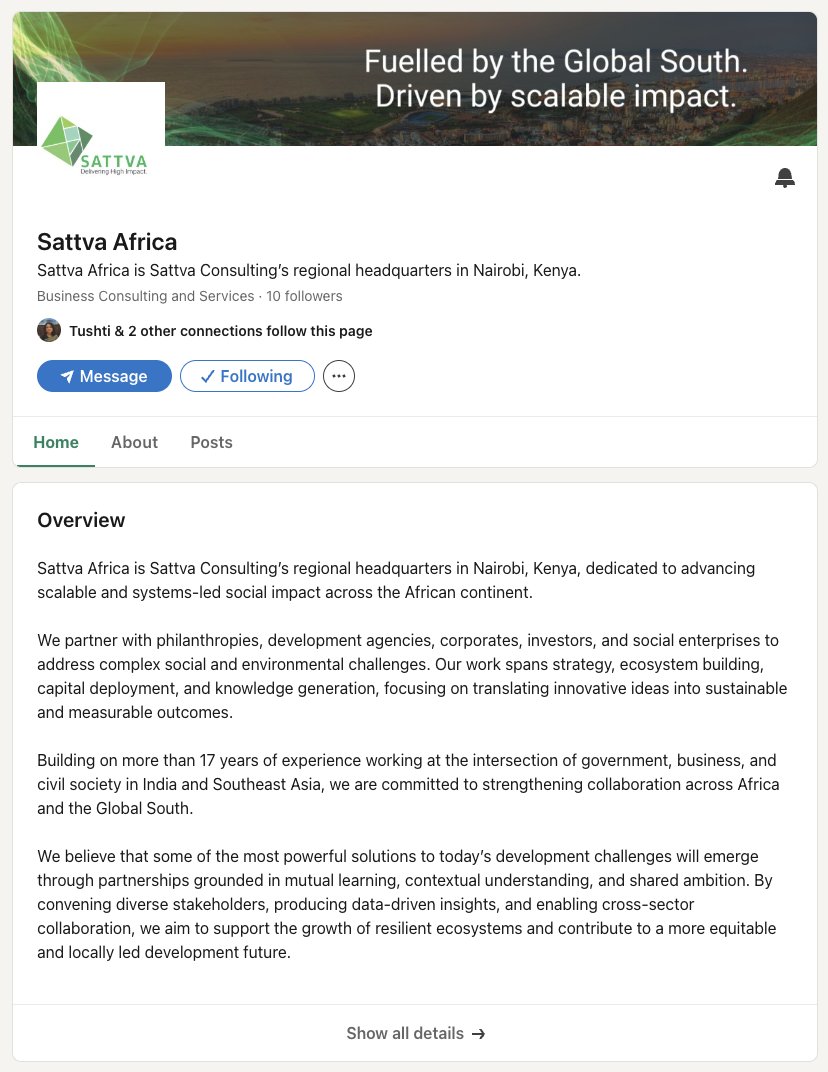
Our Sattva Africa page is now live! After inaugurating our regional office in Nairobi, Kenya, we have set up our LinkedIn page to drive deeper partnerships and collaborations, to learn from and share insights and experiences that shape development work, and to connect with other practitioners passionate about scalable impact.
Check it out, give us a follow, and spread the word!
2
17
Jun 12
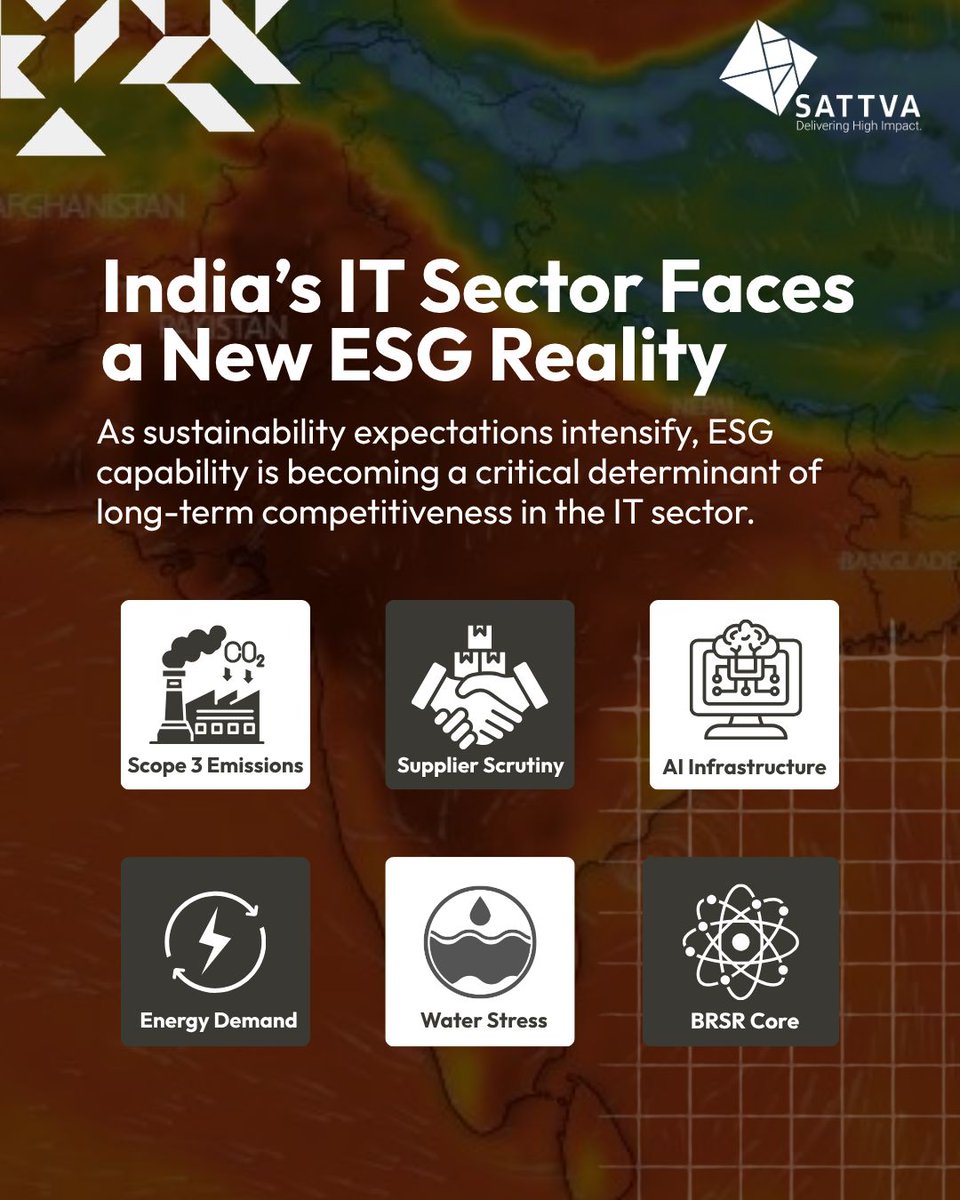
ESG Capability: A Competitive Advantage for India’s IT Sector
India’s IT sector is often seen as one of the country’s strongest ESG performers. However, aggregated scores can obscure the reality. While a few firms have mature systems in place, much of the sector is still developing the internal capability needed to respond to rapidly intensifying ESG expectations.
This shift is becoming increasingly significant with ESG beginning to shape procurement decisions, client relationships, infrastructure planning, and operational resilience, especially at a time when AI-driven growth is magnifying the sector’s energy, water, and resource footprint.
In this thought leadership piece, Snehank Shekhar, Senior Consultant - Sustainability and Business Advisory, Sattva Consulting, explores why the next phase of competitiveness for India’s IT sector may depend on the ability to operationalise ESG at scale.
Read the full piece here: sattva.co.in/quick-read/esg-…
To explore what evolving ESG expectations mean for your business, write to us at esg@sattva.co.in
#ESG #Sustainability #IT
2
36
Jun 11
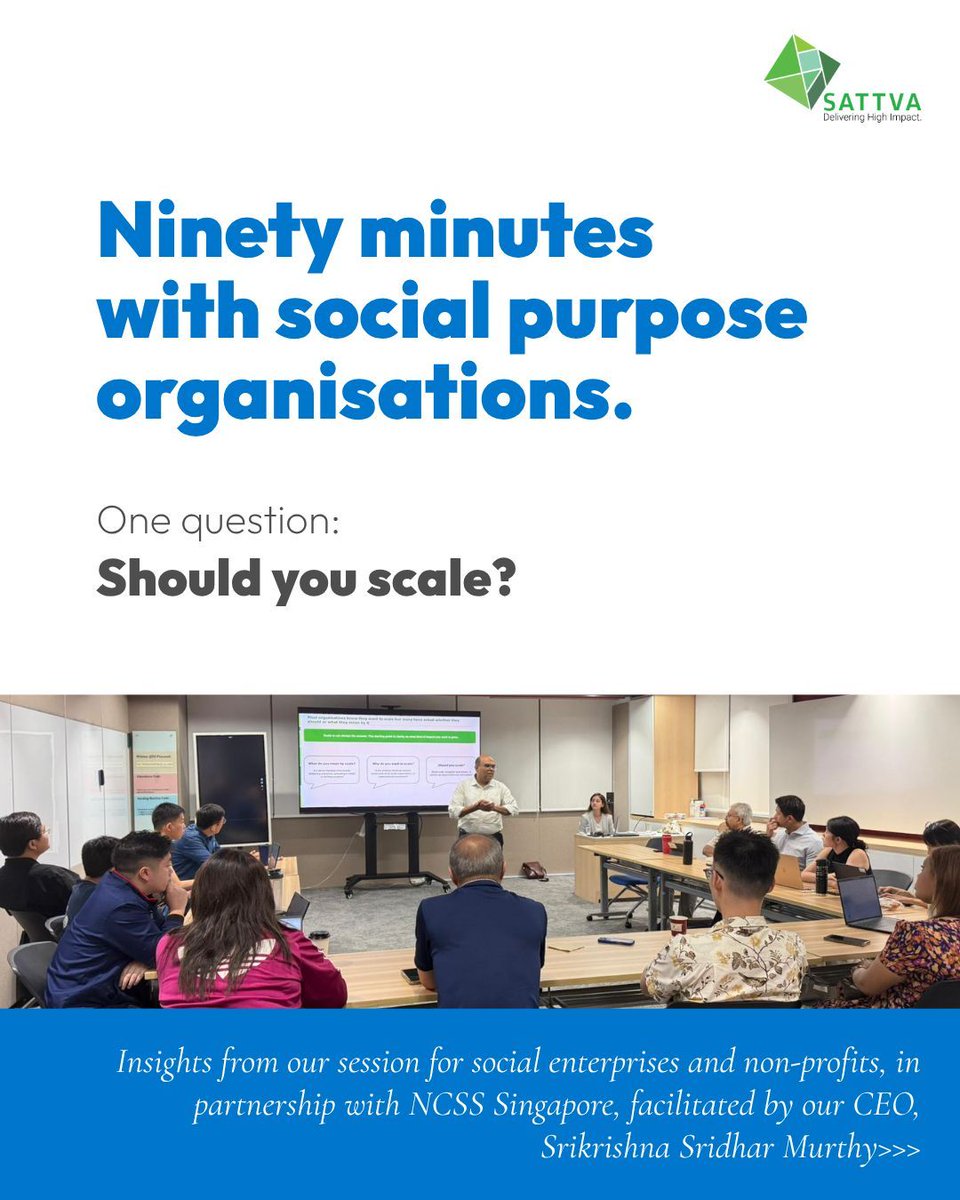
Many social purpose organisations don't pause long enough to ask whether scaling is the right next step, or what it would even mean to scale well.
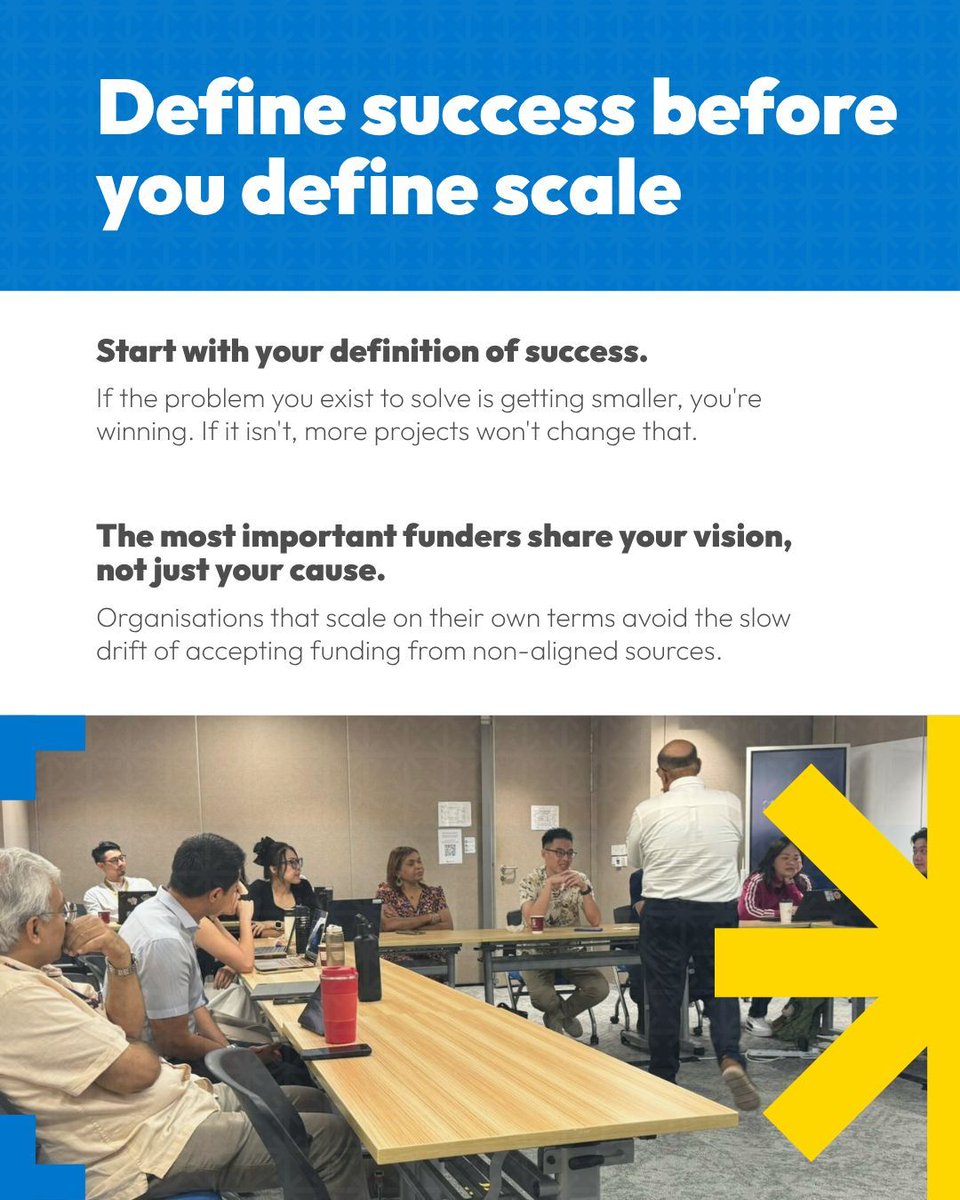
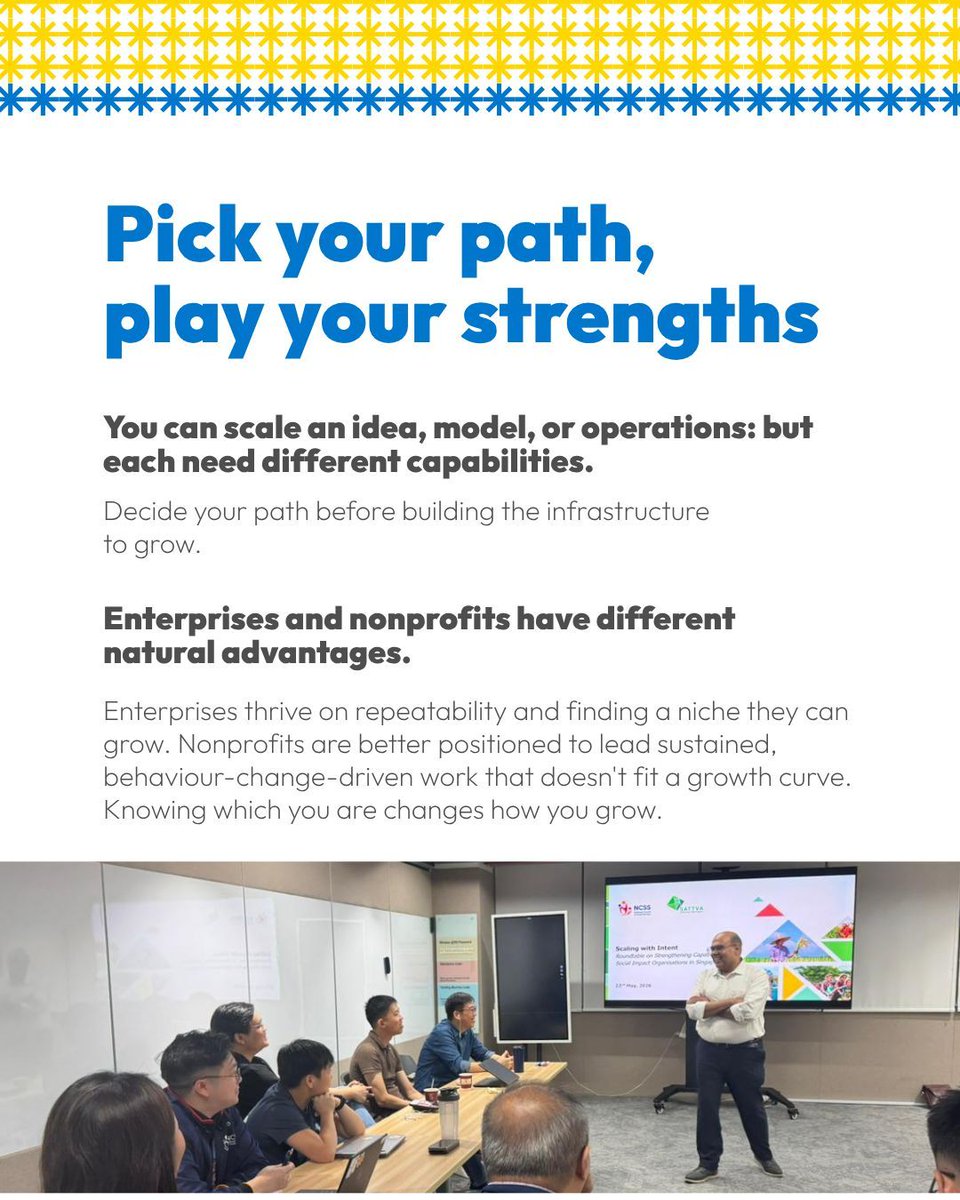
Last month our CEO, Srikrishna Sridhar Murthy, facilitated a session for a cohort of social enterprises and non-profits in partnership with NCSS Singapore, opening the floor for some of the harder conversations organisations rarely make time for.
Before an organisation chooses to scale, they should consider their ultimate ambition, the type of scaling (idea, model, or operations), the direction of their scaling (up, out, or deep), and the funders that will make this possible.
From redefining success in terms of problems solved to the importance of who you say ‘no’ to, the session was enriching and honest. One participant described it as the best learning session they had attended. For us, the highlight was a room that asked honest questions and didn't pretend scaling was simple.
Thanks to NCSS Singapore for the partnership and to every organisation that showed up ready to think out loud!
19
Jun 11
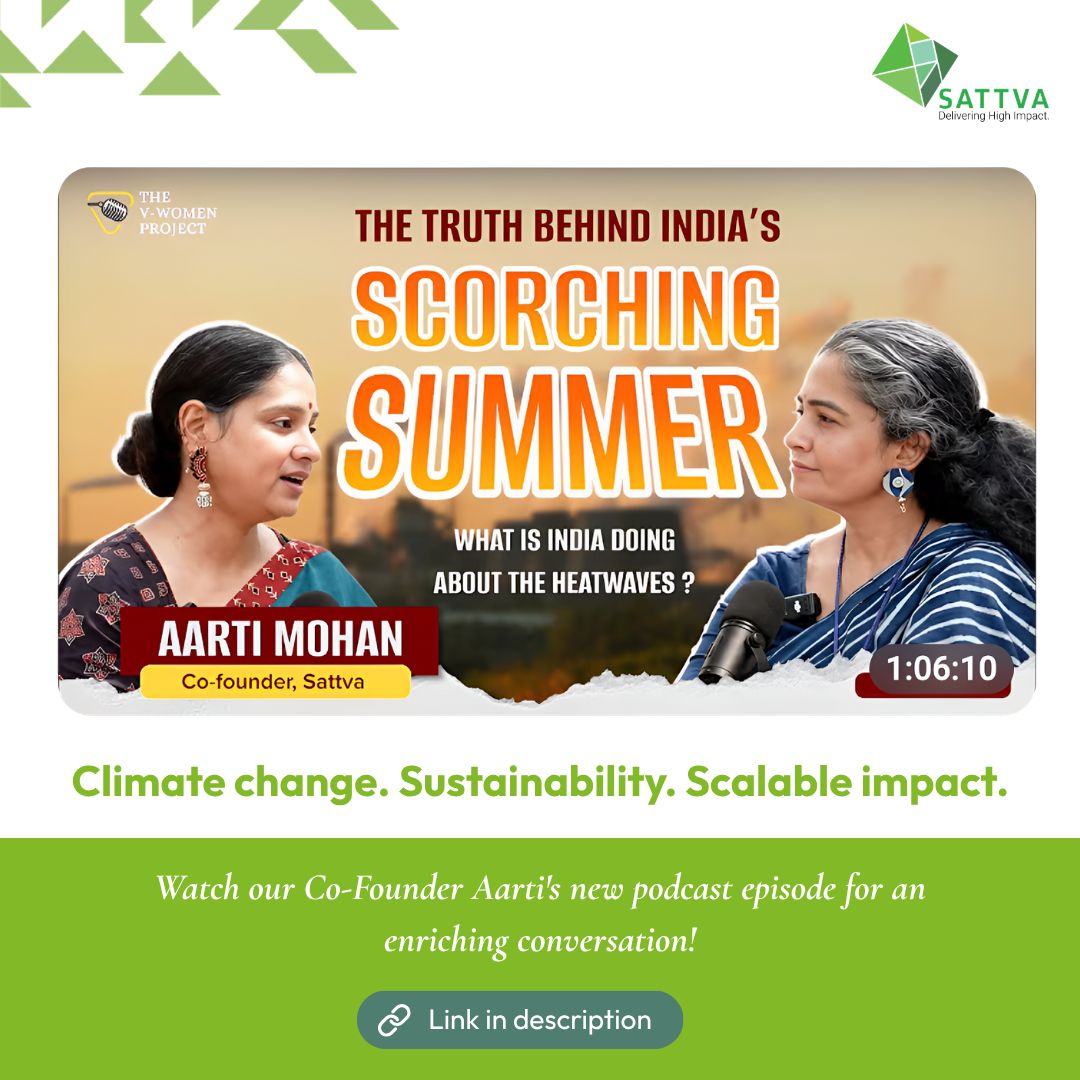
"Change is definitely happening, but it's important for us to take back what we can do as citizens, before what can be done overall as a system. It's the yin and yang of the entire system."
Our Co-Founder and Partner, Aarti Mohan, joined Vilasini Subramaniam for an honest, insightful conversation about climate action, sustainability, and the role each stakeholder can play - from corporates to citizens - in an episode of The V-Women Project.
Tune in for a delightfully refreshing environment-themed episode here: youtube.com/watch?v=Pmya_JOv…
#climate action #sustainability #summerheat
17
Jun 10
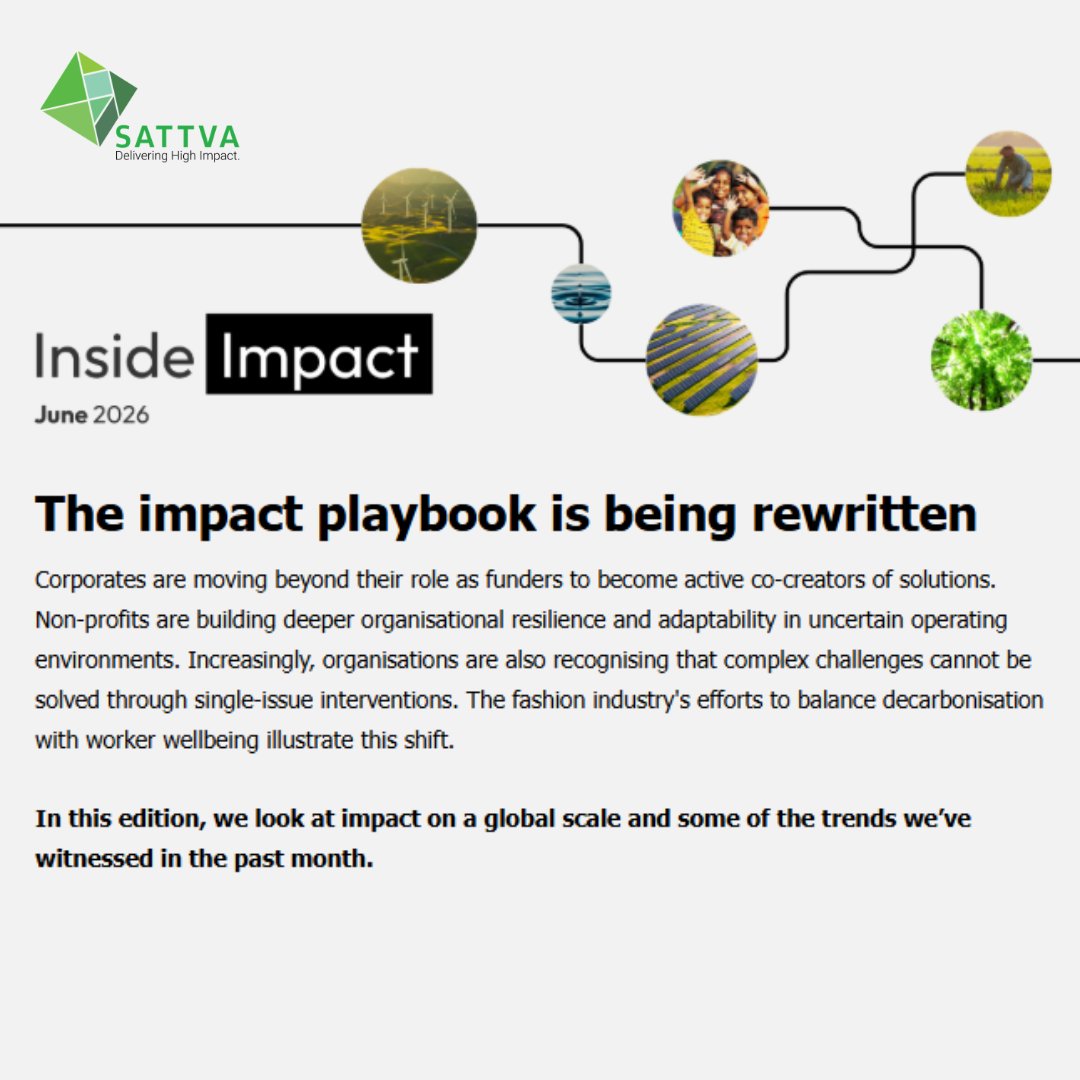
Inside Impact | The impact playbook is transforming! Find out why corporates need to invest in collaboration more than ever, why non-profits should resemble submarines, and how the fashion industry is balancing worker rights with the need to decarbonise.
Check out our newsletter for June: mailchi.mp/65937f8a2c97/2024…
#CSR #nonprofit #newsletter #impact
2
31
Jun 9
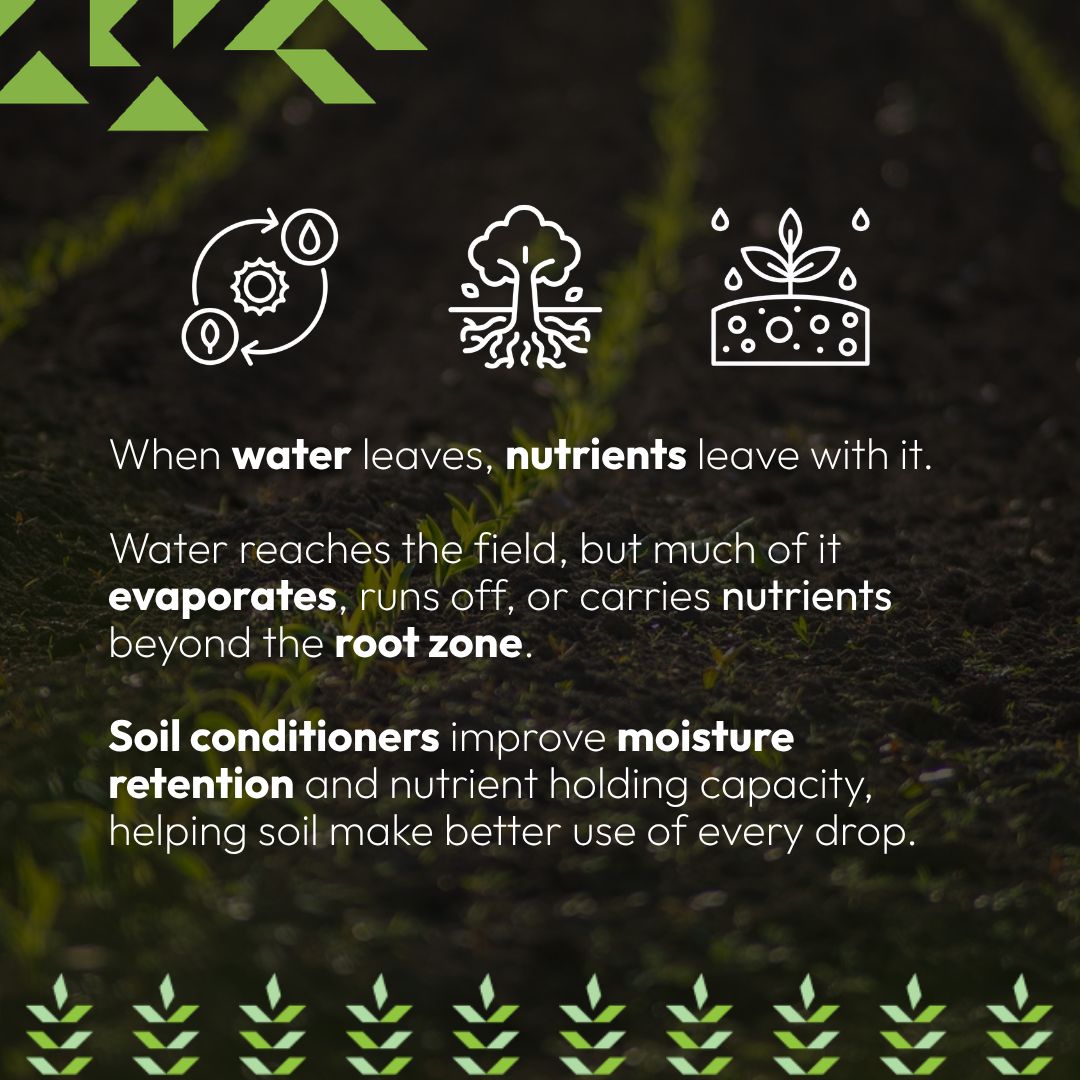
The conversation on sustainable agriculture often focuses on seeds, fertilisers, and irrigation. Far less attention is paid to the soil itself, how effectively it holds water, retains nutrients, and supports plant growth.
Yet the evidence is compelling!
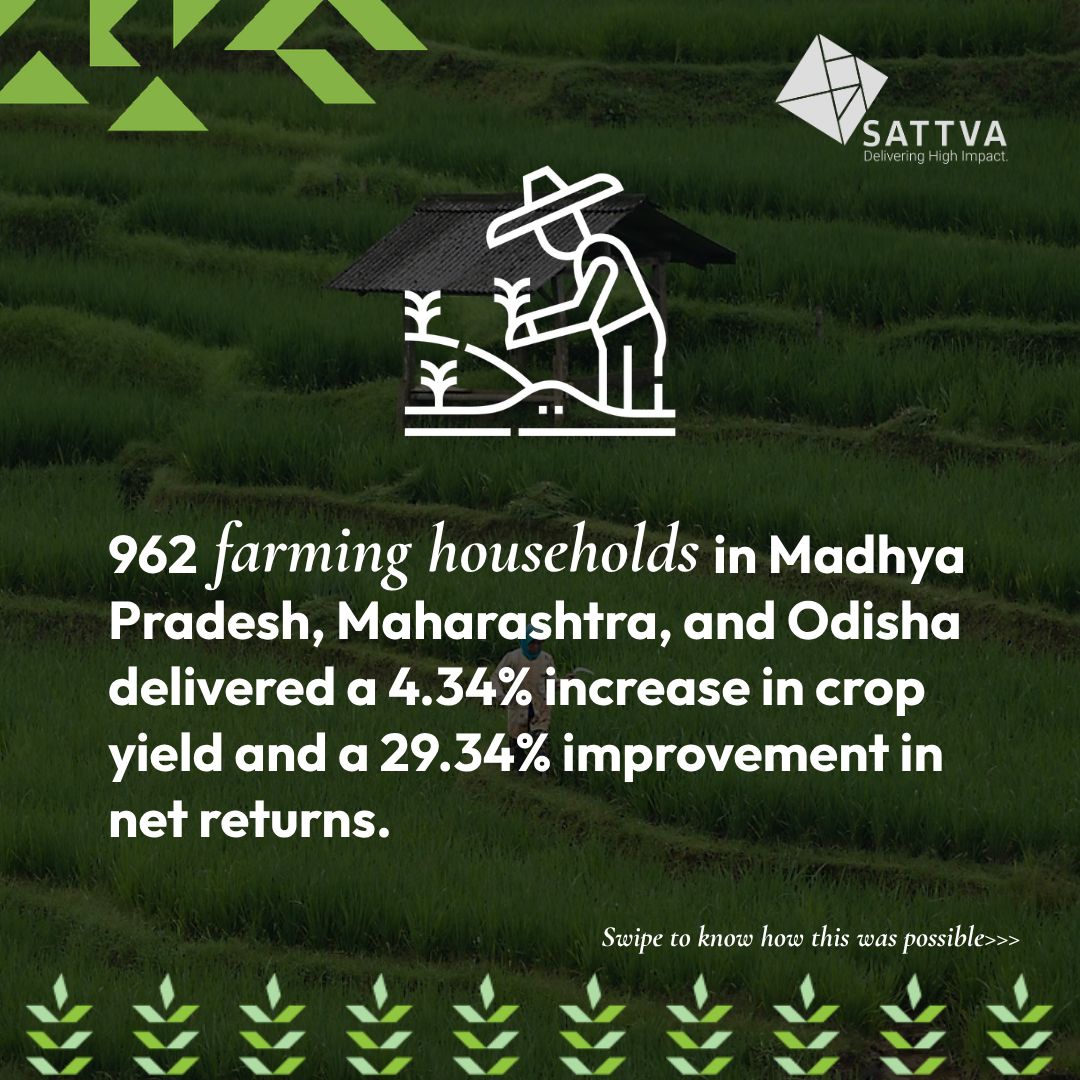
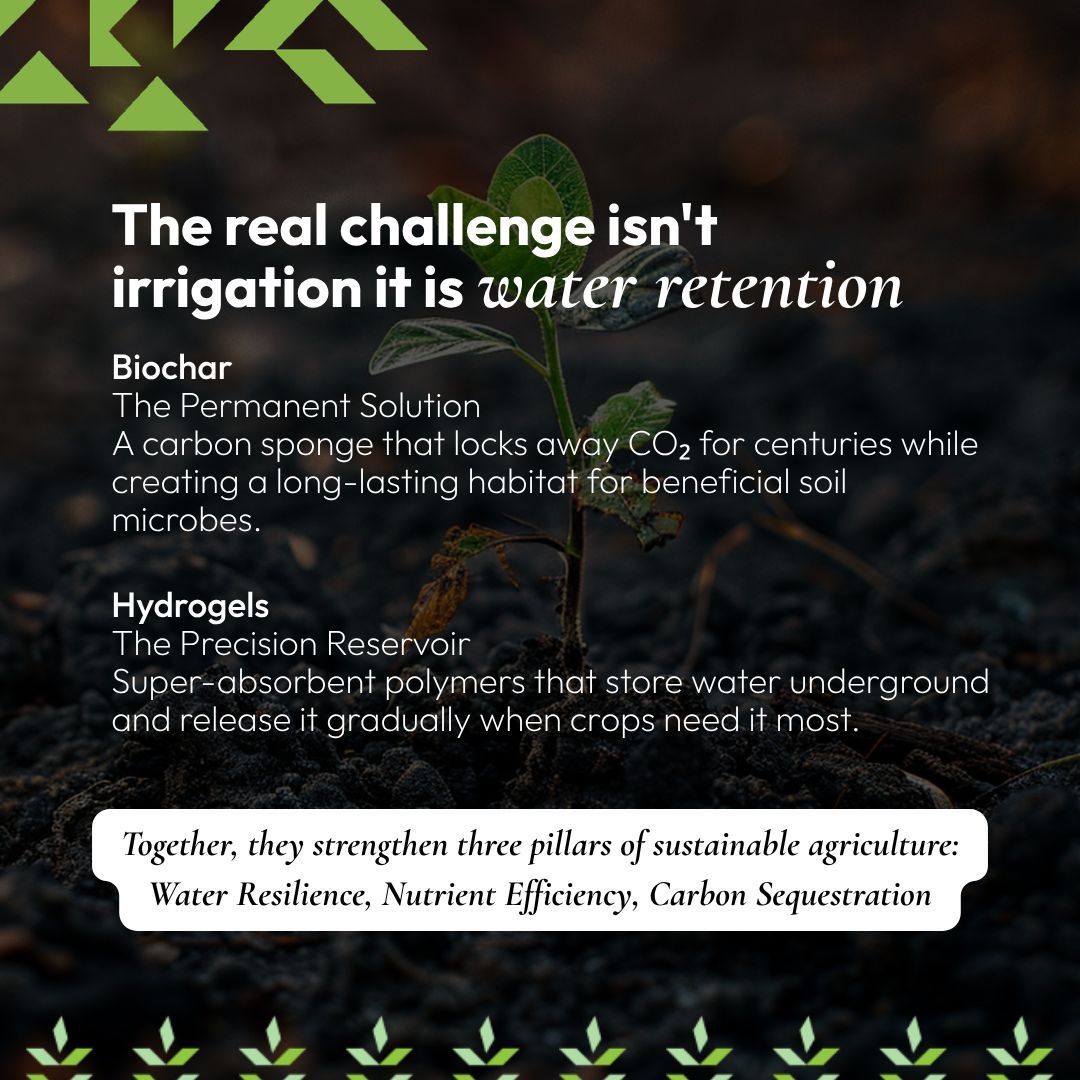
Biochar applications across 962 farming households in Madhya Pradesh, Maharashtra, and Odisha delivered a 4.34% increase in crop yields and a 29.34% improvement in net returns.
In the Indo-Gangetic plains, hydrogels improved soybean-wheat system yields by up to 52.7% under rainfed conditions.
Together, these soil-conditioning solutions address three critical priorities simultaneously: higher productivity, better input efficiency, and carbon sequestration.
For agri-projects seeking on-ground impact, our experts can help. Write to us at impact@sattva.co.in
#SoilHealth #SustainableAgriculture #RegenerativeAgriculture #FoodSecurity
1
2
33
Jun 9
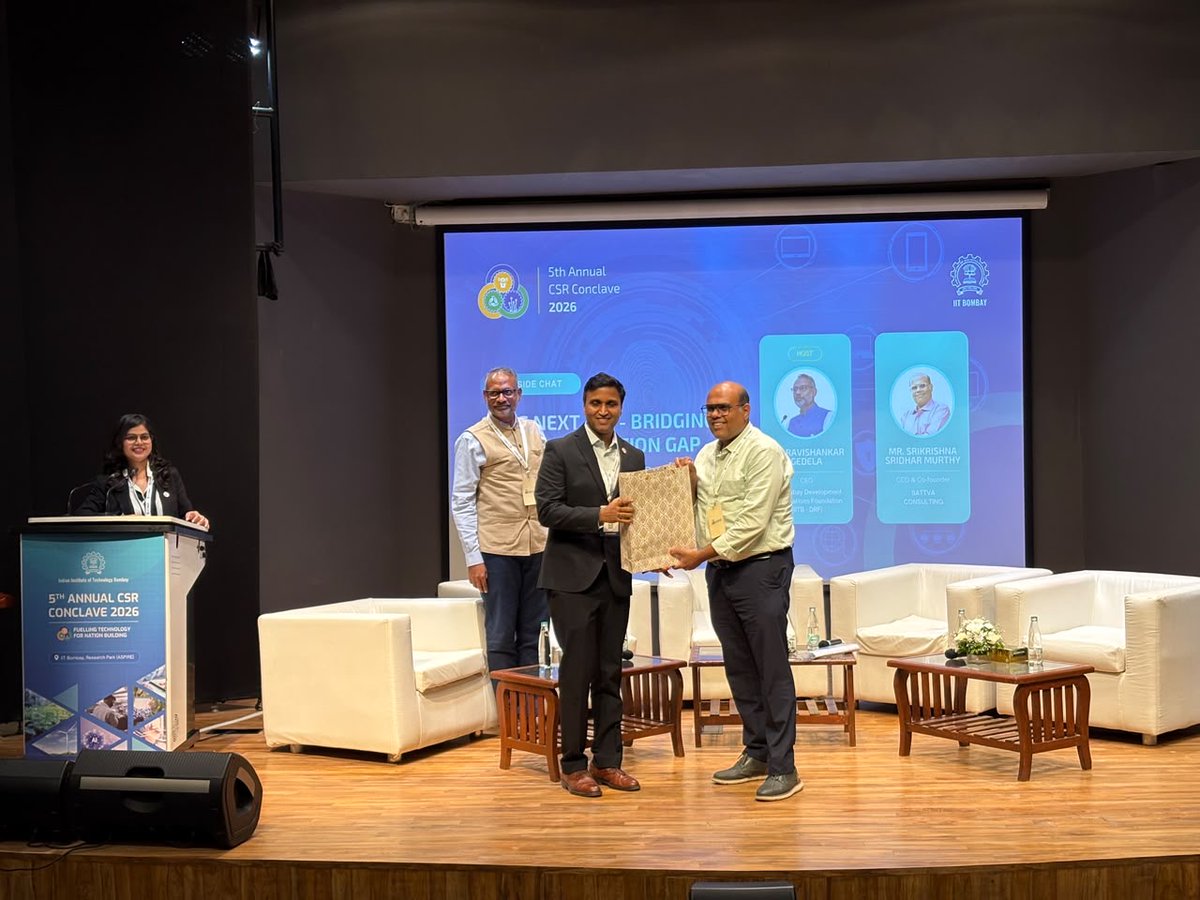
“What’s the one change we need in the CSR ecosystem?”
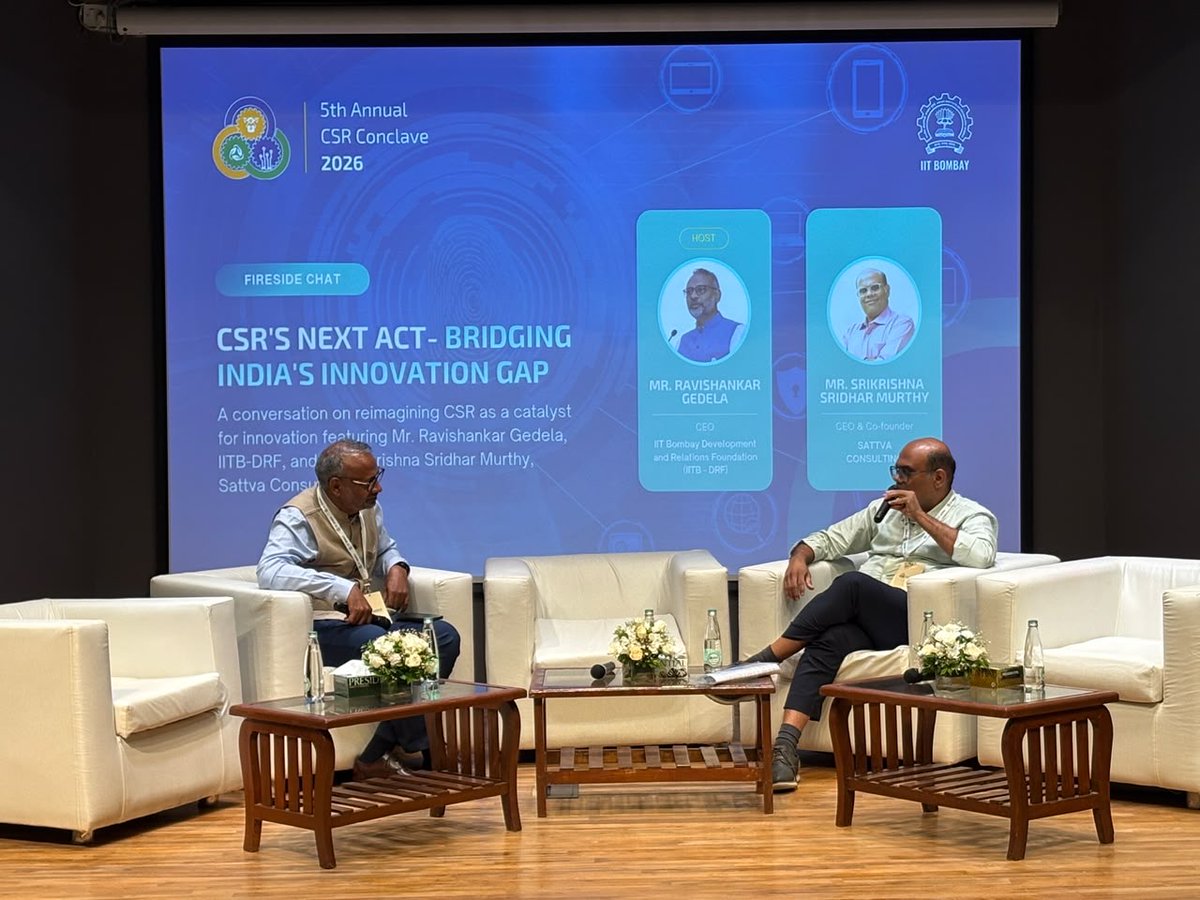
That was the question posed to our CEO and Co-Founder, Srikrishna Sridhar Murthy, at IIT Bombay’s CSR Conclave, where he spoke on “CSR’s Next Act: Bridging India’s Innovation Gap.”
His answer was simple: we need greater awareness of how easy it already is for companies to support research and innovation through CSR. Many businesses still see #innovation funding as complex and compliance-heavy, but two realities are changing that perception:
1. When companies support eligible research and innovation initiatives, they are not directly responsible for ongoing compliance monitoring and impact measurement
2. There is a real opportunity to deploy more capital. Companies have CSR funds available, but NGOs alone cannot absorb all of it. That creates space for corporates to directly support #research institutions and innovation-led projects.
The fireside chat focused not just on #CSR trends, but on the structural shifts needed to unlock larger, more meaningful investments in innovation across India.
1
31
Jun 8
By 2050, heatwave days in Indian cities could increase four- to seven-fold. Peak temperatures are projected to climb to nearly 49°C.
We talk frequently about global warming, but the localized reality of urban heat stress is quickly becoming one of India's most urgent developmental and humanitarian threats.
In this episode of #DecodingImpact (DI), we confront this changing climate landscape and ask: How do we transition from just acknowledging the crisis to executing scalable, population-level action?
In our 2025 landscape study supported by the H T Parekh Foundation, we looked closely at the vulnerabilities of our expanding urban spaces, particularly Tier 2 and Tier 3 cities. As we highlight on the report, cooling can no longer be treated as a luxury or a matter of convenience, it is fundamentally a matter of human survivability and economic resilience.
When temperatures spike to near-unlivable limits, the structural pressure falls squarely on informal settlements, outdoor workers, public health infrastructure, and municipal grids.
Fragmented, ad-hoc cooling efforts are no longer enough. We must build robust data frameworks, foster multisectoral collaboration, and design institutional policies that integrate climate-resilient cooling directly into our urban infrastructure.
Watch our latest Episode on navigating the realities of urban heat stress: youtube.com/shorts/gNhAO7DsK…
Read the full strategic landscape report via Sattva Consulting: sattva.co.in/publication/nav…
#DecodingImpact #UrbanHeat #ClimateAction #Sustainability #PolicyDesign #UrbanResilience #SattvaConsulting #PublicHealth #SustainableCities
1
58
Jun 5
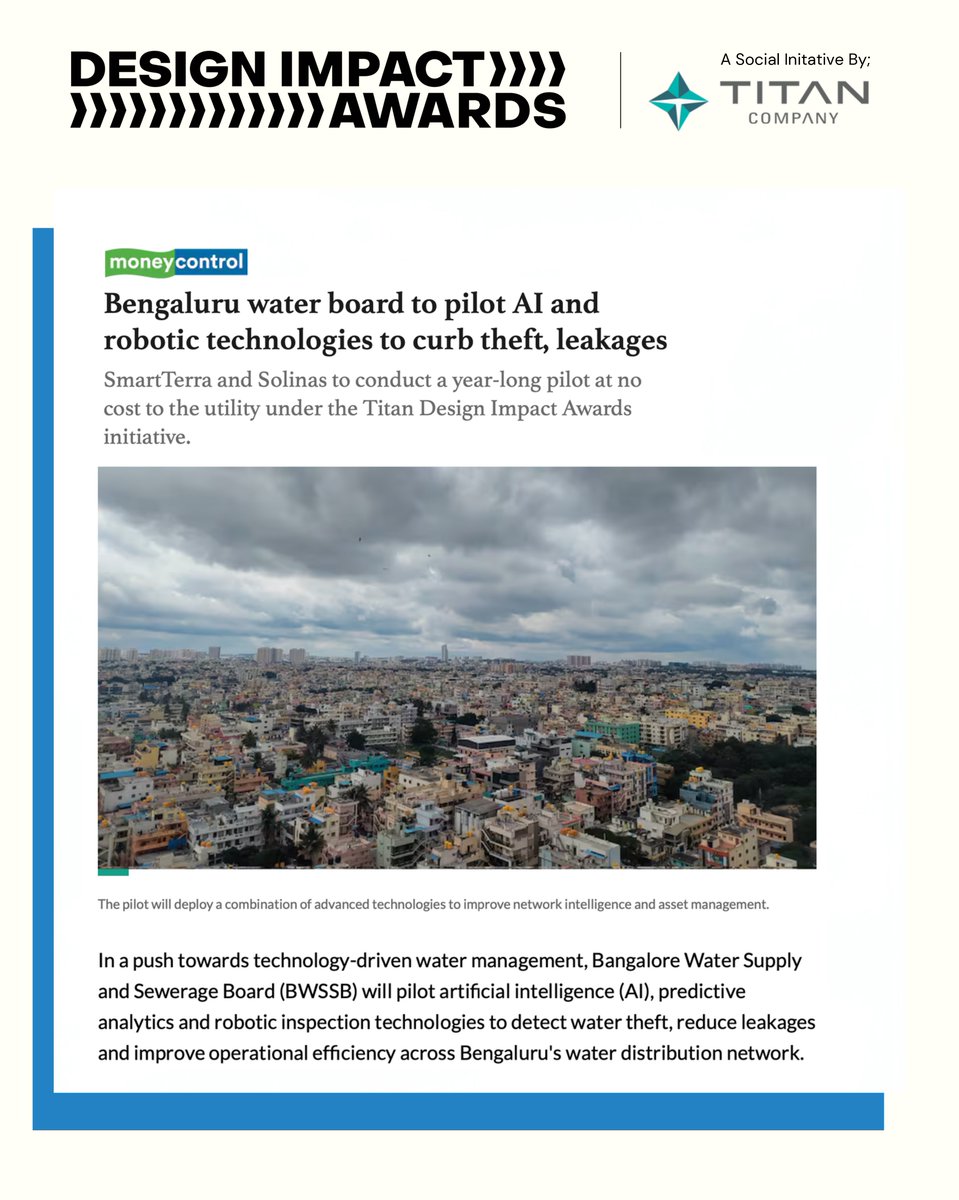
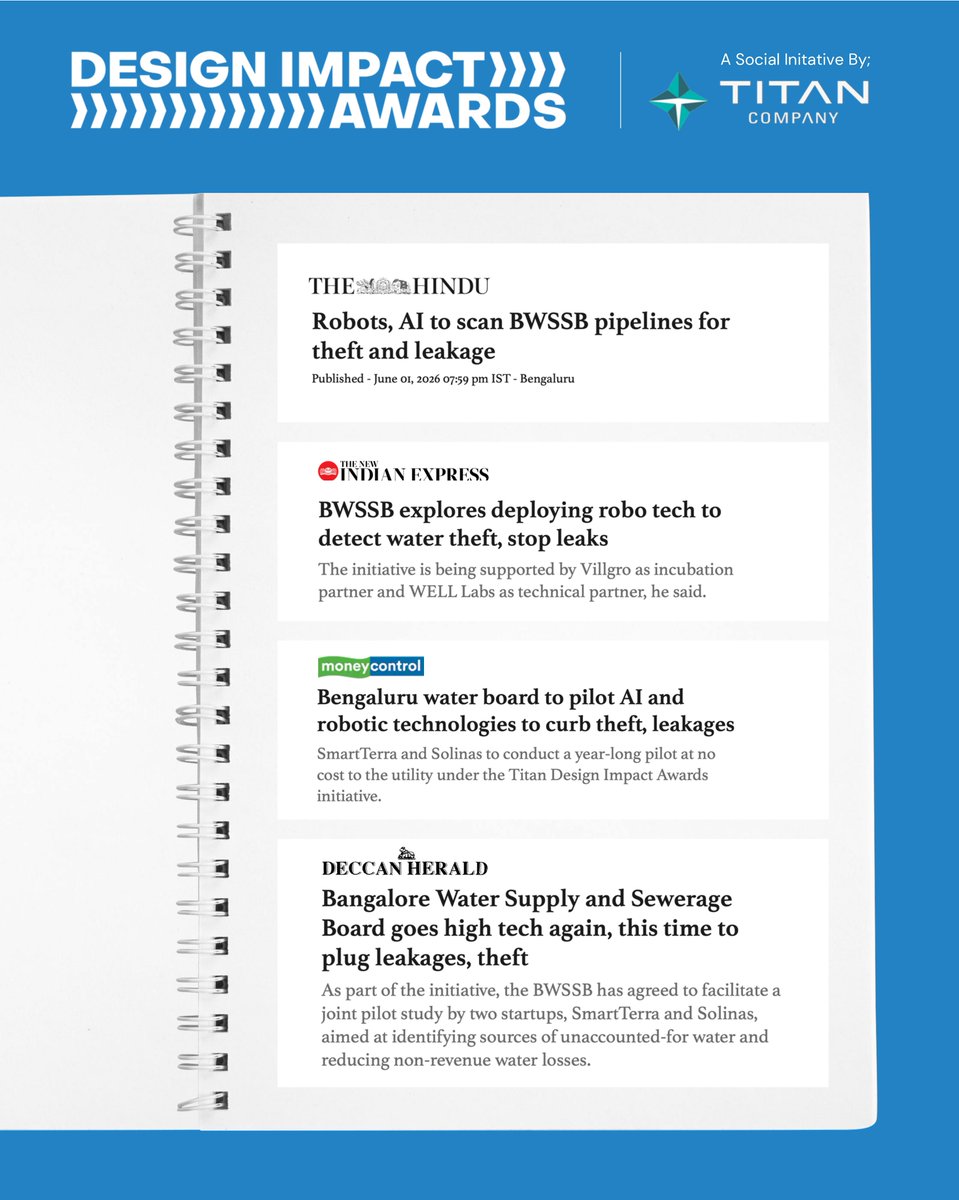
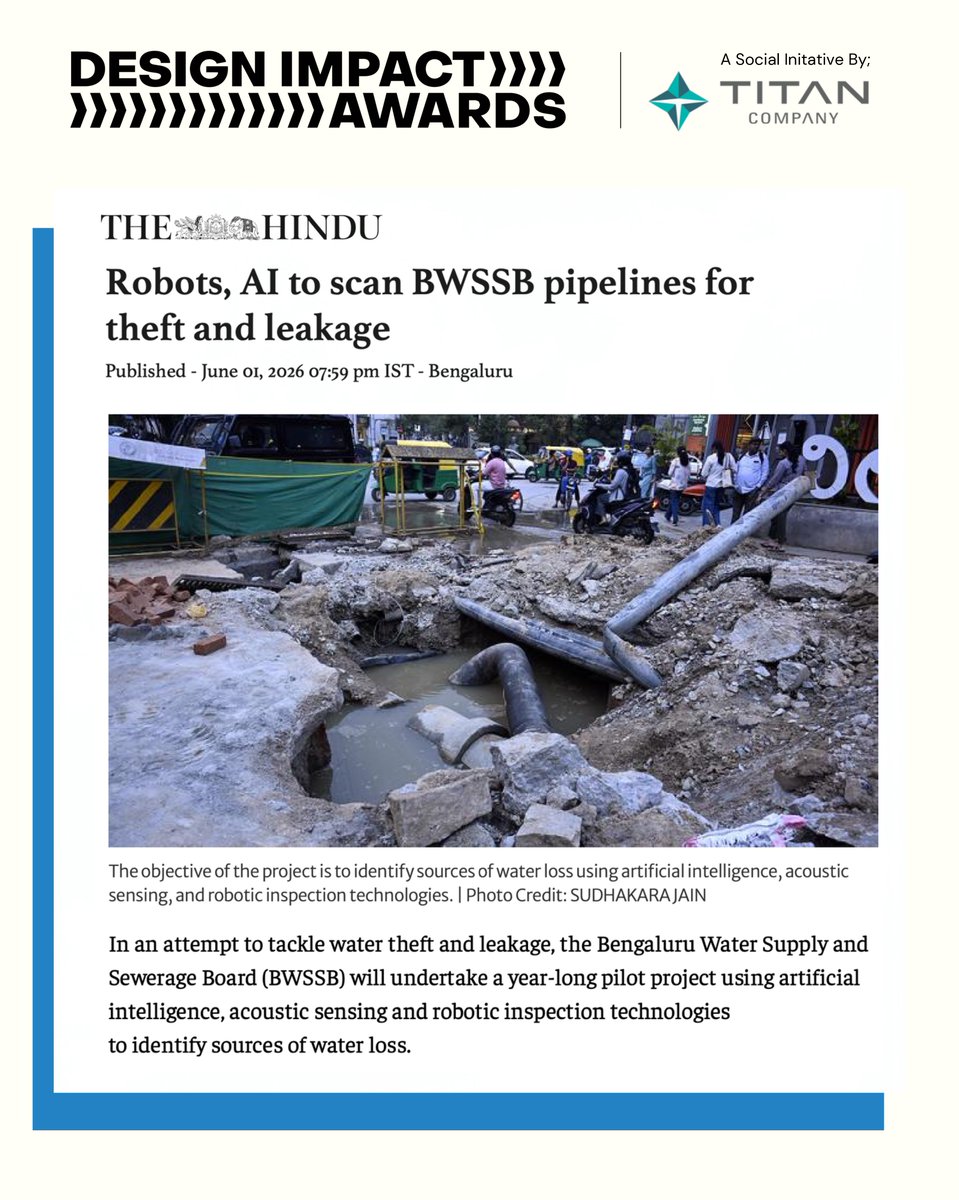
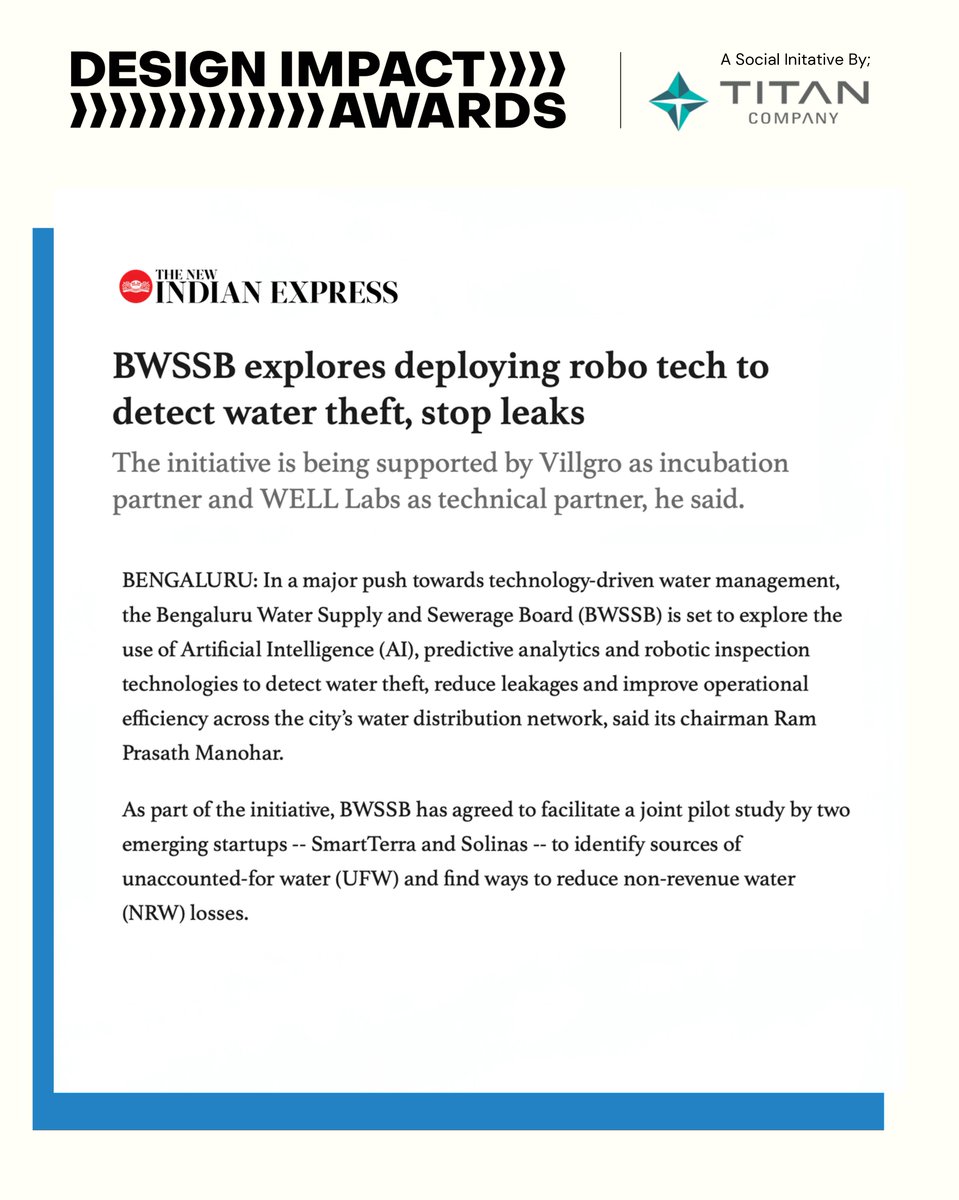
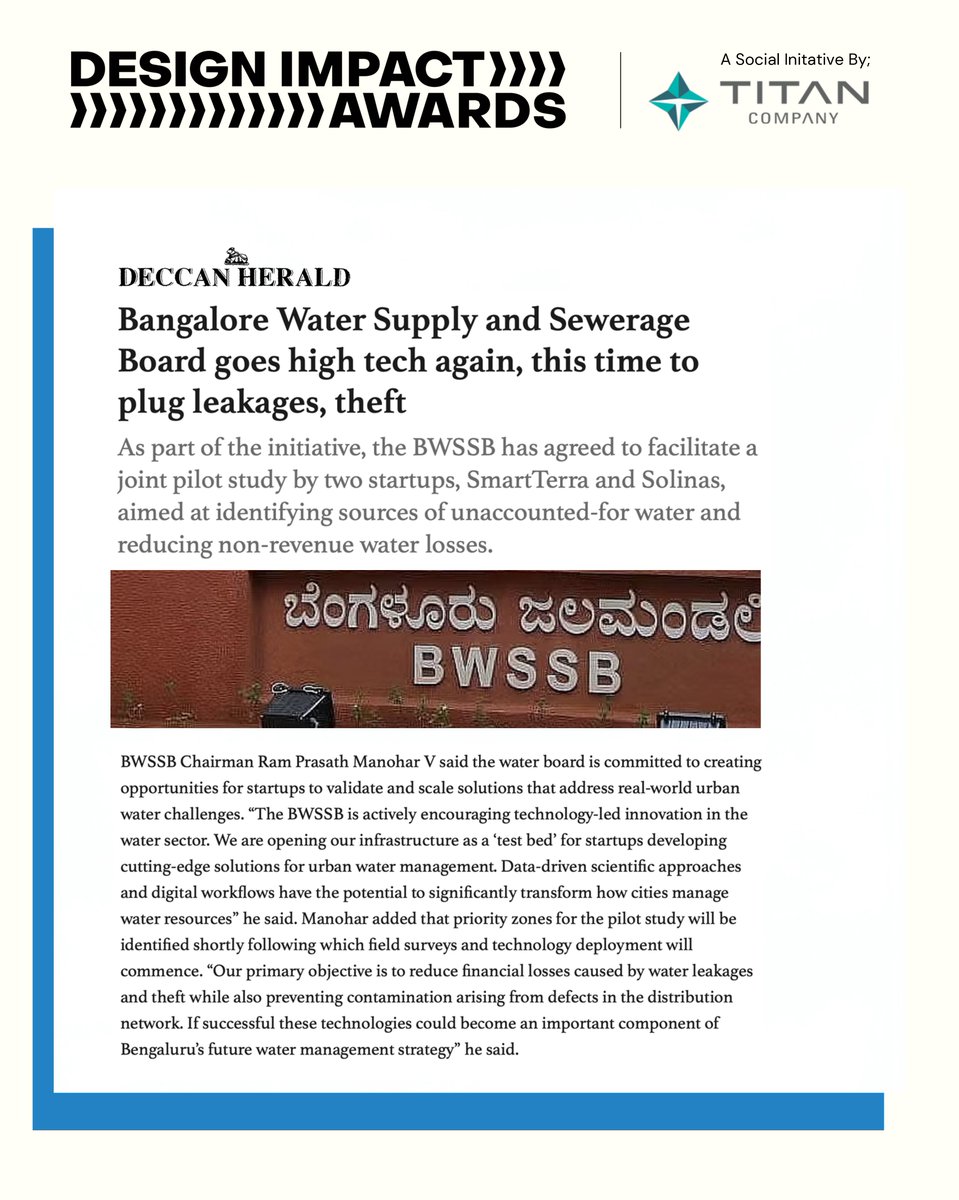
Hearty congratulations to SmartTerra and Solinas Integrity – both Design Impact Awards-supported startups – on their partnership with the Bengaluru Water Supply and Sewerage Board! This collaborative aims to curb water theft and leakage, and improve operational efficiency. At Sattva, we've had the opportunity to partner with Titan Company for the Design Impact Awards since 2017.
The programme addresses complex societal issues through innovation and design-led problem-solving. Select applicants from across the country are enabled through financial support and business mentorship. The latest edition is focused on Addressing the Water Crisis.
Our involvement in co-creating the programme architecture, impact framework, and evaluation methodology, as well as leading end-to-end programme management, has allowed us to see the importance of government and public sector partnerships in driving innovation. Collaboration and deployment of innovations in the public ecosystem are crucial to their success.
It is deeply rewarding to witness these milestones translate into real-world impact, and partnerships like this one are a testament to what becomes possible when design-led problem solving and social purpose meet.
1
1
79
Jun 5
This #worldenvironmentday, we asked members of our Sustainability and Business Advisory team to reflect on the questions that shape their work every day.
If you're looking to strengthen your #sustainability and ESG journey, write to us at esg@sattva.co.in
25
Jun 4
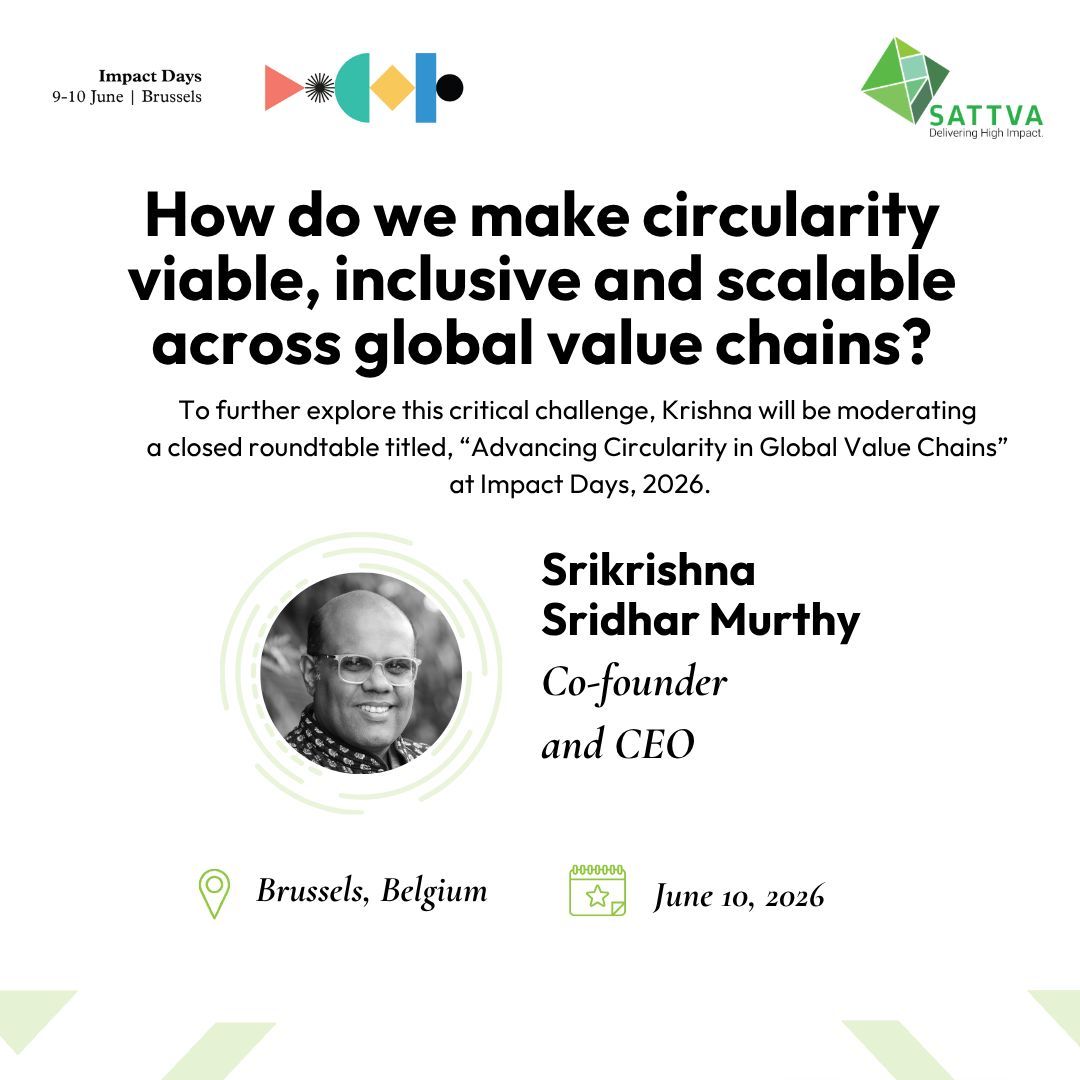
Our CEO, Srikrishna Sridhar Murthy, will be in Brussels, Belgium on June 8 & 9, moderating a closed roundtable on "Advancing Circularity in Global Value Chains" at Impact Days 2026. The discussion will bring together leaders from across sectors to explore the barriers limiting circularity, opportunities to accelerate the transition, and the pathways to enable more scalable, viable, and inclusive circular models.
Stay tuned for more insights from the event. If you will be in the region and would like to connect, please write to krishna@sattva.co.in.
#Circularity #ImpactEurope #CircularEconomy
1
2
40
Jun 5
Please note that Krishna will be in Brussels on June 9th & 10th, not on the 8th.
26
Jun 4
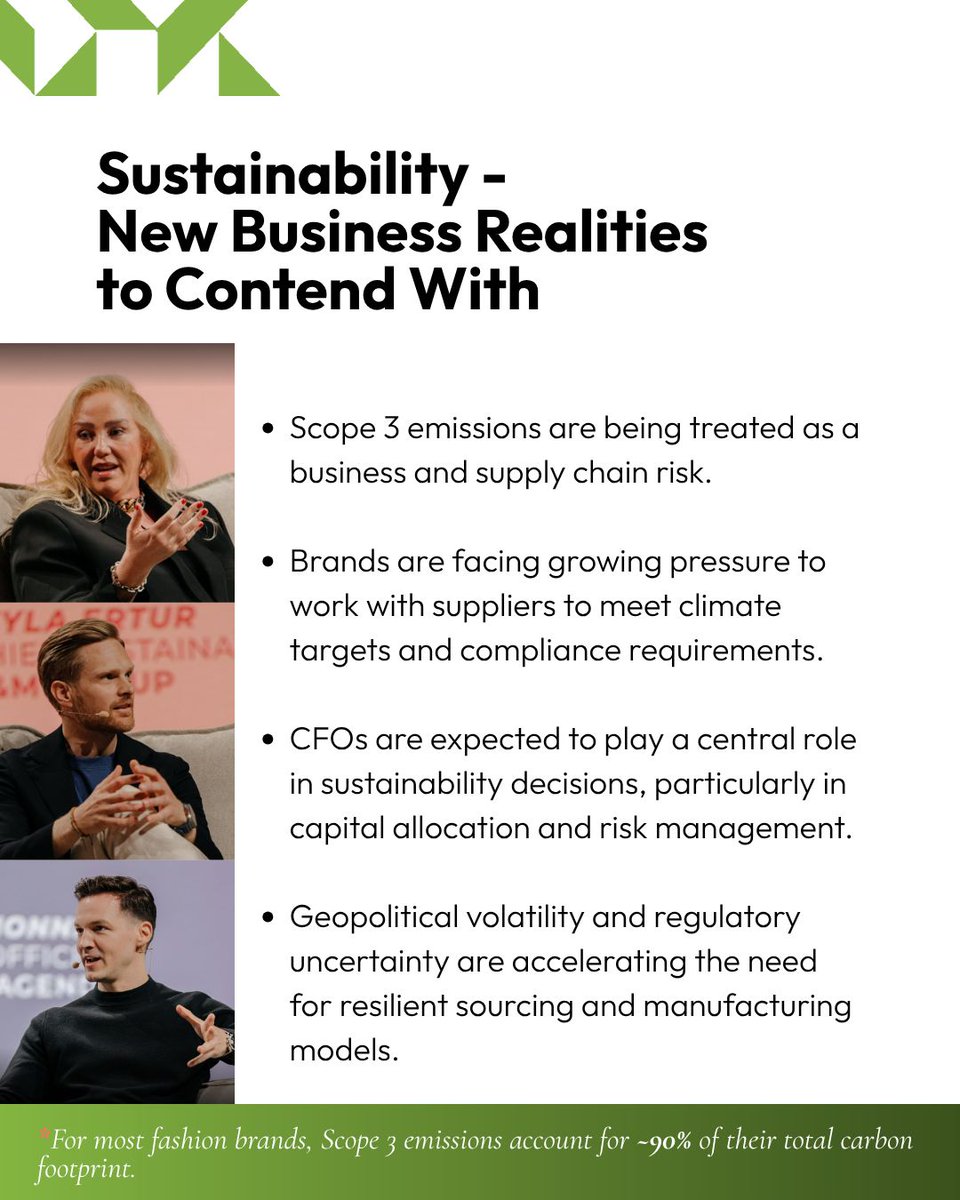
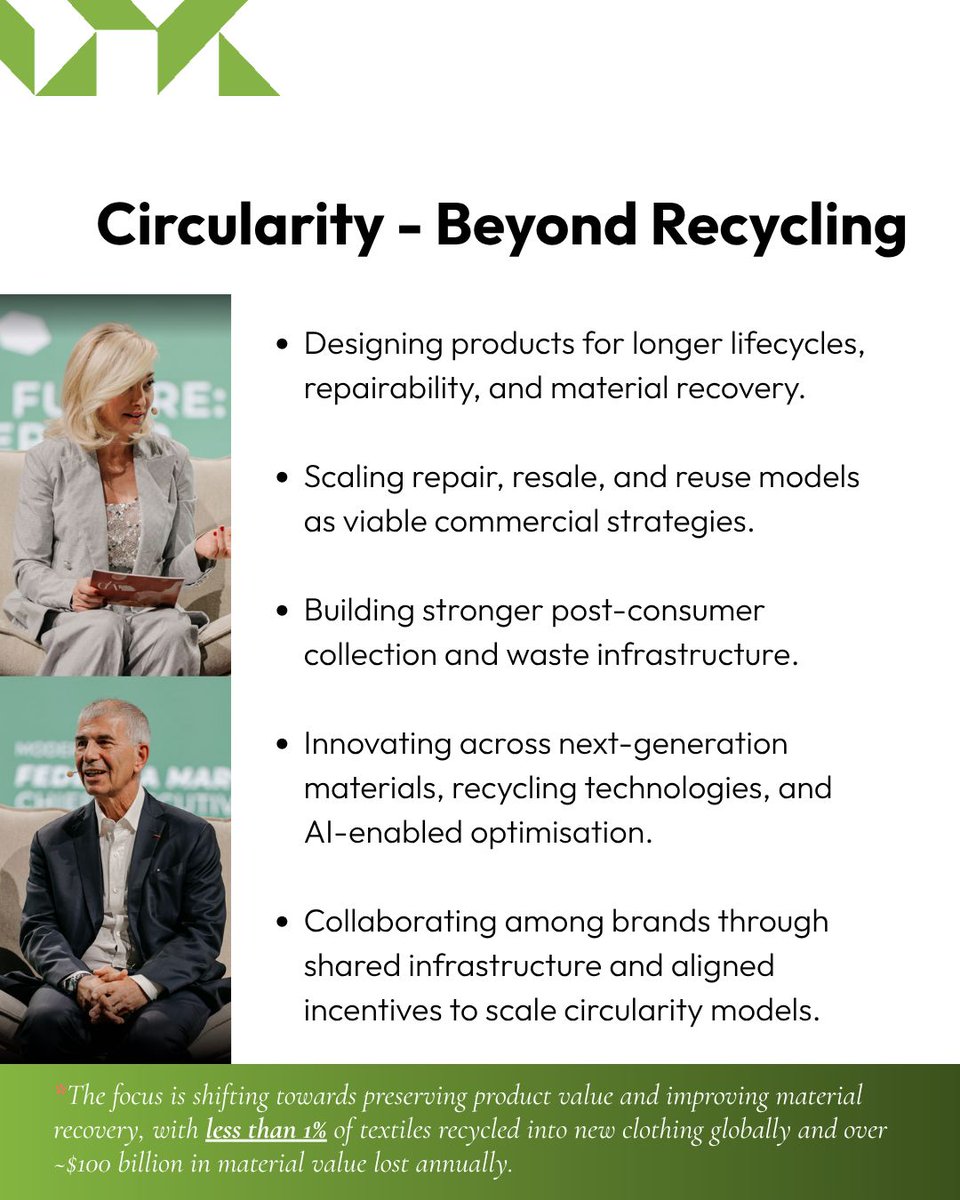
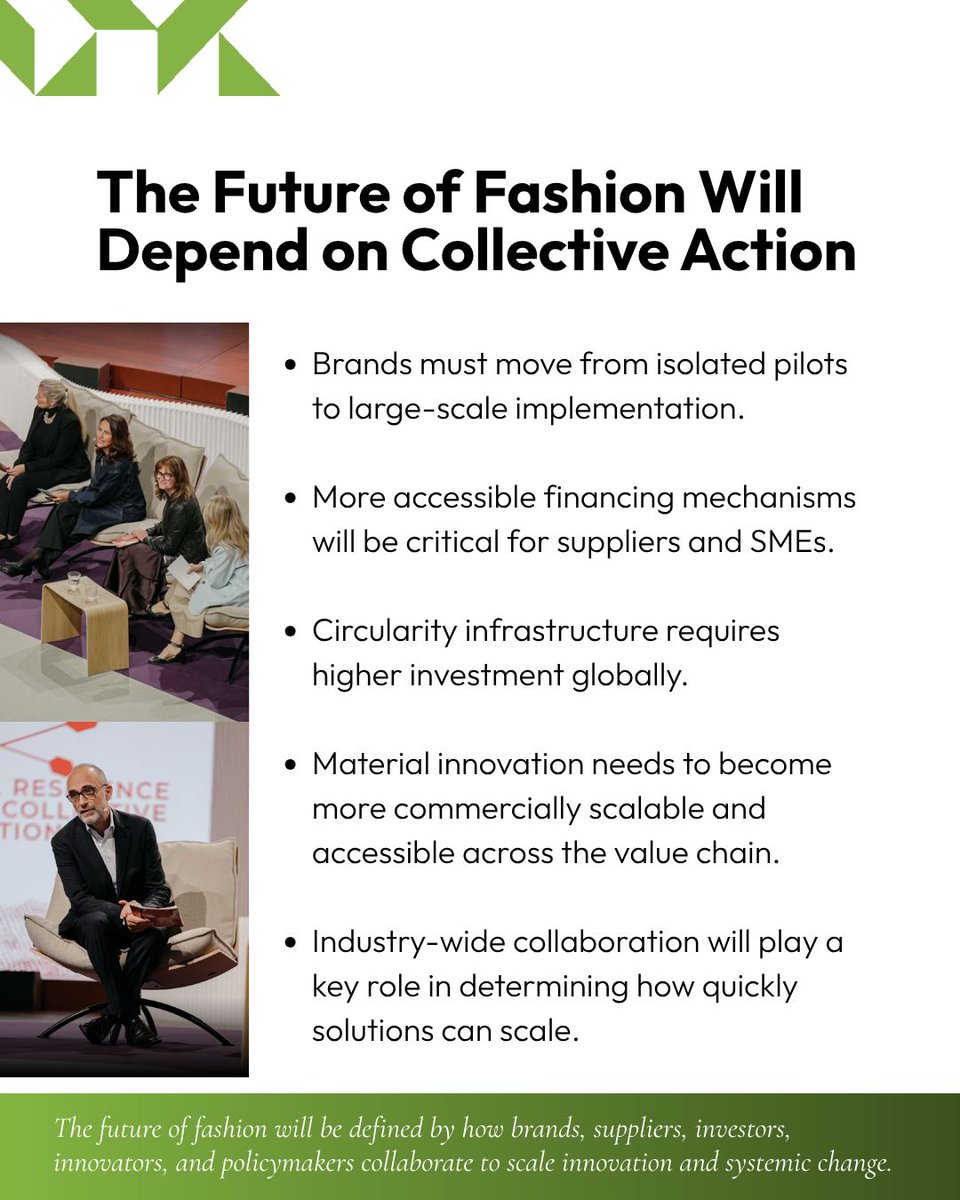
Engaging with global leaders at the Global Fashion Summit 2026 in Copenhagen offered a front-row view into how the industry’s priorities are shifting from compliance-led action to business transformation.
@rtmohan and Mansha Balecha participated in conversations around circularity systems, financing mechanisms, and the practical pathways needed to scale innovation across complex global supply networks. The discussions reflected a clear shift from isolated efforts to system-level change, with collaboration across brands, suppliers, investors, and policymakers emerging as essential to unlocking scale.
Swipe through for more insights from the summit.
If you’d like to explore circularity pathways and business transformation, write to aarti@sattva.co.in or mansha@sattva.co.in
26
Jun 3
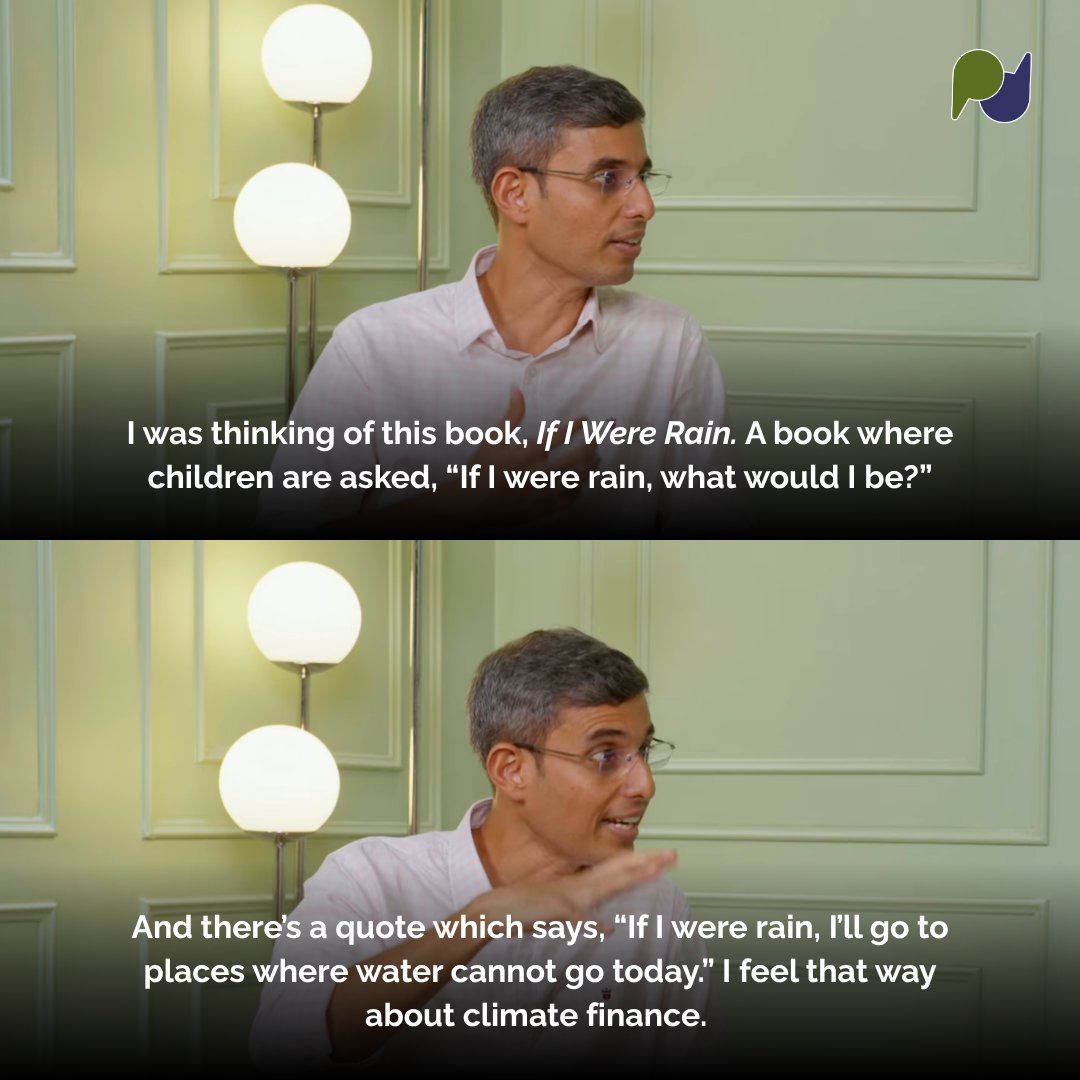
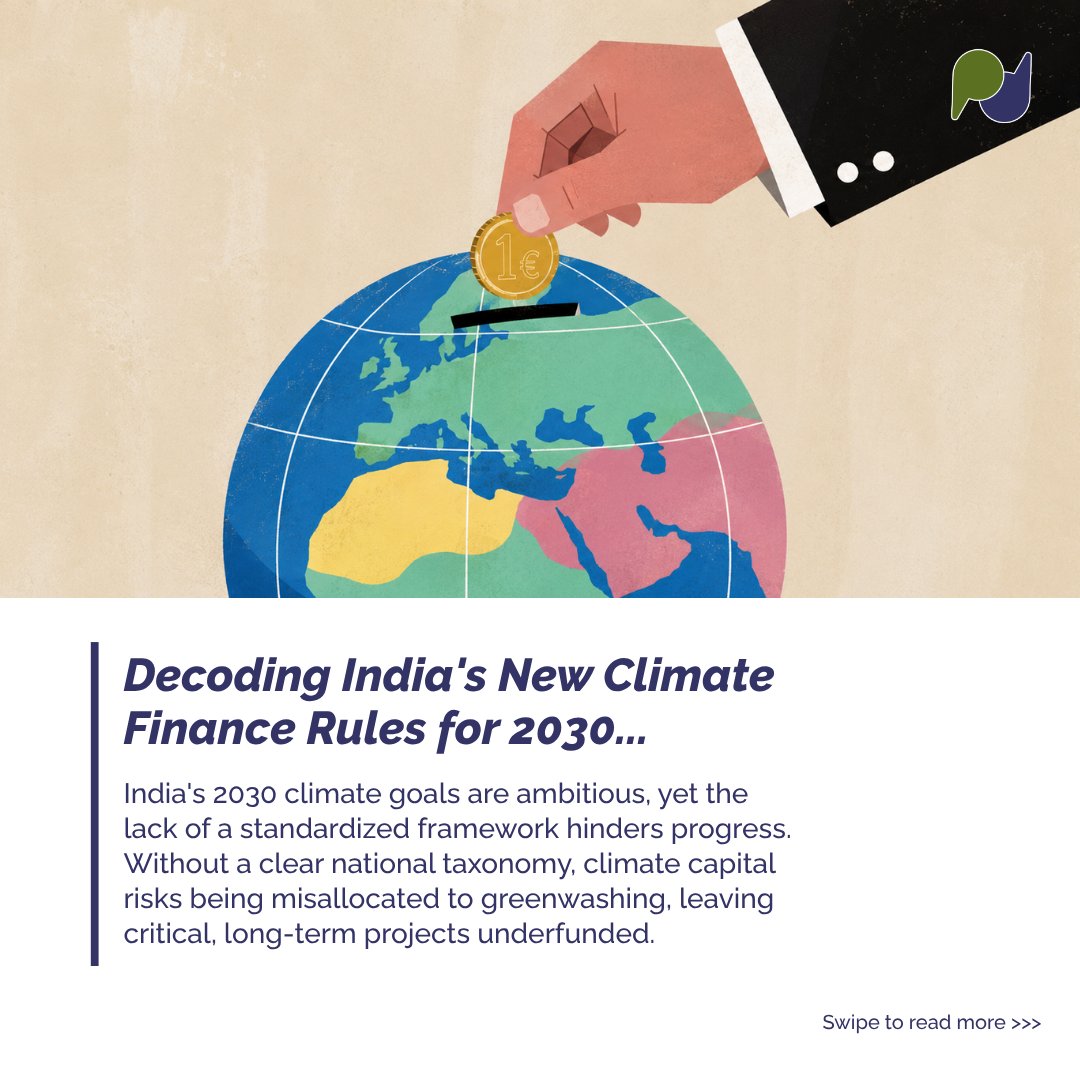
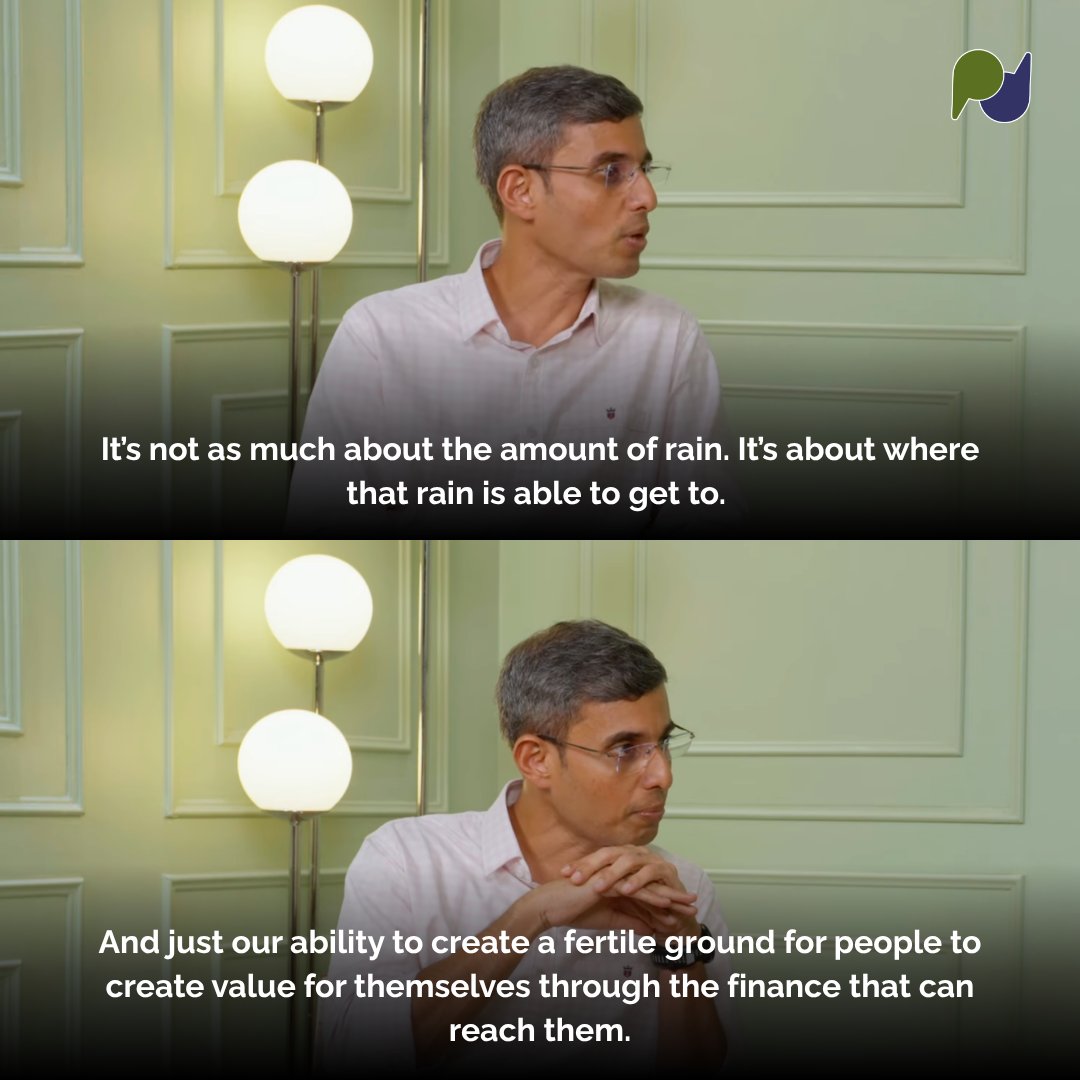
Intent is great, but capital requires a precise dictionary. The Finance Ministry’s upcoming Climate Finance Taxonomy will standardise green definitions, bringing vital credibility to India’s sustainable bond market.
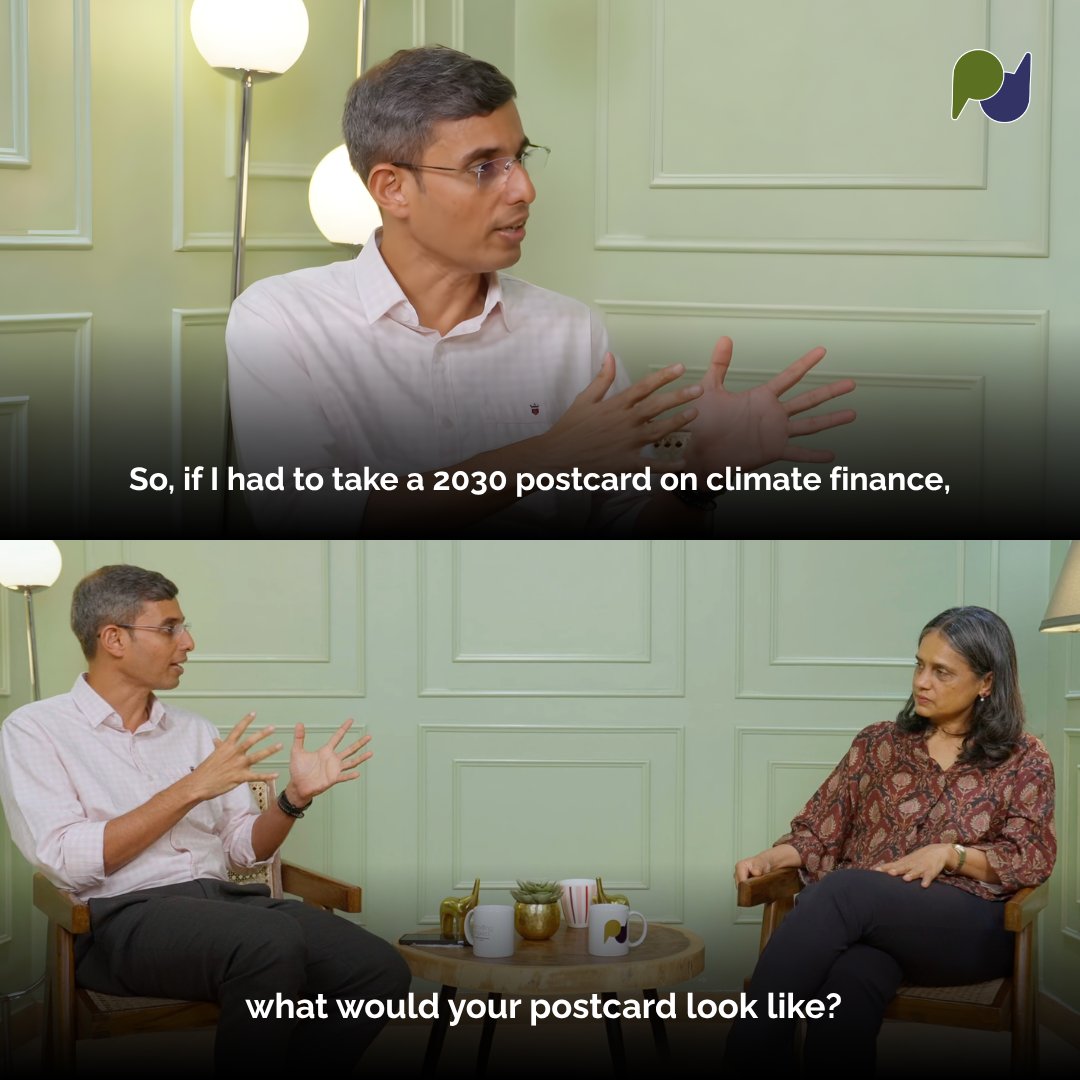
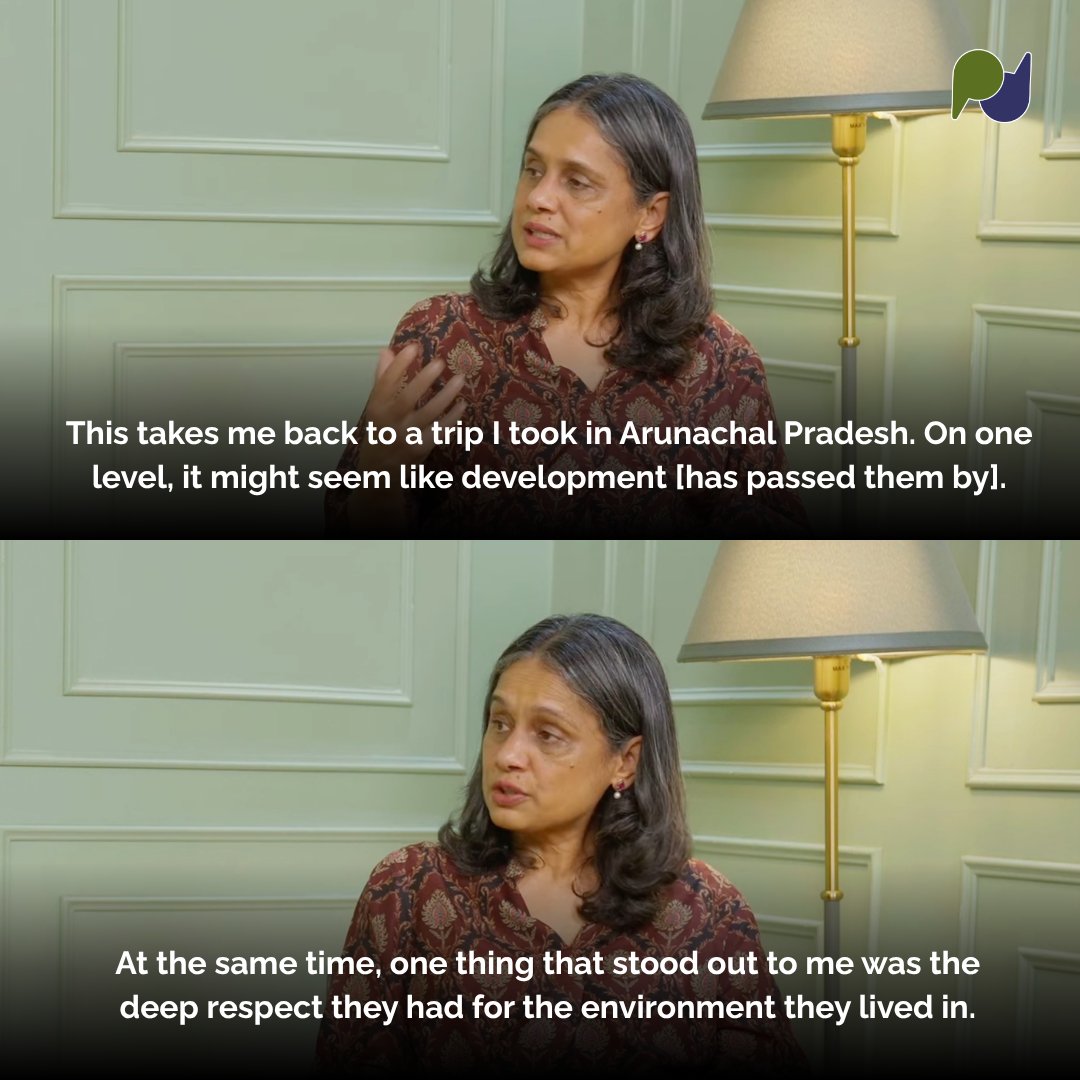
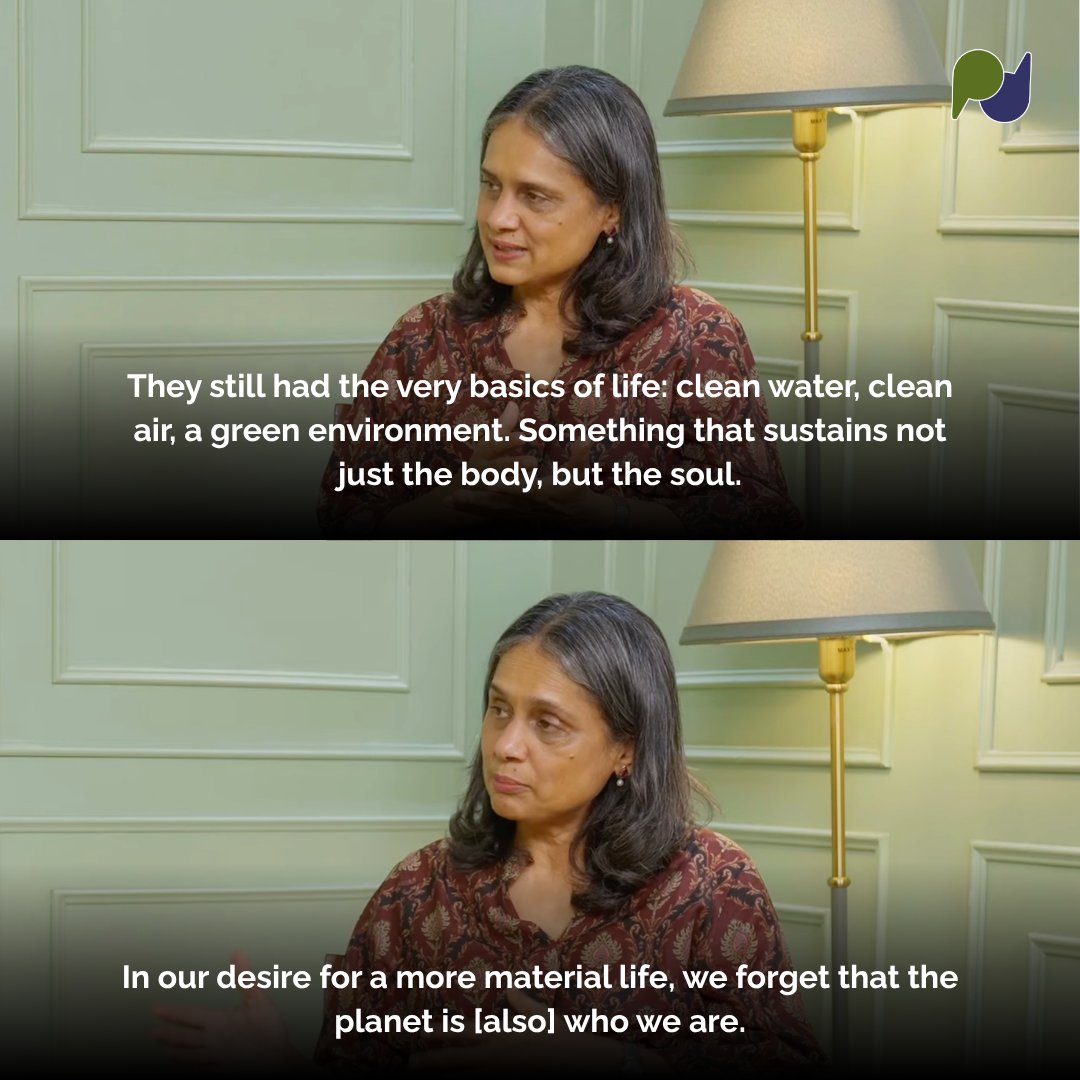
In Episode 3, Season 4 of #DecodingImpact, Shilpa Kumar and Rathish Balakrishnan map out their 2030 development visions. This population-scale transformation aligns perfectly with the new framework, eliminating the guessing game for investors. By moving past surface-level definitions, it ensures corporate CSR, green bonds, and international climate funds flow directly into high-impact, verifiable solutions. Systemic change doesn't happen through ad-hoc spending, it happens when we build a common framework to measure true progress.
Swipe through to explore our 2030 visions, and share your thoughts on India's new green finance rules below!
#ClimateFinance #GreenTaxonomy #Sustainability #PolicyDesign #DecodingImpact
1
33
Jun 3
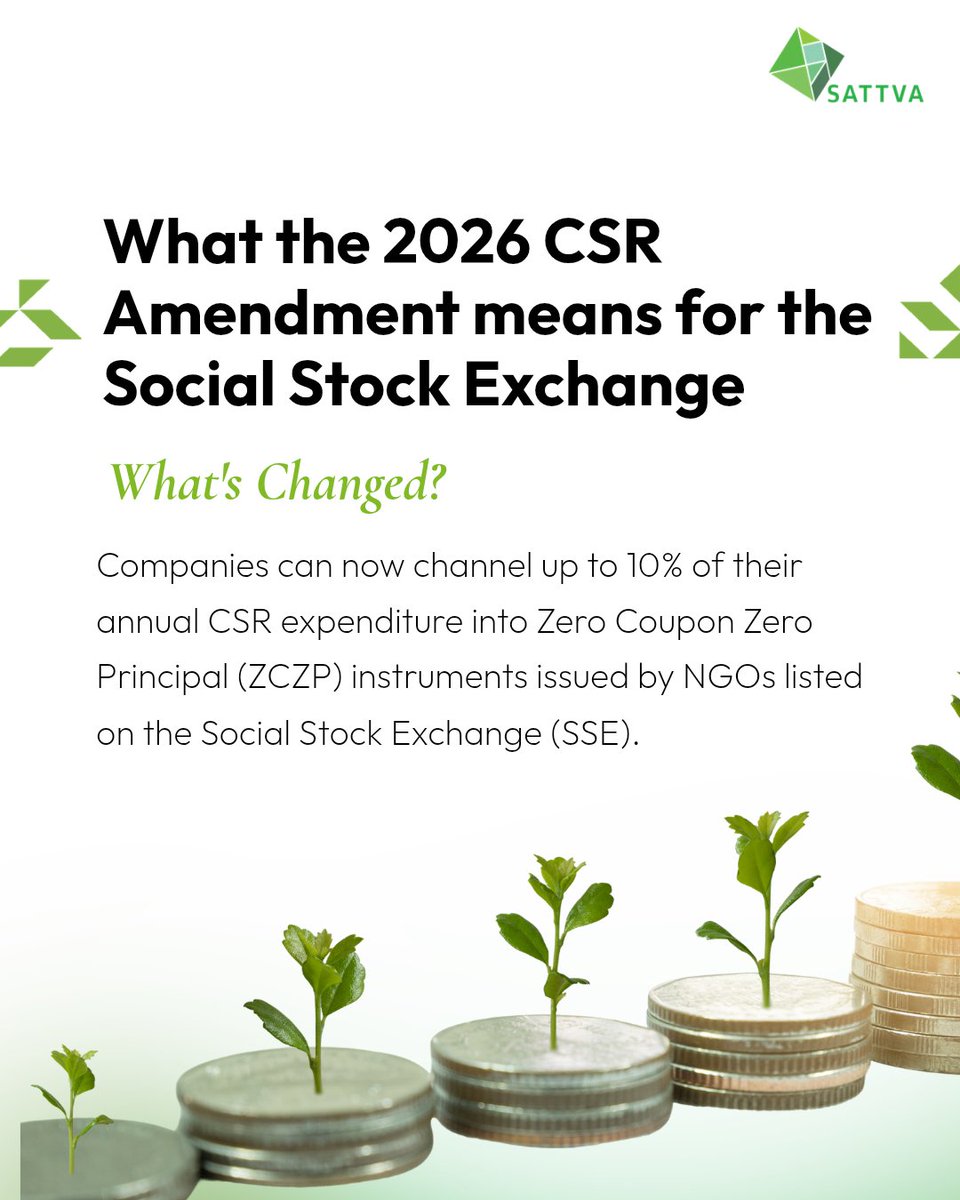
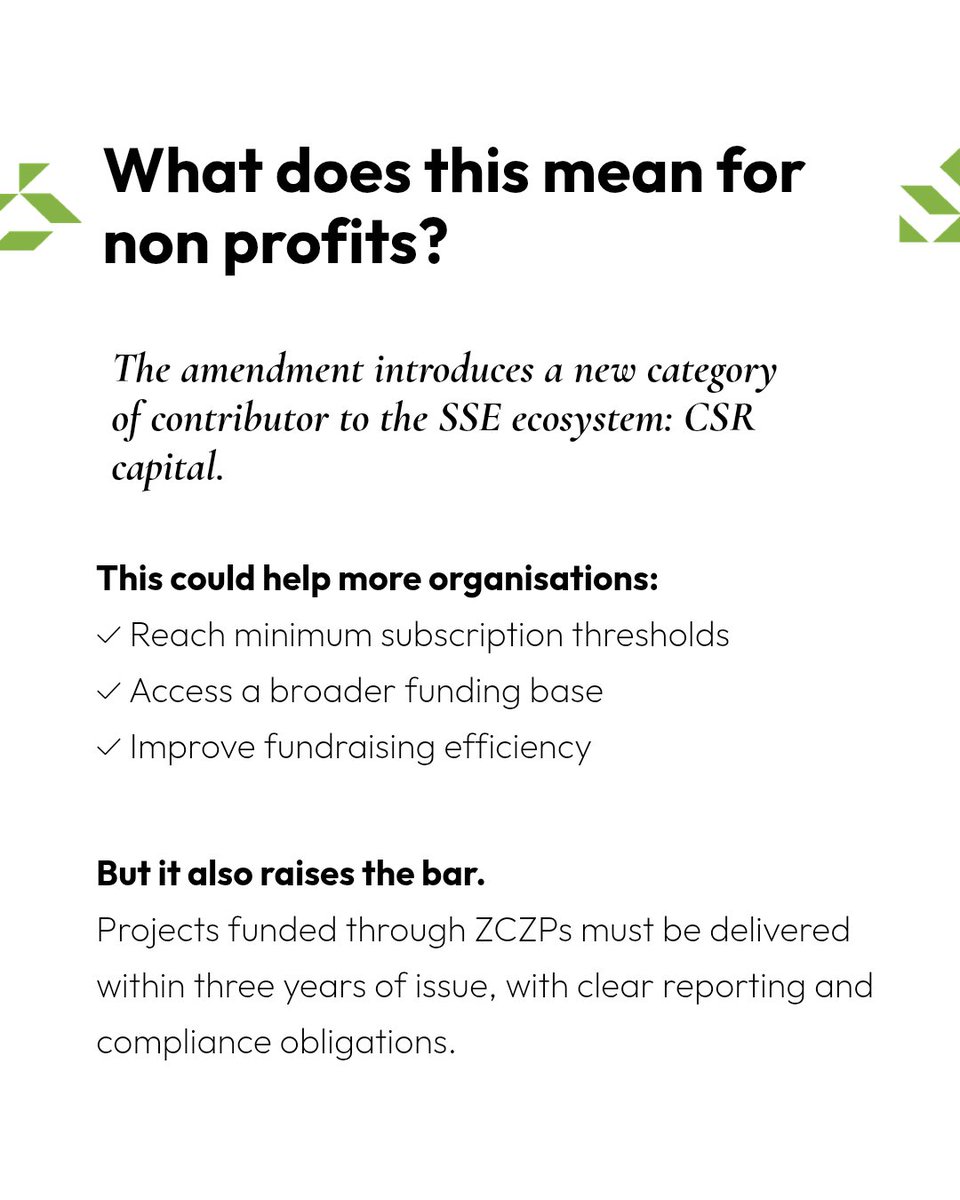
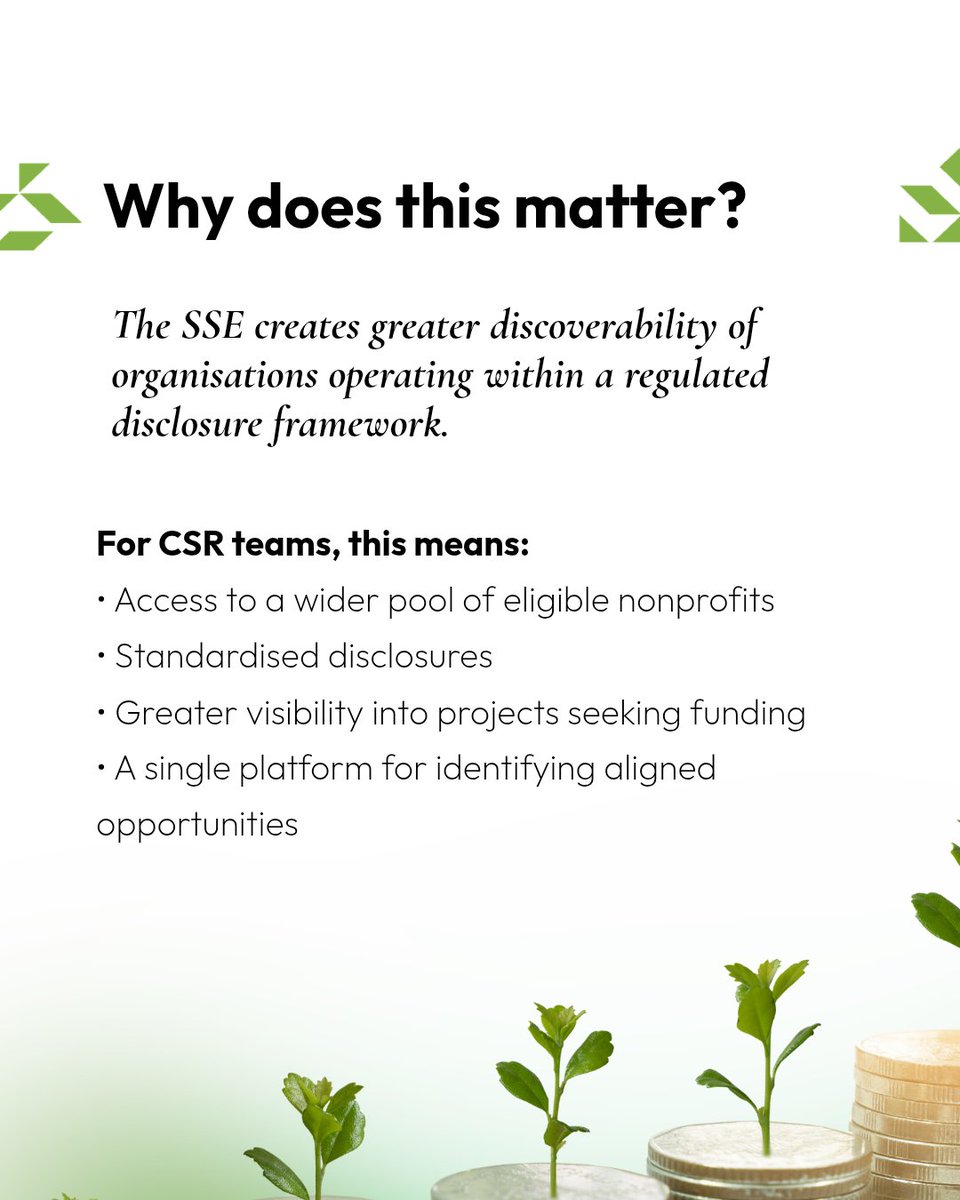
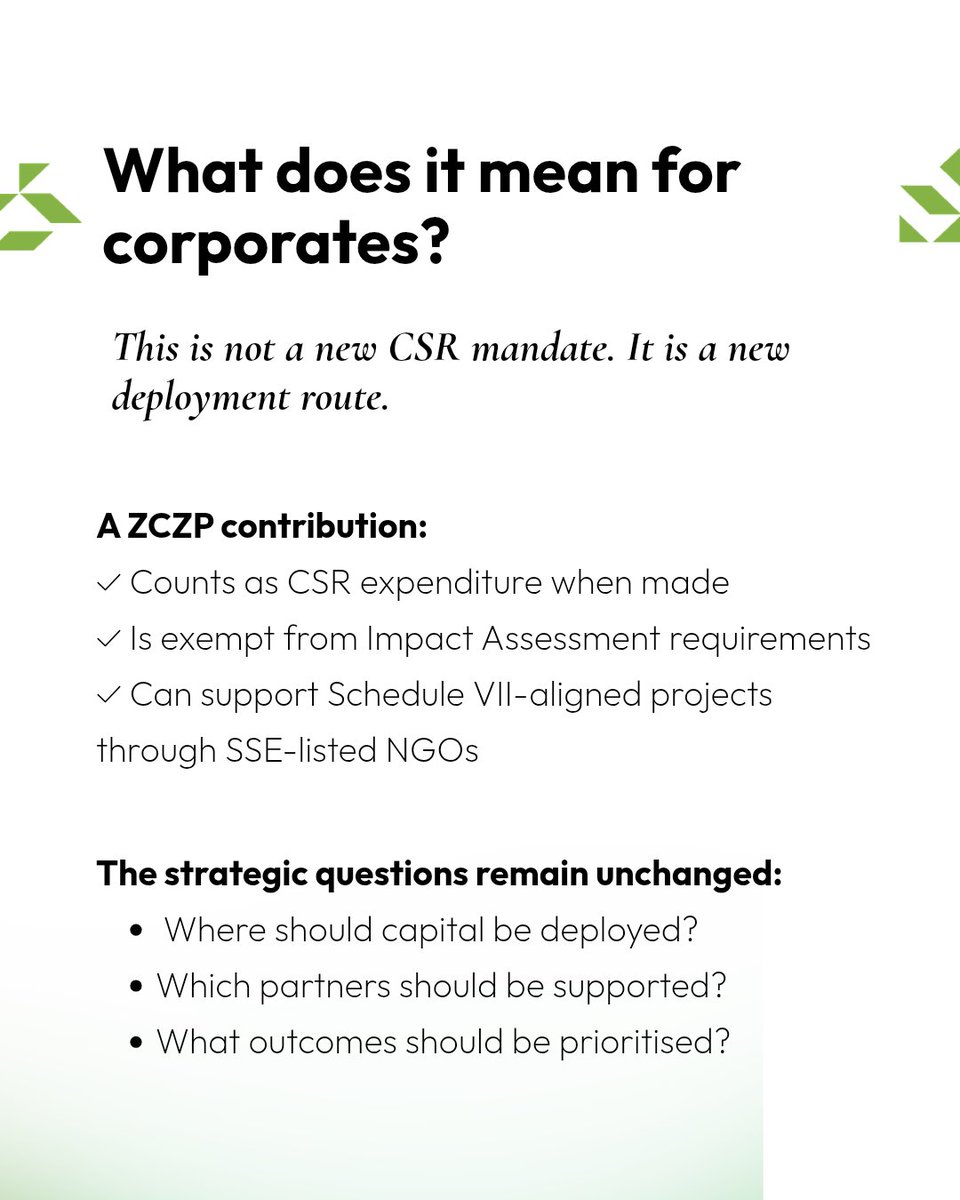
The recent amendment to the CSR Rules, 2026 creates a new route for deploying CSR capital through a regulated platform with standardised disclosures and greater visibility into eligible projects. For nonprofits, it expands the pool of potential contributors while increasing the importance of governance, transparency, and impact reporting.
Yet one thing remains unchanged.
ZCZPs continue to be philanthropic instruments, not investment products. Contributors receive neither interest nor a return of principal. The purpose of CSR capital remains the same; only the pathway through which it can flow has expanded.
The more interesting question is what happens next.
The infrastructure for corporate participation in the Social Stock Exchange now exists. Whether it succeeds in strengthening trust across the ecosystem, giving corporates greater confidence in where capital flows, and enabling high-impact organisations to raise funds more efficiently will depend on participation.
The amendment creates the opportunity. The ecosystem will determine its impact.
#CSR #Nonprofits #socialstockexchange
30
Jun 2
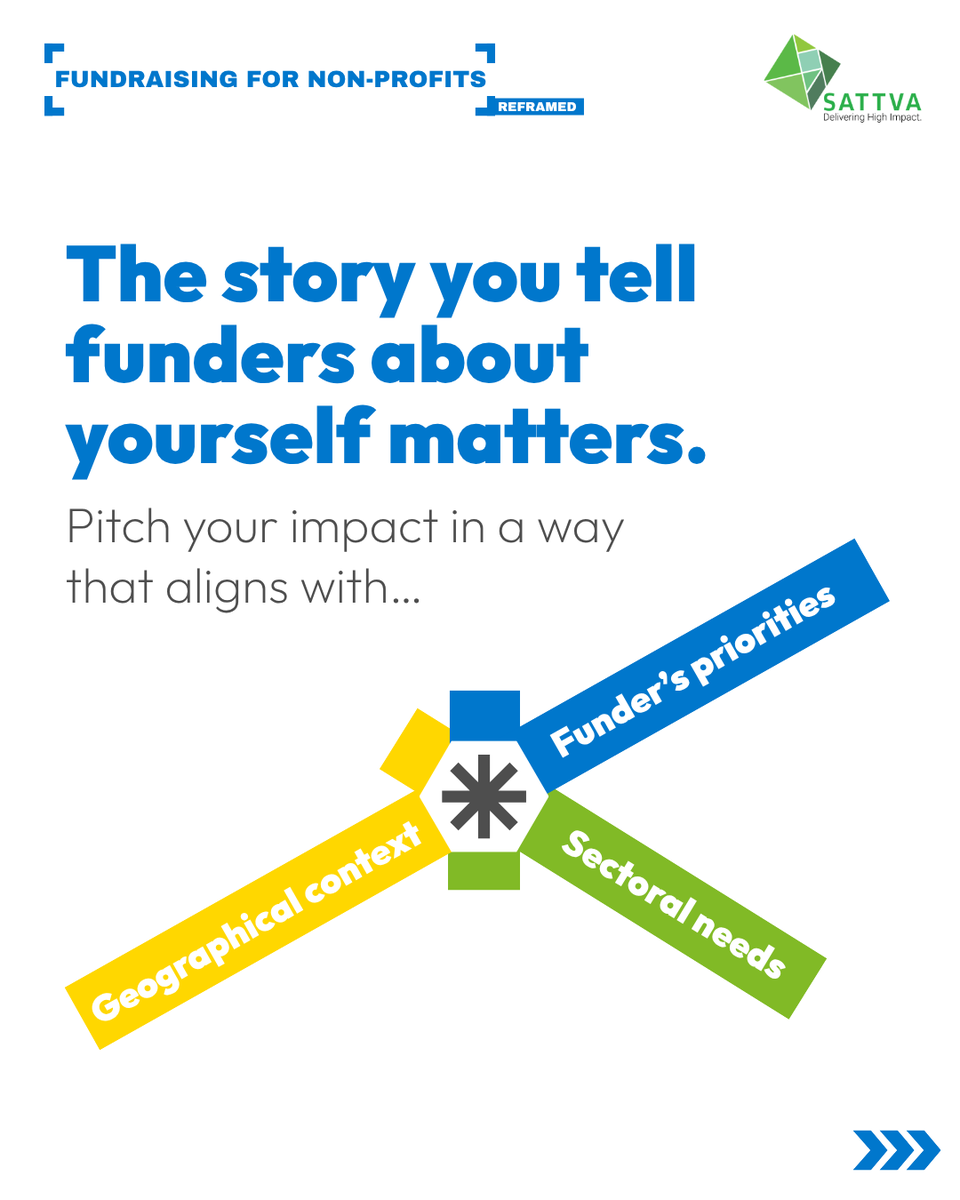
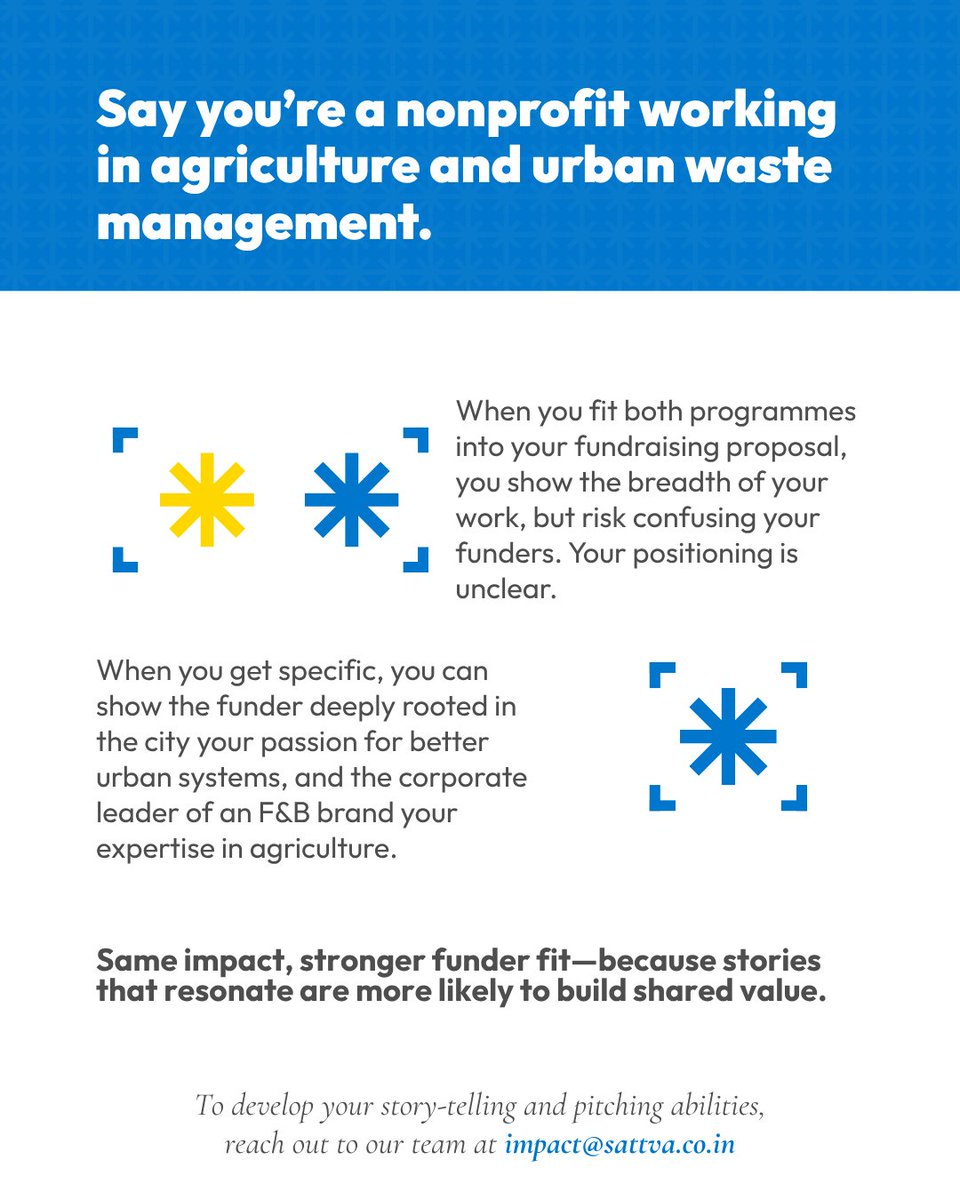
These are examples of three distinct narratives that can be owned by a single nonprofit focused on increasing girls’ school enrollment rate and physical education participation in Bihar.
“A Female Labour Force Participation Rate of 60% by 2050: That’s our goal.”
“We are committed to Eastern India seeing its full potential.”
“Our vision is a future where every girl grows up healthier, stronger, and better equipped to thrive.”
When you pitch your impact story in a way that resonates with a funder’s specific contexts, you’re more likely to get them invested in creating shared value for society.
Want to strengthen your organisational storytelling abilities? You can reach out to our team of experts at Sattva. Email impact@sattva.co.in to get in touch.
#nonprofit #fundraising
2
60
Jun 2
Despite its greenery, Punjab is now the highest groundwater-extracting state in India, pulling out 156% of its annual recharge.
In this snippet, Rathish Balakrishnan and Dr Shraman Jha break down the "Punjab Paradox." The state's signature greenery is fueled by 14 lakh tubewells pumping 4,400 billion litres of water every single week. While a traditionally "dry" state like Rajasthan leads in rainwater harvesting, 72% of Punjab’s blocks are now critically "Over-exploited."
Watch Episode 4, Season 4 of #DecodingImpact to see why "lush green" doesn't mean "water secure."
Tap the link below to watch full episode -
Youtube - youtube.com/watch?v=dgts15cu…
Spotify - open.spotify.com/episode/0cz…
#WaterSecurity #Punjab #GroundwaterCrisis #Sustainability #PolicyDesign
1
54