We believe in educating kids about the wonders of science & space exploration, and its importance to us here on Earth. We believe in giving kids the knowledge required to grow up and impact the world in a positive way.
Wanna buy one?
Head to VirtualSpaceClass.com now!
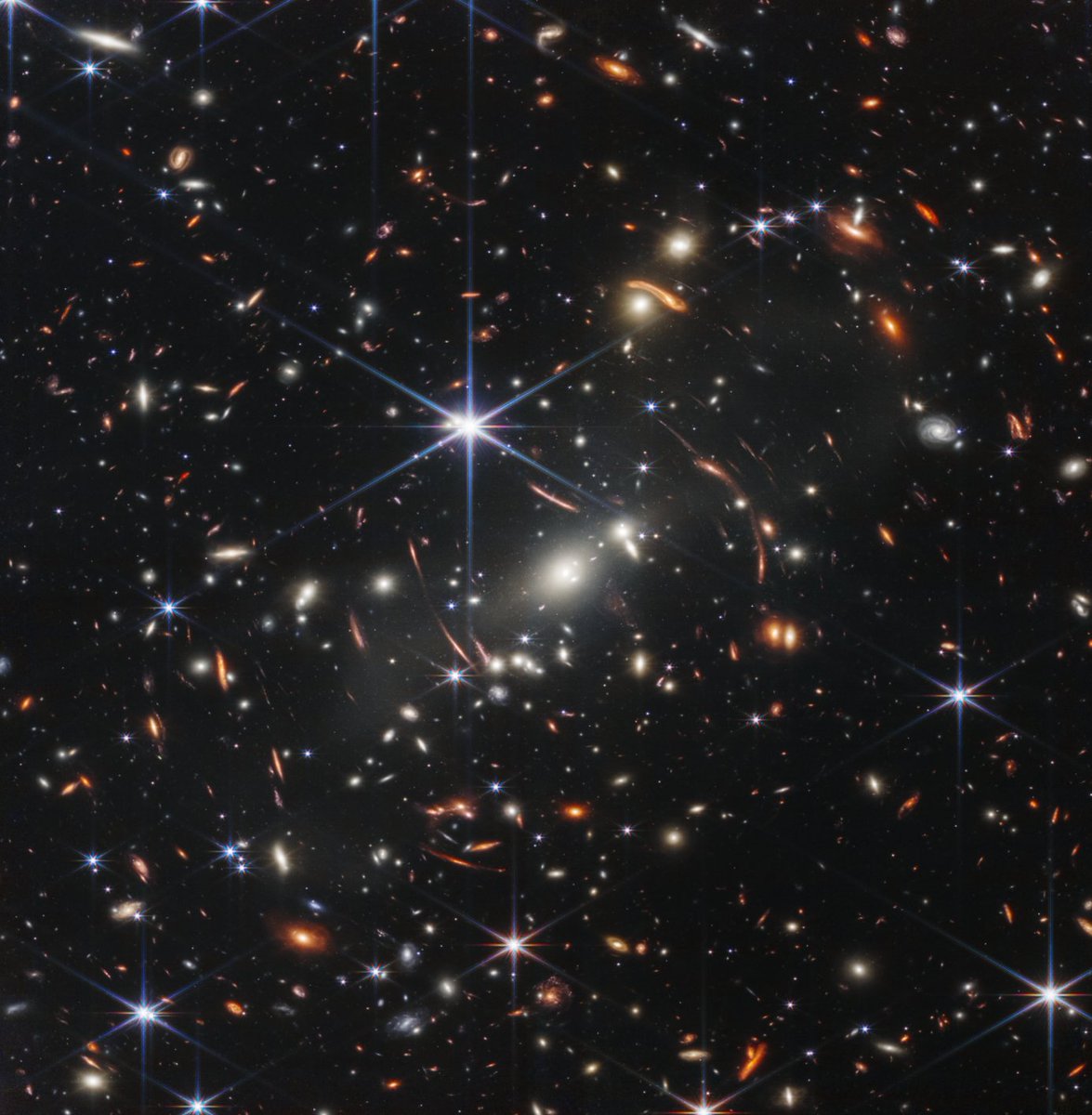
👀 Sneak a peek at the deepest & sharpest infrared image of the early universe ever taken — all in a day’s work for the Webb telescope. (Literally, capturing it took less than a day!) This is Webb’s first image released as we begin to #UnfoldTheUniverse: nasa.gov/webbfirstimages/
ALT The background of space is black. Thousands of galaxies appear all across the view. Their shapes and colors vary. Some are various shades of orange, others are white. Most stars appear blue, and are sometimes as large as more distant galaxies that appear next to them. A very bright star is just above and left of center. It has eight bright blue, long diffraction spikes. Between 4 o’clock and 6 o’clock in its spikes are several very bright galaxies. A group of three are in the middle, and two are closer to 4 o’clock. These galaxies are part of the galaxy cluster SMACS 0723, and they are warping the appearances of galaxies seen around them. Long orange arcs appear at left and right toward the center.
Any companies or high net worth individuals want to underwrite a space show for kids as an opportunity to educate audiences through STEM programming?? Pretty please 🥺 🚀
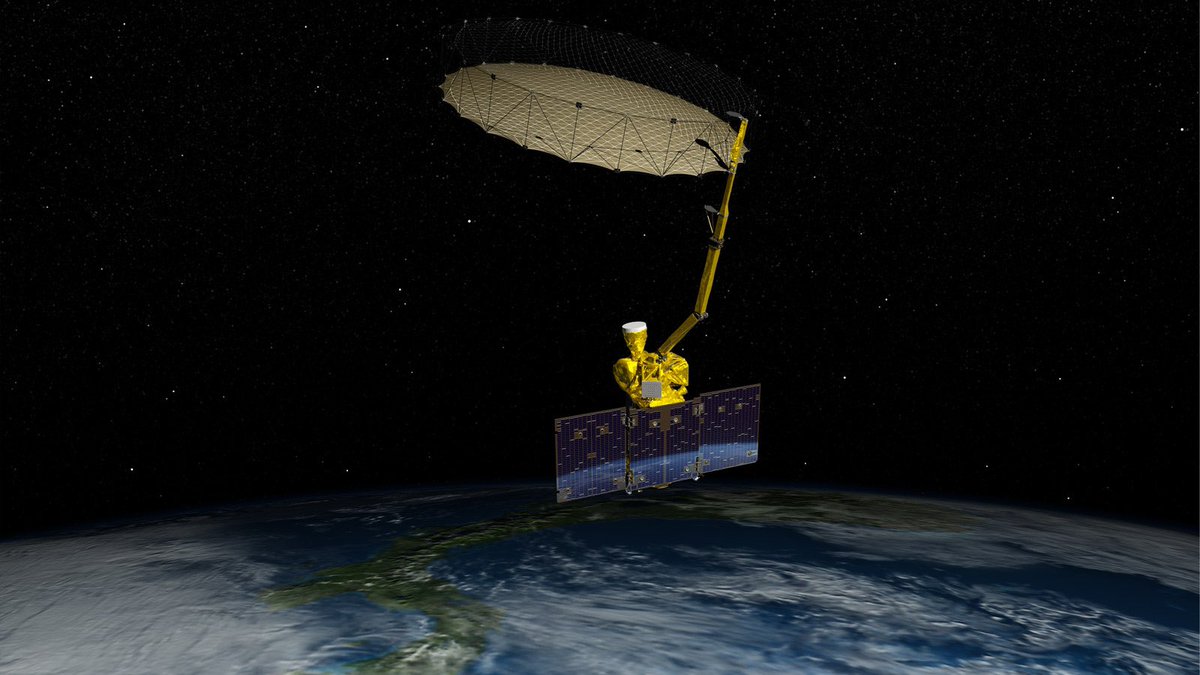
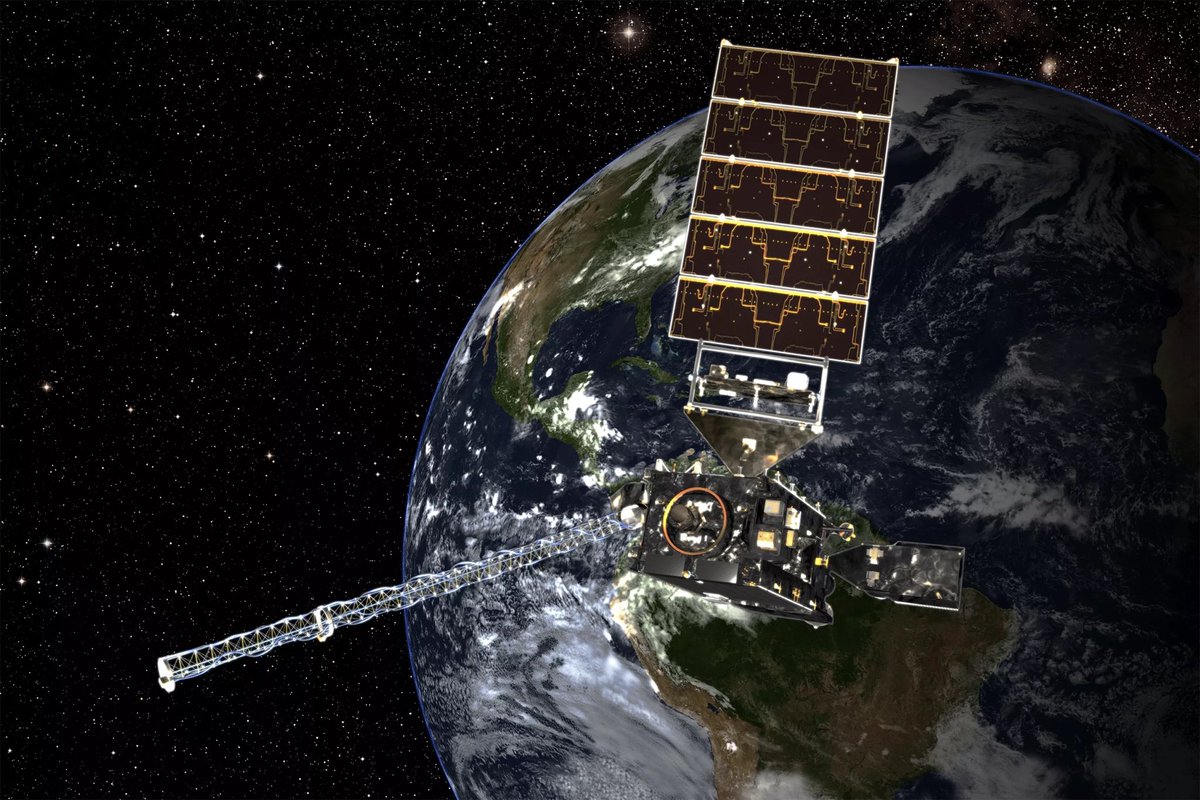
Join us tomorrow for #XSTEM All Access episode One-on-One with Space Force Guardian Chief Abifarin R. Scott! Learn about Chief Scott's work with space satellite systems and how this technology impacts our daily lives.
usasciencefestival.org/x-ste…
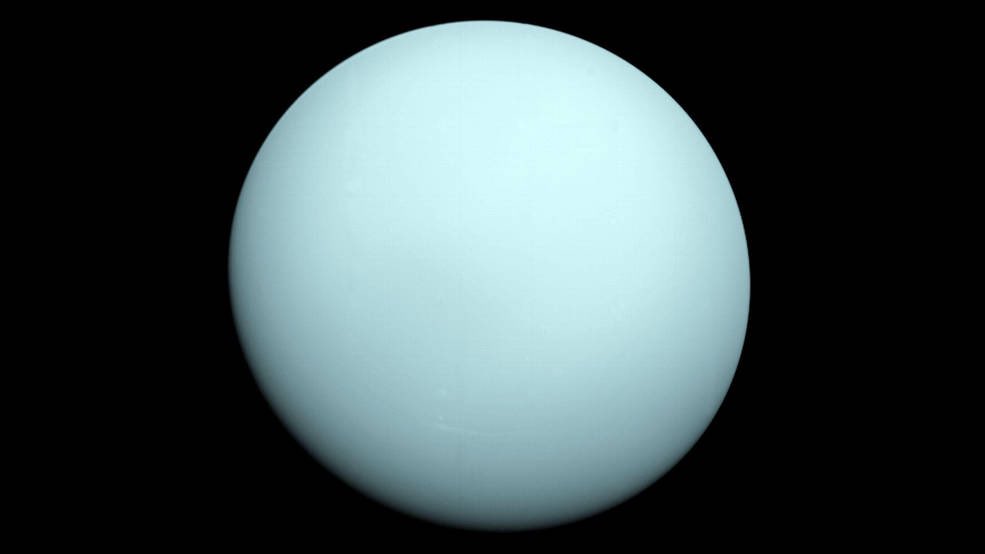
URANUS
The 7th planet from the sun. Actually spins on its side like a bowling ball as it orbits the sun.
Uranus was originally called George, yup. And also has 27 known moons.
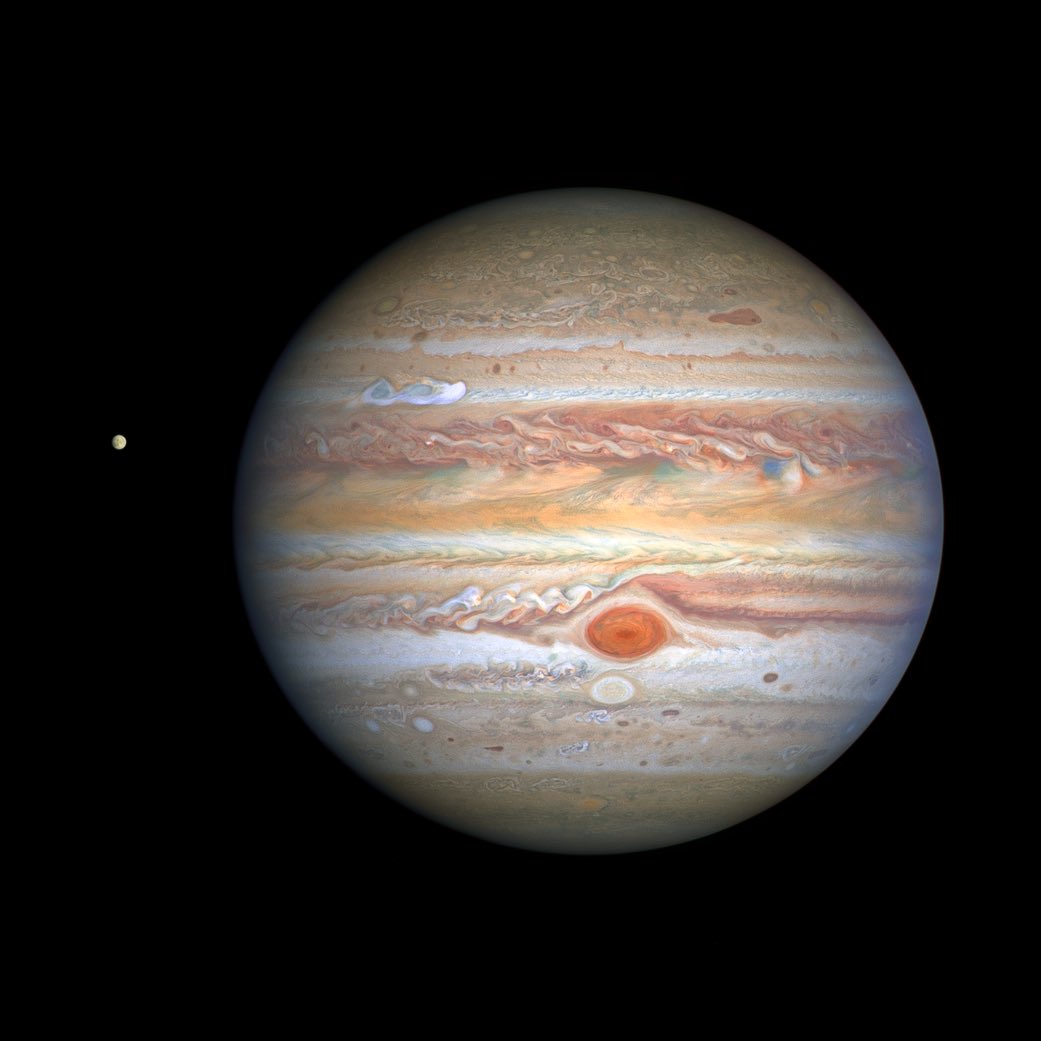
Jupiter is the largest planet in our solar system! It’s the first of the “outer planets” and the closest gas giant planet to us.
Jupiter is so large it technically doesn’t orbit the sun. 🤯 Jupiter & the sun orbit a common point known as the Barycenter.