
Head of Product | B2B SaaS | Avid learner for life
Joined January 2014
- Tweets 2,550
- Following 912
- Followers 379
- Likes 5,612
180 Photos and videos






Sudeep retweeted

Feb 10
6,594
28,085
118,806
87,206,573
Sudeep retweeted

17 Nov 2025
Everyone’s taking the wrong lesson from this.
Cursor scaled to $29B without traditional PMs because they’re building a developer tool for developers. Ryo can walk through the entire product with engineers because engineers are the customer, the user, and the builder. The feedback loop is immediate and everyone speaks the same language.
That model breaks the second you’re building for non-technical users. Product decisions require understanding customer jobs, translating between technical constraints and user needs, prioritizing across conflicting stakeholder demands, and maintaining strategic coherence as the team grows past 50 people.
Cursor gets away with fuzzy roadmaps and fluid roles because every person in those concentric circles (staff, beta users, early adopters, enterprises) can evaluate a live prototype and tell you exactly what’s wrong. They’re not guessing about user behavior because the users are technical enough to articulate precise feedback.
Most companies don’t have that luxury. Your users can’t code. Your stakeholders don’t understand API latency. Your go-to-market team needs a roadmap that sales can commit to. Your support team needs documentation. Your compliance team needs audit trails.
The Cursor model works when the product is the development environment. For everything else, you need someone translating between what’s technically possible, what’s commercially viable, and what customers actually want. That’s the PM role.
Copying Cursor’s structure without Cursor’s context is how you end up with features nobody asked for and engineers burned out from scope creep.
15 Nov 2025

Cursor scaled to $29B without any full-time PMs.
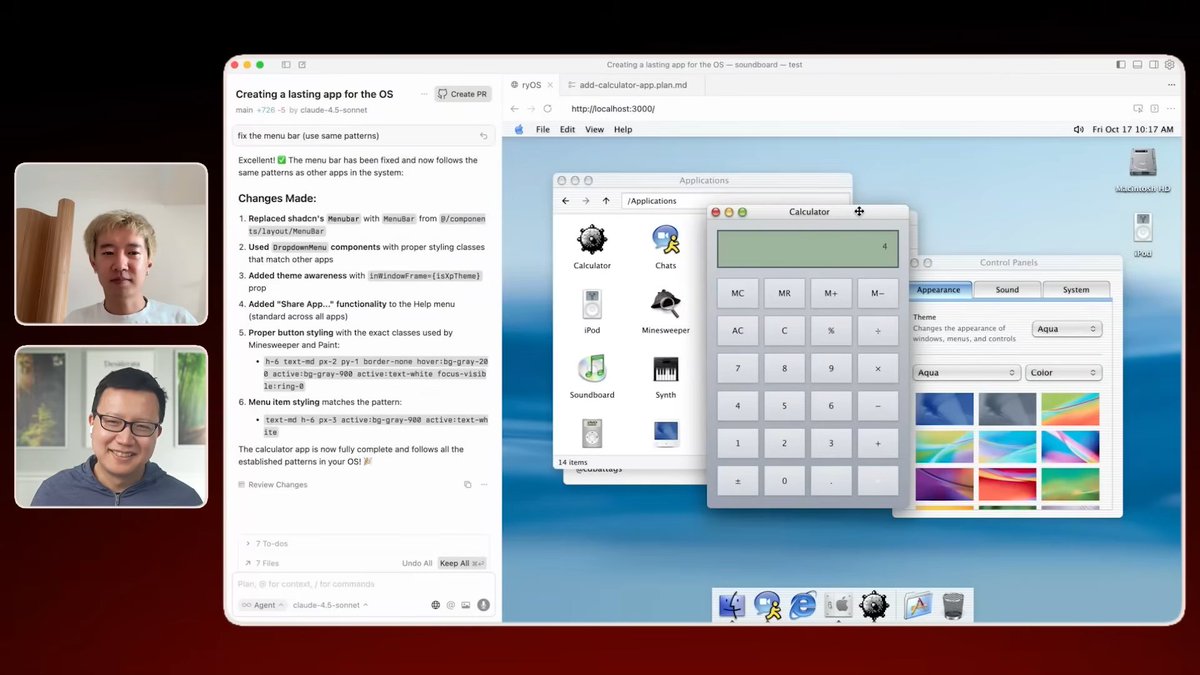
Ryo (Cursor's Head of Design) walked me through how they work and it's the opposite of every big tech best practice:
1. Roles are muddy
PM work is spread across designers and engineers. Everyone does what fits their strengths and uses AI to fill the gaps.
2. Most designs start with code directly
Ryo barely uses Figma except for initial exploration. Most features start as live Cursor prototypes because "it feels more real than pictures."
3. No annual roadmap theater
Just a "fuzzy direction" and features shipped to concentric circles (e.g., staff, nightly beta users, consumers, enterprises) to polish.
Ryo also showed me exactly how he designs and codes new features using Cursor and how he avoid creating generic purple AI slop.
📌 Subscribe to watch our full tutorial tmr: youtube.com/@peteryangyt?sub…
70
96
1,525
234,777

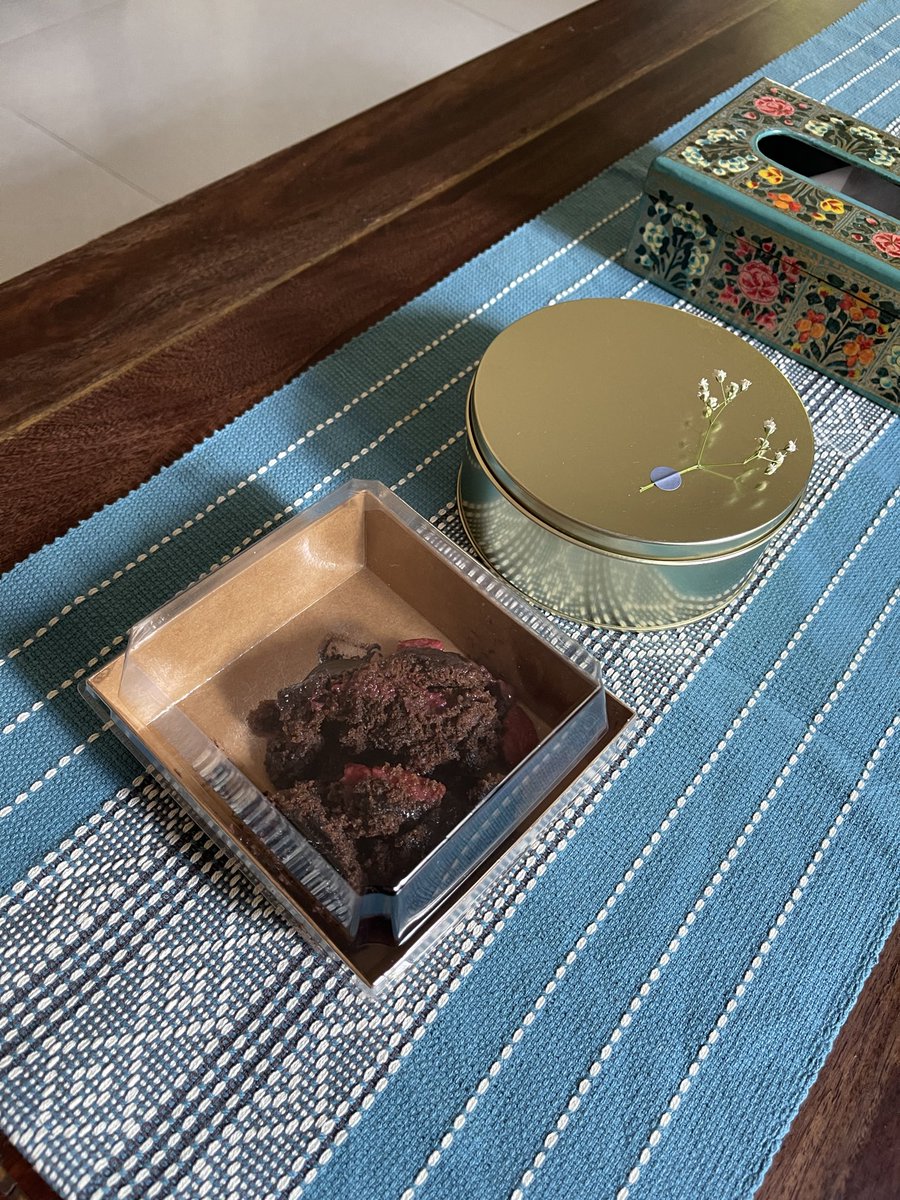
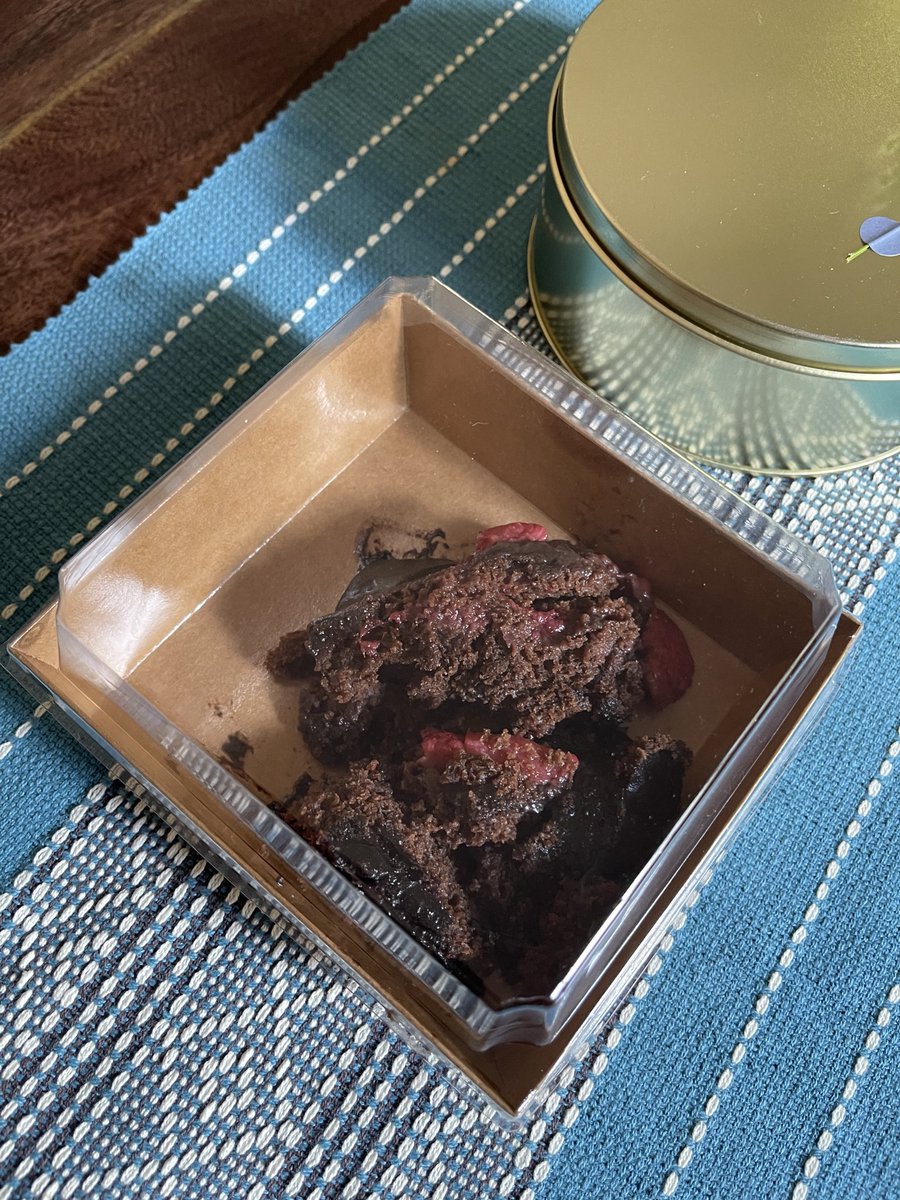
Loved the delicious freshly made Matcha cookies by @jarofkaviar, who also packed some decadent chocolate berry mocha cake for tasting 💯
10/10 for matcha lovers 🍵

1
1
6
429
YES
10 Oct 2025

"Would love to pick your brain" is the worst way to request time with someone
61
Sudeep retweeted

28 Jul 2025
📷 We are excited to announce that we have been acquired by @SageUSAmerica, the trusted accounting and financial software provider for small and mid-sized businesses (SMBs).
Both Fyle and Sage are focused on simplifying and automating SMB workflows - so they can spend less time worrying about manual tasks and more time thinking about growth.
Sage’s experience and investment will help scale our platform, and we hope to bring Fyle’s intuitive customer experience to new and existing Sage customers!
You can read more here: sage.com/en-gb/company/digit…
Looking forward to being part of Sage!
#Sage #ExpenseManagement #Accounting #SMBs #FutureofFinance #BuiltToPerform
28 Jul 2025

Today, we announced the acquisition of @FyleHQ, an AI-powered expense management software company transforming how SMBs track and manage expenses – through automation, real-time notifications and an intuitive user experience.
Welcome to the Sage team! 1sa.ge/J4My50Ww0Ba
1
8
14
841


Much needed
10 Mar 2025

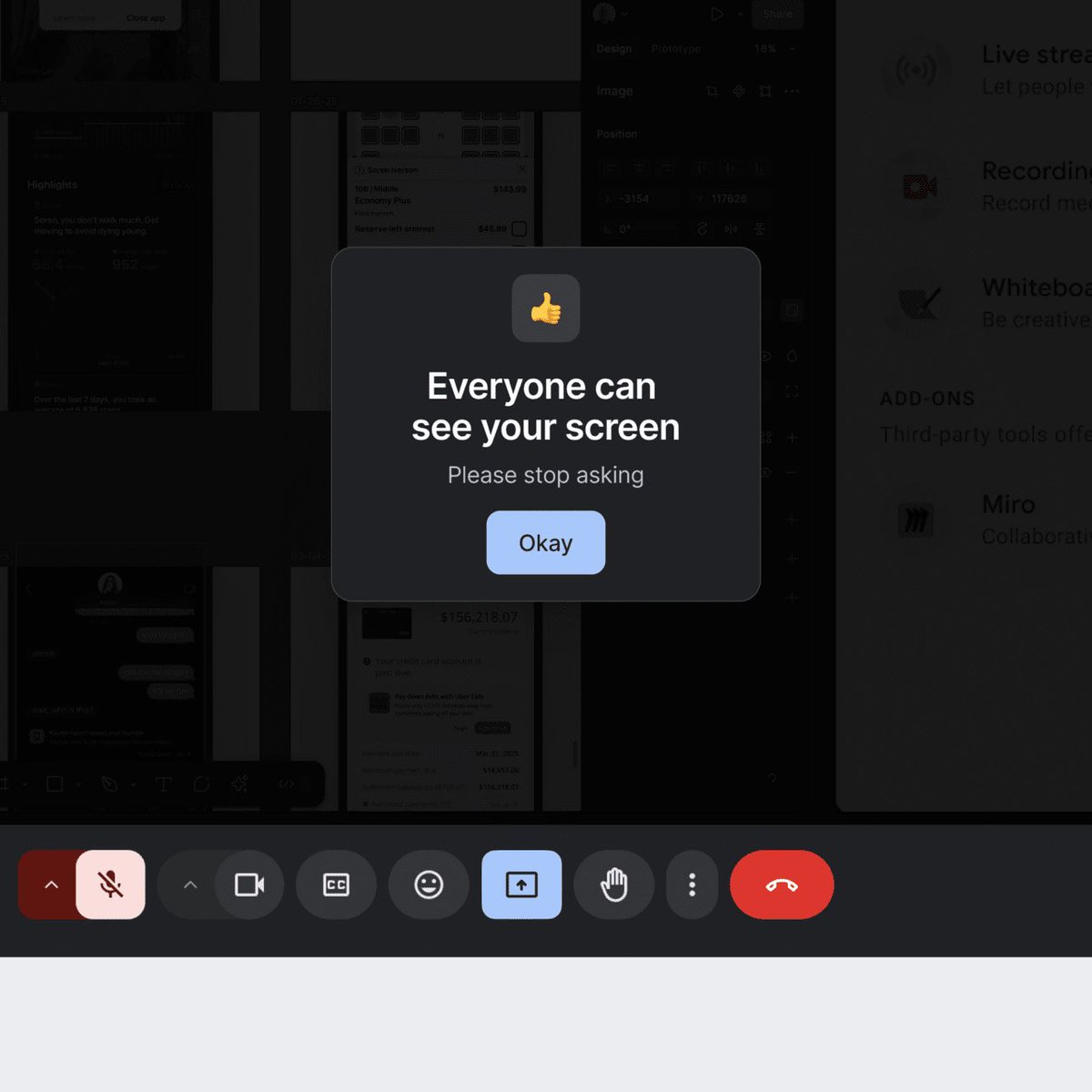
Google Meet confirmation that yes, everyone can see your screen
1
127
Sudeep retweeted

25 Feb 2025
One of the most important skills to learn as a founder is how to use Mixpanel—especially with a very small sample size. This is not something you can delegate because only you will be obsessed enough to make sure your insights are valid.
Almost everyday I see founders get deluded into thinking:
A. They have an onboarding problem—that was actually triggered by internal debugging sessions by the devs, or
B. Their onboarding is working—but they are not properly tracking logged-out users
C. Users are sharing their app—but they are just tracking attempts and not the final send events
At the earliest stages, you must be using a patchwork of filters to remove users and constantly be auditing individual sessions to see what is actually happening during apparent drop-off.
Whenever I see someone who is a jedi in Mixpanel, I suddenly trust their assumptions 10x more.
98
100
2,418
308,231
Wake up babe
New framework just dropped
20 Feb 2025

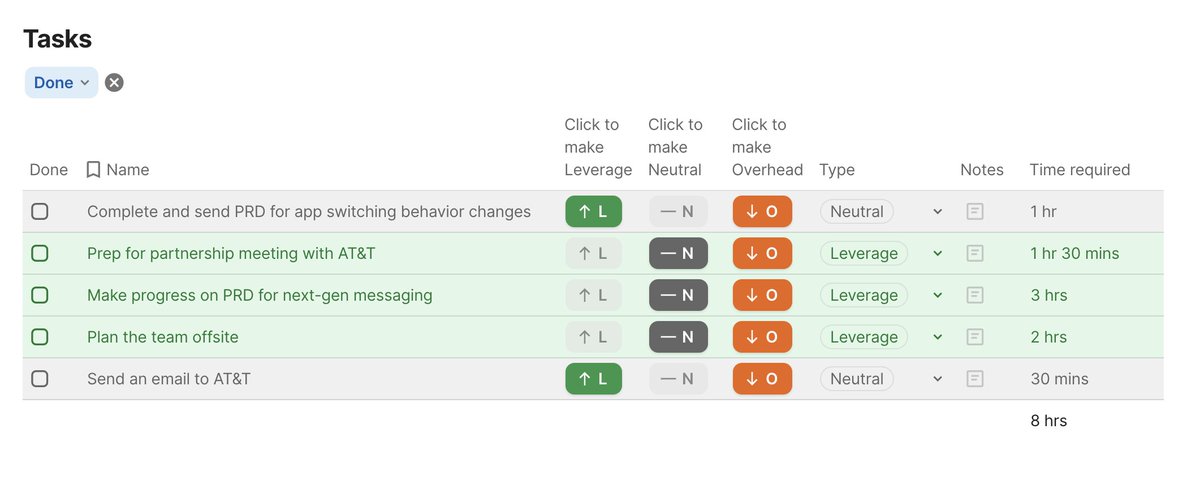
✨The LNO framework changed my life as a busy PM and I’ve been using it to manage my work for 10 years. Over the years, 100s of PMs & non-PMs have shared how they use LNO to manage their tasks
Announcing a @coda_hq doc that makes LNO even easier for you: coda.io/@shreyas/lno-framewo…
71
Sudeep retweeted

6 Feb 2025
Alright fam Simplehuman just launched 🚨 🚨
Please vote and take it to the moon.
producthunt.com/p/simplehuma…
Already at 75 votes :)
8
17
100
5,808
Sudeep retweeted

19 Jan 2025
The most profound shift in my relationship with emotions came when I started viewing them less as states to manage and more as visitors to host.
Each feeling arrives with its own intelligence, its own temporal logic, its own way of moving through the body.
Anxiety isn't just worry - it's a highly sophisticated threat-detection system, scanning the environment for subtle patterns my conscious mind might miss.
Grief isn't just sadness - it's a complex process of metabolizing change, of integrating loss into the larger story of who we're becoming.
Even anger, which I spent years trying to smooth over, carries its own wisdom about violated values and crossed boundaries.
There's something liberating about treating these emotional visitors like respected guests rather than intruders to be controlled or eliminated.
19
150
1,079
32,026
Indispensable resource from @lennysan for anyone setting out to create a Product Management career path at your company: docs.google.com/spreadsheets…
1
1
84
Thanks to @shreyas for publishing the Product, Analytics and Execution sense framework to think about growth in Product: tryexponent.com/blog/10-30-5…
1
1
35
This helped me create the PM career path at Fyle, available publicly: careers.fylehq.com/product-m…
26