Smartphones l Smartphone Hardware |
Joined December 2019
- Tweets 6,147
- Following 61
- Followers 14,944
- Likes 13,256
1,743 Photos and videos

Pinned Tweet

1 Sep 2024
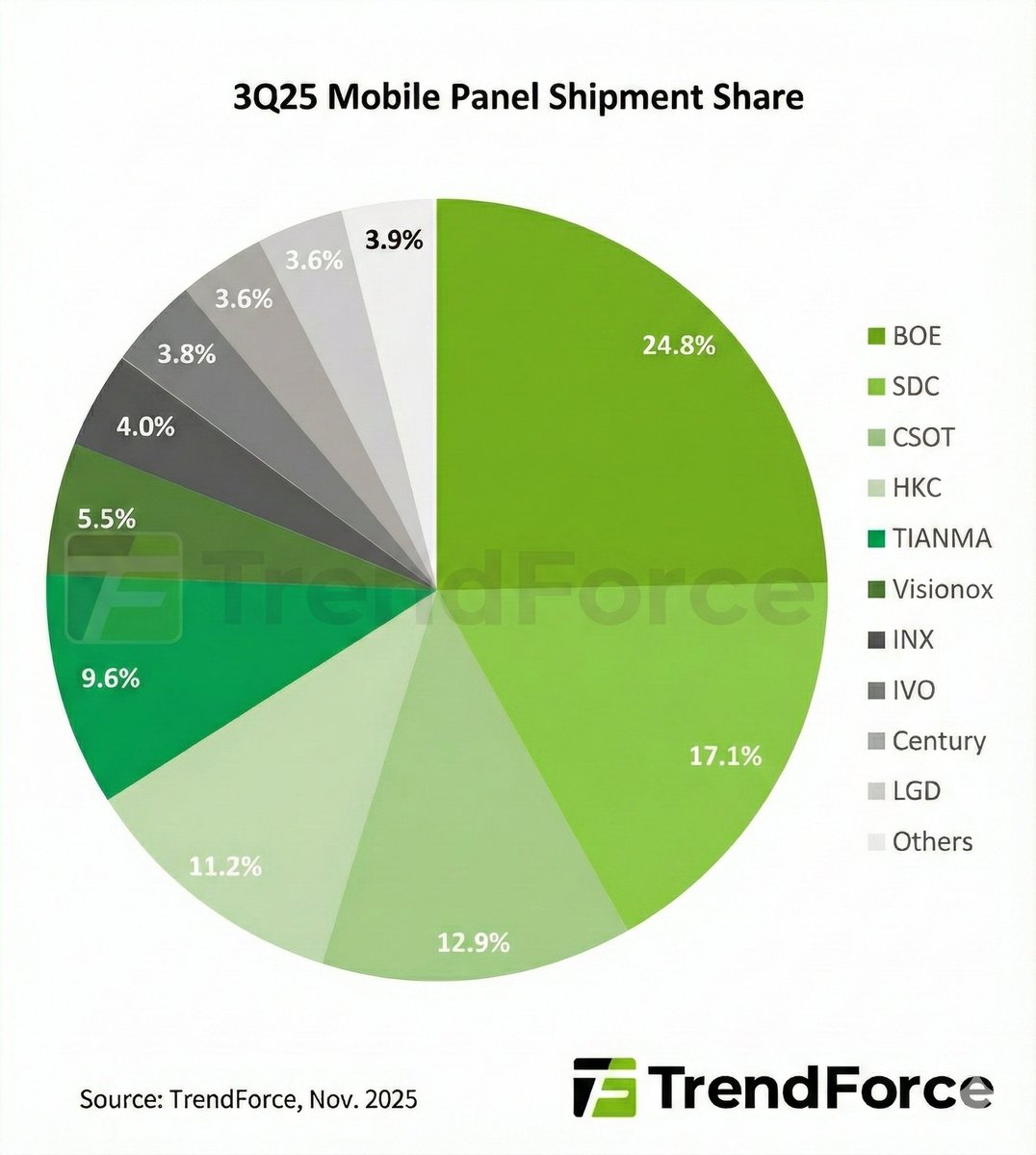
[Update] Major OLED Display Suppliers for Each Smartphone Brands:
Apple - SDC, LGD, BOE
Samsung - SDC
Xiaomi - TCL CSOT, Visionox, Tianma, SDC
OPPO/OnePlus/Realme - BOE, Tianma, SDC, Visionox
Vivo - BOE, SDC, Visionox, Tianma
Honor - Visionox, BOE, Tianma
16
36
320
41,131
Mar 22
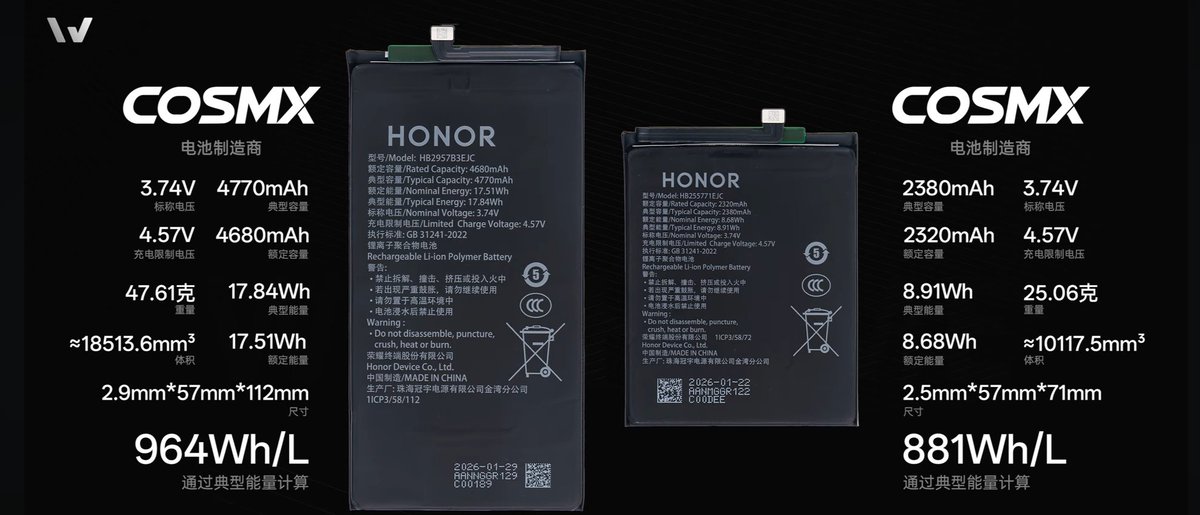
HONOR × COSMX
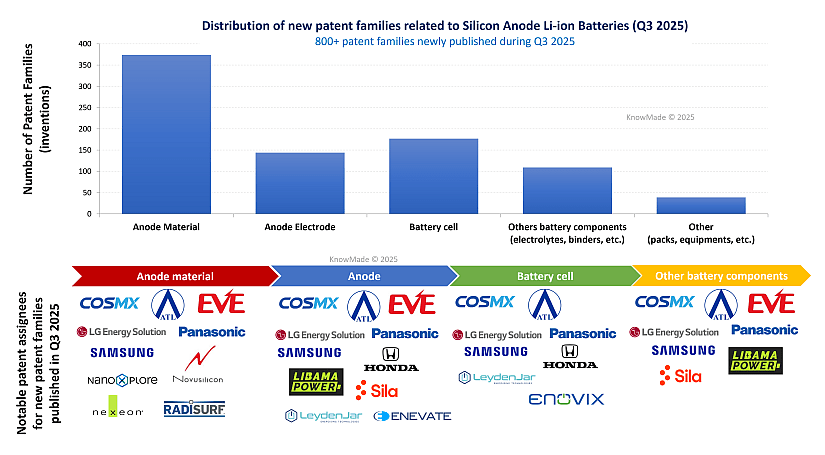
The Honor Magic V6 uses Si/C Li-ion cells from COSMX with an industry-leading volumetric energy density of 964 Wh/L, the highest in the industry by far.
Image Source - Wekihome (YouTube)
6 Jul 2025

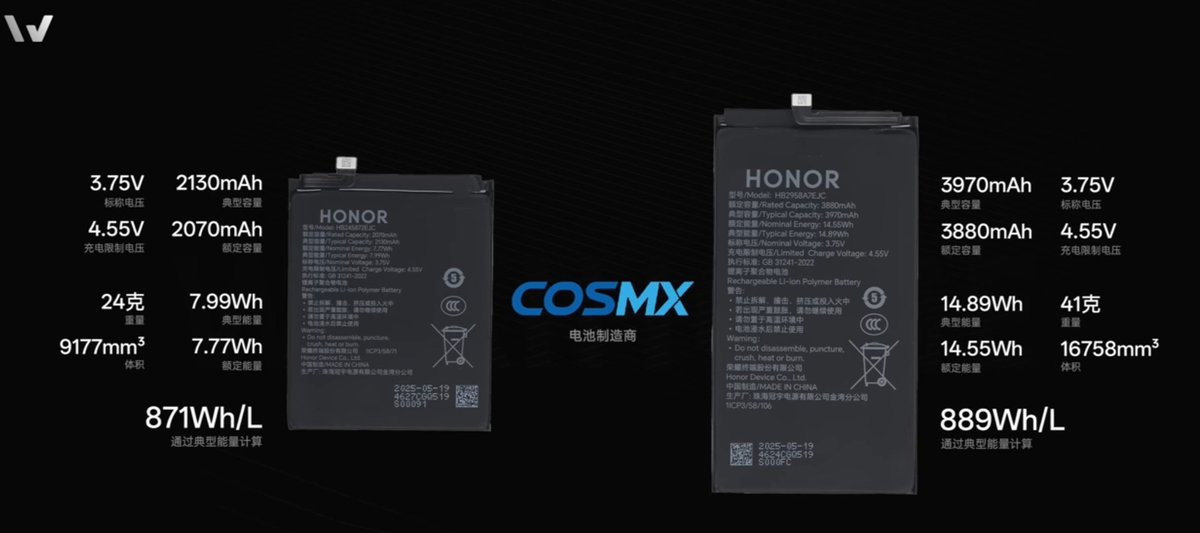
HONOR × COSMX
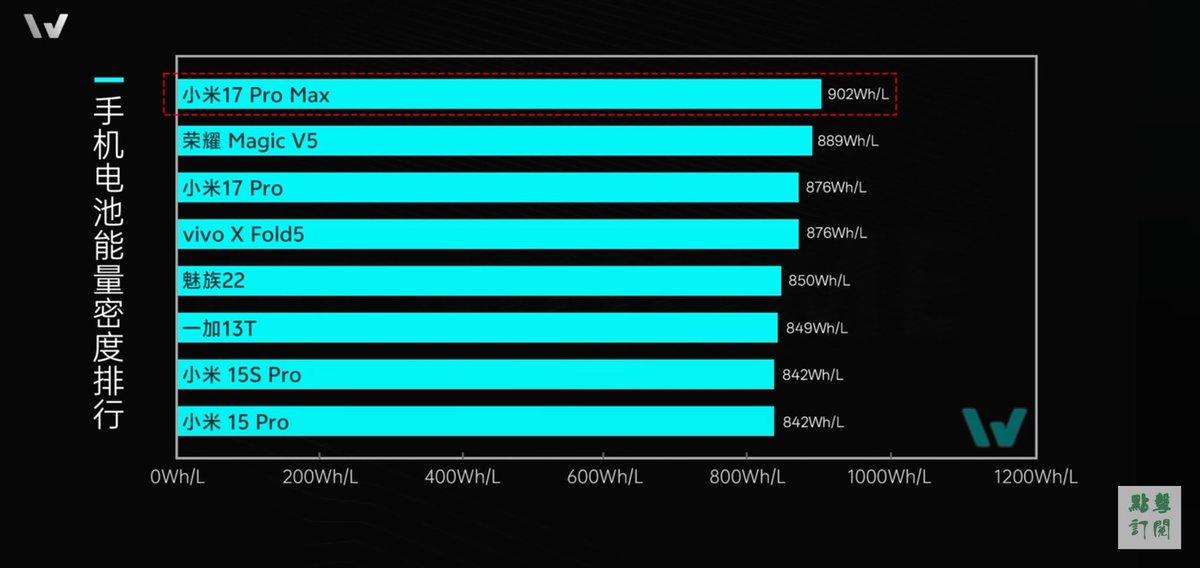
The Honor Magic V5 uses Si/C Li-ion cells from COSMX with an industry-leading energy density (Volumetric) of 889 Wh/L. Usually, almost all high-energy-density Si/C Li-ion batteries come from ATL.
1
2
42
4,313
Mar 21
Huawei (Hisilicon) started manufacturing in-house image sensors for smartphones, action cameras etc...
3
33
202
57,928
Nithin Prasad retweeted
Given the recent geopolitical turmoil around the world, it is clear how critical it is to achieve self-sufficiency in key sectors such as defense, aerospace, materials, pharmaceuticals, semiconductors, software etc.. This can only be accomplished through investment in R&D,
2
6
57
4,744
Nithin Prasad retweeted

Feb 23
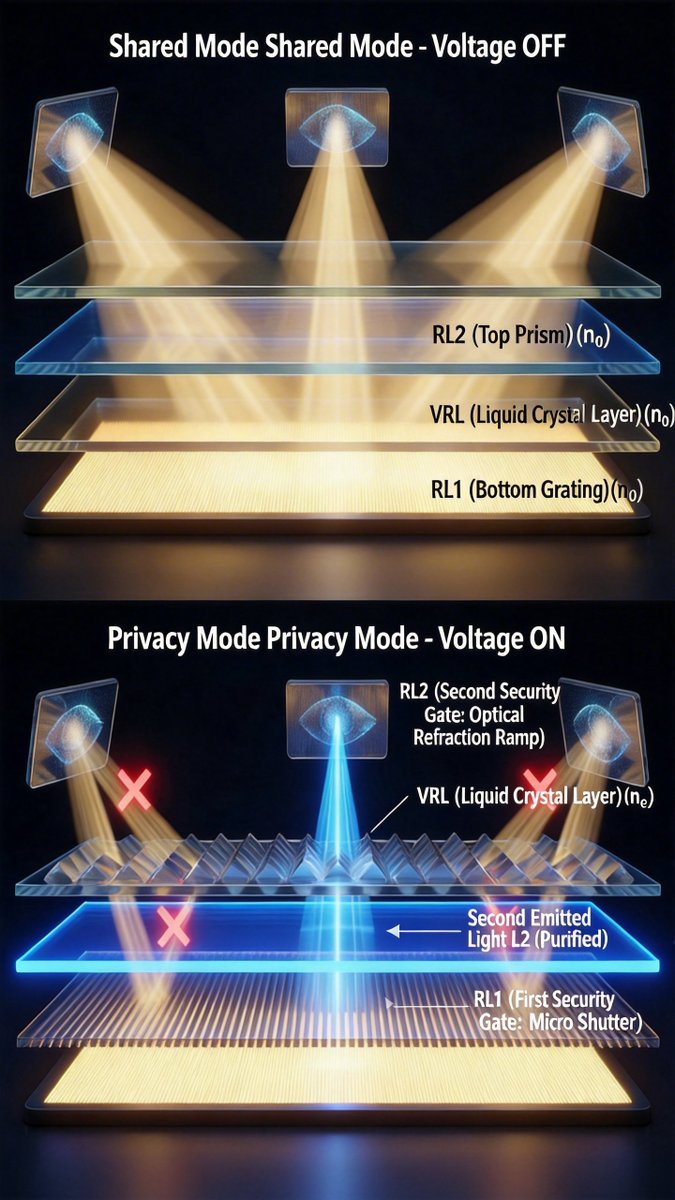
Deep Dive: Samsung Galaxy S26 Ultra Native Hardware Privacy Screen Technology
The First Security Gate: Micro "Louvers" (Bottom Grating)Imagine this: the light emitted by the OLED screen originally scatters in all directions (this is known as a Lambertian emission distribution).
Before enabling Privacy Mode: The first security gate is completely invisible. Because the refractive indices across all layers are exactly the same, all light passes through freely, allowing the person next to you to see the screen clearly.
After enabling Privacy Mode (Voltage ON): The liquid crystal layer instantly changes state, causing a sudden shift in its refractive index. At this moment, the microscopic grating (Diffraction Structure) carved into the surface of the first refractive layer reveals itself, acting like a series of microscopic "louvers." Those light rays trying to escape at wide angles to the left and right (the "first exit light" L1) are forced to change their path (undergoing diffraction) as they pass through these louvers, deviating from their original trajectory.
The Second Security Gate: Optical "Refraction Slopes" (Top Prism/Lens)The light rays, having had their paths scrambled by the first gate, immediately crash into the optical structure (Prism or Lens) at the top of the refractive index conversion layer. This is where the life or death of the light is decided:
The Snooper's Light (Trapped): Those wide-angle light rays originally destined for the snooper's eyes hit the prism slopes at extremely awkward angles. Because there is now a refractive index difference between the liquid crystals and the top refractive layer, this portion of light cannot penetrate the screen surface. Instead, it gets severely distorted or totally internally reflected, bouncing right back into the screen. It simply can't escape. So, to anyone sitting next to you, the screen looks completely blank.
The Owner's Light (Purified): The light rays heading straight forward (the "second exit light" L2) not only smoothly penetrate the prism slopes, but due to the optical refraction effect, their exit angle is further "squeezed" and compressed. This means the screen remains crystal clear when viewed head-on, but the effective viewing angle becomes extremely narrow, offering perfect privacy protection.
34
111
1,361
87,871
Nithin Prasad retweeted

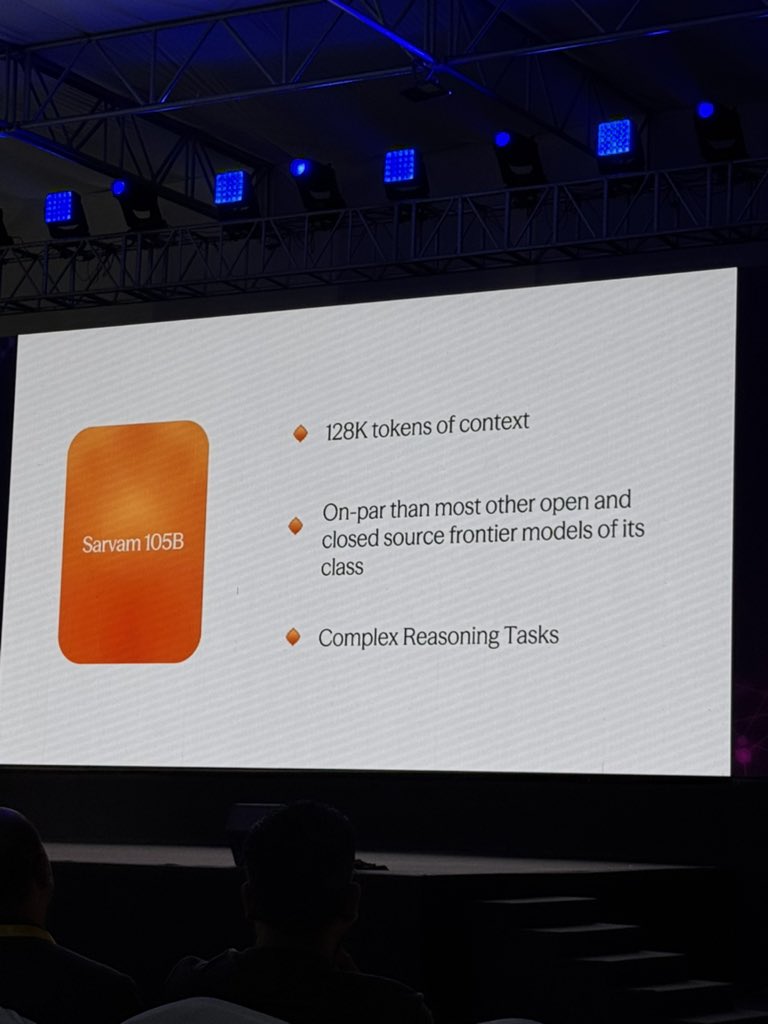
Sarvam 105B-A9b is here
A lot of blood and sweat went into this
141
500
4,354
230,277
Don't expect such a misleading video like this from a "reputed" youtuber.
The massive volume expansion (swelling) is the core challenge when it comes to silicon based anode (adding more silicon in anode instead of graphite in order to achieve high energy density) in the past
Feb 6

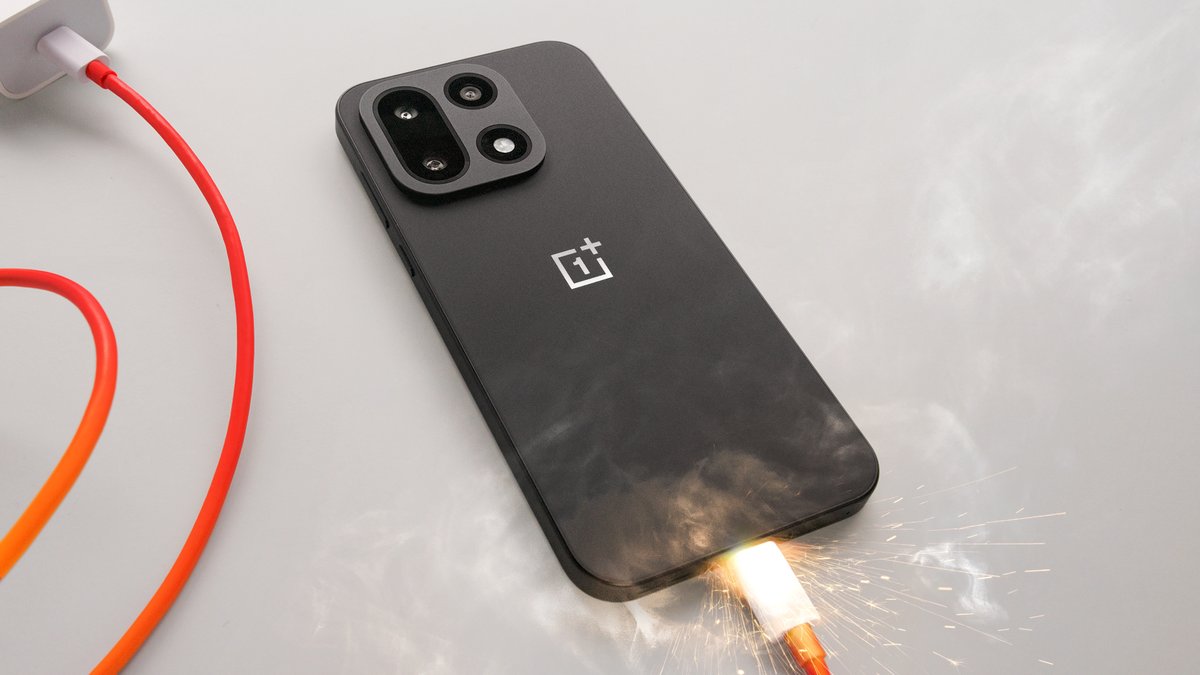
NEW VIDEO - I talked to a few people working at smartphone companies about why not everyone has switched to silicon carbon batteries, and uncovered some interesting concerns about swelling and longevity: youtu.be/zPAY2VxfFBk
4
6
73
4,047
Ratified with innovative design through r&d and continuous testing. Can't find any major issues with the first generation of Si/c batteries even after almost 3 years of introduction, with the fast iteration of improvements happening in the battery industry it's possible
1
1
13
704
It's getting better and better every year, if somebody has to prove, they have to show some credible proofs with solid research results.
1
14
655
Nithin Prasad retweeted

Feb 3
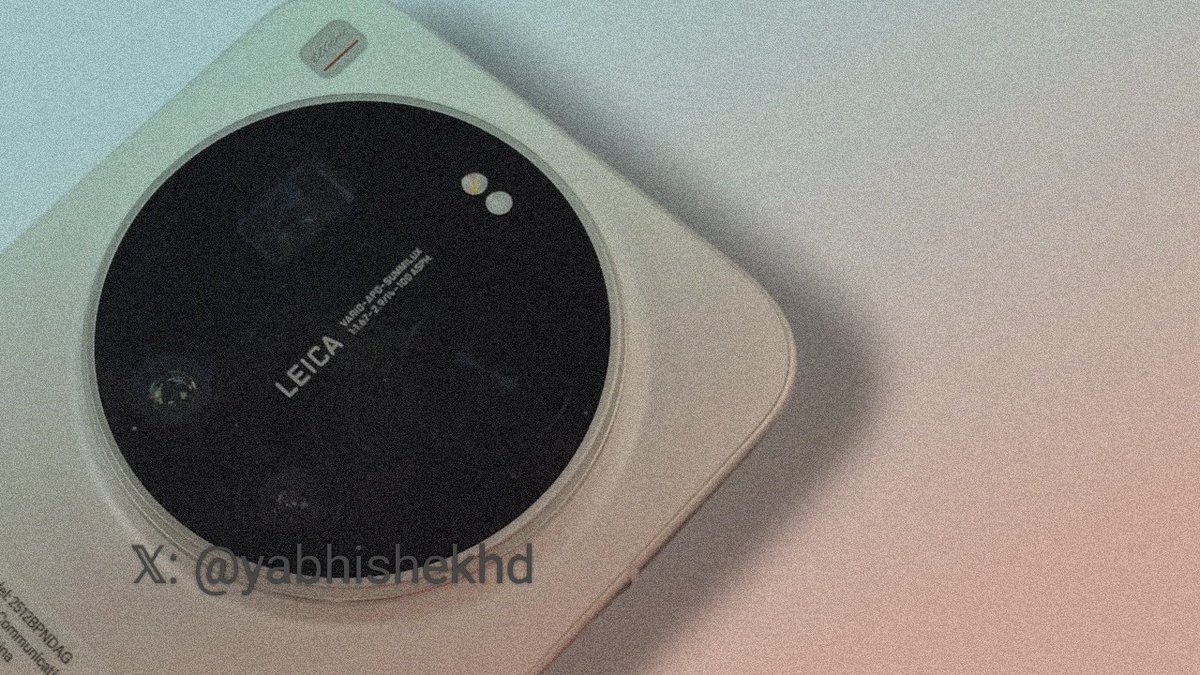
🚨 EXCLUSIVE FIRST LOOK
This is the Global Xiaomi 17 Ultra.
15
29
497
34,047
Nithin Prasad retweeted
Jan 29
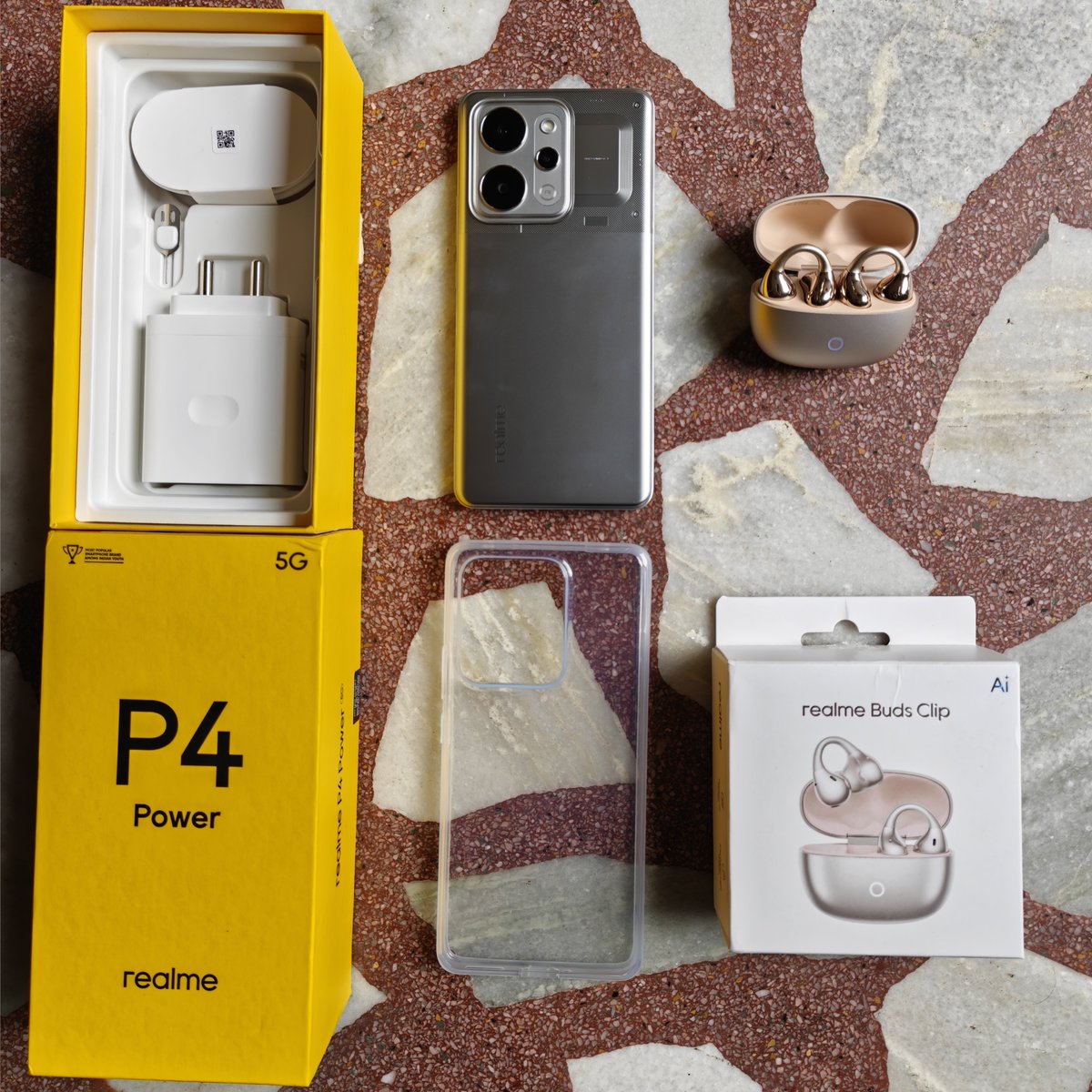
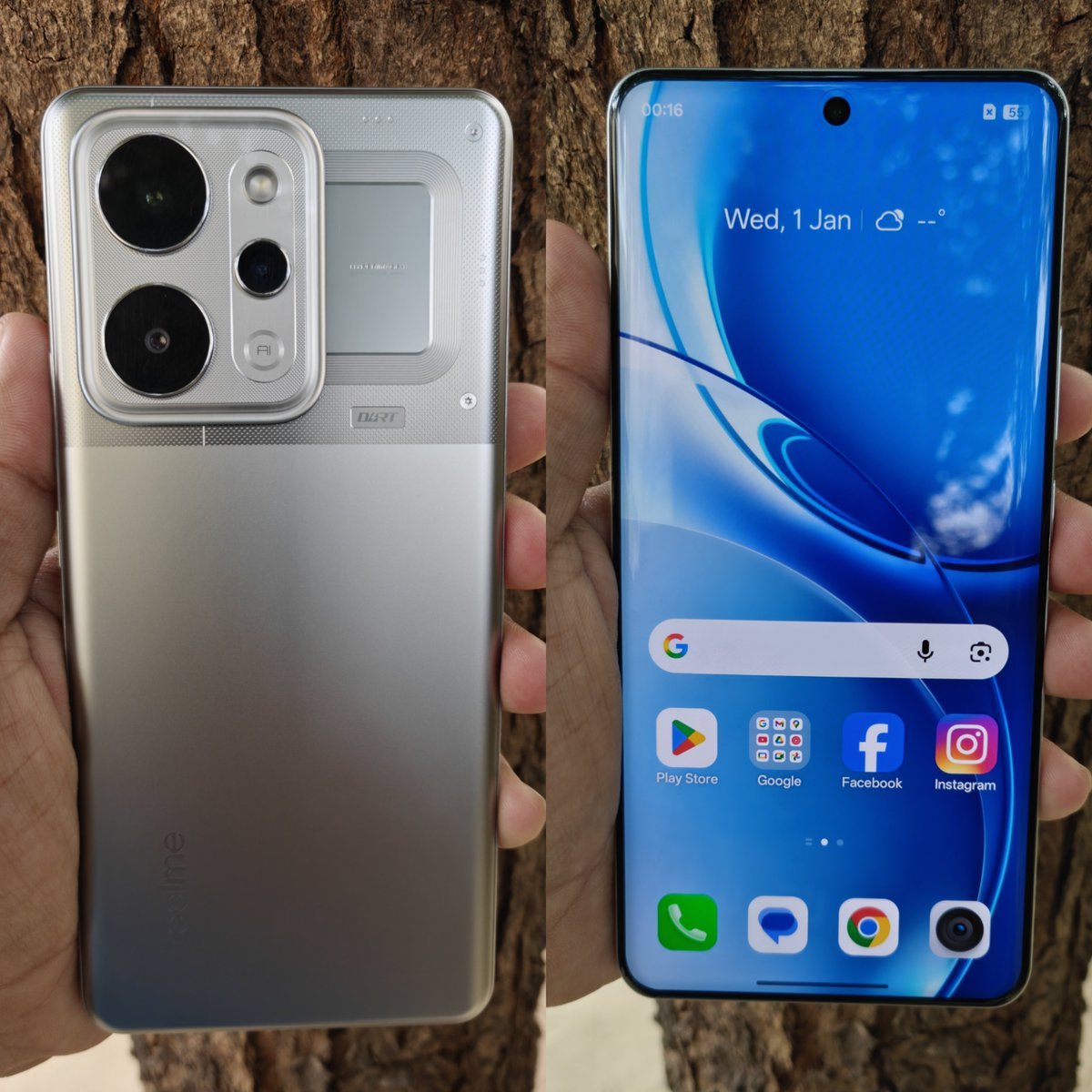
Realme P4 Power launched in India at ₹25,999 for 8 GB 128 GB
• Solid battery backup with a massive 10,000 mAh battery, yet the dimensions still feel like a regular smartphone. 27 W reverse charging and supports bypass charging.
• 6.67-inch AMOLED with 144 Hz refresh rate, quad-curved display, and a good looking rear design.
• Average cameras: 50 MP Sony IMX882 main sensor with OIS, 8 MP ultra-wide, and they need significant optimization.
• IP69 water and dust resistance.
• Powered by the MediaTek Dimensity 7400 processor, it could have been better with a more powerful processor.
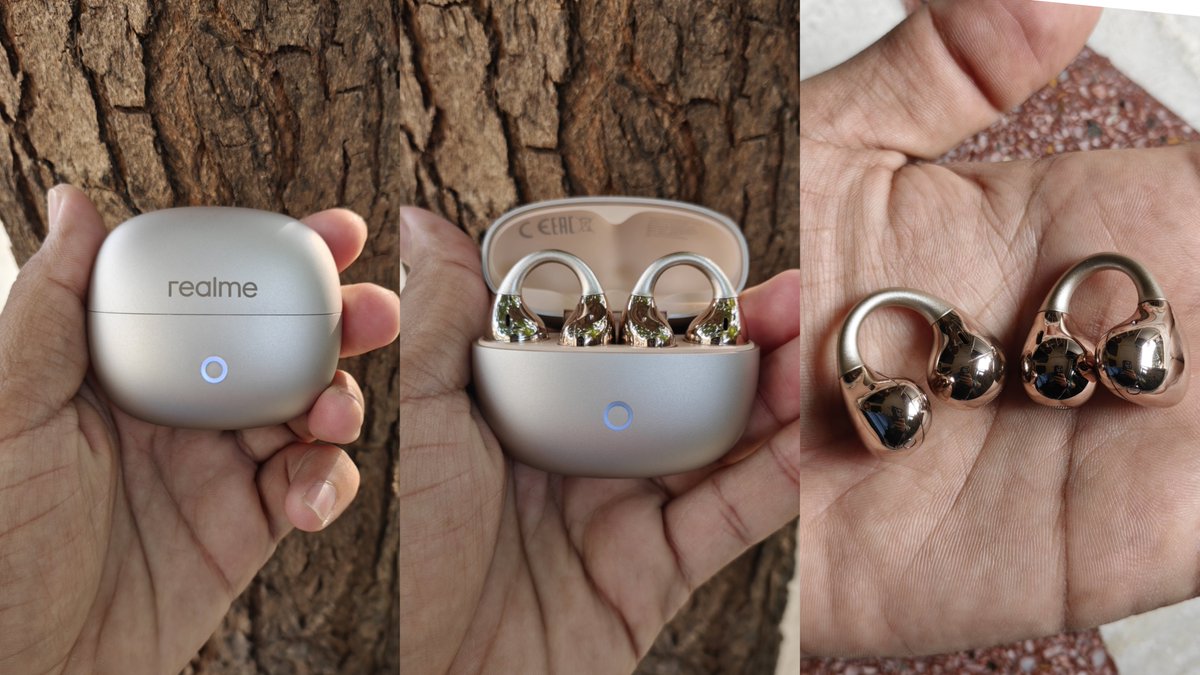
Realme also launched Buds Clip with a jewellery like design at ₹5,999.
• Sound quality is good, with great sound customization options.
61
48
768
77,343
Nithin Prasad retweeted
Jan 21
🚨 OnePlus is not shutting down.
The circulating reports were misinformation.
11
18
358
18,391
Nithin Prasad retweeted
Jan 20
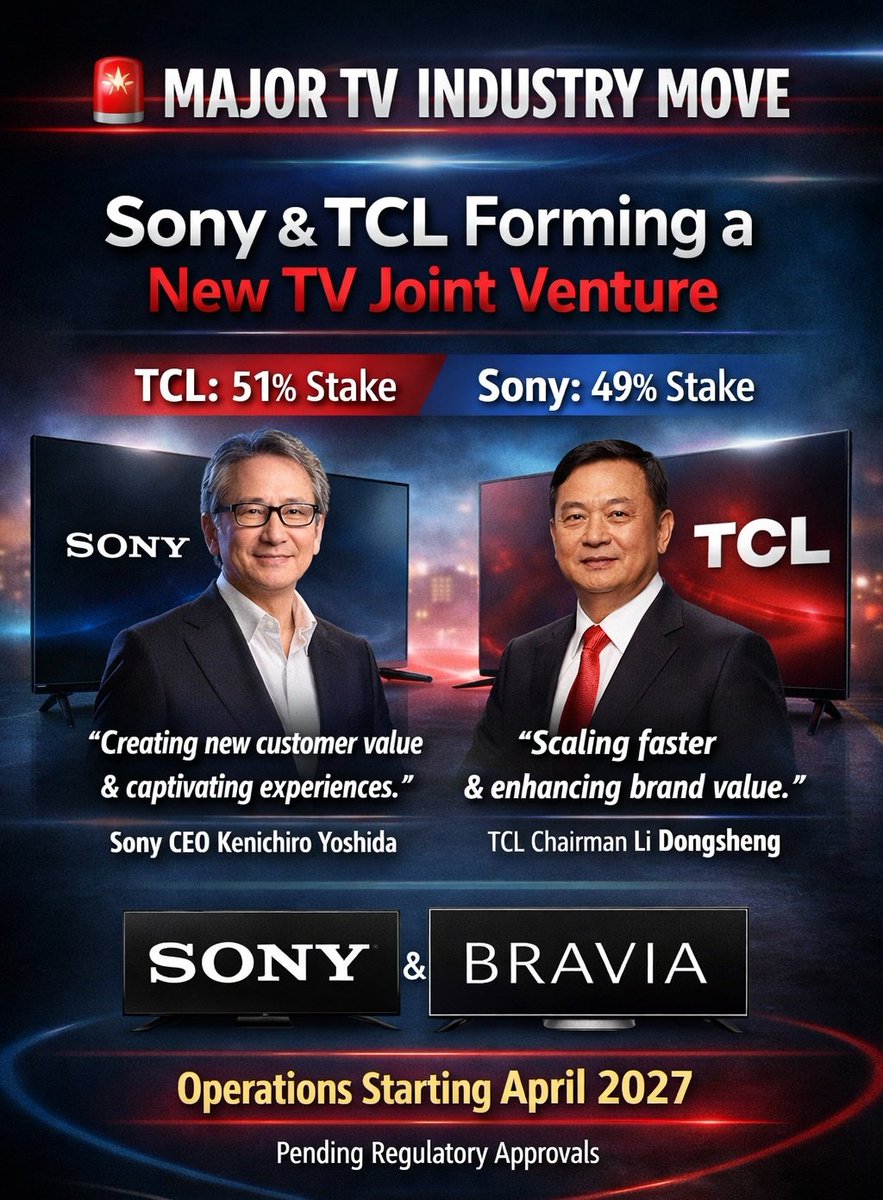
🚨 Major TV industry move
Sony & TCL are forming a new TV joint venture.
• TCL: 51% stake
• Sony: 49% stake
Both Sony and BRAVIA branding will continue.
🗓️ Operations are expected to begin in April 2027, subject to regulatory approvals.
Sony CEO Kenichiro Yoshida says the partnership will “create new customer value and deliver more captivating audio-visual experiences.”
TCL Chairman Li Dongsheng says the focus is on scaling faster, strengthening the supply chain, and enhancing brand value.
24
139
995
60,177
Nithin Prasad retweeted
Jan 19
🚨 Breaking: Asus exits smartphone business confirms Asus chairman Jonney Shih.

53
70
1,361
58,936
Nithin Prasad retweeted
Jan 17
Exclusive ✨
According to information from my source, the Redmi Note 15 Pro series will go on its first sale on February 4, 2026.
As for the SoC, the Redmi Note 15 Pro is expected to be powered by MediaTek’s Dimensity 7400, while the Redmi Note 15 Pro will most likely feature Qualcomm’s Snapdragon 7s Gen 4.
19
23
318
22,786
Jan 17
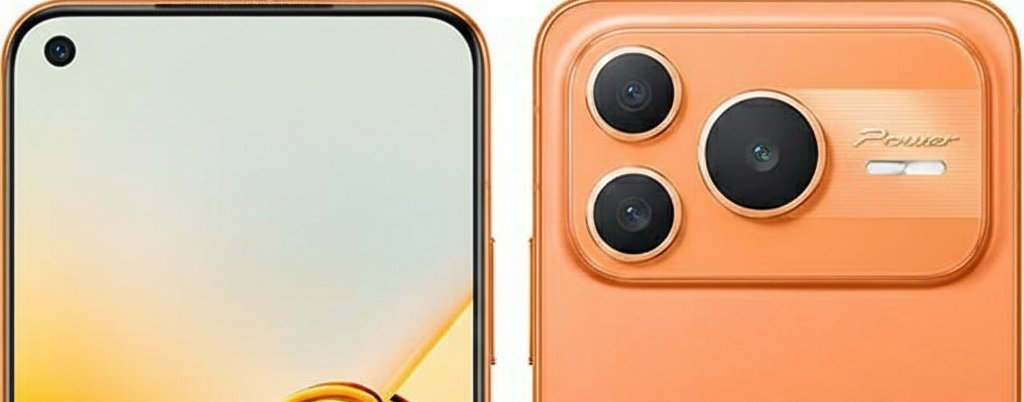
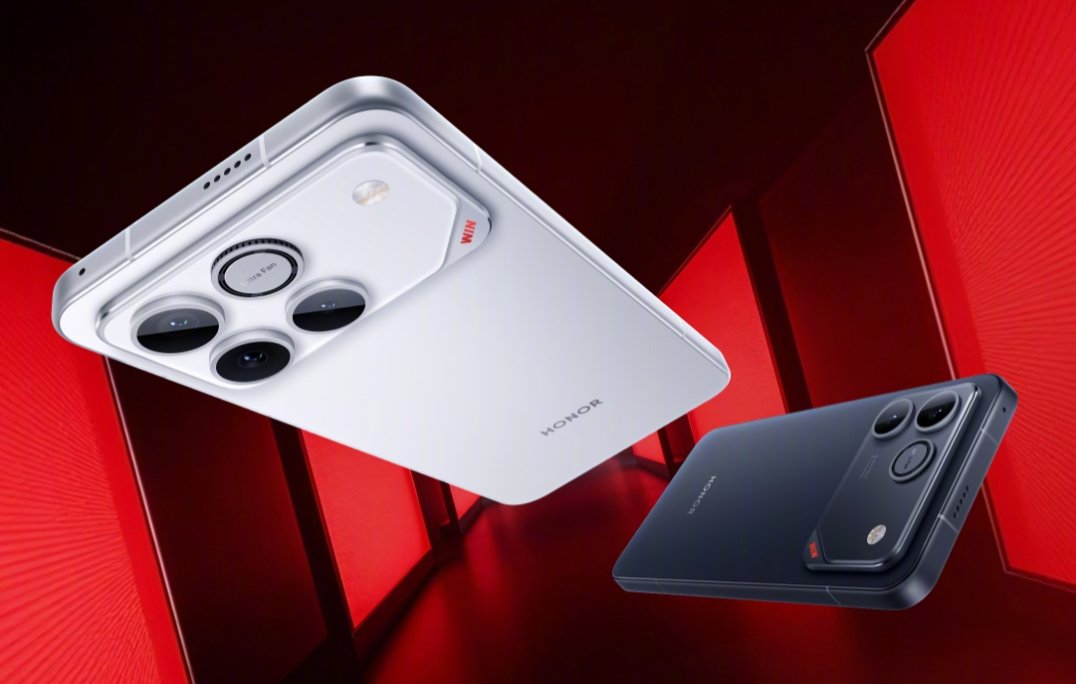
So finally, after a long eight years, Honor can reuse their design, with a high probability that their Power 3 will look like this (with some minor changes in the camera module).
Jan 17

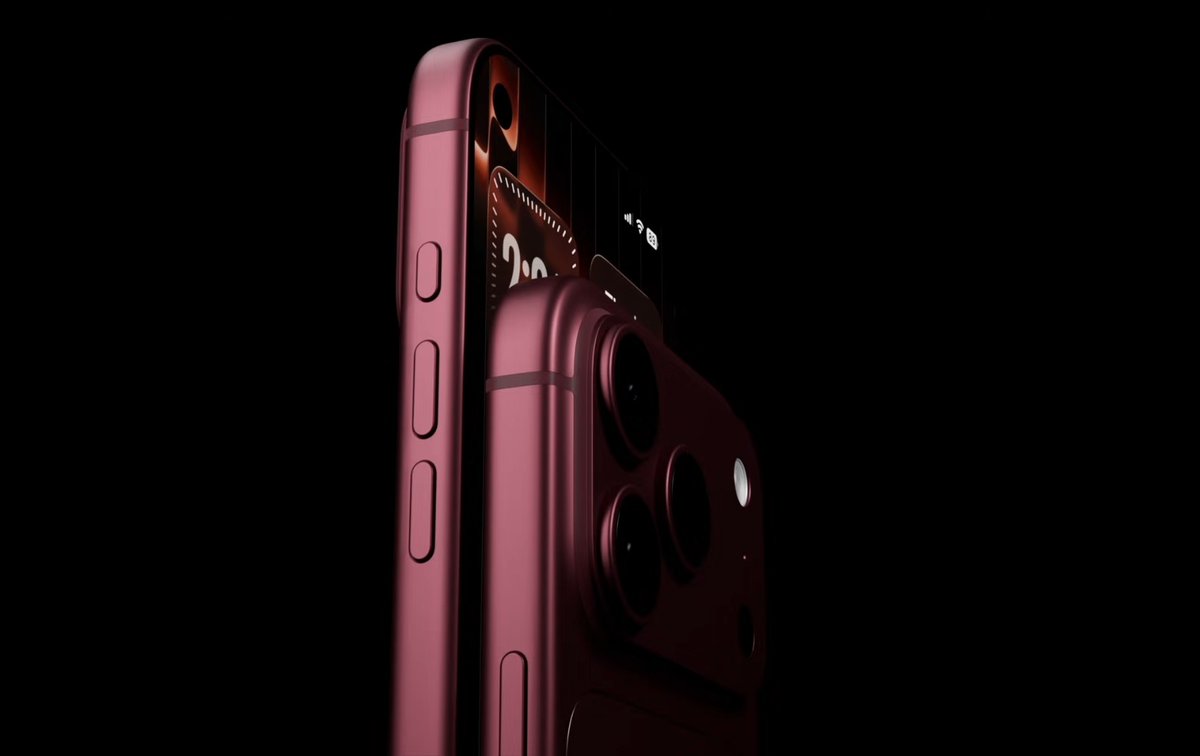
so it’s pretty much confirmed
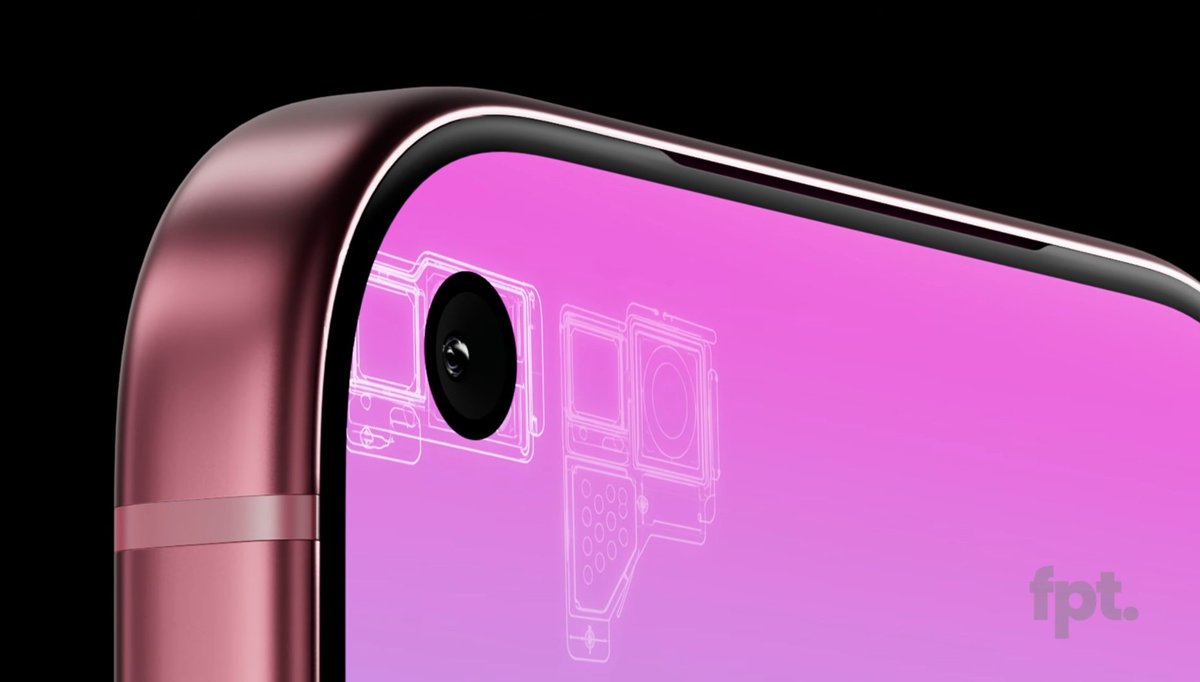
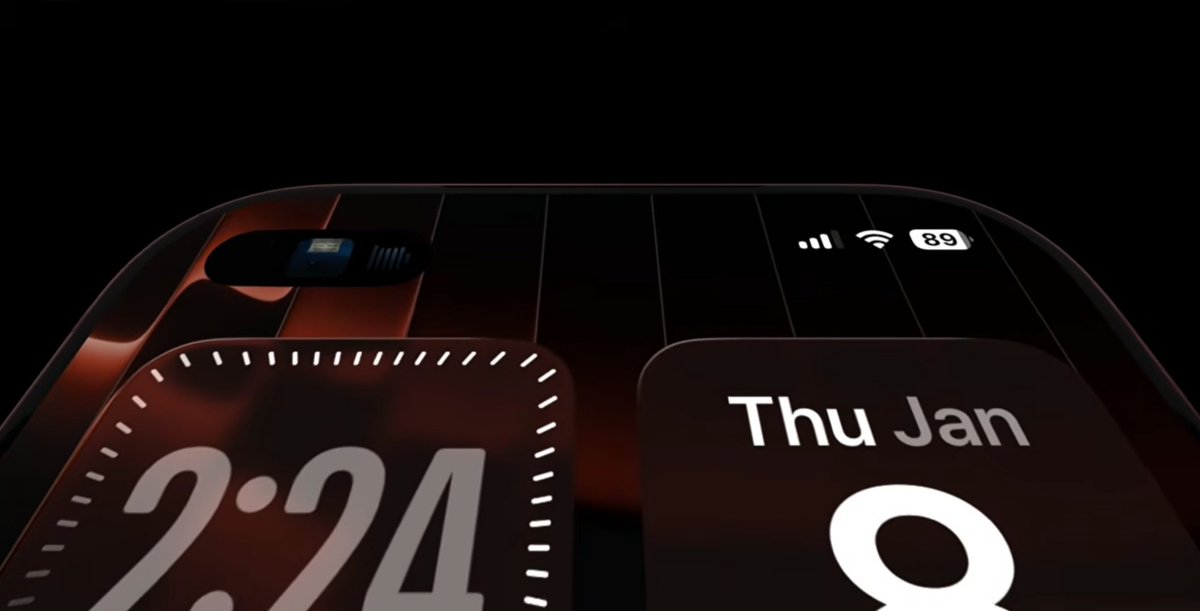
Apple is indeed going with this side punch hole design
it feels so weird to have the Dynamic Island on the left 😭
3
1
19
2,005
Jan 17
Always use Screen Protector / Temp glass, especially if you are using a budget or midrange phone.

To all those who are saying this
Here's a story, recently I went on a trip to Kerala and my phone fell down on Kolukkumalai hills and I thought even my glass was broken.
But, thanks to tempered glass only it got broken and nothing happened to my main glass.
Now tell me why not?
1
1
14
987