
2,616 Photos and videos
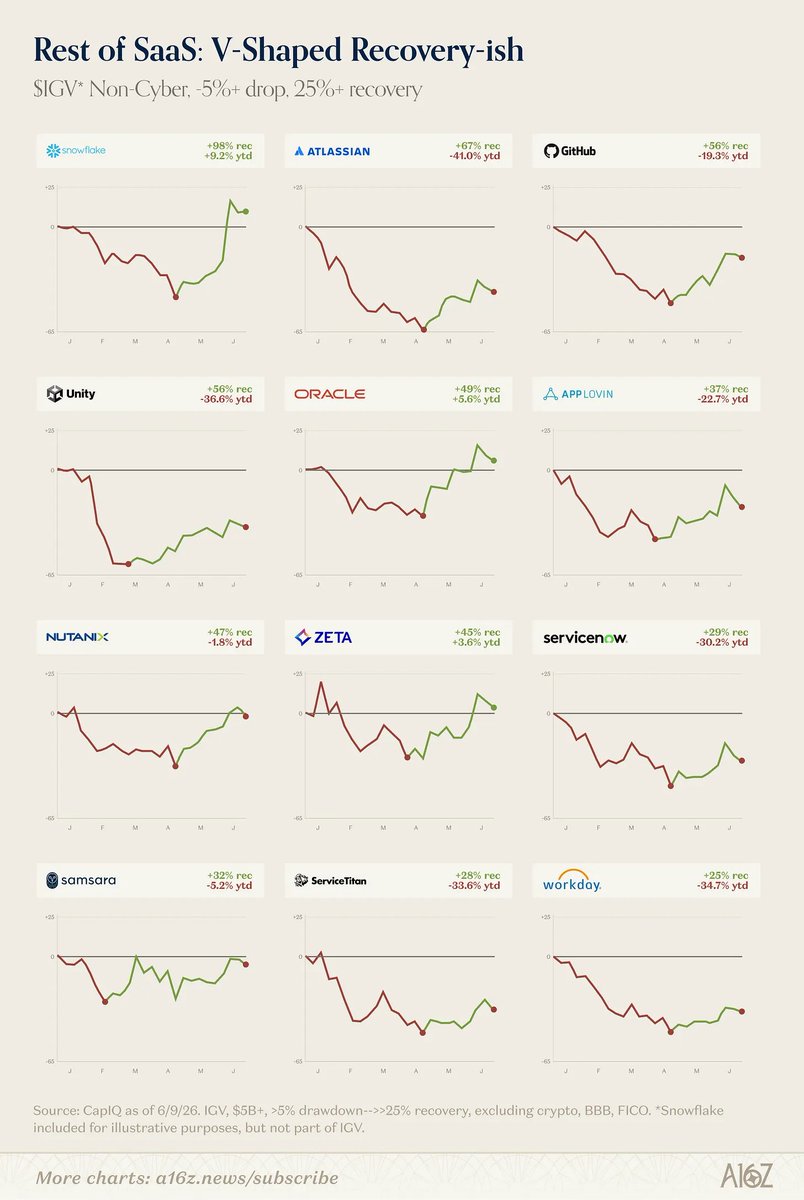

Quite a few SaaSCos have some ground to make up to complete the V-shaped recover
Charts of the Week: a16z.news/p/charts-of-the-we…

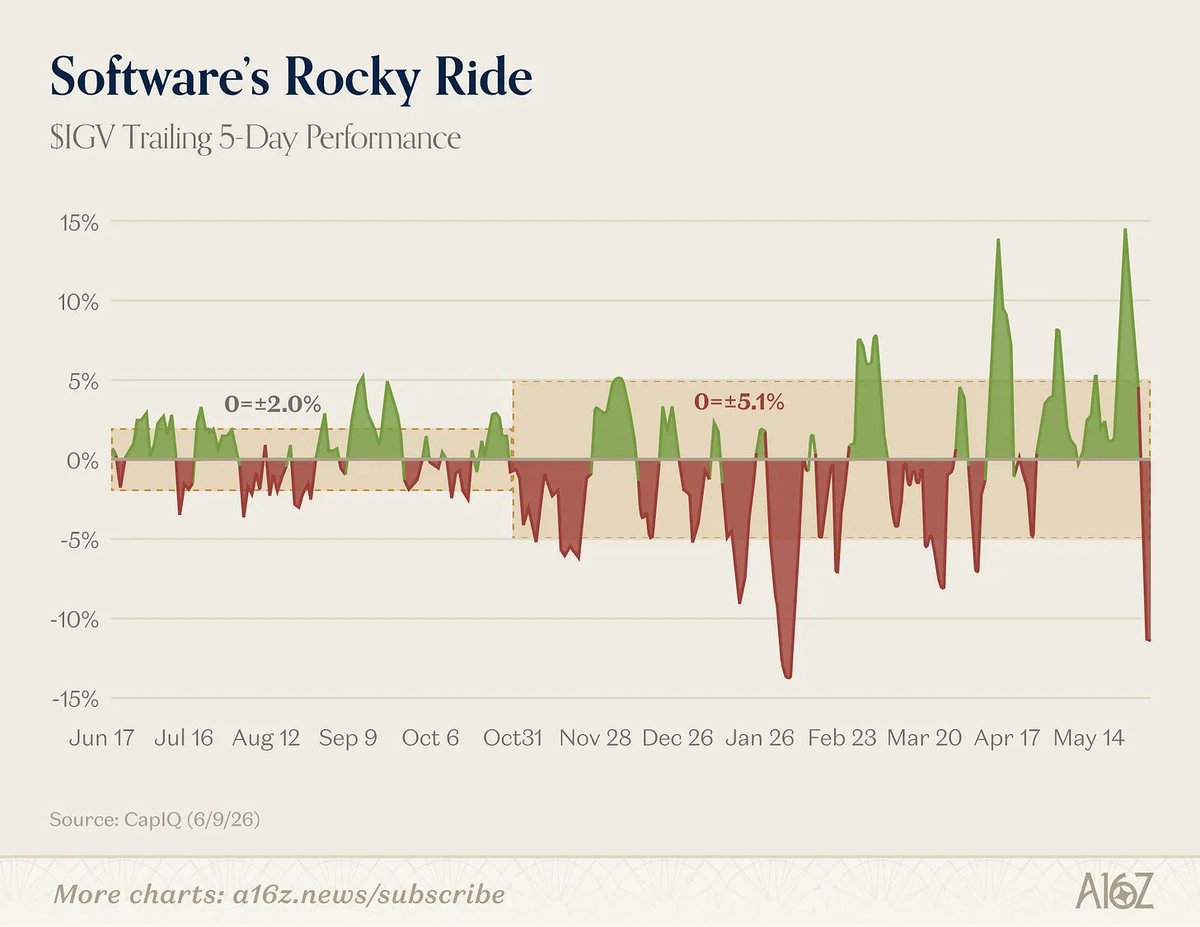
The publicly traded software rollercoaster keeps going
Charts of the Week: a16z.news/p/charts-of-the-we…
9
15
67
21,488
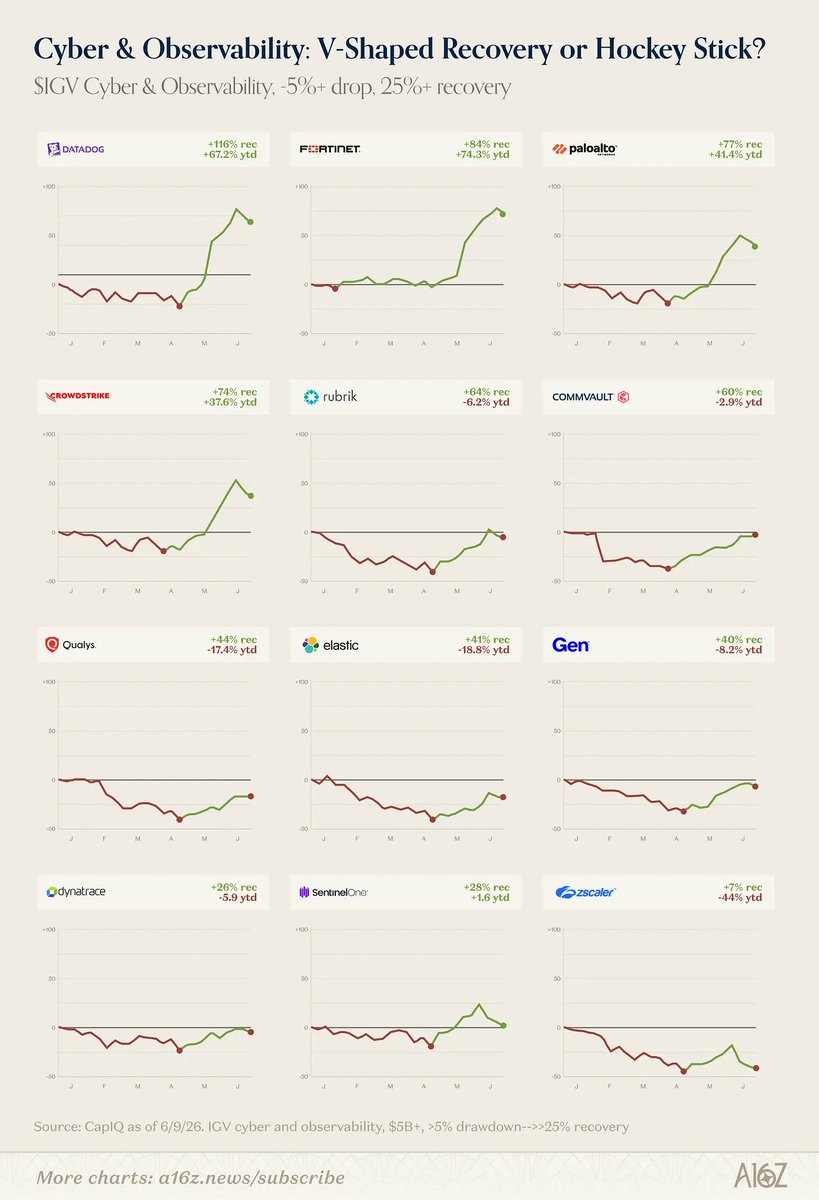
Many cyber & observability stocks have looked closer to hockey sticks than V-shaped recoveries
Charts of the Week: a16z.news/p/charts-of-the-we…
The publicly traded software rollercoaster keeps going
Charts of the Week: a16z.news/p/charts-of-the-we…
4
5
35
15,868
The publicly traded software rollercoaster keeps going
Charts of the Week: a16z.news/p/charts-of-the-we…
5
8
74
50,576
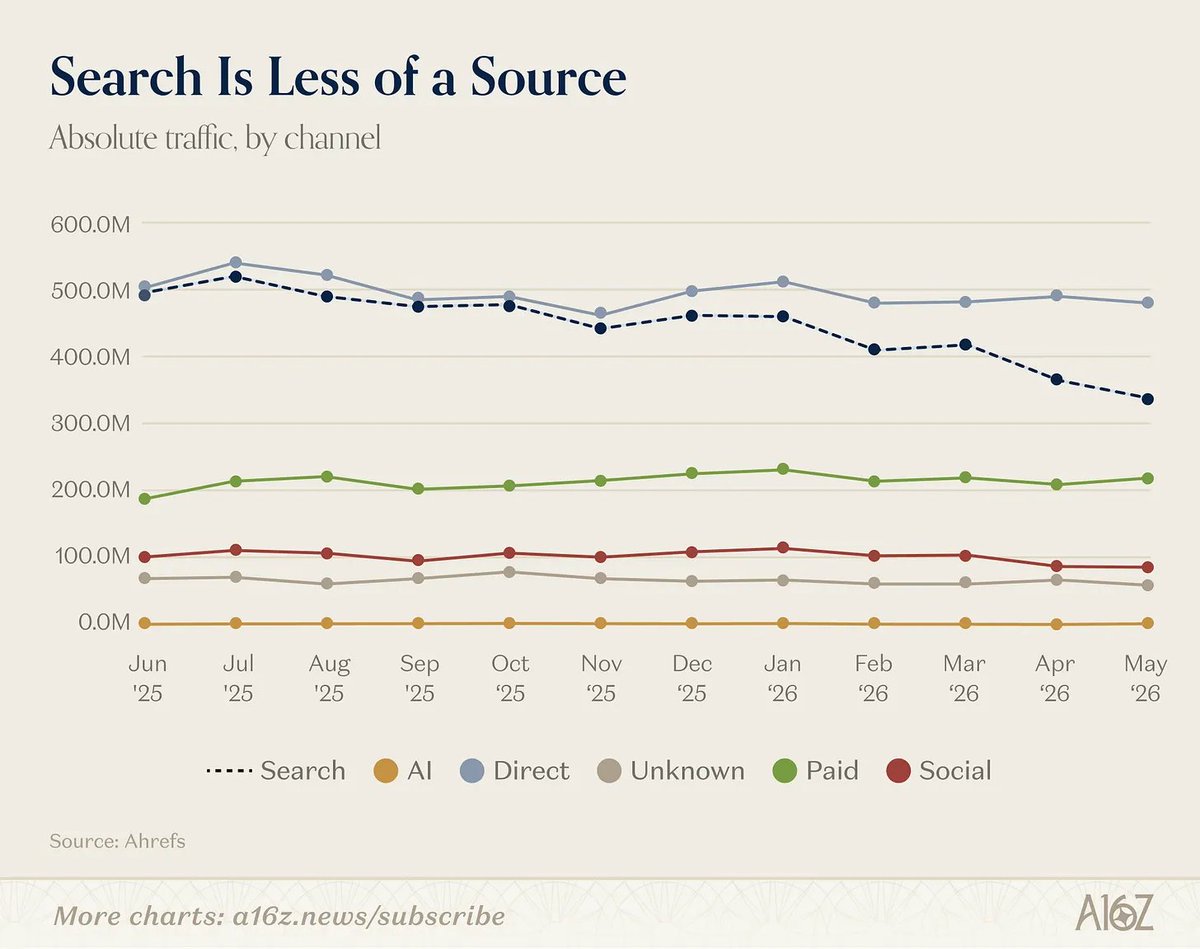
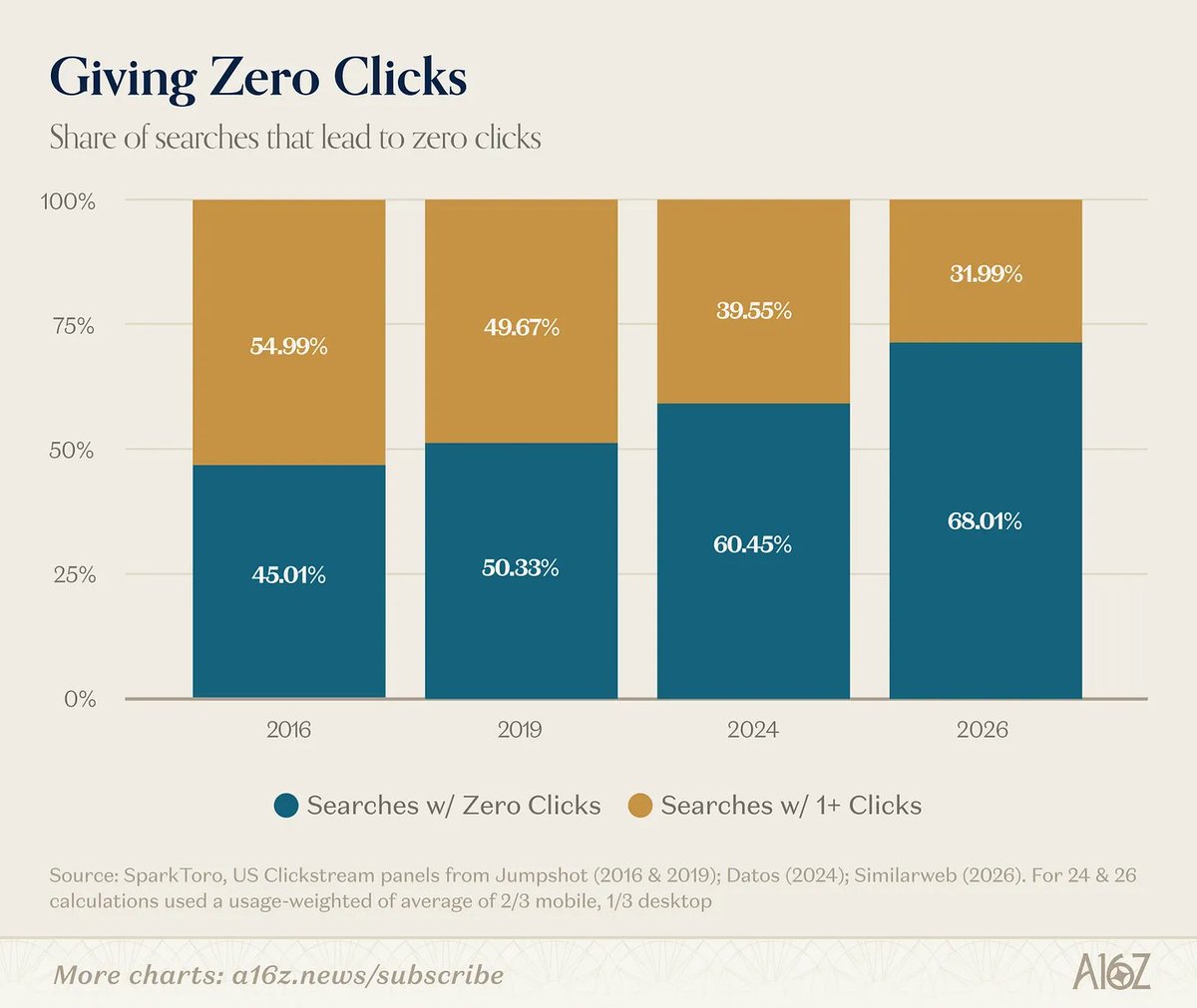
AI summaries are the likely driver of search's decline as an online traffic source and the recent uptick in zero-click searches
Charts of the Week: a16z.news/p/charts-of-the-we…
An increasing share of searches ends in no links being clicked
Charts of the Week: a16z.news/p/charts-of-the-we…
4
13
76
23,554
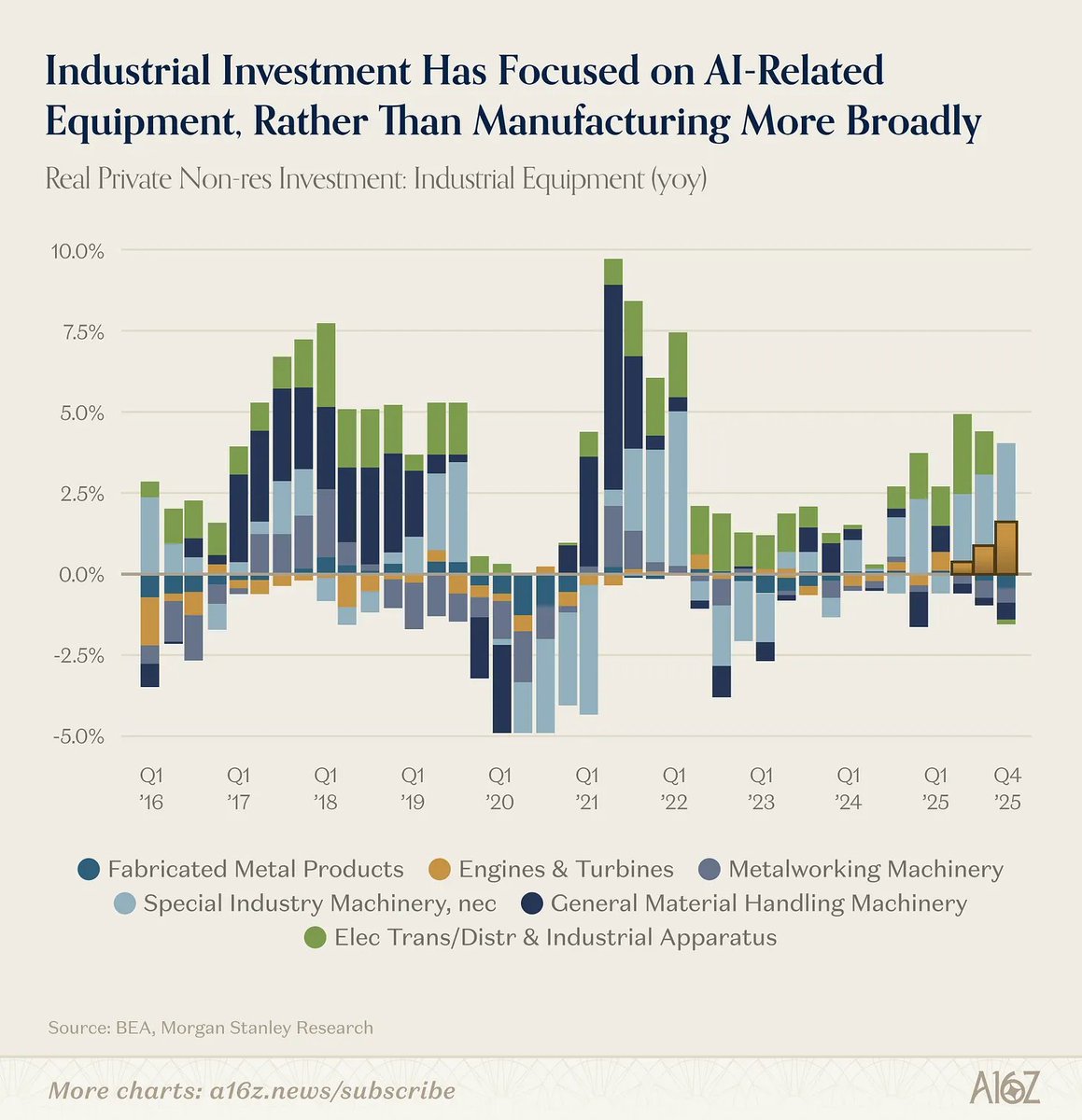
American investment in industrial capital stock has mostly focused on AI build-out
Charts of the Week: a16z.news/p/charts-of-the-we…
3
6
57
9,131
a16z retweeted

Jun 12
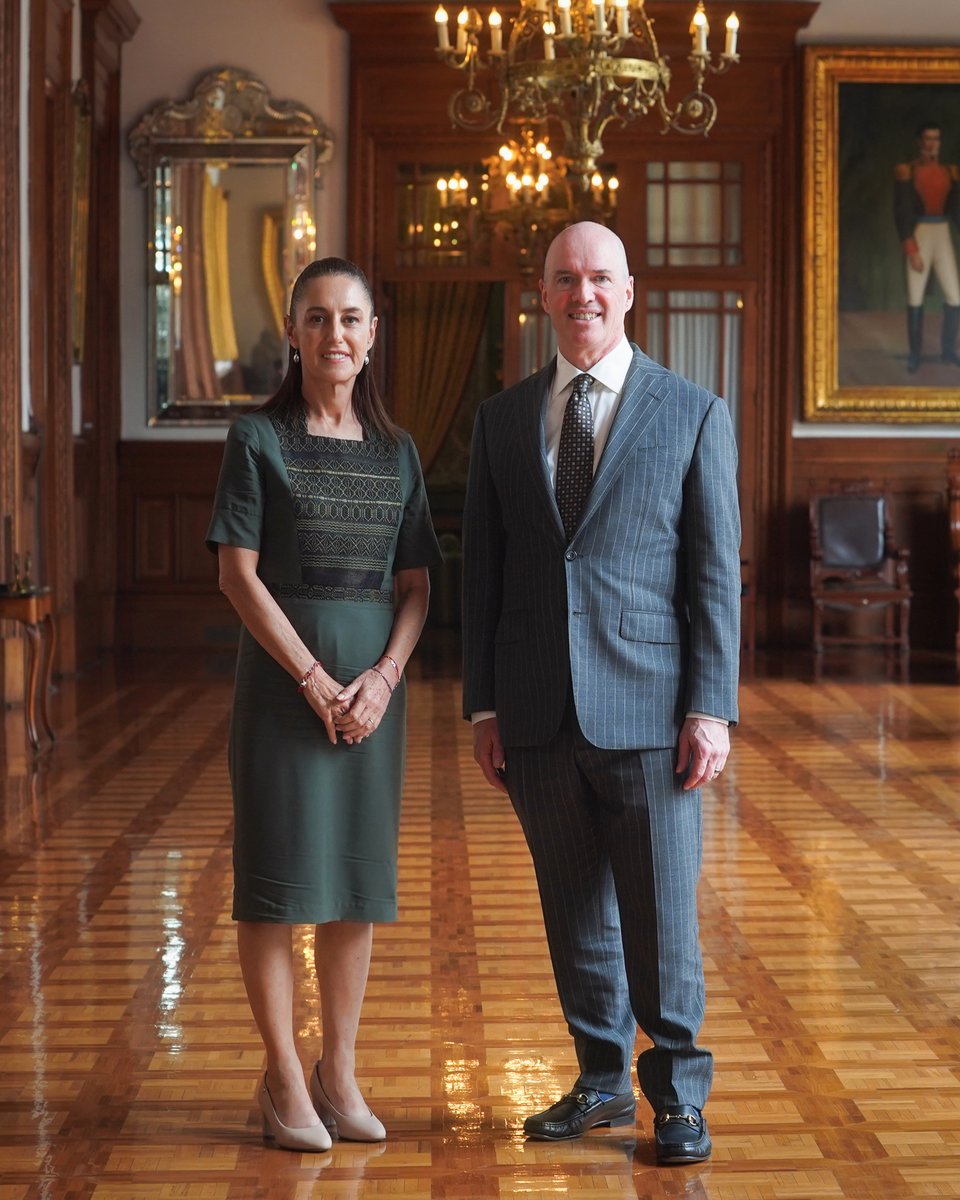
It was wonderful to spend time with President Sheinbaum today. She is a fantastic leader and I look forward to working with her on many things.

En Palacio Nacional, recibimos a Ben Horowitz, cofundador y socio general de la firma financiera Andreessen Horowitz. Coincidimos en que México es ejemplo de confianza y certeza económica.
25
19
226
44,810
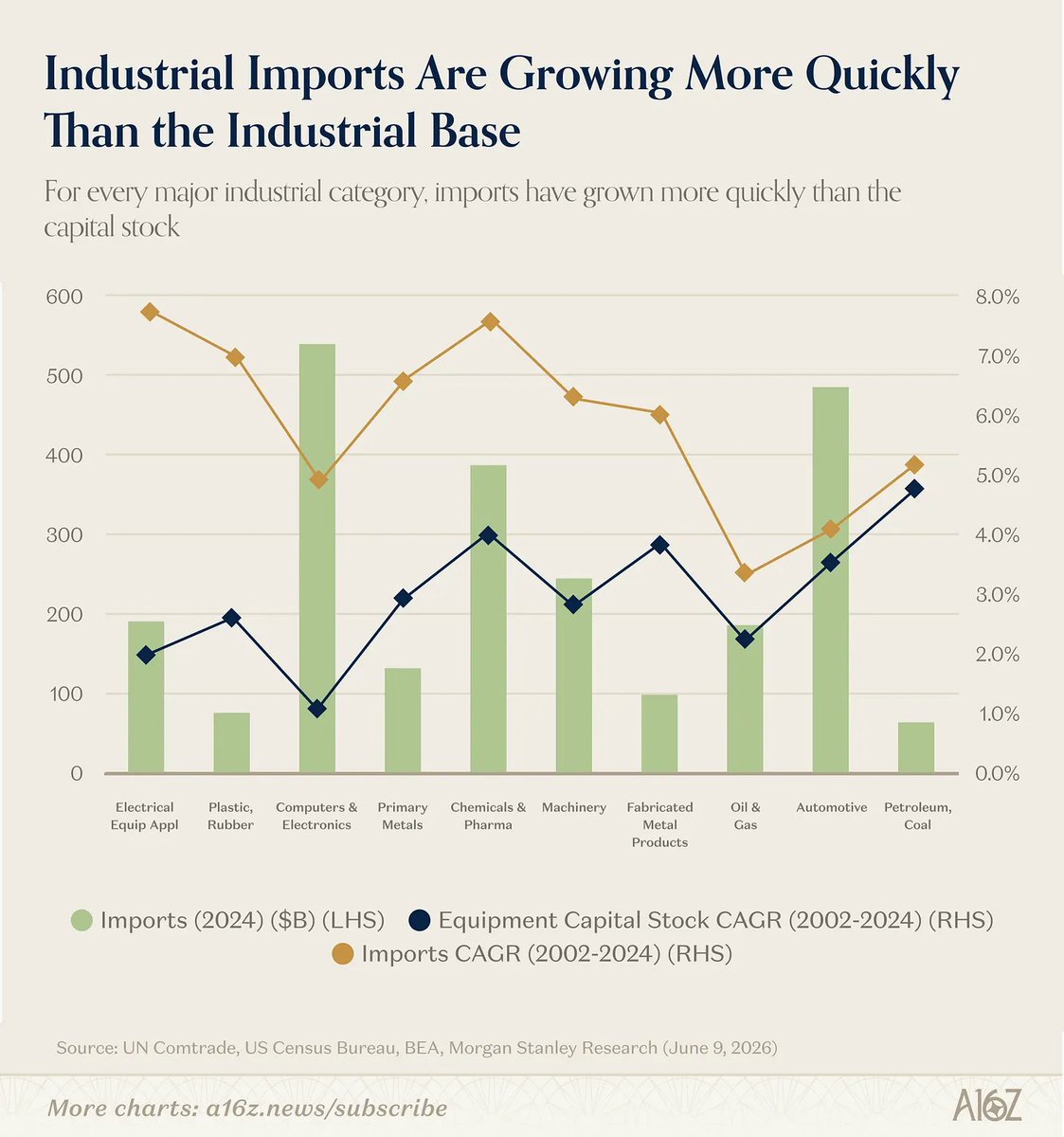
American manufacturing's capital stock problem: Across all the major industrial categories, imports have grown more quickly than the capital stock of equipment used to make the things that we’re currently importing.
Charts of the Week: a16z.news/p/charts-of-the-we…
4
45
9,390
An increasing share of searches ends in no links being clicked
Charts of the Week: a16z.news/p/charts-of-the-we…
4
11
102
37,173


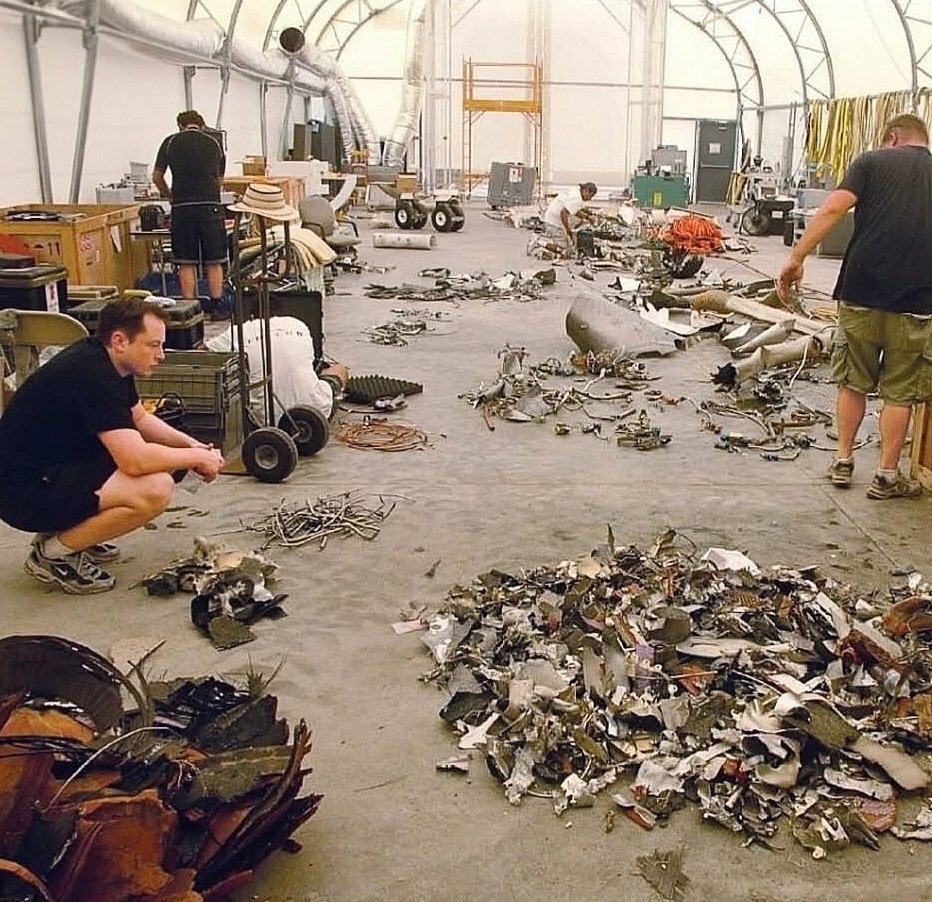

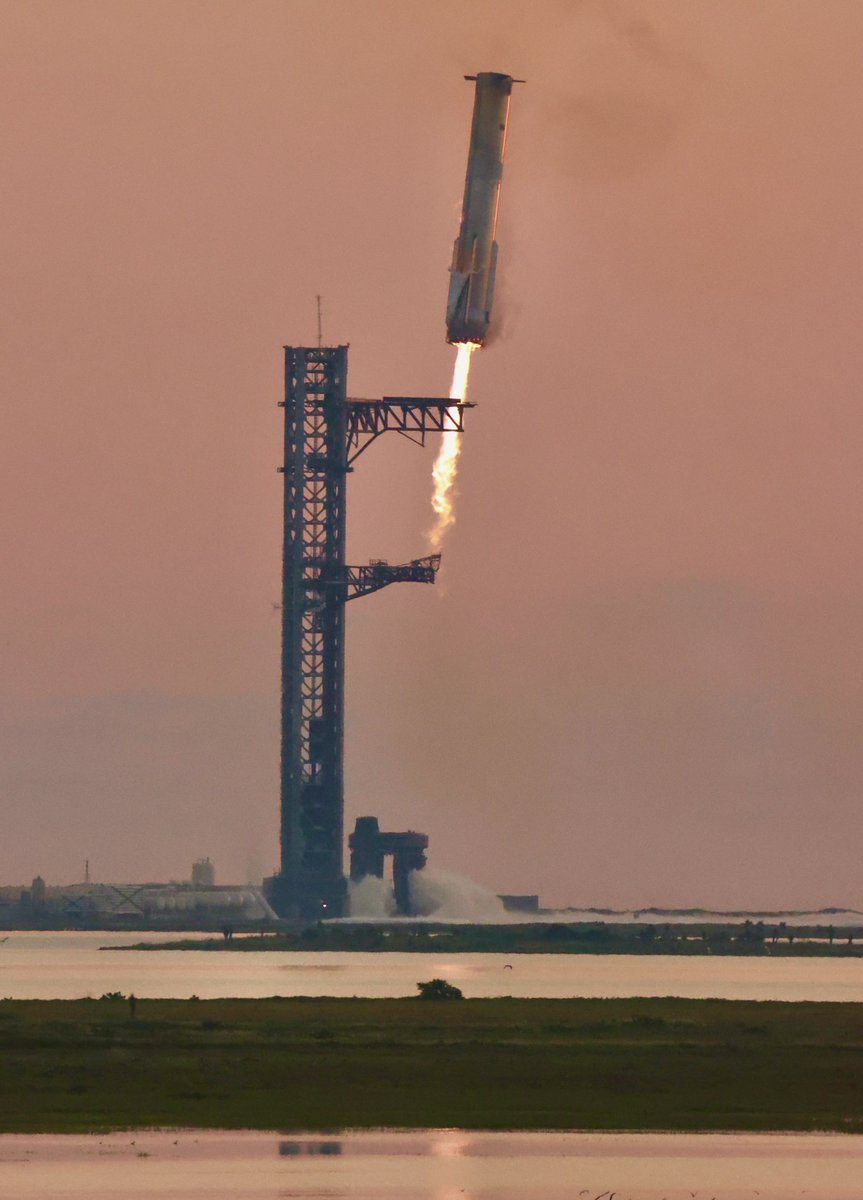
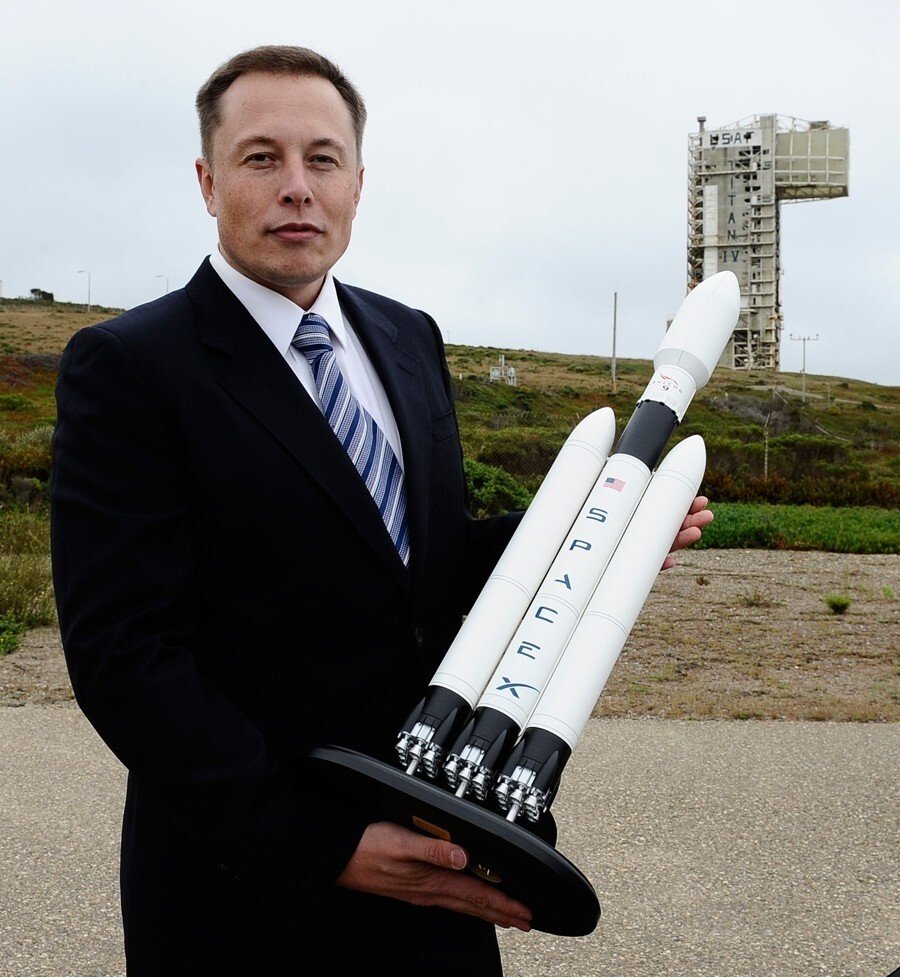
This material is solely for educational purposes and is not investment advice or an offer of investment advisory services. This material should not be used as the basis for an investment decision. a16z is an investor in SpaceX through its managed funds, and thus has a financial interest in the company’s performance and future prospects. In particular, a16z benefits if the company grows in value; and a16z funds will receive any customary dividend payments in connection with their status as a shareholder of the company. However, a16z is not being compensated by SpaceX for this material.
1
2
20
10,728
"The whole premise of tech companies as attractive investments is that technology yields increasing returns to scale."
"If there’s one thing we’ve learned, working closely with these success stories, it’s that this is true because founders make it so."
a16z.news/p/late-stage-ventu…
12
26
133
23,501
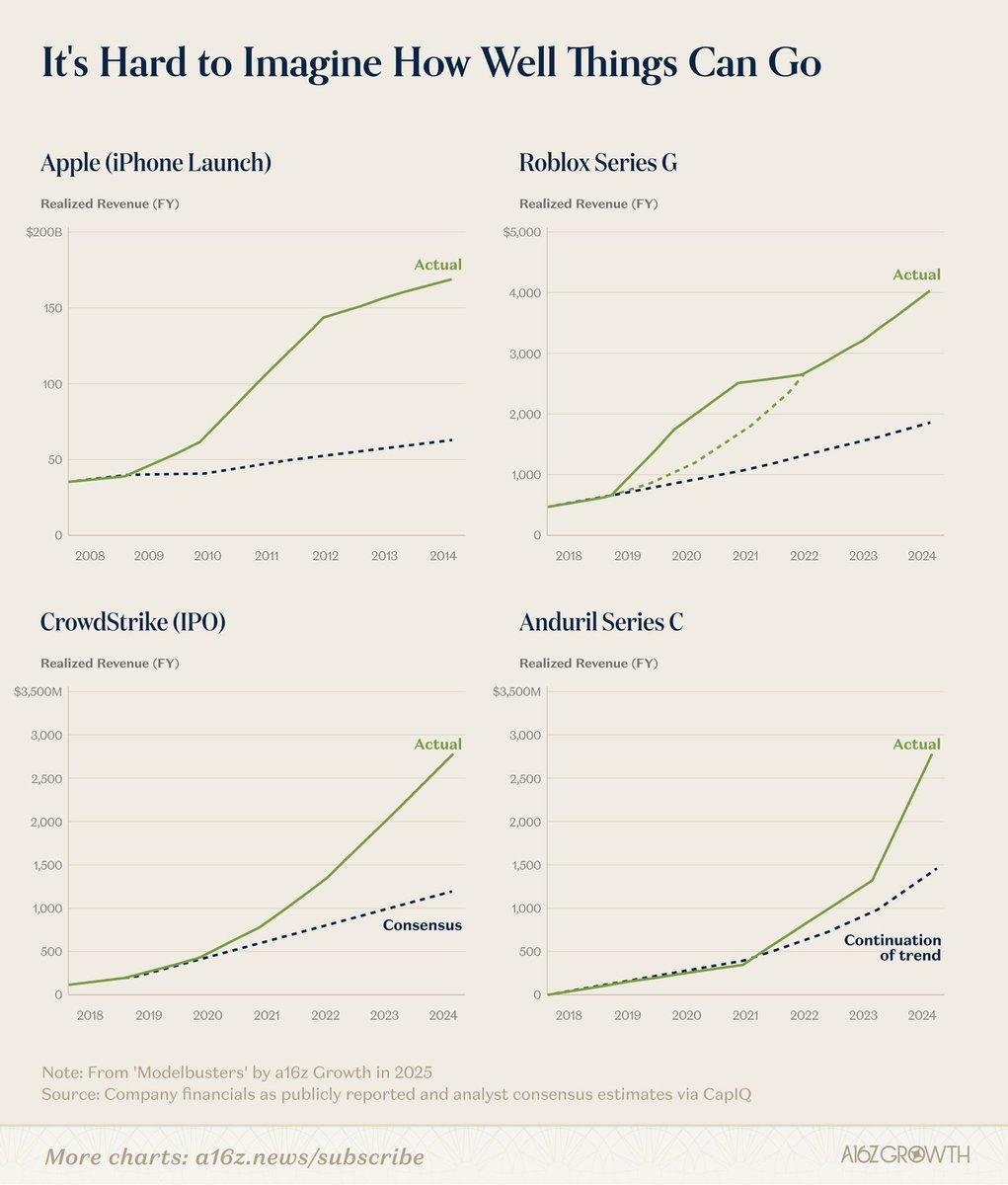
"It goes against every investor's instinct to expect 100% a year revenue growth, over and over again, without eventually slowing down."
"It is human nature to eventually concede a terminal value that seems reasonable. But not for elite founders."
"Founders are the rare individuals who can keep up with the rapidly changing opportunity set, apply the full force of their leverage to their vantage point, and put dollars to work forever."
a16z's David George on why late stage venture is all about late stage founders: a16z.news/p/late-stage-ventu…
22
59
444
68,064

"Late-stage venture is about late-stage founders. It's about a specific kind of person, who can keep deploying dollars attractively, indefinitely."
"The existence of founders like Ali Ghodsi or the Collisons has proven that the right kind of person can keep growing ambitiously, forever."
"You may as well accept that these founders are the asset class; let them cook."
a16z GP David George on what makes founders so good at growing ambitiously, forever: a16z.news/p/late-stage-ventu…
13
21
217
39,364
.@pmarca: "The person who writes down the thing has tremendous power."
@david_perell

30
110
1,289
265,563
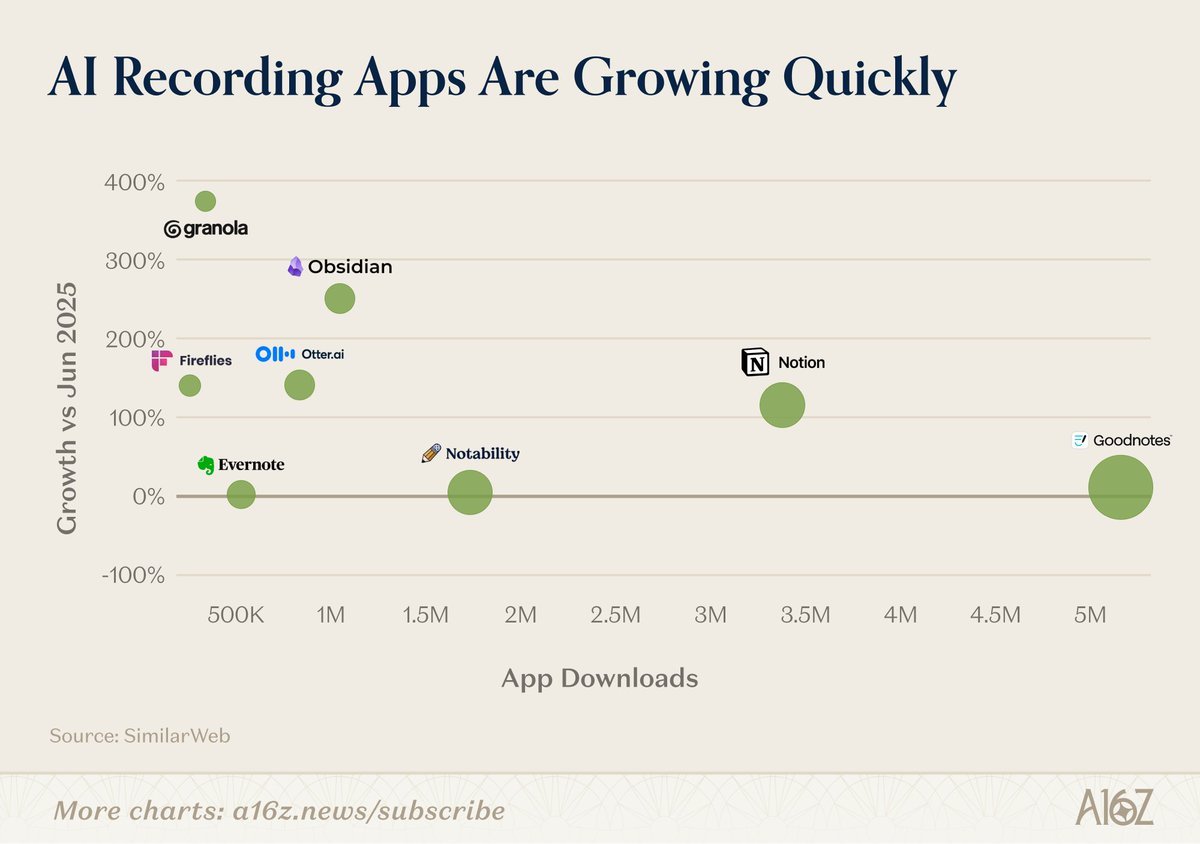
Most work conversations are now being recorded by default. You should probably assume that everything you say at work is getting recorded from here on out.
What’s emerging is a new category of enterprise software, organized around voice instead of text.
The system of record today is structured data: CRM entries, tickets, docs. But the highest-value context lives in conversation: the nuance on a customer call, the real argument in a product review, the offhand comment in a leadership meeting that quietly changes the roadmap.
LLMs are uniquely good at taking that unstructured voice data and making it structured, searchable, and queryable. That’s a large enterprise opportunity, and we’re still early in understanding what the software layer looks like and who owns it.
a16z GP David Haber on what AI recording means for the future of work: a16z.news/p/everything-is-re…
68
145
1,077
262,051
.@pmarca on why God models don't eat all AI usage:
"There's one version of the world in which you have a small number of what we sometimes call God models... millions of processors, with billions or hundreds of billions or trillions of dollars of CapEx and training, investment behind it."
"That's the equivalent of the world of search that we've been in for the last basically 20 years."
"There's another scenario, what they sometimes call a race to the bottom, which is no, actually what happens is intelligence commoditizes."
"The analogy there would be maybe what's happened in the microchip market... A really good one costs a few thousand dollars, there's companies like Arm that sell them for pennies. And you can put a microchip in anything, and it's super cheap, and everybody does it."
"My guess basically is what we're about to see is something a lot like the microchip or the internet."
"You'll be able to basically summon intelligence at some level into any application you need for basically very cheap or ultimately basically the same as free. And then you'll have the God models in the background when you need the super genius, but for most things, you don't actually need a super genius."

Good take
My guess is
- demand for intelligence is near infinite
- but 80% of workloads will be running on 99% cheaper models within 12-18 months
- 20% of workloads will still run on latest gen models where IQ maxing is important (scientific breakthroughs, higher level ochestrator agents?)
- rough analogy might be what % of macbooks or gaming PCs sold have the maxed out specs for CPU/GPU, prices are falling much faster than Moore's law here though
- this leads me to think the limiting factor will be energy and compute, not better models
At Coinbase we're working hard on routing prompts to cheaper models where appropriate, and in some cases have been able to keep costs roughly flat, while token usage continues to grow exponentially.
34
35
364
103,378
Rillet is making ERP AI-native:
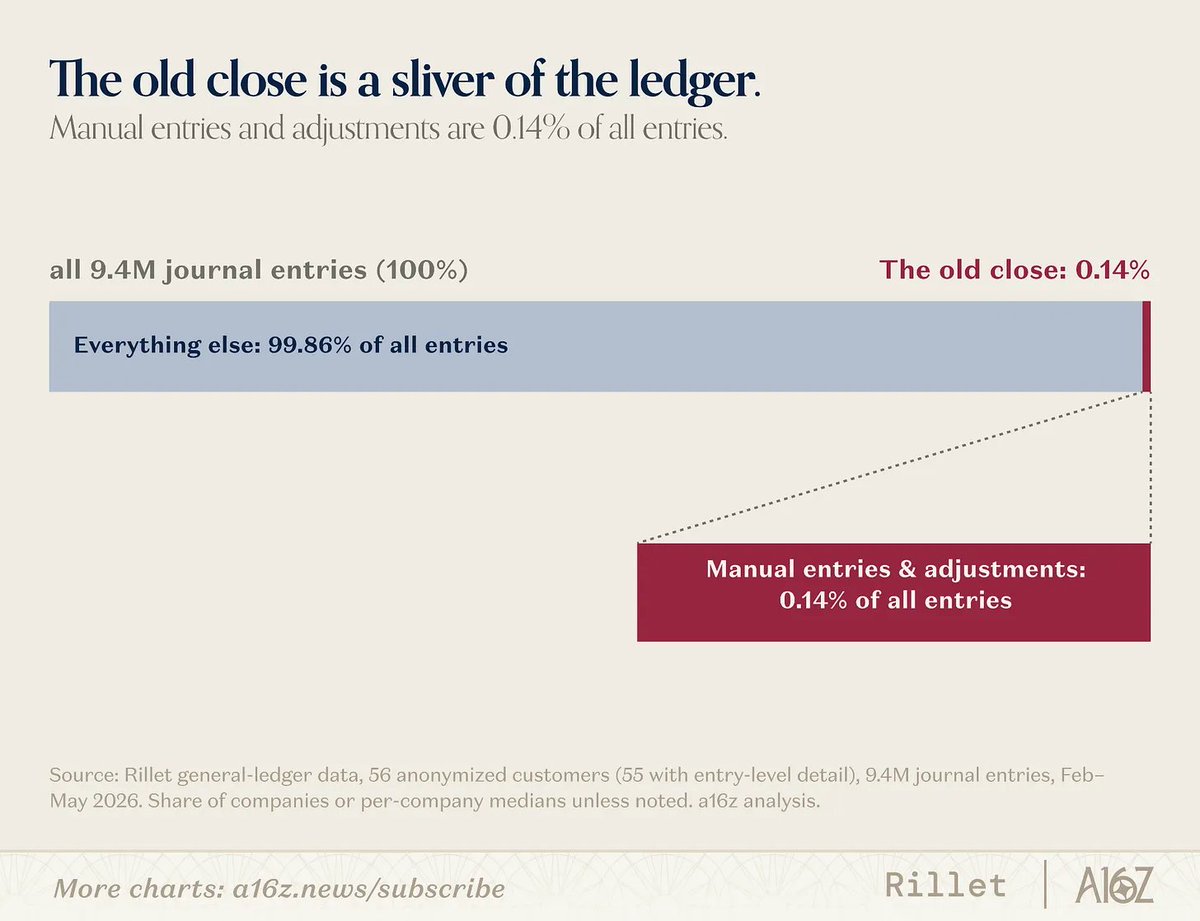
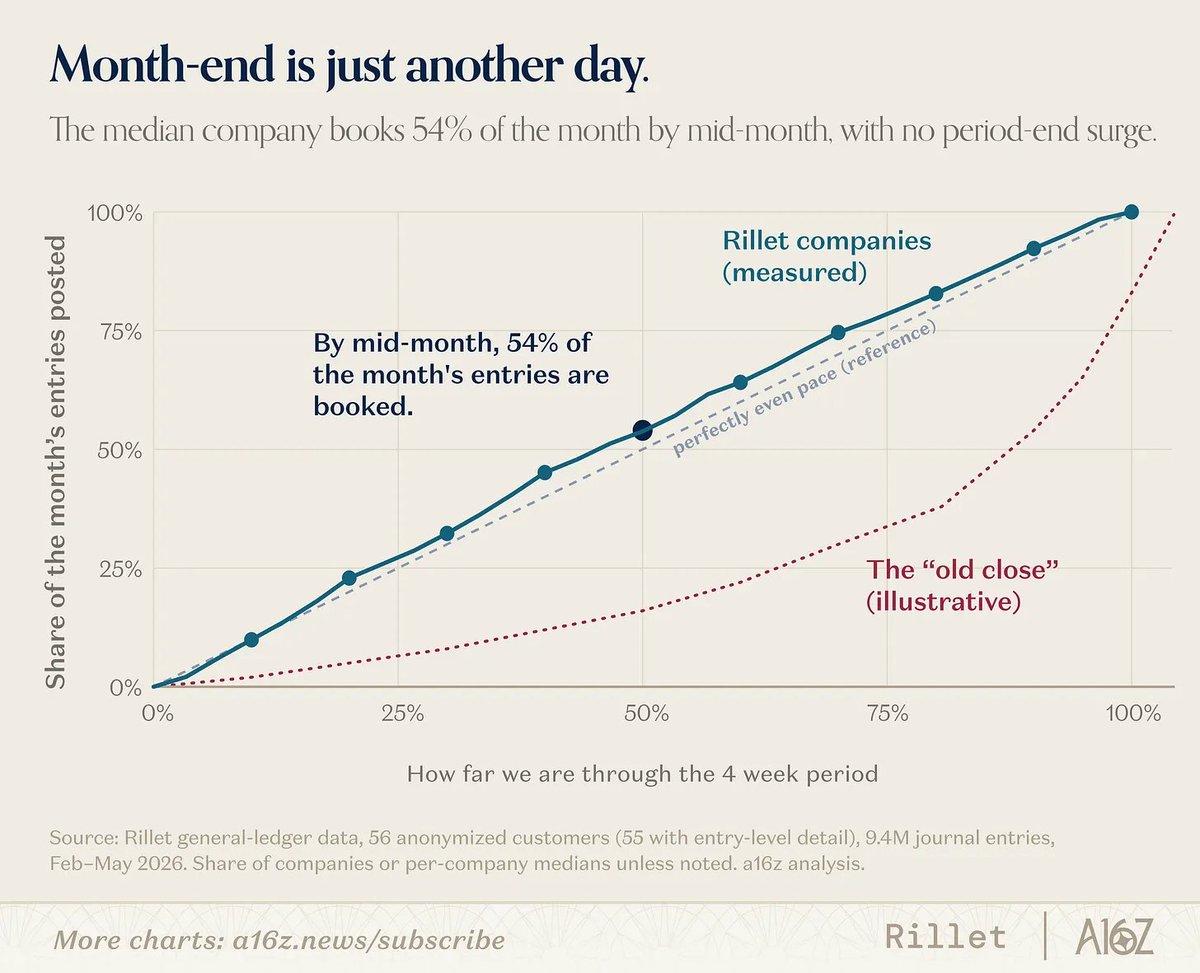
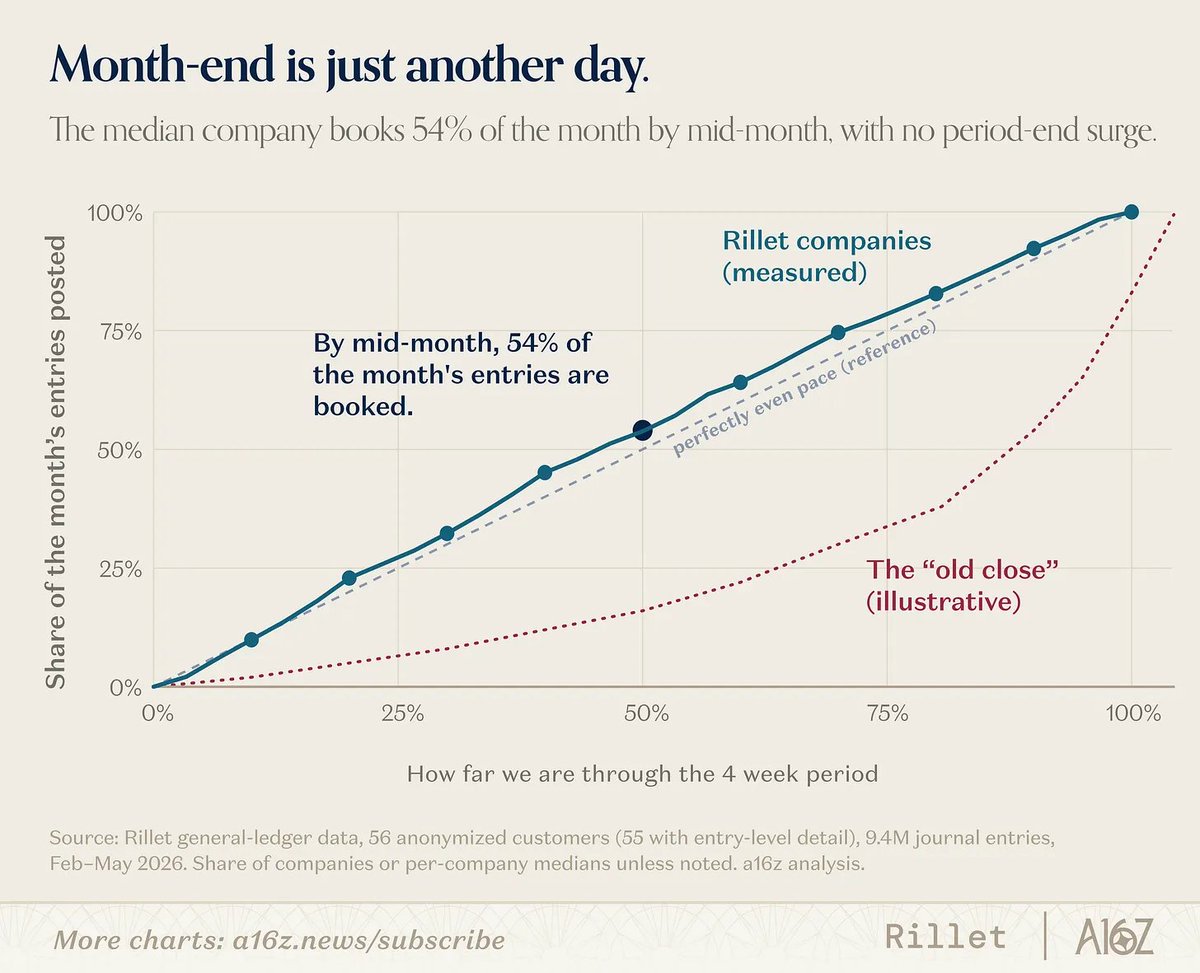
- A ledger that's always accurate, complete, and reviewable is "continuously closed."
- That means no more month-end scramble. There's almost no manual work left at the end of the month.
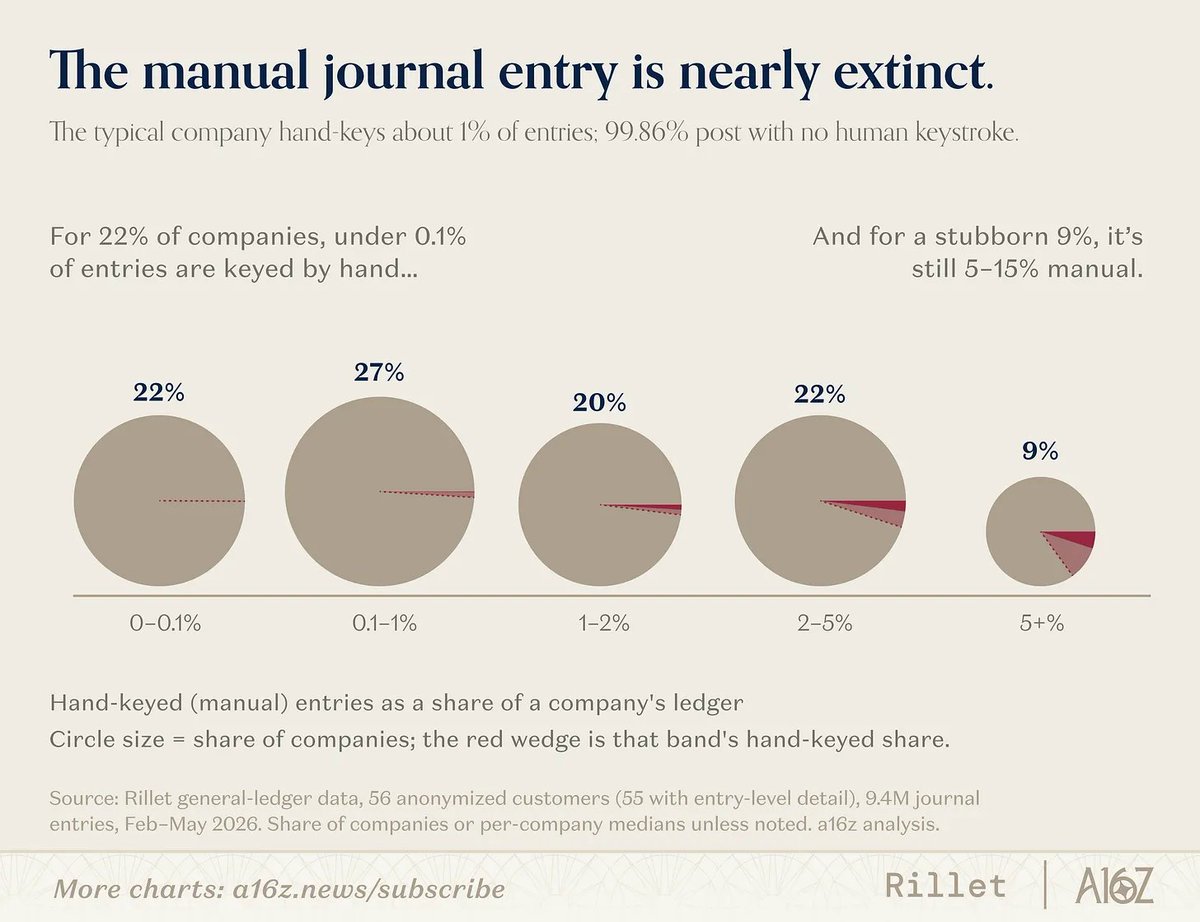
- The manual journal entry is nearly extinct. Entries are increasingly posted without a single human keystroke.
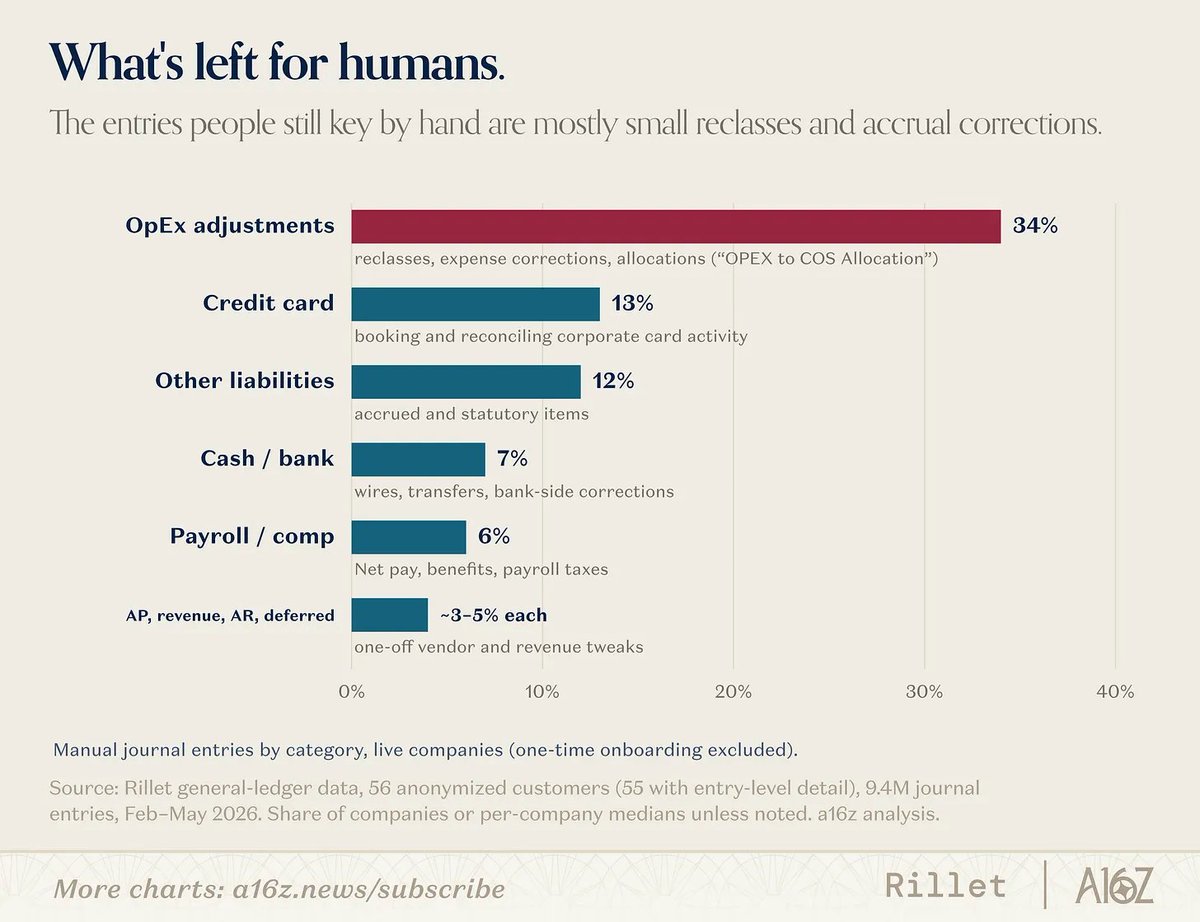
- No business of a meaningful size will ever operate at 0% adjustments. Humans are still in the loop for small reclasses and accrual corrections.
Read the full breakdown: a16z.news/p/month-end-is-now…
Jun 9

We built Rillet on the idea that the centuries-old practice of "closing your books" should be obsolete.
Month-end, which used to be a scramble to reconcile everything and get the numbers to zero out, is now just another day.
Based on a sample of Rillet customers, we went deep with @a16z on how AI-native ERP is breaking the mold of traditional accounting.
8
14
133
37,522