
Official Account: aBi channels development funding to agribusinesses and agricultural service providers in UG to build a strong & competitive agriculture sector
Joined May 2017
- Tweets 1,583
- Following 260
- Followers 9,181
- Likes 917
913 Photos and videos





Pinned Tweet

Apr 29
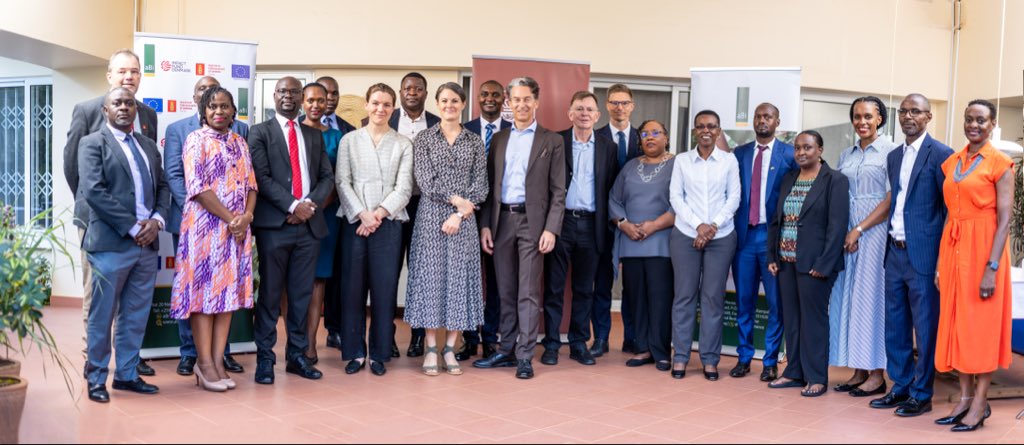
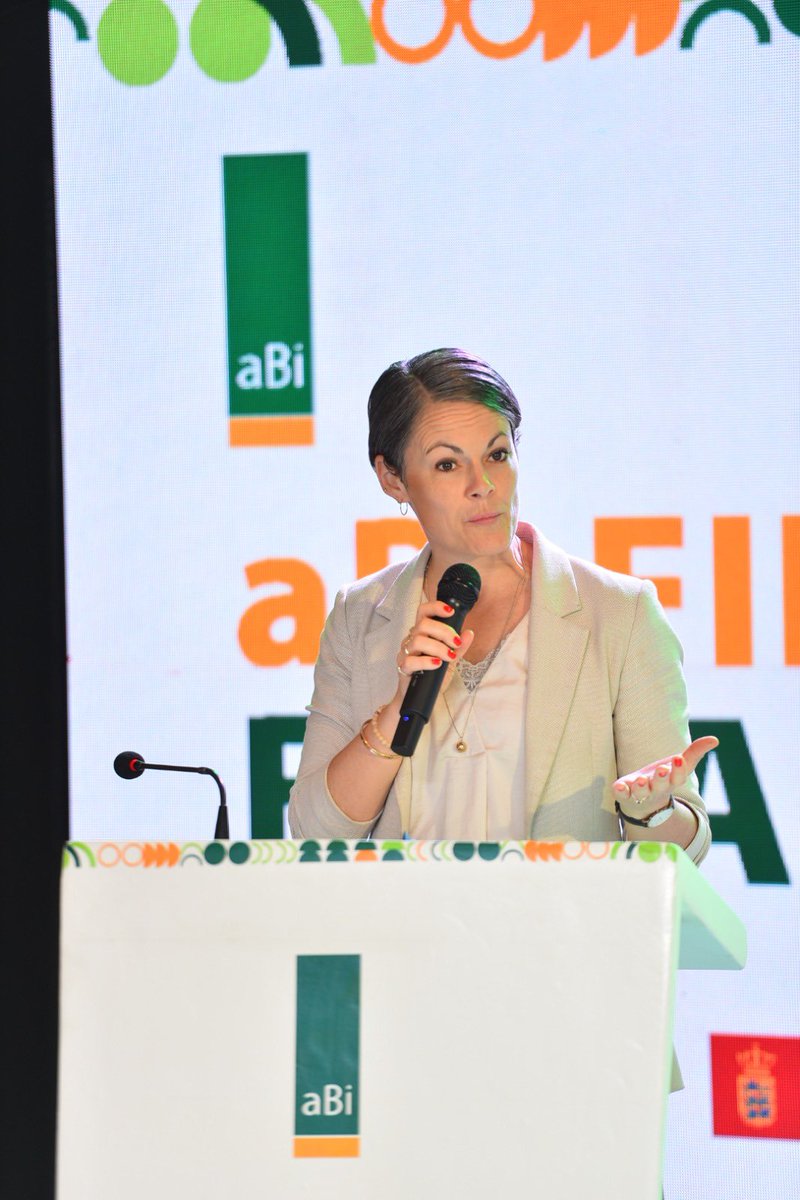
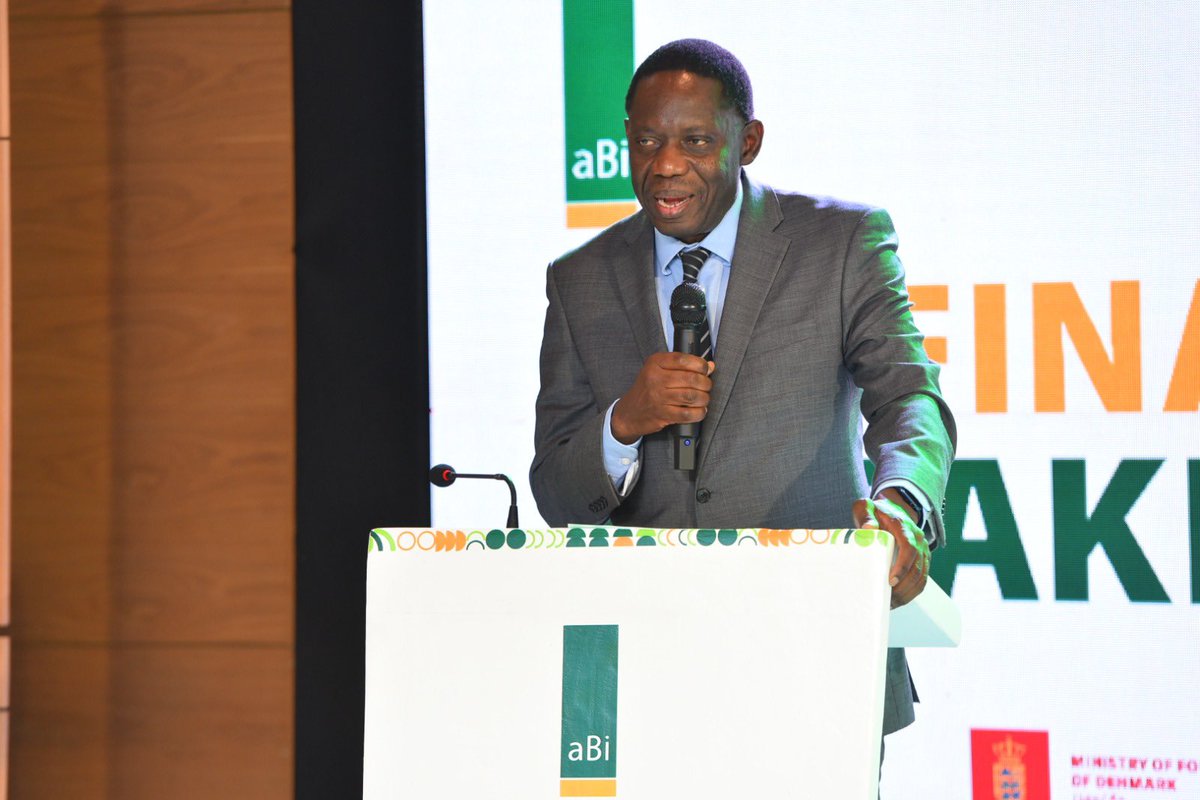
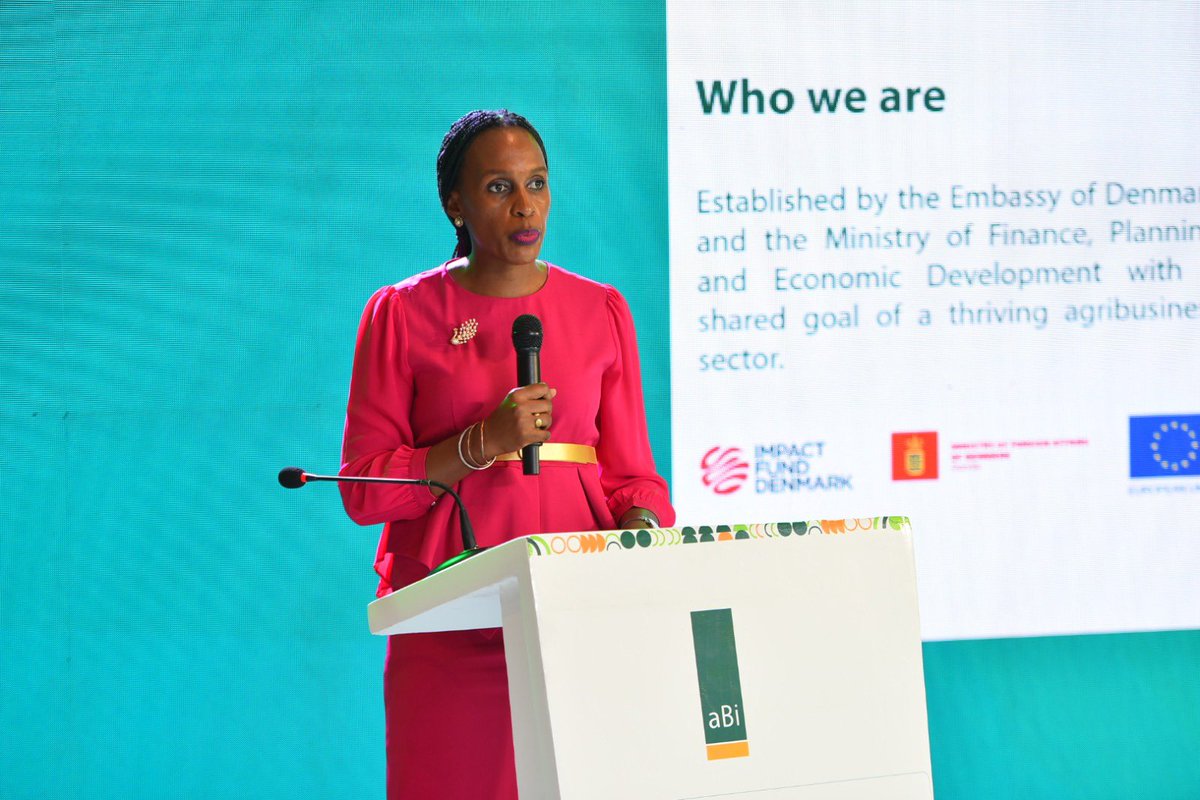
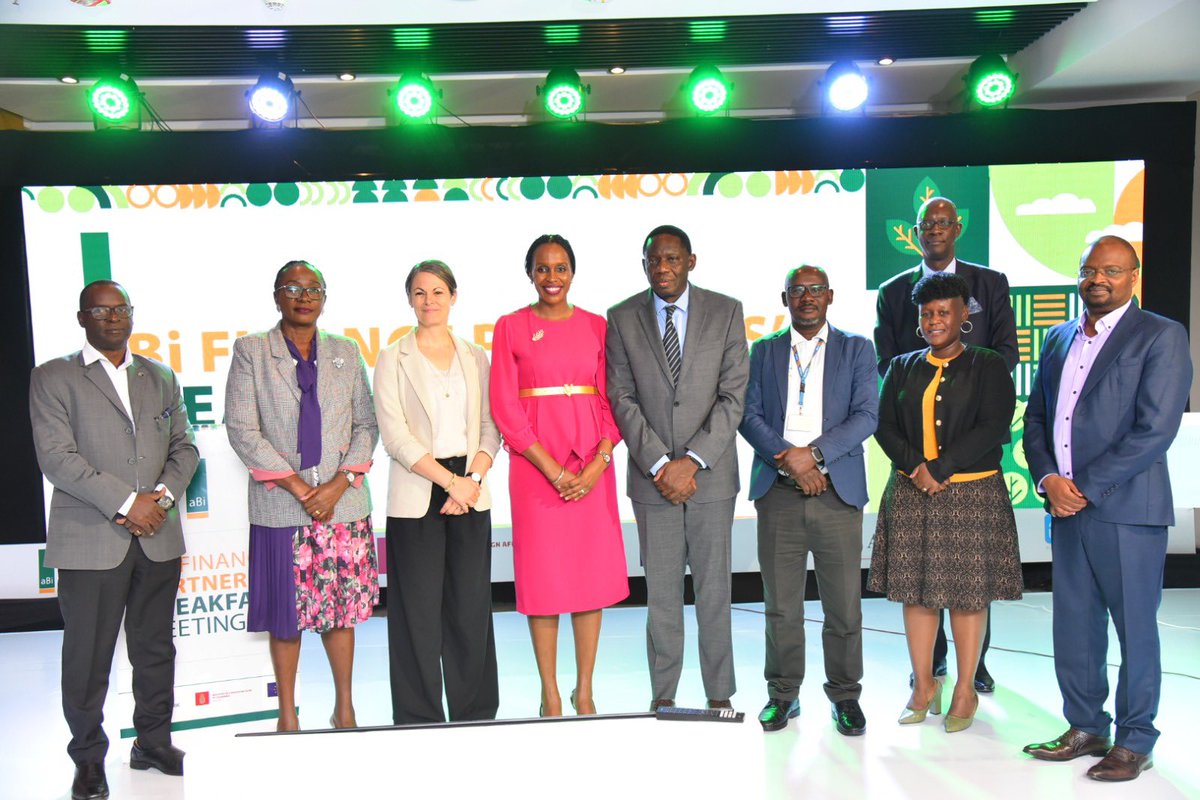
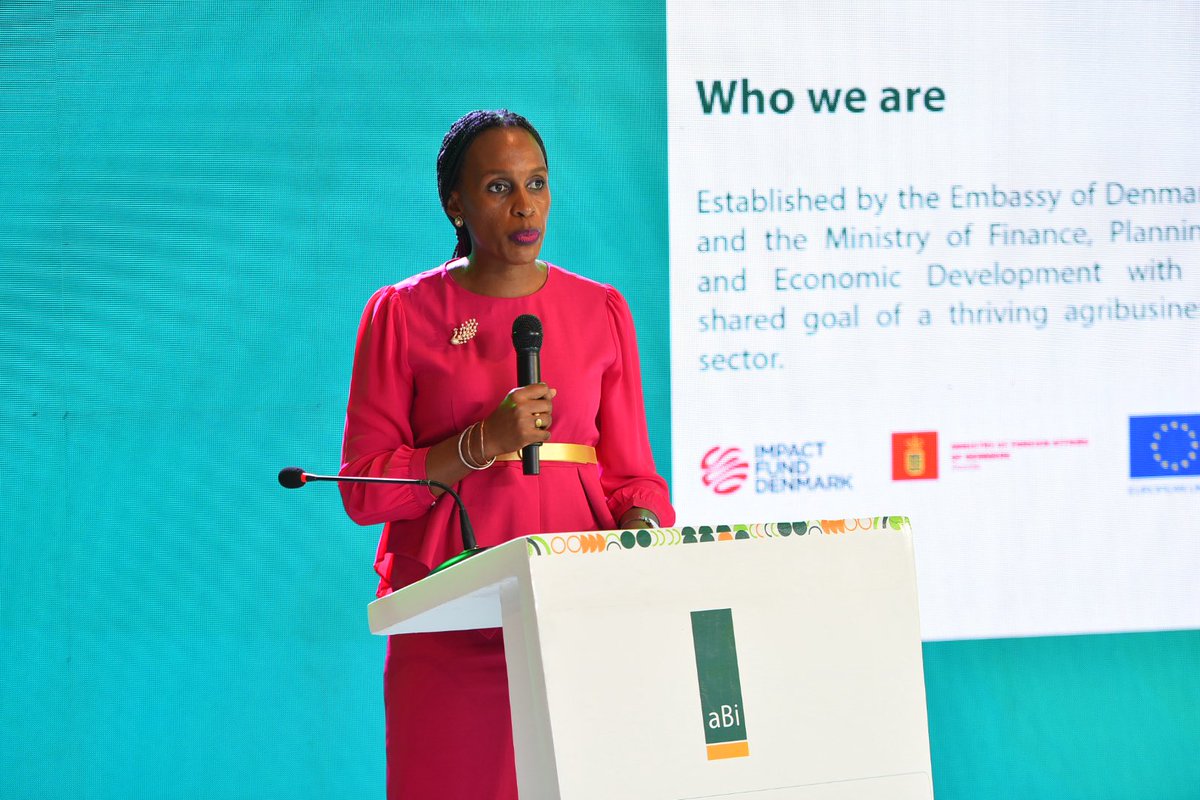
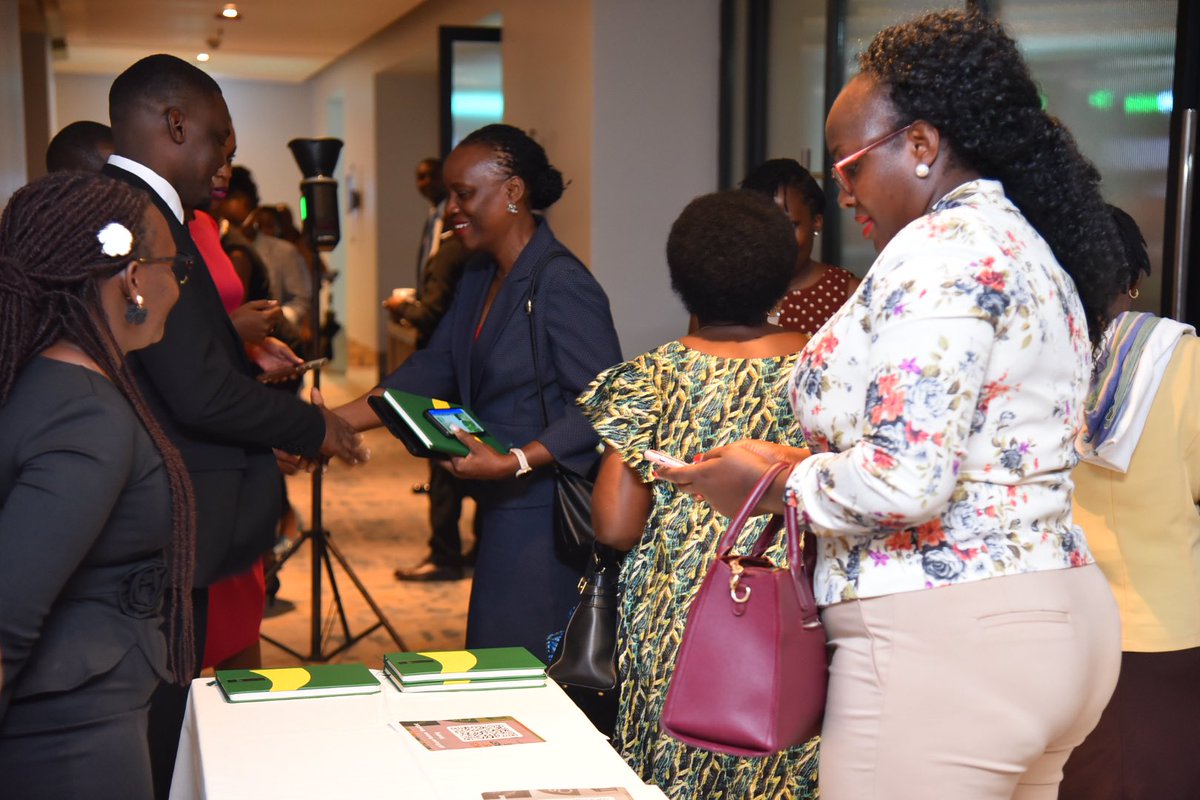
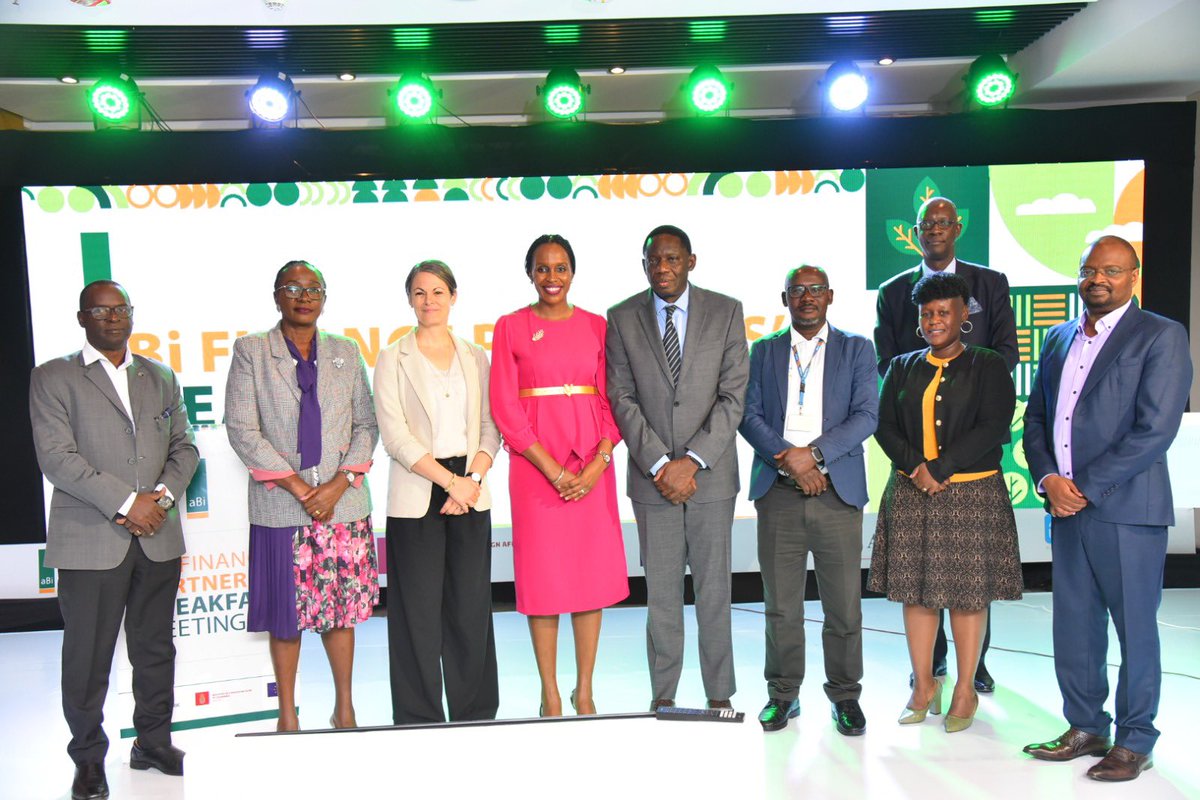
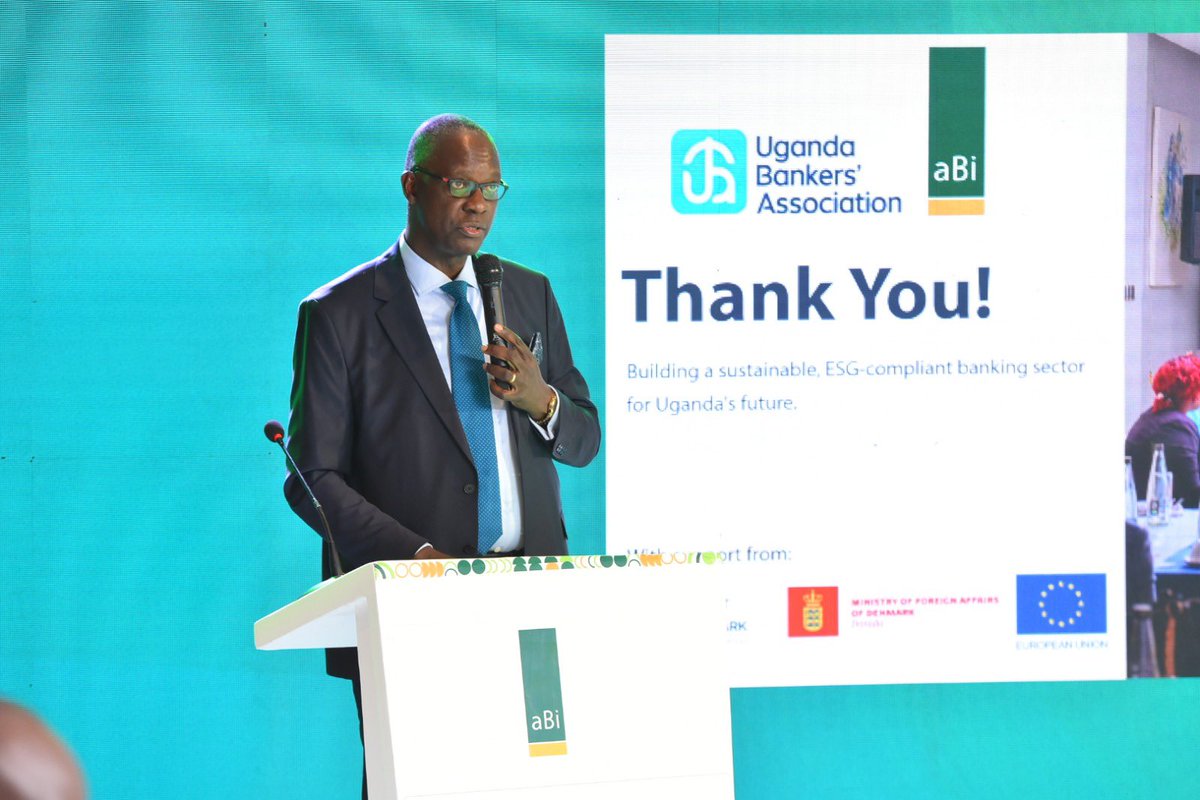
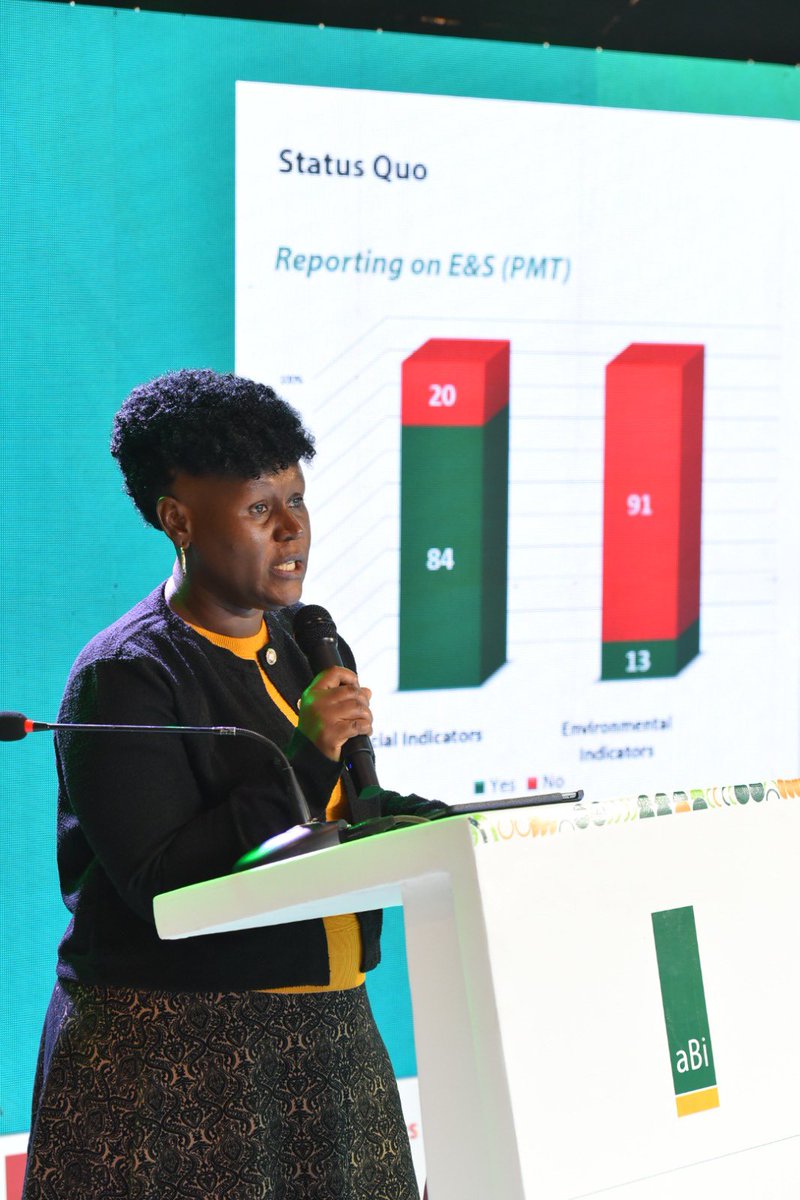
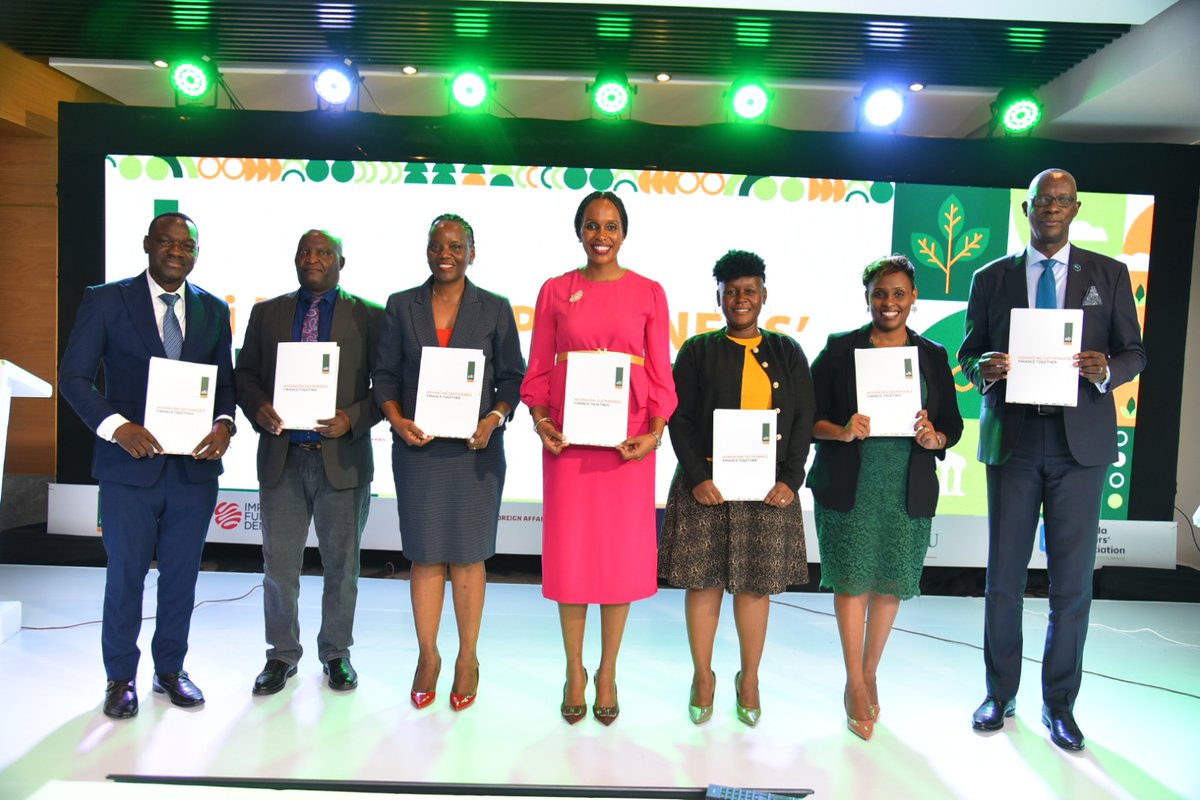
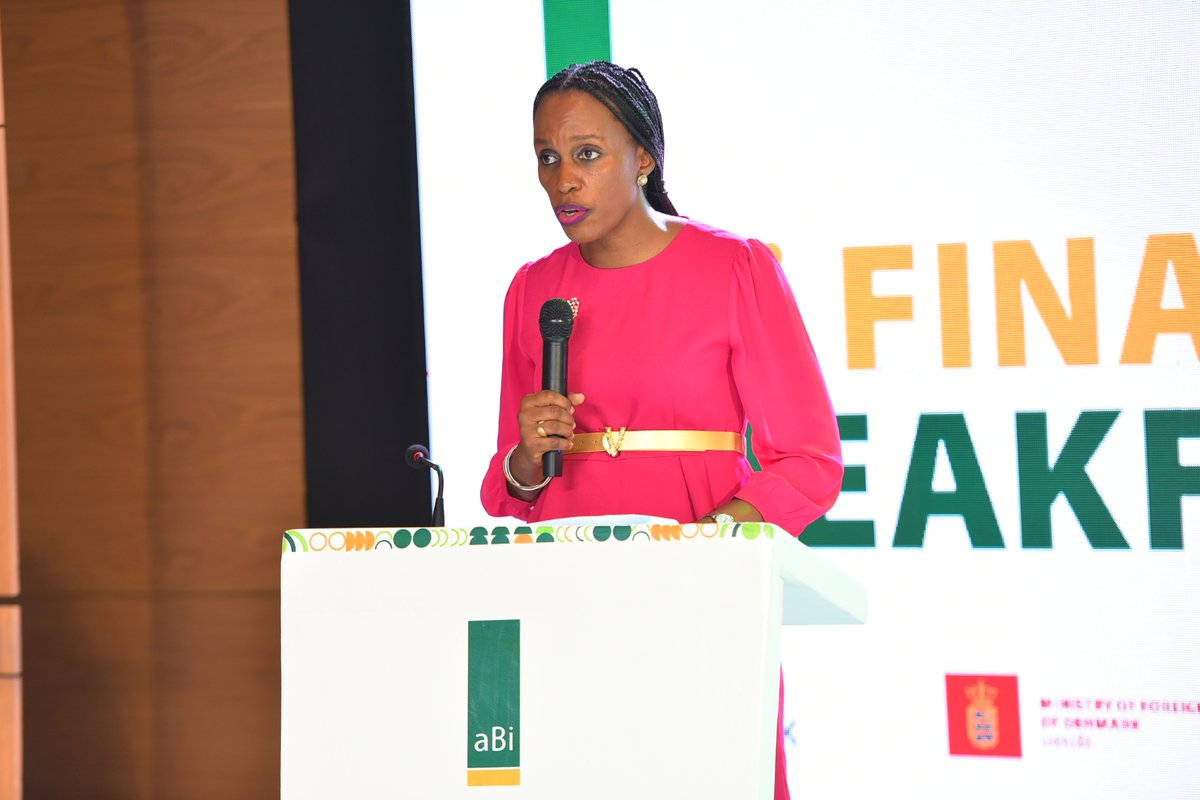
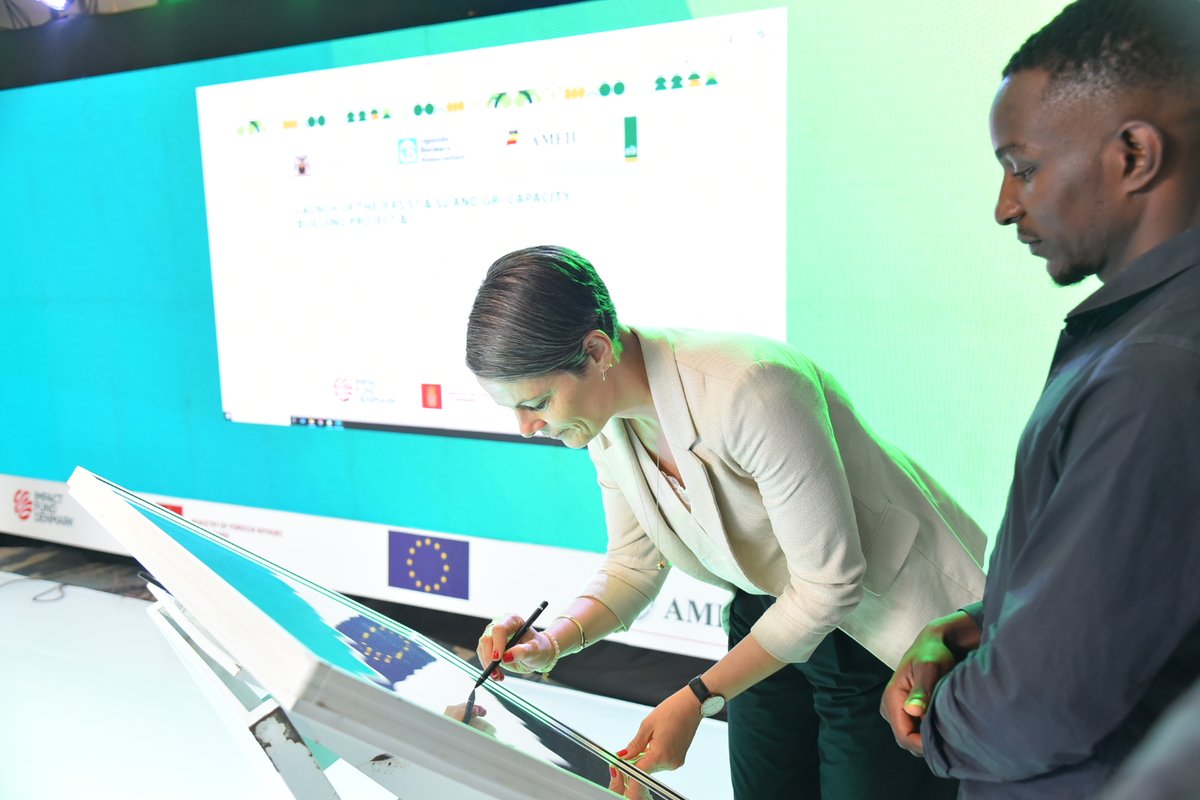
Today, aBi Finance launched two sustainability initiatives marking an important milestone for Uganda’s financial sector: the IFRS S1 & S2 and GRI Capacity Building Project (in partnership with the @ugbankers) and the Tier IV ESG Framework Development Project (in partnership with the @amfiu_Uganda).
Together, these initiatives reflect a shared commitment to strengthening how financial institutions measure, manage, and report on sustainability, while advancing inclusive and sustainable growth across Uganda.
The IFRS S1 & S2 and GRI Capacity Building Project will equip financial institutions to report on climate-related risks and sustainability performance, aligning Uganda’s banking sector with globally recognised disclosure standards. The Tier IV ESG Framework Development Project will support microfinance institutions in mainstreaming ESG principles into their operations, strengthening their ability to sustainably serve their communities.
#SustainableFinanceUG
@GRI_global
1
5
20
994
Jun 9
Happy Heroes Day!
Today honor the individuals whose contributions and sacrifices have helped shape our nation.
2
4
98
Jun 3
Courage. Conviction. Faith. 🇺🇬
Today, we remember the Uganda Martyrs and the incredible legacy they left behind.
#MartyrsDay
1
4
106
May 21
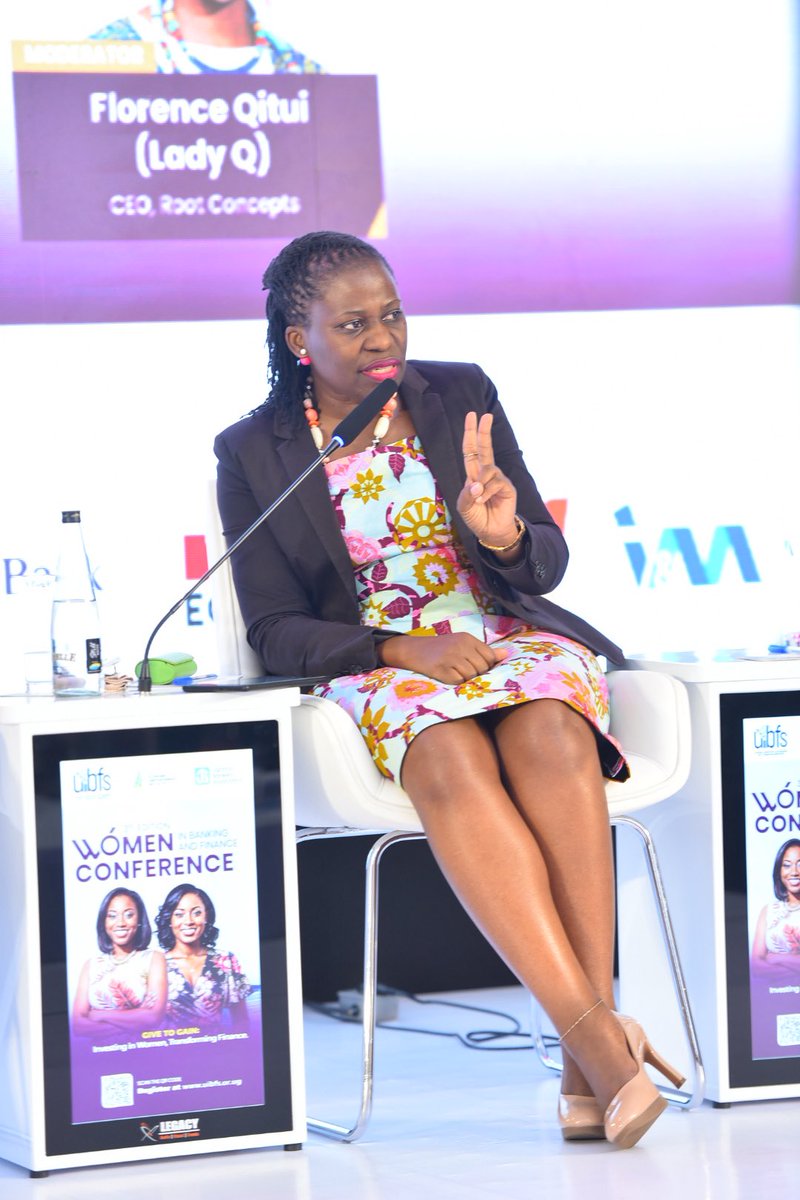
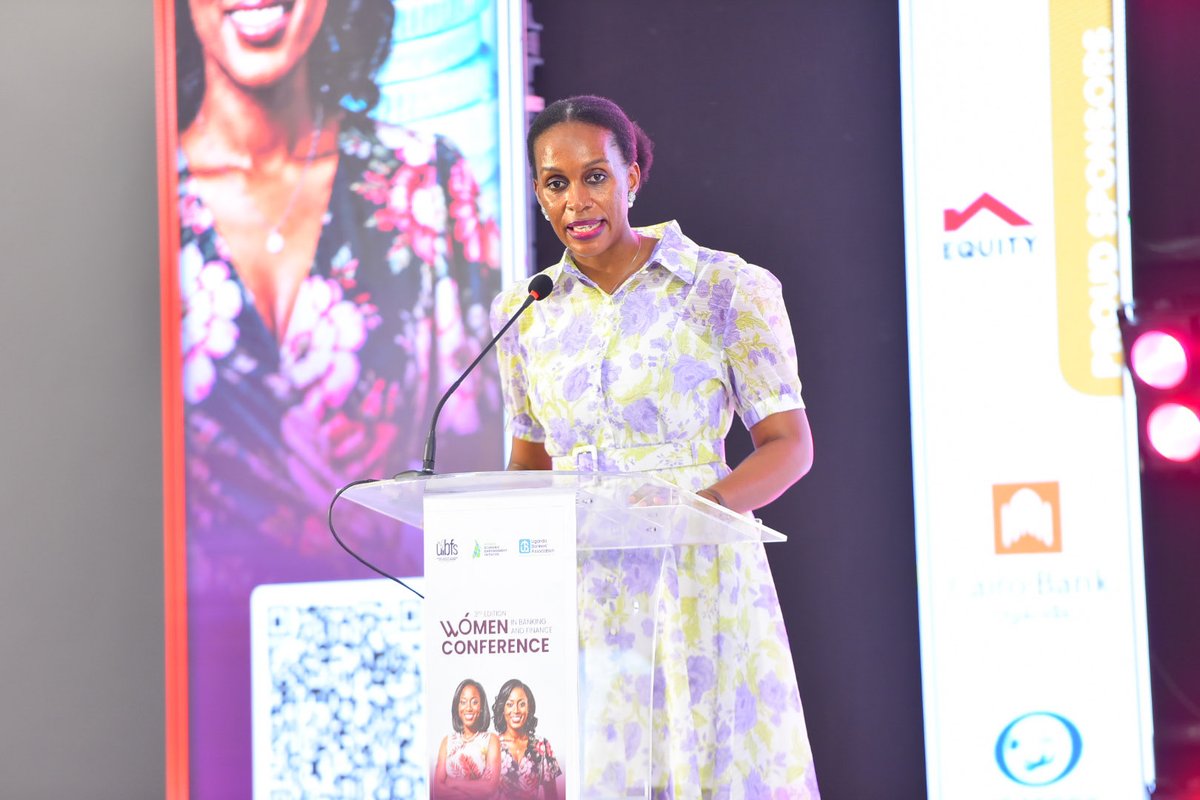
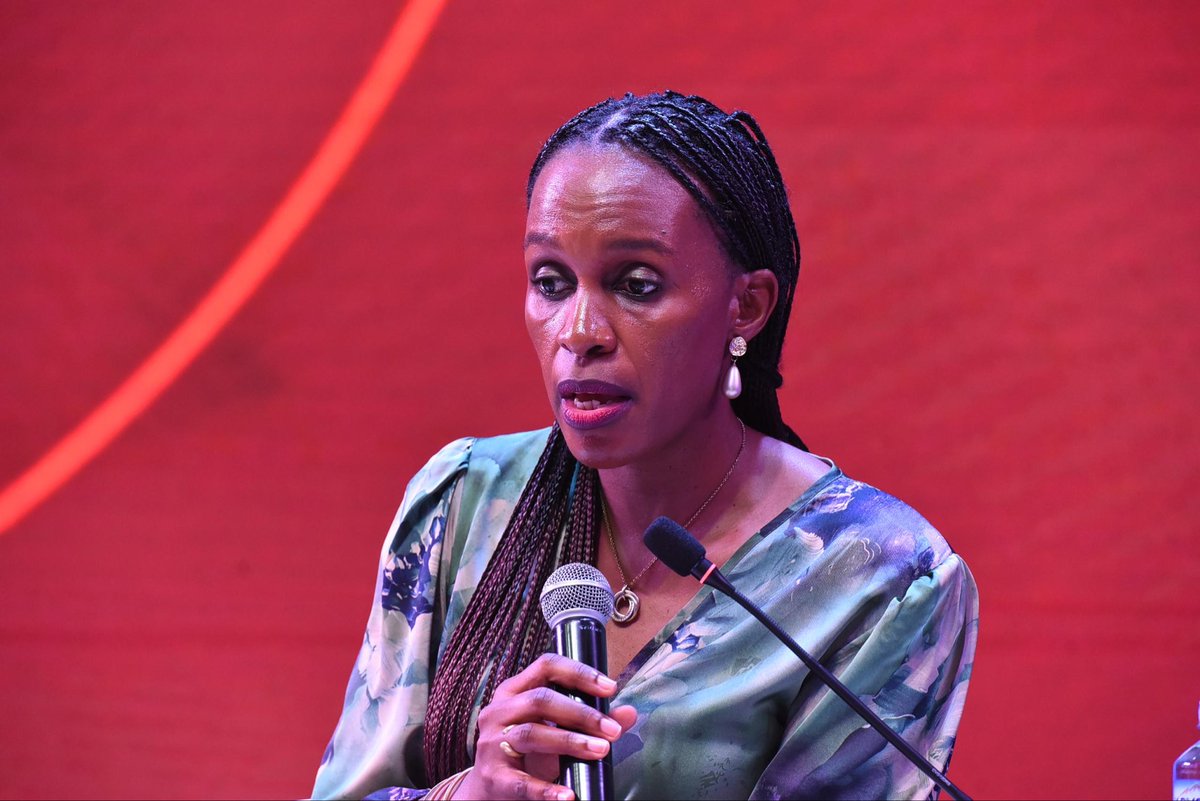
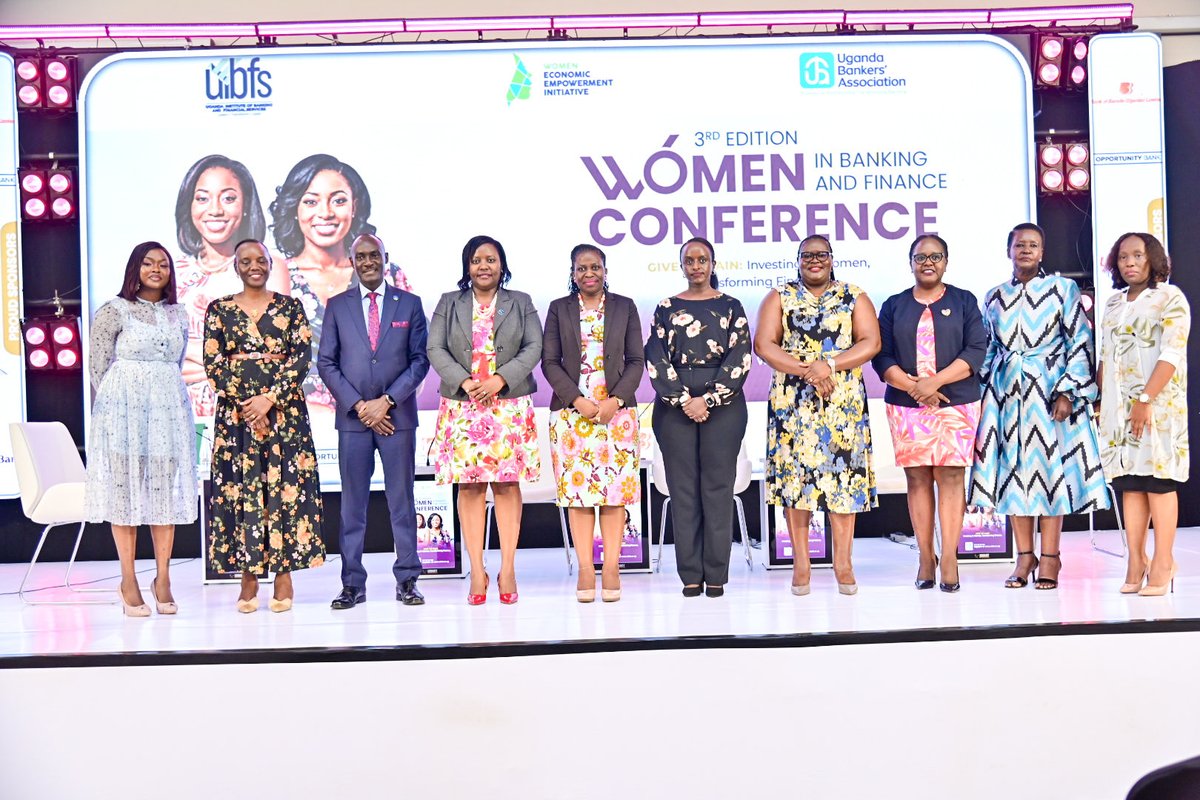
At the Women in Banking and Finance Conference, organised by @ibfsUg, we joined sector leaders to reflect on the role of women in shaping sustainable finance.
Speaking at the conference, Ann Marie Mwaka Sabano, our Head of Investments, shared reflections on what it takes for women to build leadership careers in sustainable finance. She highlighted three practical priorities:
➡️ Building credibility through continuous upskilling
➡️ Investing in mentorship and professional networks
➡️ Remaining lifelong learners as roles and industries evolve
Strengthening women’s leadership in finance is critical to building more inclusive institutions, improving financial solutions for women-led businesses, and accelerating green and resilient growth.
These priorities also align with aBi Finance’s broader partnership with @ibfsUg to strengthen knowledge and capacity in sustainable finance across the sector. One key milestone under this collaboration is the development of the Sustainable Finance Curriculum.
Thank you to the organisers, speakers, and everyone who contributed to the conversation.
#WIBF2026

4
13
940
May 21
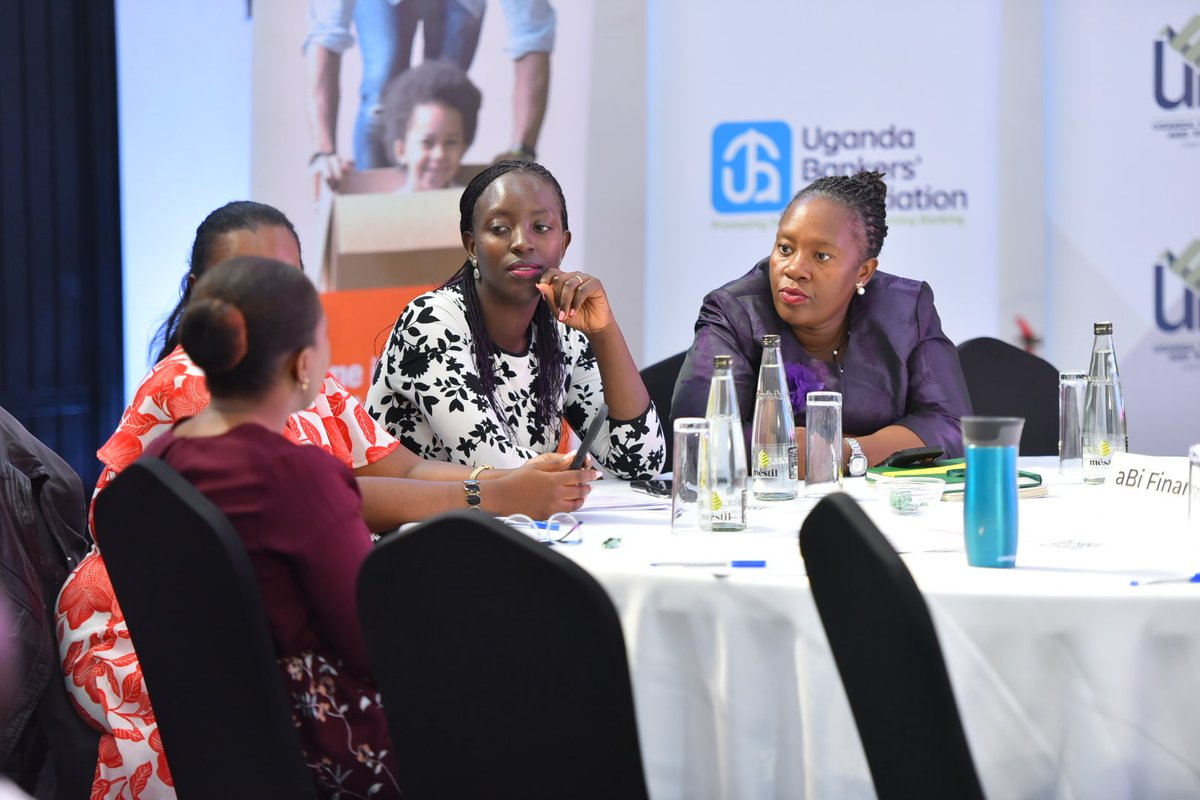
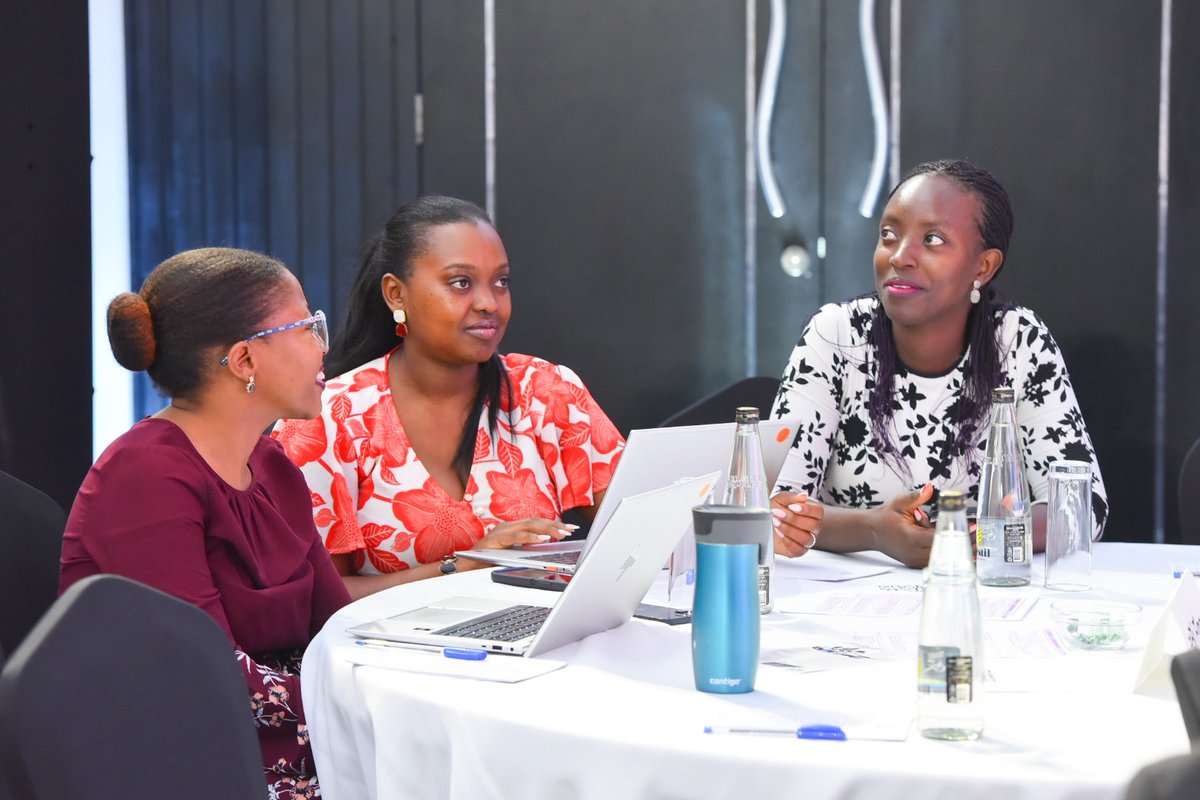
Happening now: We’re at the Women in Banking and Finance Conference, joining leaders and sector professionals to engage in important discussions under the theme “Give to Gain: Investing in Women, Transforming Finance.”
#WomeninFinance @ibfsUg @ugbankers #WIBF2026
11
29
1,618
aBi Finance retweeted

#ICYMI: Uganda’s financial sector is entering a new era of sustainability.
@aBi_Finance, together with key partners, has launched two landmark initiatives aimed at strengthening ESG standards, improving climate risk reporting, and advancing inclusive finance across banking and microfinance institutions.
With IFRS S1 & S2 adoption and a new Tier IV ESG framework, Uganda is positioning itself for greater transparency, resilience, and long-term investment.
Read the full story ceo.co.ug/abi-finance-and-pa…
#SustainableFinance #ESG #Uganda #ClimateFinance #FinancialInclusion
2
8
967
May 20
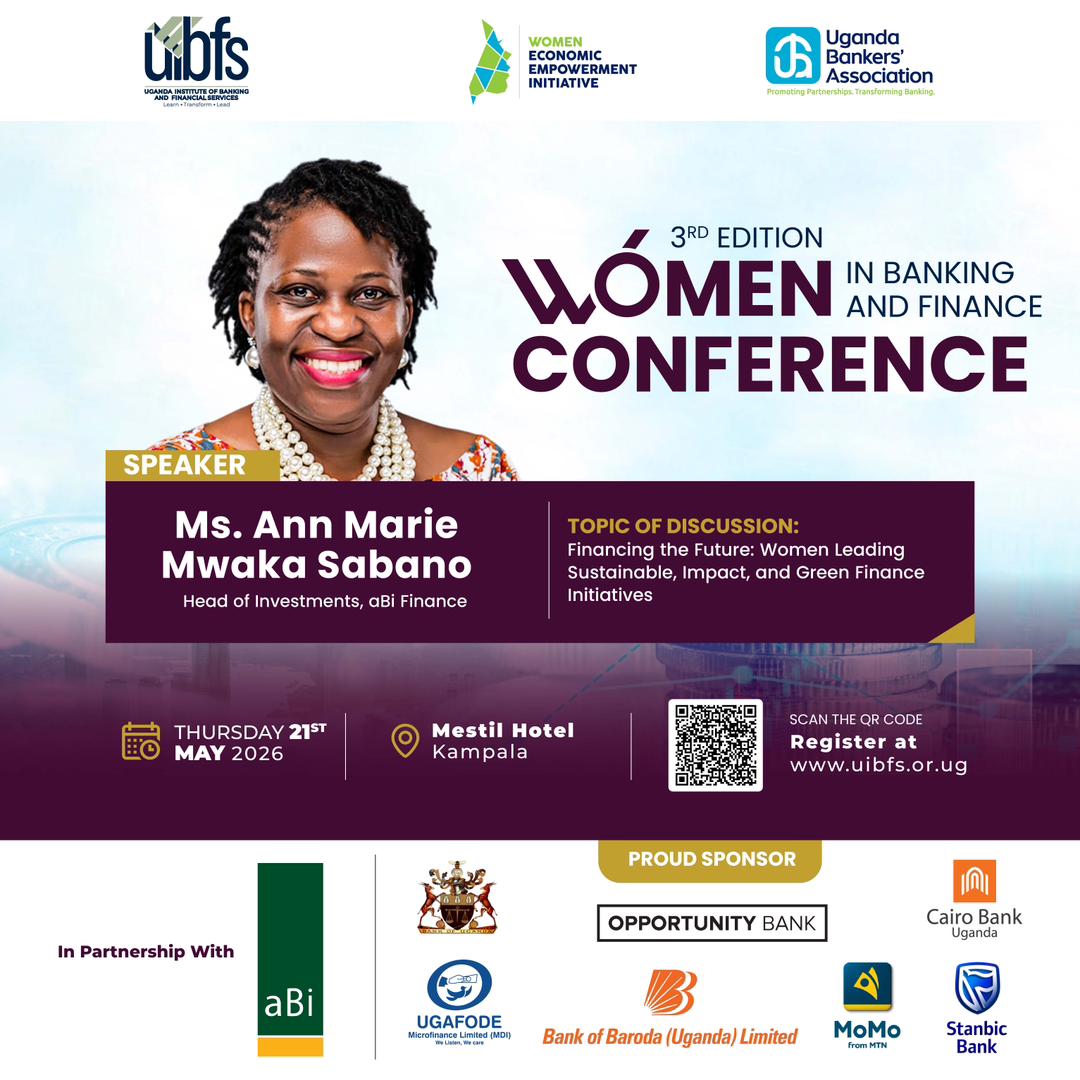
Tomorrow, our Head of Investments, @ann_mwaka27844, will speak at the 3rd Edition of the Women in Banking and Finance Conference 2026, organised by @ibfsUg.
In her session titled "Financing the Future: Women Leading Sustainable, Impact, and Green Finance Initiatives," she will discuss how women leaders are shaping a greener and more inclusive financial system.
At aBi Finance, sustainable finance is at the core of all our work, and we are proud to lend our voice to this conversation.
#GiveToGain #WomenInFinance #SustainableFinance

⏳ ONLY 2 DAYS TO GO! ⏳
The countdown to the 3rd Edition of the Women in Banking and Finance Conference 2026 is almost over, and we are excited to spotlight Ann Marie Mwaka Sabano, the Head of Investments at our valued partner aBi Finance as one of the distinguished speakers at this year’s conference. 💼🌍
📌 Topic of Discussion: “Financing the Future: Women Leading Sustainable, Impact, and Green Finance Initiatives.”
As the future of finance shifts toward sustainability and impact-driven investment, this session will unpack the critical role women leaders are playing in shaping greener, more inclusive financial systems. 🌱✨
This is your opportunity to connect with industry leaders, gain transformative insights, and be part of the conversations shaping the future of banking and finance.
📅 Thursday, 21st May 2026
📍 Mestil Hotel Kampala
🚨 Seats are limited and the conference is just around the corner!
🎟️ Register now via: forms.cloud.microsoft/r/qd2L…
#WIBF2026 #WomenInFinance #SustainableFinance #GreenFinance #Leadership #UIBFS #TransformingFinance #GiveToGain @ugbankers @BOU_Official @aBi_Finance @UgafodeMDI @Opportunity_UG @bankofbaroda @mtnug @stanbicug @CairoBank
1
5
262
aBi Finance retweeted

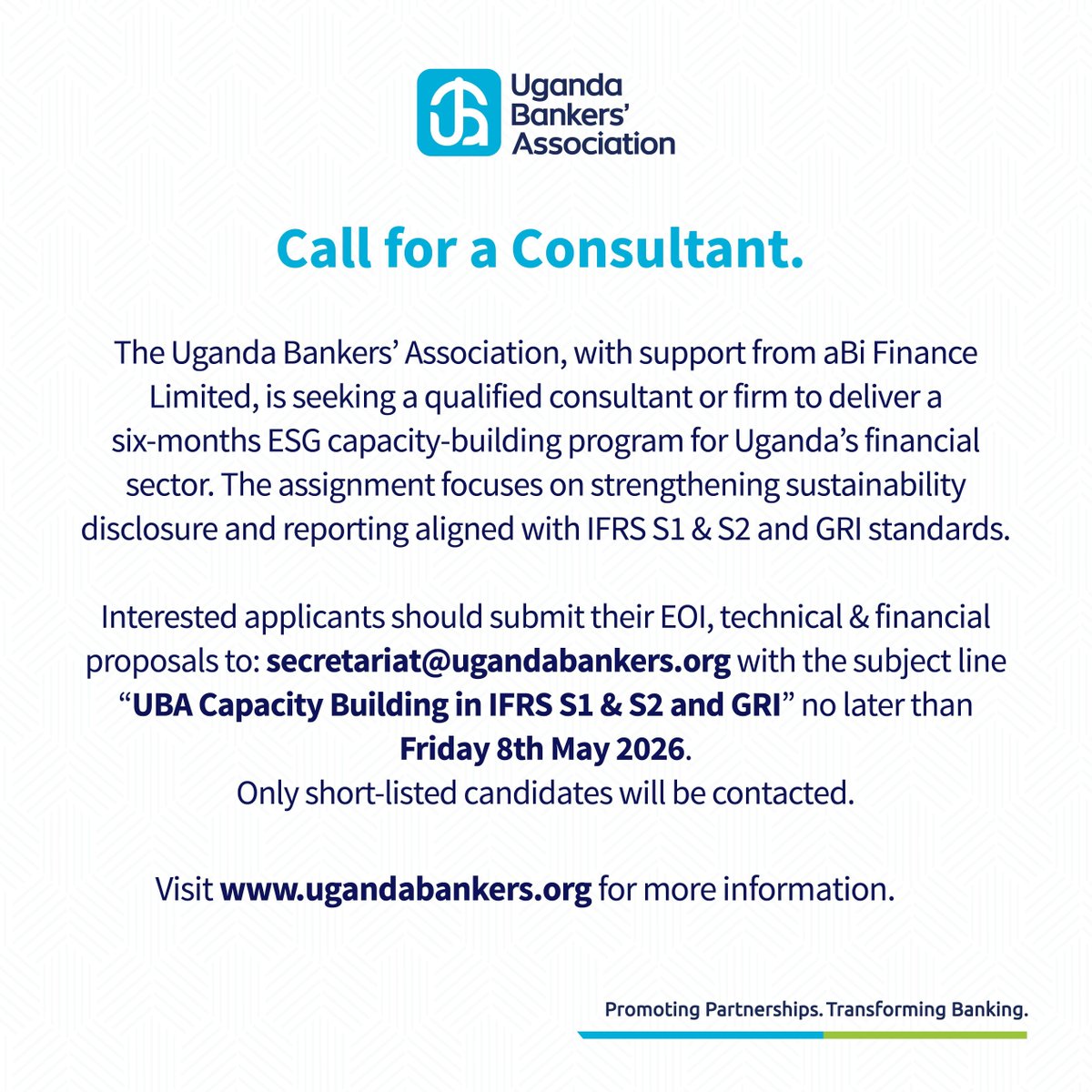
📢 Reminder: Consultant Call
The deadline has been extended to Wednesday, 13th May 2026
Submit your proposals before the deadline closes!

Call for a Consultant!
With support from @aBi_Finance, we are seeking a consultant/firm to deliver a six‑months ESG capacity‑building program for Uganda’s financial sector.
🗓️ Deadline: 8th May 2026
📩 Submit proposals to: secretariat@ugandabankers.org
#ESG | #Sustainability | #PromotingPartnerships | #TransformingBanking
4
7
767
May 9
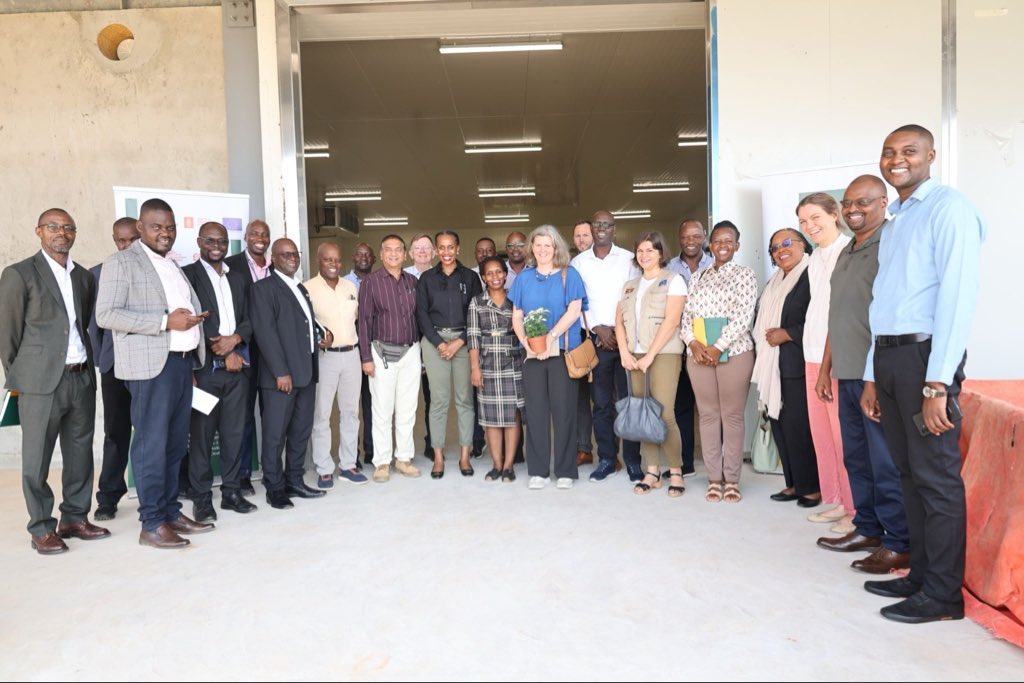
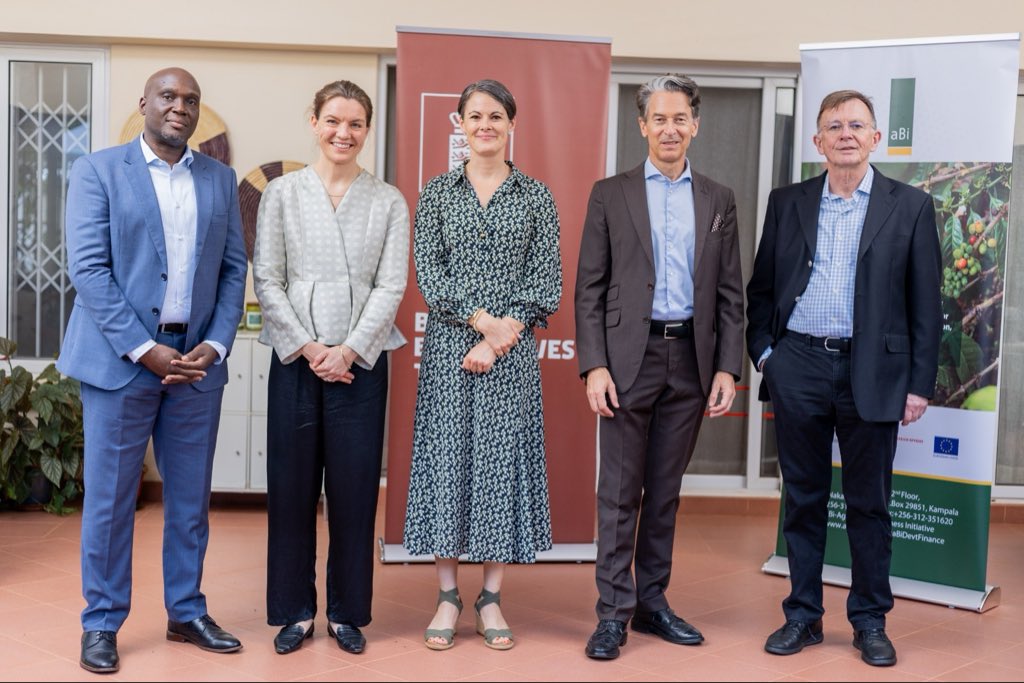
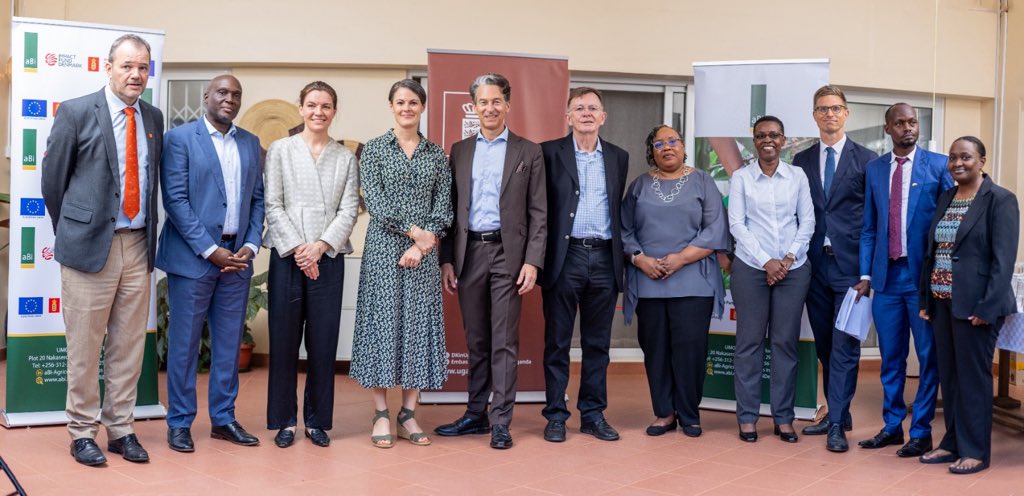
We join @EUinUG in celebrating Europe Day and congratulate the @EUinUG on marking 50 years of partnership in Uganda 🇪🇺🇺🇬
Together with our partners, Impact Fund Denmark (formerly IFU), @DKinUganda and @EUinUG , we are advancing sustainable finance initiatives that are helping to strengthen agribusinesses, improve access to finance, and promote resilient and inclusive agricultural growth.
Through these efforts, smallholder farmers and agricultural enterprises are able to adopt sustainable practices, build resilience, and create better livelihood opportunities for communities.
By 2028, we aim to reach over 1 million smallholder farmers through these initiatives, and strong partnerships such as these remain essential in achieving this goal.
Thank you to @EUinUG for the continued collaboration, congratulations on this milestone, and commitment to driving long-term impact and sustainable development in Uganda.
#EuropeDay #EUAt50 #SustainableFinance #Agriculture #Agribusiness #Uganda
9
14
629
aBi Finance retweeted

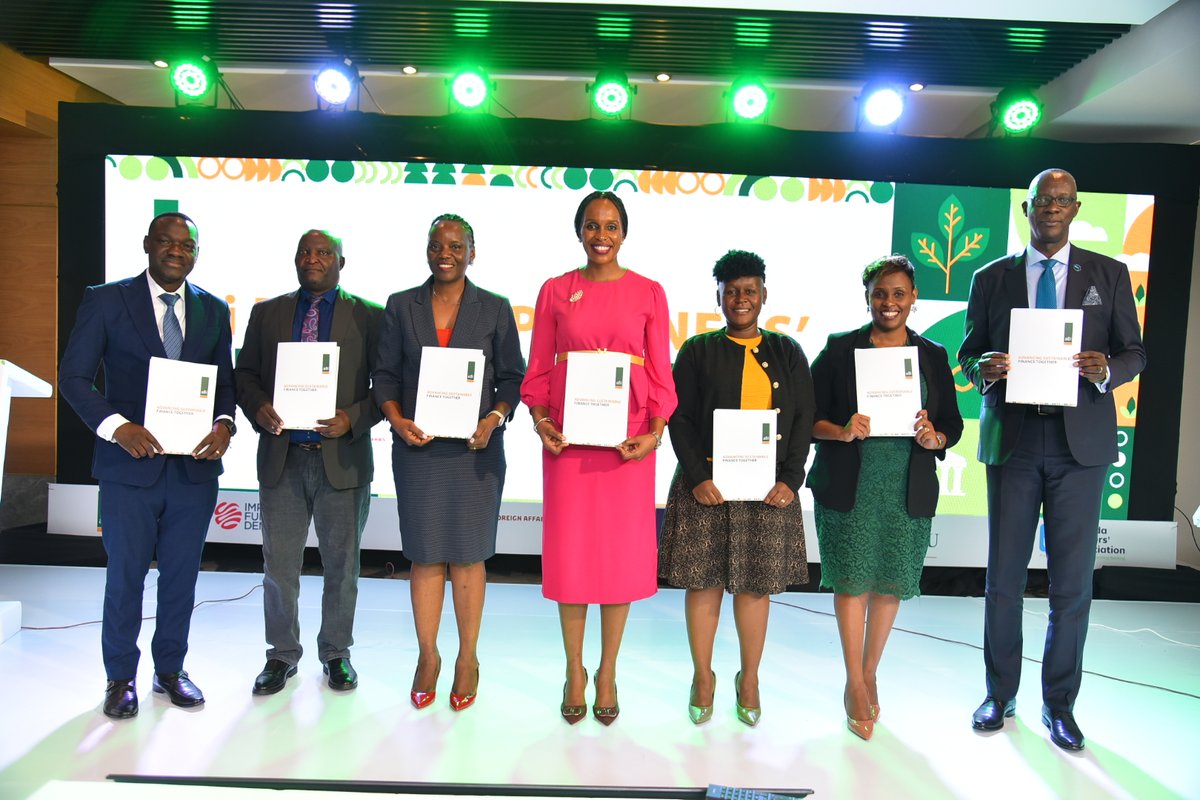
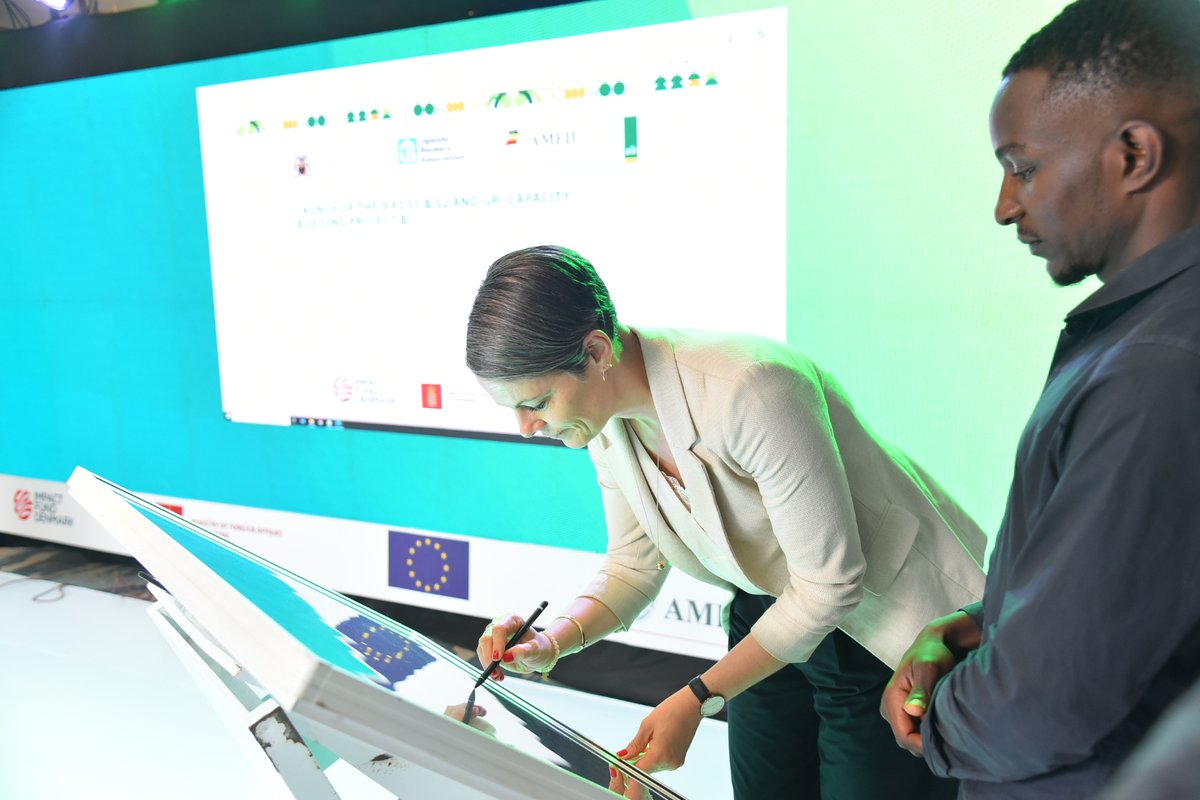
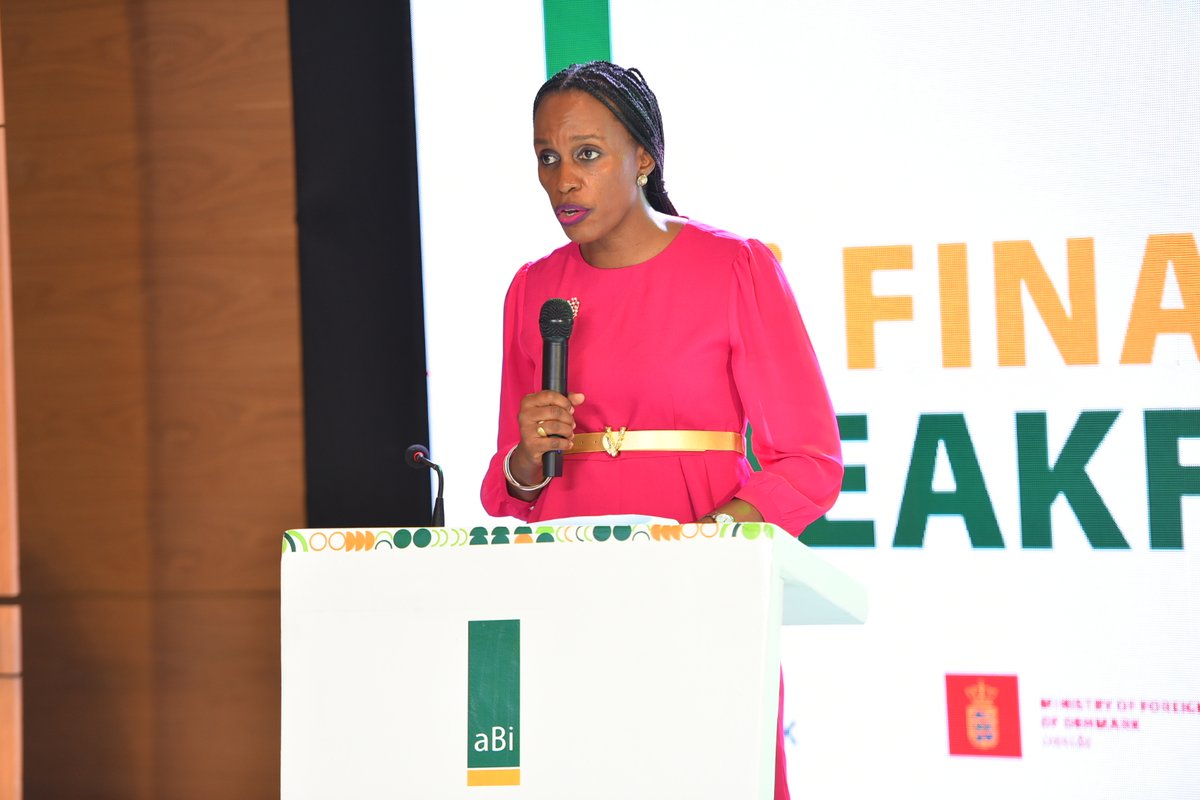
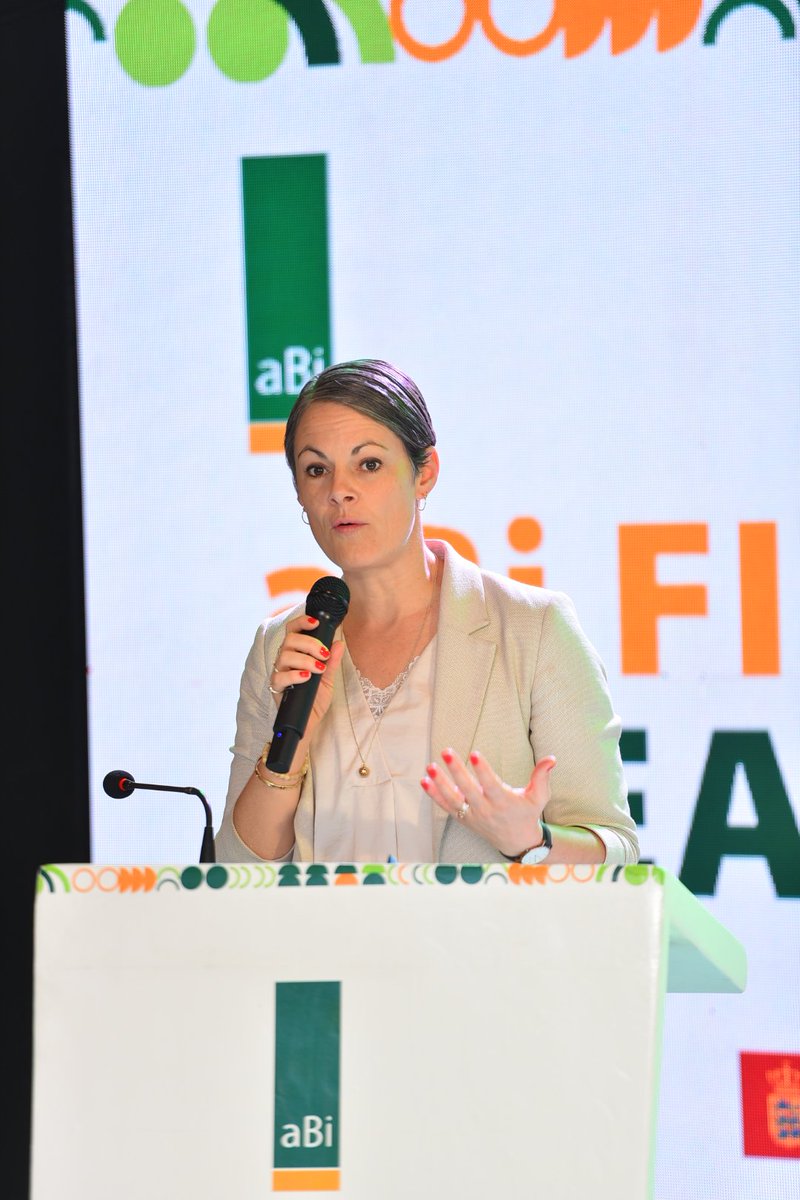
Last week, aBi Finance launched two financial sector-defining initiatives, including the IFRS S1 & S2 and GRI Capacity Building Programme (in partnership with the @ugbankers) and the Tier IV ESG Framework Development Project (with the Association of Microfinance Institutions of Uganda @amfiu_Uganda , tackling one of the most critical gaps in the industry — the capacity to implement credible, globally aligned sustainability reporting.
These are not abstract frameworks. They are practical tools that will enable financial institutions to:
📎 Integrate climate and sustainability risks into decision-making
📎 Strengthen governance and accountability
📎 Improve the credibility of ESG disclosures
📎 Align with international reporting standards
📎 Build long-term trust with investors, regulators, and the public
As @BOU_Official Governor Michael Atingi-Ego rightly emphasised: “IFRS S1 and S2 mark a fundamental shift, requiring institutions to go beyond traditional financial reporting and integrate climate and sustainability considerations into governance, strategy, and decision-making. This strengthens transparency and positions Uganda to attract credible, long-term investment.”
This underscores that sustainability reporting is not a compliance exercise. It is a strategic tool for competitiveness, risk management, and capital attraction.
What stands out even more is the deliberate inclusion of Tier IV financial institutions — SACCOs and microfinance players that are often left behind in conversations around ESG and sustainability. Yet these institutions are the backbone of financial inclusion, serving farmers, women, youth, and underserved communities across Uganda.
By facilitating the embedding of ESG principles at this level, @aBi_Finance is ensuring that sustainability is not just a corporate agenda, but a system-wide transformation that reaches the last mile.
At the event, aBi Finance CEO @MonaMuguma Ssebuliba affirmed that they are committed to being a partner to the sector, supporting innovation, building capacity, and driving inclusive growth and sustainability.
That commitment is already translating into impact. Over the years, aBi Finance and its partners have supported millions of Ugandans — particularly smallholder farmers — while advancing green and inclusive finance models that balance People, Planet, and Profit.
As Uganda aspires towards a $500 billion economy, initiatives like these will be critical in ensuring that growth is not only fast — but inclusive, resilient, and sustainable.
The message is clear: Sustainability is no longer optional. It is the foundation of future financial systems.
#Sustainability #ESG #SustainableFinance #IFRS #ClimateFinanceUganda #FinancialInclusion #Impact #aBiFinance
@DKAmbUganda @DKinUganda
3
16
1,334
aBi Finance retweeted

May 4
Exciting News🥳
Our Vice Chairperson, Mona Ssebuliba & Governing Council Member, Simon Harvey received the National Independence Diamond Jubilee medal during the International Labour Day celebrations for their outstanding service & contribution to socio-economic transformation.

5
9
621
aBi Finance retweeted

May 5
𝐂𝐨𝐧𝐠𝐫𝐚𝐭𝐮𝐥𝐚𝐭𝐢𝐨𝐧𝐬 𝐌𝐨𝐧𝐚 🎉
We congratulate Mona Muguma Ssebuliba on being awarded the National Independence Diamond Jubilee Medal in recognition of her outstanding contribution to Uganda’s national development through @aBi_Finance.
As @FitspaUG, we are proud to be associated with her and we celebrate this well-earned milestone.
#NationalHonours #Uganda #Leadership #NationalDevelopment #aBiFinance #FITSPA #ProudMoment

1
4
157
May 5
Congratulations to our CEO, @MonaMuguma, on being awarded the Diamond Jubilee Medal in recognition of outstanding service, dedication, and contribution to Uganda’s development during the National Labour Day.
This recognition is a testament to Mona’s leadership and unwavering commitment to advancing Uganda’s agribusiness sector.
As aBi Finance family, we celebrate this well-deserved honour with her.
2
3
19
549
aBi Finance retweeted

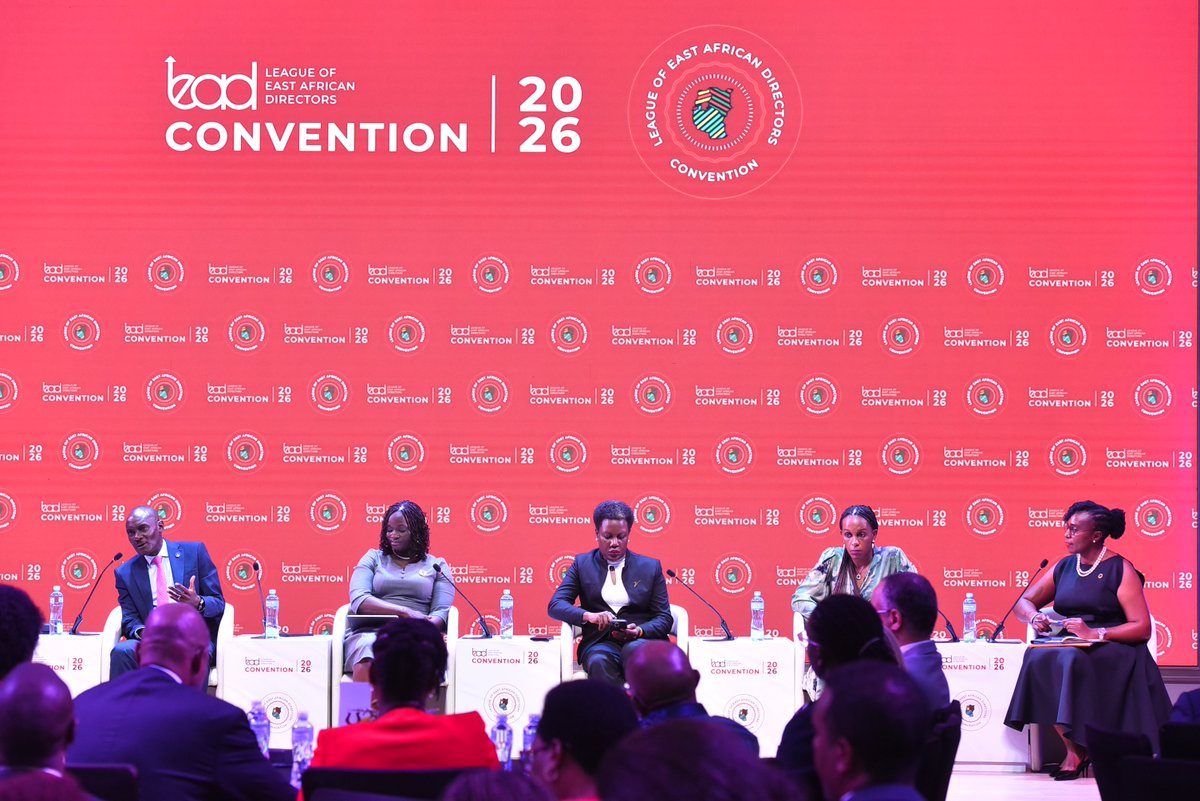
The LEAD Convention 2026 is underway at the New Arirang Hotel Ballroom, Kampala. Over 300 directors, executives, policymakers, and governance professionals are gathered under one theme: Future-Proofing Business — Risk, Resilience, and Responsibility.
#LEADConvention2026

1
4
4
428
aBi Finance retweeted
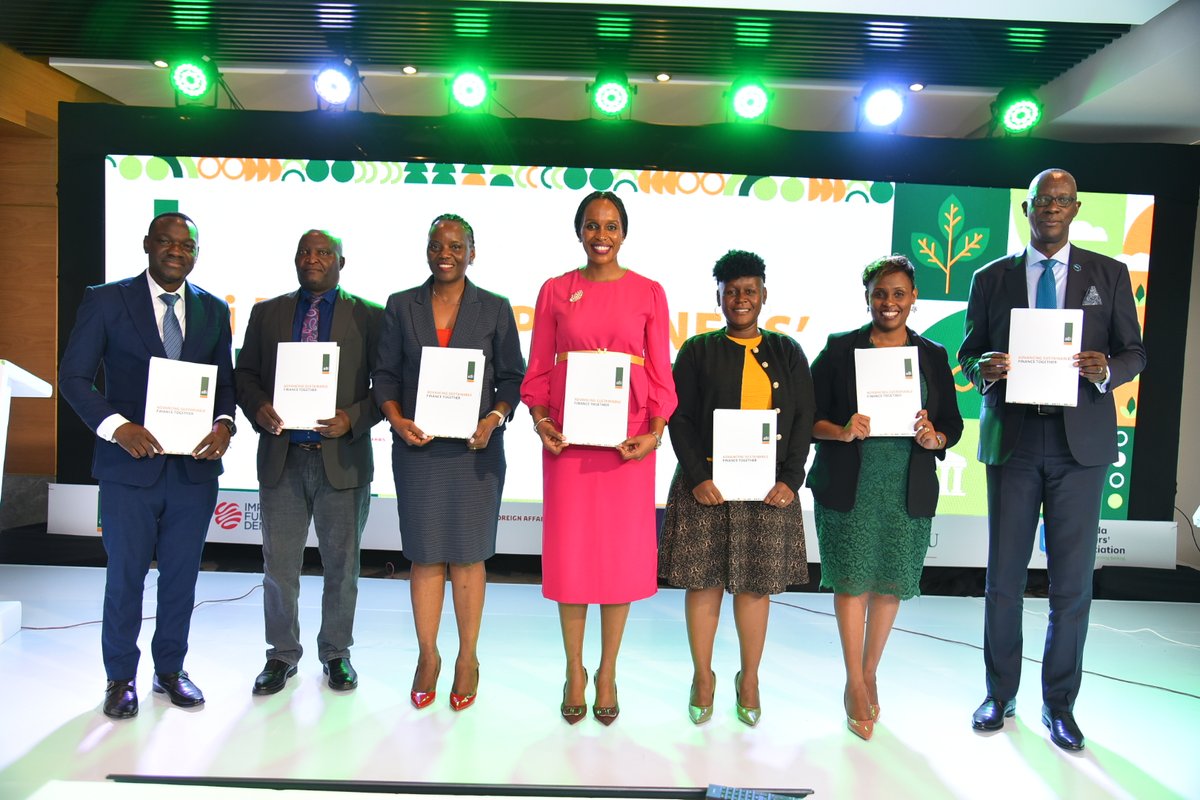
On April 29th, 2026, aBi Finance and its partners took a bold and necessary step toward reshaping Uganda’s financial sector through the launch of two landmark sustainability initiatives.
What stands out most to me is not just the initiatives themselves, but the strength and diversity of the partnerships behind them.
@aBi_Finance is working alongside the @ugbankers, @amfiu_Uganda the @EPRC_official, @ucscucoop @FitspaUG and the @ibfsUg.
This is not a siloed effort — it is a coordinated, ecosystem-wide push to embed sustainability at every level of the financial system.
Through the IFRS S1 & S2 and GRI Capacity Building Programme, financial institutions will be better equipped to report on climate risks and sustainability performance — aligning Uganda with global standards and improving transparency.
At the same time, the Tier IV ESG Framework will support microfinance institutions in integrating ESG principles into their operations — strengthening governance, promoting responsible lending, and ensuring that even the most community-based institutions can grow sustainably.
The benefits of this kind of coordinated action are clear:
📌 Stronger and more credible financial reporting across institutions
📌 Better management of climate and sustainability risks
📌 Increased investor confidence and access to long-term capital
📌 Enhanced financial inclusion, especially for underserved communities
📌 A more resilient and future-ready financial sector
What makes this particularly powerful is that it builds on over a decade of work — reaching more than 2.2 million farmers, supporting women, youth, and underserved regions, and creating over 300,000 jobs.
For Uganda to achieve its long-term economic ambitions, including growing into a USD 500 billion economy, this is exactly the kind of partnership-driven, forward-looking approach that is needed.
I’m curious — how do you see these initiatives shaping the future of Uganda’s financial sector, and what role should partnerships like these play in driving sustainable and inclusive growth?
#SustainableFinance #ESG #Uganda #FinancialSector #Partnerships #InclusiveGrowth
@MonaMuguma @atingiego @BOU_Official @DKinUganda @DKAmbUganda

3
15
1,482
Apr 30
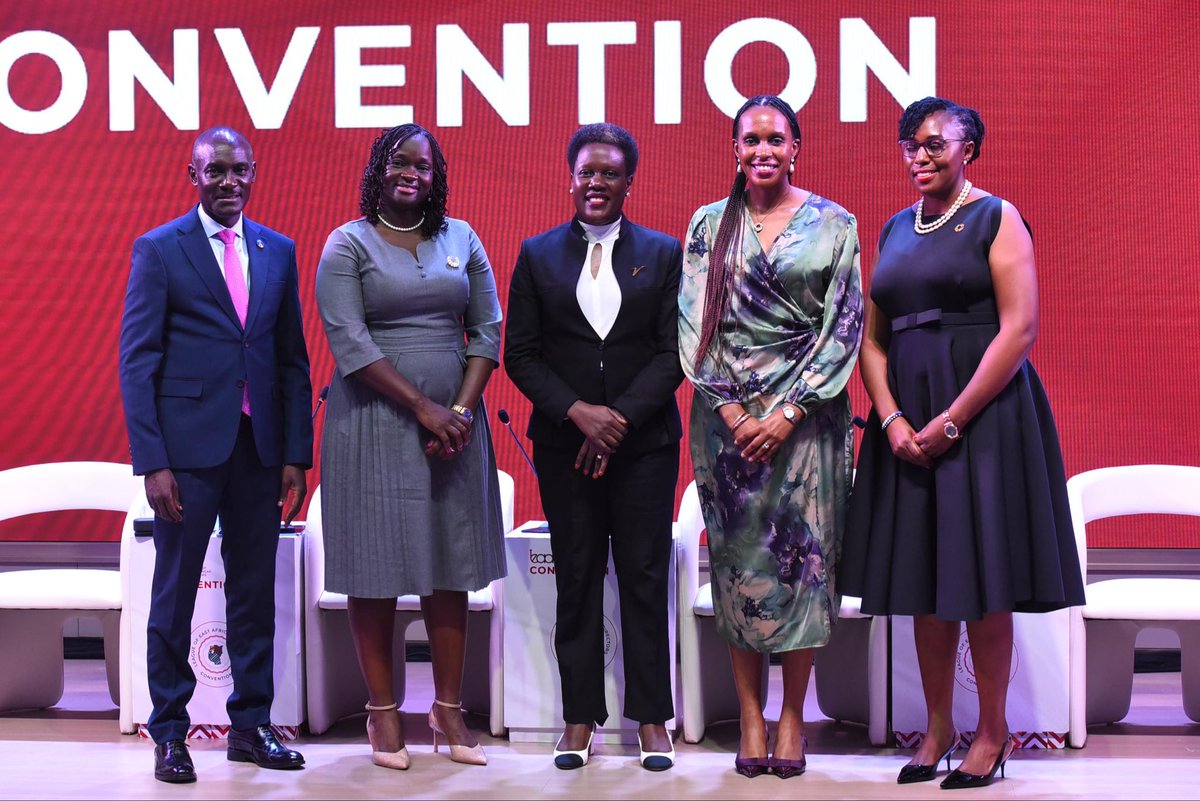
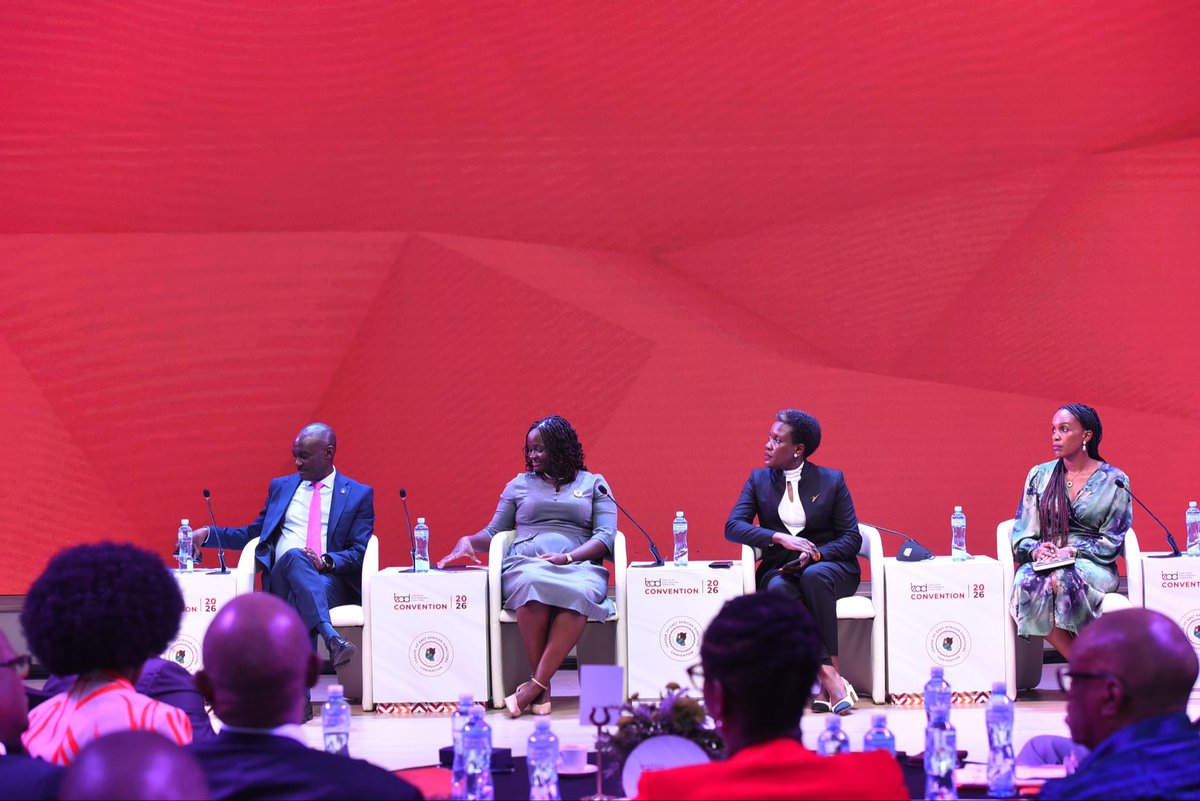
At the @LEAD_EA Convention, one thing stood out clearly — future-proofing business today is less about predicting certainty, and more about building the capacity to navigate uncertainty.
On a panel on navigating systemic and emerging risks, our CEO @MonaMuguma shared that:
For businesses, risk management is about balance.
Balancing risk while keeping stakeholders aligned and confident in the direction you’re taking.
It’s also about how you see.
Institutions that are adapting well are not just looking at what has happened (lag indicators), but what is coming (lead indicators). That shift in mindset is critical.
She added that in times of uncertainty, institutions must balance compliance, performance, and value delivery.
And importantly, sustainability cannot remain in the realm of compliance, it must move to the forefront of how business is done.
Underpinning all of this is one non-negotiable: data-driven decision-making.
In uncertain markets, instinct alone is not enough, institutions that will lead are those investing in data, insights, and continuous learning.
The takeaway?
Future-proofing isn’t a destination but should focus on progress.
#LEADConvention #SustainableFinanceUG
13
395