
Joined May 2019
- Tweets 680
- Following 222
- Followers 2,180
- Likes 2,779
98 Photos and videos



Abby Priscilla retweeted

27 Jun 2025
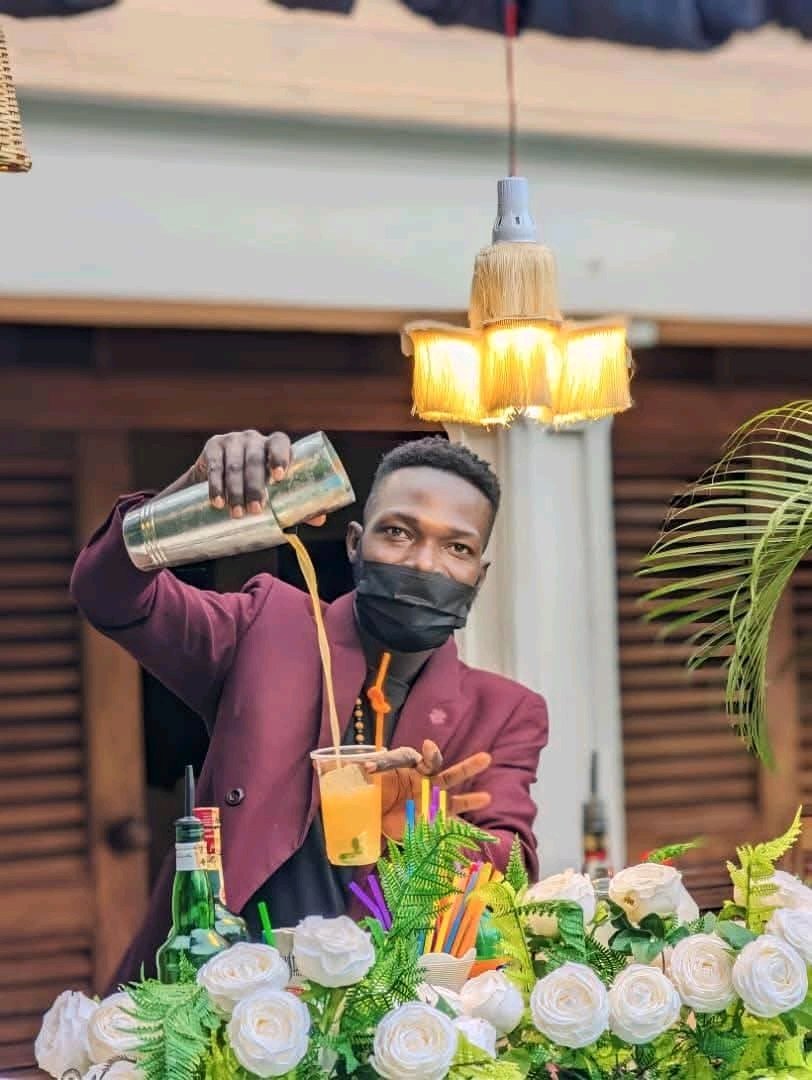
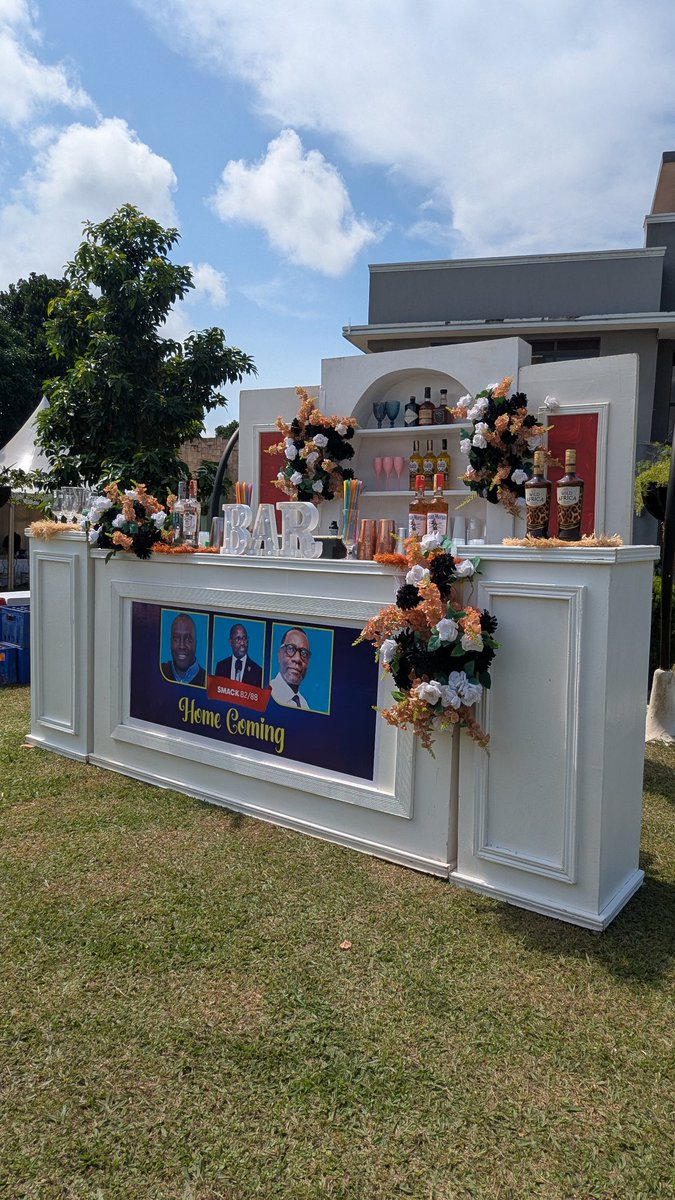
Lets soothen your events with our mouthwatering cocktails and mocktails/classic barsetups at your events with a well curated menu for you reach out 0701639484 @256Rootyherman @OmutakaW @Esau_Matsiko @DeeSandy20 @ShimonAine @jamesonen


3
1
454

Abby Priscilla retweeted

25 May 2024
Reality 💯
22
482
7,518
564,805
Abby Priscilla retweeted
22 May 2024
Believe it
127
2,639
19,433
1,188,561

24 May 2024
When you make it , thank those that have been part of your journey 💯👐
1
3
19
864

26 Apr 2024
nbssport.co.ug/2024/03/27/st…
Forever all the credit will go to COACH KIGUYI EMMA AND COACH NICK NATUHEREZA 🙏 @ucu_sports
3
12
92
2,531
Abby Priscilla retweeted

21 Mar 2024
Racism is deadly.
Today, March 21, is the International Day for the Elimination of Racial Discrimination, observed annually on the day the police in Sharpeville, opened fire and killed 69 people at a peaceful demonstration against apartheid in 1960.
This day is now recognised globally - marked as #HumanRightsDay in 🇿🇦 - and serves as a reminder of the ongoing struggle against oppression and inequality.
But racism is deadly not only when people can no longer breathe because of police violence.
Racism is deadly when people take their last breath because of policy violence, including global and national policies that result in people being unable to access the medicines or care that could save their lives.
When we look at the impact of health crises, it is clear that African people, people of African descent, and other racialized groups are hit harder, because of the systemic nature of racism.
Racial disparities are stark when it comes to HIV.
Of the 4,000 young women and girls aged 15-24 who become infected with HIV every week across the world, 3,100 are African.
In the United States, one in every two African American gay and bisexual men acquires HIV in his lifetime – compared to 1 in every 11 white gay and bisexual men.
The COVID crisis exposed what South African President Cyril Ramaphosa called “Global Vaccine Apartheid”. At least a million people in the Global South could still be alive today if the COVID-19 vaccine had been distributed equitably in its first year.
One life could have been saved every 24 seconds!
Systemic racism has remained wired into global economic systems. But racist systems can be unmade.
Sharing my op-ed for the International Day for the Elimination of Racial Discrimination - please share with your networks.
It is an urgent call to address systemic racism within global economic and health care systems.
An equal future is possible, if we #FightRacism together.
#RacismDay
mg.co.za/thought-leader/opin…
5
29
64
5,597
15 Mar 2024
Am grateful for you Coach Wade🙏
15 Mar 2024

A very important returner from last years squad for us! Glad to have gotten to coach her for the one year! Excited to see how she does at the D1 level now💪🏼
2
838
Abby Priscilla retweeted

19 Feb 2024
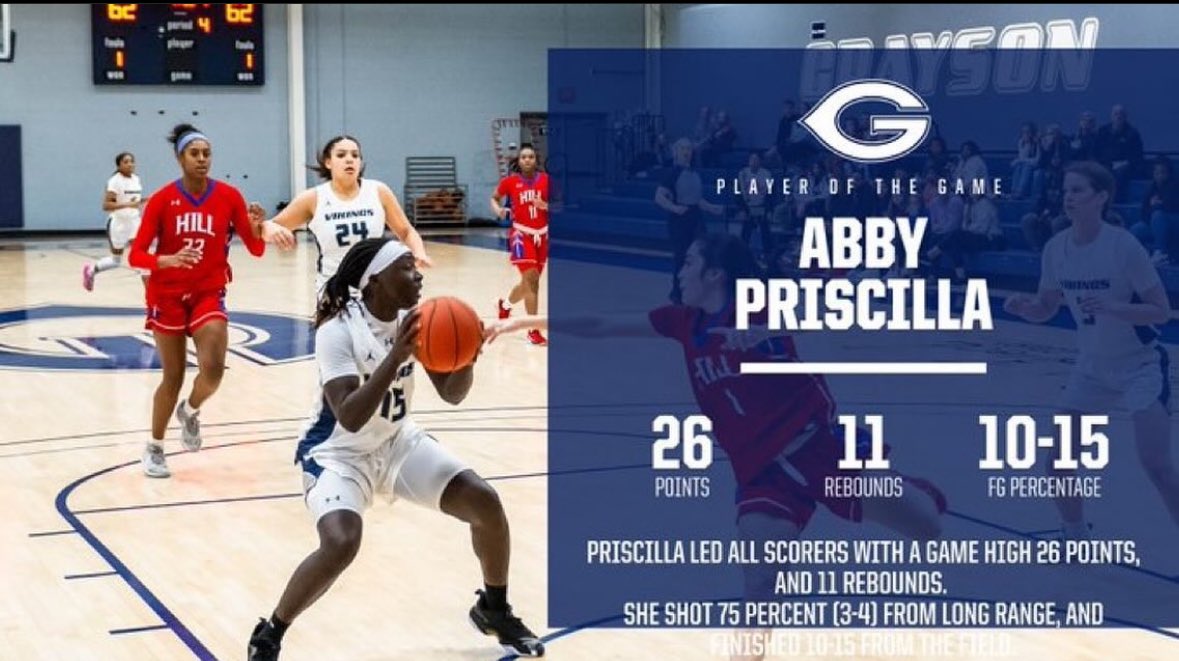
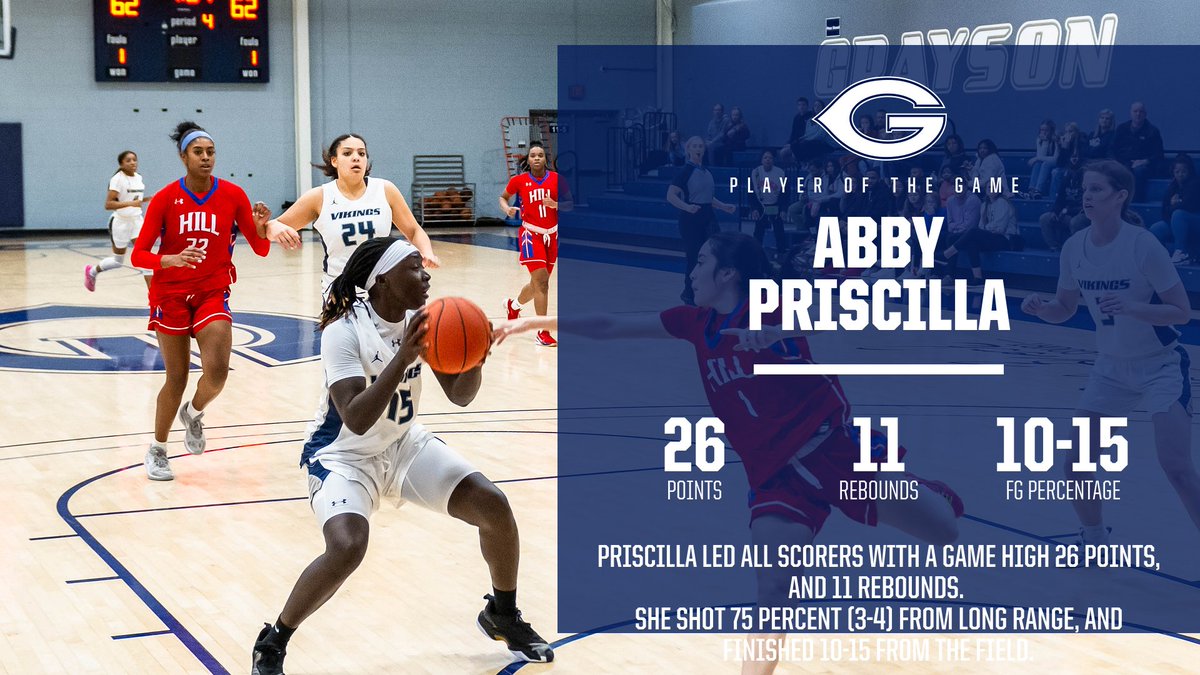
Player of the Game against Hill goes to Abby Priscilla! She led all active players with a game high 26 points, 11 rebounds and a game high 10-15 from the field! 💪
6
20
1,589
Abby Priscilla retweeted

17 Feb 2024
.@abbie_ug was in her element tonight, unfortunate to be on the wrong side of the result.
1
2
3
396
Abby Priscilla retweeted
17 Feb 2024
🚨HALFTIME🚨 Grayson trails Hill 42-26. Abby Priscilla leading the way with 13 points!
Let’s go ladies! You’ve got this!!
3
3
751
17 Feb 2024
Tough and am proud of this team
17 Feb 2024

🚨FINAL🚨 Grayson loses a heartbreaker 84-81 to Hill. Abby Priscilla with 25 points to lead Grayson in scoring!
Way to battle ladies!
1
7
27
1,342
Abby Priscilla retweeted
17 Feb 2024
🚨FINAL🚨 Grayson loses a heartbreaker 84-81 to Hill. Abby Priscilla with 25 points to lead Grayson in scoring!
Way to battle ladies!
5
7
3,058
17 Feb 2024
1
2
322
15 Feb 2024
💯
15 Feb 2024

Life is a menu, you pick what you want. Don’t judge others for their choices, tastes vary!
1
3
460