
Authorised by C Purves, 27 Gillies Ave, Auckland.
Joined February 2009
- Tweets 10,375
- Following 744
- Followers 24,647
- Likes 1,354
1,403 Photos and videos








Pinned Tweet

Jan 20
Confirmed: Election Day 2026 is 7 November.
Our last two election results were ACT’s best ever, and we’re ready to do it again.
We’re proud of our record, driving change in Government. This election we’ll be giving Kiwis a clear choice: Party Vote ACT to avoid the reds and greens, without settling for beige.
As usual ACT will honestly and fearlessly tell it like it is. New Zealand is the most successful society in history, but we’re selling ourselves short. When we avoid hard issues in our polite Kiwi way, it’s the battlers who suffer.
Kiwis are people who came to these islands for a better tomorrow. We are adventurous, pioneering people by nature, or we wouldn’t be out here. Bureaucracy, red tape, and identity politics are kryptonite to our ambitions.
ACT has proven it can shrink Government waste, cut through red tape, and get better performance for the taxpayer dollar. We can also drive the hard conversations about who we are as a country.
We’ve also proven we can work collegially and effectively with our partners in coalition. In everything from youth justice to medicines, we have delivered. ACT provides the full package for voters who rightly fear the Labour-Green-Māori menace, but also want faster action on waste, red tape, and pride in our country.

193
29
300
16,304
Jun 13
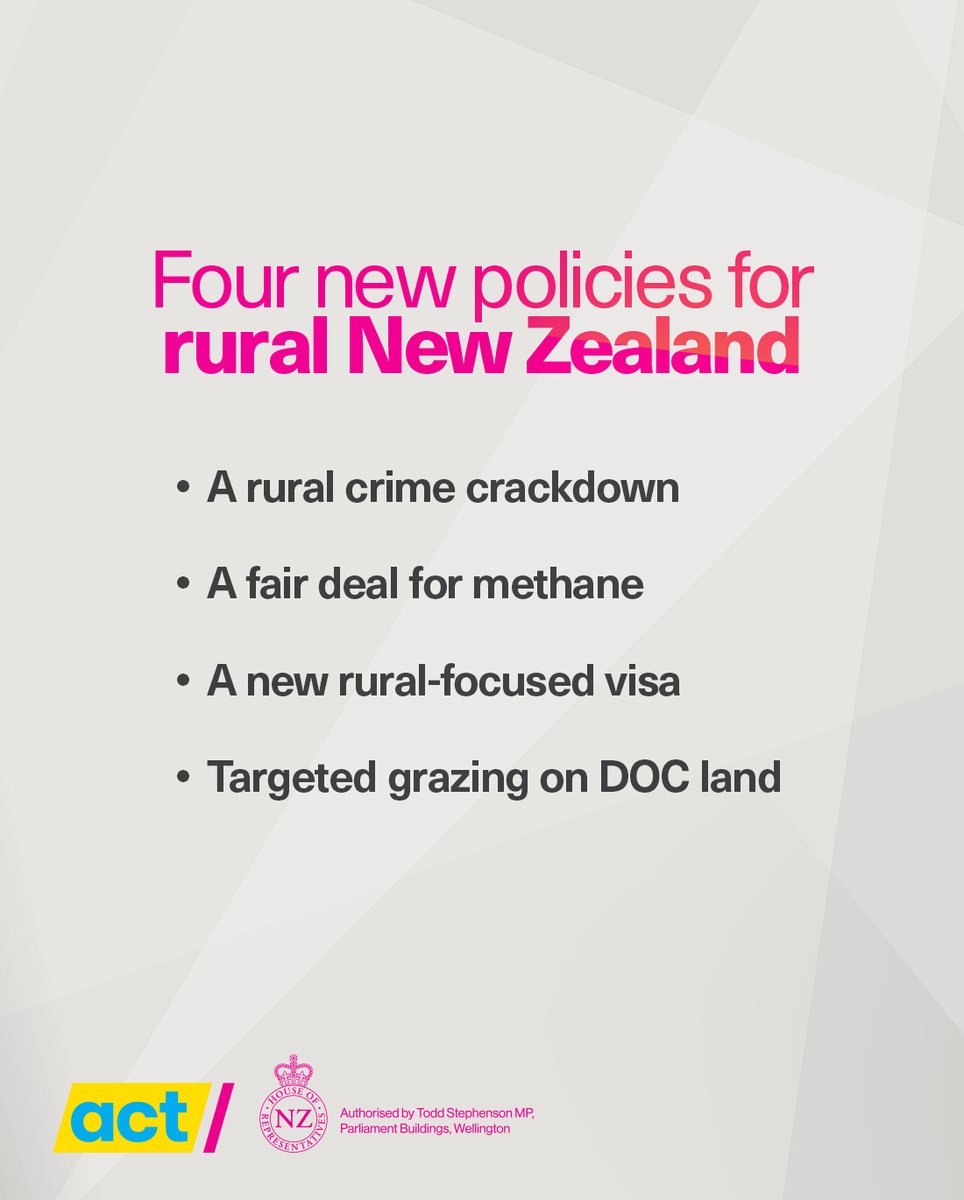
ACT is listening to rural New Zealand. In four days, we’ve announced four fixes for farmers and rural communities.
52
2
36
2,033
Jun 12
Conservation land shouldn’t be a giant weed farm.
Right now, Wellington locks up DOC land and lets weeds grow out of control until they become a massive fire hazard. ACT will cut the red tape and let farmers graze their animals on suitable land. The animals eat the overgrowth, the fire risk drops, and the land is actually looked after.
Practical conservation beats bureaucracy every time.
30
13
93
2,580
Jun 12
𝗔𝗖𝗧 𝗯𝗮𝗰𝗸𝘀 𝘁𝗮𝗿𝗴𝗲𝘁𝗲𝗱 𝗴𝗿𝗮𝘇𝗶𝗻𝗴 𝘁𝗼 𝘁𝗮𝗰𝗸𝗹𝗲 𝗽𝗲𝘀𝘁𝘀 𝗮𝗻𝗱 𝗳𝗶𝗿𝗲 𝗿𝗶𝘀𝗸 𝗼𝗻 𝗗𝗢𝗖 𝗹𝗮𝗻𝗱
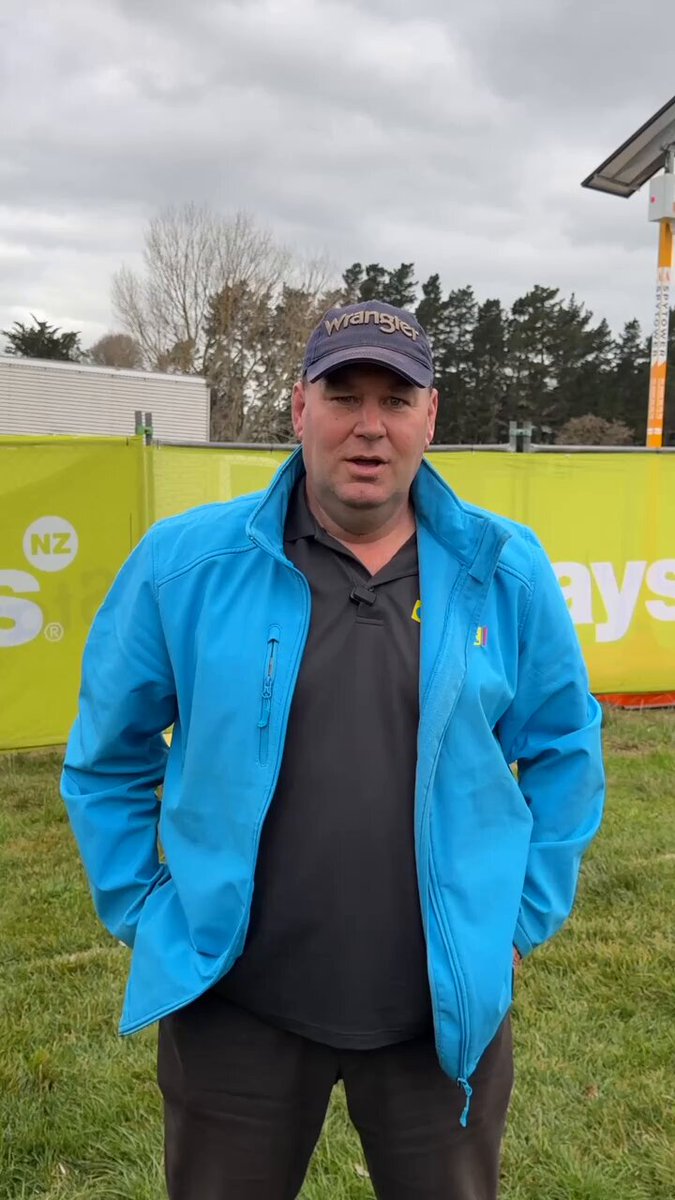
“Taxpayers are footing the bill for a helicopter spraying programme when a flock of sheep could be doing the job for free,” says ACT’s Agriculture spokesperson Andrew Hoggard as he releases new rural policy at Fieldays.
"Wilding conifers are the largest invasive species challenge in New Zealand, choking 1.8 million hectares of land. The Government has invested sensibly into fighting them, but we can do a lot more by allowing farmers to graze livestock.
"DOC manages large areas of open country, former pastoral land, and other nonforest conservation land that could be safely grazed under controlled conditions. Too often, however, farmers seeking grazing concessions are met with resistance or unnecessary barriers. The result is less active land management, more wilding pines, and growing fuel loads that increase wildfire risk.
"By locking up the land and throwing away the key, the Government hasn’t just allowed invasive plants and pests to thrive; it has turned parts of the conservation estate into a severe wildfire risk. The heavy vegetation fuel loads left behind are a disaster waiting to happen.
"The current rules make it unnecessarily difficult to use targeted grazing on Crown conservation land. Instead, taxpayers are forced to pay for expensive aerial spraying and manual cutting. It is a regulatory failure that is actively harming the environment and wasting public money.
"Overseas, they know better. In the United States, Australia, and across Europe, targeted grazing is a standard, internationally recognised tool for managing invasive plants, controlling vegetation growth, and reducing wildfire fuel loads. Portugal even uses it specifically to build forest resilience against fires. It’s time New Zealand caught up. It’s time to stop treating farmers like the enemy and start treating them as part of the solution. We need to unleash practical, rural knowledge on this crisis.”
To restore common sense to conservation management, ACT will:
Amend the Conservation Act 1987: ACT will give DOC explicit authority and direction to issue grazing licences for specified areas of conservation land where grazing supports vegetation management objectives.
Target invasive plants and fire risk: ACT will establish a clear ecological framework to identify where grazing is appropriate to suppress conifer seedlings and other invasive vegetation, while reducing the fuel loads that contribute to devastating wildfires.
Set practical licence conditions: ACT will ensure licences specify appropriate stocking types, rates, and duration, ensuring the land is managed effectively without burying farmers in bureaucratic red tape.
Allow virtual fencing: ACT will recognise virtual fencing systems as a compliant method of stock exclusion to reduce the burden on farmers grazing their stock on DOC land.
"Grazing isn't the answer to every pest problem, but it is one of the most practical tools available for managing invasive plants, reducing fire risk, supporting rural economies, and ensuring conservation land is actively managed rather than left to become a source of weeds and fuel loads. The current rules effectively block targeted grazing on Crown conservation land,” says Mr Hoggard.
"For too long, Wellington has ignored the practical knowledge that rural communities have built over 150 years of managing these landscapes. ACT is bringing practical, farm-first solutions to Parliament. It’s time to cut the red tape and let farmers do what they do best.
"ACT is proud to be rural New Zealand’s authentic voice in parliament. When every other party sold rural New Zealand out with the Zero Carbon Act, ACT stood alone against it and kept campaigning to keep agriculture out of the ETS. We've achieved that in Government, we're making property rights the focus of the RMA, we've gotten rid of Labour's anti-farming policies like the ute tax, winter grazing rules and overzealous freshwater farm plans."
11
5
41
2,080
Jun 11
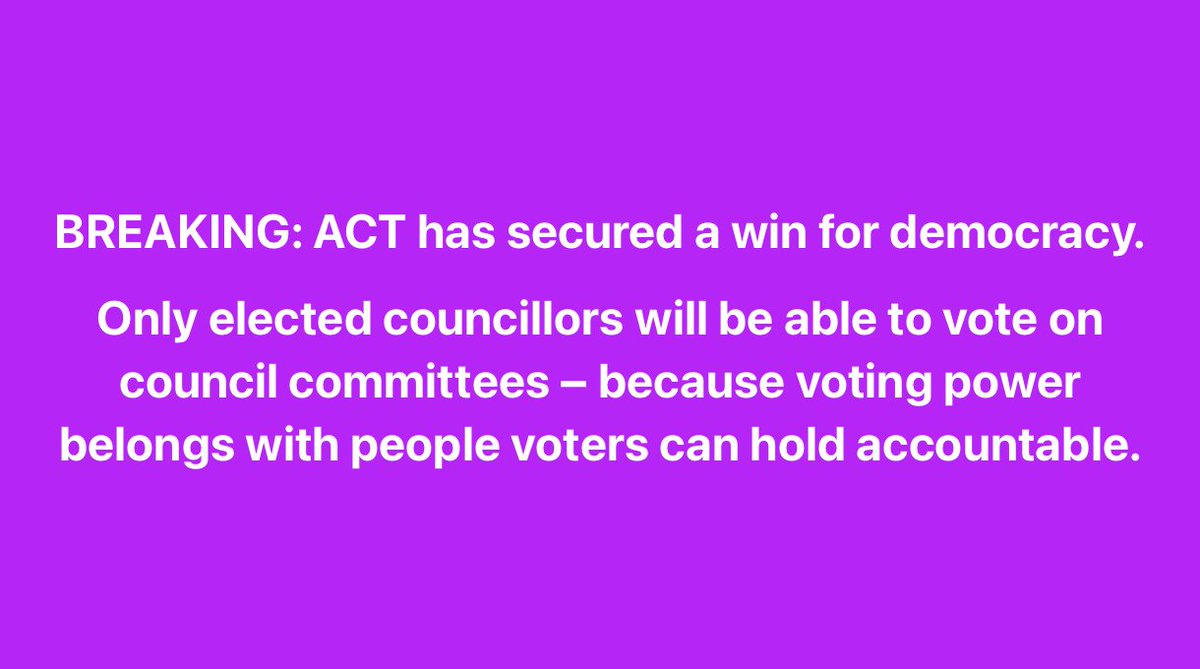
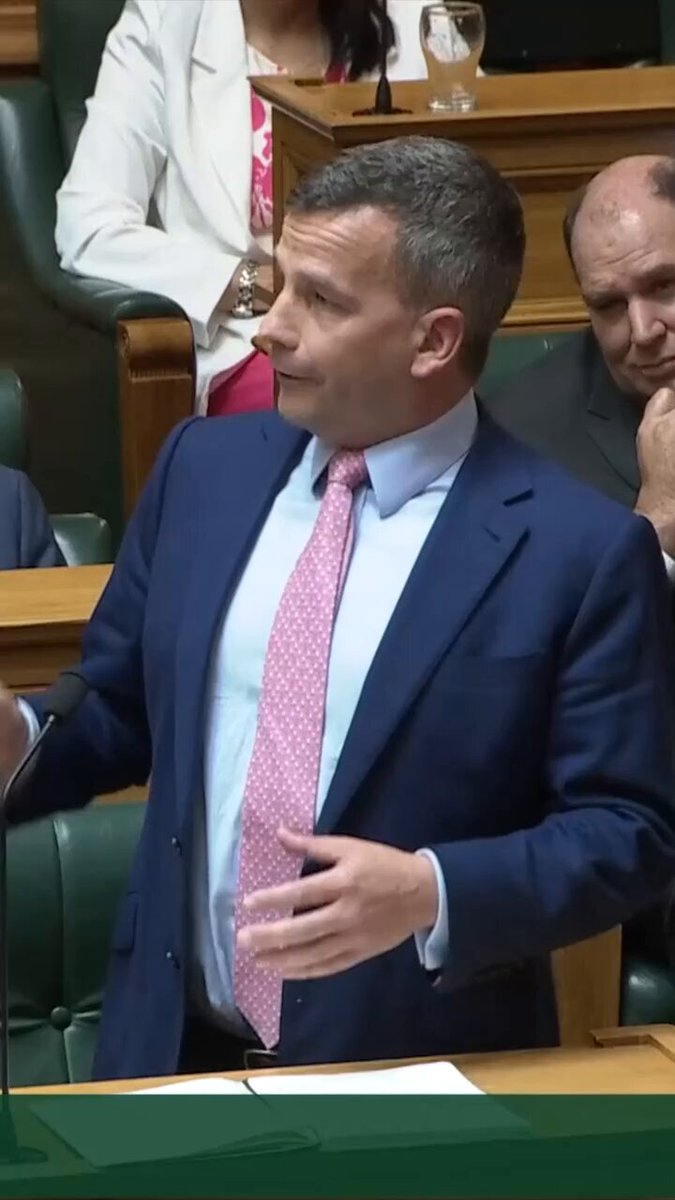
𝗔𝗖𝗧 𝗯𝗮𝗰𝗸𝘀 𝗰𝗹𝗼𝘀𝗶𝗻𝗴 𝗔𝘂𝗰𝗸𝗹𝗮𝗻𝗱’𝘀 𝘂𝗻𝗲𝗹𝗲𝗰𝘁𝗲𝗱 𝘃𝗼𝘁𝗶𝗻𝗴 𝗹𝗼𝗼𝗽𝗵𝗼𝗹𝗲
ACT Local Government spokesperson Cameron Luxton is welcoming news the Local Government Minister is considering expanding proposed changes to ensure unelected Independent Māori Statutory Board members cannot vote on Auckland Council committees.
“ACT’s position has always been simple: if you haven’t faced the voters, you shouldn’t have a vote on how ratepayers’ money is spent. Making this principle apply to Auckland's IMSB would mean the Minister's changes align with my Member’s Bill,” says Mr Luxton.
“The Government has already agreed to adopt 90 per cent of my Bill by removing voting rights from unelected appointees on council committees. The next logical step is to pick up the remaining 10 per cent by making sure Auckland Council’s unelected Independent Māori Statutory Board members are not carved out. ACT believes this change can be made within the scope of the Government’s broader reforms.
“On behalf of ACT, I'd like to thank Local Government Minister Simon Watts picking up this work. We're encouraging him to take the reform all the way.
“ACT will keep pushing to restore democratic accountability to local government and put ratepayers back at the centre of council decision-making.”
14
8
103
2,214
Jun 11
𝗔𝗖𝗧 𝗮𝗻𝗻𝗼𝘂𝗻𝗰𝗲𝘀 𝗺𝗮𝗷𝗼𝗿 𝗰𝗿𝗮𝗰𝗸𝗱𝗼𝘄𝗻 𝗼𝗻 𝗿𝘂𝗿𝗮𝗹 𝗰𝗿𝗶𝗺𝗲
Crime in rural New Zealand is out of control, and too many rural communities feel like they've been left to fend for themselves. Today, ACT is announcing a new Rural Crime Policy to restore law and order to the countryside.
ACT would:
- Fund Police to hire more officers for rural areas with a target of an additional 100,000 extra patrol hours each year, and establish a dedicated rural crime unit.
- Extend eligibility for Text 111 services to people in rural areas with unreliable mobile coverage, ensuring they can contact emergency services via text when a voice call drops out.
- Crack down with increased penalties and strengthened offences on armed poachers and livestock rustling.
- Strengthen the tools used between agencies for rural enforcement coordination.
Federated Farmers' latest Rural Crime Survey found 67% of farmers experienced crime, up nearly 26% from 2016.
“Talk to farmers, and you'll hear the same story. Illegal hunters are crossing private land. Livestock stolen or killed. Sheds broken into. Fuel and machinery are disappearing overnight. Meanwhile, police resources have been steadily pulled out of rural communities,” says ACT’s Agriculture spokesperson Andrew Hoggard.
“When people stop reporting crime because they don't believe anything will happen, that's a sign the system isn't working.
“Criminals target rural people because they’re isolated. Our policy takes that out of the equation, with more police presence, connectivity and harsher deterrents.”
ACT Rural Communities spokesperson Mark Cameron says: “When criminals know the nearest police car is miles away, they are emboldened. It is no surprise that nearly half of farmers do not even bother reporting incidents to the police, and of those who do, only 15% see the offender investigated and prosecuted.”
“Farmers deserve the same protection and peace of mind as anyone living in a city. Rural New Zealand helps feed the country and drive our economy. The least the government can do is make sure the people who live and work there feel safe in their own homes and on their own land. ACT will ensure the justice system treats rural crime with the seriousness it deserves, and put police back on the rural beat,” says Mr Hoggard.
28
6
70
3,468
Jun 10
𝗔𝗖𝗧 𝘄𝗼𝗻'𝘁 𝘀𝗮𝗰𝗿𝗶𝗳𝗶𝗰𝗲 𝗳𝗮𝗿𝗺𝗲𝗿𝘀 𝗳𝗼𝗿 𝗣𝗮𝗿𝗶𝘀 𝘁𝗮𝗿𝗴𝗲𝘁𝘀
ACT is announcing a science-based climate policy that puts New Zealand's interests first. If the Paris Agreement cannot accommodate targets that reflect the real warming impact of New Zealand's emissions, then New Zealand should leave it.
“New Zealand's farmers are the most emissions-efficient in the world, yet they are treated like climate villains and punished by climate targets that ignore the difference between methane from livestock and carbon from fossil fuels,” says ACT’s Agriculture spokesperson Andrew Hoggard.
“The Paris Agreement provides a pathway for New Zealand to issue its own Nationally Determined Contribution. ACT is campaigning to do that in the next term of Parliament so we can have a plan that is ambitious for New Zealand and reflects the science of climate change.
Our proposed NDC would:
Recognise a split gas approach that treats long-life gases like carbon dioxide and short-lived gases like methane differently. That is critical for recognising the efficiency of our agricultural sector.
Revisit the Emissions Reduction Plans. ACT will reset these around realistic targets, the split-gas approach, and genuine environmental outcomes rather than compliance with a framework designed for industrialised economies with fundamentally different emissions profiles to ours.
Keep agriculture out of the Emissions Trading Scheme. New Zealand dairy has a carbon footprint 46% lower than the global average. ACT opposes methane pricing because taxing the world's most emissions-efficient farmers won't change the climate. Putting a price on that isn't climate policy – it's a tax on the world's most efficient food producers, which makes your groceries more expensive while shifting production to countries that do it worse.
“Under the current approach, prime farmland gets converted to pine trees, farmers face new costs for emissions they're already managing efficiently, and global emissions don't drop – because other countries with higher-footprint production simply fill the gap. That's not an environmental outcome. That's an economic and environmental own-goal.
"Current climate targets treat methane from a cow the same as carbon from a coal burner. That just isn’t scientific. “The result is that New Zealand farmers are being told to cut production while other countries increase output. That's not reducing global emissions, it's sending our jobs, our land, and our food production offshore – to countries that produce it less efficiently and with a higher carbon cost. It's exporting jobs, investment, and food production overseas.”
ACT Climate spokesperson Simon Court says: “ACT will submit a new Split-Gas emissions target that focuses on actual warming. Long-lived gases will continue on a path to lowering emissions, while biogenic methane will be managed under a No Additional Warming approach.
“We will also permanently keep agriculture out of the Emissions Trading Scheme. Taxing the world's most emissions-efficient farmers won't change the climate. It will just make food more expensive and push production into less efficient countries.
“Last year, ACT made it clear that the Paris Agreement is broken and that New Zealand deserves a better climate deal. Today, we are putting forward exactly what that better deal looks like.
“New Zealand produces dairy with a carbon footprint 46% lower than the global average. We should be expanding our production, not retreating. ACT is the only party with the courage to stand up to the UN, rewrite the rules, and secure a future where farming grows.”
69
16
119
5,374
Jun 9
Fieldays is where rural New Zealand shows what it does best.
Andrew Hoggard and the ACT team will be at site RLL34, right beside the Rural Lifestyles Pavilion. We’ll be there from Wednesday to Saturday, catching up with the people who grow, build, fix, feed, and keep this country moving.
12
2
22
1,241
ACT New Zealand retweeted

Jun 8
Our passport service is really world class. Not only can you easily do the entire application online, I completed my application on Friday, and today (two working days later) it has been dispatched to me. Great work from DIA @BrookevanVelden
32
13
298
8,615
Jun 9
New Zealand’s farmers are struggling to find workers.
ACT's Rural Workforce Visa replaces complexity with a simple system designed around the realities of rural New Zealand.
✅ 3-year visa
✅ Easier transfers
✅ Clear residency pathway
ACT is fixing what matters and helping farmers fill genuine workforce shortages.
70
3
32
7,822
Jun 9
𝗔𝗖𝗧 𝘂𝗻𝘃𝗲𝗶𝗹𝘀 𝗥𝘂𝗿𝗮𝗹 𝗪𝗼𝗿𝗸𝗳𝗼𝗿𝗰𝗲 𝗩𝗶𝘀𝗮 𝘁𝗼 𝘀𝗼𝗹𝘃𝗲 𝗳𝗮𝗿𝗺 𝘄𝗼𝗿𝗸𝗲𝗿 𝘀𝗵𝗼𝗿𝘁𝗮𝗴𝗲
ACT is announcing its new Rural Workforce Visa (RWV) policy, a dedicated pathway designed to give farmers a reliable, year-round pipeline of workers – without the visa uncertainty that leaves roles unfilled for months at a time.
The rural visa builds on ACT's immigration policies announced last month, tailoring policy to rural New Zealand.
“New Zealand's farms, orchards, and fishing fleets generate $60 billion in exports every year. Right now, they can't find enough capable workers to do the job, held back by a chronic labour shortage that the current immigration system simply isn't equipped to solve," says ACT's Agriculture spokesperson Andrew Hoggard.
“Rural New Zealand faces different pressures from urban New Zealand. In many communities, the problem isn't too many people arriving, it's not enough workers being available. Applying an infrastructure levy in those circumstances would make no sense, which is why ACT’s Rural Workforce Visa would be exempt. Federated Farmers’ latest Farm Confidence Survey confirms labour availability remains one of the biggest challenges facing farmers across the country.
“The Government has made progress by introducing the Global Workforce Seasonal Visa and Peak Seasonal Visa. Those pathways help meet seasonal demand, but they do not address the year round roles that keep farms running every day.
“Labour shortages don't just make it harder to run farms. They also make it harder to keep productive land in farming at a time when many rural communities are already under pressure from the expansion of forestry.”
“Immigration should support the industries that drive New Zealand's economy, not leave critical jobs sitting vacant. ACT's Rural Workforce Visa provides certainty and a straightforward pathway for reliable migrant workers to fill genuine workforce shortages. Our immigration settings should support the people who feed the country and drive our economy, not bury them in red tape.” says ACT’s Immigration spokesperson Dr Parmjeet Parmar.
ACT’s policy will:
1. Create the Rural Workforce Visa: A standalone, three-year visa specifically for dairy, sheep and beef, and general farm work.
2. Implement sector-tying, not geographic borders: The visa is attached to accredited rural employers, not a region. Workers can transfer to any other accredited rural employer without a new application, but cannot move to nonrural sectors. Workers end up in rural communities as a market outcome, not because a bureaucrat drew a line on a map.
3. Cutting bureaucracy: The visa features an initial three-year term with no renewal required within that period. Before the visa term ends, employers readvertise; if no suitable New Zealander is available, the visa is reissued for a further three years. This removes the repeated annual compliance load on employers.
4. Establish a clear residency pathway: ACT will add a new agricultural stream to the Work to Residence Visa. Workers who have held an RWV for 72 cumulative months (six years) with an accredited employer, and who meet standard requirements, will become eligible for residence.
Mr Hoggard says the policy respects the basic bargain that New Zealand was built on. People are welcome here if they contribute, respect our democratic values, and help build the country. It is a targeted, pro-market solution that rewards workers who have demonstrated sustained commitment to rural New Zealand.
“ACT’s Rural Workforce Visa reduces regulatory burdens on farmers, removes geographic restrictions, and delivers year-round workforce stability our primary industries need to drive New Zealand’s export economy forward,” says Mr Hoggard.
49
3
32
5,710
Jun 8
𝗡𝗮𝘁𝗶𝗼𝗻𝗮𝗹’𝘀 𝗤𝗘𝗜𝗜 𝗽𝗼𝗹𝗶𝗰𝘆 𝗶𝘀 𝗮 𝗳𝗶𝘁𝘁𝗶𝗻𝗴 𝘁𝗿𝗶𝗯𝘂𝘁𝗲 𝘁𝗼 𝗠𝗮𝗿𝗸 𝗖𝗮𝗺𝗲𝗿𝗼𝗻
ACT Leader David Seymour is welcoming National's commitment to increase funding for the QEII National Trust, saying it reflects an idea championed by ACT.
"Thank you, National, for the tribute to Mark Cameron. It's fitting that this announcement comes on the same day Mark announced he will retire from Parliament at the next election," says Mr Seymour.
"National have effectively adopted an idea Mark promoted and ACT took to voters in 2023. We campaigned on a $10 million Biodiversity Fund available to local government and trusts such as QEII, precisely so that covenants could be struck with willing landowners to protect critical wetlands and areas of indigenous bush. It's good to see that thinking now shaping other parties’ policy.
"Around 70% of New Zealand is privately owned and some of our rarest ecosystems survive only because farmers and landowners have chosen to protect them. The QEII model is voluntary and respects property rights. It is the exact type of conservation that ACT believes in and wants to see more of.
"ACT is proud to be rural New Zealand's authentic voice in Parliament. When every other party sold rural New Zealand out with the Zero Carbon Act, ACT stood alone against it and kept agriculture out of the ETS. We're making property rights the focus of the RMA, we've scrapped Labour's anti-farming policies like the ute tax, winter grazing rules and overzealous freshwater farm plans.
"National’s policy also aligns well with Andrew Hoggard’s work in Government introducing a biodiversity credits framework. We’re allowing farmers and other landowners to earn a return for environmental improvements they make on their land.
"Mark Cameron and Andrew Hoggard have been relentless advocates for rural New Zealand and for the idea that farmers are environmental stewards, not environmental villains. Today's announcement shows other parties are increasingly moving in that direction.”
8
6
35
1,833
Jun 7
Thank you, Mark Cameron.
As Mark has announced he will not be seeking a place on the party list at the election, we want to acknowledge the enormous contribution he has made to ACT and to rural New Zealand.
Mark came here as a farmer, and never forgot the people he was here to speak for. He brought their voice to Parliament.
Through serious health challenges and personal hardship, he kept serving with heart and conviction. We are grateful for everything Mark has given to our team, our movement, and our country.
Thank you, Mark – an iconic Kiwi legend.
44
15
205
9,291
Jun 7
𝗧𝗼 𝗮𝗹𝗹 𝘆𝗼𝘂 𝗴𝗼𝗼𝗱 𝗞𝗶𝘄𝗶𝘀, 𝗜’𝘃𝗲 𝗴𝗼𝘁 𝘀𝗼𝗺𝗲 𝗻𝗲𝘄𝘀
After six years of being the authentic voice of rural New Zealand in Wellington, ACT MP Mark Cameron has made the decision to not return to Parliament after the 2026 election.
“It’s been an honour to advocate for farmers in Wellington, but I can’t in good conscience return after this election with my health the way it is,” says Mr Cameron.
“My mind is saying yes, but my kidneys are saying no. The job requires a lot of travel, and while I’m undergoing dialysis, it wouldn’t be tenable for me to continue travelling back and forth between Ruawai and Wellington.
“I will continue to campaign for ACT in the Northland electorate this election, I believe they are the party that truly represents rural New Zealand. But I won’t be putting myself on the party list to return as a Member of Parliament after the election.
“When I first came to Parliament I was perturbed by an increasing divide between rural and urban New Zealand. I sought to address this and return a sense of pride to rural New Zealand.
“I think we’ve come a bloody long way since then. It’s been a while since I’ve heard cynical soundbites like “dirty dairying” and suggestions animals are destroying the planet or that the industry perpetually pollutes. I even think some of the Green members have figured out where their Kale and Lattes come from.
“One of my proudest moments includes standing up for farmers against climate policies that disadvantage them internationally. Halving Zero Carbon Act methane targets only became reality after years of ACT listening to farmers, standing on principle, and driving the change in Wellington. We’ve also secured commitments to keep agriculture out of the ETS and maintain the split-gas approach.
“I was also proud to lead the charge against the previous Labour Government’s unworkable winter grazing regulations, ute tax and SNAs. The most satisfying part of this job has far and away been giving farmers a voice on these issues and getting the right outcomes for them.
“Farmers deserve an advocate that gives it everything, as I have for the past six years. I’m lucky my friend and ACT colleague Andrew Hoggard will continue fighting the good fight for farmers.”
“I’m sad for our party and our country that Mark won’t be seeking re-election. Mark came to Parliament as the authentic voice of rural New Zealand, and his voice has thundered up and down the country for six years,” says ACT Leader David Seymour.
“Mark is the embodiment of all that is good about rural New Zealand. He’s won people over to the idea that rural New Zealand is not some enemy of our country, but its economic backbone, made up of good people like himself.
“The Government’s methane changes are a game-changer for our rural sector and our economy. I don’t believe they would have happened without Mark’s long and passionate campaign for change. Many MPs come and go from Parliament, without any kind of legacy like that.
“Mark is a truly great man, and a great New Zealander. Our country will be all the poorer without him in Parliament.”
23
10
117
10,505
Jun 7
The Greens might be perplexed by the idea of a free society, but ACT believes it’s the only way forward. We back New Zealanders to make the most of their time on earth.
21
6
69
2,055
Jun 6
Government shouldn't suck up the rewards of your hard work. By treating your tax dollars with respect and finding savings, we've been able to fix the fiscal hole Labour left in Pharmac and fund new medicines for 250,000 Kiwis.
50
18
127
3,966
Jun 5
$12 for shorts vs. $40 for the exact same thing just because it has a logo on it. Make it make sense. 🤦♀️
Families are spending over $1,000 a year on school uniforms because they’re forced to use single suppliers. ACT has a plan to fix this. We would cap compulsory branded items at three, freeing parents up to buy everyday basics from normal retailers.
35
11
190
11,517
Jun 4
It’s outrageous that parents are paying $1,000 just to get a school uniform.
ACT will cut the cost by limiting compulsory branded items and letting families buy basic items from normal retailers like Kmart or The Warehouse. It’s just common sense.
27
12
181
3,948
Jun 4
𝗔𝗖𝗧 𝘁𝗼 𝗺𝗮𝗸𝗲 𝘀𝗰𝗵𝗼𝗼𝗹 𝘂𝗻𝗶𝗳𝗼𝗿𝗺𝘀 𝗺𝗼𝗿𝗲 𝗮𝗳𝗳𝗼𝗿𝗱𝗮𝗯𝗹𝗲
ACT will make school uniforms more affordable by limiting compulsory branded items and allowing parents to buy more uniform basics from standard retailers, ACT Education spokesperson Laura McClure announced today.
“Many families are spending well over $1,000 per child on school uniforms once they buy multiple shirts, socks, skirts, shorts, PE gear, and replacement items throughout the year,” says Ms McClure.
“Last year, the Government handed out 38,000 WINZ hardship loans worth $11 million to help families buy school uniforms. We shouldn’t be putting parents into debt to pay for clothing that costs far more than it needs to.
“Right now, some state schools require families to buy everyday uniform items from a single supplier, often at prices well above what they would pay at normal retailers.
“We fund state schools to deliver education, not to force parents to pay more than they need to for basic clothing.”
ACT would amend the Education and Training Act to make school uniforms more affordable through two simple changes:
A cap on compulsory branded items: State schools would be limited to a maximum of three compulsory branded uniform items.
More generic options: High-use items such as shorts, pants, skirts, skorts, and socks would need to be available as generic alternatives from standard retailers such as The Warehouse, Kmart, and other clothing stores.
“School identity matters. Schools would still be able to require branded items such as blazers, jerseys, cardigans, hats, ties, and dresses that reflect their culture and traditions,” says Ms McClure.
“This policy doesn’t get rid of school uniforms. It simply means parents can buy everyday items like shorts, skirts, pants, and socks from normal retailers instead of being forced into a single supplier.
“There is no educational reason a pair of navy socks should cost three times as much simply because it has to be bought from one approved supplier.
“Nor would this policy affect sports uniforms, team strips, netball dresses, rugby jerseys, rowing uniforms, kapa haka uniforms, or tracksuits. This would only apply to everyday compulsory items where families face the highest ongoing costs.
“Similar reforms introduced in Victoria found families were paying up to $56 more per item for branded versions of everyday clothing than generic alternatives available from ordinary retailers, while reforms in the United Kingdom have saved families tens of millions of pounds every year.
“ACT’s answer to the cost of living is more competition and more choice. By allowing more generic options and limiting excessive branding requirements, we can put hundreds of dollars back into the pockets of Kiwi families while preserving school identity and culture.”
27
9
95
9,673
Jun 4
Sick of the GP waitlist? ACT is cutting red tape so your local pharmacy can now provide funded treatment for common conditions.
31
3
47
2,391