
Click here to set up a FREE consult to talk with me about how you can learn to use AI Tools to improve your practice. calendar.app.google/moeh3qNt…
Joined March 2013
- Tweets 23,501
- Following 5,018
- Followers 3,661
- Likes 27,539
1,198 Photos and videos






Pinned Tweet

17 Oct 2024
I help precision writers—lawyers, academics, strategy consultants, and policy experts—harness AI to write and research faster and more precisely while maintaining credibility and protecting sensitive information. As a lawyer who's drafted hundreds of high-stakes documents using AI, I'll guide you through my system for 'Precision Writing with ChatGPT' to maintain your credibility and stay ahead of the competition."
AI is transforming our professions and industries now.
Today, using AI carelessly risks malpractice. Tomorrow, not using AI at all may be the bigger risk.
Learn to leverage it ethically and effectively—before it's too late.
LawSnap Customized Training
If you'd like more personalized guidance, our one-on-one and customized group training sessions can help you master these tools even faster.
Schedule a Free Consultation
Book a FREE one-one-one session to discuss your specific needs. calendar.app.google/moeh3qNt…
Email our Team
Questions? Email us at training@lawsnap.com
Explore our Website
Discover more resources and information about our services. Visit LawSnap.com
3
2
16
5,322
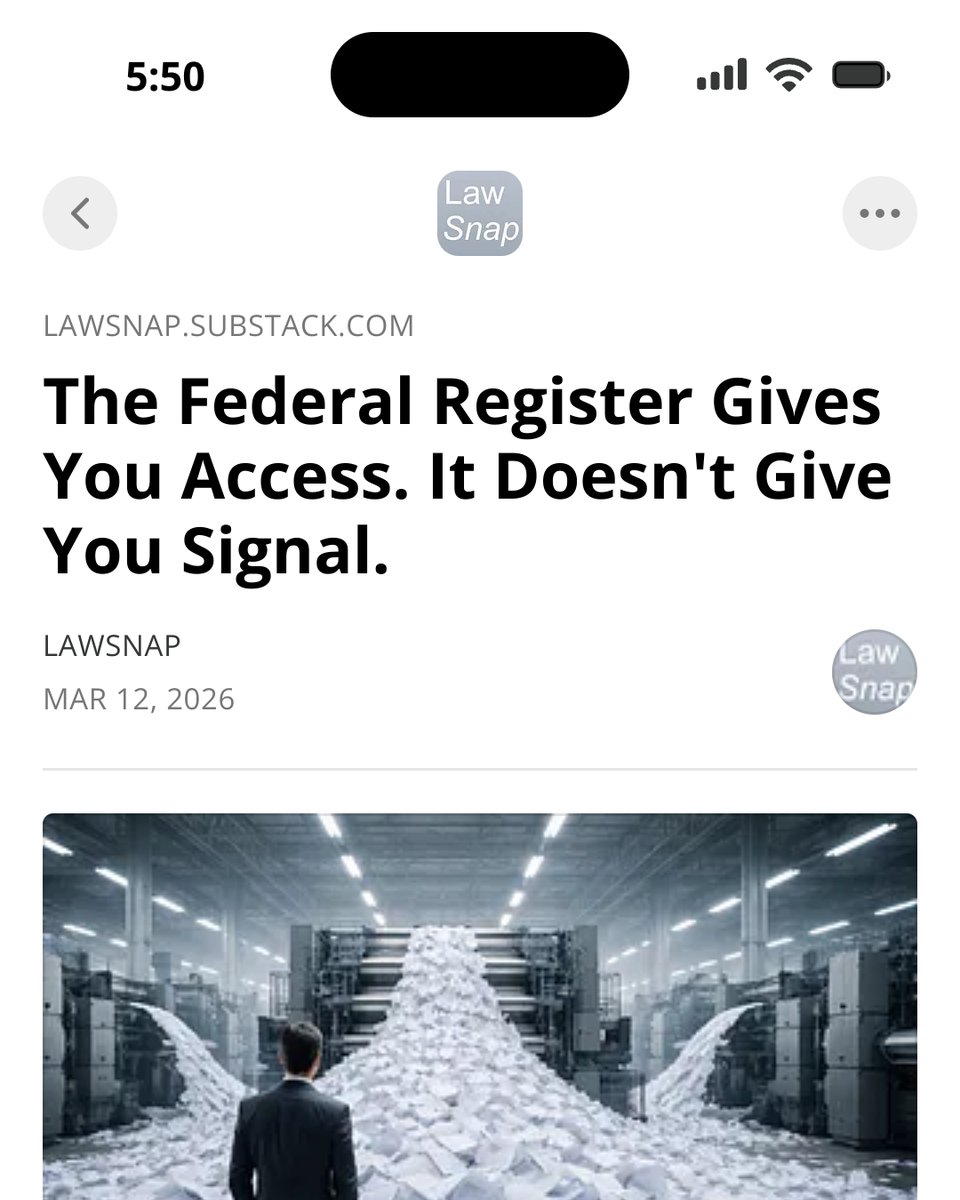
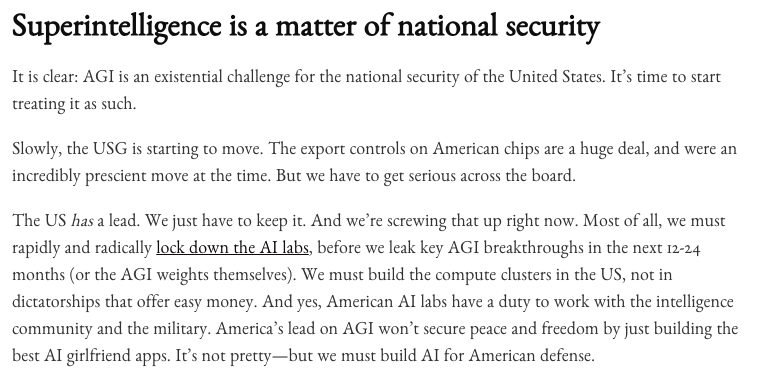
Myth: If you're monitoring the Federal Register, you're on top of regulatory changes. Reality: The Federal Register is only one chapter of any regulatory story. A proposed rule shows up in one place. The final rule appears later. A court challenge starts on a separate docket.
1
40
Agency guidance gets posted somewhere else. MSHA's silica rule is in the Federal Register. The Eighth Circuit stay that may render the compliance deadline moot? That's not. Monitoring one source — even an excellent one — doesn't mean you're monitoring the development.
1
31
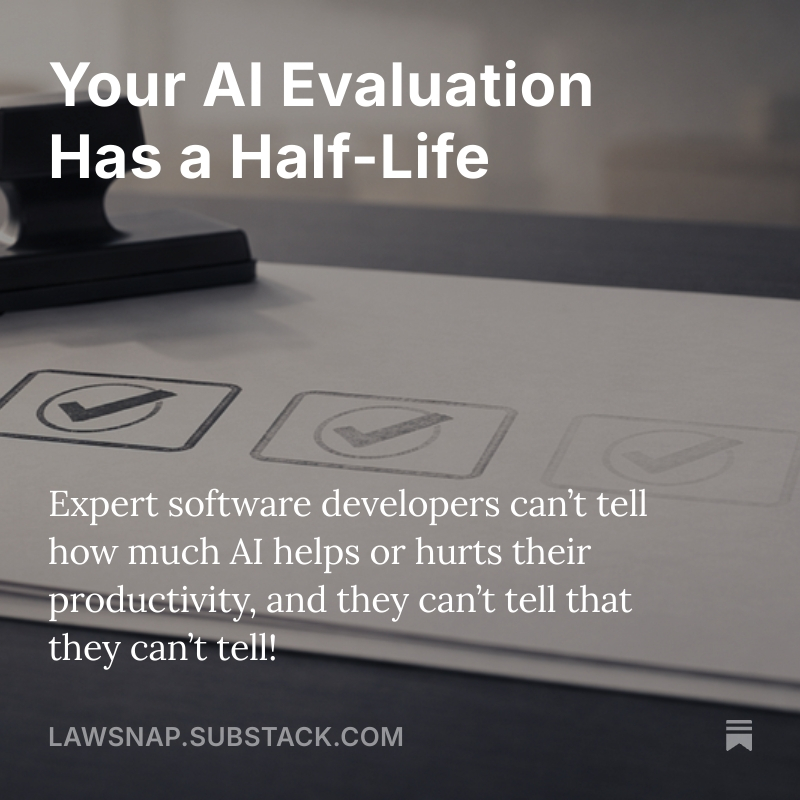
3 ways professionals get AI wrong at the same time:
1. Overestimating current impact — AI overhead is invisible, so it feels productive even when it's slowing you down
2.
1
39
Jun 15
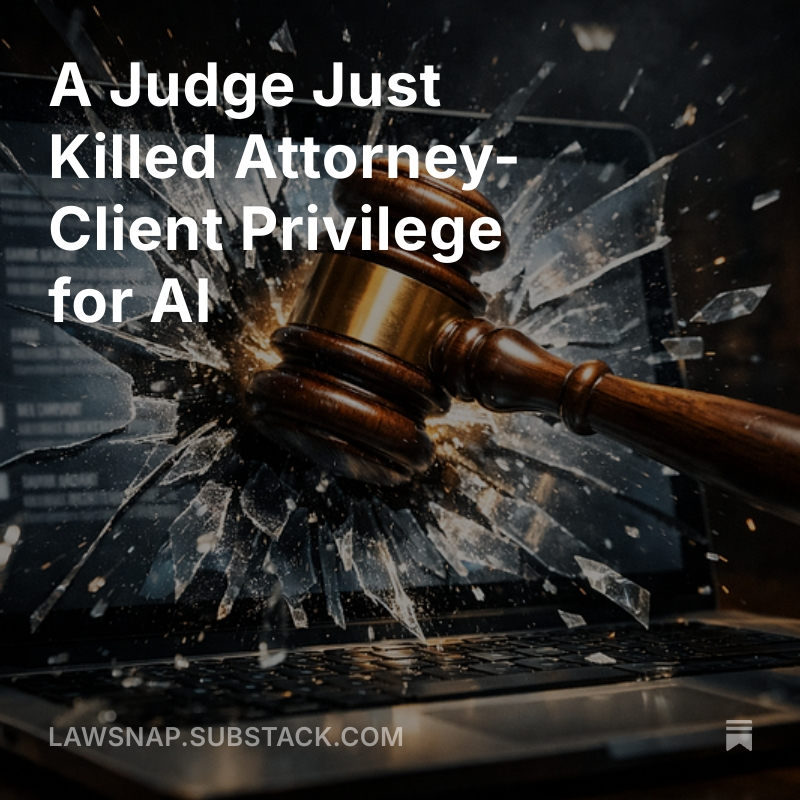
Your clients are using AI to prepare for legal meetings. They think they're being diligent. They're actually creating discoverable evidence.
1
91
Jun 15
The question is whether you update your practice before it bites a client.
1
49

Jun 15
RT @The_DTCC: DTCC is approaching a live demonstration of tokenization using assets held at The Depository Trust Company (DTC).
To under…
577
Jun 15
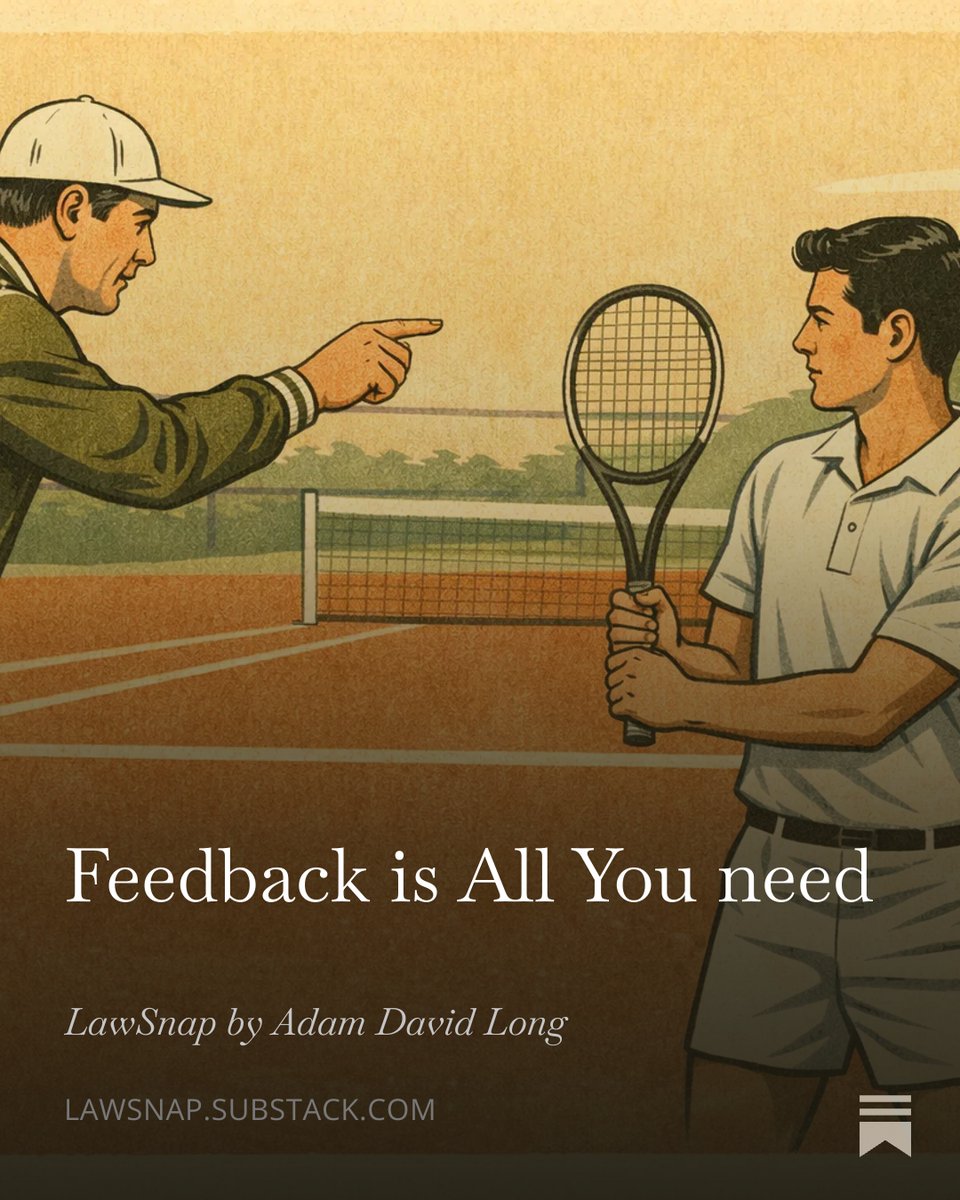
Andrej Karpathy built an AI agent that receives a research direction, runs experiments, analyzes results, adjusts, and repeats. It makes tons of mistakes. Doesn't matter. All it needs is a way to score each round.
1
64
Jun 15
Now ask yourself: what happens when legal reasoning gets that same scoring mechanism?
1
28
Jun 14
60 years ago, databases were brand new. Only the biggest institutions could afford them. Now you have one on your phone. Distributed ledgers are at the beginning of that same arc. The big institutions are going first because they have the most to gain.
1
1
134
Jun 14
Bank A sends a message: "I sent you the money." Bank B updates its database. Bank A updates its database. Sometimes the two don't match.
Then someone picks up the phone and sorts it out manually. That process is called reconciliation — and it's about to disappear.
1
2
4
232