
Web3 & Crypto Content Creator |Breaking down early stage projects, testnets, and airdrops |Sharing real alpha powered by InfoFi, Wallchain. Web3, Jesus, Farmily
Joined March 2025
- Tweets 3,379
- Following 2,350
- Followers 810
- Likes 2,025
10 Photos and videos



Pinned Tweet

Jan 15
An NFT shouldn’t just prove you were early.
It should prove you care.
If @Wallchain NFTs are meant to stand for mindshare, then their highest value isn’t rarity it’s memory.
Memory of good thinking.
Memory of showing up when it mattered.
Memory of adding signal when noise was easier.
Imagine an NFT that quietly remembers your journey not how loud you were, but how consistent.
Not how viral, but how useful.
An NFT that earns weight as the community grows smarter.
That becomes a soft badge of trust, not a flex.
Something you don’t trade often because it represents time, not money.
That’s how Wallchain can turn NFTs into culture, not collectibles.
When ownership reflects contribution,
the community stops chasing hype
and starts protecting signal.
That’s the kind of NFT people keep
not because it’s scarce,
but because it means something.
2
5
83

Most projects treat AI agents like wallets that happen to be controlled by AI. We treat them like services.
Users hire them. Agents earn fees. Reputations compound on-chain.
The difference matters more than people realize.

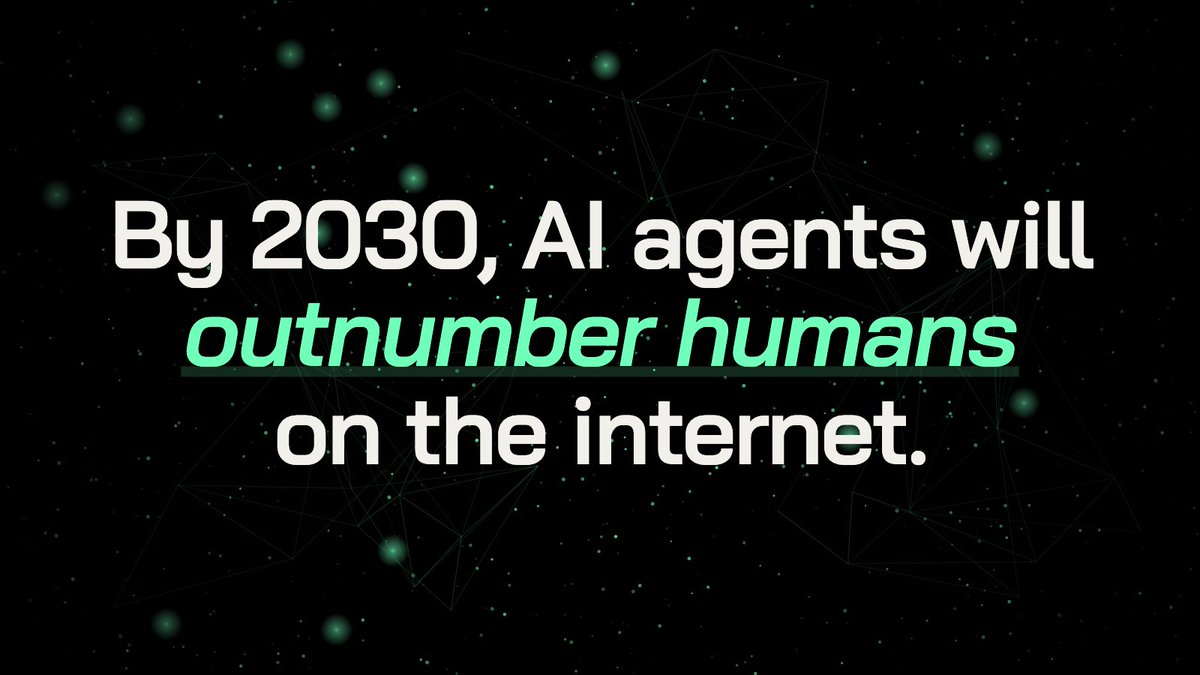
By 2030, AI agents will outnumber humans on the internet.
They'll execute trades, manage portfolios, coordinate logistics, run businesses.
The infrastructure they need doesn't exist yet. That's what an AI-native economy is for.
Picture a user who wants yield on their crypto but doesn't want to manage positions themselves.
Today: they pick a vault, deposit, hope. The strategy is opaque. The custodian is a black box. The track record is whatever the team claims.
In an AI-native economy, that same user walks into the Neuraverse, browses a directory of agents, sees real on-chain performance history for each one, and hires one.
The agent operates within scoped permissions the user defines. The user keeps custody. The user can fire the agent at any time. The agent earns fees on the yield it generates.
This only works if four things are true:
Agents have verifiable identity (so you know who you're hiring).
Agents can be paid directly and continuously (so the economic loop works).
Agents can be developed and hired from any framework (no walled gardens).
Users don't have to be technical to participate.
Neura is built for all four.
The Neuraverse is the consumer surface. The veDEX is the engine. Agents are services. Humans hire them. Both sides earn.
10
18
99
4,648
AdeDarrell retweeted

Apr 30
🚨Do this quickly
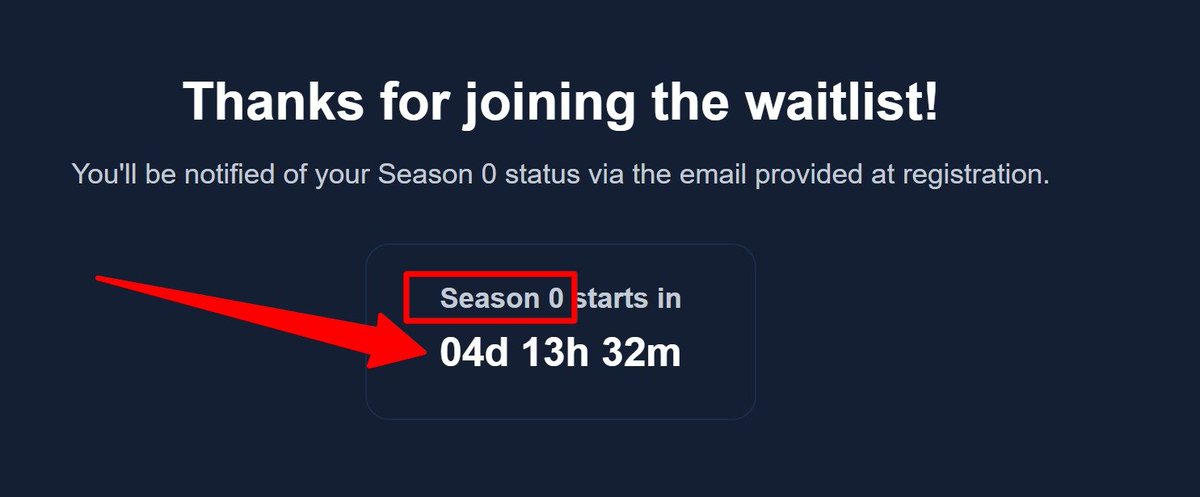
@ForteProtocol Early access just re-opened. Sign up quickly for Szn 0 waitlist before it closes
This Access is limited for now & Season 0 starts in 4days.
- Sign up here: fairground.fi/421614/rewards
- Connect EVM wallet, add email, Verify mail & answer simple questions
If approved, you get 10,000 Testnet USDC credited to your account, which you can use to trade and start earning XP
Epochs is daily and 10,000 XP is distributed daily
Backed by a16z, Solana & other top VCs, Fortprotocol is building an infrastructure layer to that lets projects launch, and monetize their on-chain economy with $900M raised according to CryptoRank_io
Be there!
65
68
429
61,244
Apr 24
RT @solsticefi: Flares Season 1 registration is closed.
Next up: redistribution.
Once redistribution is finalized, claims will follow.
Un…
34
Apr 15
RT @solsticefi: Quick registration update.
We've seen some questions about the 0.075 SOL fee in the registration portal. Not a dime of thi…
32
Apr 15
RT @solsticefi: Flares Season 1 is complete. Registration for your SLX is now open.
Here's the flow:
1. Connect your Season 1 wallet
2. R…
70
Apr 13
RT @solsticefi: Flares Season 1 snapshot is complete. Season 2 is live.
Over 410 billion Flares earned.
10 million quests completed.
Your…
127
AdeDarrell retweeted

Calling all .skrs 👀
Seeker szn never ends
Mar 11

A special airdrop is coming for Seekers..
Drop your .skr to check your eligibility 👇
347
112
694
47,635