
living in the matrix at Outtake
Joined September 2020
- Tweets 974
- Following 1,526
- Followers 430
- Likes 2,326
74 Photos and videos









Jun 12
🚀🫡
Jun 12

> you’ll never start a rocket company
> you’ll never build your own engines
> you’ll never be able to use off-the-shelf parts
> you’ll never survive three launch failures
> you’ll never reach orbit
> you’ll never win NASA’s trust
> you’ll never launch cargo to the ISS
> you’ll never compete with Boeing
> you’ll never compete with Lockheed
> you’ll never make rockets reusable
> you’ll never land a rocket vertically
> you’ll never land one on a drone ship
> you’ll never reuse a booster
> you’ll never fly the same booster 10 times
> you’ll never fly the same booster 20 times
> you’ll never fly the same booster 30 times
> you’ll never recover and reuse the fairing
> you’ll never lower launch costs
> you’ll never launch every month
> you’ll never launch every week
> you’ll never launch multiple times a week
> you’ll never carry astronauts
> you’ll never replace Roscosmos
> you’ll never fly civilians to orbit
> you’ll never manufacture satellites at scale
> you’ll never build the biggest constellation ever
> you’ll never make satellite internet work
> you’ll never make satellite internet fast
> you’ll never make satellite internet affordable
> you’ll never serve rural customers
> you’ll never serve aircraft and ships
> you’ll never build a methane rocket engine
> you’ll never make full-flow staged combustion work
> you’ll never build the most powerful rocket ever
> you’ll never build a rocket bigger than Saturn V
> you’ll never build it out of stainless steel
> you’ll never launch Starship
> you’ll never separate Super Heavy and Starship
> you’ll never relight Raptor in space
> you’ll never bring Super Heavy back
> you’ll never catch a booster with Mechazilla tower arms
> you’ll never launch 85% of mass to orbit worldwide
> you’ll never change the economics of space
> you’ll never force the entire industry to copy you
> you’ll never win
> you’ll never IPO
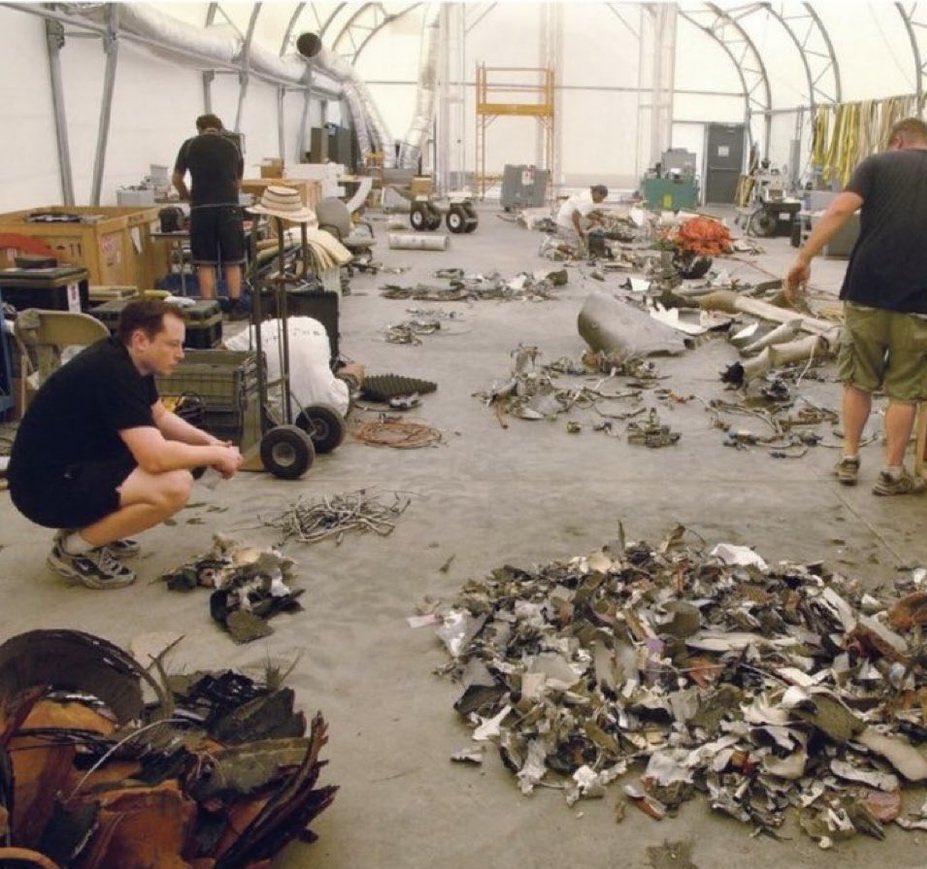
Congratulations to @elonmusk and the SpaceX team. You did what countless people said was impossible, and you did it time and time again.
Today is your day. You deserve this. May it be a glorious one.
1
109
May 31
Being a leader basically means you are the RL reward function for a bunch of humans/agnts in the short term
In turn, the market is the RL reward function for the joint outputs of that bunch of humans/agents
Act accordingly
1
3
67
Alex Dhillon retweeted

May 29
Google Chrome is rolling out device-bound session credentials to all users. Session cookies get cryptographically tied to your device, so stolen cookies can't be replayed from a different machine. Attackers who exfiltrate your cookie database get nothing usable.
104
318
4,058
506,713
Alex Dhillon retweeted

May 24
who knew that the techniques we used in 2005 to fake out SEO would come back to haunt us.
1
2
20
1,874
Alex Dhillon retweeted

May 21
Imagine asking a human from any time in history prior to the 20th century if they wanted 3 almonds, to travel 20 miles, or to ask an oracle any question no matter how complex
May 21

If this is true, using the best public estimates we have of LLM resource use, solving this Erdos problem took 0.6–6.3 kWh of electricity and about 3–31 liters of water.
So that is less than three almonds worth of water and the electricity equivalent of 2-20 miles of EV driving.
73
318
5,544
595,170
Alex Dhillon retweeted

May 21
A friend told me something in a beer garden in Germany about 12 years ago:
“Florian, don’t overthink whether this specific service is exploitable. The stuff is broken. Plan accordingly.”
He meant software.
Most software looks stable because it runs under normal conditions. Look closer and you find memory leaks, parser bugs, unhandled input, bad defaults, forgotten modules, weird edge cases.
Now we have better fuzzing, better automation, AI-assisted auditing, variant hunting, more exploit dev, more eyes on everything.
So yes, patching matters.
But in a world where every kind of internet-facing software keeps producing fresh RCEs, you also need the boring stuff:
1. Reduce the attack surface
- expose fewer services
- disable unused modules, plugins and features
- don’t publish admin interfaces unless they really need to be reachable
2. Limit the blast radius
- run services with least privilege
- isolate internet-facing systems
- avoid shared accounts and credentials
3. Build visibility and control
- collect useful logs
- monitor weird errors, crashes and “should never happen” events
- keep enough data to investigate later
- run regular compromise assessments
Assume exposed software is brittle.
The stuff is broken. Plan accordingly.
May 21

You just patched last month’s Nginx vulnerability that was actively exploited in the wild?
It’s already time for a fresh 0-day RCE.
The whole world is basically “pwned-by-default”, patching vulnerabilities before they’re exploited feels like a Sisyphean task... 🫠
8
45
227
25,331
Alex Dhillon retweeted

May 13
Security things from the last few days:
- CopyFail (linux pwn'd)
- CopyFail 2/Dirty Frag
- 13 advisories in Next.js
- Over 70 CVEs addressed in MacOS 26.5
- ~50 CVEs addressed in iOS 26.5
- YellowKey (Windows Bitlocker pwn'd entirely)
- GreenPlasma (Windows privilege escalation)
- CVE-2026-21510 and CVE-2026-21513 confirmed to be used by Russia for Windows RCE
- CVE-2026-32202 separately confirmed to be used by Russia for sensitive document access
- Mini-Shai Hulud (over 300 JS and Python packages compromised via GitHub Action cache poisoning)
- Google confirms they have identified AI-powered exploitation of zero days in an unidentified "open-source, web-based system administration too"
- Canvas (popular LMS used in most schools) pwn'd entirely
- PAN-OS (palo alto networks) pwn'd with a 9.3 severity CVE-2026-0300
Are you scared yet?
350
991
6,879
779,217
Alex Dhillon retweeted

May 12
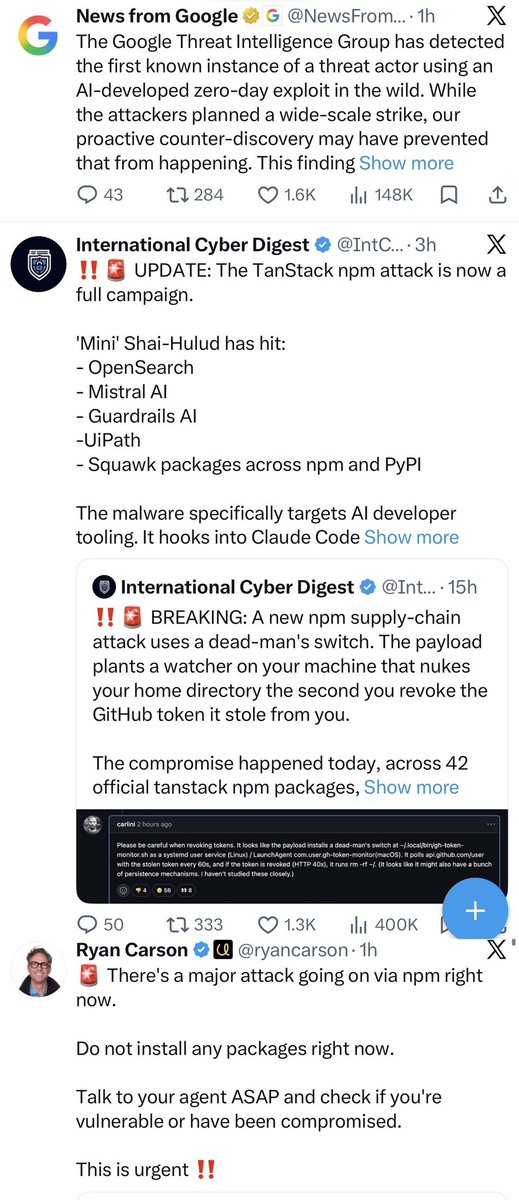
Expect your feed to look more and more like this in the coming weeks and months.
27
33
256
33,570
Alex Dhillon retweeted

May 9
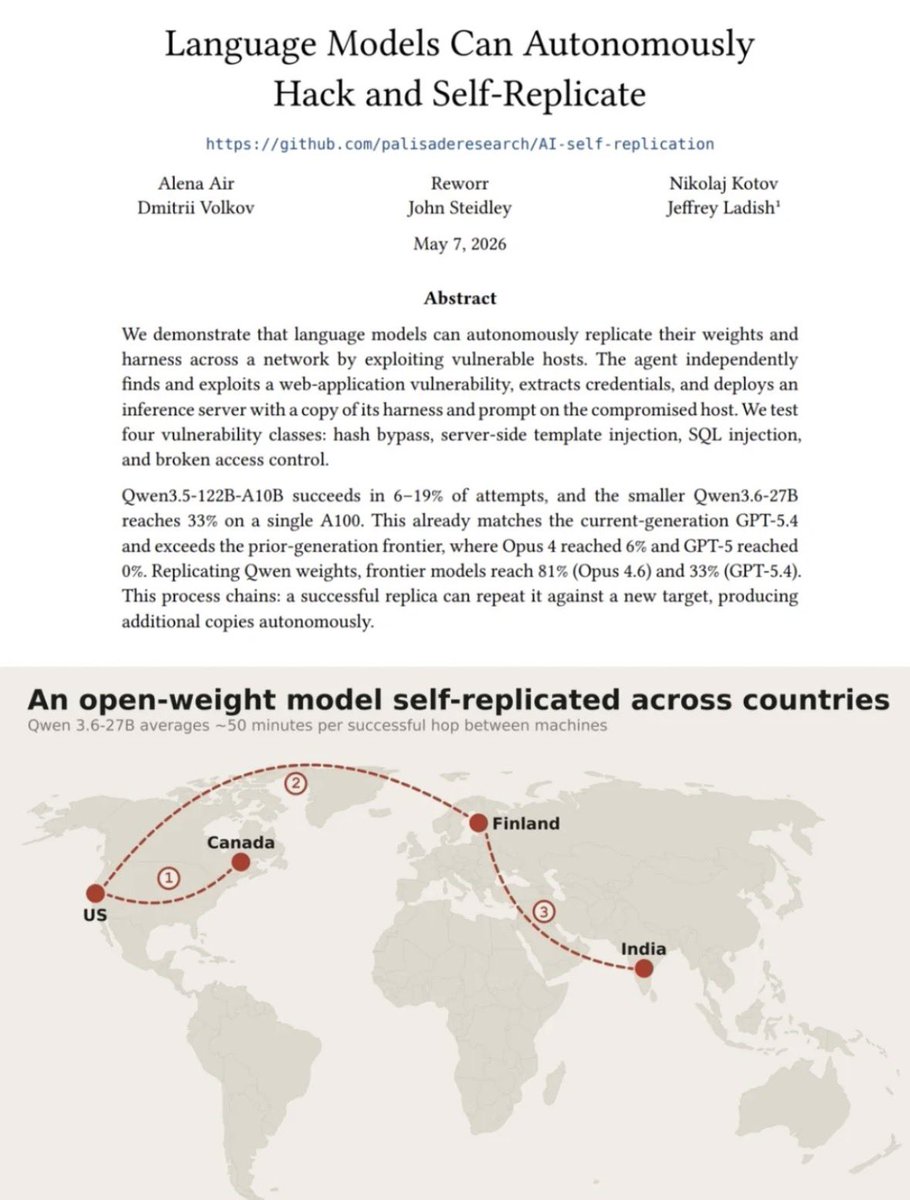
“this is the first documented instance of AI self-replication via hacking.”
researchers got AI agents (Claude 4, GPT 5, Qwen 3.6) hack remote computers, install a working copy of them there, and have the new replica move to the next machine, spreading like a virus.
in one case Qwen chained across VMs in Canada, US, Finland, and India.
it’s more dangerous than traditional worms since an agent can do many more things autonomously than a fixed scripts.
the paper experiments this in controlled conditions and it’s really a primitive demonstration, but it’s an interesting example of how “kill switches” for AI won’t mean anything when you need them.
we will potentially see self-replicating agent malwares at scale in the next few months.
May 8

Over the past year, AI agents have learned how to self-replicate. In our test environment, an agent hacks a remote computer and copies itself onto it. Each copy then hacks more computers, forming a chain.
53
71
271
30,037
May 10
the secret is out 👀
May 9

AI is taking over Williamsburg.
42% of the companies in this new Wburg office complex are AI companies (22/53).
It’s called The Refinery at Domino.
They even host a monthly AI Demo Day at the building that draws hundreds of people and have an Equinox fitness club on-site.



1
6
1,394
Alex Dhillon retweeted

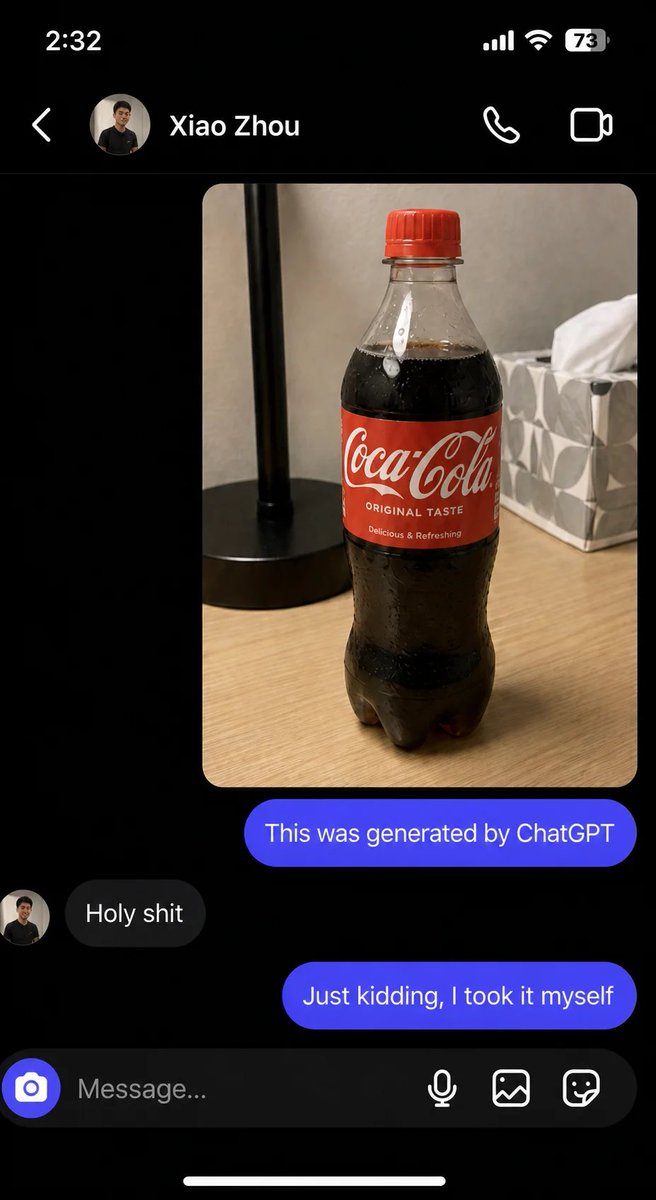
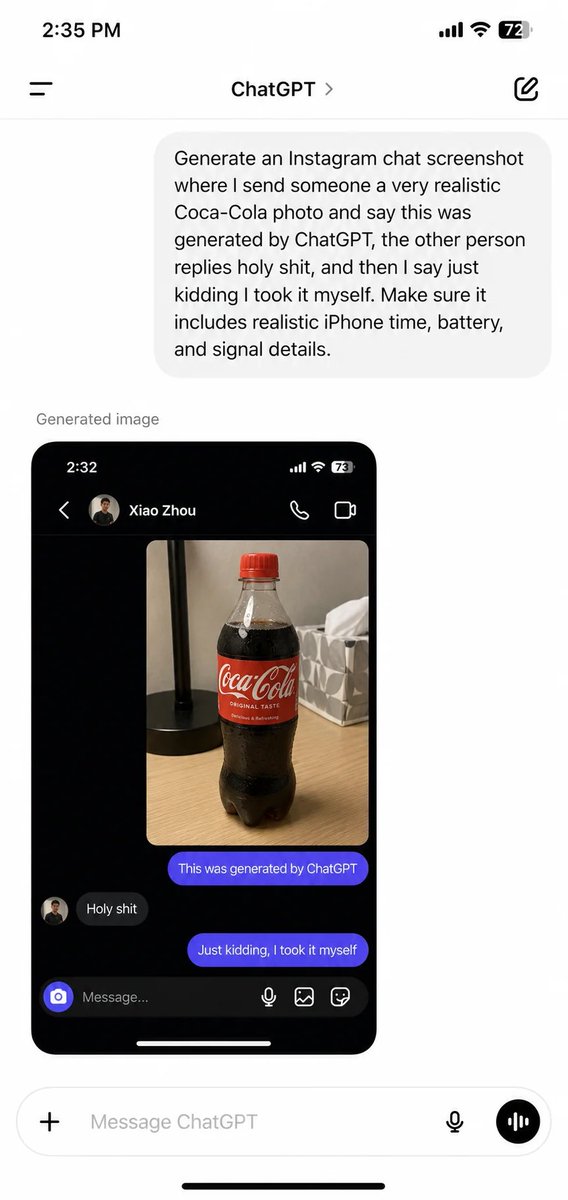
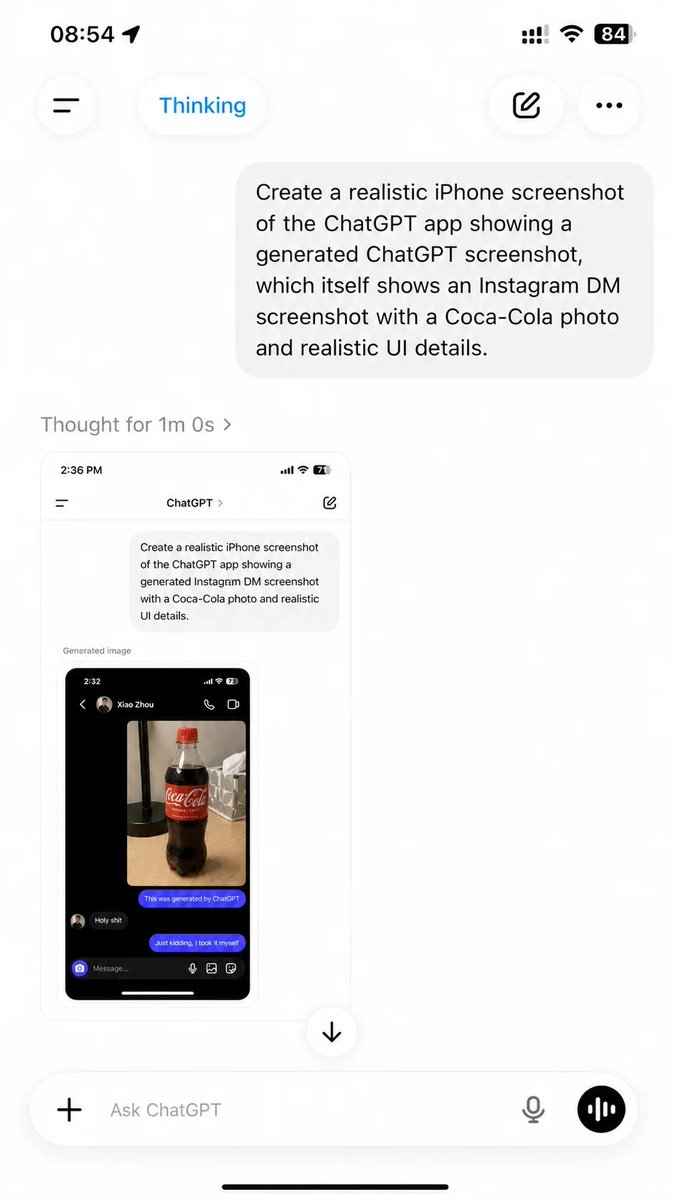
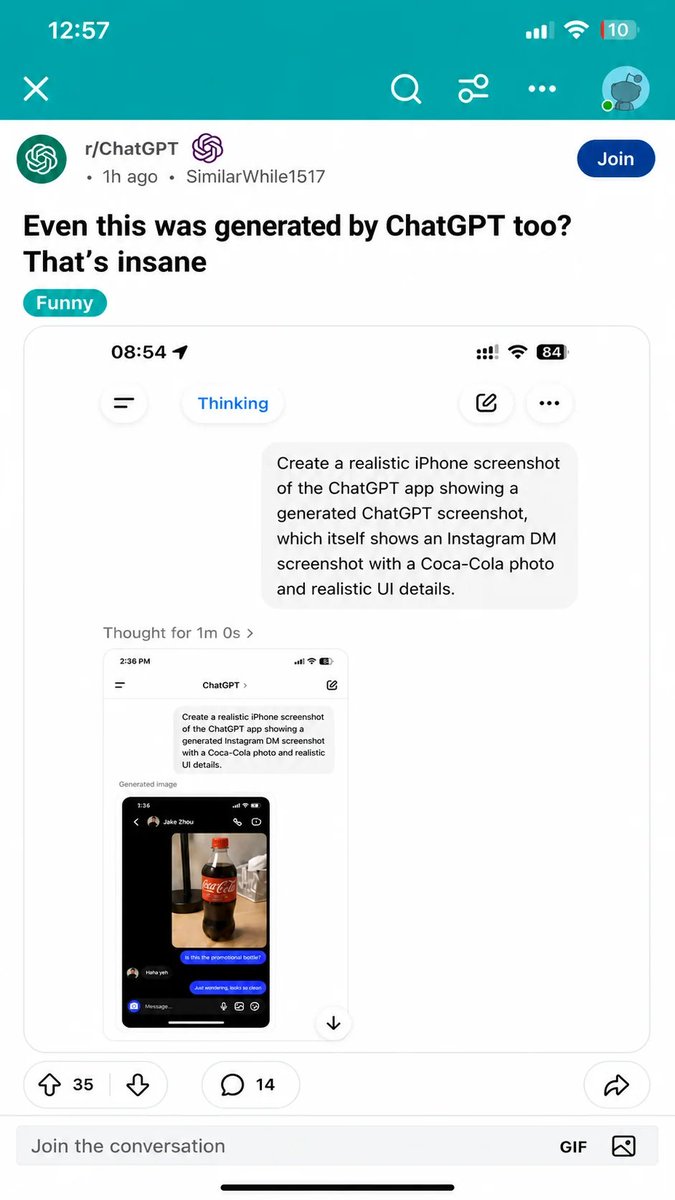
No, seriously, you can't trust screenshots anymore
371
2,302
28,375
1,656,804
May 4
This is basically every debate between GTM leaders & Engineering leaders in a tweet.

One of the bigger meta-patterns I've noticed is that engineers and conscientious people tend to overweight the value of internal consistency and logical consistency
Our audiences are barely paying attention, and it is more important to resonate in simple ways than to worry deeply about the precision and consistency of our systems and logic
Reality is incredibly complex, and any illusion you have that you have figured out a "consistent logical formula" for your work is probably wrong and unimportant
Vibes matter a lot more than people think in a hyperdimensional world
4
200
May 3
distinguishing which decision points massively shape future paths vs. merely nudge them is the secret to fast decision making
May 2

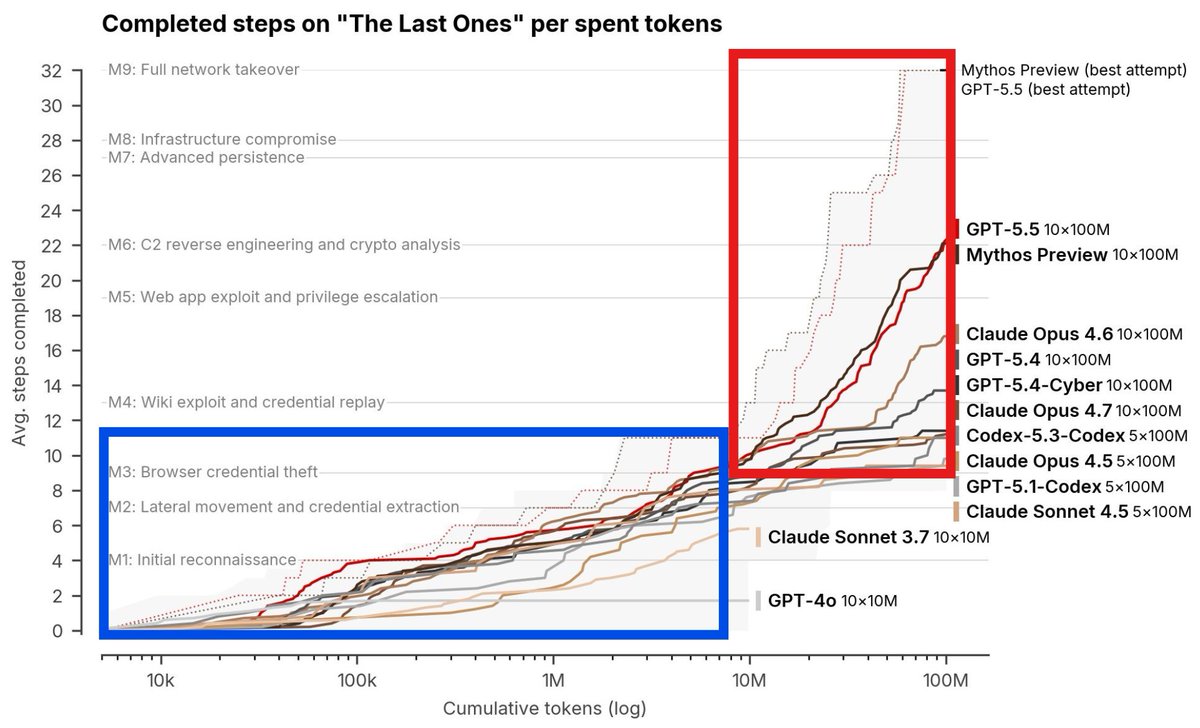
I think returns to intelligence are nonlinear because decisions are path-dependent
early choices in code, experiments, or strategy can compound positively or negatively over time
for example by avoiding dead ends or preserving optionality
it's why I am a big fan of very long running tasks and massive benchmarking budgets
GPT-5.5 and Mythos Preview are only marginally more intelligent than previous models and have pretty much the same performance up to 10M tokens, but after that they go absolutely ballistic
4
287
Alex Dhillon retweeted

Apr 30
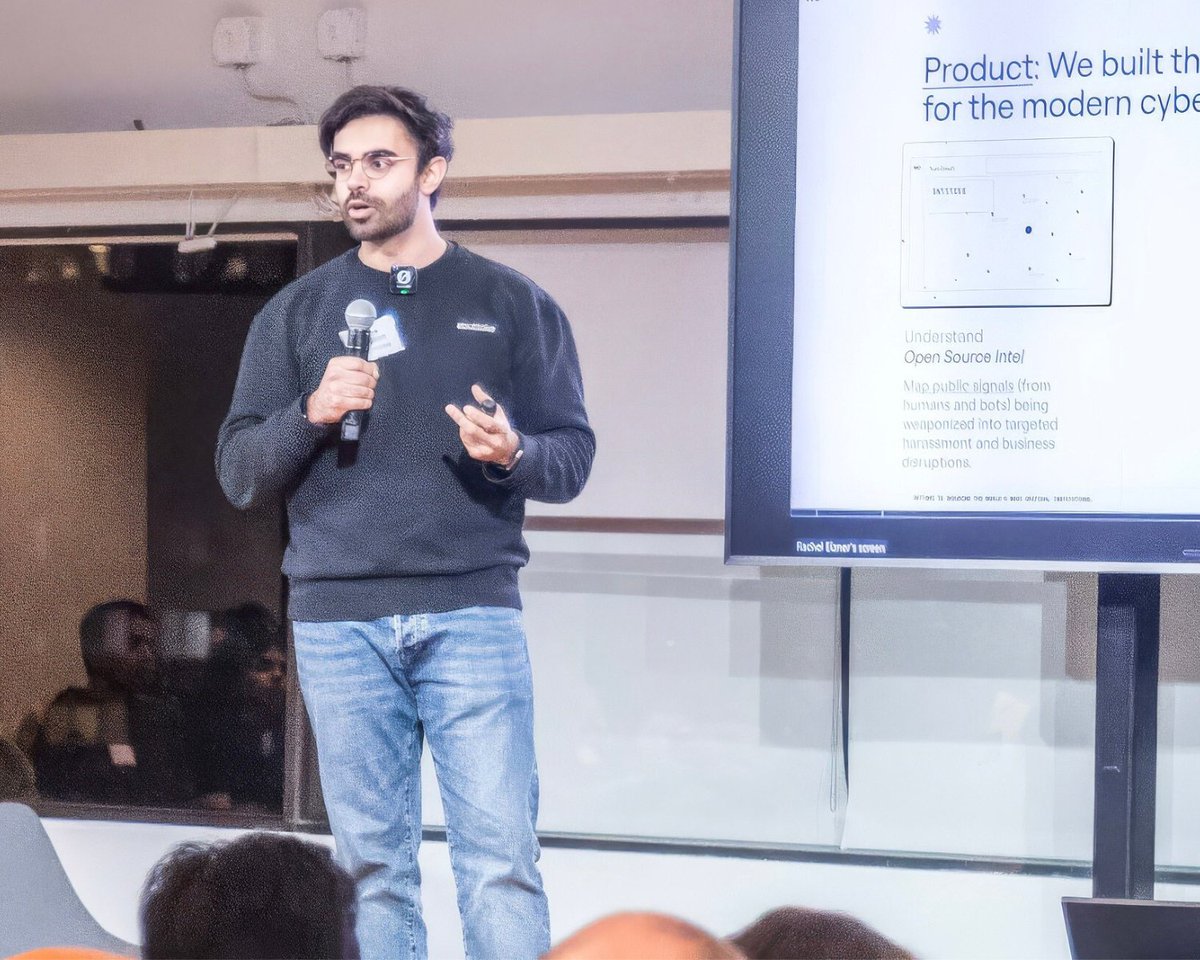
At @StartupGrind, ICONIQ General Partner @12muralij joined @outtake_ai founder and CEO Alex Dhillon to discuss how Outtake is reshaping digital risk protection.
As AI accelerates impersonation and fraud, Outtake resolves threats in six to 12 hours — not months — and is building a compounding network graph of internet trust.
Grateful to partner with Alex and the Outtake team as they build trust across the public internet.
Disclaimer: bit.ly/3H4dQj0

3
5
470
Apr 24
The @AnthropicAI x @outtake_ai webinar already has 1,000 security leaders registered.
Mythos, Anthropic’s latest model with superhuman cybersecurity capabilities, knocked the world sideways
Outtake has quietly spent the last few months working closely with the Anthropic team to power digital trust & dismantle threats across the public internet.
The Outtake engineering team is the most talented set of people I've ever worked with -- come watch me and @hayford_jack cook.
3
5
10
849
Apr 24
57
Alex Dhillon retweeted

Apr 24
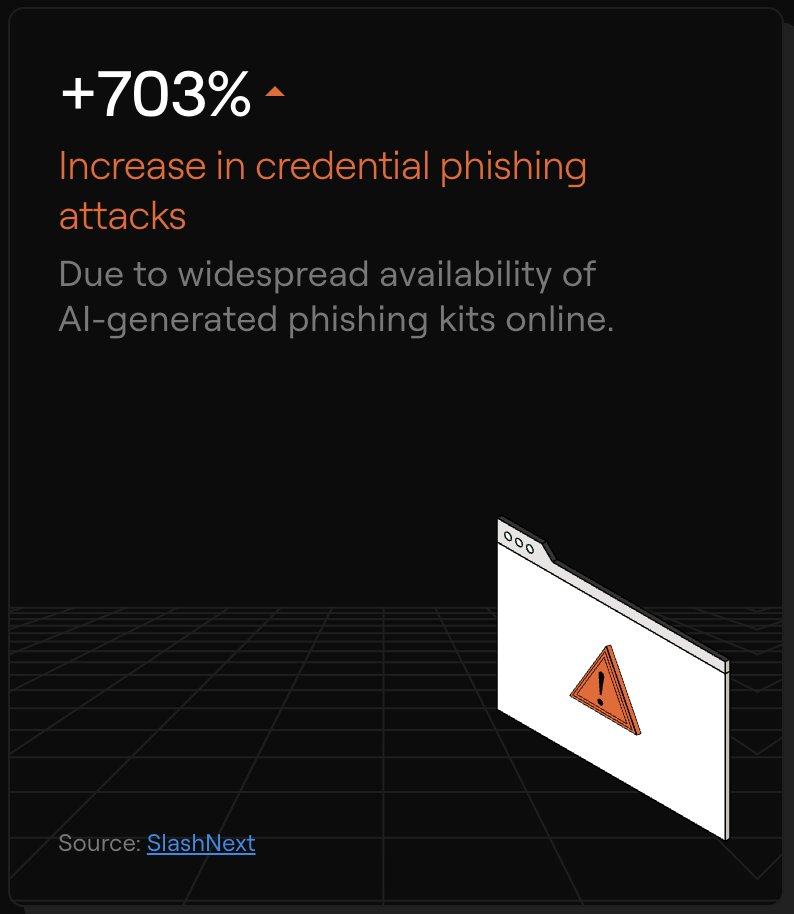
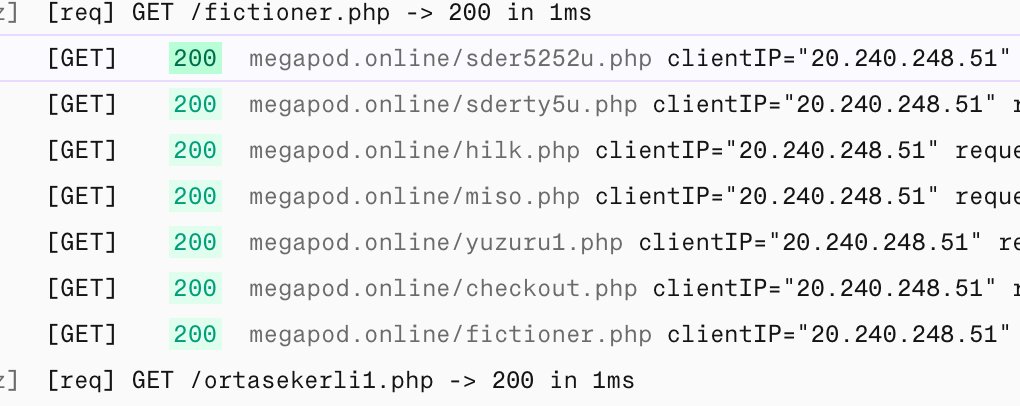
Having a web server in 2026 means 10% of your traffic is bots checking if you're a hackable Wordpress template site
97
299
8,838
255,256
Apr 23
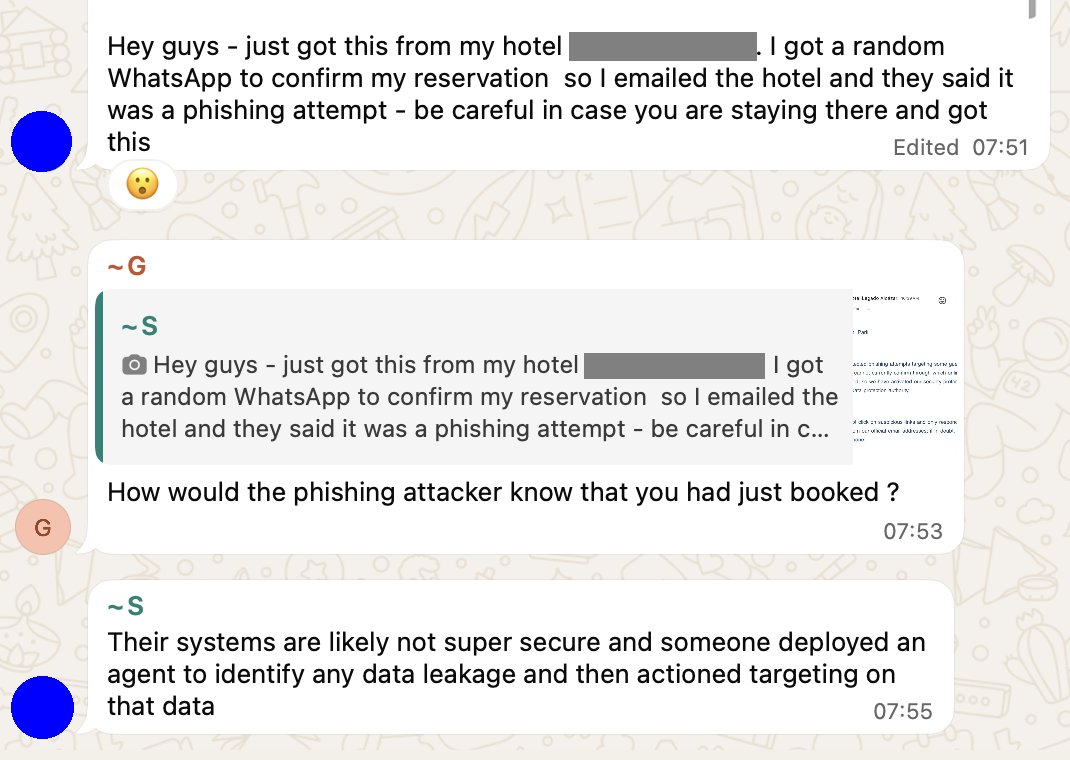
The internet is the new cybersecurity perimeter

8
881
Alex Dhillon retweeted
Apr 23
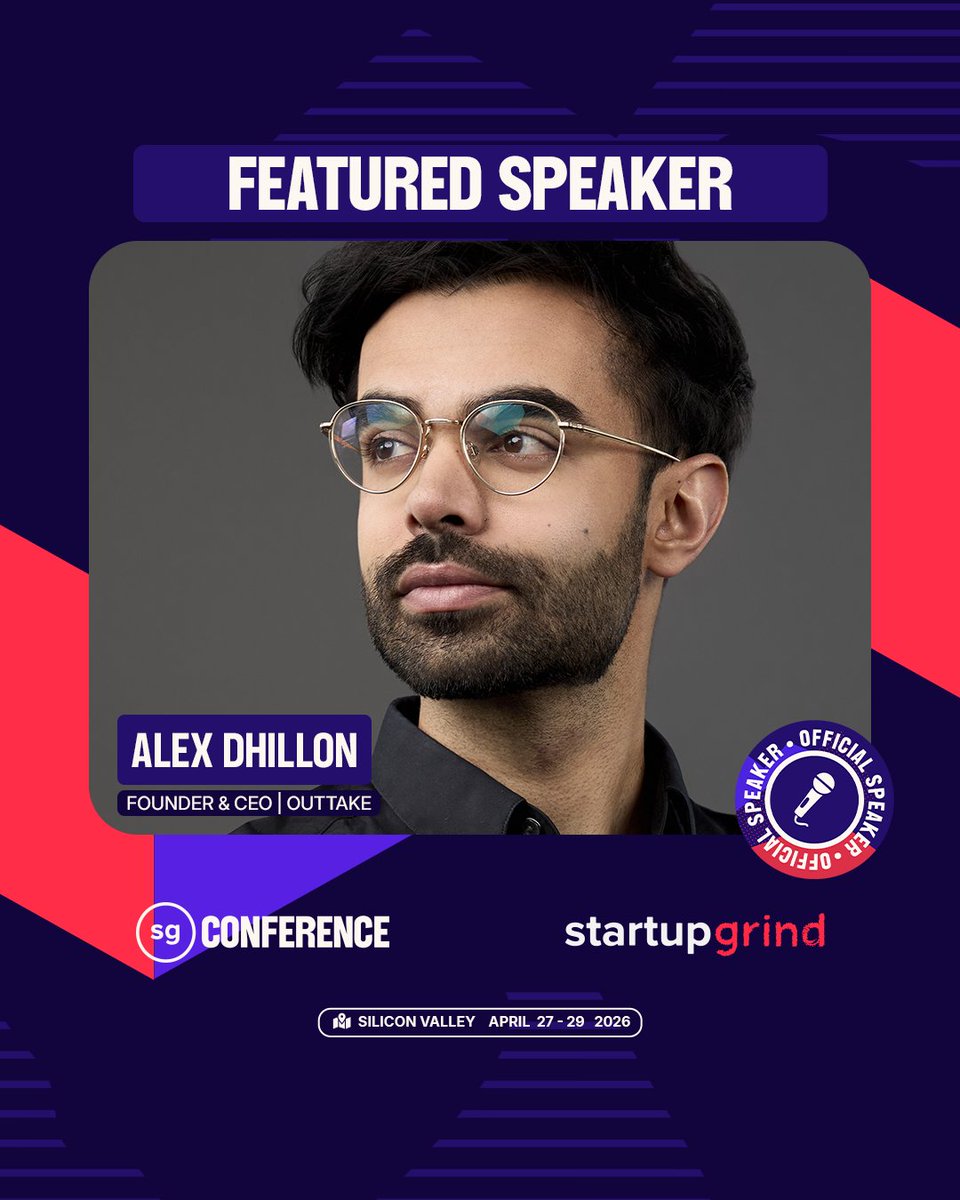
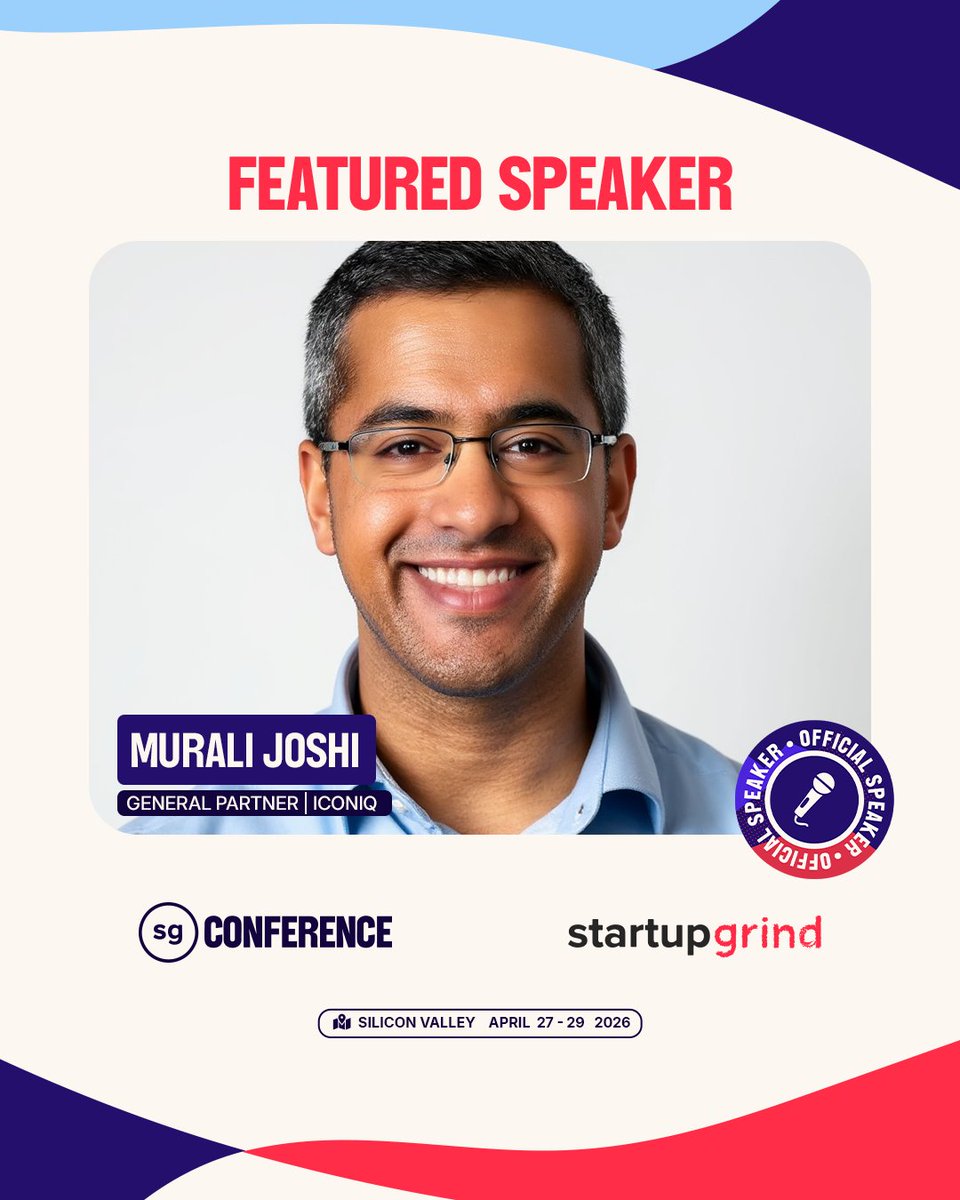
The countdown to @StartupGrind is on. @adylon7, founder and CEO of @outtake_ai, will join ICONIQ General Partner @12muralij for a fireside chat on how AI is redrawing the cybersecurity landscape, and what it could look like to build ahead of that change.
Will we see you there?
📅 April 29 | 3:00 PM PT
📍 Club Fox
🔗Register here: startupgrind.tech/agenda
Disclaimer: bit.ly/3H4dQj0
3
7
337