Professor of Finance, Fellow of the British Academy, non-exec director, author, TED speaker. Purposeful business, responsible investing, behavioral economics.
Joined January 2012
- Tweets 4,816
- Following 237
- Followers 13,382
- Likes 6,071
522 Photos and videos
Pinned Tweet

27 Jan 2024
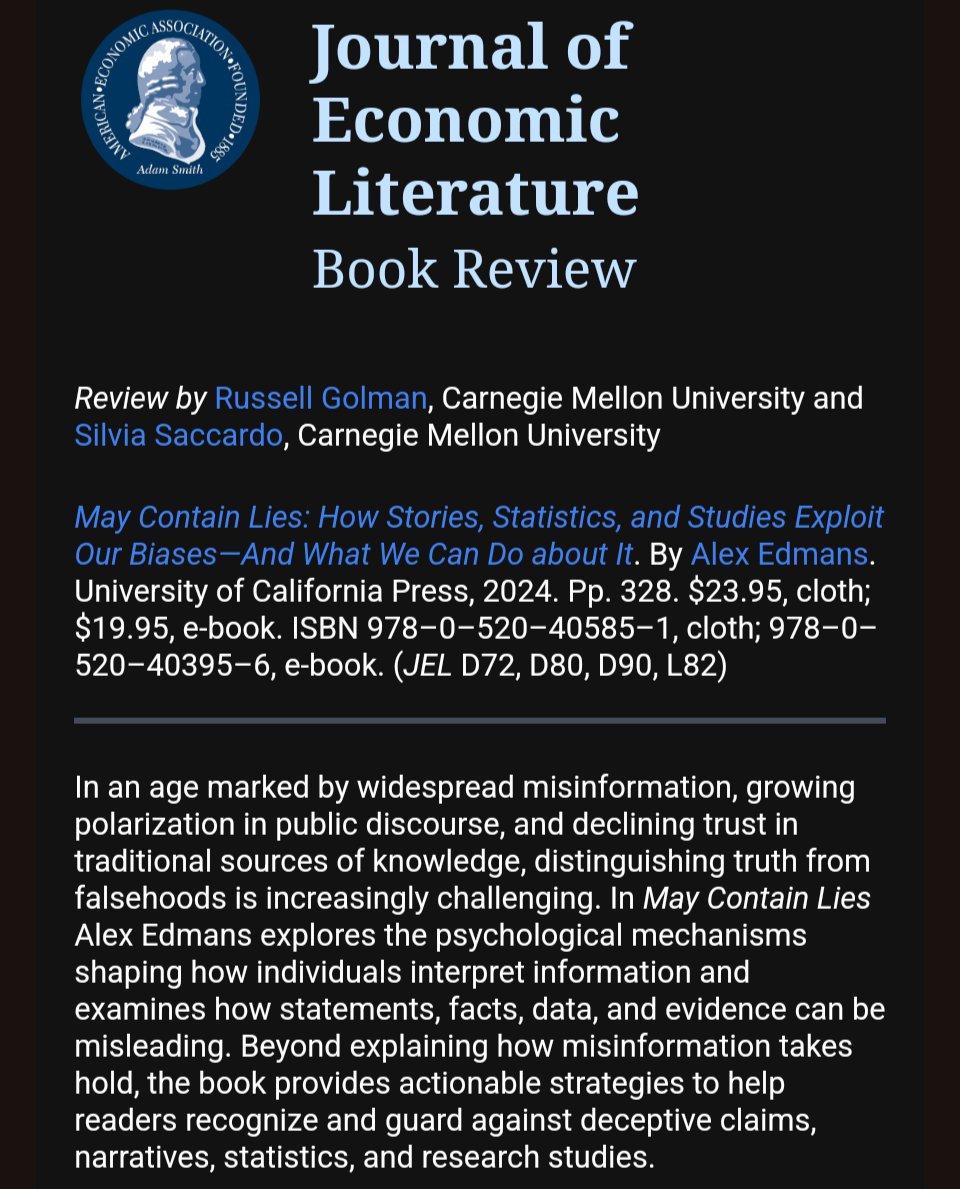
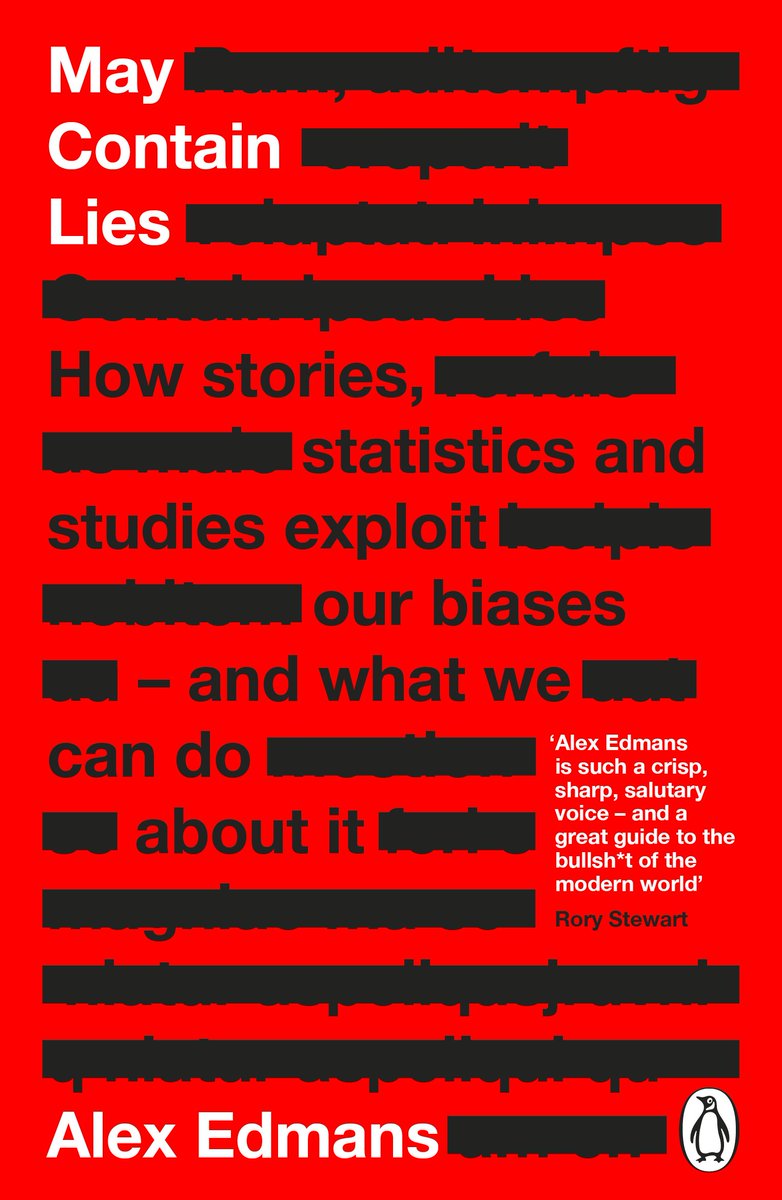
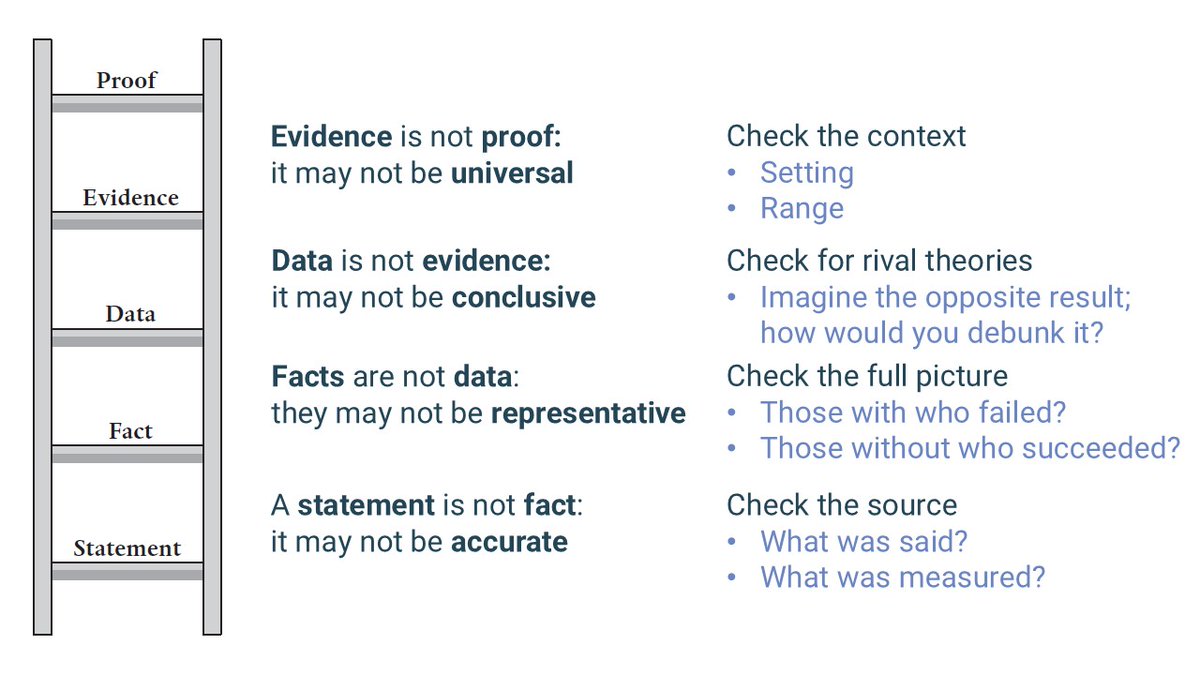
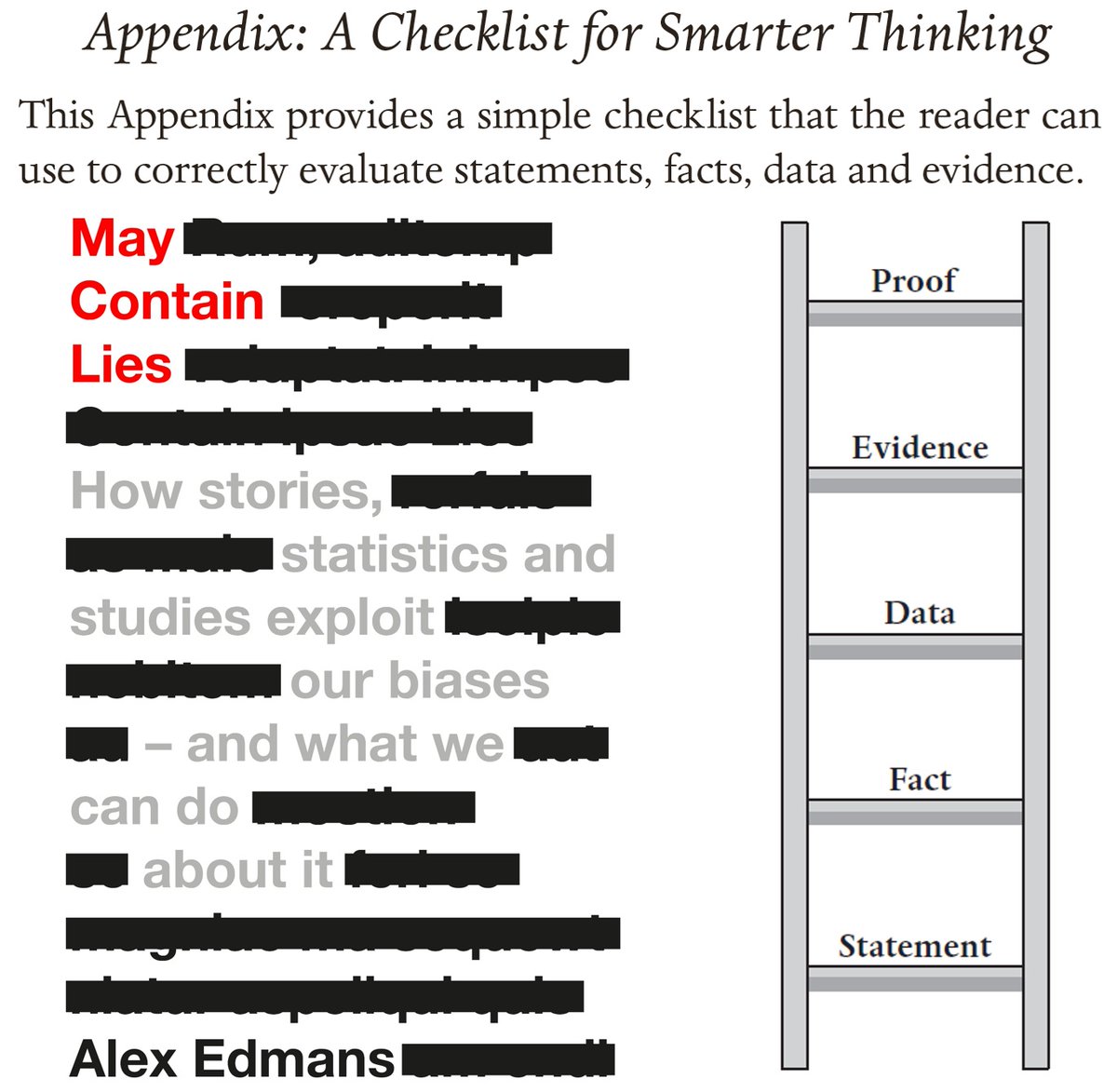
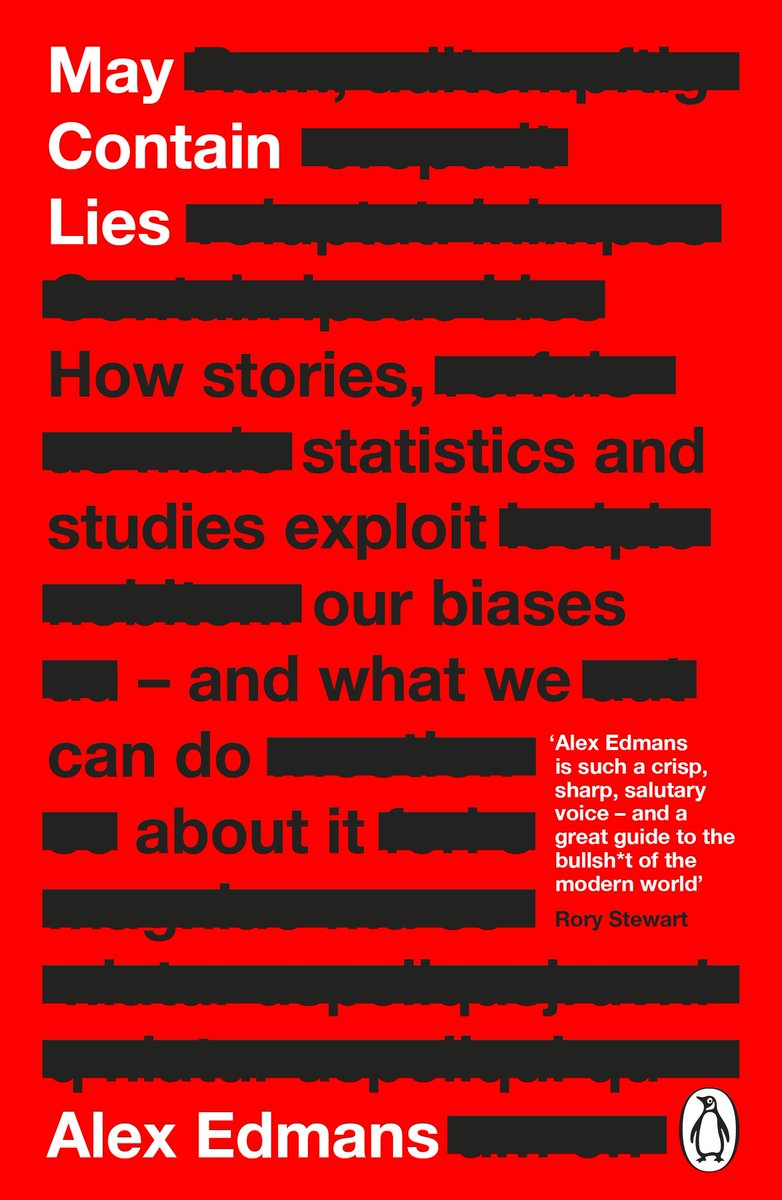
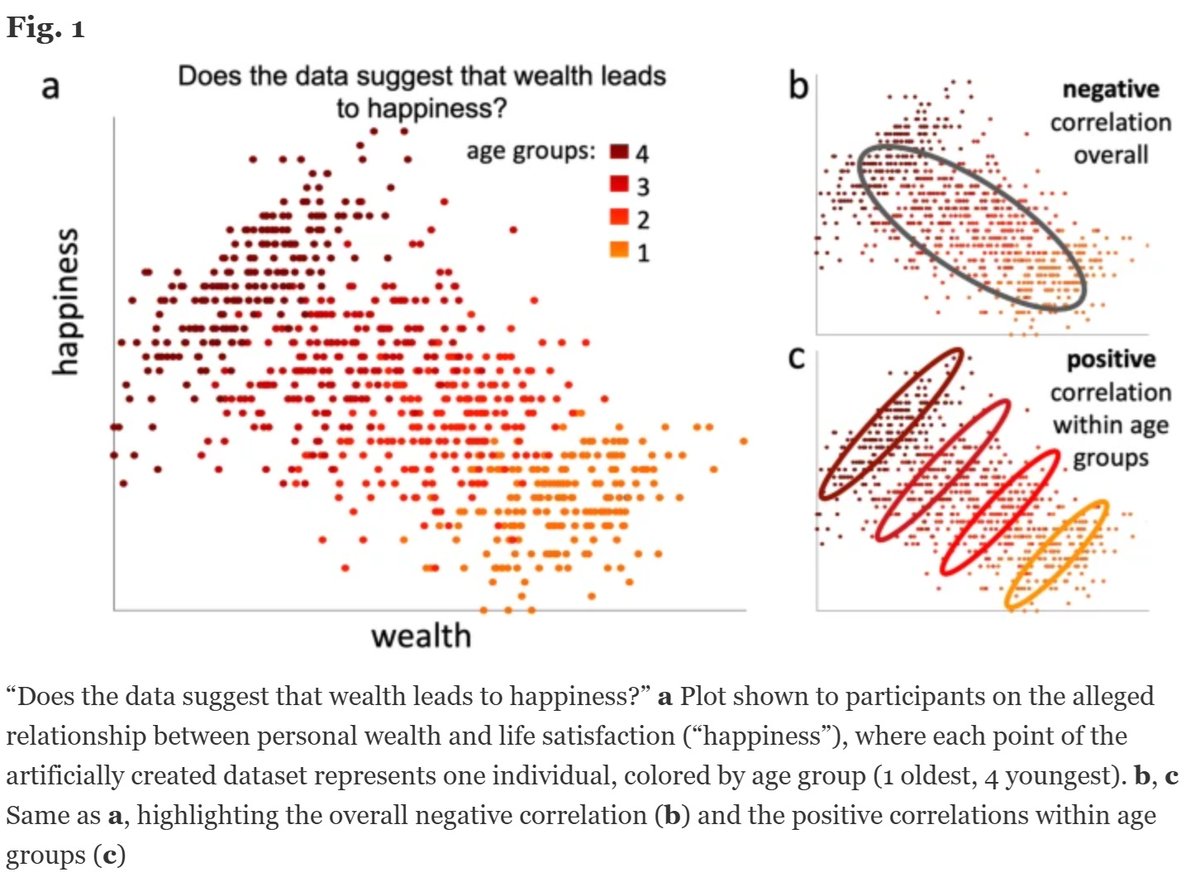
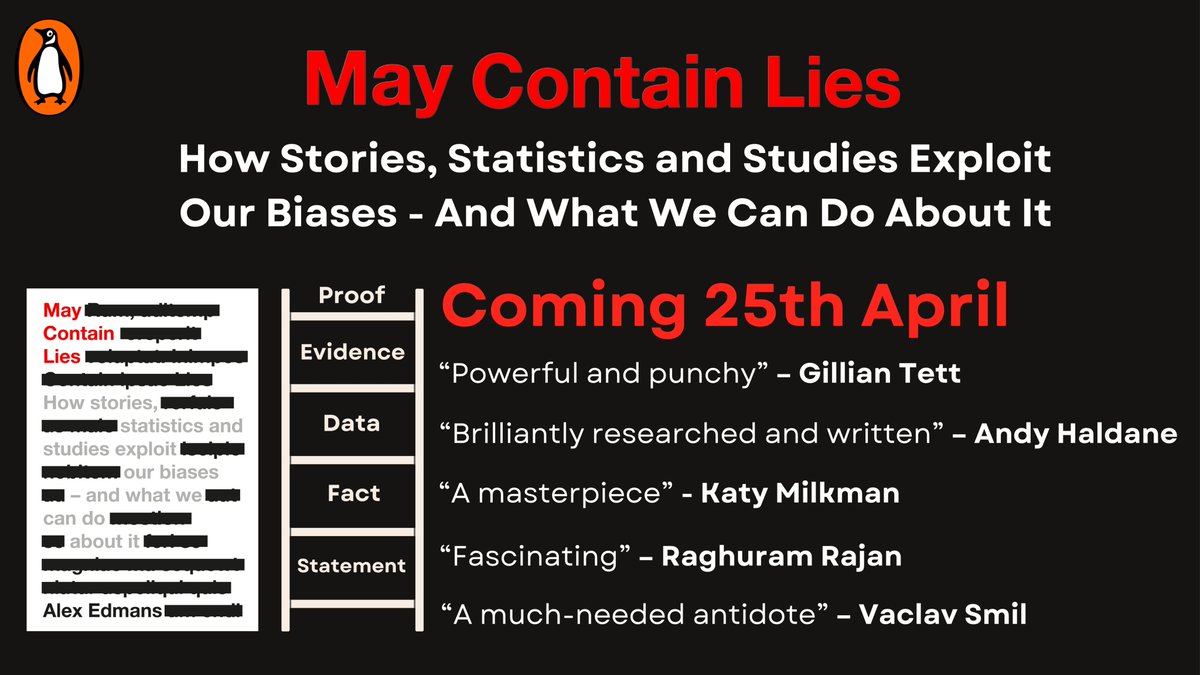
1. My new book, May Contain Lies: How Stories, Statistics, and Studies Exploit Our Biases – And What We Can Do About It, will be published by Penguin in April. lnkd.in/eDbujwUd
12
21
131
27,713
This tweet is unavailable
May 30

We must stop being in hock only to the bond markets.
No one voted for the bond markets.
This tweet is unavailable
May 26

“We thought there might be a better way.”
Chairman Rob Couhig explains the thinking behind One Royal and how the new subscription model is designed to provide greater flexibility, value and a closer connection to Reading Football Club.
Sign up now and secure your place for 2026/27. Prices frozen until 3pm on 15 June.
readingfc.co.uk/welcome-to-o…

Jan 20
In 2021 I did a @GreshamCollege public lecture series called "The Principles of Finance", on basic financial literacy.
Yesterday I recorded shorter versions for A-level students. I set about updating my slides .... and realised I didn't have to. The personal allowance was £12,570 back in 2021. And it's still £12,570 now – and will be £12,570 at least until 2031.
But I did have to update:
⬇️Dividend allowance (down from £2,000 to £500)
⬆️Dividend tax rates (all up)
⬇️Capital gains allowance (down from £12,300 to £3,000)
All of this is bad news for savers (and, for the personal allowance, workers). Yes the public finances need repairing – but there are widespread inefficiencies that could be tackled first.
2
18
1,111
Jan 15
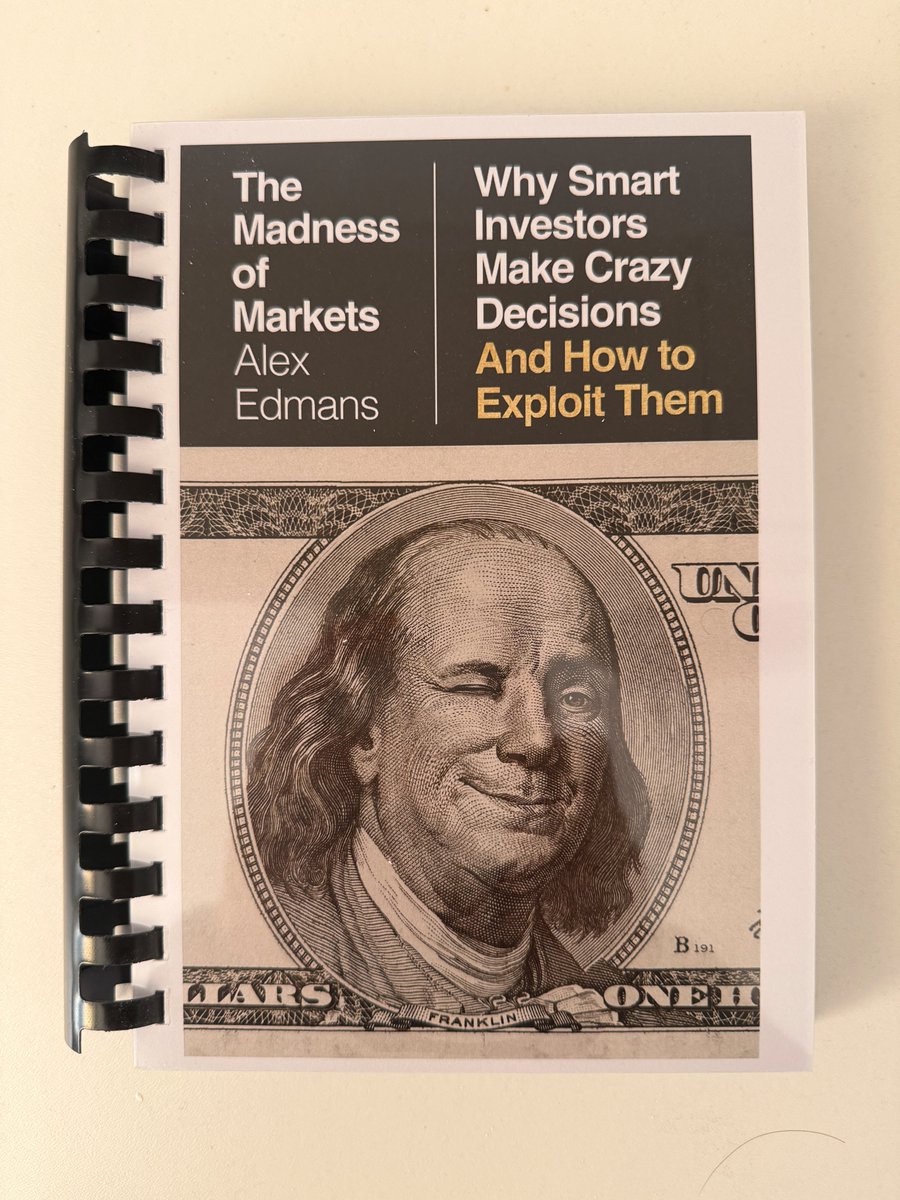
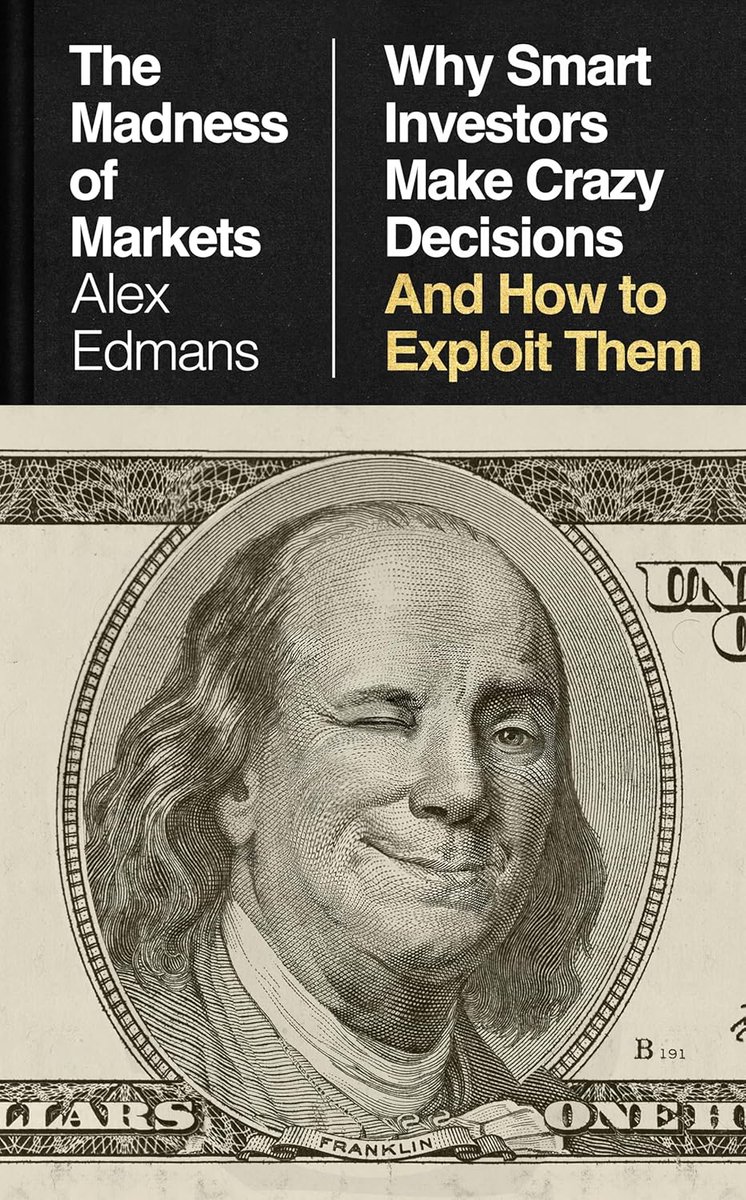
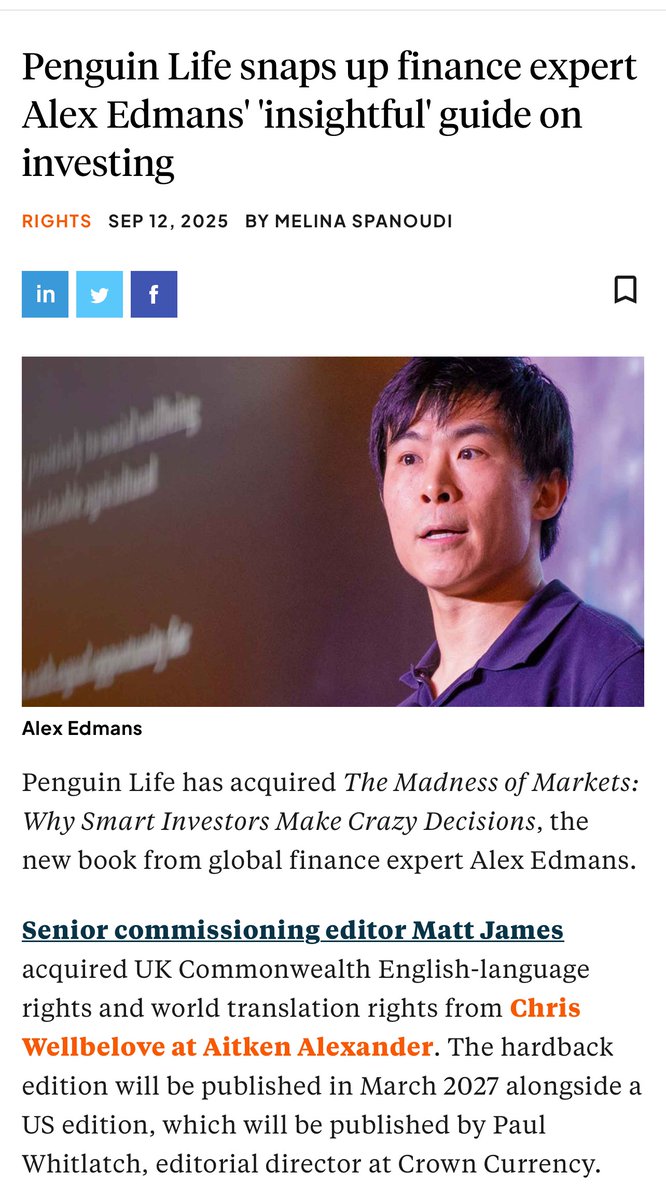
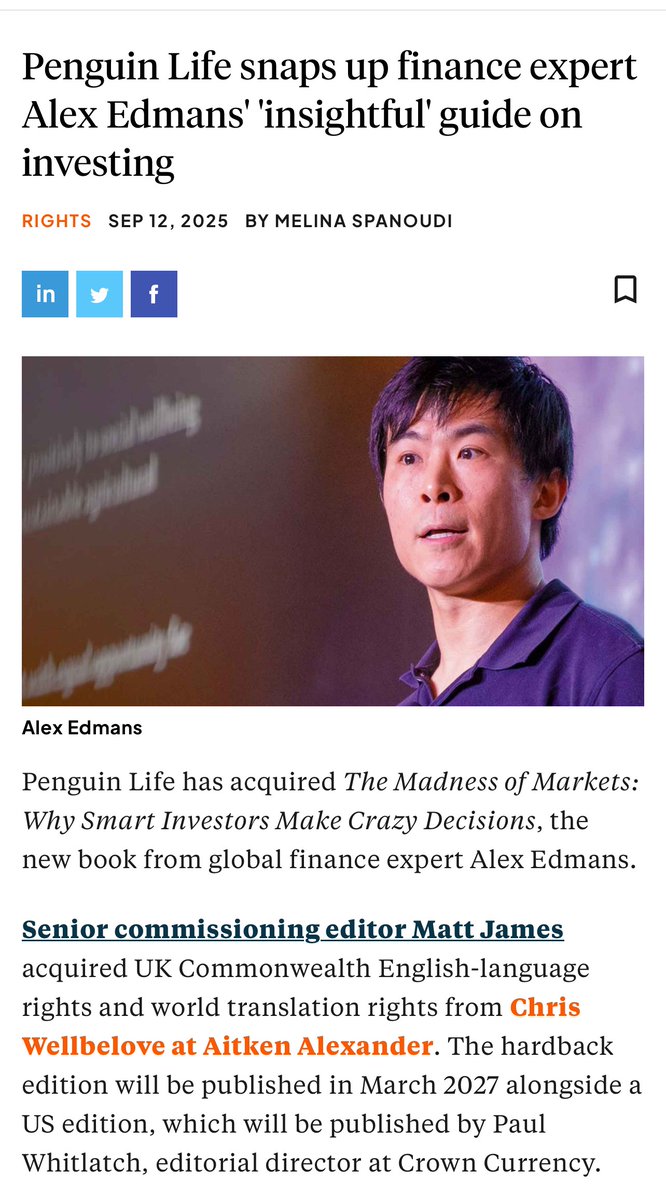
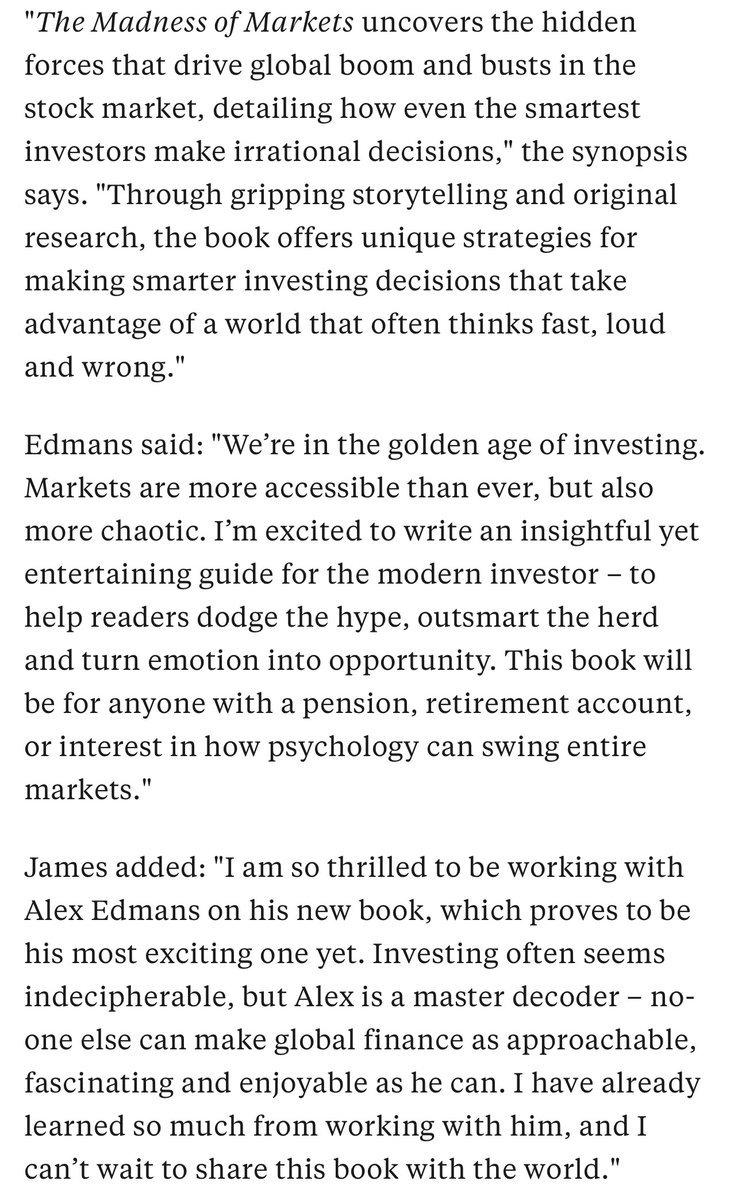
Handed in the final draft of my next book, "The Madness of Markets: Why Smart Investors Make Crazy Decisions – And How to Exploit Them". It's about the psychology of financial markets – what causes booms, busts, and bubbles; why the market overreacts to irrelevant information but ignores what truly matters; and how we can avoid common investing errors and turn others' mistakes to our advantage.
Out of everything I’ve ever written, this is the one piece I’ve had the most fun writing and am most excited to share when it comes out – because of the really cool research by leading scholars in behavioral finance that it covers. This research was inspired by innovative ideas, draws from creative data sources, meets the highest standards of scientific rigour – yet remains practical for everyday investors.
@PenguinUKBooks @CrownPublishing
2
4
24
1,549
This tweet is unavailable
30 Dec 2025

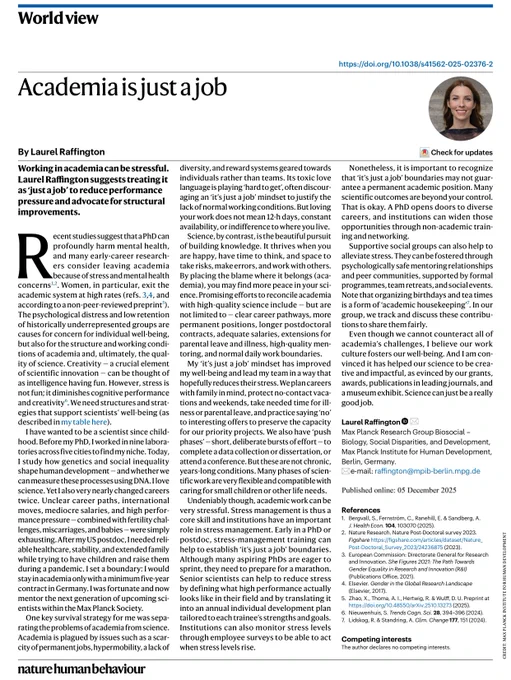
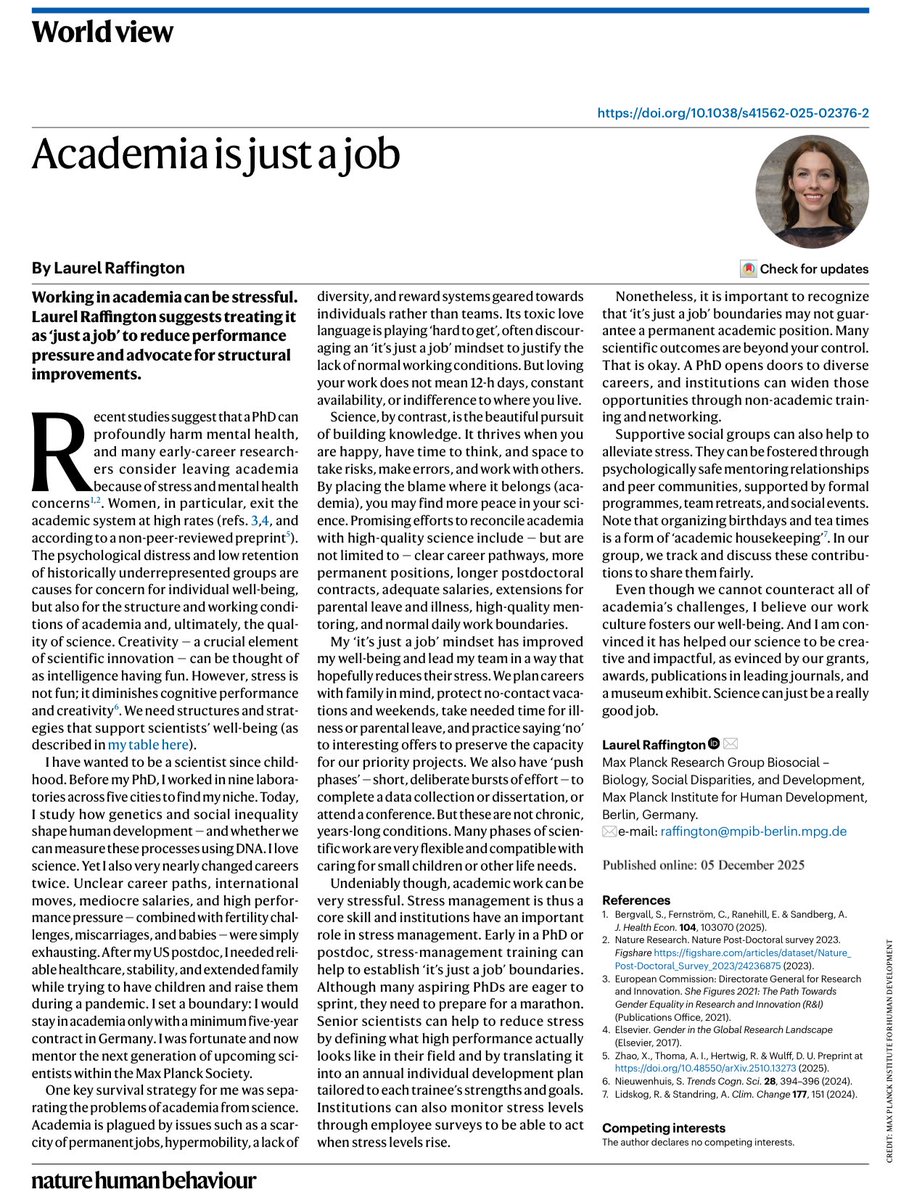
Academia isn't a calling—it's a job. Stop glorifying burnout. Clock in, do great work, clock out. Your worth isn't measured in unpaid overtime
This tweet is unavailable
Jan 2

The FTSE 100 breaking through 10,000 points for the first time is a vote of confidence in Britain’s economy and a strong start to 2026.
22 Dec 2025
Dame Ann Limb, recently appointed to the House of Lords, refers to herself as Dr and claims to hold a PhD. This claim appears on her CV, her website, in public talks, and after her name on the members’ roll at the Athenaeum. But she has no such qualification.
This matters. A cardiologist claiming to have won a junior hockey tournament may suggest only imperfect character, but misrepresenting core professional credentials is serious. An education specialist awarded an OBE for “services to education” should not repeatedly misstate her educational qualifications. Likewise, one should not falsely claim to be British Girls’ Chess Champion to imply strategic ability, use Dr as a title when holding only an honorary doctorate, or claim to be a bestselling author without appearing on any recognised bestseller list.
Credentials aren't everything. None of my guest speakers have PhDs, play chess, or write books, yet they have tremendous expertise gained elsewhere. But you cannot claim a title or qualification without earning it. Doing so makes a mockery of all those who worked hard to achieve them, or worked hard but didn't become British Champion – and didn't claim it. It also erodes trust in expertise. If anyone can claim to be an expert, who can we believe?
And it is a serious concern when such misrepresentation is overlooked in the awarding of a Damehood and an appointment to the House of Lords.
thetimes.com/uk/royal-family…
3
6
25
2,731