Joined February 2012
- Tweets 483
- Following 147
- Followers 16,029
- Likes 493
251 Photos and videos


Pinned Tweet

Jan 26
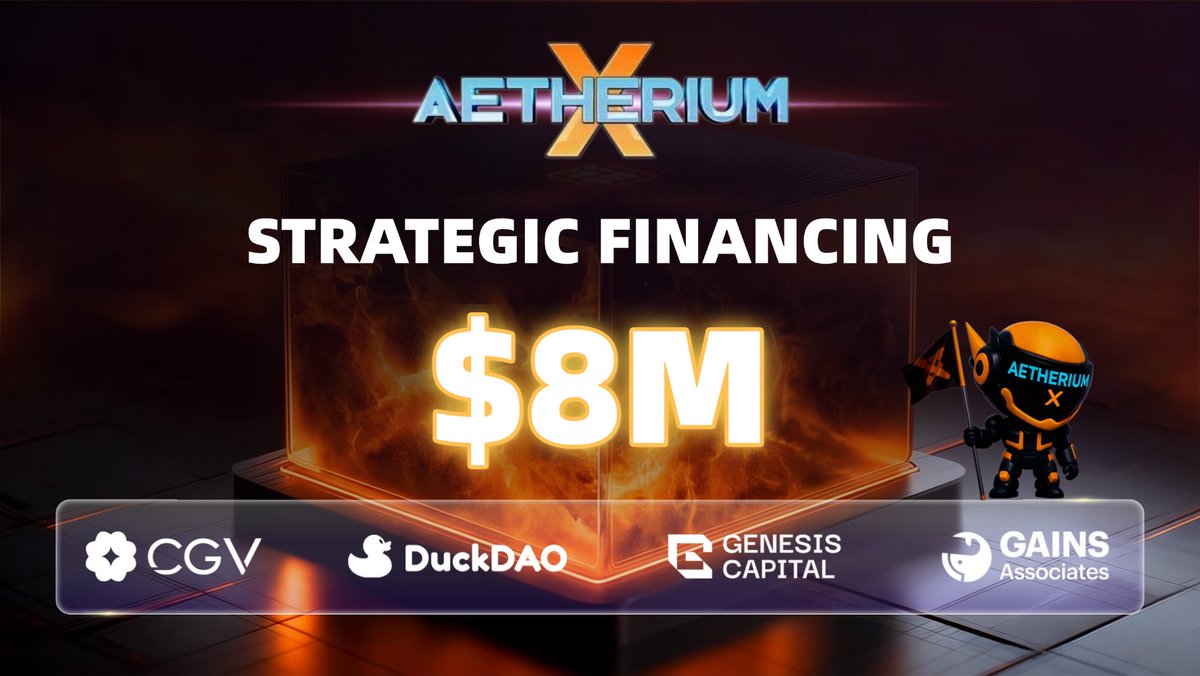
🚨 Big milestone for AetheriumX! Just secured $8M strategic funding from top players:
CGV @CGVFOF , Genesis Capital @genesiscapital_, DuckDAO @dao_duck & GAINS Associates @GainsAssociates ! 🔥
Fueling DCIP protocol growth across DeFi, GameFi, prediction markets & creator economy. Launching ecosystem fund strong APAC push (Japan & Korea focus)!
Building a truly sustainable, interactive Web3 ecosystem with dual tokens $AXT & $VEXA for real participation & long-term value.
2026, let's go!
#Web3 #DeFi #GameFi #Crypto #AetheriumX
37
76
140
43,268
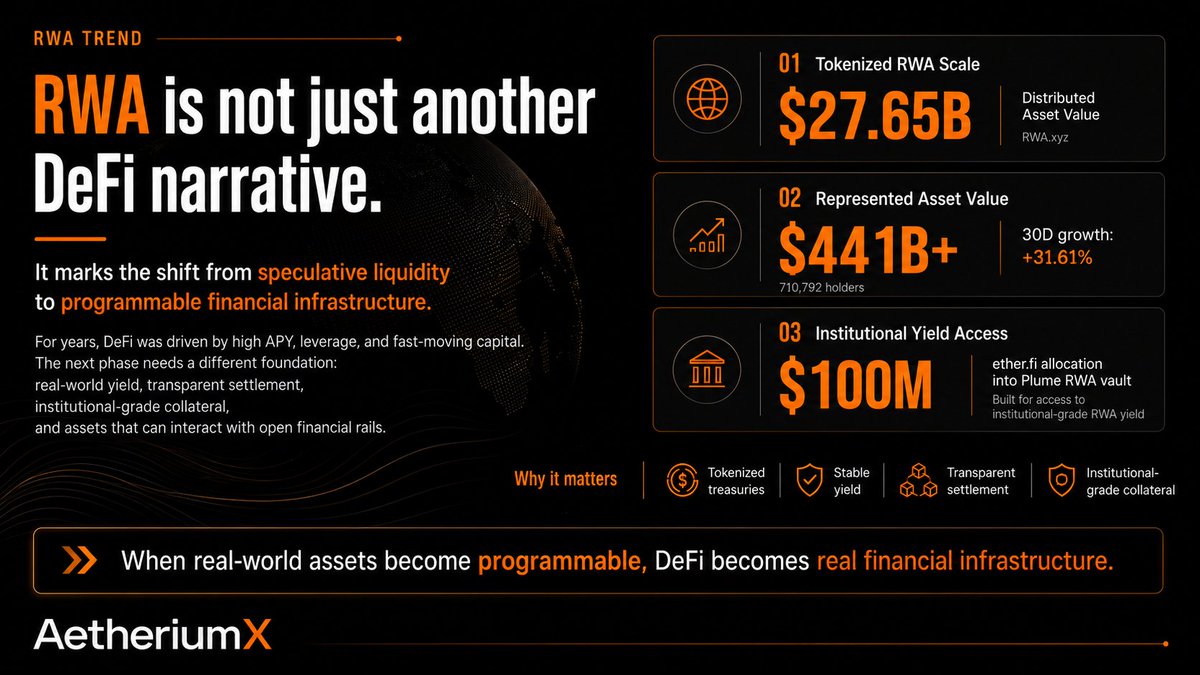
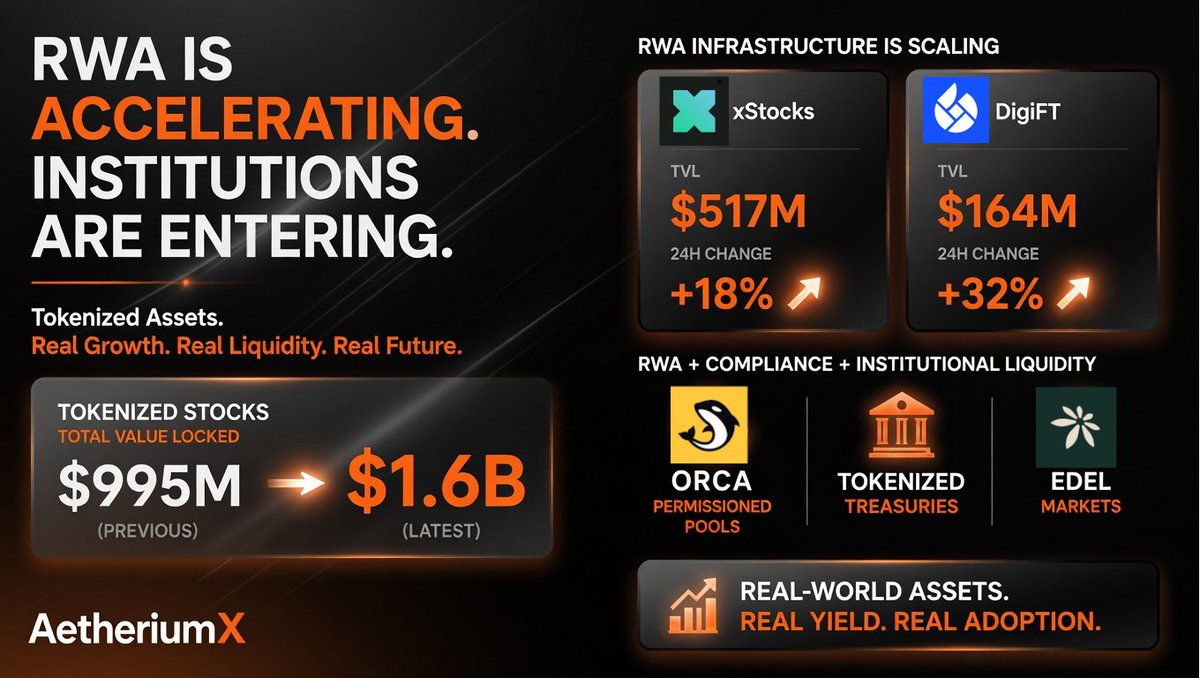
Tokenized treasuries were the warm-up for RWA.
Products like BUIDL, USYC, USDY and other treasury-backed assets showed the market that real-world yield can be brought on-chain in a more structured way.
But the next phase is bigger than short-duration treasuries.
As tokenized CLOs, private credit, and structured credit products enter the conversation, DeFi’s yield spectrum could expand from simple “safe yield” exposure into different layers of duration, credit risk, liquidity, and return.
That is where RWA becomes serious.
Not just tokenized assets sitting on-chain.
A real credit market becoming programmable, composable, and accessible through DeFi infrastructure.
1
1
5
2,434
AetheriumX retweeted

Jun 13
The World Cup is not just something to watch anymore.
With PredictX × TaskOn @taskonxyz , you can go deeper into every match, every upset, every market signal, and every prediction moment.
Join the quest. Follow the games. Make your calls.
👉 taskon.xyz/quest/478276758
1
5
8
3,623
Jun 12
⚽️🏆The World Cup is bringing global attention, emotion, and uncertainty into one arena.
Through PredictX, the AetheriumX ecosystem is turning that energy into a more interactive prediction market experience.
❤️🔥Join the new TaskOn Quest and explore what happens when sports, markets, and Web3 meet.
👉 taskon.xyz/quest/478276758 🎆
#AetheriumX #PredictX #WorldCup #Web3
3
2
13
4,348
Jun 11
Tokenization is not about putting everything onchain. It is about making capital markets programmable.
8
2,566
Jun 10
This is exactly the conversation Web3 needs right now.
Crypto is no longer only about product, liquidity, or market cycles.
It is becoming part of a broader competition between regions, capital markets, stablecoin rails, regulation, and builders.
AetheriumX will join the Space to share how we see this shift — and why the next stage of Web3 infrastructure will be shaped by both technology and geopolitics.
See you there.
Jun 9

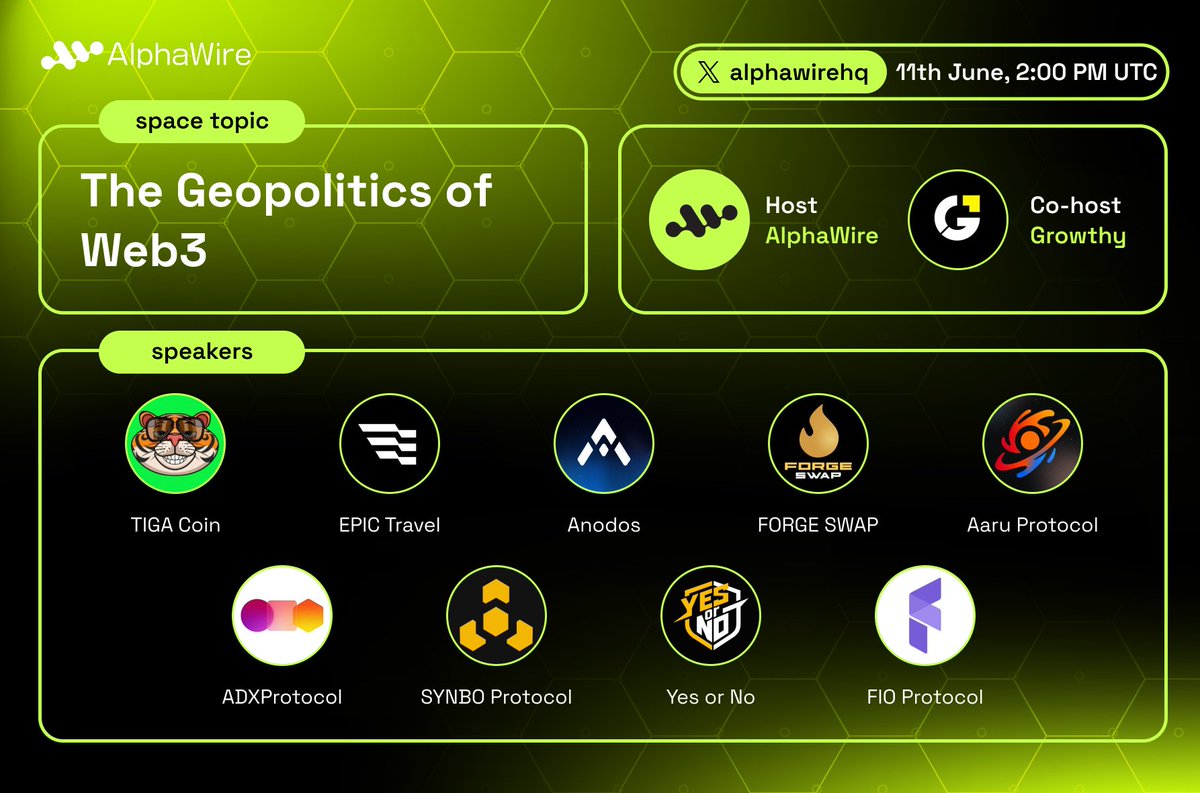
NEW SPACE: The Geopolitics of Web3 🌍
Crypto isn't just competing with banks anymore.
It's competing with entire countries and regions!
The US, Europe, Asia, and emerging markets are all racing to attract builders, liquidity, stablecoins, and capital.
🗣️ @joinFIO @SynboLabs @EpicOnChain 6 more!
Who is shaping the next decade of Web3?
1
3
10
3,394
Jun 10
AI agents will not make DeFi safer by default. They will make every mistake faster.
1
1
9
2,259
Jun 9
At AetheriumX, we believe DeFi becoming “boring” is not a weakness. It may be the most important shift in the market. That might be exactly why it is becoming real.
RWA, tokenized treasuries, institutional collateral, stable yield, BTC on DeFi rails — these are not casino narratives. They are the beginning of programmable finance.
Boring assets may become DeFi’s most important assets.
4
2
9
3,337
Jun 9
Tokenization is becoming the bridge between regulated assets and open financial infrastructure.
7
2,385
Jun 9
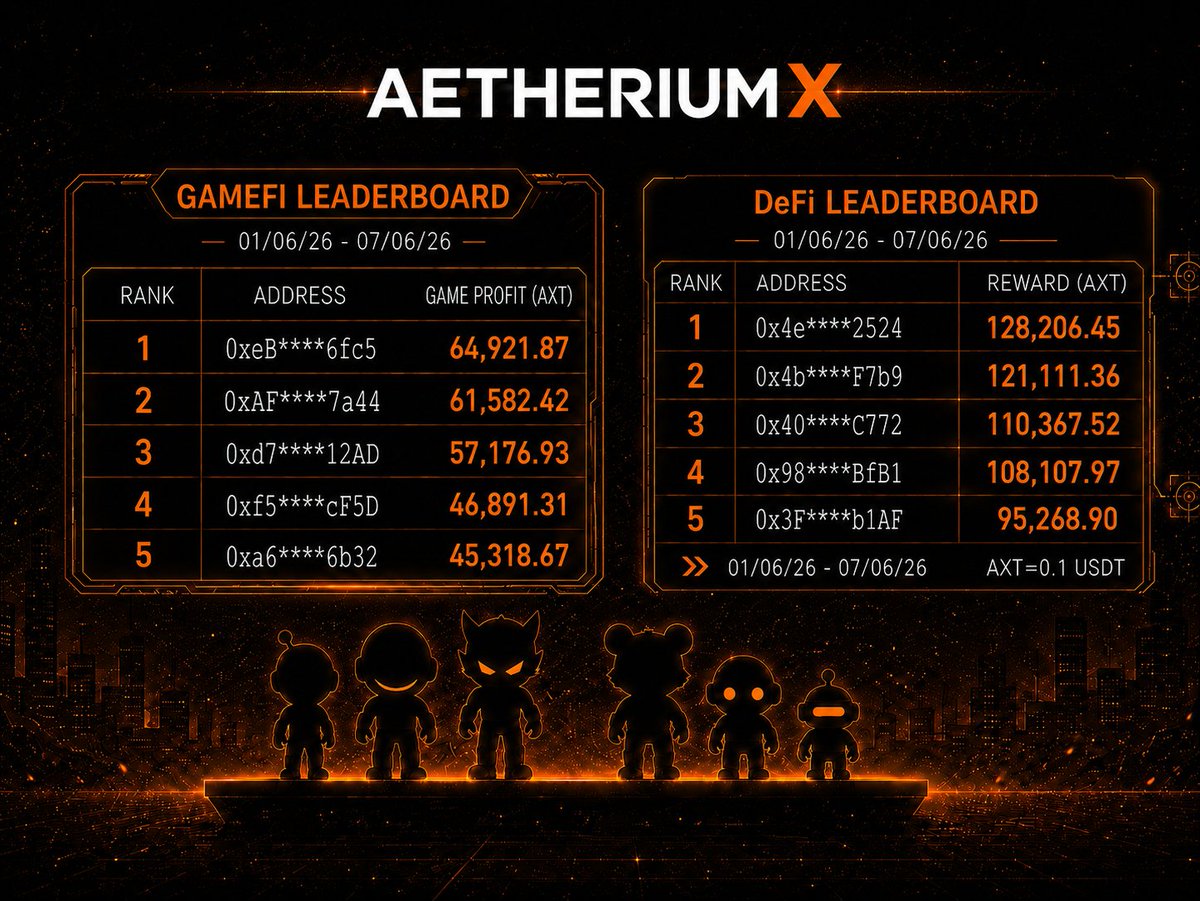
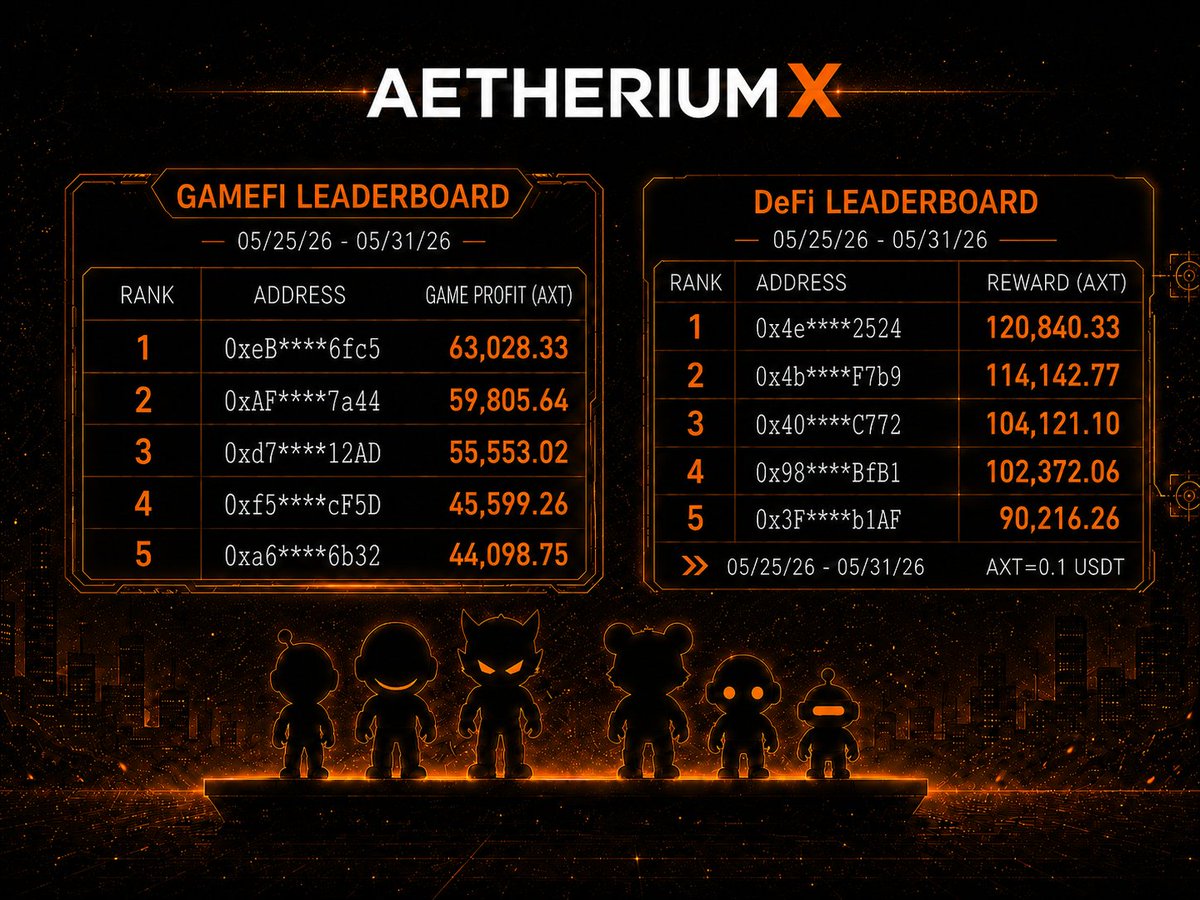
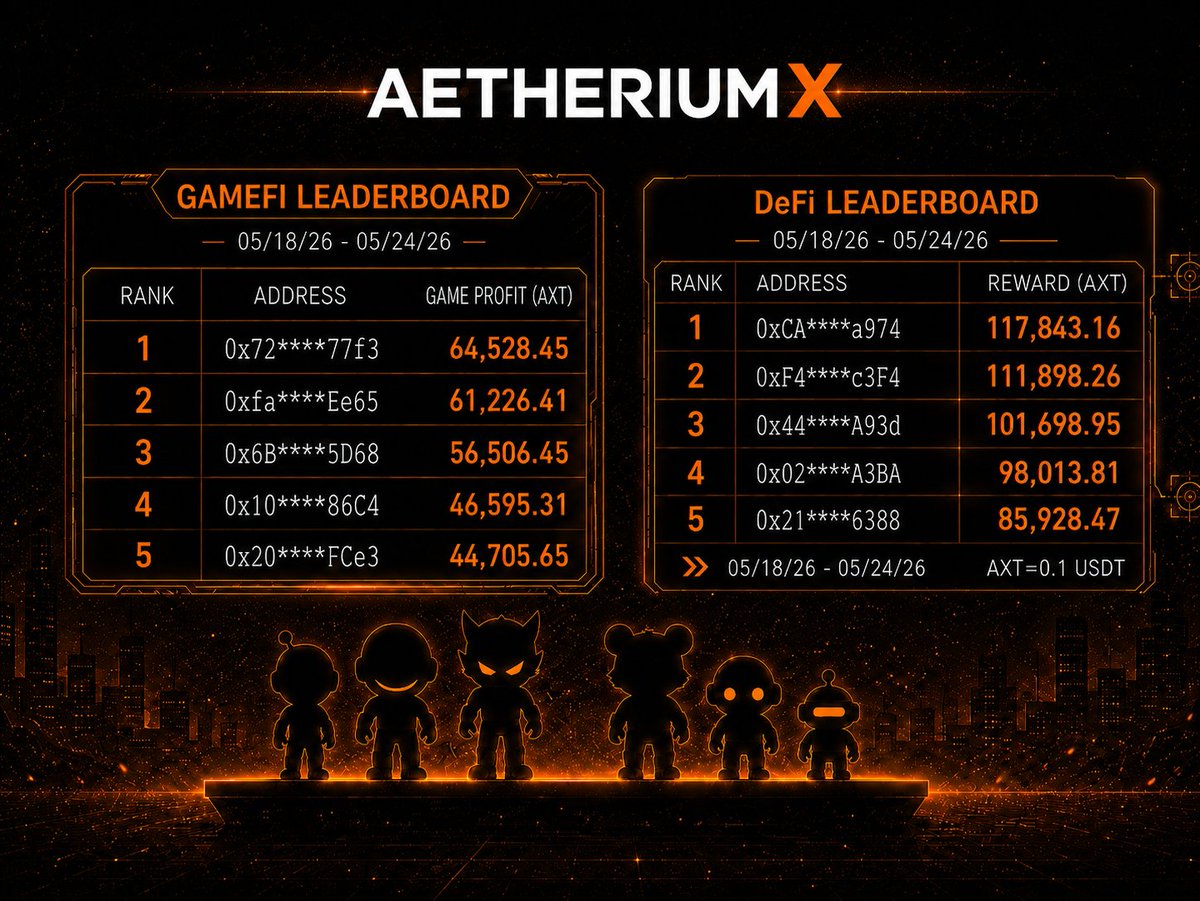
🏆 05/25/26 – 05/31/26 Leaderboard Update.
GameFi rewards and DeFi yields are both showing steady momentum.
1
1
9
2,964
Jun 8
Stablecoin competition is expanding from scale to compliance, yield, custody and real-world asset distribution.
1
7
2,389
Jun 8
never bet on only one future.


1
12
3,333
Jun 7
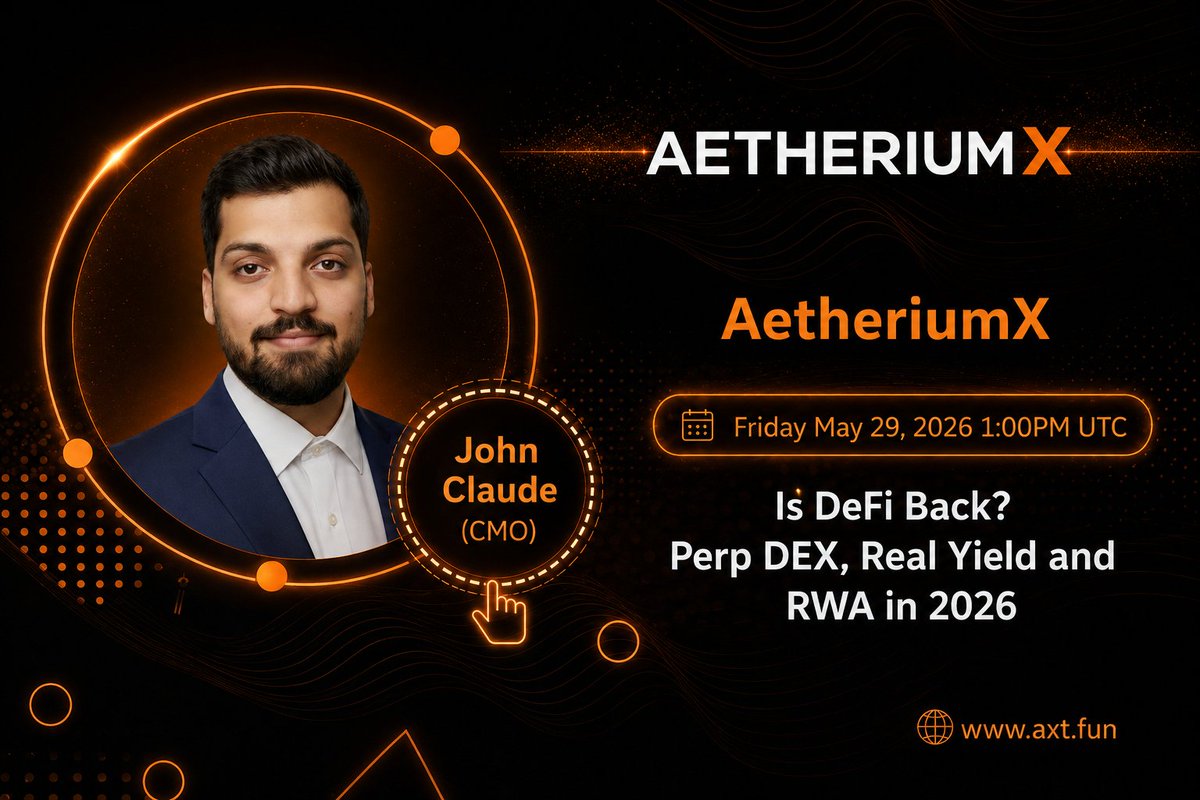
Next Tuesday, 1 PM UTC.
Join us on Binance Live as we discuss RWA, stablecoins, and yield — three key narratives shaping the next stage of DeFi.
From real-world asset adoption to stablecoin settlement and sustainable on-chain yield, this conversation will focus on where the market is heading next.
See you there.
Jun 7

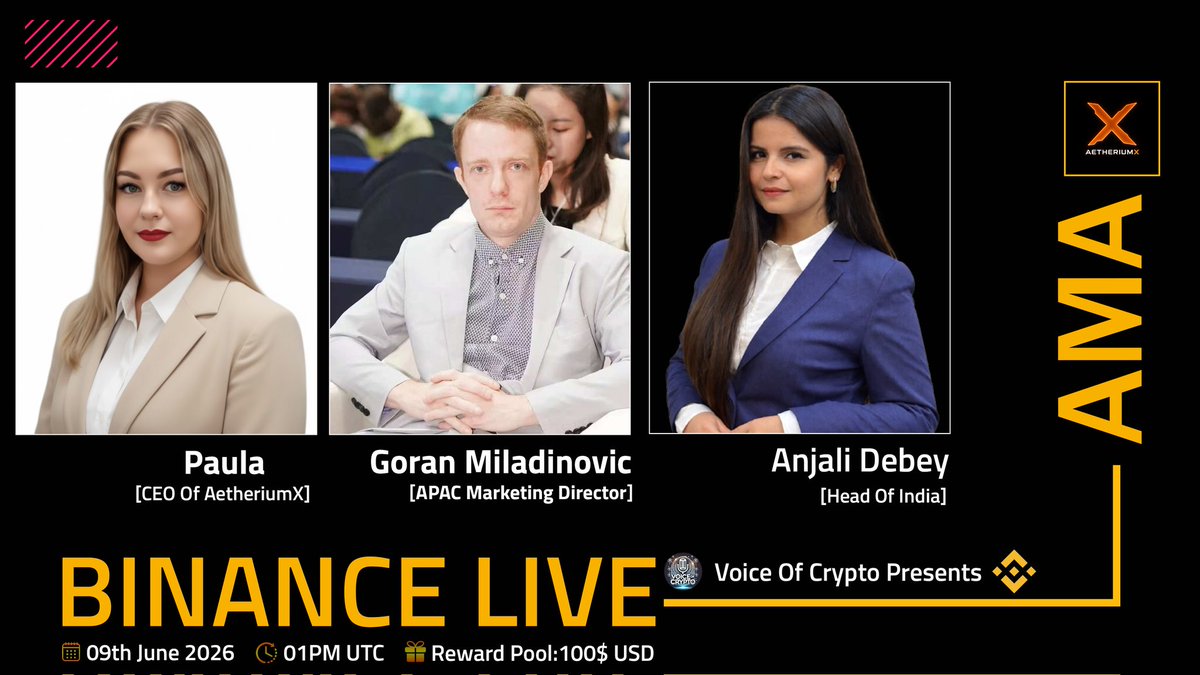
🎙️ We’re Back With Another Exciting #BinanceSquareAMA
🔥 This time, we’re featuring the innovative team behind The AetheriumX — Don’t miss out!
🗓 Date: 09th June 2026
🕓 Time: 01:00 PM UTC
💰 Reward: $100 USDT
🎤 Special Guest:
~ Paula (CEO)
~ Anjali Debey (Head of India )
~Goran Miladinovic (APAC Marketing Director)
📍 Join Us Live:
🔗 app.binance.com/uni-qr/cpro/…
⏰ Set Your Reminder Now:
🔔 app.binance.com/uni-qr/cspa/…
📢 How to Participate:
1️⃣ Follow @aetheriumX_fun
2️⃣ Like & Retweet this post
3
5
15
3,165
Jun 7
If your AI agent can sign transactions, your security model just changed completely.
3
17
2,804
Jun 7
The PredictX TaskOn Quest was completed in just a few hours.
Thank you for the trust and participation.
More quests are coming soon.
Jun 6
🔥Join the PredictX TaskOn Quest now👇
taskon.xyz/quest/60099177
World Cup season is not just for fans anymore.⚽️
It is becoming one of the biggest stages for prediction markets.🎆
Before the matches begin, markets are already forming around teams, odds, sentiment, injuries, narratives, and global attention.
PredictX is opening the door early with a new TaskOn quest.
$500 Prize Pool.
Limited-time campaign.
Early participants get the first shot.
If you believe sports prediction markets are about to explode during the World Cup cycle, this is where you start.
Don’t wait until everyone is talking about it.
#PredictX #TaskOn #WorldCup #PredictionMarkets #Crypto
8
4
19
3,487
AetheriumX retweeted
Jun 6
🔥Join the PredictX TaskOn Quest now👇
taskon.xyz/quest/60099177
World Cup season is not just for fans anymore.⚽️
It is becoming one of the biggest stages for prediction markets.🎆
Before the matches begin, markets are already forming around teams, odds, sentiment, injuries, narratives, and global attention.
PredictX is opening the door early with a new TaskOn quest.
$500 Prize Pool.
Limited-time campaign.
Early participants get the first shot.
If you believe sports prediction markets are about to explode during the World Cup cycle, this is where you start.
Don’t wait until everyone is talking about it.
#PredictX #TaskOn #WorldCup #PredictionMarkets #Crypto
19
8
21
5,181
Jun 5
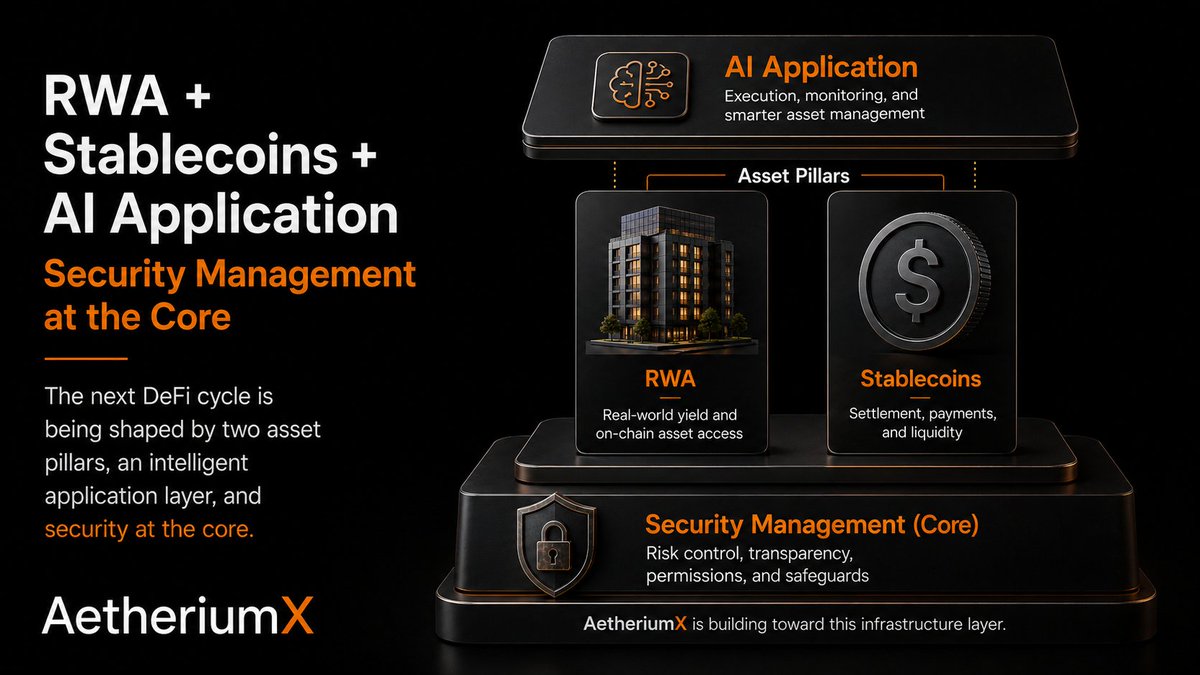
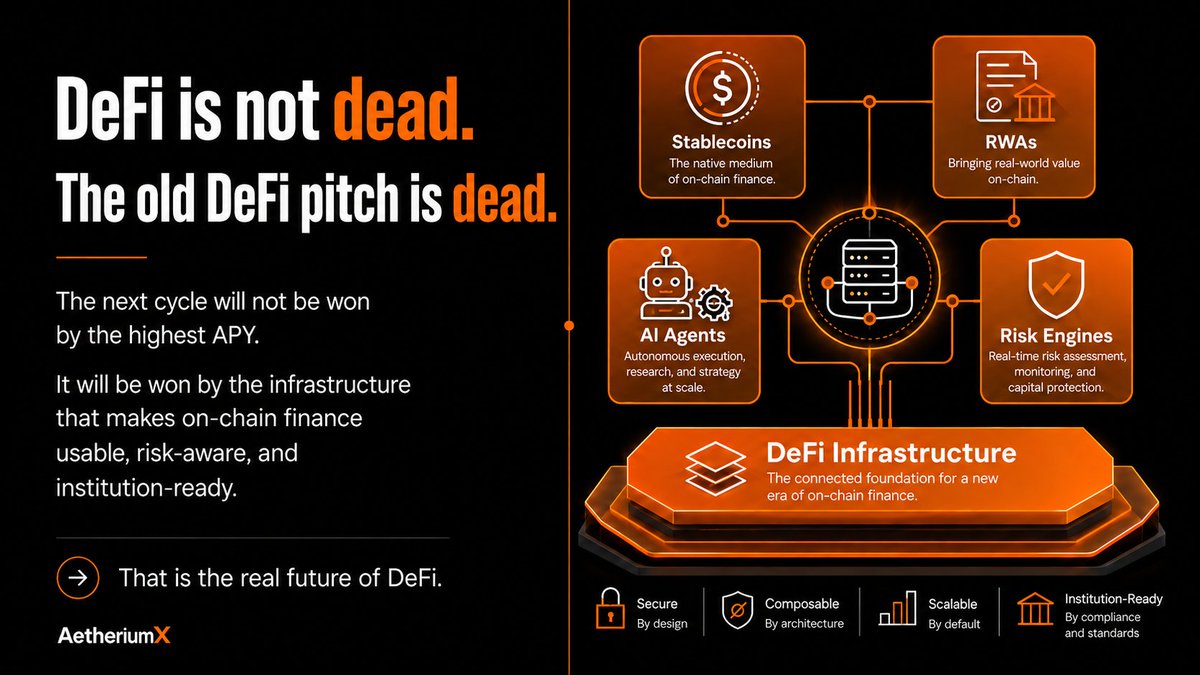
The future of DeFi probably won’t be defined by another short-term APY cycle.
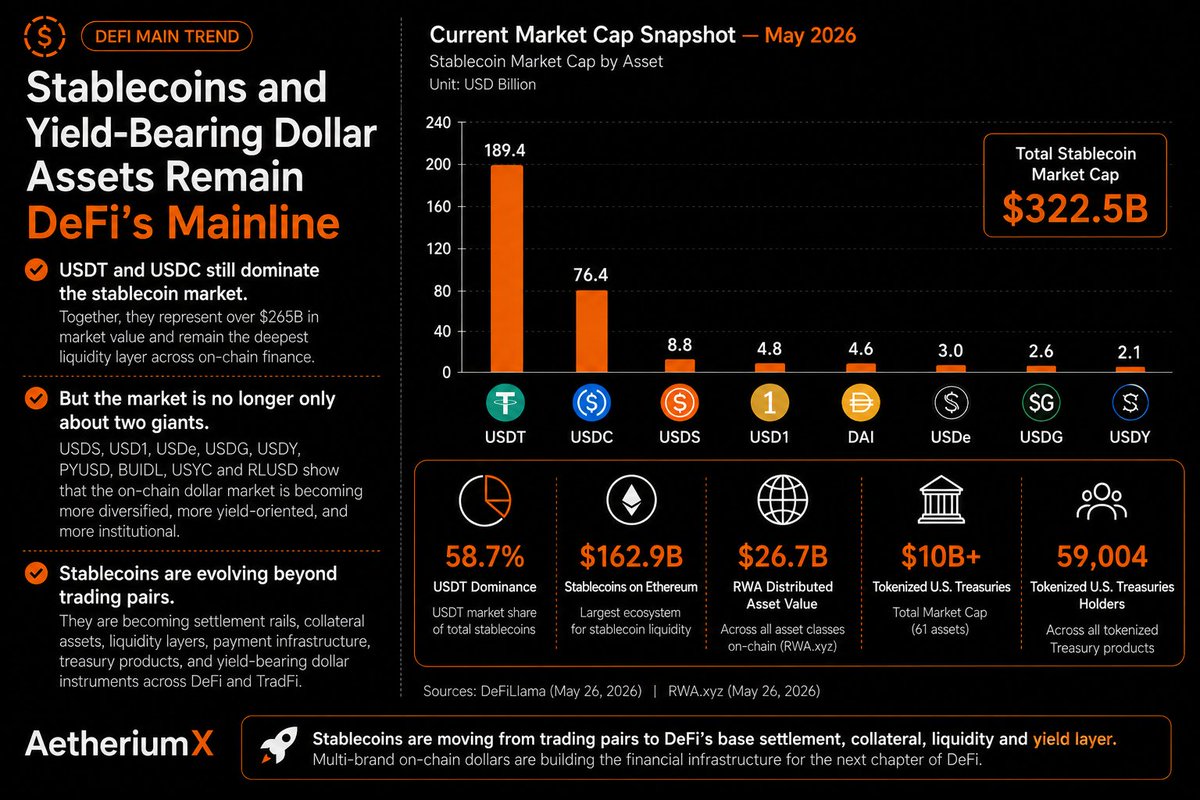
The bigger direction is clearer now: real assets and stablecoins are becoming the foundation of the asset side.
RWA brings yield that can be connected to real-world markets. Stablecoins bring the liquidity, settlement and payment layer that DeFi actually runs on.
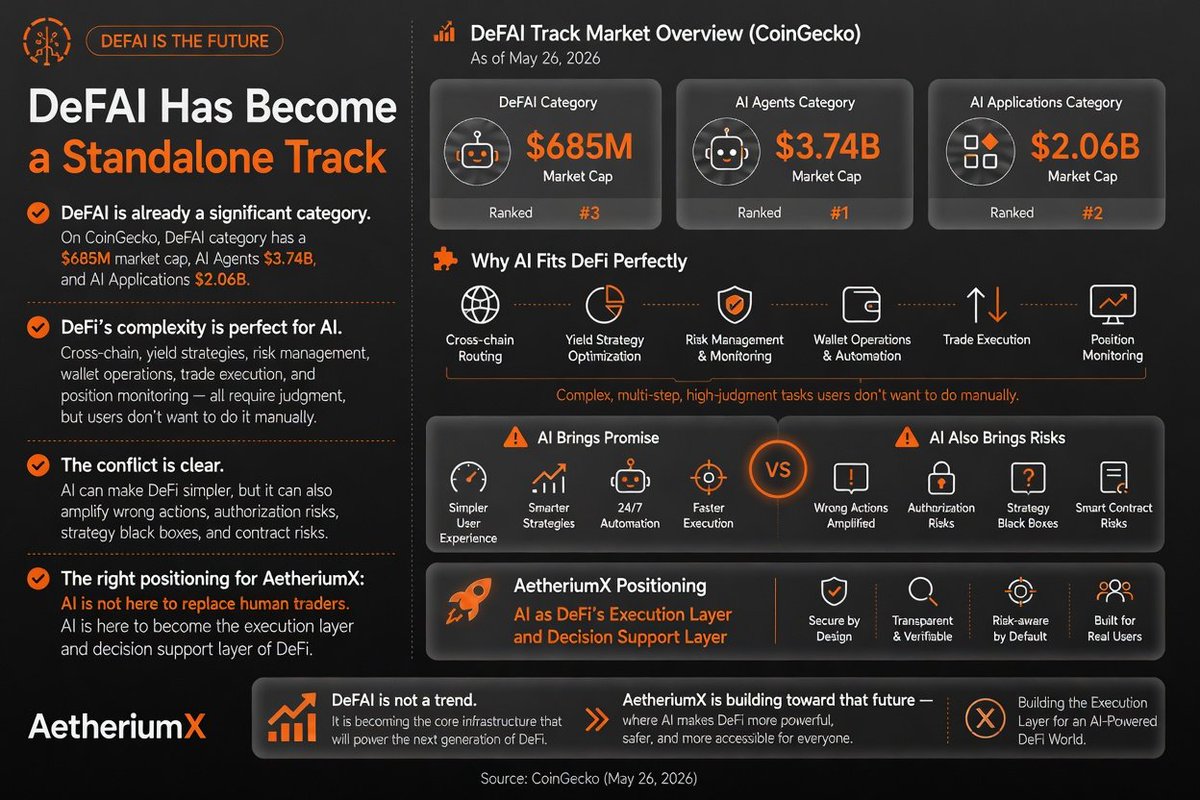
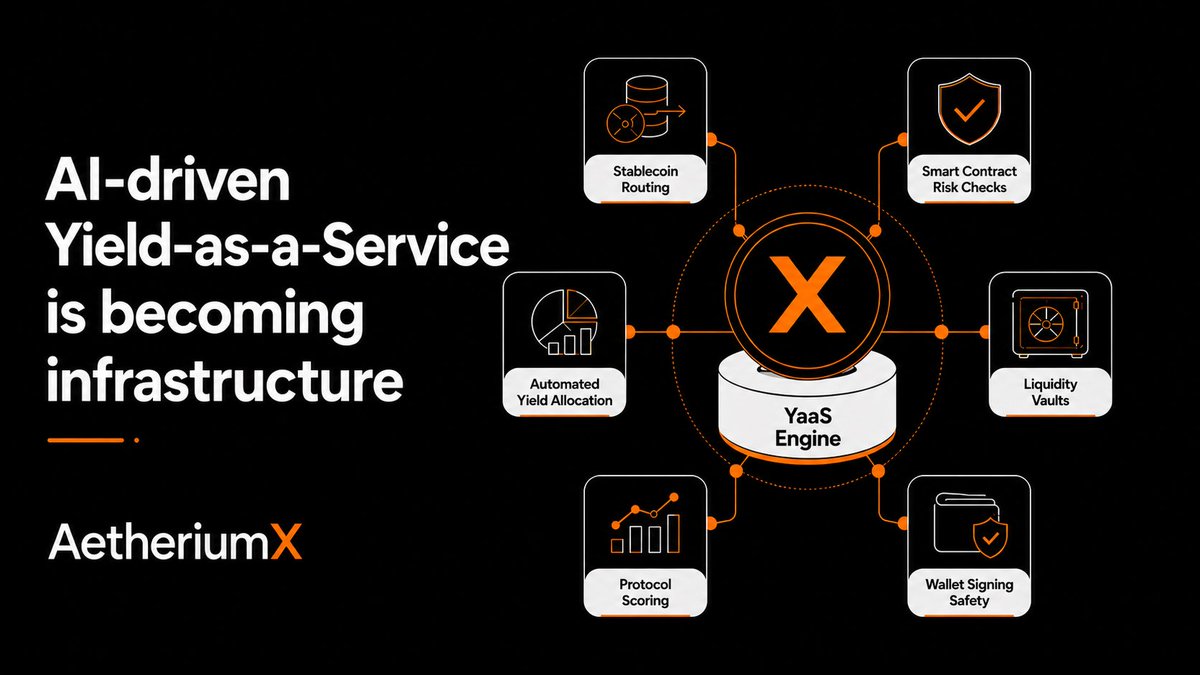
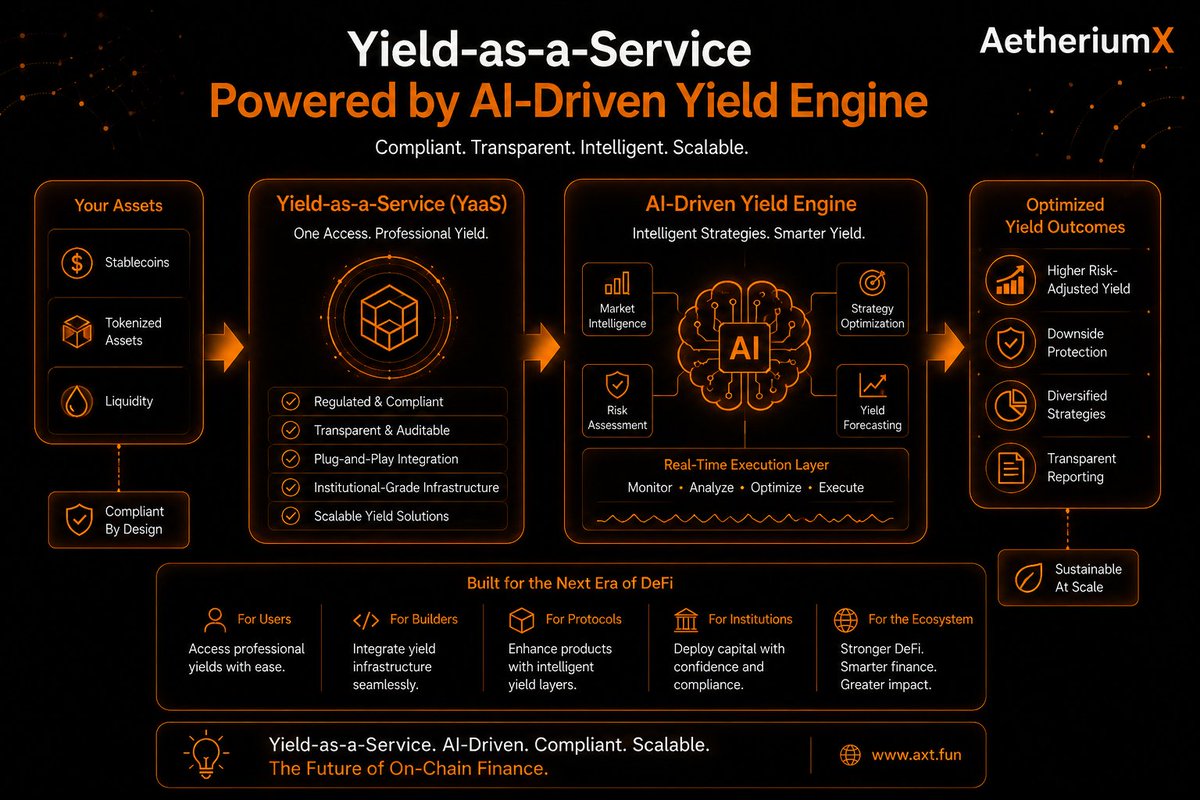
At the same time, DeFi is getting too complex for most users to manage manually. This is where AI starts to matter — not as a magic trader, but as a tool for monitoring positions, comparing strategies, helping with execution, and making asset management less chaotic.
But there is one thing that sits above all of this: risk control. RWA only works when users can understand what the asset is, where the yield comes from, and what risks sit behind it. Stablecoins are powerful because they make DeFi liquid and usable, but they still need strong reserves, transparency, and liquidity management.
AI can make DeFi easier to operate, but without clear limits and safety checks, it can also make bad decisions faster than users can react.
So the next DeFi cycle is not just about putting more assets on-chain. It is about making those assets easier to use, safer to manage, and more reliable as financial infrastructure.
4
2
20
3,081
Jun 5
Stablecoins remain the strongest product-market fit in crypto and the balance sheet layer of the onchain economy. TVL still matters, but DeFi adoption is increasingly measured by users, volume, fees, and application-level velocity.
16
2,364
Jun 4
AetheriumX will be joining this Space 🎙️
Prediction markets are becoming more than trading venues — they are turning belief into price, and price into a new layer of information.
The real question is exactly this: are markets just predicting the future, or starting to shape it?
Looking forward to the discussion.
Jun 2
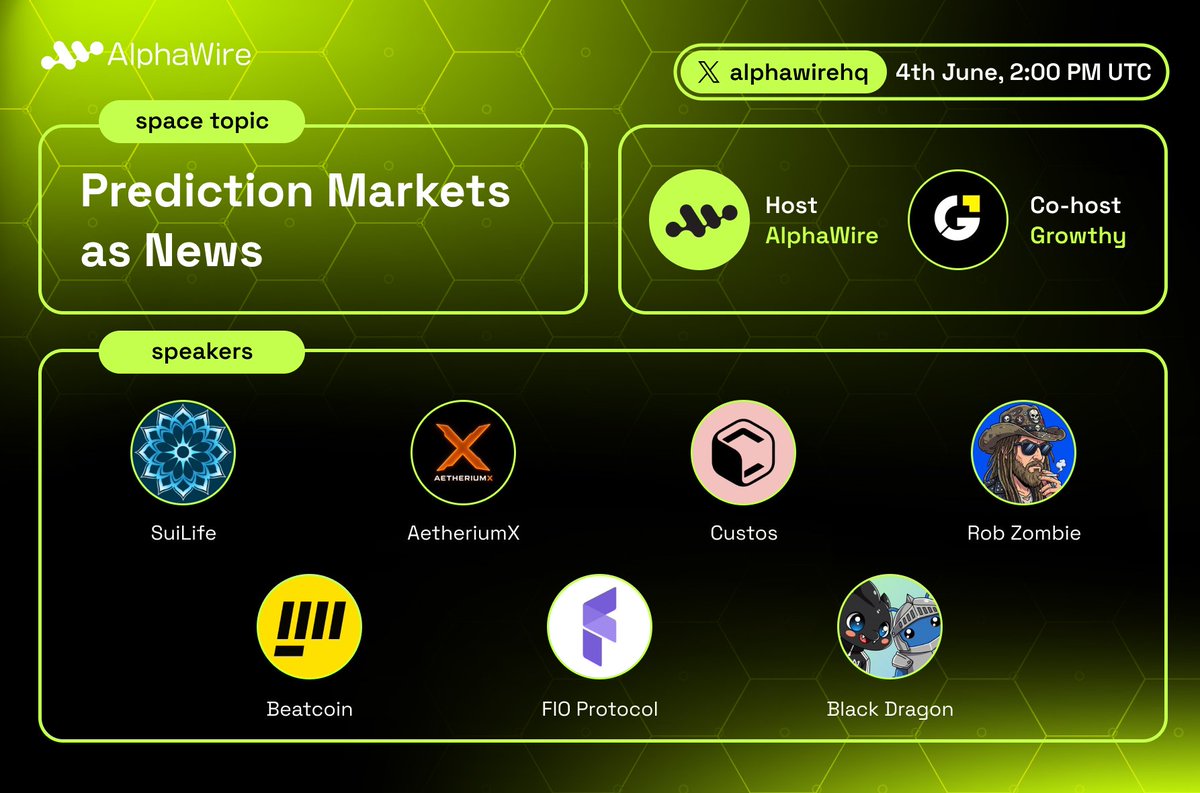
NEW SPACE: Prediction Markets as News 🎙️
What if the best source of information isn't a headline... but a market?
Polymarket, Kalshi, Hyperliquid and others are turning beliefs into prices.
@dragonisnear @joinFIO @BrcToTheMoon 4 more!
The question is: are they predicting the future or shaping it?
5
3
19
3,619
Jun 3
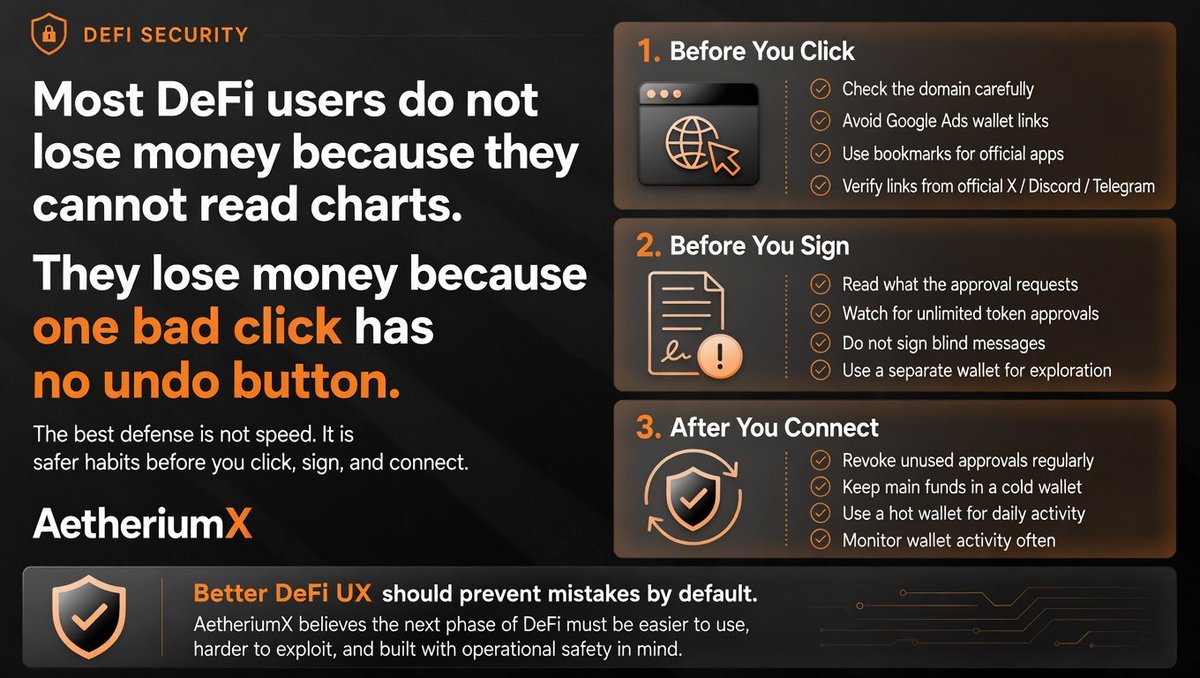
DeFi security is not a launch checklist. It is an operating system.
1
9
2,464