
We are the Affective Brain Lab – Tali Sharot’s lab at UCL. Updates on our work on the brain, emotion, belief, learning and other interests of lab members
Joined January 2012
- Tweets 238
- Following 155
- Followers 4,932
- Likes 505
25 Photos and videos

Pinned Tweet

11 Dec 2023
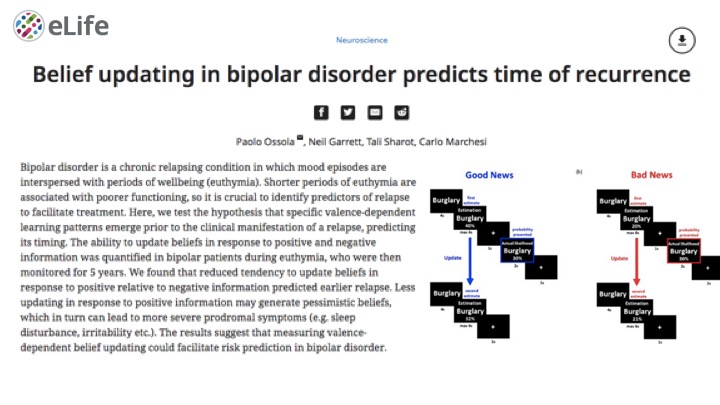
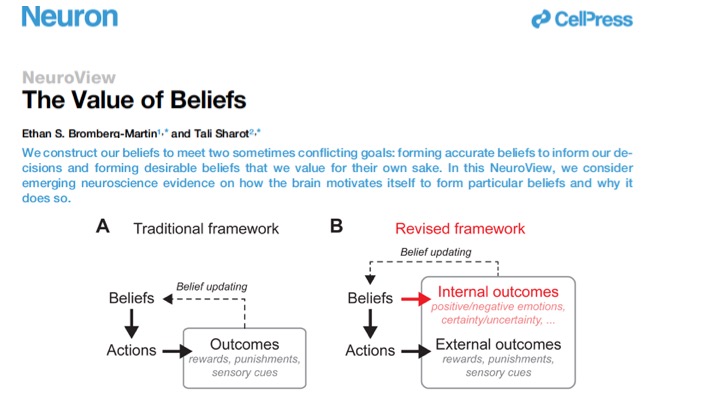
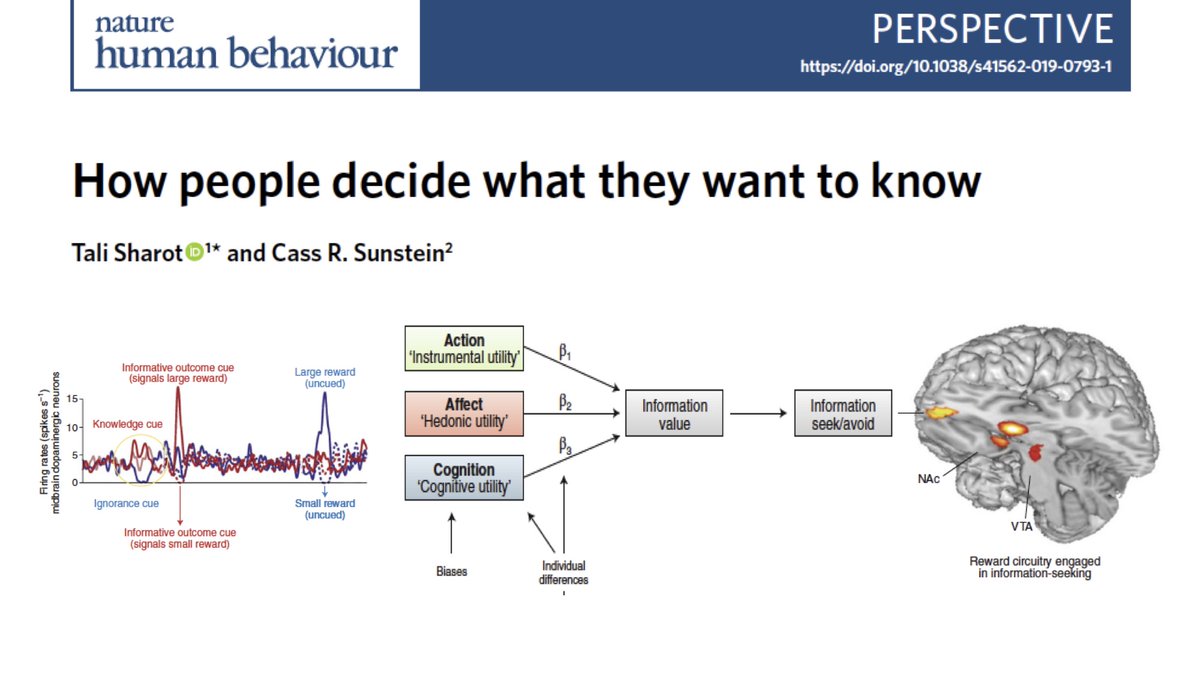
People desensitize to horrible things & so fail to act and change them, but also get used to great things & so don't enjoy them any longer.
Can we dis-habituate?
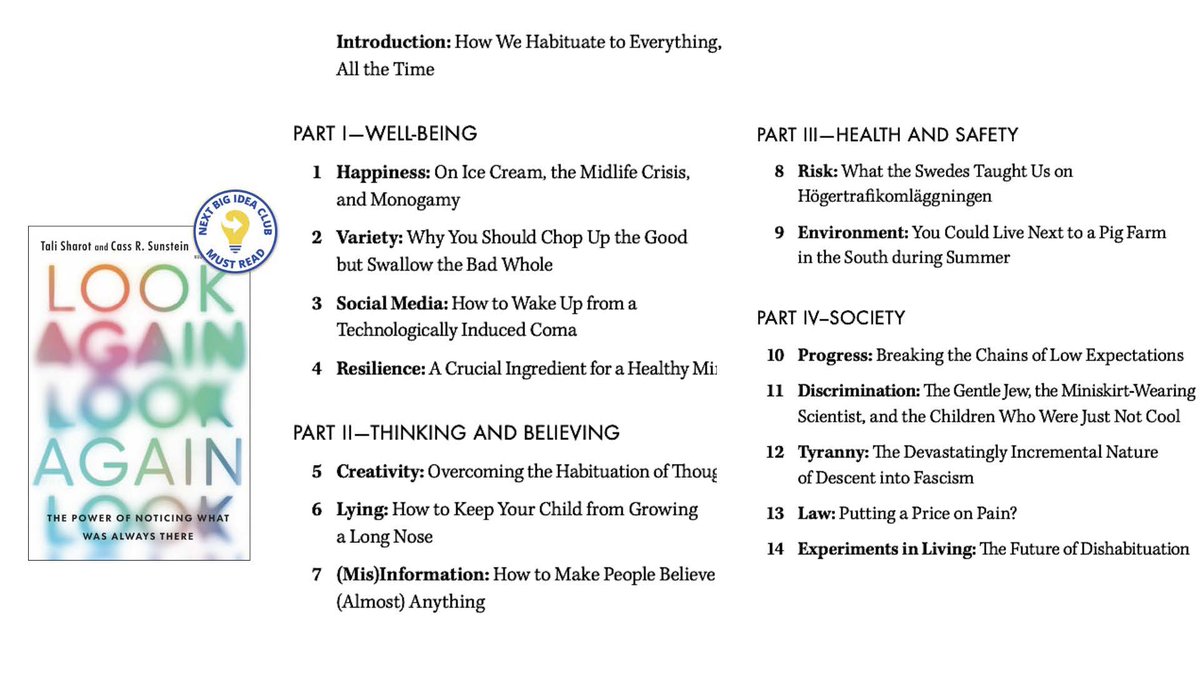
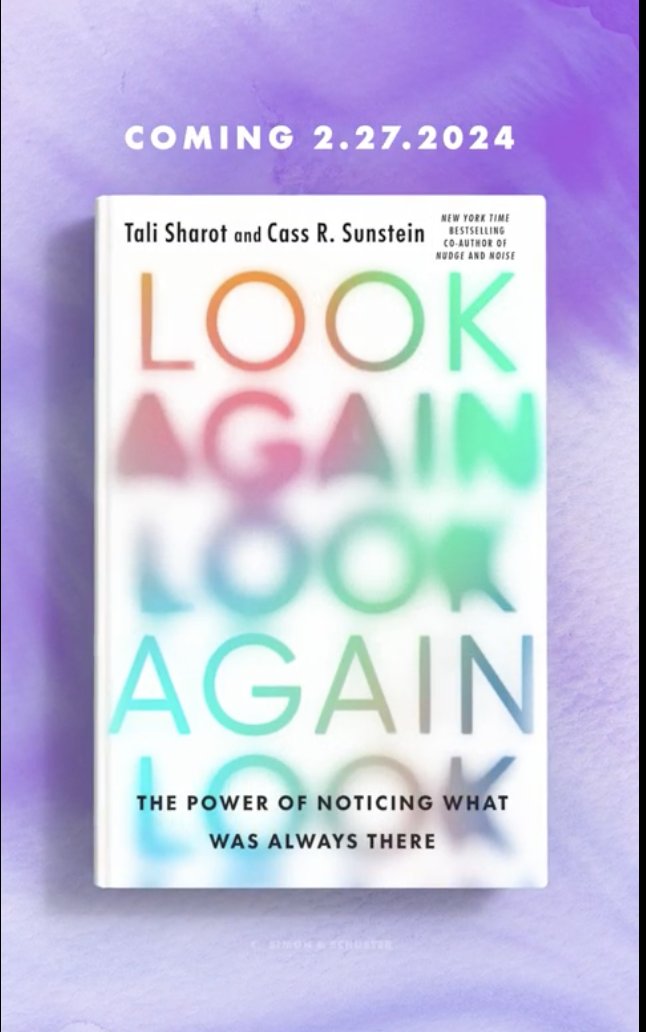
Announcing my new book out 2/27 co-authored with @CassSunstein. Thread🧵
6
9
40
14,080
affective.brain retweeted

Apr 24
Just started reading this paper. What a fascinating approach, and with so many applications going forward! I’m going to be thinking about how to apply this to my work in cognitive load and pedagogy in the coming months.

📄 New preprint with @affectivebrain: AI-assisted discovery of unknown cognitive biases: Humans systematically undervalue information under complexity
We introduce a framework for discovering biases in any task with a normative benchmark.
Link: osf.io/preprints/psyarxiv/va… 1/6 🧵
1
1
204
affective.brain retweeted
📄 New preprint with @affectivebrain: AI-assisted discovery of unknown cognitive biases: Humans systematically undervalue information under complexity
We introduce a framework for discovering biases in any task with a normative benchmark.
Link: osf.io/preprints/psyarxiv/va… 1/6 🧵
2
6
49
4,729
affective.brain retweeted

In this episode of Thriving Minds, I sit down with Dr Tali Sharot, one of the world’s leading cognitive neuroscientists, to understand how optimism, emotion, and anticipation shape the decisions we make and the memories we keep. Now live: buff.ly/GgTO16P
#MIT #UCL
1
2
244
27 Oct 2025
Applications for the 2026 PhD program are now open for the Mind & Machine Initiative at UCL! Candidates should have a background in neuroscience and/or psychology. Applicants will be evaluated on a rolling basis. To apply follow this link: uclmmi.com/join-us/
1
2
368
affective.brain retweeted

30 Sep 2025
Using virtual reality to simulate physical risk, we show that over time risk taking escalates while emotional responses to risk habituate. The greater the emotional habituation, the steeper the risk escalation.
nature.com/articles/s44271-0…
1
6
467
affective.brain retweeted

3 Jul 2025
In a new Editorial, Tali Sharot and Cass R. Sunstein describe how neuroscientific and psychological phenomena, such as habituation and relative judgement, can lead people to become numb to the decline of democracy. scim.ag/3GpjzzZ
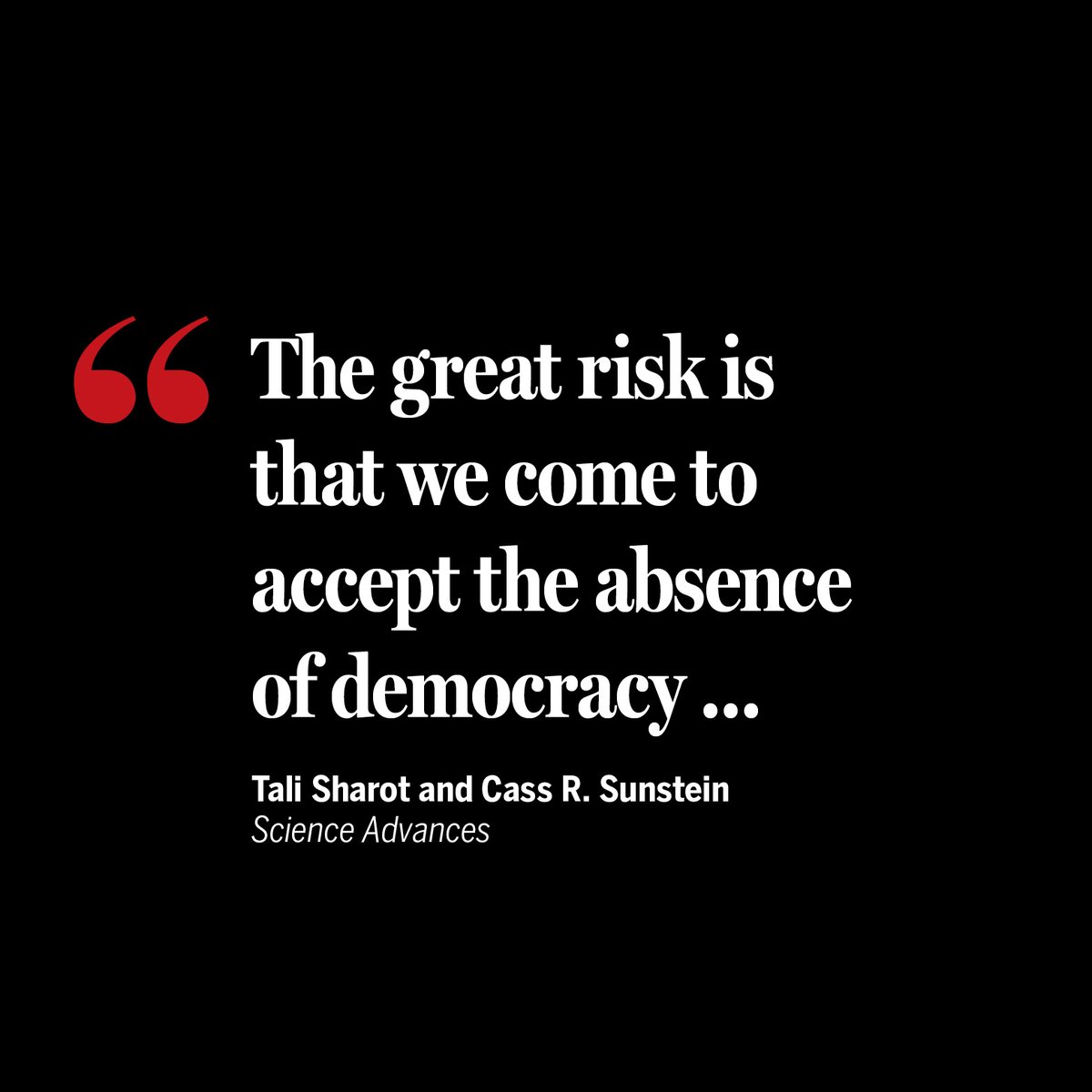
ALT "The great risk is that we come to accept the absence of democracy the way we accept background noise …" - Tali Sharot and Cass R. Sunstein in Science Advances
5
14
4,130
affective.brain retweeted

21 Mar 2025
We're delighted to announce that Prof. Tali Sharot (@UCLPALS, @affectivebrain) has been awarded £3.5m as part of @wellcometrust Discovery Award scheme to investigate the 'joy of thinking’.
buff.ly/V3oCDFR
2
3
25
1,715
24 Mar 2025
We are looking to hire 2 postdocs (see description of 2nd post in thread). To apply email CV and links to 2 representative publications.
Postdoc 1: Experience in computational neuroscience of reward processing or decision-making or info-seek or language. affectivebrain.com/
1
3
8
2,030
24 Mar 2025
Postdoc 2: Experience in app and plug-in development experience in computational aspects of and/or neuroscience of info-seek/decision making. Experience with NLP - advantage. Will use web browsing data to study info-seek and well-being. affectivebrain.com/?page_id=…
1
840
24 Mar 2025
Postdocs can be based at either UCL (London) or MIT (Cambridge, MA) or both. Start date is flexible.
1
576
affective.brain retweeted

THRILLED to see this SI now out addressing the power and potential of focusing our lens on women. H/t to Tali for making space for these ideas to flourish and for a dream team of investigators to contribute!!
5 Mar 2025

This week, a special issue on #WomensHealth highlights a growing wave of research focusing on women’s unique biological and psychological experiences.
Learn more: scim.ag/41pQviq
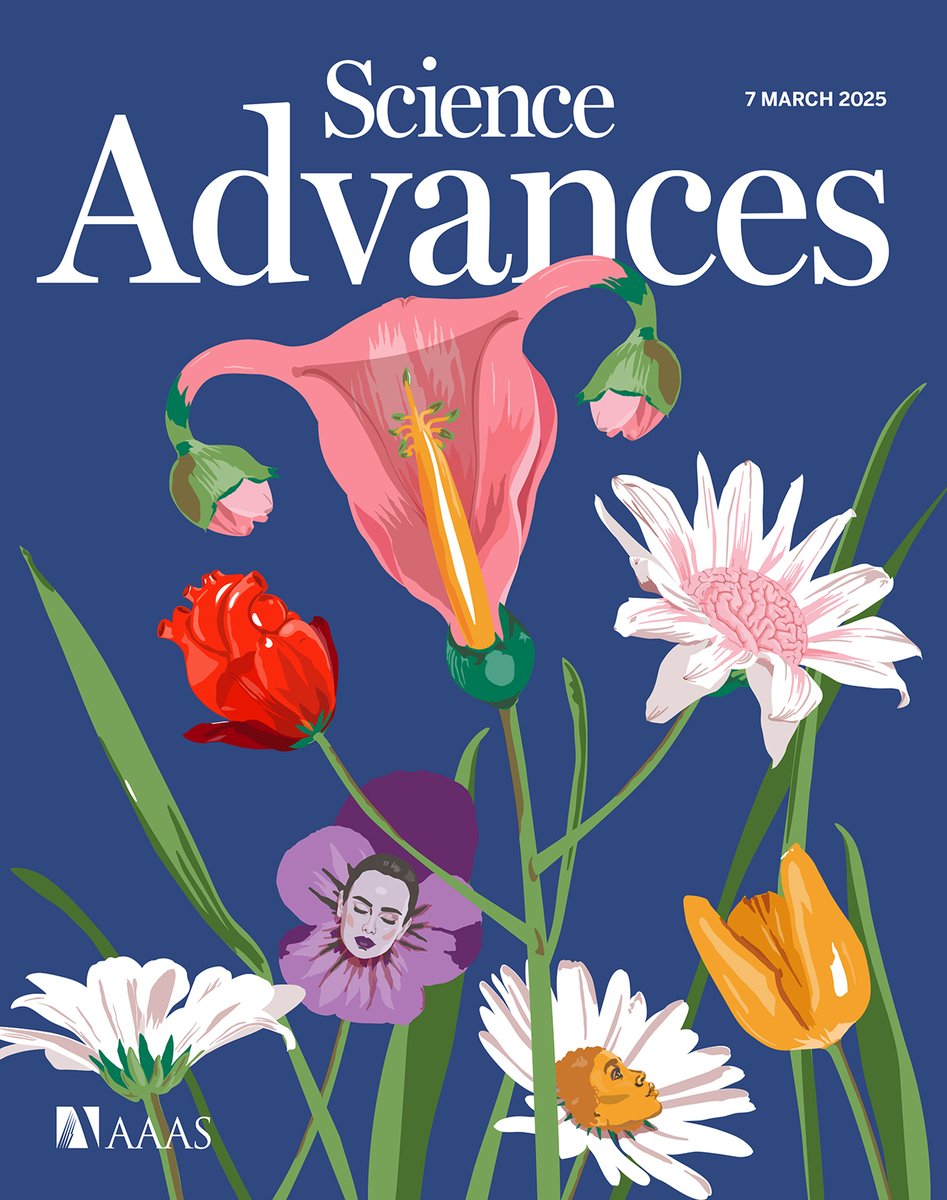
4
12
45
3,771
affective.brain retweeted

24 Jan 2025
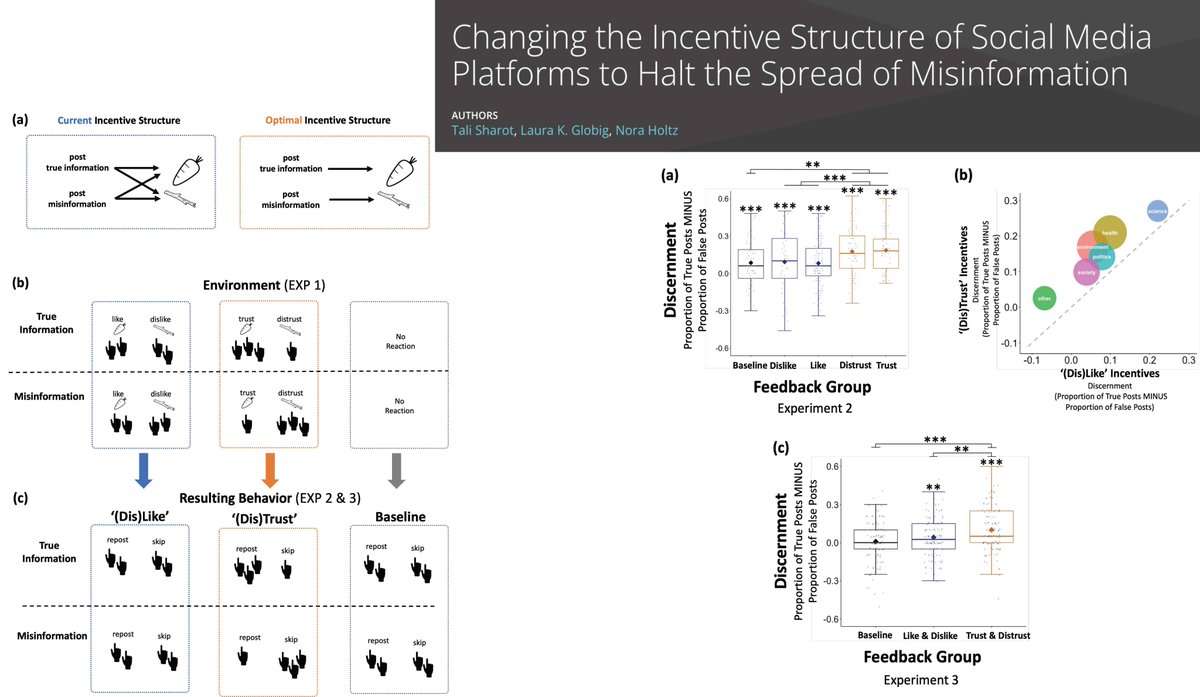
#BTAtDavos2025 | Tali Sharot (@affectivebrain), Professor of Cognitive Neuroscience, @ucl, sheds light on the growing challenges of misinformation & disinformation in today’s social media-driven world.
@rahulkanwal
@AP_EDB @InvTelangana
Watch #BTTV Live: tinyurl.com/5ye44sjh
1
6
959
affective.brain retweeted
24 Jan 2025
#BTAtDavos2025 | @ucl Professor Tali Sharot delves into whether the current trends in trust towards democratic institutions are temporary and poised for change or if they signal a deeper, worsening shift.
@rahulkanwal
@AP_EDB @InvTelangana
Watch: tinyurl.com/5ye44sjh
1
2
884
affective.brain retweeted

18 Dec 2024
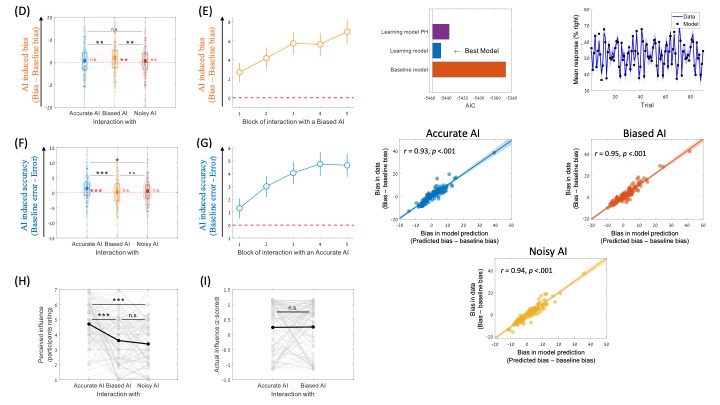
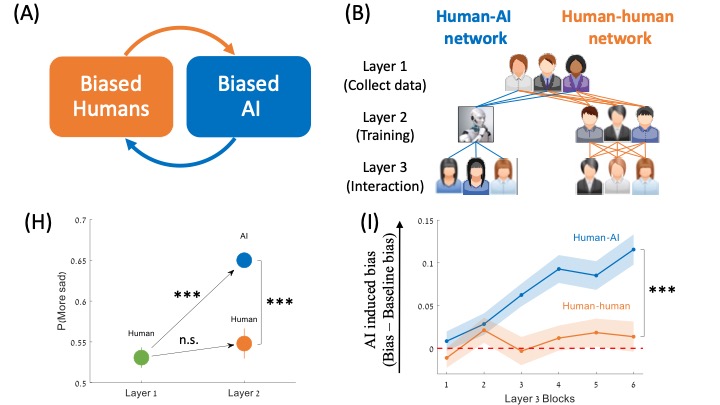
.@Moshe_Glickman and @affectivebrain reveal a human-AI feedback loop, where AI amplifies subtle human biases, which are then further internalized by humans. This cycle increases human bias over time across domains.
nature.com/articles/s41562-0…
22
81
5,383
affective.brain retweeted

18 Dec 2024
📢 New publication with @affectivebrain in @NatureHumBehav
Key finding: Human-AI interactions create feedback loops, where AI amplifies human biases, which are then further internalized by humans across perceptual, emotional & social domains.
nature.com/articles/s41562-0…
🧵1/6
4
46
136
10,183

"Just as we now glance at nutrition labels without a second thought, we could one day check content labels before diving into a news article or blog post."
Column: Why the internet needs content labels 📝 Tali Sharot and Christopher A. Kelly time.com/7177598/internet-co…
3
11
27
29,269
affective.brain retweeted

21 Nov 2024
Excited to share our new article w/@affectivebrain in @NatureHumBehav.
Key finding: consuming more negative content online is tied to poorer mental health—and vice versa. 💻🧠
Article link: doi.org/10.1038/s41562-024-0…
🧵 Read on for more insights from the study
4
26
69
7,755
affective.brain retweeted

20 Aug 2024
🚨 New paper alert! 🚨
“Considering information-sharing motives to reduce misinformation” out now in Current Opinion in Psychology with @affectivebrain.
doi.org/10.1016/j.copsyc.202…
(1/n)
1
8
26
3,841
affective.brain retweeted

25 Jun 2024
What makes people happiest on vacation? Neuroscientist Tali Sharot once posed that question to people at a beach resort. Firsts were exciting and new: the first ocean view, first cocktail sip, first sandcastle. But then, happiness faded.
In this week’s episode, how and why we get used to things. And what we can do to see the world with fresh eyes. hiddenbrain.org/podcast/maki…
5
15
4,099