
We study emotions: what they are & how they work. We use experiential, behavioral, psychophysiological, brain-imaging techniques. Tweets by @joseph_fridman.
Joined February 2018
- Tweets 1,076
- Following 381
- Followers 2,422
- Likes 2,944
42 Photos and videos
Interdisciplinary Affective Science Lab retweeted

21 Nov 2020
SEVEN AND A HALF LESSONS ABOUT THE BRAIN: Best Books 2020 (Amazon Barnes & Noble), Starred Review (Kirkus), "Must-read" (Discover Mag), "Beautiful writing" (@DavidEagleman), "Remarkable insights" (@DanielPink). The world's first neuroscience beach-read. lisafeldmanbarrett.com/books…
97
139
851
Interdisciplinary Affective Science Lab retweeted

21 Nov 2020
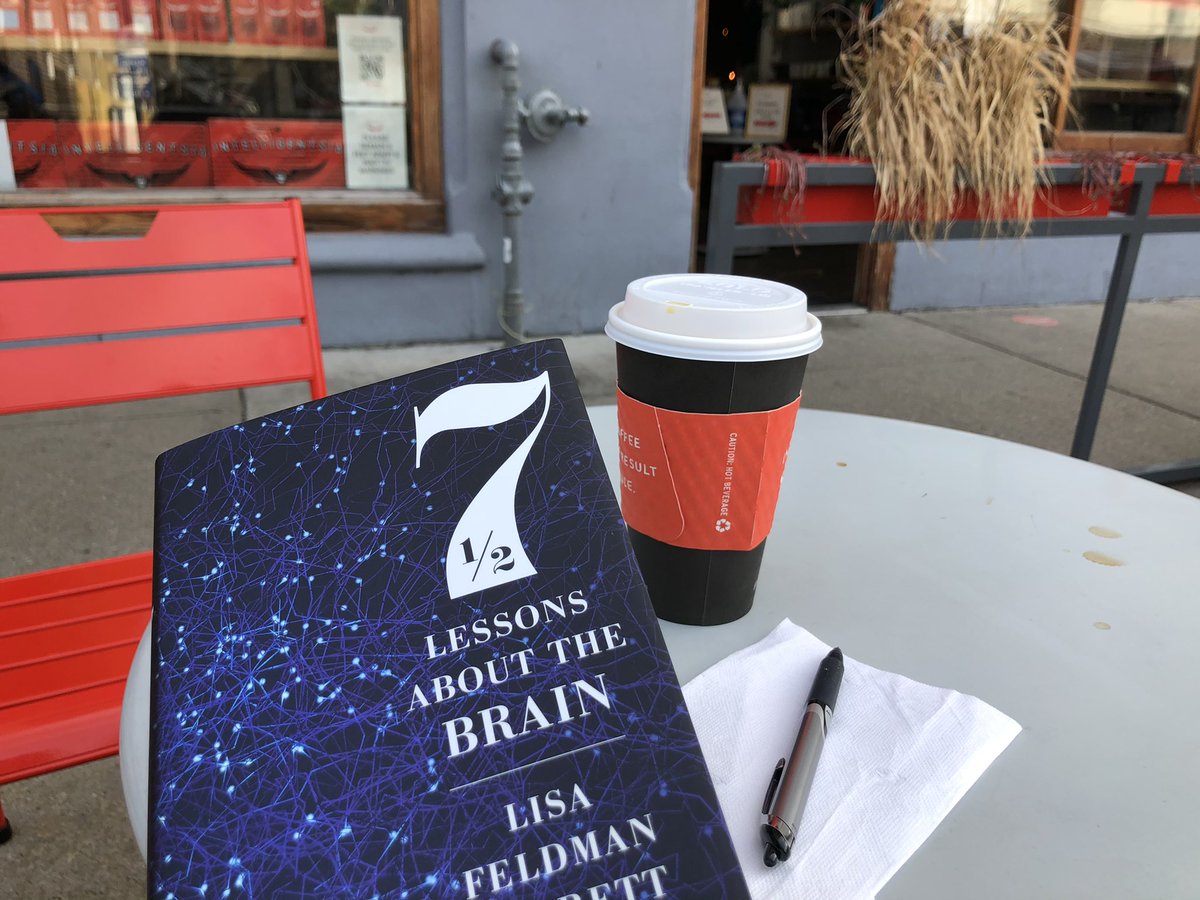
“In short, your brain’s most important job is not thinking. It’s running a little worm body that has become very, very complicated…”
—
Been waiting on this for months, and it’s as good as I expected! Thank you, @LFeldmanBarrett
1
3
13
Interdisciplinary Affective Science Lab retweeted
21 Nov 2020
Looks like @HarvardBiz needs to keep up to date on the scientific literature. Outdated articles like this one are so unfortunate. journals.sagepub.com/stoken/…
4
22
Interdisciplinary Affective Science Lab retweeted
20 Nov 2020
David Brooks' (@NYTDavidBrooks) column today is a beacon for engaging with others in these polarized times. nytimes.com/2020/11/19/opini…
2
6
28
Interdisciplinary Affective Science Lab retweeted
20 Nov 2020
Thank you for the book review, @BookPage! bookpage.com/reviews/25740-l…
1
1
9
Interdisciplinary Affective Science Lab retweeted
20 Nov 2020
Podcasts on the science of mind & brain. (Lots of new ones.) lisafeldmanbarrett.com/podca…
3
5
28
Interdisciplinary Affective Science Lab retweeted
20 Nov 2020
Shout out to @HarvardBooks, one of my favorite local independent bookstores, for featuring "Seven and a Half Lessons About the Brain" in on their (virtual) new release bookshelf. shop.harvard.com/book/978035…
2
3
27
Interdisciplinary Affective Science Lab retweeted
20 Nov 2020
Author George Hammond ("Conversations With Socrates") and I will be livestreaming a conversation about the brain, hosted by the Commonwealth Club (online) on Tuesday, December 1! Topic: "7-1/2 LESSONS ABOUT THE BRAIN." Registration is required. bit.ly/3kqcn5J
1
10
Interdisciplinary Affective Science Lab retweeted
20 Nov 2020
In case you missed Round 1... youtube.com/watch?v=NbdRIVCB…
2
5
30
Interdisciplinary Affective Science Lab retweeted
20 Nov 2020
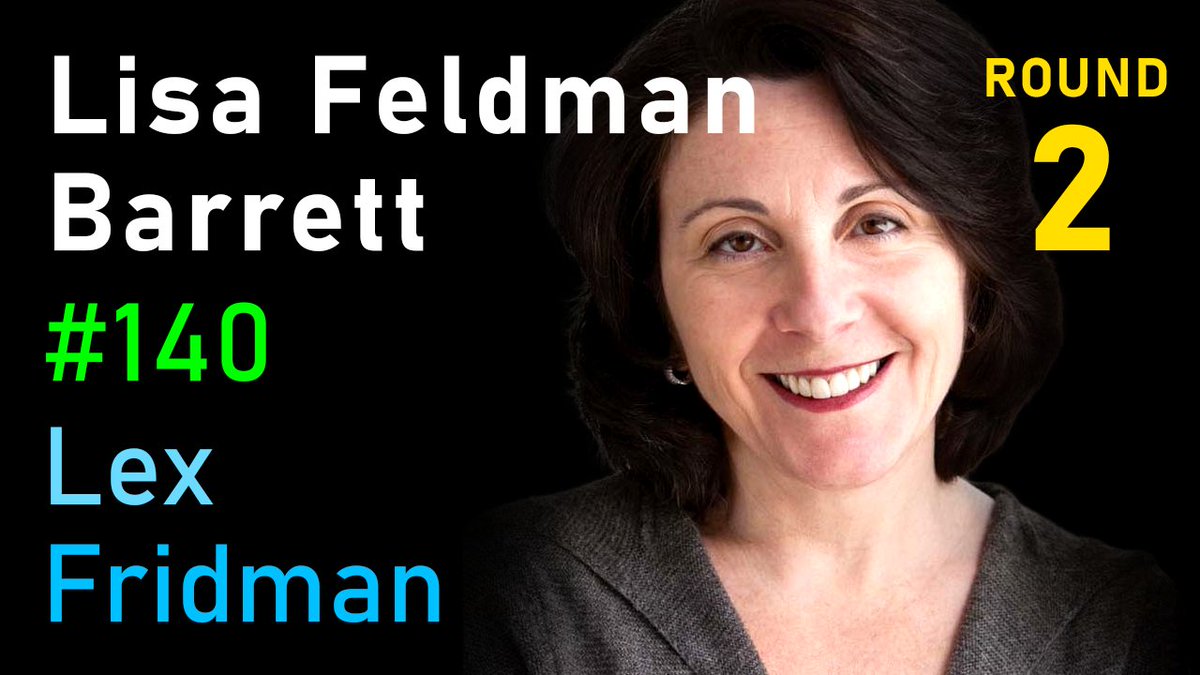
Lex (@LexFridman) asked me back on his show for "Round 2" of our in-depth conversation about mind, brain, and the meaning of life. youtube.com/watch?v=S_AFc_BX…
20 Nov 2020

Here's my conversation with Lisa Feldman Barrett (@LFeldmanBarrett) about love, evolution, and the human mind. youtube.com/watch?v=S_AFc_BX…
17
27
297
Interdisciplinary Affective Science Lab retweeted
20 Nov 2020
5
30
Interdisciplinary Affective Science Lab retweeted

20 Nov 2020
From @anniemurphypaul in @GlobeIdeas: @Northeastern professor of psychology @LFeldmanBarrett shows how emotions don't get in the way of thinking — they enhance it. trib.al/346vX0K
1
1
1
Interdisciplinary Affective Science Lab retweeted
20 Nov 2020
So happy! nextbigideaclub.com/magazine…
4
4
29
Interdisciplinary Affective Science Lab retweeted

20 Nov 2020
Are you looking for advice about applying for graduate school? @NYUPsych faculty and PhD students have made a news series of short videos with advice for all elements of your application: youtube.com/channel/UCFJqR8R…
Here are my tips on crafting your CV: youtube.com/watch?v=WD26xY7y…

1
15
47
Interdisciplinary Affective Science Lab retweeted

20 Nov 2020
Much of what you think you know about the brain is wrong, writes @anniemurphypaul. @LFeldmanBarrett's work can change that — and to help you make your life better in the process. trib.al/p1ezYox
1
1
5
Interdisciplinary Affective Science Lab retweeted

20 Nov 2020
More research is necessary to clarify these findings! The authors end by discussing all the different, exciting future directions we can take as affective scientists to improve our ability to answer these questions!
1
2
Interdisciplinary Affective Science Lab retweeted
20 Nov 2020
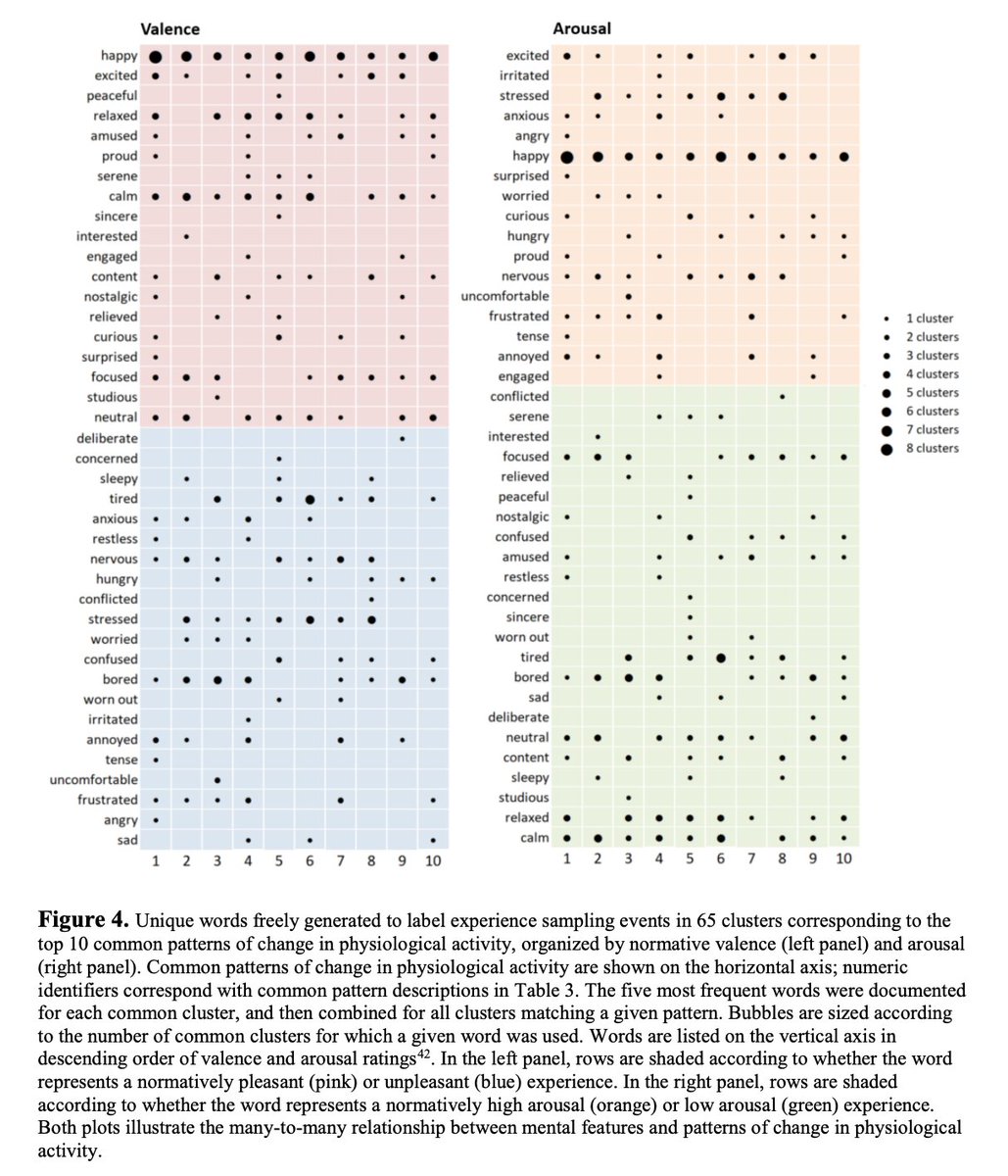
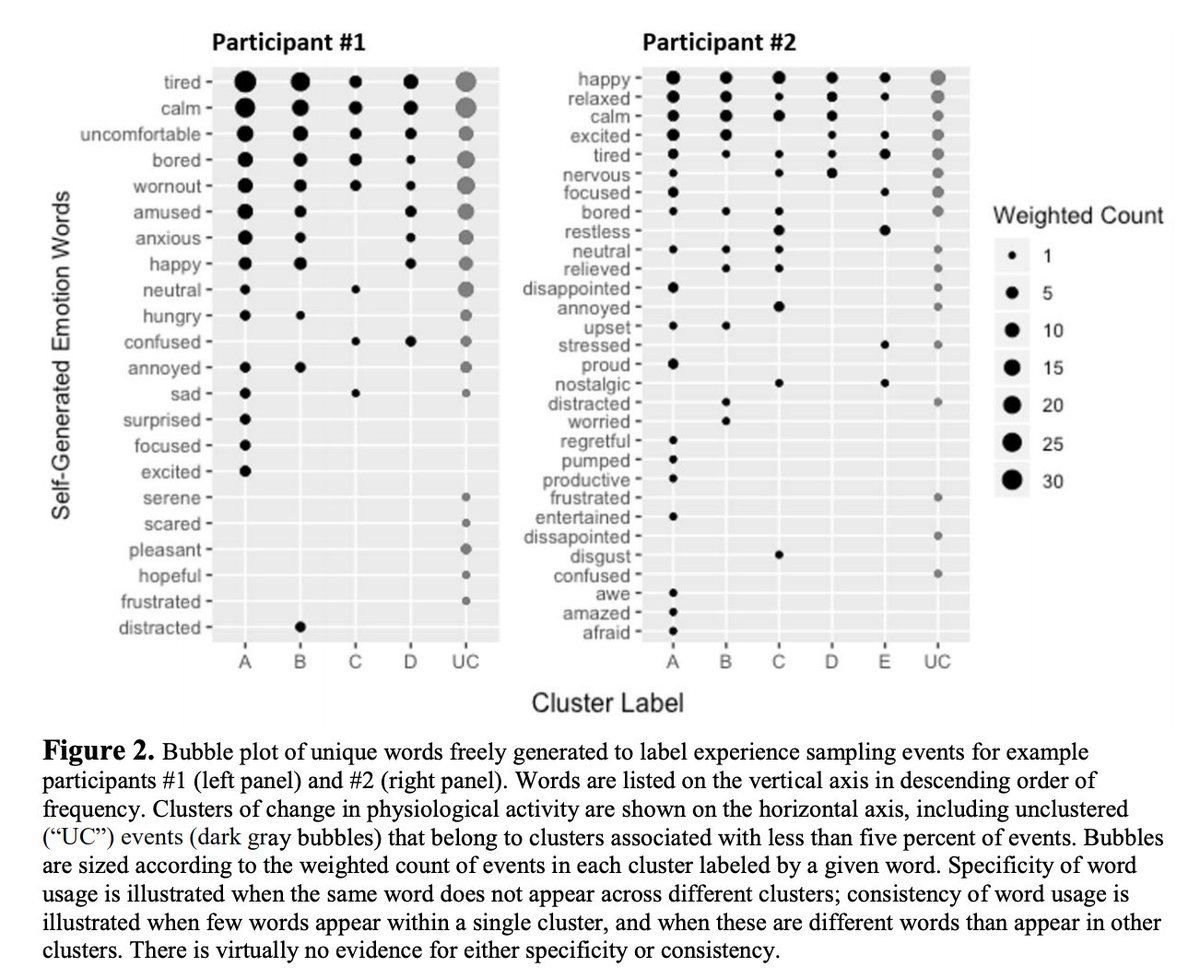
The authors discuss 2 potential explanations for these outcomes that require future study - either our methods for assessing emotion have flaws, or our emotion categories are not equally useful for understanding biological signals across individuals/contexts
1
1
4
Interdisciplinary Affective Science Lab retweeted
20 Nov 2020
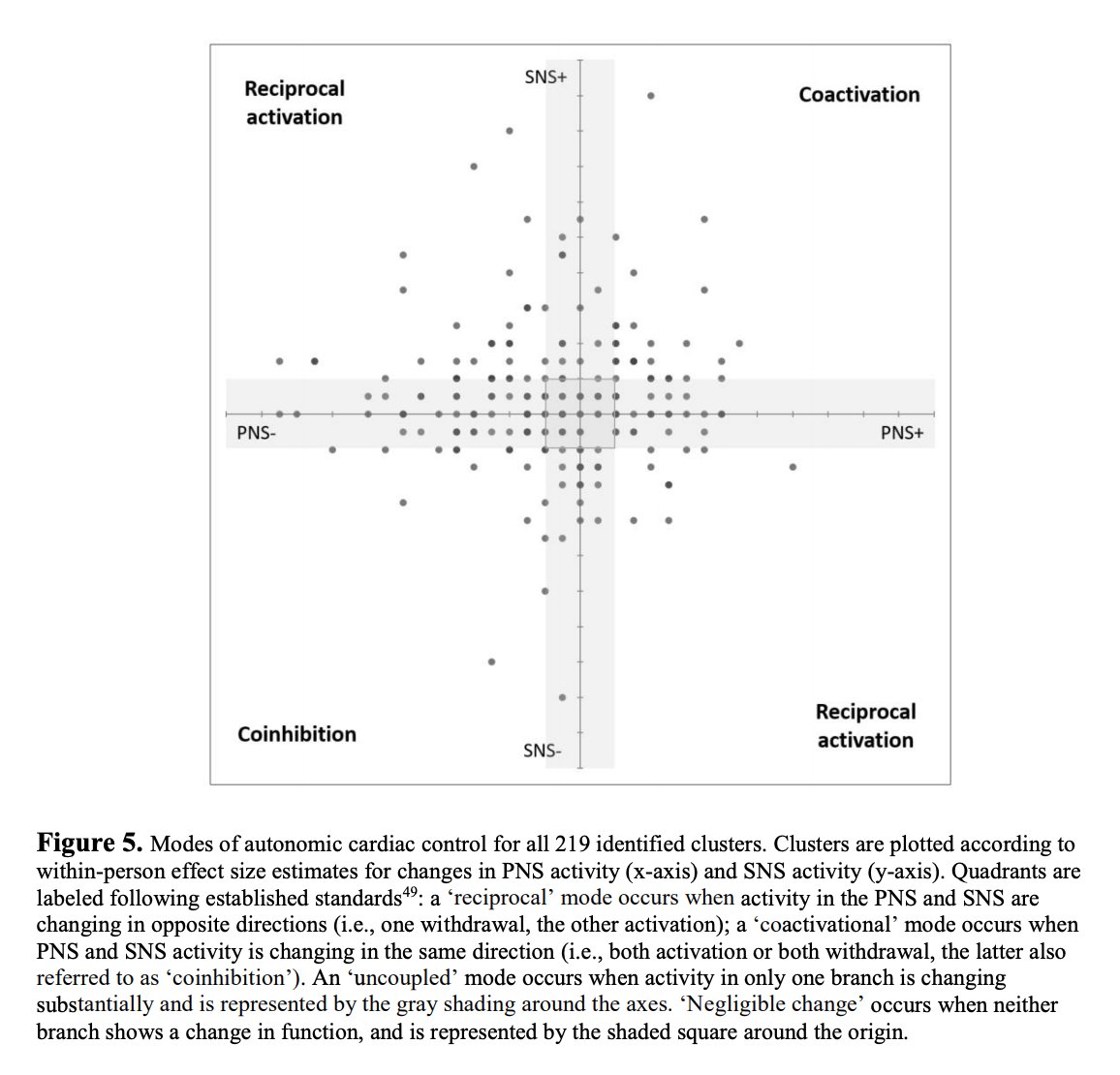
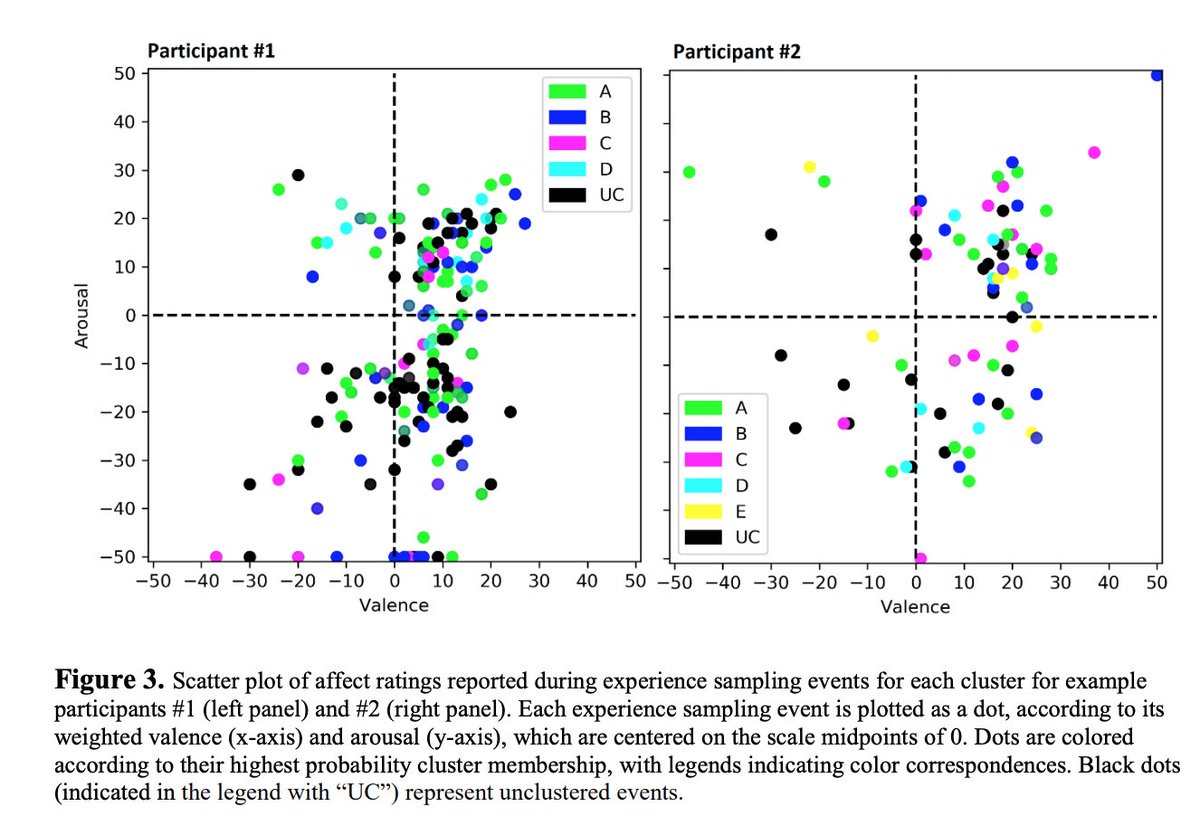
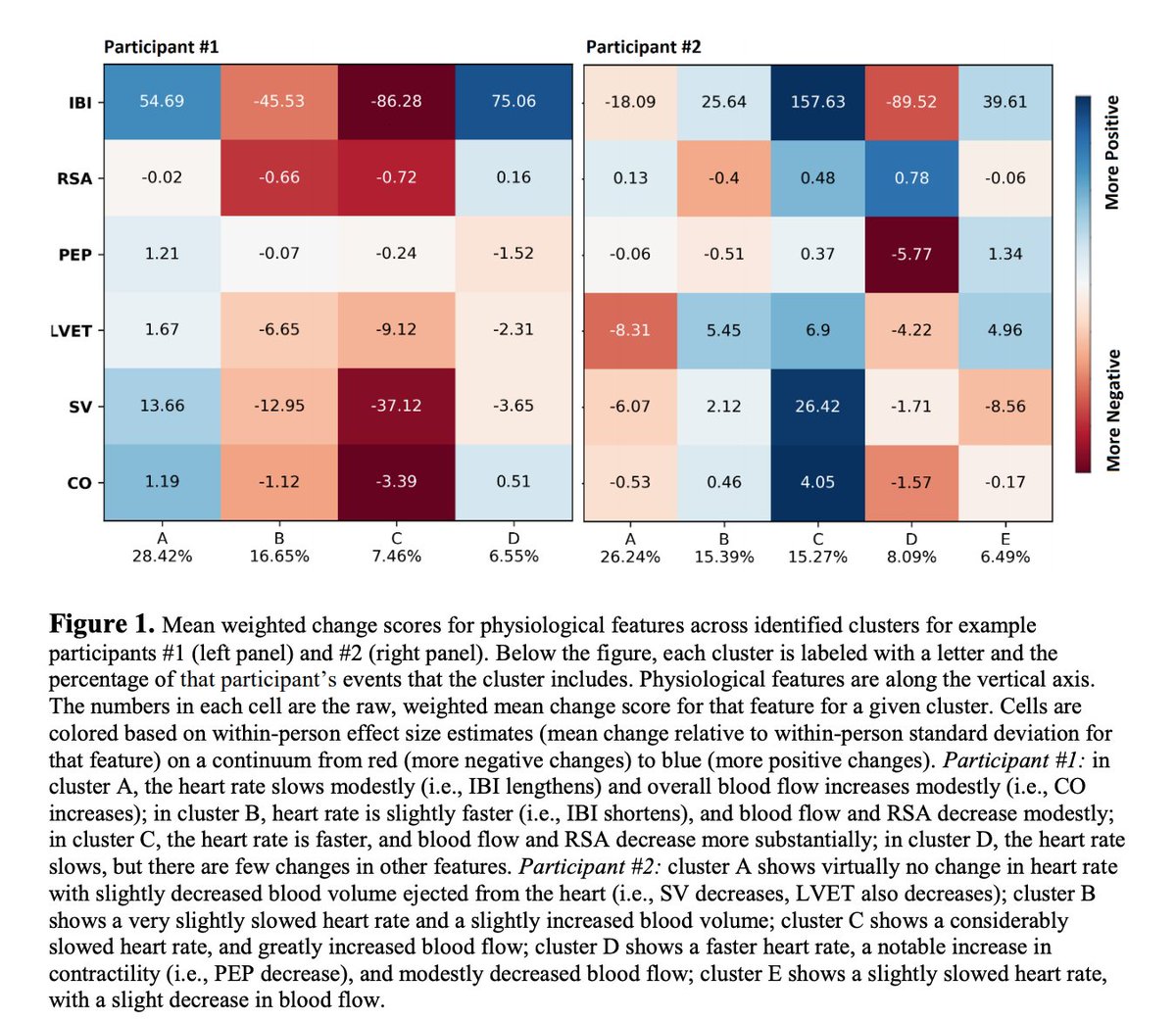
Overall, above-chance classification accuracy was seen in the supervised clustering methods - emotion categories are telling us *something* about these signals. However, the unsupervised analyses did not correspond with emotion category labels across datasets
1
1
2
Interdisciplinary Affective Science Lab retweeted
20 Nov 2020
Using machine learning, they studied the correspondence of emotion labels with fMRI BOLD, autonomic nervous system, & self-reports of experience data, comparing supervised (using emotion categories) vs. unsupervised (no pre-assigned labels) clustering methods
1
1
2
Interdisciplinary Affective Science Lab retweeted
20 Nov 2020
New @nresearchnews by @Northeastern researchers @LFeldmanBarrett @AjayBSatpute & others contribute to the ongoing discussion of whether our Western folk emotion categories have utility in distinguishing brain, body, & behavior signals nature.com/articles/s41598-0…
1
2
10