
Unleashing every child’s athletic potential by providing evidence-based CPD to Primary School professionals.
Joined July 2018
- Tweets 254
- Following 331
- Followers 255
- Likes 343
13 Photos and videos
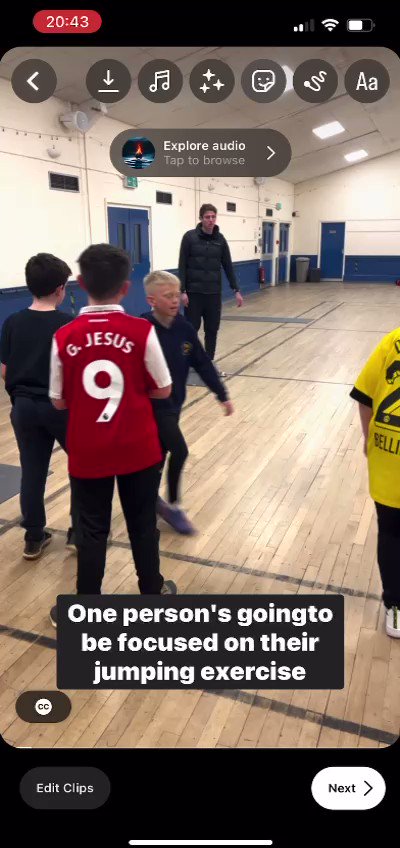
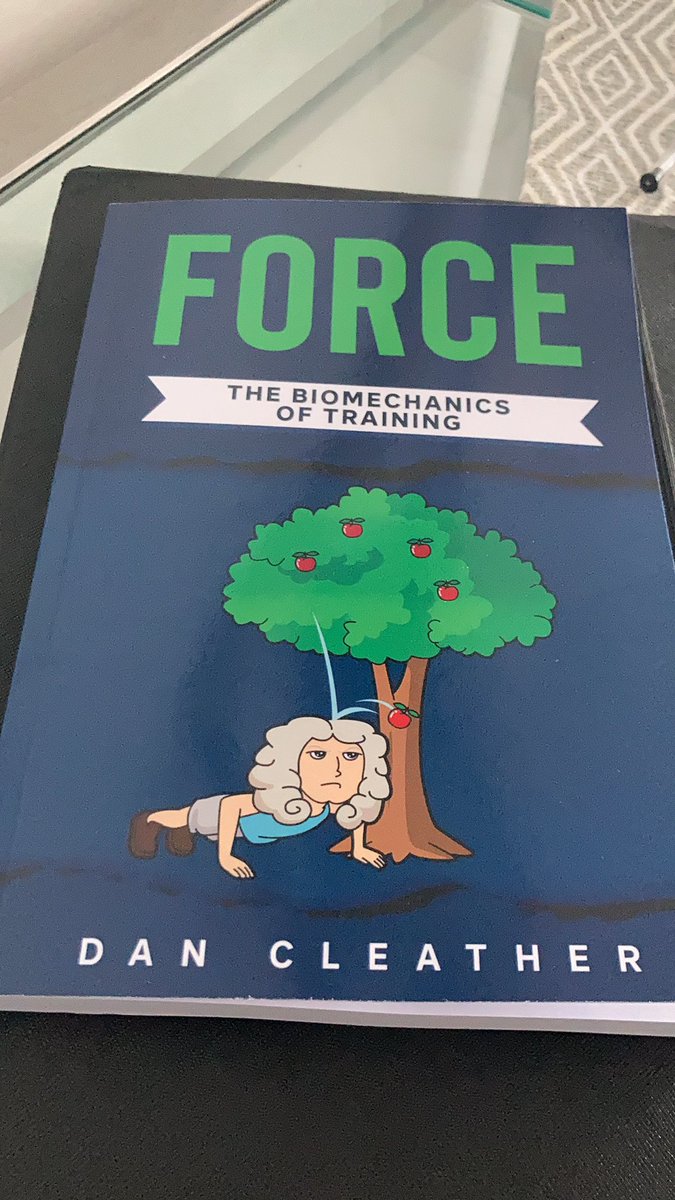

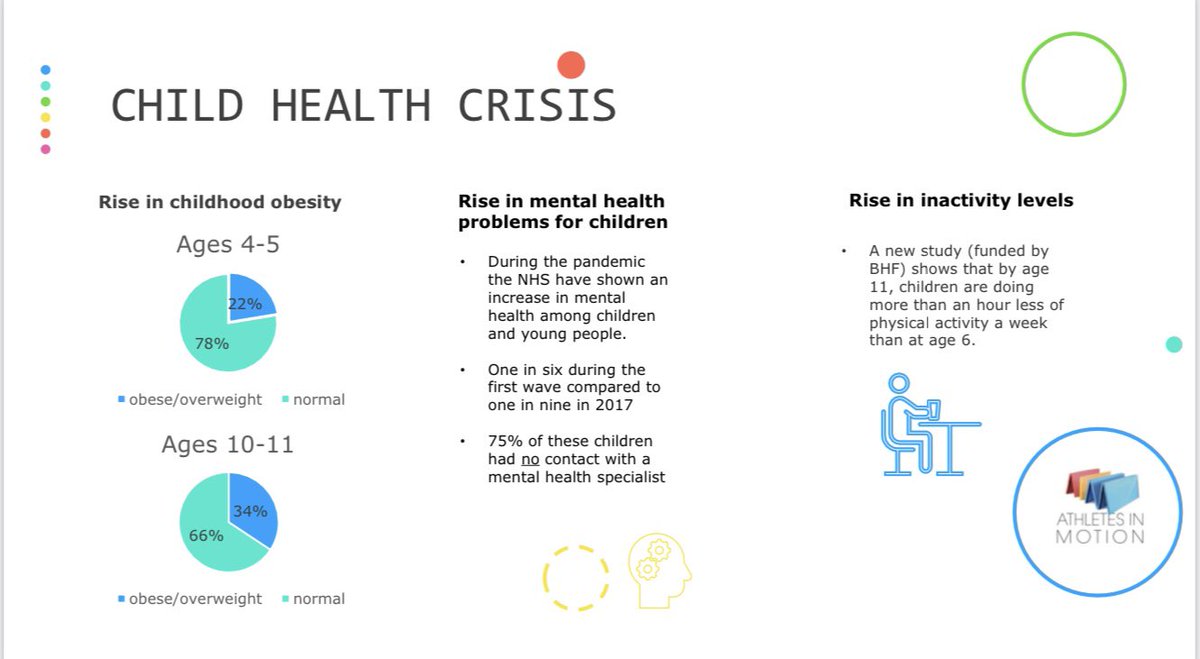

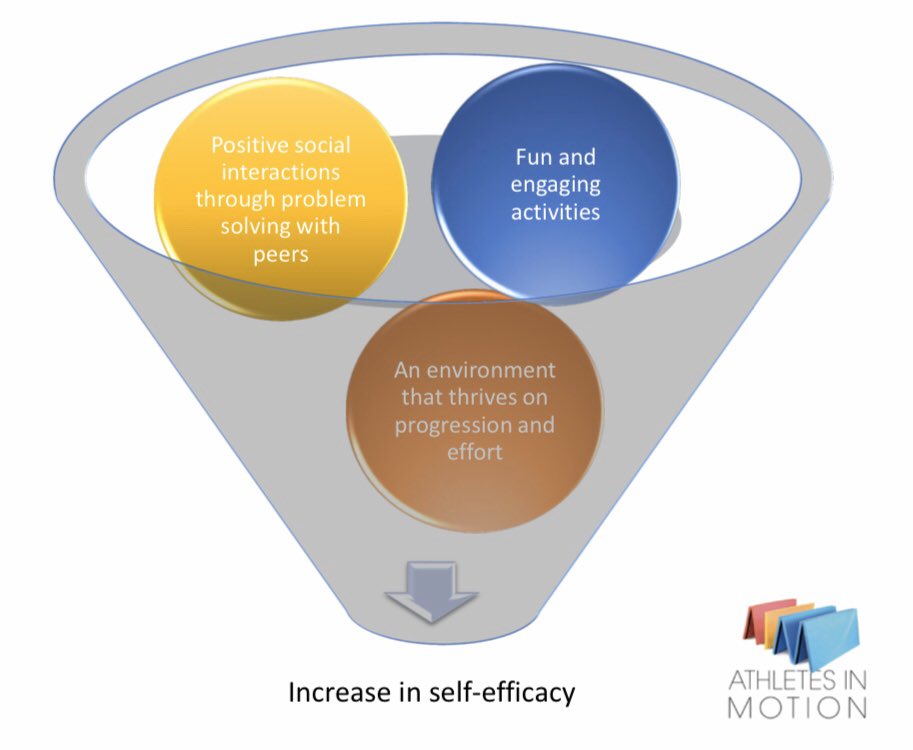
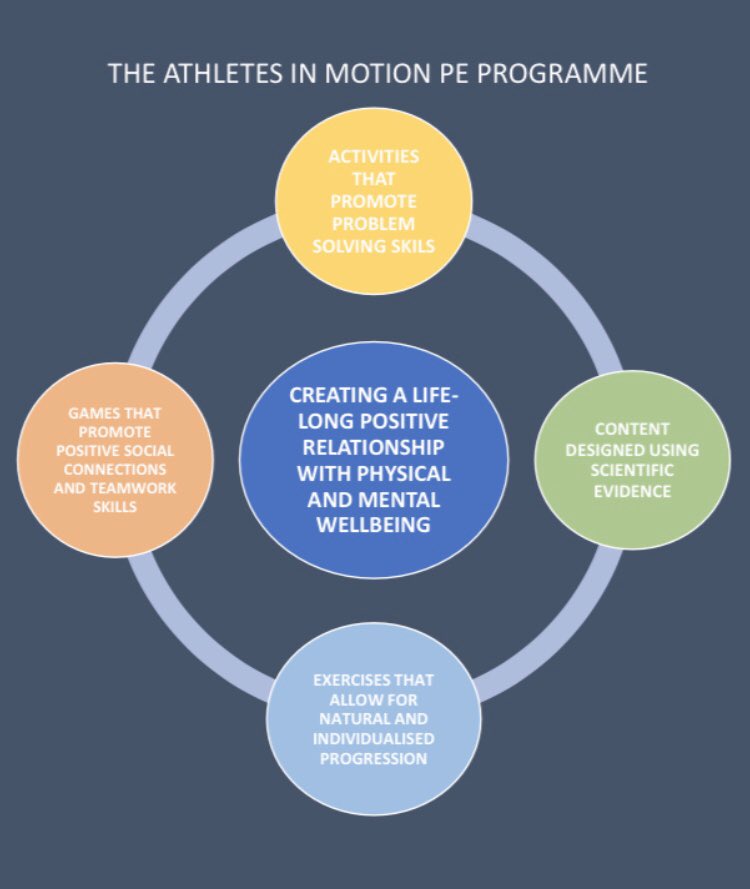
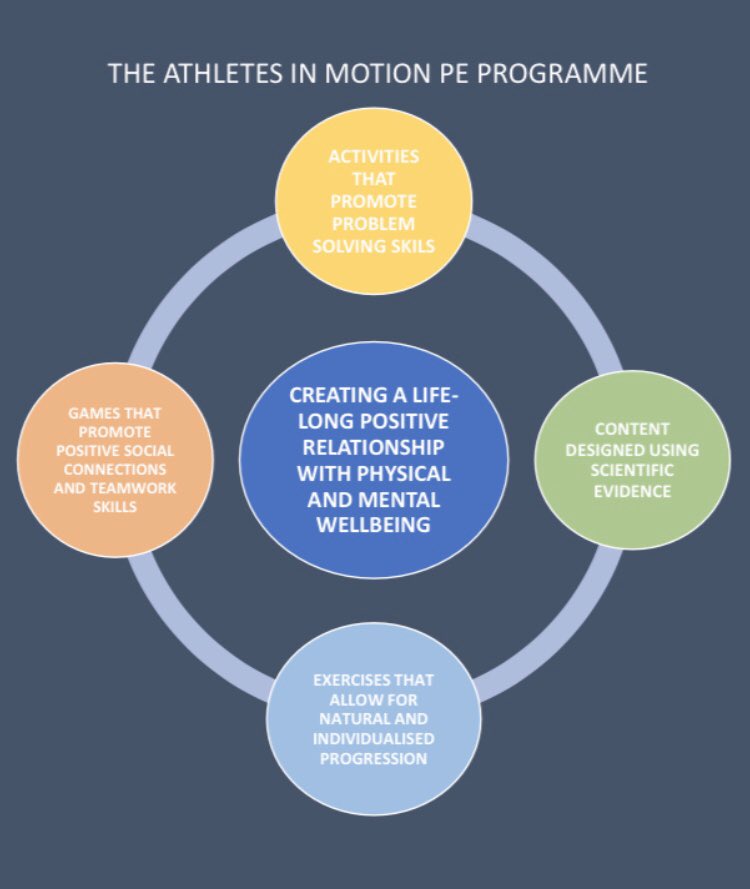

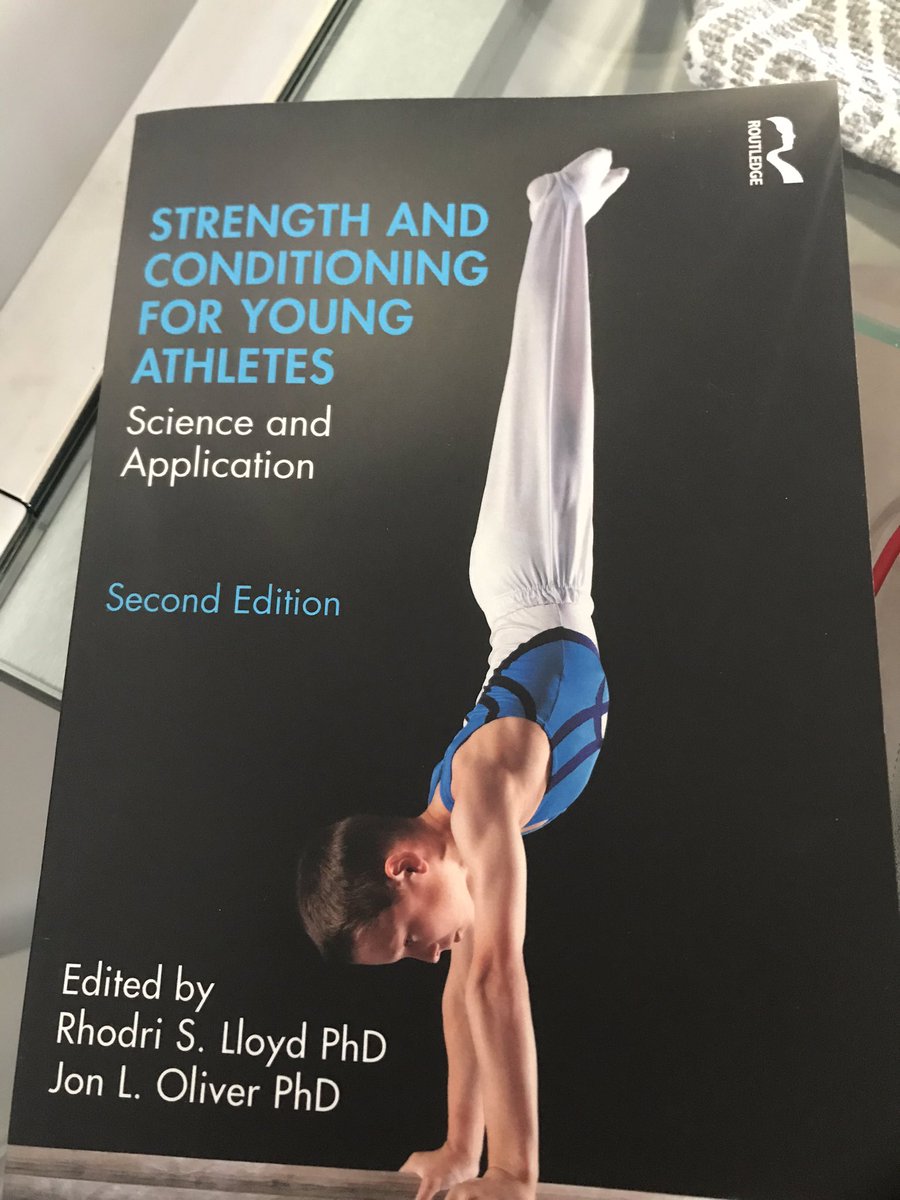
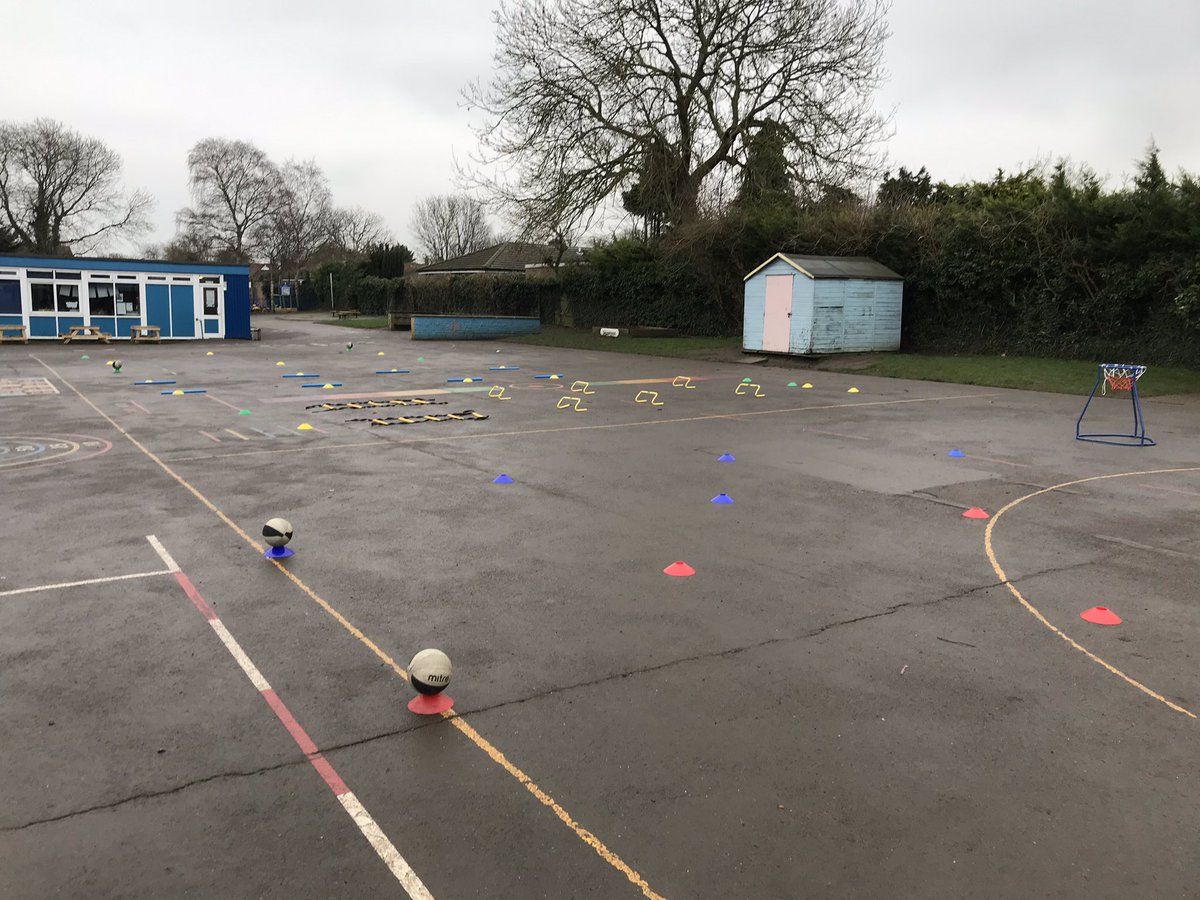


MSc in Youth Athletic Development at @YPD_CardiffMet ✅
Absolutely loved the course! Which has massively strengthened my quest to revolutionise Primary School PE.
Incredible teaching team! @John_Radnor @SylviaMoeskops @DrJonOliver @DrRSLloyd @Pedley_J @stephmorris979
#AIM
1
6
2,840
Applying the Athletic Motor Skill Competencies to the Primary School PE curriculum will revolutionise the subject whilst unleashing every child’s athletic potential.
We’ve ran three successful CPD workshops in primary schools in 2025, if you would like to know more send a dm 💪🏼
58
AIM PE retweeted

4 Mar 2025
Are you interested in youth athletic development? If so, you may want to learn more about our MSc in the topic @cardiffmet. We have an online open day on Thursday 6th March at 1200 and you can sign up here…
cardiffmet.ac.uk/study/open-…
2
1
386
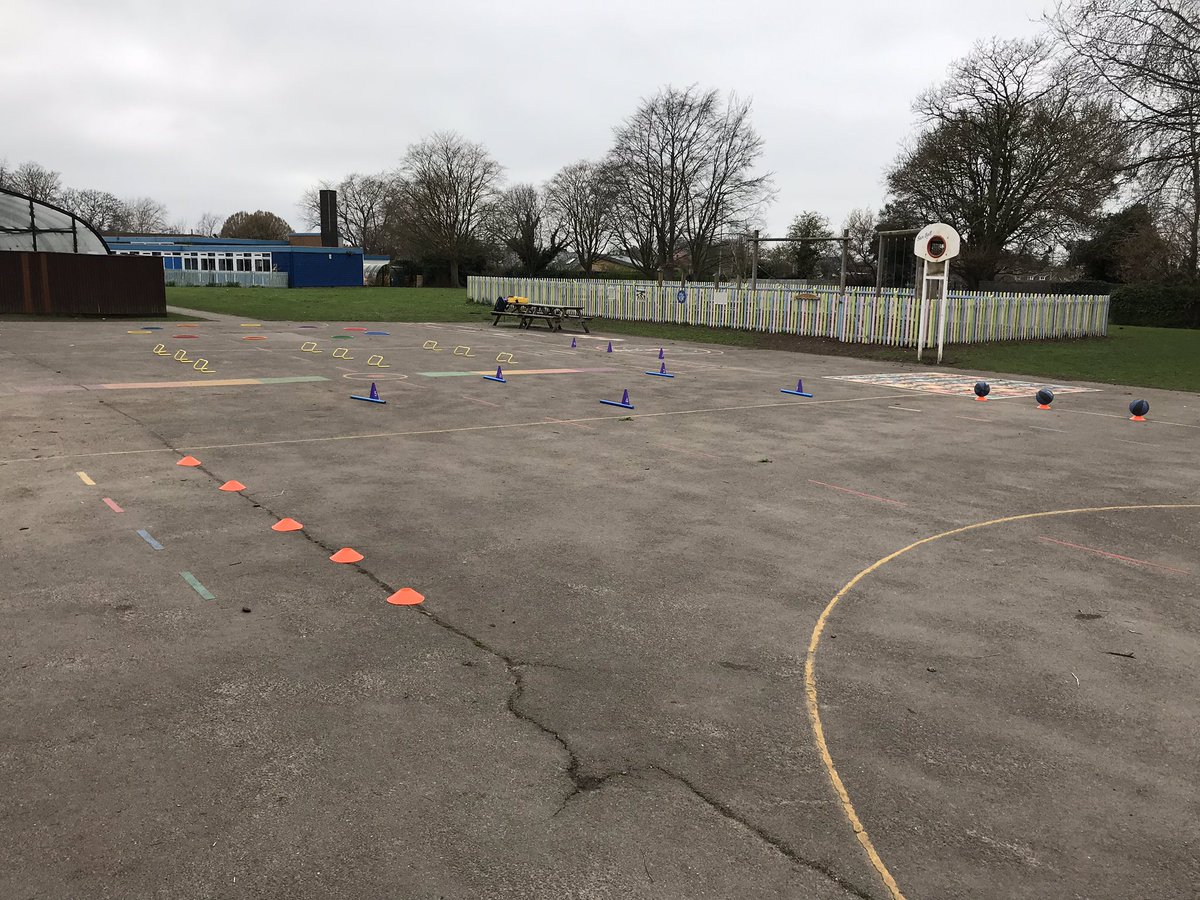
Imagine primary schools in the UK having facilities like this 🙌🏻
28 Aug 2024

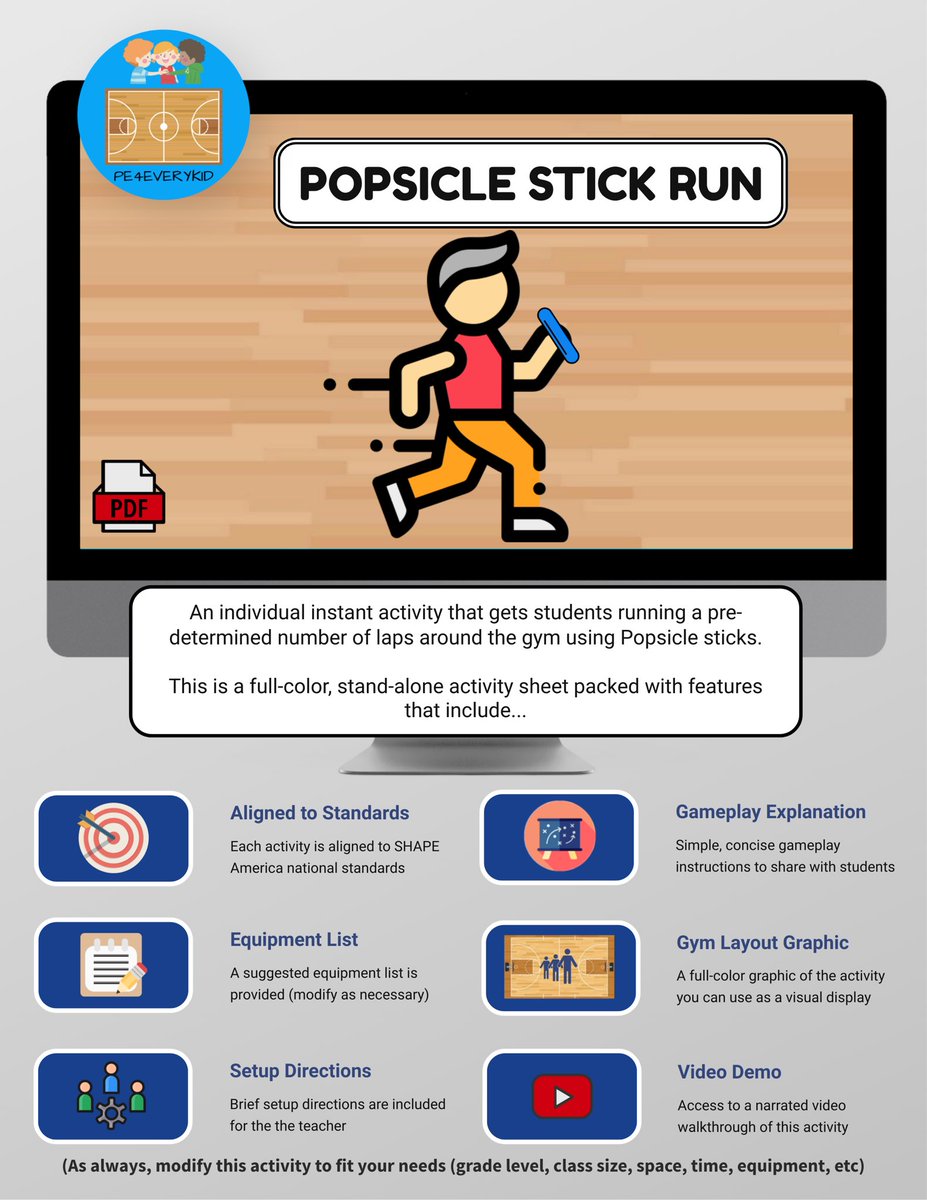
Grade 1 & 2 instant activity called “Popsicle Stick Run” 🏃 pe4everykid.samcart.com/prod…
#physed #physicaleducation #warmup #elementarype
1
3
349
AIM PE retweeted

12 Jul 2024
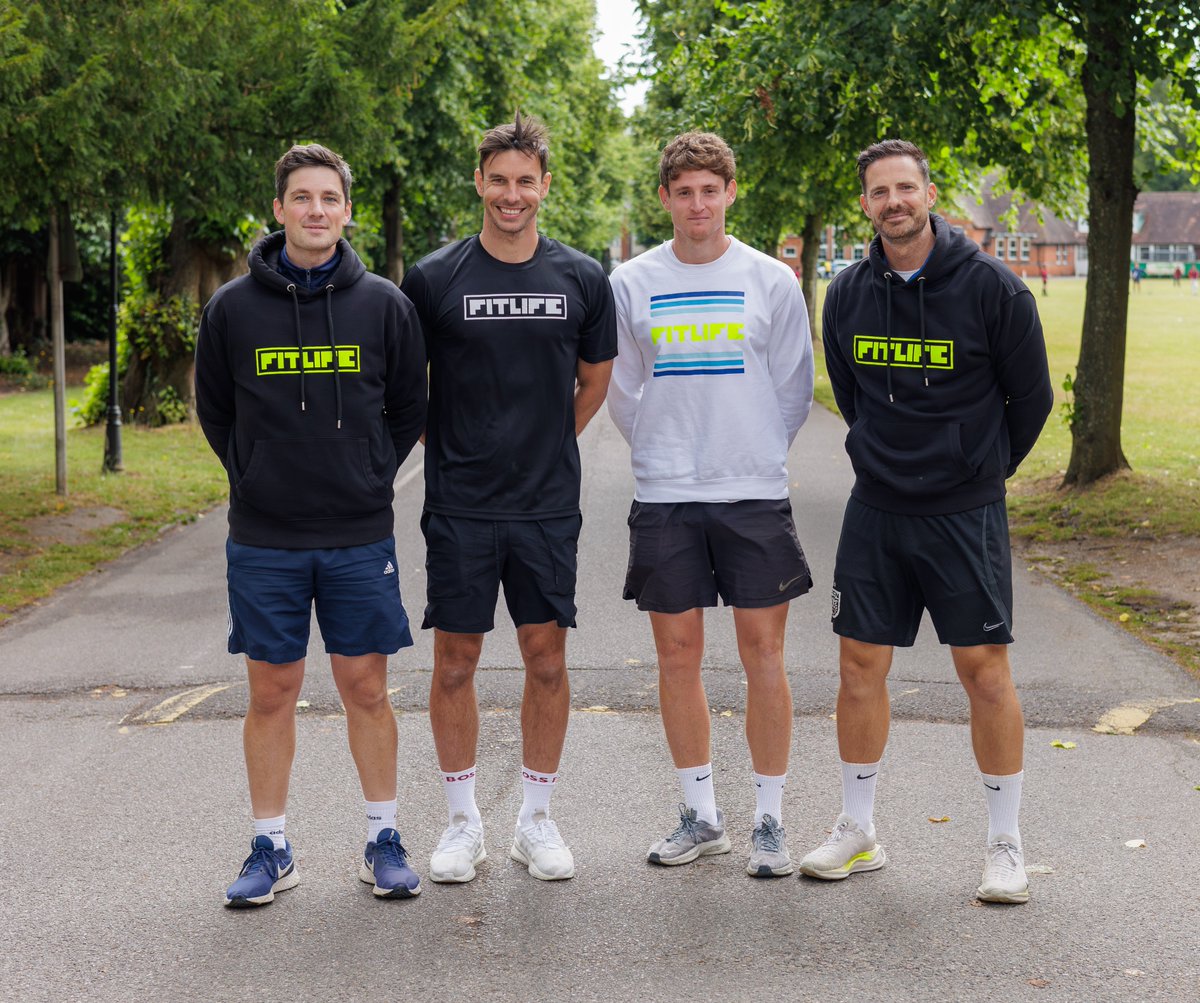
This week, we welcomed Steven Gregory and Laurence Clark from @Fitlife_uk. We are excited to officially announce our partnership with them as part of the Kenwrick Sports Pathway (KSP), launching in September 2024.
#ReadingSchool #KSP #sports #fitness #athletes #wellbeing
2
4
1,298
Daily PE lessons, where facilitating the exploration of movement takes precedence.
18 Jun 2024

What would you change about the primary curriculum if you were the new government? What do we need more of/less of?
1
138

AIM PE retweeted
4 Jun 2024
🚨Are you an undergrad student finishing your BSc and want to specialise in youth? Have you been working in industry and want to study a MSc? Check out the MSc Youth Athletic Development, aimed at S&C coaches, physios, sports coaches, and PE teachers
cardiffmet.ac.uk/sportandhea…
1
8
14
7,131
Engage, Explore, Evolve…
7 Mar 2024

YOUTH ATHLETIC DEVELOPMENT:
Learning/teaching sporting technique is a problem solving activity. In order to solve the movement problem(if there even is one), the young athlete needs the physical/tools to solve those problems.
In the early years, young athletes can develop those tools through exploration and diversity of movement.
For example we can teach throwing by exposing the young athlete to a variety of different throws. They can throw overhand, underhand, sidearm etc...they can throw a baseball, a football, tennis ball, weighted ball etc...they can throw in a squared stance, from a knee, on one foot, from a mound, jumping in the air etc...they can throw for distance, height, a stationary target, moving target etc...they can play games that involve all the above.
Another example is sprinting.
The young athlete can sprint over flat ground, uphill, down hill, over obstacles etc...they can race or chase a partner, sprint for time, relay races etc...they can be resisted, push a sled, hold a medicine ball etc. They can run forwards, sideways, backwards, with changes of direction or any combination of the above. They can start from many different positions, back, belly, side, Knees, 1/2 kneeling etc. Arms, 1 arm, no arm, arms overhead etc...play games that involve short bursts and changes of direction.
As you can see the movement foundation young athletes can develop is largely limited by creativity. By exposing the young athlete to a certain movement a thousand different ways they develop a wide foundation of that skill.
When the time is right and the young athlete is mature enough to understand, these skills give the young athlete the tools to refine movement technique for a more sport specific purpose for example in the case of throwing maybe becoming a pitcher or a QB.
#LTAD
3
224
AIM PE retweeted
1 Mar 2024
Thanks for the kind words Laurence. Glad you enjoyed the MSc, you’ve done brilliantly and I’m looking forward to seeing where you take the business next!

MSc in Youth Athletic Development at @YPD_CardiffMet ✅
Absolutely loved the course! Which has massively strengthened my quest to revolutionise Primary School PE.
Incredible teaching team! @John_Radnor @SylviaMoeskops @DrJonOliver @DrRSLloyd @Pedley_J @stephmorris979
#AIM
1
2
995
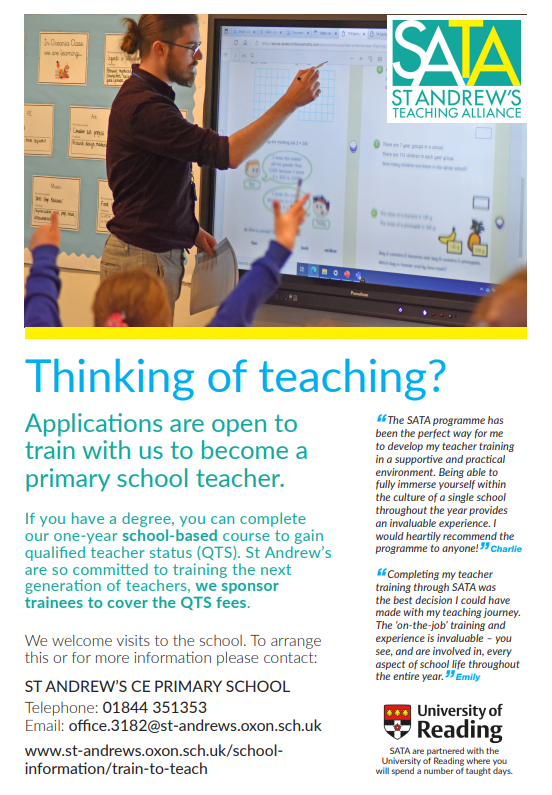
Looking forward to running our first ever CPD course for Primary School teachers next Monday at @StAndrewsOxon … Unleashing every child’s athletic potential by playing games that utilise their AMSC 🧗🏽♀️
After the excellent feedback from Ofsted we are delighted to say that we will be running our first ever CPD day in November.
The one day course will provide primary school teachers with valuable and necessary tools that will enable them to teach an Outstanding PE programme 💪🏼
1
5
1,878