Joined January 2016
- Tweets 1,618
- Following 251
- Followers 345
- Likes 5,824
132 Photos and videos

11 Nov 2024
Nuevo podcast #delaciencialbosque en el que entrevistamos a la olímpica Elena Espeso, Leny, donde nos cuenta su paso de la orientación a los JJOO de Londres 2012. Entrenamiento, dificultades, vuelta a la orientación...
ivoox.com/de-orientacion-a-j…
orientacionysalud.es/podcast…
1
5
104
10 Oct 2024
Nuevo podcast en #delaciencialbosque titulado ¿Por qué volvemos a caer en los mismos errores? Nos pasa mucho en el #deportedeorientación....
go.ivoox.com/rf/134685528
orientacionysalud.es/podcast…
1
59
8 Aug 2024
Nuevo podcast en #delaciencialbosque. Entrevistamos a Álvaro Casado, que nos habla de su trabajo “Diferencias de carga interna según el terreno para orientadores” y de su preparación para eventos importantes. No dejes de oírlo!
orientacionysalud.es/podcast…
ivoox.com/entrevista-a-alvar…
1
9
125

🧭🗺️ Este jueves ha comenzado el 🏆 #WUOC2024 en 🇧🇬 Bulgaria con el sprint, donde 🇪🇸 España ha logrado su primer 🥇 oro en categoría absoluta de O-Pie con la victoria de 🏃♀️ Ana Toledo.
🔗 fedo.org/web/selecciones/esp…
#TeamSpainWUOC #orienteering #orientación
3
7
212
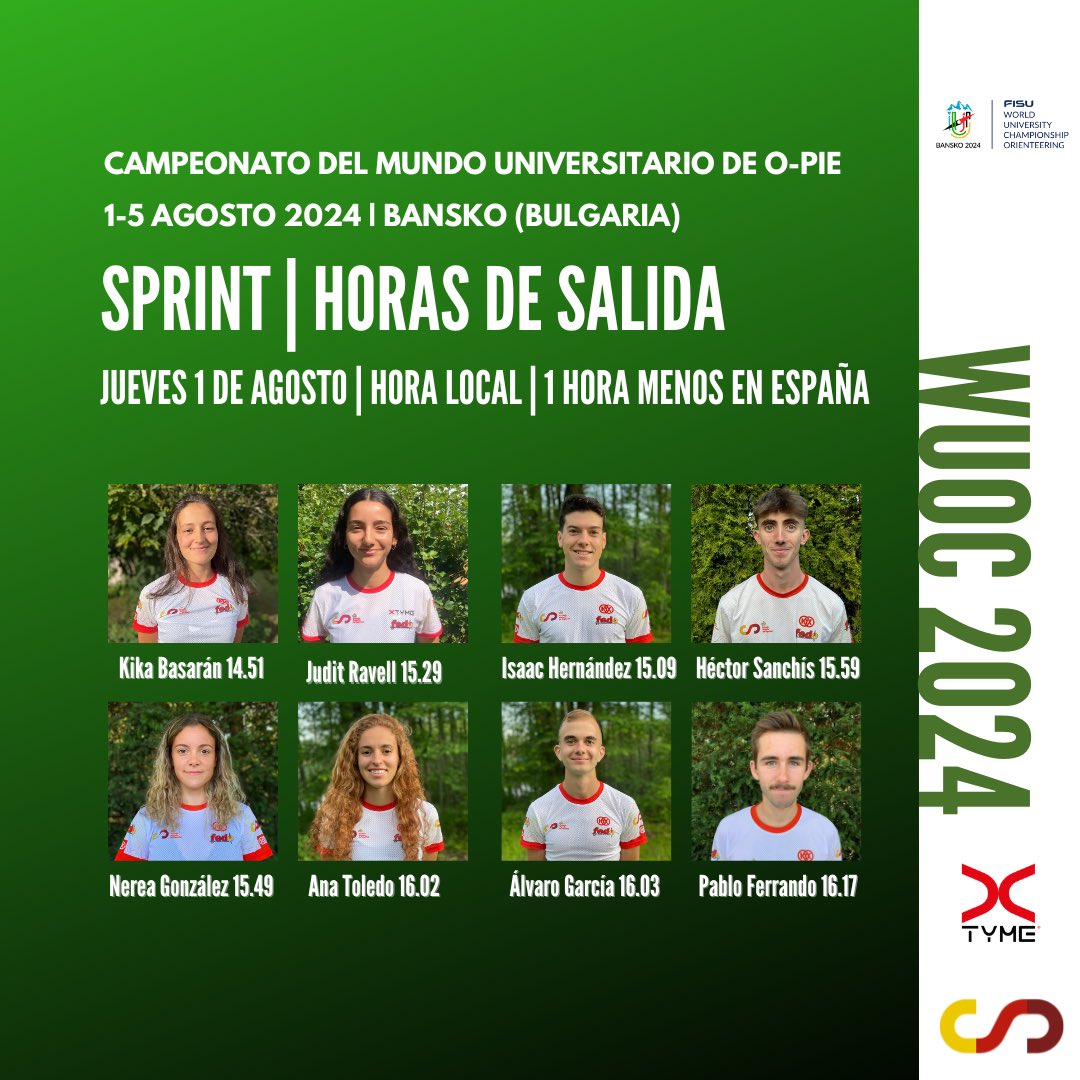
🙌🏼 Esta tarde comienza la competición en el Campeonato del Mundo Universitario de O-Pie 2024
🇧🇬 Bulgaria recibe la cita, que comenzará a las 14.30 (hora local, 1 hora menos en España)
🔗Live Centre: bit.ly/46qrJkl
📺TV: bit.ly/3SrLdzh
2
1
235
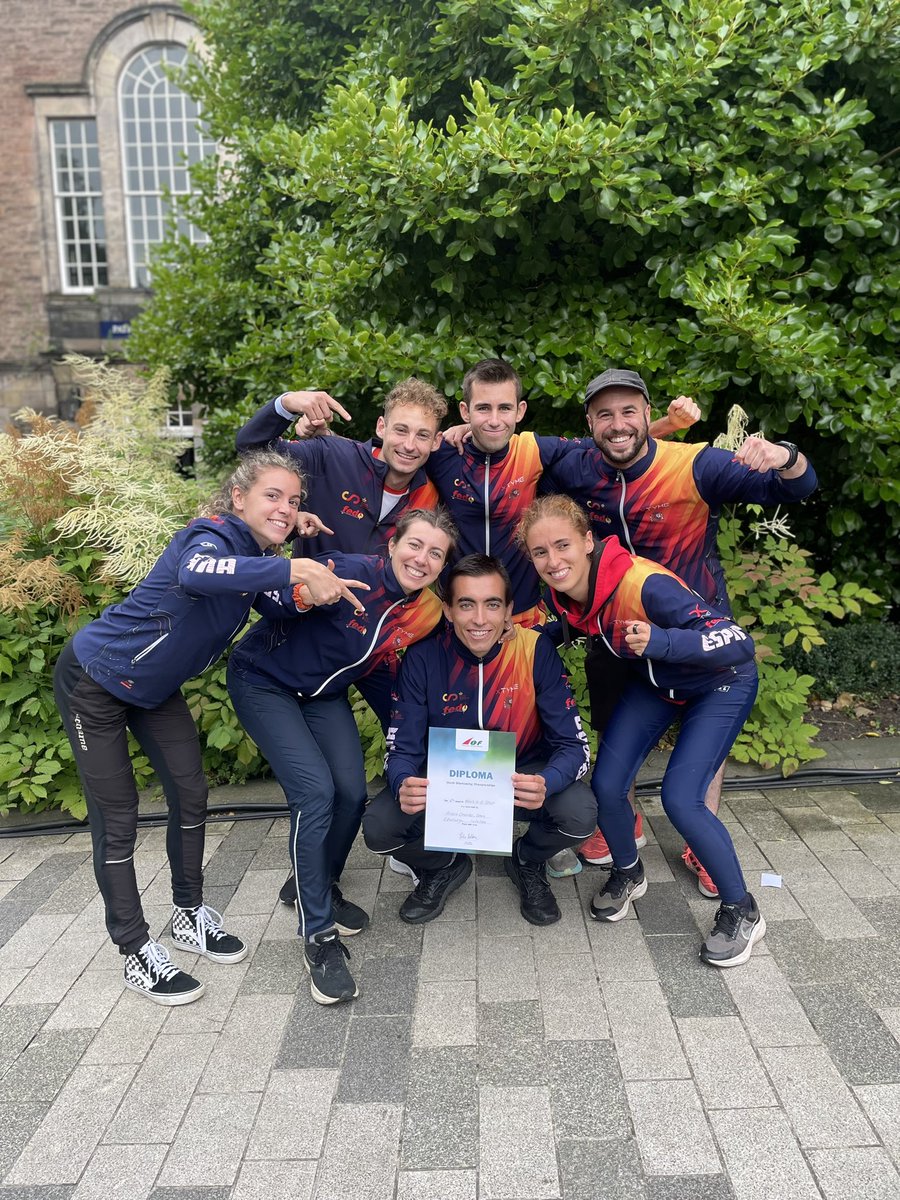
🔥🇪🇸 ¡Histórico Álvaro Casado!
🔝Nuestro #TeamSpainWOC ha logrado la mejor posición para nuestro país en un Campeonato del Mundo Absoluto de O-Pie
👑6º del 🌍 en el knock-out sprint
6
22
343
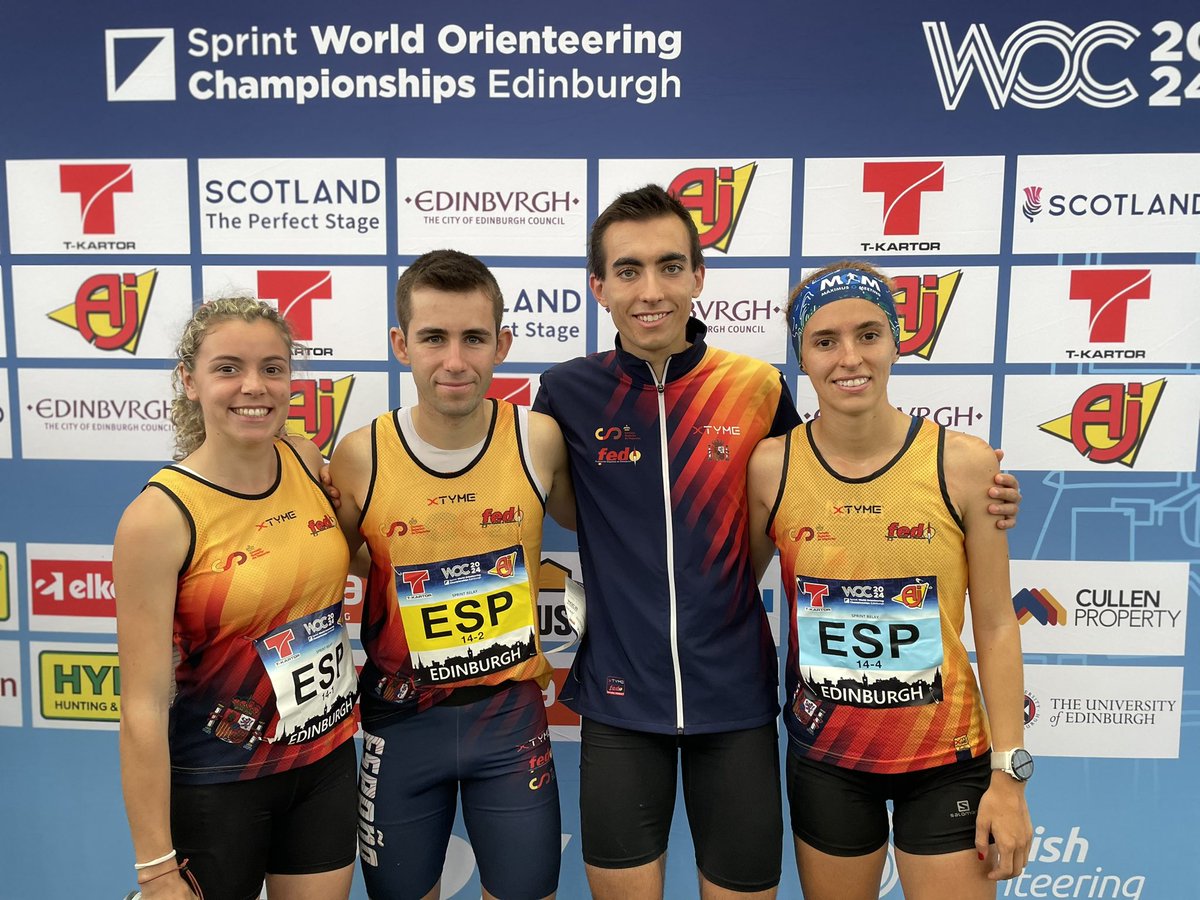
🔝🇪🇸 ¡Histórico relevo para España en el Campeonato del Mundo de O-Pie!
👉🏼9ª plaza para el equipo formado por Nerea González, Pablo Ferrando, Álvaro Casado y Ana Toledo.
⭐️Mejor puesto histórico para España en esta prueba en un #WOC
#TeamSpainWOC | Es nuestro mundial 🌎
7
22
551
Esta tarde, a los pies del 🏰 castillo de Edimburgo 🏴 se celebraba la final del sprint del 🏆 Campeonato del 🌍 Mundo de 🧭🗺️ #Orientación a Pie 2024.
🔗 fedo.org/web/selecciones/esp…
@woc2024 #WOC2024 #orienteering #TeamSpain
4
6
262
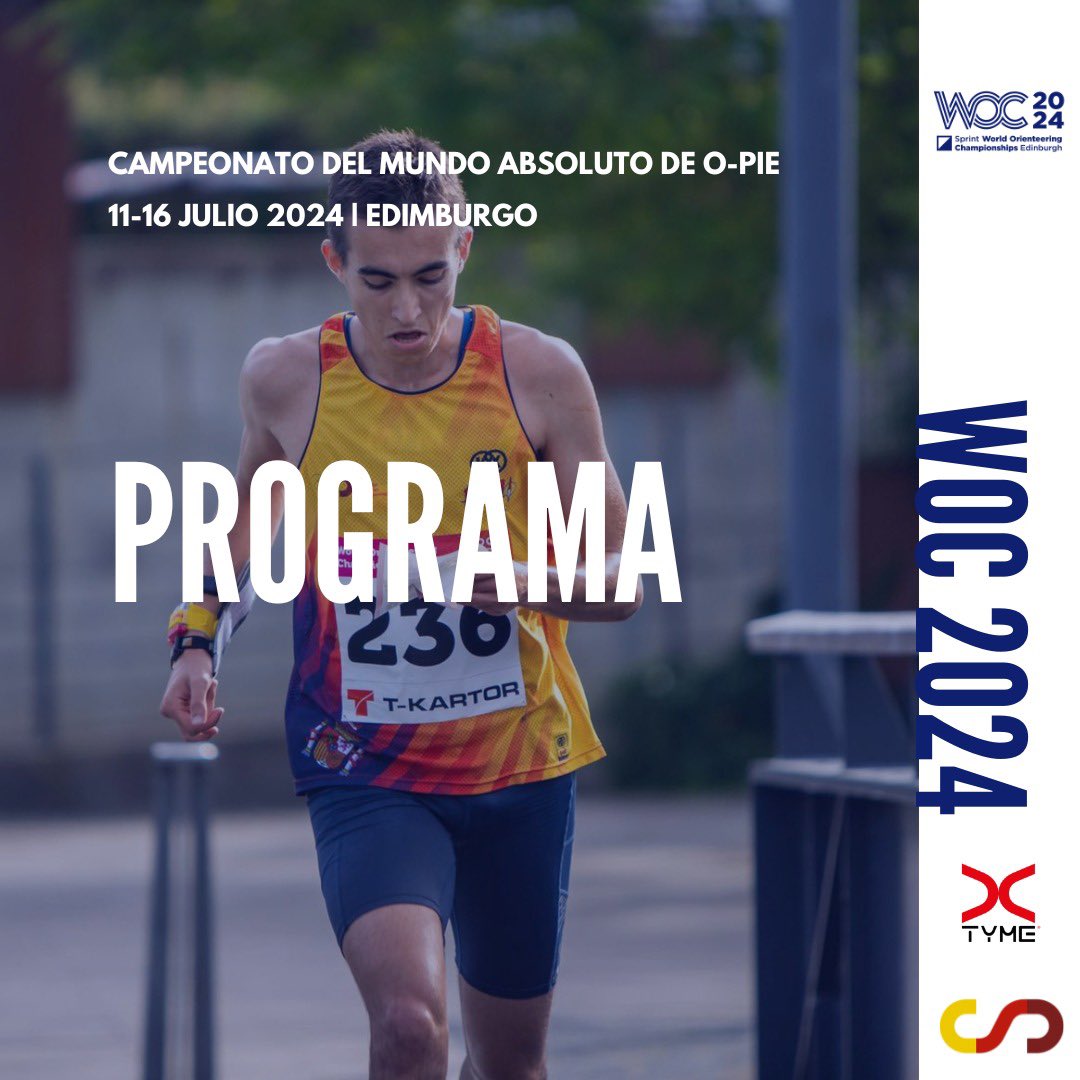
👋🏼Este viernes comienza en Edimburgo la gran cita de la orientación de élite: el Campeonato del Mundo de O-Pie Absoluto
📆Repasa el programa para seguir al #TeamSpainWOC en Escocia ⤵️
1
3
6
160
30 Jun 2024
Nuevo podcast en #delaciencialbosque. En este episodio tratamos la fuerza en el deporte de orientación, completando así la serie de preparación física. Escúchalo en tu plataforma favorita
ivoox.com/preparacion-fisica…
orientacionysalud.es/podcast…
1
3
47
ALBERTO retweeted

2 Jun 2024
Diseases with an Evolutionary Meaning
The homeostatic model points to disease as a physiological failure, an error or breakdown that prevents the organism from functioning properly. However, this model has shortcomings in explaining why this error occurs, and these are at the root of why we are unable to correct degenerative diseases such as diabetes, blood pressure or Alzheimer’s, even though we are well aware of their causes.
The allostatic or integrative model, on the other hand, does not see disease as an organic failure, but as a process. Until it reaches organ failure—which would be the last part of the process—every step the organism takes is adaptive and makes sense. The problem lies in the sum of these adaptations in wrong directions. Let’s look at this in more detail with the example of hypertension:
- Blood pressure varies continuously during the course of the day, to cope with expected changes in demand.
- If, during the day, we continuously experience situations that activate the body or require high blood pressure, as in cases of chronic stress, the body adapts to the new conditions.
- The daily blood pressure values increase, because the body expects that these values will be required more frequently. Gradually and adaptively, we raise our blood pressure values.
- As high blood pressure persists, the body adapts. Artery walls thicken, narrowing the space through which blood circulates, making even more blood pressure necessary to maintain blood flow. Arteries become “addicted” to high blood pressure, in a feedback loop that keeps raising the pressure.
Hypertension is attributed to a damage, something “broken”. However, nothing is broken. It is an adaptation that becomes chronic because of our lifestyle. Each step, in isolation, made sense.
(...)
From the book:📚The Nature of Training.
1
1
11
1,374
🧭🗺️ La Selección Española 🇪🇸 de O-Pie 🏃♀️🏃♂️ compite este fin de semana en la 🏆 Copa del Mundo 2 - #Orienteering World Cup en Génova, 🇮🇹 Italia.
🔗 fedo.org/web/ultimas-noticia…
#OWCup2024 #orientación #TeamESP #TeamSpain
2
9
201
ALBERTO retweeted

15 May 2024
Hoy os traigo al Dr Nicolás Olea, @nicolasolea24 , hablando sobre la influencia de ciertos compuestos químicos en nuestra salud, que probablemente desconocías, y probablemente necesitas saber.
1 de 2
Enlace YouTube:
youtu.be/7jAwfUiXoGM

8
4
34
4,464
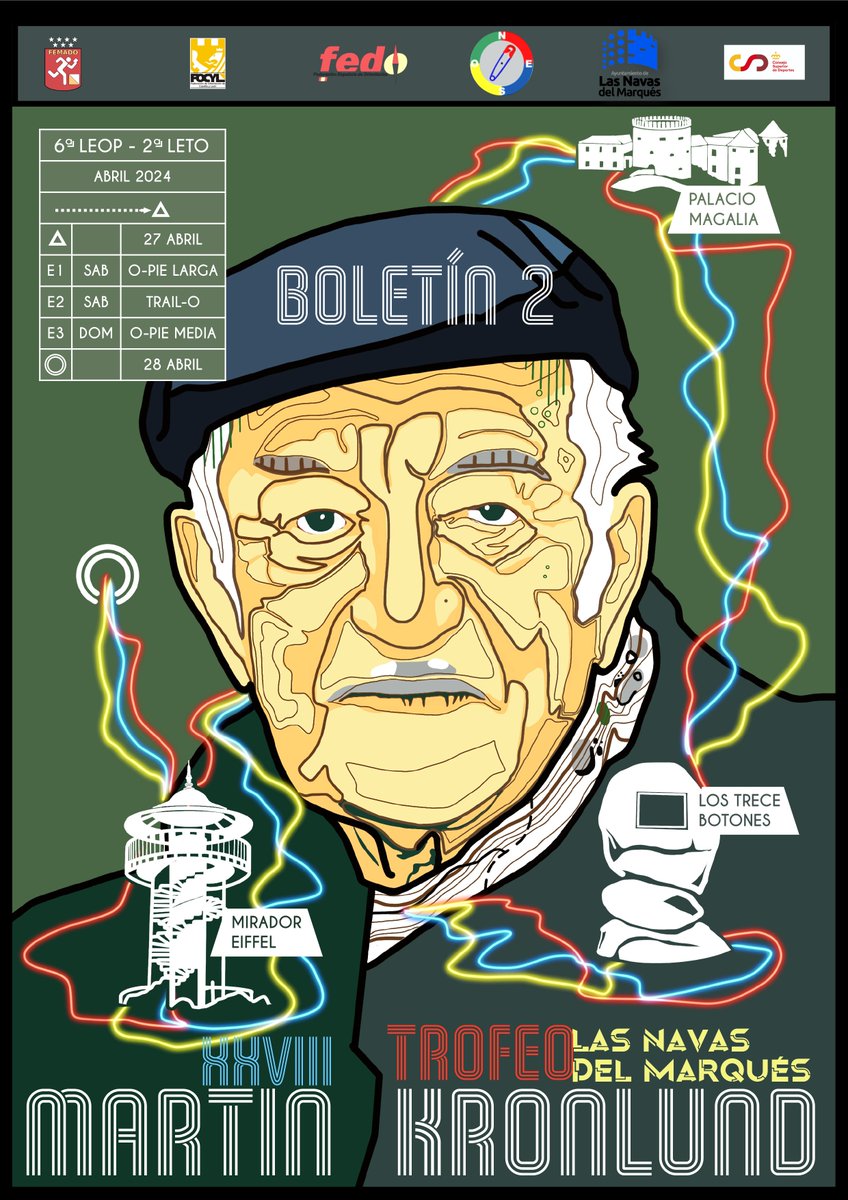
🧭🗺️ El pasado fin de semana, la localidad de Las Navas del Marqués (Ávila) acogió el 🏆 XXVIII Trofeo Martin Kronlund. Organizada por el Club Imperdible y la FEMADO.
🔗 fedo.org/web/ultimas-noticia…
#LEOP2024 #LETO2024 #orienteering #orientación
2
5
256
📙 BOLETÍN 2: 🏃♀️🏃♂️ 6ª prueba de la 🏆 Liga Española de 🧭🗺️ #Orientación a Pie y 2ª LE Trail-O 2024. 27 y 28 de abril en Las Navas del Marqués (Ávila).
📙 Boletines: clubimperdible.es/martin-kro…
ℹ️ Web: clubimperdible.es/martin-kro…
#LEOP2024 #LETO2024 #orienteering
4
7
299
11 Apr 2024
Tener pérdidas forma parte del deporte de orientación, pero reflexionando y analizando sobre ellos igual se sacan conclusiones #delacienciaalbosque
podcasters.ivoox.com/#/episo…
orientacionysalud.es/podcast…
1
4
82
ALBERTO retweeted

22 Feb 2024
Debemos informar hasta que los colegas médicos dejen de recomendar natación para los problemas de columna y entiendan el concepto de fuerza
9
28
177
14,928
ALBERTO retweeted

5 Feb 2024
Se puede decir más alto, pero no más claro, UN EJEMPLO.
4 Feb 2024

El milagro Carlos Soria continúa al cumplir 85
marca.com/primera-plana/2024…
4
13
1,873
ALBERTO retweeted
5 Feb 2024
go.ivoox.com/rf/123711465 En el #DiaMundialContraElCancer quiero aportar mi granito de arena entrevistando a los chicos de @Fissac_es , para que entendamos cómo el ejercicio físico puede ayudarnos...
2
13
1,578