
cooking consumer apps
Joined August 2024
- Tweets 1,544
- Following 508
- Followers 9,642
- Likes 9,847
184 Photos and videos

Pinned Tweet

19 Apr 2025
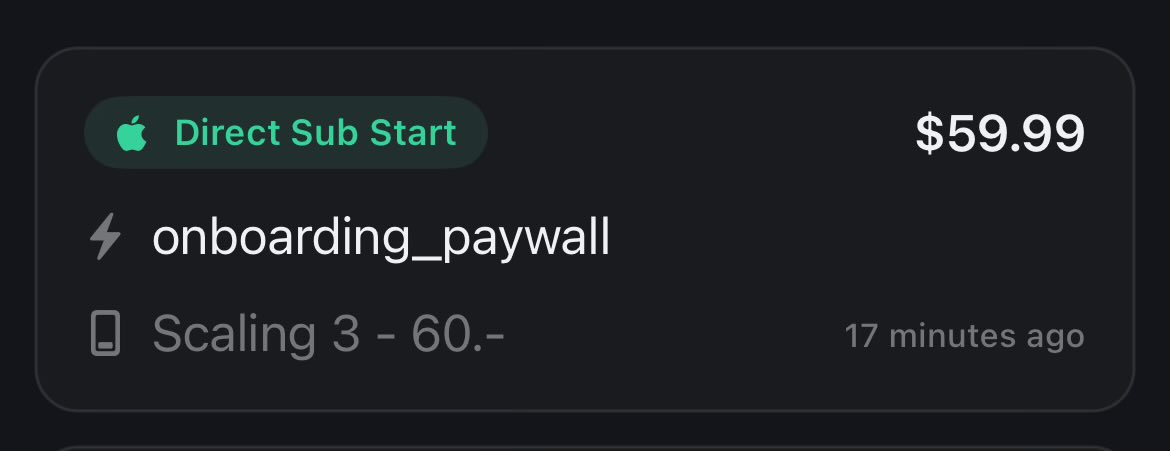
Still blows my mind when people pay $60 for an AI wrapper mobile app 😭😭
Just goes to show that user friendly packaging is literally everything…
83
38
1,853
461,192
Jun 12
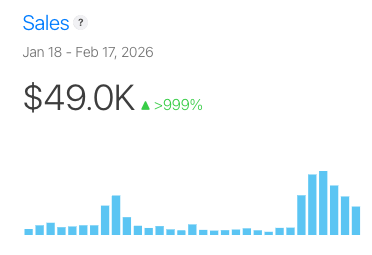
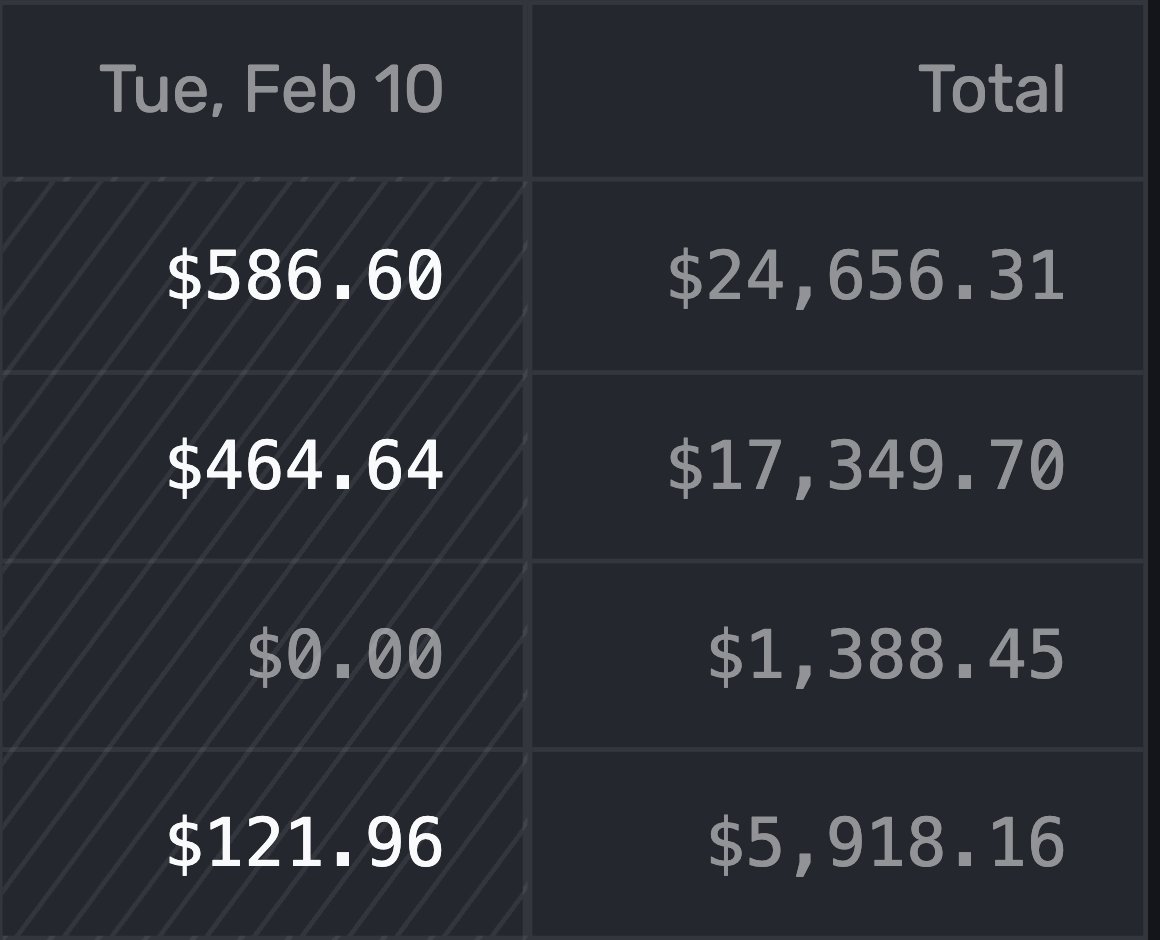
1 month update of my new app
Just fell short of $200k revenue, so we're aiming for $400k this month
Haven't even started marketing yet lol
63
6
235
30,971
Jun 12
Also, we're looking for US-based UGC creators that want to be the face of some of our upcoming campaigns
Send me a DM of a short video of yourself explaining why we should pick you
2
1
12
3,606
May 23
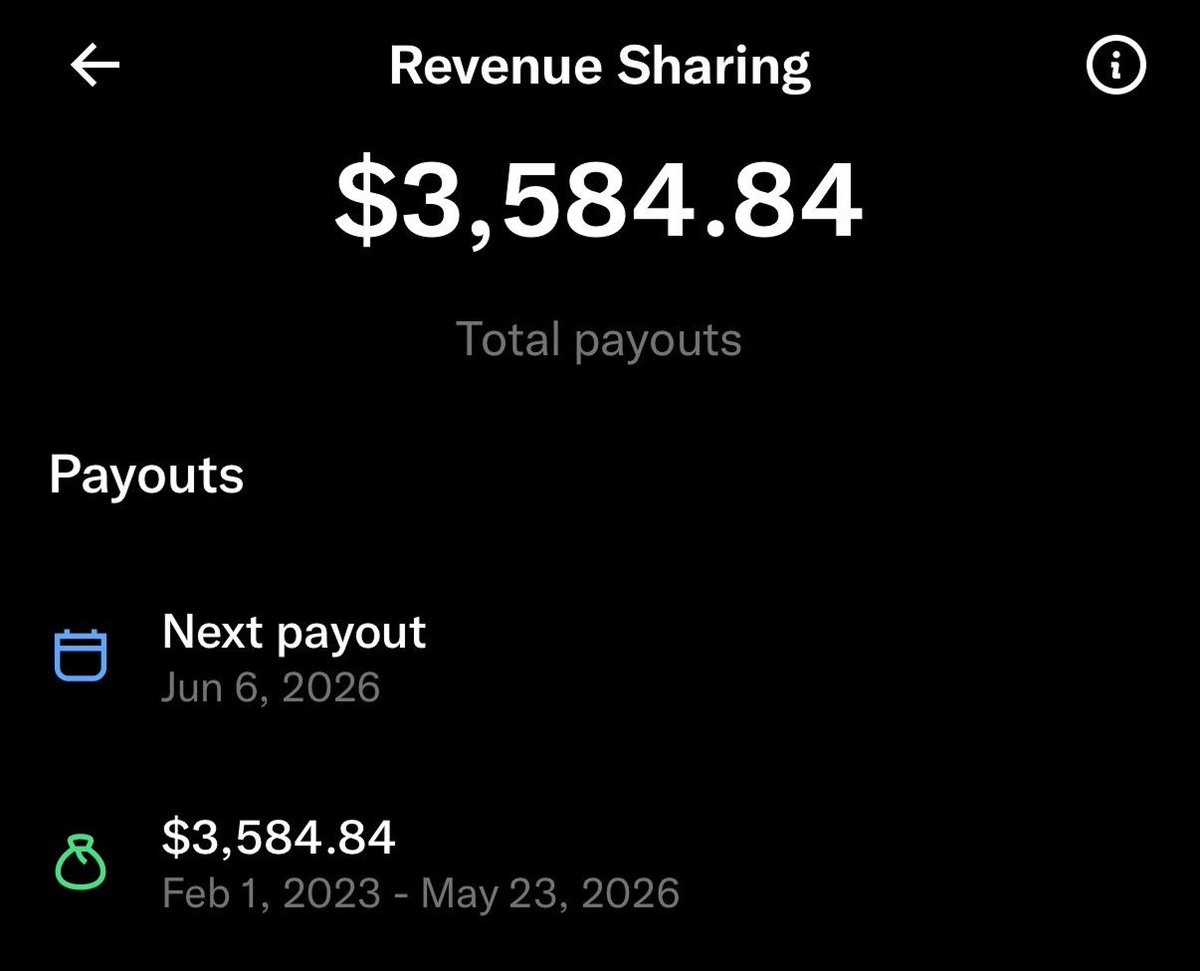
If you ever wondered how much Twitter pays you for a post with 11M impressions, this is the answer
May 12

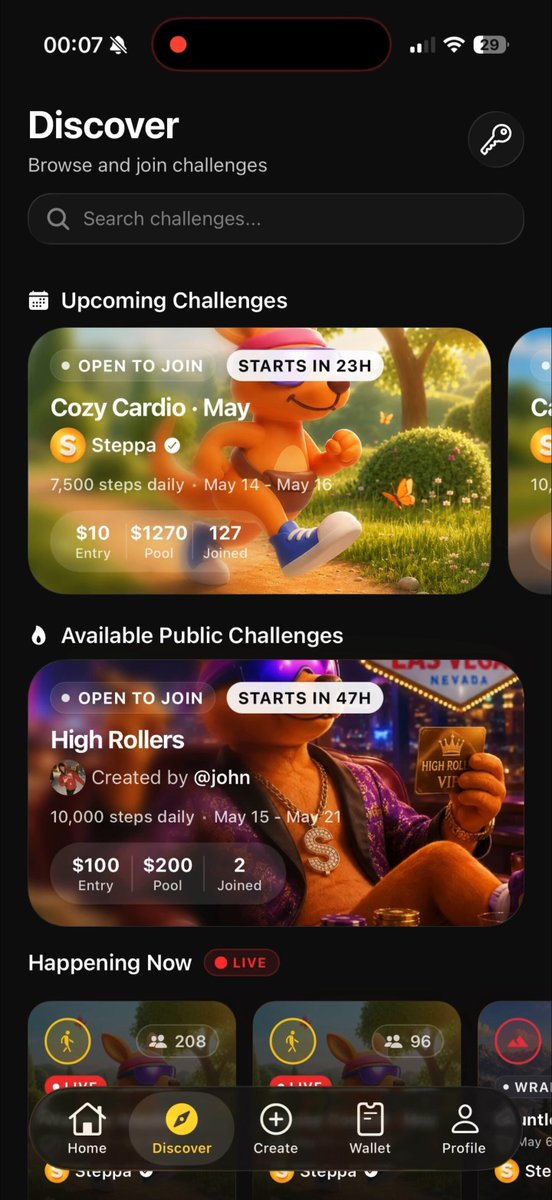
Someone built a fitness app using the same psychological mechanics as gambling
This might work better than every normal fitness app 😭😭
You bet money on whether you’ll hit 10,000 steps today
If you fail, you lose your money
If you succeed, you split the money from everyone who didn’t
So disciplined people literally profit off lazy people
Most fitness apps try motivating you with streaks and notifications
This one motivates you with financial fear
Imagine realizing at 11:52pm you still need 1,700 more steps or you lose $30
Entire friend groups would be outside walking laps around their neighborhood before midnight trying not to lose their steppa challenge
It sounds stupid but this would probably motivate people better than any other fitness product
Would you use this yourself?
4
1
36
6,929
May 19
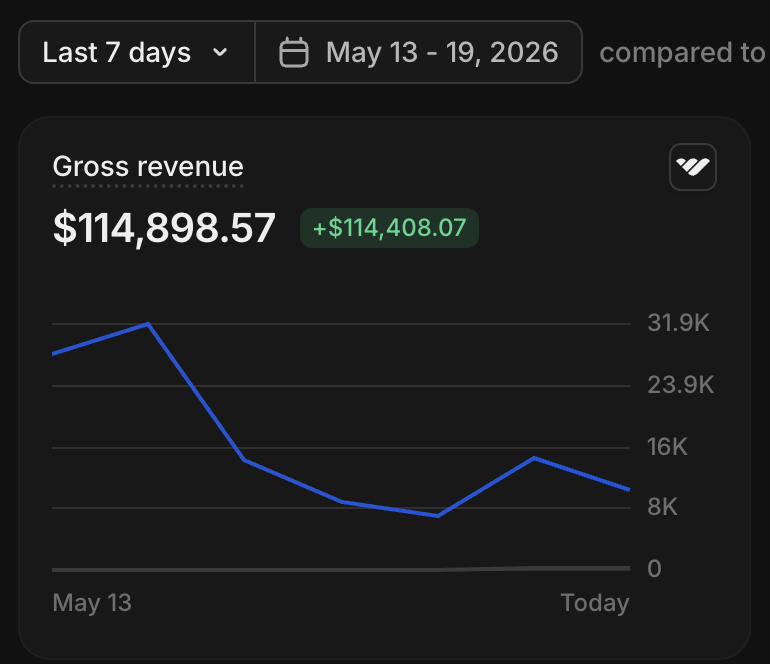
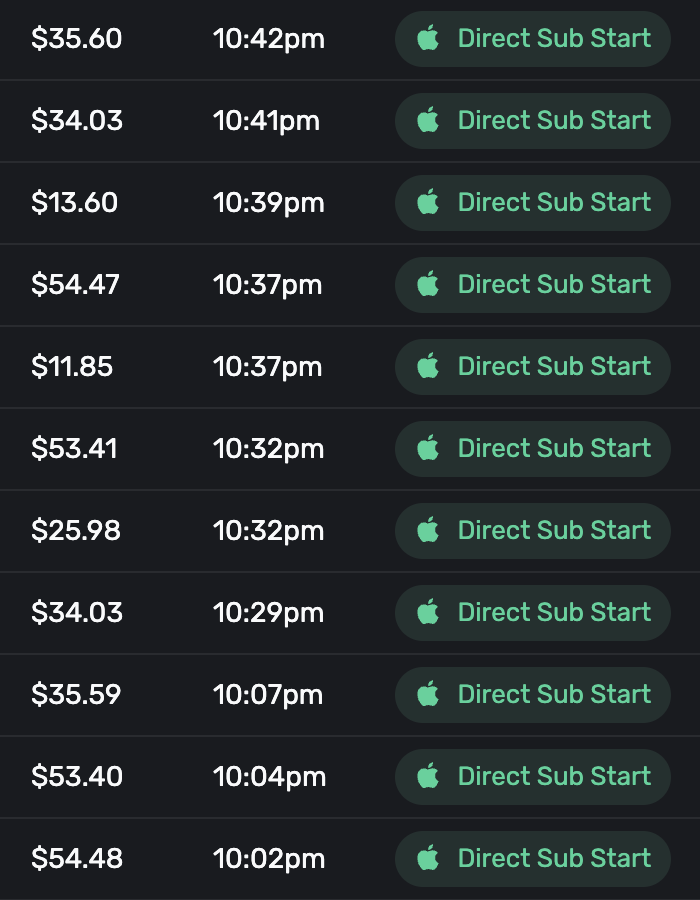
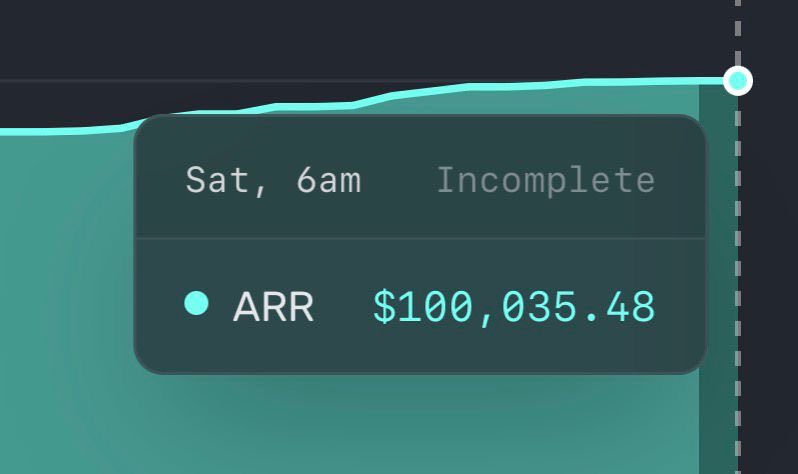
My new app made $100k in the first 7 days since launch
We're looking to hire cracked devs, marketers and clippers to double it and pass it on to next week.
Send me a DM if you want to be part of this generational run
77
4
280
26,459
May 14
how it feels to join a steppa group and let your robot walk on the treadmill for 16 hours a day
May 12
Someone built a fitness app using the same psychological mechanics as gambling
This might work better than every normal fitness app 😭😭
You bet money on whether you’ll hit 10,000 steps today
If you fail, you lose your money
If you succeed, you split the money from everyone who didn’t
So disciplined people literally profit off lazy people
Most fitness apps try motivating you with streaks and notifications
This one motivates you with financial fear
Imagine realizing at 11:52pm you still need 1,700 more steps or you lose $30
Entire friend groups would be outside walking laps around their neighborhood before midnight trying not to lose their steppa challenge
It sounds stupid but this would probably motivate people better than any other fitness product
Would you use this yourself?
4
40
8,856
May 14
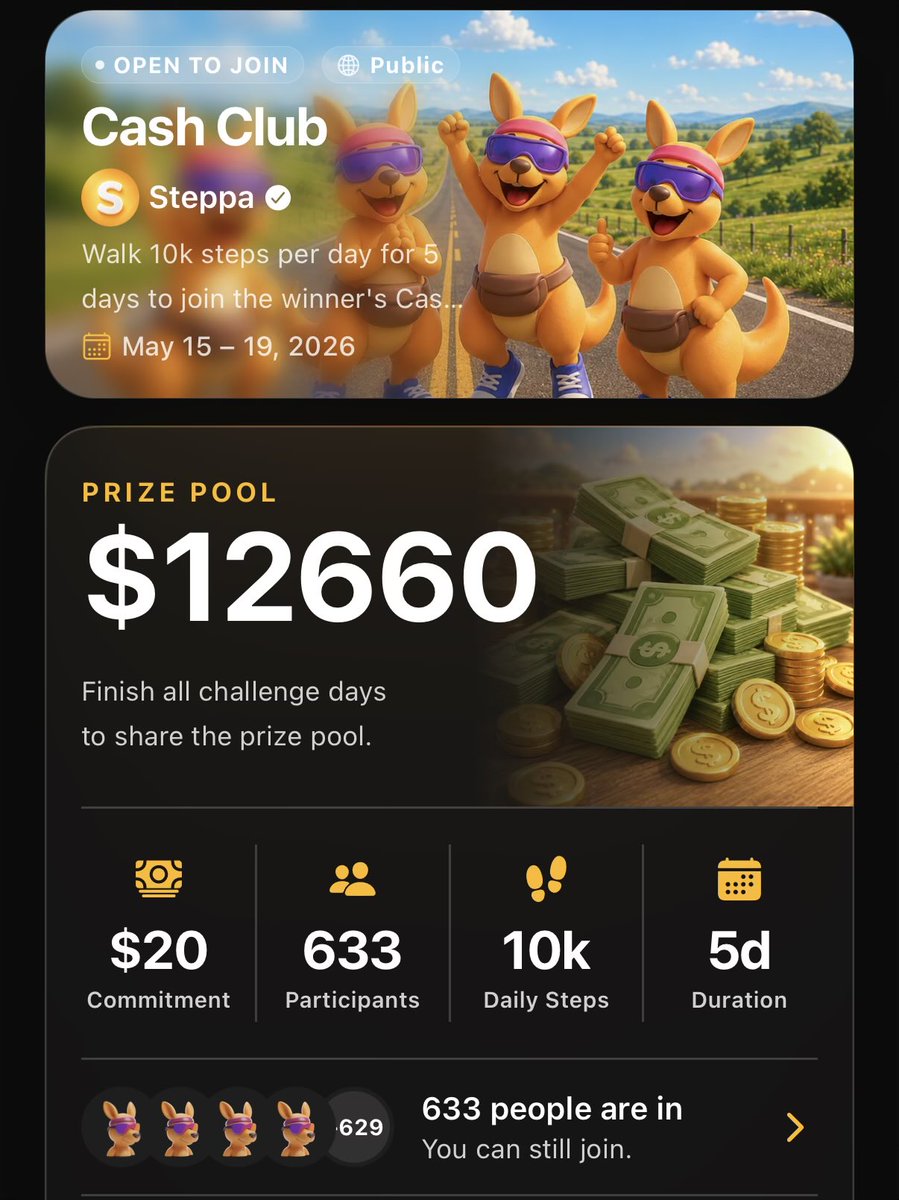
Update: the prize pool is now at $13k 🤯
This might be the first fitness app on earth where people panic harder missing their steps than missing the gym entirely lmao
May 12
Someone built a fitness app using the same psychological mechanics as gambling
This might work better than every normal fitness app 😭😭
You bet money on whether you’ll hit 10,000 steps today
If you fail, you lose your money
If you succeed, you split the money from everyone who didn’t
So disciplined people literally profit off lazy people
Most fitness apps try motivating you with streaks and notifications
This one motivates you with financial fear
Imagine realizing at 11:52pm you still need 1,700 more steps or you lose $30
Entire friend groups would be outside walking laps around their neighborhood before midnight trying not to lose their steppa challenge
It sounds stupid but this would probably motivate people better than any other fitness product
Would you use this yourself?
14
3
128
39,982
May 14
btw this challenge starts in a few hours, last chance to join if you want to get paid for your steps
join.playsteppa.com/join/CAS…
3
5
3,553
May 13
Turns out twitter has a LOT of people interested in gambling on their step count because this just crashed their servers 😂
May 12
Someone built a fitness app using the same psychological mechanics as gambling
This might work better than every normal fitness app 😭😭
You bet money on whether you’ll hit 10,000 steps today
If you fail, you lose your money
If you succeed, you split the money from everyone who didn’t
So disciplined people literally profit off lazy people
Most fitness apps try motivating you with streaks and notifications
This one motivates you with financial fear
Imagine realizing at 11:52pm you still need 1,700 more steps or you lose $30
Entire friend groups would be outside walking laps around their neighborhood before midnight trying not to lose their steppa challenge
It sounds stupid but this would probably motivate people better than any other fitness product
Would you use this yourself?
23
19
787
467,638
May 13
The developer just reached out and told me the app crashed because too many people signed up 🤣🤣
Prize pool is already at $15k now, i'm gonna win so much money from y'all lazy mfs lmaooo
May 12
Someone built a fitness app using the same psychological mechanics as gambling
This might work better than every normal fitness app 😭😭
You bet money on whether you’ll hit 10,000 steps today
If you fail, you lose your money
If you succeed, you split the money from everyone who didn’t
So disciplined people literally profit off lazy people
Most fitness apps try motivating you with streaks and notifications
This one motivates you with financial fear
Imagine realizing at 11:52pm you still need 1,700 more steps or you lose $30
Entire friend groups would be outside walking laps around their neighborhood before midnight trying not to lose their steppa challenge
It sounds stupid but this would probably motivate people better than any other fitness product
Would you use this yourself?
29
12
395
153,367
May 12
Someone built a fitness app using the same psychological mechanics as gambling
This might work better than every normal fitness app 😭😭
You bet money on whether you’ll hit 10,000 steps today
If you fail, you lose your money
If you succeed, you split the money from everyone who didn’t
So disciplined people literally profit off lazy people
Most fitness apps try motivating you with streaks and notifications
This one motivates you with financial fear
Imagine realizing at 11:52pm you still need 1,700 more steps or you lose $30
Entire friend groups would be outside walking laps around their neighborhood before midnight trying not to lose their steppa challenge
It sounds stupid but this would probably motivate people better than any other fitness product
Would you use this yourself?
890
1,931
36,370
11,603,607
May 12
btw if you want to try to steal my money, you can join here to compete in the same challenge as me
join.playsteppa.com/join/CAS…
(not a sponsored post btw, genuinely want to do more steps myself haha)
35
10
454
357,924
Apr 20
It's important to understand that your app's funnel is not just the onboarding...
It starts the moment they first hear about your app, usually in an organic video or a paid advertisement.
Everything said and shown in that creative already primes them for the purchase later down the line.
Some apps can get away with having a very short onboarding simply because they have spent a lot of time and money on educating the user.
Once they get to the app onboarding, they already know that they want to buy, simple due to what they saw prior to installing (like Cal AI, which has a rather short onboarding actually).
Other apps require a lot more conviction and effort to get a user to make a purchase at the end of the onboarding.
So always remember that the quality and intent of your traffic is almost more important than the app itself.

my new theory on onboarding:
your user is *peak excited* the moment they learned about your app and decided to open the App Store to download it
from there, you’re playing a game:
how do you optimally maintain or increase the user’s excitement by the time they hit your paywall?
for some apps, i.e. Cal AI where user gives personal metrics to start thejr health journey, the long onboarding successfully *increases/maintains excitement.* this onboarding, for this specific app, is actually a part of what the user came for
^ onboarding Qs build excitement
for other apps, i.e. Recime, the user knows what they want: organize recipes. you don’t need to ask them 20 questions about their food preferences
^ long onboarding Qs drain excitement
every app is its own snowflake
test to discover what’s optimal for you
and keep in mind, one of the best ways to maintain/build your user’s excitement…
MIGHT be to:
aggressively cut the amount of time between discovery (peak excitement) and paywall view
because believe it or not…
people download your app because they *want* it. they knew they had a problem. they already chose you as the solution
consider getting out of their way
2
1
17
5,331
Apr 7
I just spent 4 hours debugging an issue with Claude Code and OpenAI Codex immediately one-shotted it...
Anthropic please get your shit together and stop making your models dumber each day.
8
9
2,641
Mar 31
🚨 Looking for App UI designers 🚨
Task Details:
- Redesign an existing app
- Short project, get paid fast 💸
- Possibility of long-term position
Send me a DM with your best work👇
84
4
189
11,286
Mar 31
I've only ever used Superwall and really like it, but I gotta give it to Revenuecat...
Their UI and UX is 100x better and more polished.
Hoping to see Superwall make more improvements in that area as well.
7
52
8,894
Mar 25
What does the future of health look like?
Imagine Apple/Tesla/Anthropic were instead futuristic health companies.
Which specific health problems would they fix? What products would they launch first?
I am sure there is a future where health is as abundant as information is today.
There's no reason we should not have solved health by now when 99% of diseases and ailments are fully preventable.
And the downstream effects on the economy and other industries of this is absolutely massive.
3
14
3,377
Mar 23
Who's building a real life Westworld company?
I'd love to see this vision come to life (minus all the dystopian downsides please)
Easily the next big multi-billion dollar startup once humanoids get sophisticated enough.
3
6
1,875
Mar 18
Whop might actually be on a generational run to approach a 100% share of worldwide GDP...
I really wish I was 13 again with these tools available today. There's no way you would not end up a millionaire by 18.
If you're not on Whop these days, you're legit ngmi

10
2
46
13,139
Mar 18
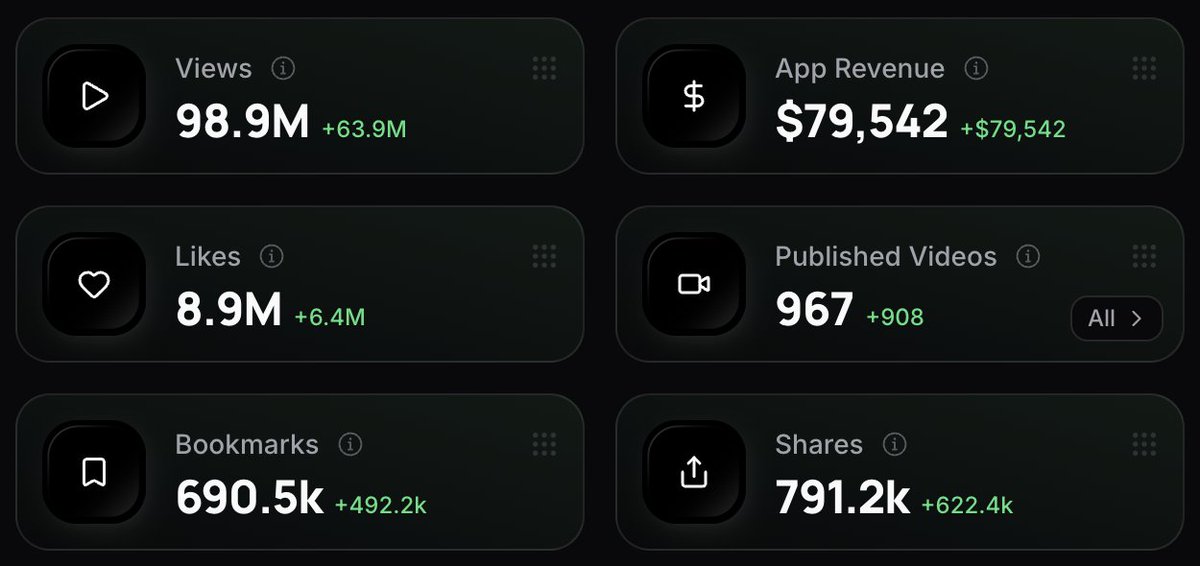
My new app just did 100M organic views in the first 2 months.
Paid ads are at 4x ROAS, will start to scale that up too now.
Our team and system is so fucking cracked, it's actually insane. Excited to see how far we can take this.
If you want to join the team, send me a dm.
48
8
195
21,566
Mar 18
and if you want to get paid by becoming a clipper for our app, apply here (we're only hiring the very best)
clippers.pages.dev/
4
4
2,958
Mar 18
shoutout to @mikey_starts for this awesome dashboard btw, it's called viral.app go check it out right now
1
3
2,581