677 Photos and videos



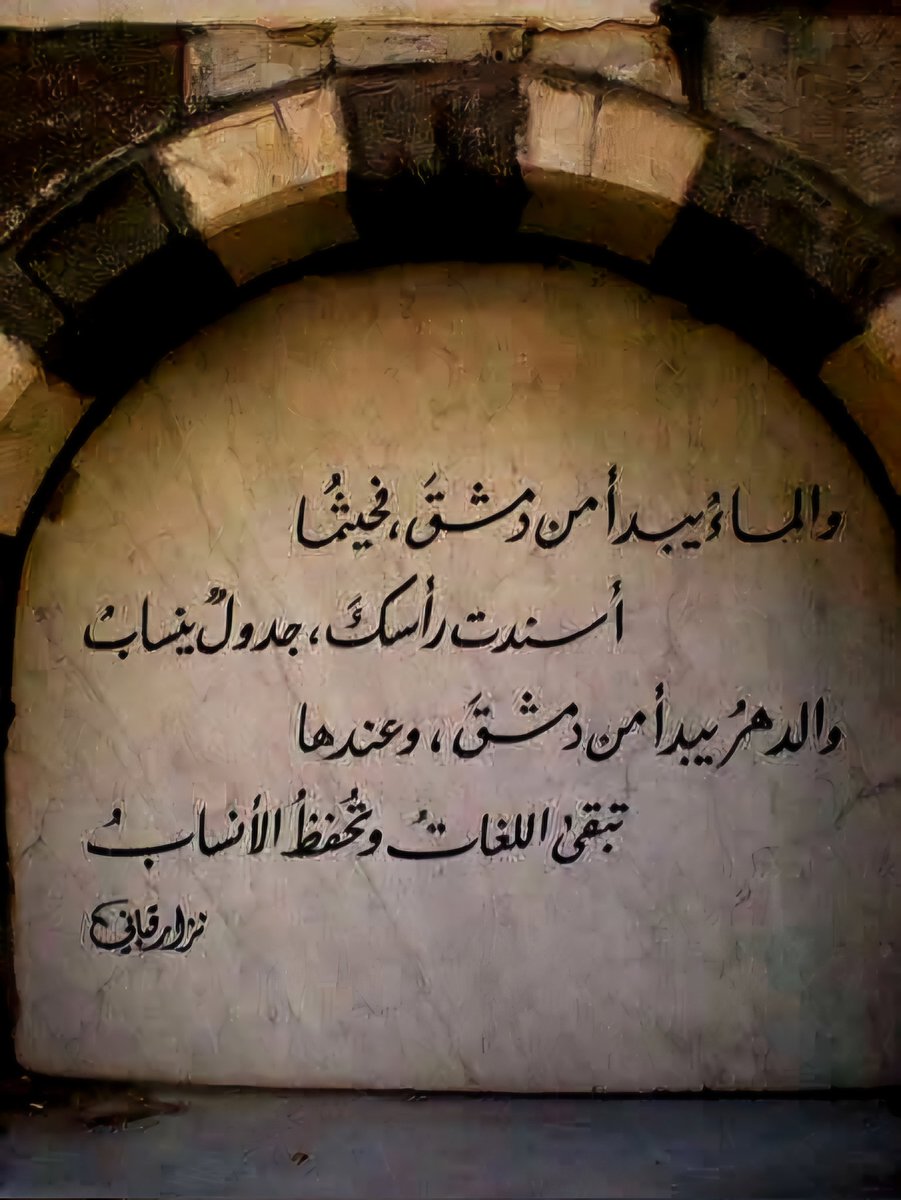

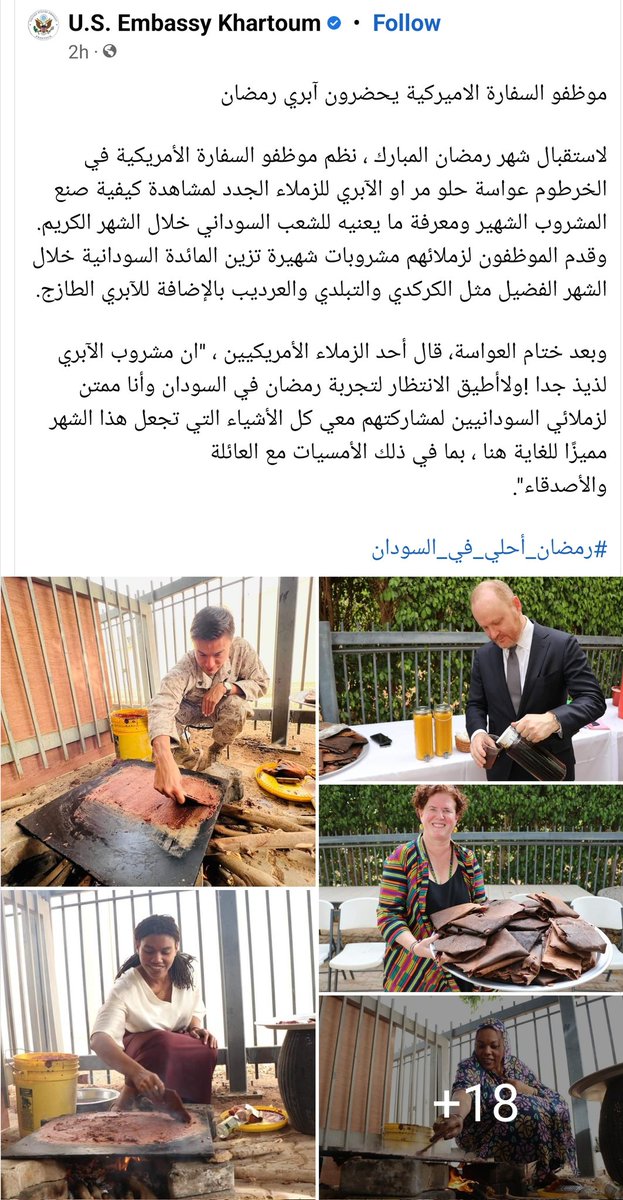

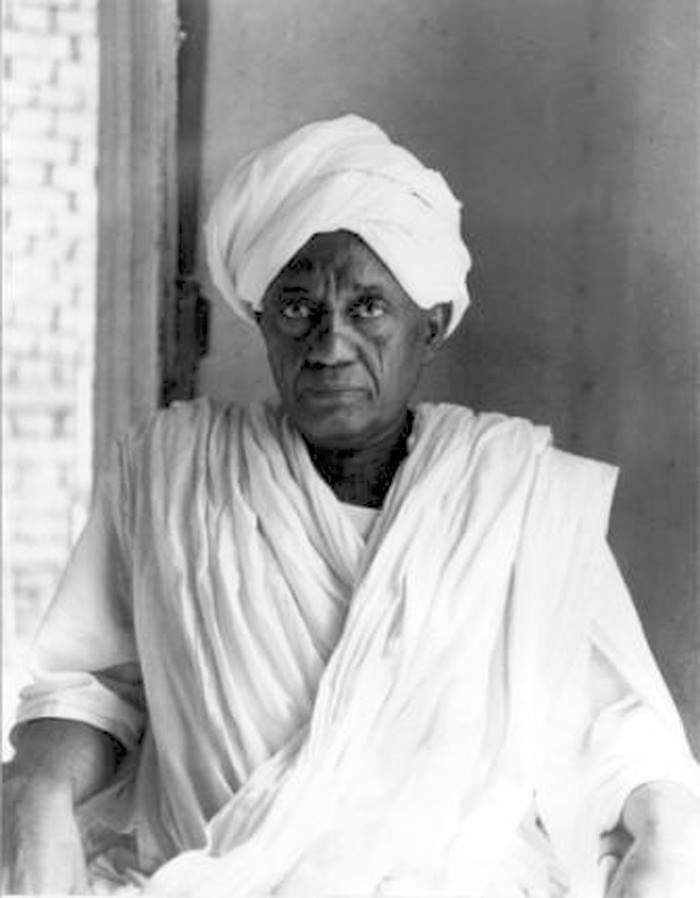
"الحرية هي أن تفكر كما تشاء، على أن تقول كما تفكر، وأن تفعل كما تقول، وألا تكون نتيجة عملك إلا بِرّاً بالأحياء والأشياء"
_______
#محمود_محمد_طه ١٩٠٩ ، ١٨ يناير ١٩٨٥
10
106
198
ɯıʇɐɥʞl∀ retweeted

May 16
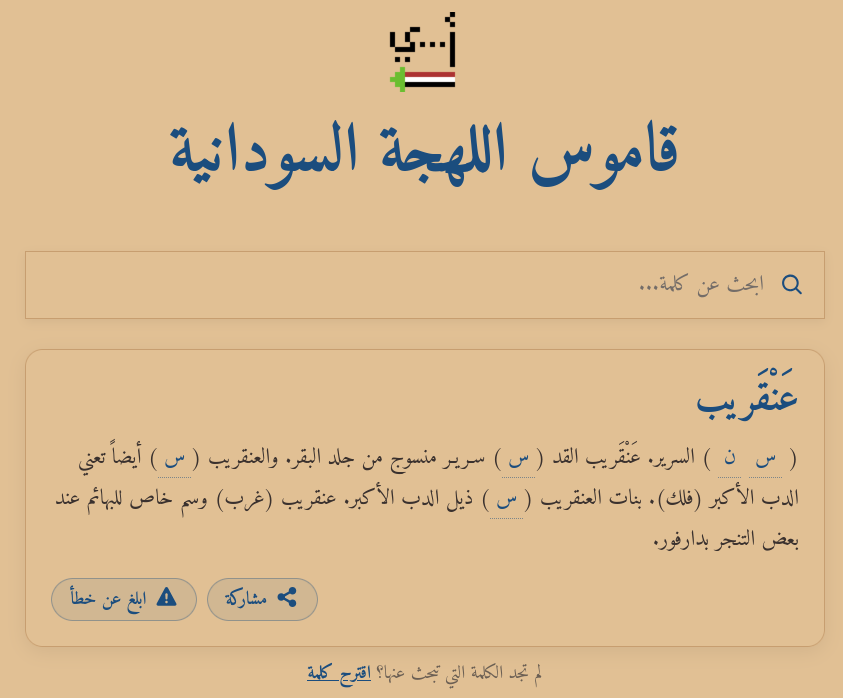
بعون الله، وبعد شغل متواصل في الشهور الفاتت، أطلقت موقع "قاموس اللهجة السودانية".
لظروف الحرب تم تخريب مخازن الدار السودانية للكتب، ومن هنا جات فكرة الموقع كحفظ وتوثيق للمحتوى، وتسهيل الوصول لقاموس اللهجة السودانية لكل الناس.
رابط الموقع: sudandialect.com
28
129
539
34,206
25
ɯıʇɐɥʞl∀ retweeted

Apr 28
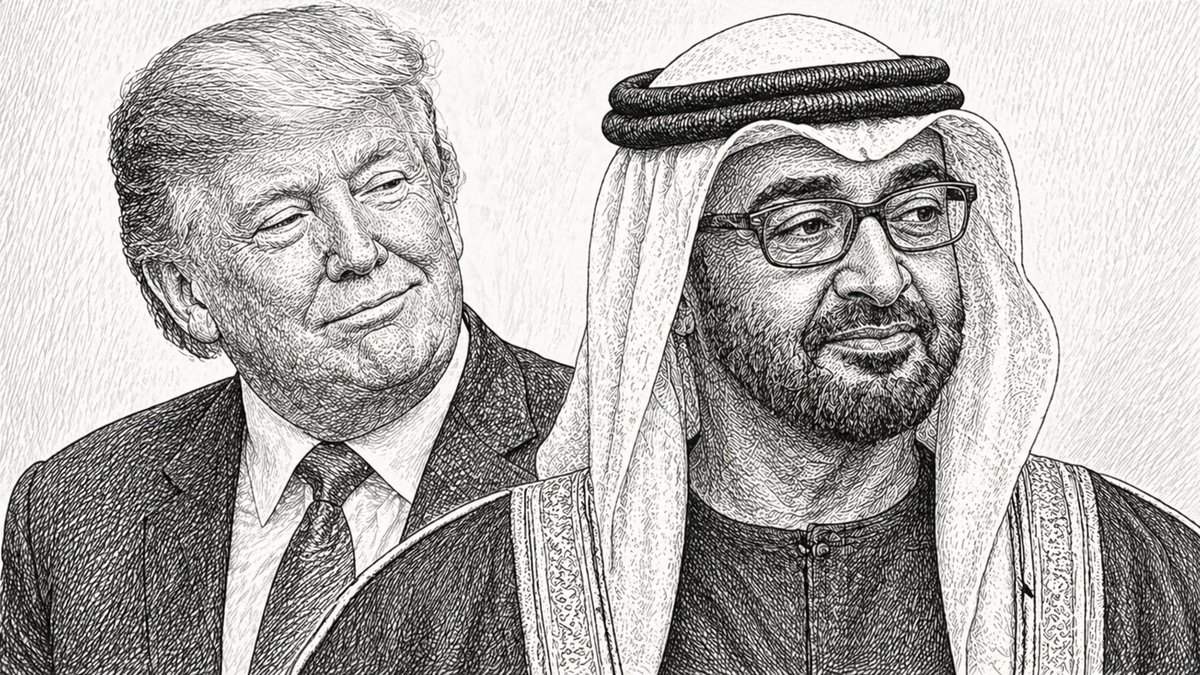
The UAE’s decision to exit OPEC and OPEC is a high-stakes pivot into a New Energy World Order.
Here's my breakdown of the UAE’s move, the game theory at play, and why they might know something about Iran's real circumstances that nobody else knows.
1. The Strategic Solo Run (Game Theory 101)
Imagine you’re in a group chat with a bunch of neighbors. For fifty years, the rule has been: “We all agree to grow only three tomatoes each, so tomatoes stay expensive and we all stay rich.” This is OPEC. It’s less of a "club" and more of a synchronized hoarding agreement.
And the UAE has just left that chat.
• The Logic: The UAE has spent billions boosting its production capacity to 5 million barrels per day. Under OPEC rules, they were essentially being told to leave that expensive machinery gathering dust.
• The Independent Path: By leaving, the UAE is no longer bound by group quotas. They are betting that they can maximize their own volume while Saudi Arabia and the others feel forced to keep their own production low just to prevent a total price collapse. It’s an independent actor strategy. They're prioritizing national revenue over collective price-fixing.
The Game Theory part is that the UAE is betting on other OPEC and OPEC countries staying (If EVERY country leaves, the resulting oil glut would crash oil prices and could be catastrophic for the energy industry worldwide)
2. The Iranian Energy Vacuum
But why leave now, in the middle of a war? Because Iran’s energy industry is in a state of terminal distress.
• The Burn Reports: Multiple sources indicate Iran is literally burning its own crude at the wellhead because they can’t export it (the Strait of Hormuz is closed) and they can't stop the drills without permanently damaging the reservoirs.
• The Opportunity: The UAE likely sees this as the end of Iran as a major market competitor for years to come. They are moving to fill that supply gap permanently. While Iran’s industry is going up in smoke, the UAE is positioning itself as the only stable, high capacity alternative in the region.
3. The Saudi and Trump Factors
This is a massive diplomatic read-between-the-lines moment.
• The Saudi Rift: Relations with Riyadh have turned frosty since the coalition breakdown in Yemen. The UAE is tired of Saudi Arabia calling the shots on oil prices while also competing for the same foreign investment.
• The US Alliance: Trump has consistently called for more supply to lower gas prices. By exiting OPEC, the UAE is aligning itself directly with Washington’s energy abundance agenda. In exchange for lower prices, the UAE likely expects heightened US security guarantees, which are crucial given the current war and how Iran has attacked them relentlessly.
4. The Fujairah Bypass Advantage
While most Gulf oil is trapped behind the contested Strait of Hormuz, the UAE has a geographic cheat code.
• The Habshan–Fujairah pipeline allows them to pump oil directly to the Indian Ocean, skipping the war zone entirely.
• By leaving OPEC, they are selling "Safe Oil" that doesn't have to navigate a naval battleground.
The Bottom Line:
The UAE is gambling that the era of cooperative hoarding is over. They are betting that in a world of war and energy transitions, the winner isn't the one who waits for the group, but the one who moves the fastest to monetize their resources.
And they're all in in the highest-stakes game theory bet of recent times.
71
396
1,292
195,554
ɯıʇɐɥʞl∀ retweeted

Apr 26
This program is based on the "white genocide" conspiracy that Black South Africans are planning to rise up and kill white property owners
It's impossible to explain how infuriating this story is without telling 1 of the greatest stories in all of Black history.
A thread
14
194
792
52,047
وكدا يعني
Exclusive: Pakistan places $1.5 billion Sudan weapons sale on hold after Saudi objection, sources say reuters.com/world/middle-eas…
18

we live on a planet where trees warn each other of danger through underground networks. where octopuses dream. where elephants return to the bones of their dead and stand over them in silence. where bees communicate through dance, showing each other where to fly. where flowers bloom...where crows remember human faces -especially those who were cruel to them - and pass that memory on to their young. where ants build entire cities. where cats purr at a frequency that can help heal bones. where forests, after fires, grow flowers first.
Apr 12

Daily reminder :
305
27,170
121,290
3,100,973
ɯıʇɐɥʞl∀ retweeted

Mar 10
Man was not meant to monitor this many situations.
558
8,597
67,321
1,761,379
ɯıʇɐɥʞl∀ retweeted

19 Nov 2025
This is a game-changing moment in the course of Sudan's war. We wont know if its good or bad, but it's game-changing...🧵
A few immediate reactions to the news that we knew was coming:
- The US government is not organized to solve the crisis IN Sudan; that's a longer-term objective that requires rebuilding lost expertise within the State Department
- The US is poised to use its diplomatic leverage to mediate a ceasefire among those external backers to the war. But doing that requires new leadership. Rubio is clearly briefed on the conflict, but will have to manage it from on-high. Steve Witcoff has already privately said he has too much on his plate to take on Sudan. Someone like Tom Barrack, who has the experience and the access to Trump, would be a better choice than Massad Boulos, who is seen by the parties to the conflict as a lightweight. Deputy Secretary Chris Landau is also a possibility and has been around the Quad process since it started.
- Whoever leads the US effort, its important that new leadership be given the mandate to signal to everyone that this new effort has Trump's explicit backing
- Trump needs to be careful that he not get sucked into the broader KSA-UAE competition. Despite how he has come into this war, through an explicit request from MBS, he will need to make sure the US is seen as neutral. When Egyptian leader Sisi asked for his involvement in the GERD he was immediately viewed as biased by the Ethiopians.
- I think this makes it harder in the near term to take a hard line against UAE, which is needed to stop their support to the RSF, for fear that it looks like that move was directed by KSA.
- Its important to distinguish between the two wars that are going on and which one a Trump Administration can impact and which it cant.
- Its also important to distinguish between dealmaking and peacemaking. Trump's strength is in the former, not the latter, but over the long term its the latter that Sudan needs.
- The first war is the actual war between the SAF and RSF INSIDE Sudan. Here, I think the US is not poised to do peacemaking, ie addressing the root causes of violence in Sudan that has created the endless cycles of coups and wars since independence. We dont have the expertise anymore or the staying power required to break that cycle. The best we can hope for is to end this latest bout of coups-wars.
- Where Trump is poised to have an impact is in mediating the proxy war that is being waged in Sudan by a set of OUTSIDE actors: KSA, UAE, Turkiye, Egypt, Qatar primarily. This is about elite deals among elite actors. Trump is well placed to play a role here.
- What is missing in Sudan, from the US, the outside actors and the Sudanese themselves, is any vision for what a day after a ceasefire looks like. That dialogue, to the extent that it is happening at all, has been entirely eclipsed by the fighting and the humanitarian calamity.
- In short, Trump would do well to manage expectations from the start about what he can and cannot do in Sudan. Signaling that his interest is in a ceasefire and aid access, but not in what comes next should put the onus on Sudanese parties to begin a more robust effort for transition planning and beyond.
- Last word, be careful what you wish for. Trump's last foray into Sudan resulted in an 11th hour demand for Sudan to sign the Abraham Accords in exchange for being removed from the terrorism list. We know that Trump is always looking for ways he or his friends can personally benefit from whatever deal he does and that he doesnt do anything for free. People should be anticipating now what the price tag for his involvement will be.
###

33
89
285
56,201
RT @BillClinton: What’s happening in El Fasher, Sudan, is pure horror. It’s not war—it’s terror. Innocent people are being killed, hospital…
3,259
ɯıʇɐɥʞl∀ retweeted

29 Oct 2025
Marvin Gaye’s voice isolated from music, 1967.
442
7,803
35,370
434,676
ɯıʇɐɥʞl∀ retweeted

19 Oct 2025
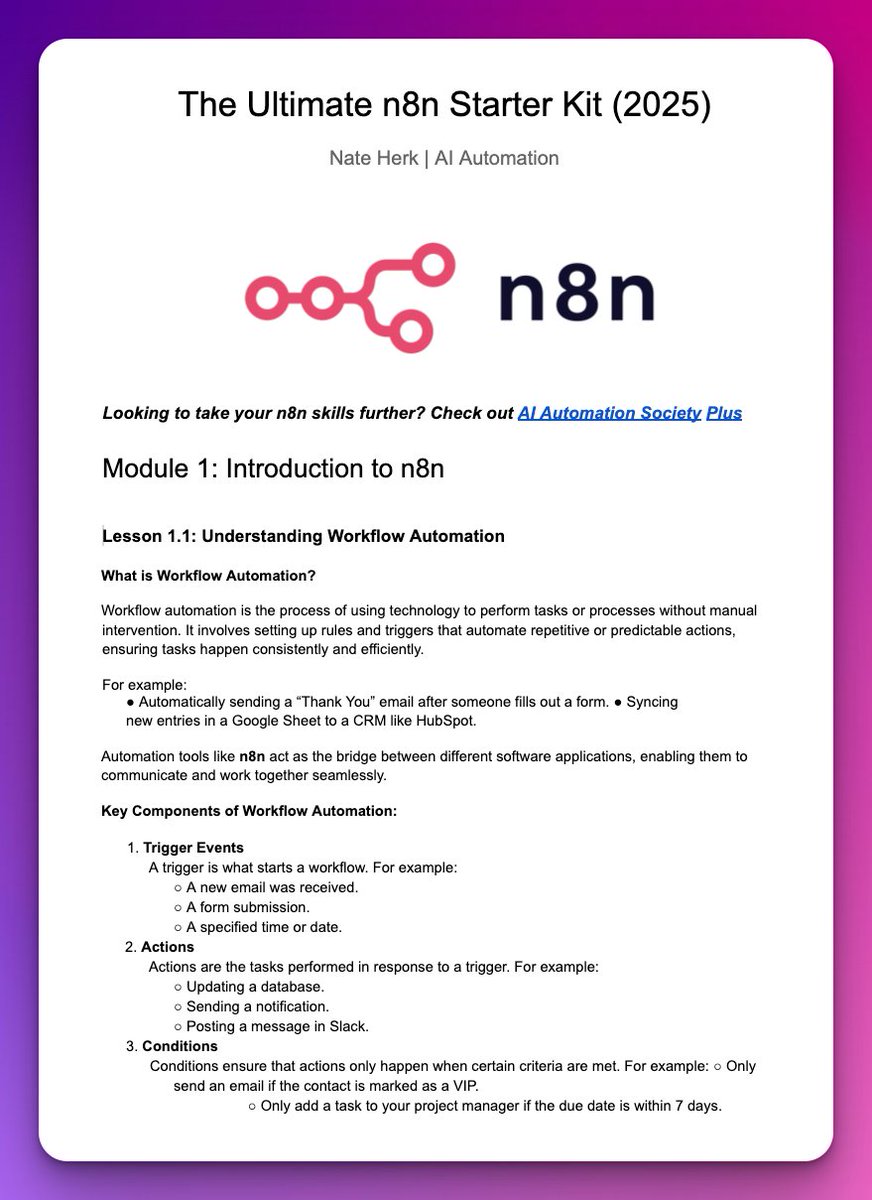
By far the best n8n guide I’ve seen.
Nate’s worked with 1,000s of users and just wrapped everything he’s learned into this 36-page guide! 🔥
→ Clear lessons on JSON, nodes and debugging
→ Cloud vs self-host setup
→ AI integrations & LLM chains
Totally free. Link in 🧵 ↓
34
165
1,084
109,227
ɯıʇɐɥʞl∀ retweeted

8 Oct 2025
TRAINING VIDEO: Part 2 of my NotebookLM training
-- Discover and import data.
-- Interact with the AI-driven podcast, ask it questions.
-- Train the tool to assume a role.
youtube.com/watch?v=JtIwZ3Dw…
2
368
ɯıʇɐɥʞl∀ retweeted
9 Oct 2025
TRAINING VIDEO: Need help writing prompts? Watch this video on how to use the LLM Journalism Tool Advisor.
It works for all kinds of tasks.
youtube.com/watch?v=2iQaOaYr…
2
3
564
ɯıʇɐɥʞl∀ retweeted

26 Sep 2025
A free bilingual guide to learn to use radio operations in the aftermath of a natural disaster.
rjionline.org/news/introduci…
1
46
ɯıʇɐɥʞl∀ retweeted
23 Sep 2025
How to conduct a DIY algorithm audit rjionline.org/news/how-to-co…
1
54
ɯıʇɐɥʞl∀ retweeted

19 Sep 2025
Step-by-step guides for beginners and pros, covering the latest features in version 20 of DaVinci Resolve digitalcameraworld.com/photo…
1
618
ɯıʇɐɥʞl∀ retweeted
17 Sep 2025
How to Tell the Story of Sudan cjr.org/the-interview/the-co…
3
13
2,232