
Joined October 2009
- Tweets 38,624
- Following 1,856
- Followers 658
- Likes 93,710
2,085 Photos and videos


Pinned Tweet

21 Jan 2019
Marshall Rosenberg shares insights into our modern cultures' challenges w/ universal compassion. Solutions are using "needs & feelings" words, & avoiding static judgments. Very hard to do, but he seems to have truly achieved this ongoing consciousness.
youtube.com/watch?v=-dpk5Z7G…
10
11
43
Peace and Justice retweeted

🚨 BREAKING: Lebanon files UN Security Council complaint accusing I$rael of violating the Chemical Weapons Convention in the south
Lab tests from Aita al-Shaab, Naqoura, and Dhaira confirmed catastrophic levels of Glyphosate—a cancer-linked chemical—in agricultural soil.
Normal farming levels would show 0.5 to 2 mcg/g but tests on soil in South Lebanon show 22,750 mcg/g, 11,000 times above safe levels
It has been labeled by some as a deliberate war crime designed to permanently destroy arable border lands.
Here is our report from the scene filmed in February
Feb 7

I$rael once again sprayed cancer-linked chemicals on agricultural land in south Lebanon on Friday, an act condemned as a war crime and a bid to make the border region uninhabitable
Our report from the ground
117
5,195
7,578
133,786
Peace and Justice retweeted

Jun 11
Nobody is proposing solar alone. The world will be powered by a combination of wind, solar, geothermal, and hydro. There is nowhere on Earth where these four resources cannot power all energy for all purposes following electrification of most all energy.
web.stanford.edu/group/efmh/…
web.stanford.edu/group/efmh/…
1
8
31
931
Peace and Justice retweeted
Jun 10
Solar produces more U.S. electricity (12.8%) than coal (12.2%) for first month ever (May, 2026).
apnews.com/article/trump-sol…
8
24
71
3,344
Peace and Justice retweeted
Jun 13
Trump Concedes a Battle in His War Against Wind Energy
The administration filed to dismiss an appeal of a December ruling that overturned its wind permitting freeze.
heatmap.news/sparks/trump-of…
3
10
46
1,027
Peace and Justice retweeted
Jun 13
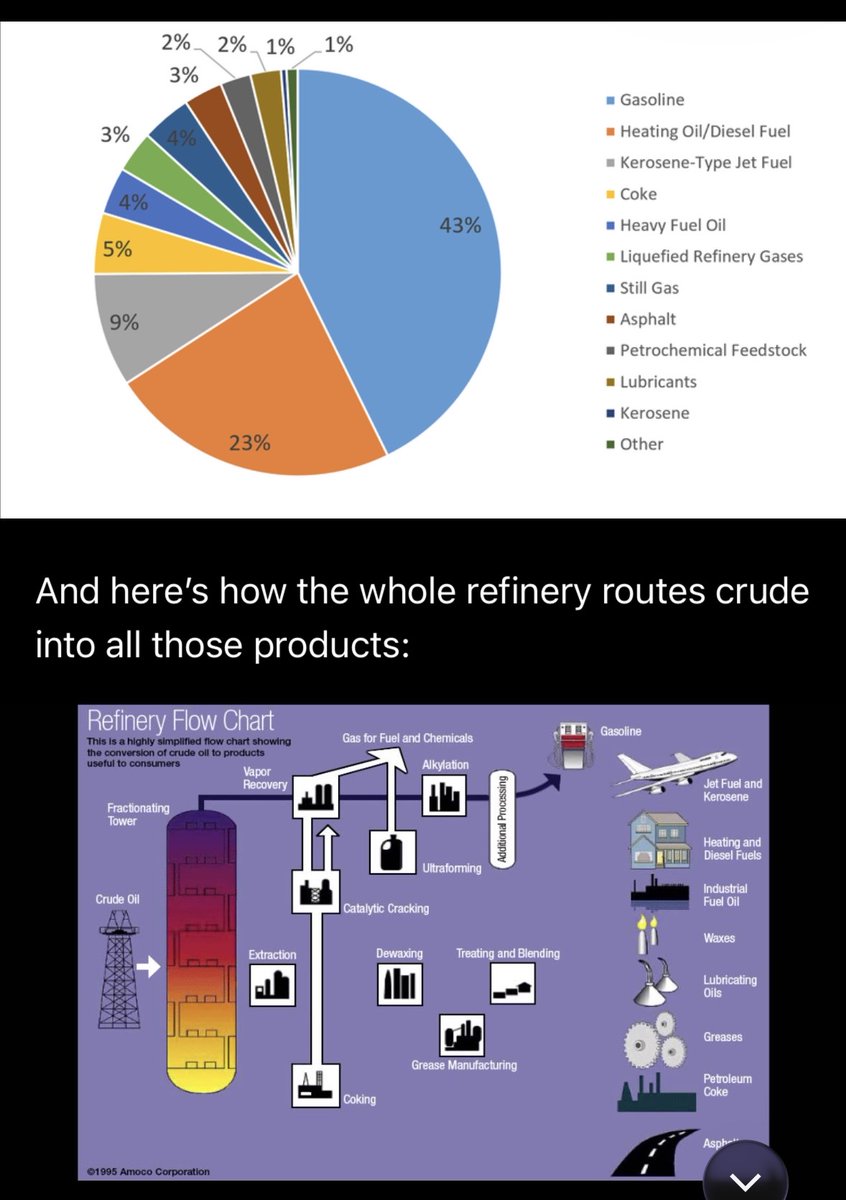
This is no better than jet fuel for multiple reasons
(1) the fuel is still burned, releasing CO2 and air pollutant gases and particles, which affect health and produce contrails.
(2) Using renewable energy to power carbon capture and direct air capture simply increases CO2, air pollution, fossil mining, fossil infrastructure, energy costs, health costs, and social costs
web.stanford.edu/group/efmh/… so there is no carbon benefit of the system.
(3) The synthesis of electro fuels requires lots of energy that could replace more fossil fuels directly.
Far better, in the long term, to electrify air transport with battery electric and H2 fuel-cell electric, but in the meantime use renewable energy to replace fossil sources directly.
web.stanford.edu/group/efmh/…
Jun 11

America's first plant making jet fuel from captured CO2 goes live | Aamir Khollam, Interesting Engineering
AirPlant One has started producing certified jet fuel from captured CO2 and renewable electricity in a U.S. commercial first.
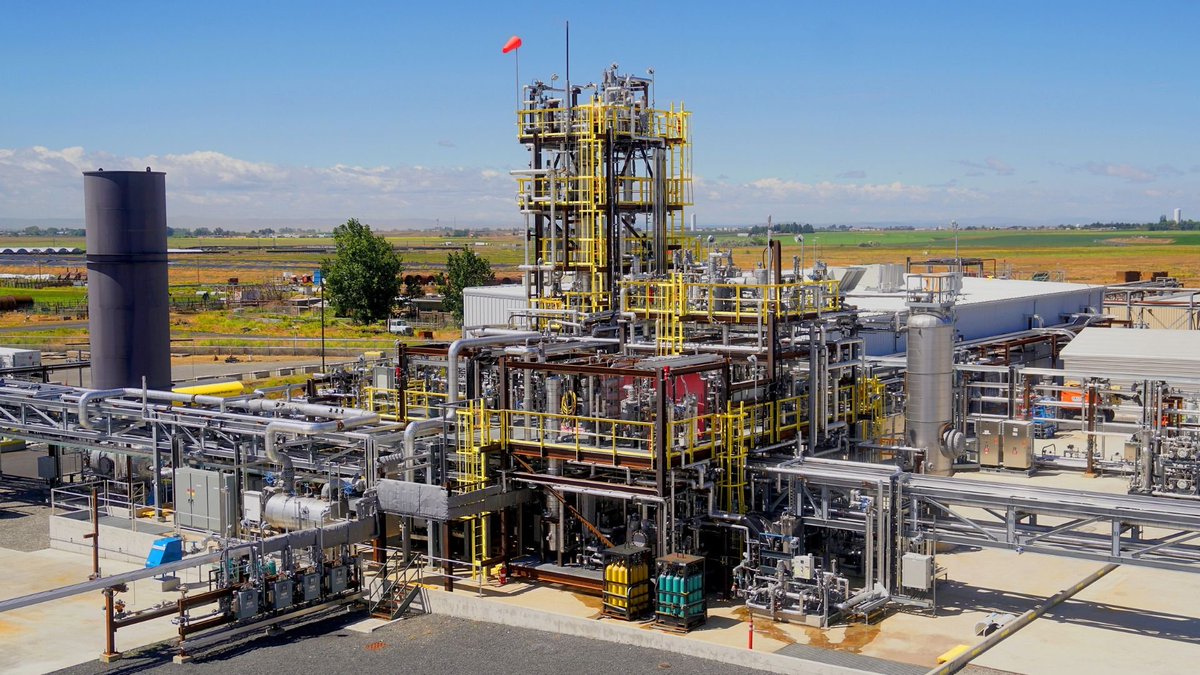
America’s first commercial-scale plant producing jet fuel from captured carbon dioxide and renewable electricity has begun operations in Washington state, marking a major milestone for a technology that could reshape how aviation fuel is made.
Twelve, a California-based industrial technology company, opened AirPlant One in Moses Lake, Washington. The facility produces E-Jet fuel, a synthetic sustainable aviation fuel created through a power-to-liquid process that combines captured CO2, water and renewable electricity.
The launch moves power-to-liquid technology beyond pilot programs and laboratory testing. It also establishes a new model for domestic fuel production that does not depend on crude oil extraction. In addition to aviation fuel, the plant manufactures E-Naphtha, a chemical feedstock used to make thousands of everyday products.
Turning air into fuel
At the heart of AirPlant One is an electrolyzer-based system that transforms captured carbon dioxide and water into liquid hydrocarbons. Renewable electricity powers the process, enabling the plant to produce synthetic jet fuel that is chemically identical to its fossil-derived counterpart.
The resulting E-Jet fuel meets ASTM certification standards for commercial aviation use. Airlines can use it as a drop-in fuel without modifying aircraft engines, airport fueling equipment, or existing infrastructure. That compatibility removes one of the biggest barriers facing alternative aviation fuels.
The facility has already begun producing on-specification fuel for commercial use. The achievement moves power-to-liquid technology into real-world operations and demonstrates that synthetic aviation fuel can be manufactured at commercial scale.
“We broke ground on AirPlant One with a simple thesis: that the fuels powering the global economy could be made from renewable electricity and air,” said Nicholas Flanders, co-founder and chief executive officer of Twelve. “Today, that thesis is operational.”
The technology also differs from many sustainable aviation fuel pathways currently under development. Most existing SAF production relies on biological feedstocks such as used cooking oil, agricultural waste, and other organic materials.
Those resources face limitations tied to land availability and supply. Power-to-liquid production instead uses captured carbon dioxide and renewable electricity, inputs that supporters argue offer greater scalability and flexibility.
Beyond aviation fuel
AirPlant One also produces E-Naphtha, a synthetic alternative to petroleum-derived naphtha. The material serves as a building block for thousands of products, including plastics, packaging materials, solvents, and synthetic fibers.
Because E-Naphtha is chemically identical to conventional naphtha, manufacturers can integrate it into existing production systems without redesigning equipment or processes. Twelve has previously demonstrated its use in applications ranging from automotive components to consumer products.
The addition of E-Naphtha production broadens the plant’s role beyond aviation. It highlights how carbon utilization technologies could support both transportation and industrial manufacturing sectors.
Rewriting fuel economics
The launch of AirPlant One introduces a different model for fuel production. Traditional jet fuel prices often fluctuate alongside crude oil markets and geopolitical disruptions.
Electricity-based manufacturing could offer greater cost stability through long-term power agreements. Twelve says its E-Jet fuel can cut lifecycle carbon emissions by up to 90 percent compared with conventional jet fuel.
The company also says the process requires less land than many biofuel pathways while strengthening domestic supply chains. For an aviation industry searching for practical ways to reduce emissions, AirPlant One represents more than just another demonstration project.
The Moses Lake facility shows that commercial-scale production of synthetic jet fuel from air and renewable electricity is no longer theoretical. It is operating today, producing certified fuel designed for use in existing aircraft and infrastructure while offering a new path for domestic fuel manufacturing.
interestingengineering.com/e…
10
12
45
5,401
Peace and Justice retweeted
Survey of 1,994 business leaders across 18 countries:
90% believe "transitioning to a renewables-based electricity system in their country is likely to boost economic growth"
88% believe "electrifying their operations will make their business more competitive."
90% expect to electrify operations by 2035, 73% by 2030.
A landmark global survey of business executives across 18 countries shows overwhelming support for a rapid transition to electrified economies run predominantly on renewables-based electricity.
e3g.org/news/new-business-po…
1
10
13
415
Peace and Justice retweeted

Jun 13
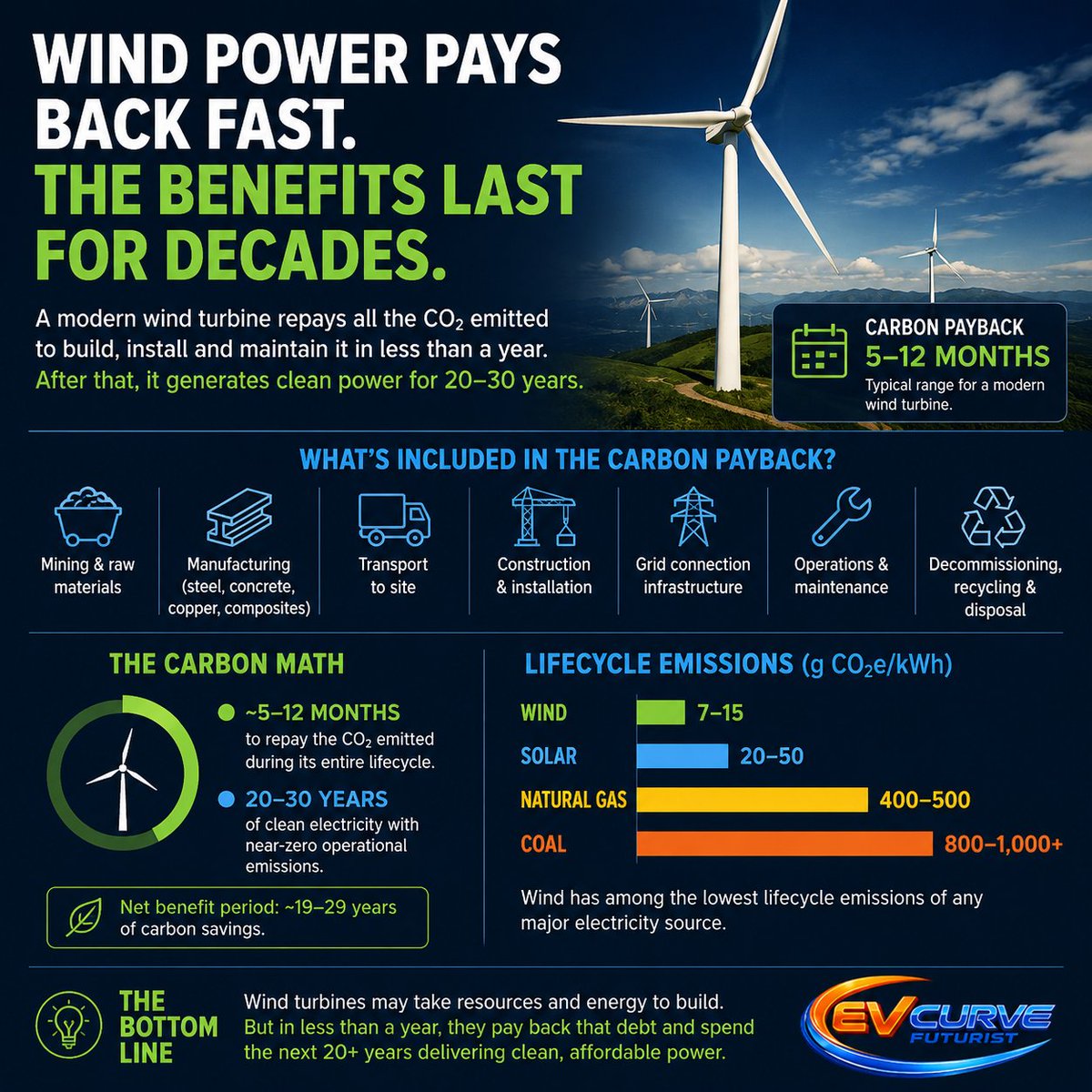
People often ask how long a wind turbine takes to "pay back" its construction CO₂. Surprisingly, including mining, steel, concrete, copper, manufacturing, transport, installation, maintenance & decommissioning, a modern turbine repays its entire carbon debt in 5-12 months.
After that, it can spend another 20-30 years generating electricity while avoiding far more emissions than were created to build it.
Every technology has an upfront footprint. The question isn't whether emissions exist. The question is how quickly they are repaid.
For wind, the carbon mortgage is usually measured in months. The carbon savings are measured in decades.
That's what disruption looks like when physics and economics start pulling in the same direction.
21
126
290
5,034
Peace and Justice retweeted

This just happeded in the UK.
14 June 26. Hundreds of police to PROTECT an illegal sale of stolen land.
A crime.
People showing dead bodies of Palestinians buried in the rubble in Gaza & dancing as they do so.
This is Israel. #israel
169
1,241
2,155
41,288
Peace and Justice retweeted

Jun 14
You should never forget that Israel is a murderer of children.

966
20,699
64,648
433,287
Peace and Justice retweeted

Did you know there are four anti-war activists in Britain who have been sentenced to a combined 25 years in prison for taking action against Israel’s genocide in Gaza?
Free the Filton 25!
27
168
384
2,720
Peace and Justice retweeted

Jun 14
Palestine is the most well-documented genocide in history, yet the most denied.

630
9,940
26,291
196,042
Peace and Justice retweeted

A man whose family are killed by the israelis in Gaza, says sorry to be boring, but while you’re watching the World Cup, we are being killed
120
7,145
16,801
146,306
Peace and Justice retweeted

Hussam Ebu Safieh, "İsrail'in rehineler için ölüm cezası" ile öldürülecek olan Filistinli doktorlardan biridir (diğer 95 doktor arasında).
Onu öldürmelerine izin verme.
Bunu yeniden yayınlayın.
140
4,466
5,176
42,684
RT @hippyygoat: The genocide of children in Gaza never stopped.
565
Peace and Justice retweeted

⚠️Sensitive content⚠️
🚨Heartbreaking: A Palestinian father bids farewell by kissing his daughter’s feet, the only part of her body recovered after she was killed by Israeli forces in Gaza.
53
1,384
2,266
34,351
Peace and Justice retweeted

1 Dec 2025
Palestinians in Gaza saved 3 patients from amputation or permanent disability by developing the first external fixator using local materials, 3D printing, recycled plastics & solar power despite the genocide & the siege. Heroes. glia.org/blogs/press-release…

51
1,515
3,802
56,547

Things that are “Hamas”:
-Helping amputees
-Ms Rachel
-Pope Francis
-Cameras
-Hospitals
-Schools
-UN
-ICC
-Doctors
-Journalists
-Aid workers
-South Africa
-American students
-Ambulances
-Humanitarian flotillas
-Solar panels
-Every building in Gaza
The absurd list keeps growing.
275
4,810
17,819
176,367
Peace and Justice retweeted

Mar 19
🚨🇮🇱 Netanyahu: "Jesus Christ has no advantage over Genghis Khan. Because if you are strong enough, ruthless enough, powerful enough, evil will overcome good."
He is actually the antichrist...
1,846
7,594
33,503
1,885,638

They poured gasoline on an elderly man in an attempt burn him alive.
Inhumanity.

BREAKING: Israeli settlers are burning down the villages of Deir Dibwan and Burqa in the West Bank.
They set a mosque on fire, torched several vehicles, and poured gasoline on an elderly man in an attempt to burn him alive.
16
1,295
2,530
33,401
Peace and Justice retweeted

I'm shocked 🙄

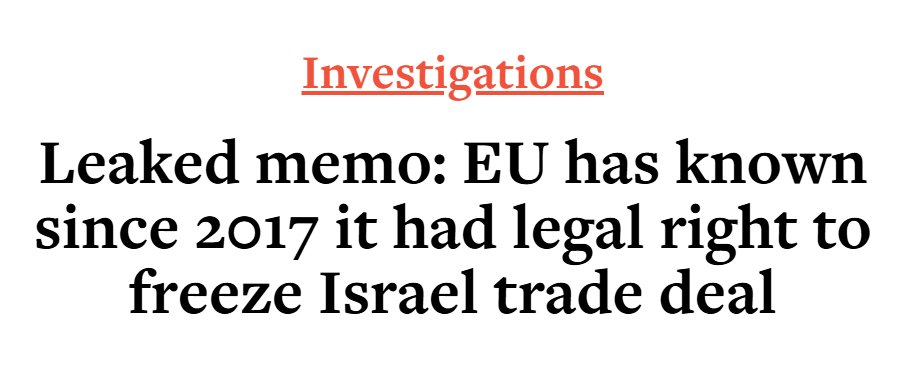
SCOOP: the EU knew there was ground to suspend the 🇪🇺-🇮🇱 Association Agreement already in 2017
Israeli crimes got exponentially worse since. But Germany & Italy – of all countries – continue to prevent EU compliance with the Genocide Convention
@euobs ➡️ euobserver.com/221434/strict…
12
64
1,270