God || Public Administration || Igbo || Politics || Business || Travel || Food || Lover of God || Obidient || Msc International Business || Arsenal || Nigerian
Joined May 2015
- Tweets 32,923
- Following 448
- Followers 1,056
- Likes 109,800
2,583 Photos and videos
Ibeh 🇳🇬 retweeted

This guy has never opened a single space to discuss any of Tinubu’s shortcomings, yet every day he opens a new space to discuss Obi and then claims to be neutral. These are the same kinds of people who would be branded Osu in Igbo tradition - treated as sl@v£$ of the gods.
109
141
522
13,412

Ibeh 🇳🇬 retweeted

Jun 17
Donald Trump faces the press everyday & answers questions from America.
Tinubu has never spoken to Nigerians, even in the most difficult times.
But Peter Obi is your problem.
43
1,208
2,891
19,337

Accountable Borrowing: The South Africa Example.
I have consistently maintained that borrowing, in itself, is not a bad thing. Every nation borrows. The critical issue is not the act of borrowing, but what the borrowed funds are used for and whether citizens can clearly see and measure the impact of such borrowing in their daily lives.
There is a lot to learn in the open and transparent manner in which South Africa handled its recently secured a $1 billion loan from the New Development Bank, with a clearly defined purpose. Publicly announcing the targeted purpose of the loan for all to know and monitor, upgrading water supply systems, modernising sanitation infrastructure, improving electricity distribution, and strengthening waste management services across eight major metropolitan cities, including Johannesburg, Cape Town, and Durban.
This is indeed what accountable borrowing should look like; the purpose is clear, the projects are identifiable, and the expected benefits to citizens are measurable. Such investments directly improve living conditions, enhance productivity, and stimulate economic growth.
In Nigeria, however, the opposite is the case: public debt has risen dramatically under the current administration, and its deployment is shrouded in secrecy from the people who will indeed pay back the loan. Today, our total public debt has increased from about ₦87 trillion in 2023 to nearly ₦200 trillion.
Yet, despite this unprecedented accumulation of debt, Nigerians are often left without a clear and detailed account of how these borrowings are being deployed to improve critical sectors such as education, healthcare, power, security, and infrastructure.
Borrowing must never become an end in itself. Every loan obtained in the name of the Nigerian people must be tied to specific, productive investments capable of generating economic value, creating jobs, reducing poverty, and improving the welfare of citizens.
Good governance demands transparency and accountability. The government must be able to clearly explain what was borrowed, where it was invested, and what measurable outcomes have been achieved. The ordinary Nigerian should be able to see and feel the benefits of every debt incurred on their behalf.
At a time when millions of Nigerians are struggling with rising costs of living, unemployment, insecurity, and declining purchasing power, fiscal discipline and prudent management of public resources are no longer optional; they are imperative.
Every borrowing decision should answer one simple question: How does this improve the life of the ordinary Nigerian? If that question cannot be convincingly answered, then we risk merely transferring today's burdens to future generations.
A New Nigeria is POssible. - PO
BRICS bank approves $1 billion lifeline for South Africa’s struggling cities | Business Insider Africa share.google/9EBaaAdSS5EDAqF…
425
2,300
4,415
54,197
Ibeh 🇳🇬 retweeted

BREAKING: Agbado stop copying my work, I will never show you how I will generate 10,000 megawatts electricity
-Peter Obi
22
207
362
15,160
Ibeh 🇳🇬 retweeted

Since Tinubu entered Aso Rock, the Nigerian Army has NEVER RESCUED anybody, like they claim
EVERYBODY PAID RANSOM FOR THEIR FREEDOM, EVERY SINGLE TIME.
79
1,512
4,000
31,100
Ibeh 🇳🇬 retweeted

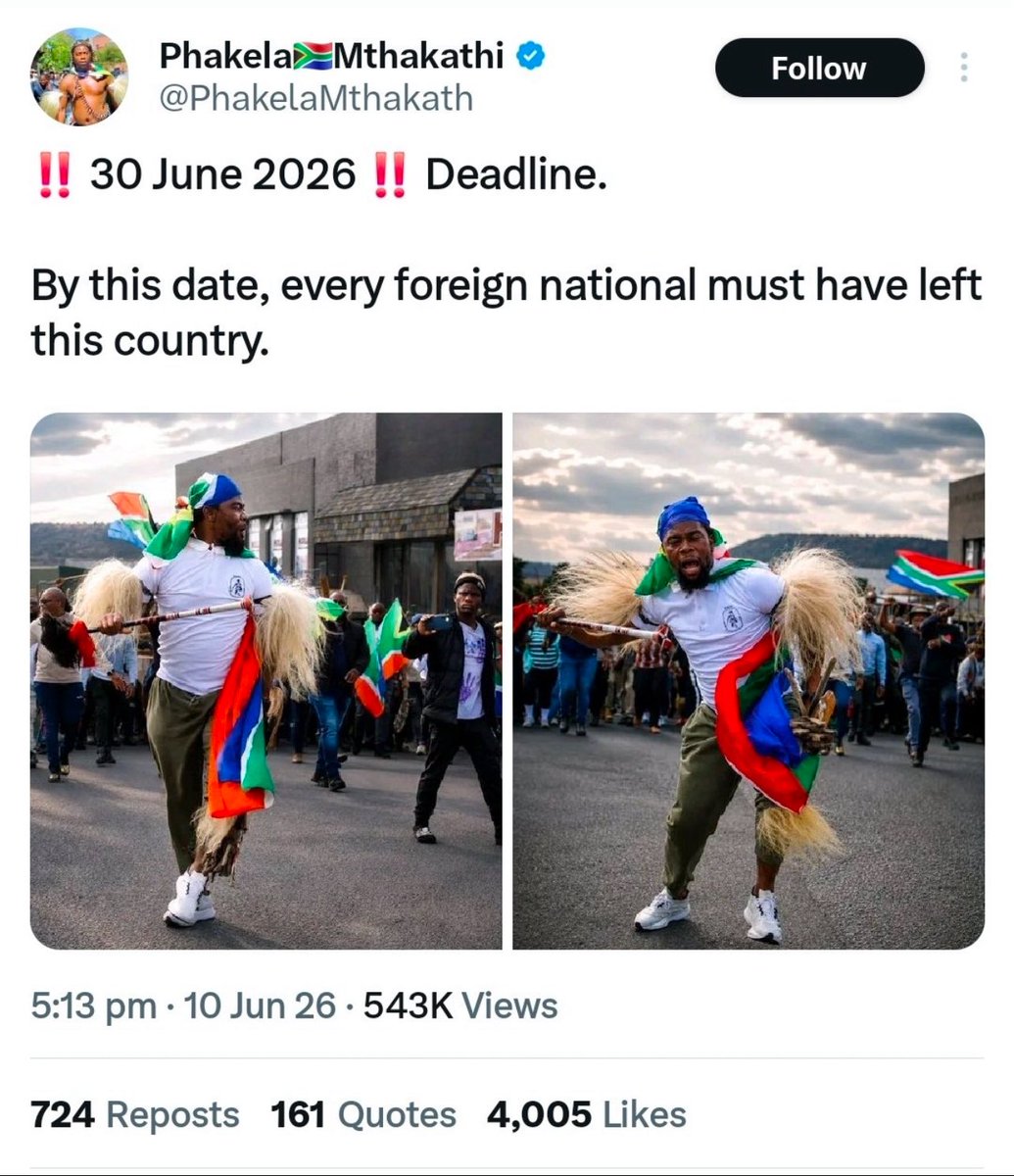
You cannot suck the white man's penis finer than South Africans.
Unbelievable guttersnipes.
42
109
442
15,645
Ibeh 🇳🇬 retweeted

Jun 17
Peter Obi is only Nigerian politician, I repeat, Peter Obi is the only Nigerian politician that has the code to reset Nigeria
- Sergius Ogun
Watch and share widely
11
788
1,737
22,595
Ibeh 🇳🇬 retweeted

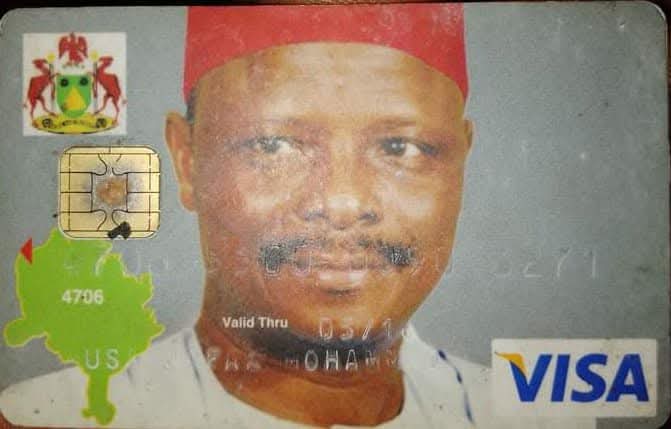
"I used this VISA card to withdrew $250 every month, for the whole of my academic stay abroad. Courtesy of Sen. Rabiu Musa Kwankwaso."
~Jafar Muhammad
14
407
1,808
74,127
Ibeh 🇳🇬 retweeted

Supporters of microphone licker are attacking @PeterObi
Moi: many are mad few are roaming!
20
341
836
9,276
Ibeh 🇳🇬 retweeted

Tinubu is using Elrufai’s detention to test the North and what it can do if pushed.
36
230
740
23,512

Ibeh 🇳🇬 retweeted

My dear supporters,
REMEMBER, WE HAVE MOVED ON AND FOCUSED ON THE BIGGER PICTURE!!!!
Any conversation that is not about the 2027 presidential election and how to get Peter Obi @PeterObi elected and sworn into office , please ignore!!!!!
After the 2027 General Elections we will have the luxury to respond if it is worth our time.
For now we will continue with our tunnel vision on the presidential election!!!!!
300
1,567
4,592
70,483
Ibeh 🇳🇬 retweeted

Jun 17
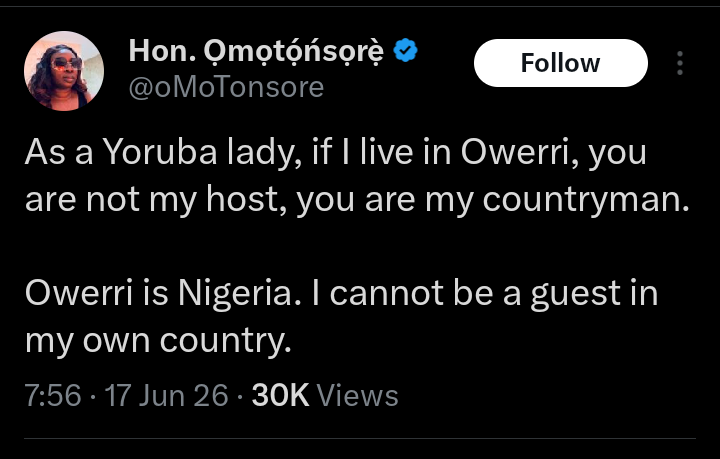
As Igbo kids, we grew up without knowing what tribalism meant.
The only thing we knew were 'THE TRIBES OF NIGERIA'.
Unlike you Yoruba kids, NOBODY taught us to hate any tribe or to avoid our fellow kids who are not Igbo.
Summary:
If you live in Owerri, NOBODY will notice you.
197
301
1,496
36,927
Ibeh 🇳🇬 retweeted
Peter Obi: “I will remove subsidy and the criminals involved”
Tinubu rush go remove subsidy leave criminals like himself 😂😂😂
117
1,967
6,470
47,021
Ibeh 🇳🇬 retweeted

Prince Adewole Adebayo the SDP presidential candidate exposes what President Tinubu told the members of IPAC who went to observe Iftar with him during the last Ramadan fast.
Nigerians this will blow your minds!
61
864
1,831
49,060
Ibeh 🇳🇬 retweeted

"Why should I give you any free and fair elections when I'm also a contestant? I was in the opposition and I suffered and bore it like that. Now, it's your turn - why should I help you when I have the majority (in the House)?"
- Prince Adewole Adebayo narrates what transpired when an umbrella group of political parties met with Pres. Tinubu to seek assurance about a level playing field for all political parties.
52
645
844
116,112
Ibeh 🇳🇬 retweeted

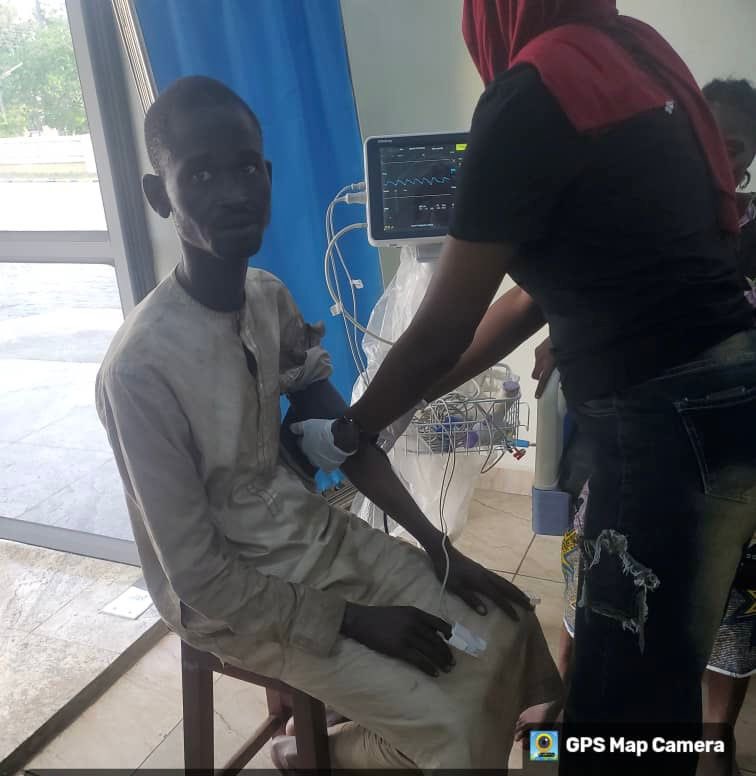
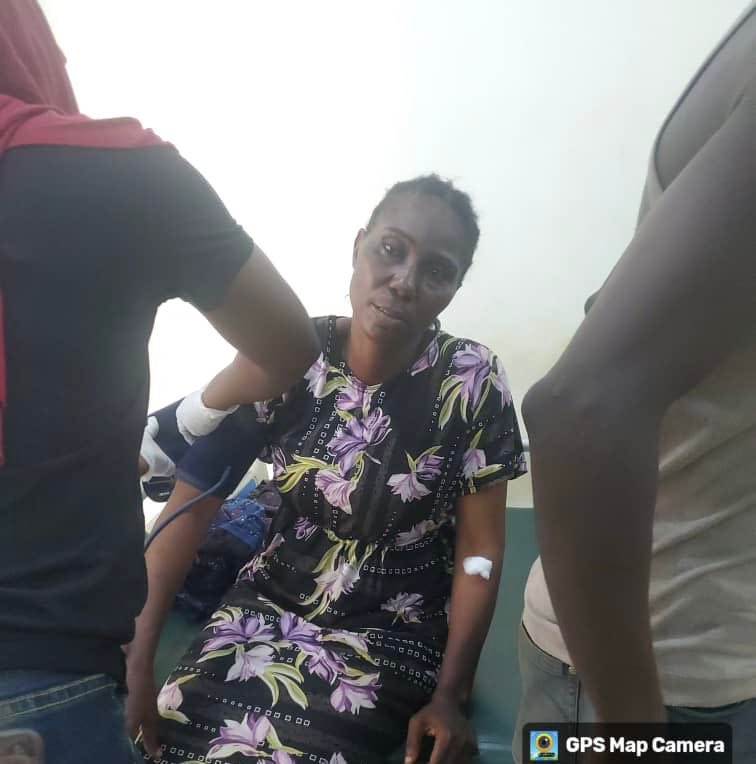
WALLAHI TALLAHI THIS IS A FUCKING CAPITAL LIES.
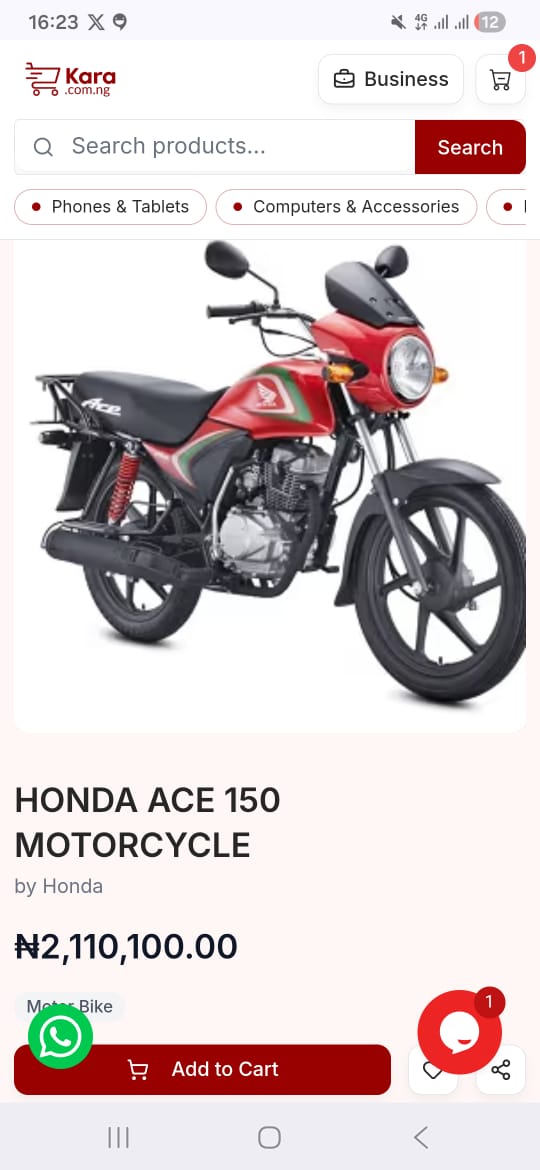
I personally paid the ransom money and motorbike not ones not twice.
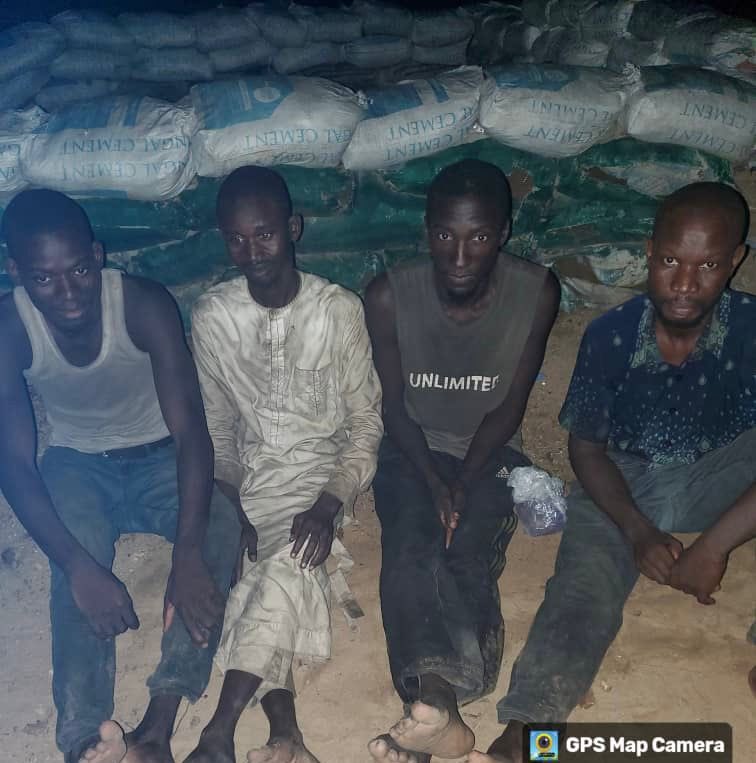
The guy with kaftan in the middle is my blood brother.
Below is the type bike I bought, 2 nos of this.
Claiming to be rescued.
Allah ya isa
Jun 17

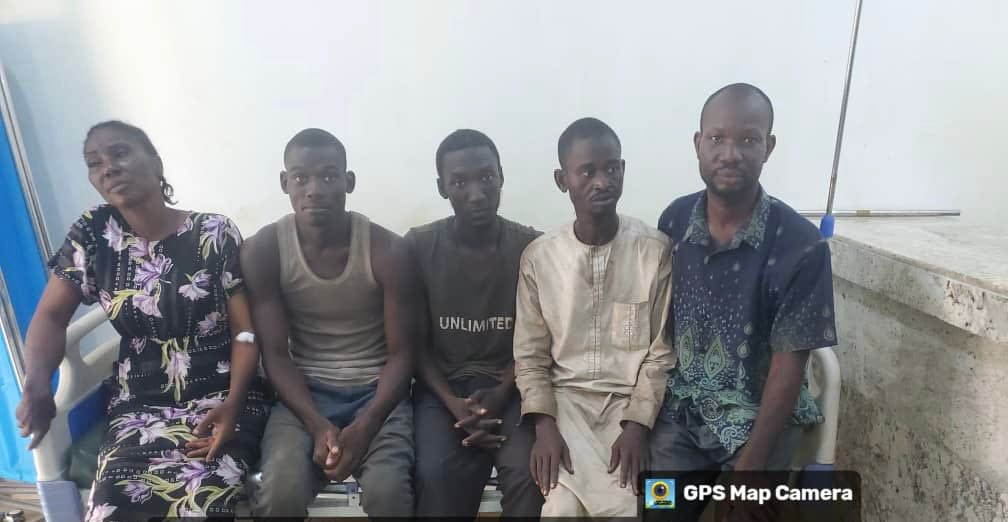
TROOPS OF 12 BRIGADE RESCUE FIVE KIDNAP VICTIMS AS TERRORISTS FLEE SUSTAINED MILITARY ONSLAUGHT
Troops of 12 Brigade Nigerian Army under 2 Division Nigerian Army have successfully intercepted and rescued five kidnapped victims abandoned by fleeing terrorists during ongoing counter terrorism operations in Kogi State.
The feat was recorded on 17 June 2026 as troops intensified efforts to exploit the successes achieved from recent coordinated ground and air operations against terrorist enclaves operating within the state’s forested areas. The operation formed part of sustained offensive actions aimed at dismantling the criminal networks of notorious terrorist kingpins and denying the criminals freedom of action within the Brigade’s Area of Responsibility.
Acting on operational directives and following the recent air interdiction mission conducted against a known terrorist hideout within the forest, troops deployed from Forward Operating Base Oshokoshoko on a blocking mission along Oshokoshoko–Adankolo route within Adankolo Forest. During the operation, vigilant troops intercepted five kidnapped victims who had been abandoned by the terrorists while fleeing from the intense military pressure mounted on their camps.
Preliminary findings revealed that the victims had regained their freedom after the terrorists were forced to disperse in the aftermath of the ongoing kinetic operations targeting their hideouts. The victims were immediately secured by the troops and evacuated from the forest to a safe location for further assessment and care.
Subsequently, the rescued victims were moved to a military medical facility where they received medical attention and stabilization. The victims were also debriefed to obtain useful intelligence that could assist ongoing operations aimed at locating and neutralizing the remaining terrorists still operating within the general area. Efforts have equally been initiated to reunite the victims with their respective families after completion of necessary administrative and medical procedures.
The successful rescue further highlights the effectiveness of the ongoing coordinated operations being conducted by troops of 12 Brigade against terrorists and other criminal elements threatening peace and security in Kogi State. It also demonstrates the military’s resolve to sustain pressure on criminal groups until all camps and safe havens within the area are dismantled.
The Commander 12 Brigade Nigerian Army, Brigadier General Kasim Umar Sidi, commended the troops for their vigilance, resilience and professionalism which led to the successful interception and rescue of the victims. He noted that the achievement was a testament to the Brigade’s unwavering commitment to protecting lives and property within its Area of Responsibility. The Commander reassured residents of Kogi State and adjoining communities that troops will continue to sustain aggressive operations against terrorists and other criminal elements until lasting peace and security are fully restored. He further urged members of the public to continue providing timely and credible information to security agencies, emphasizing that public support remains critical to the success of ongoing military operations.
HASSAN ABDULLAHI
Lieutenant
Acting Assistant Director Army Public Relations
12 Brigade Nigerian Army
17 June 2026
#HqNigerianArmy
#NigerianArmyInfo.
108
1,472
2,421
194,990
Ibeh 🇳🇬 retweeted

Jun 17
Na Ogun go help me punish APC supporters home and abroad and the fence sitters
148
1,355
2,321
51,238
Ibeh 🇳🇬 retweeted

Jun 17
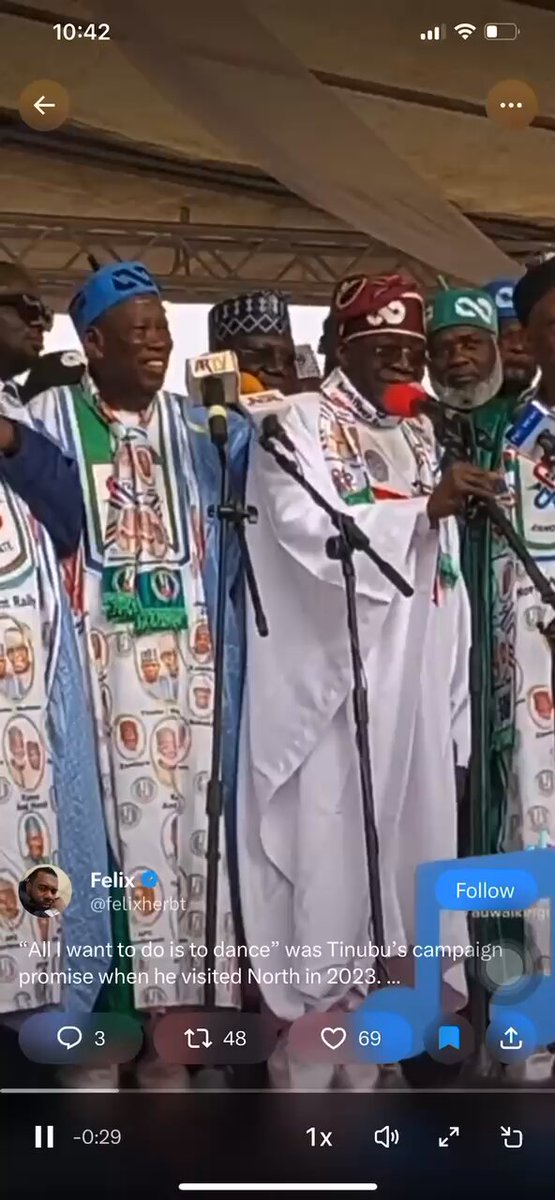
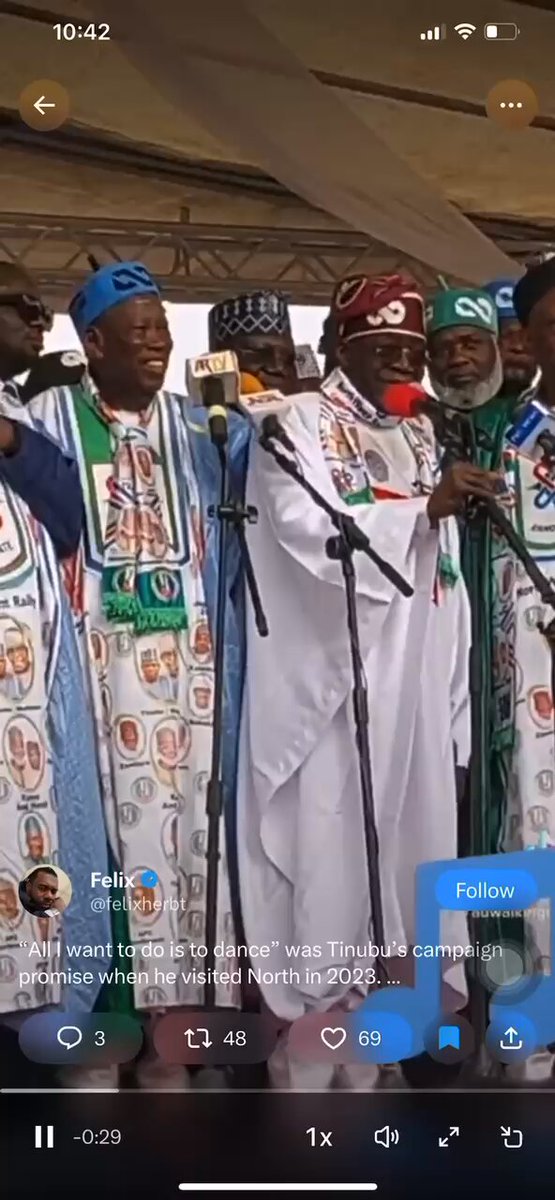
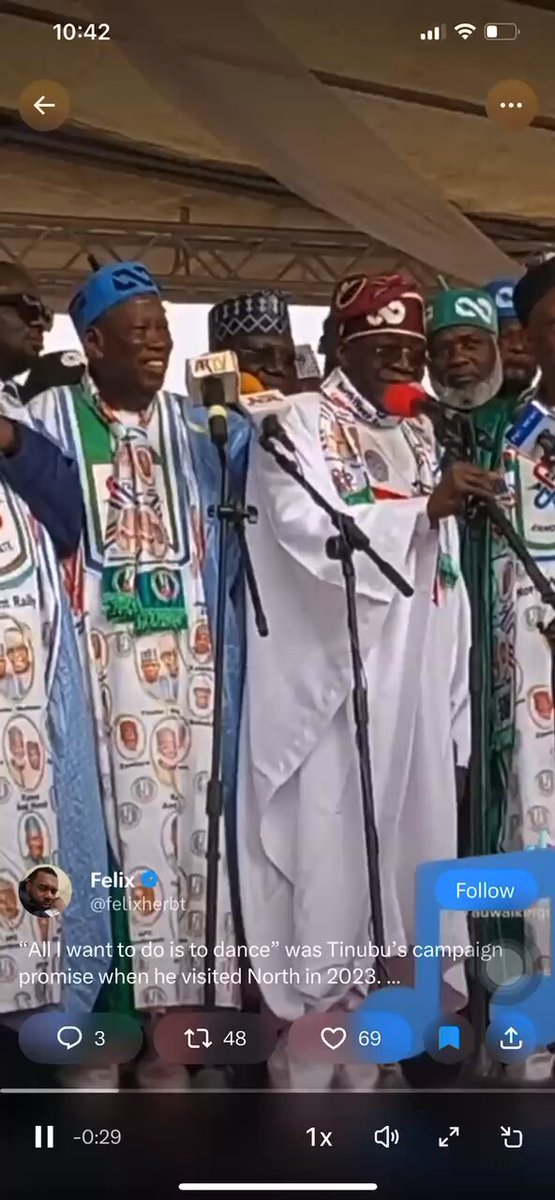
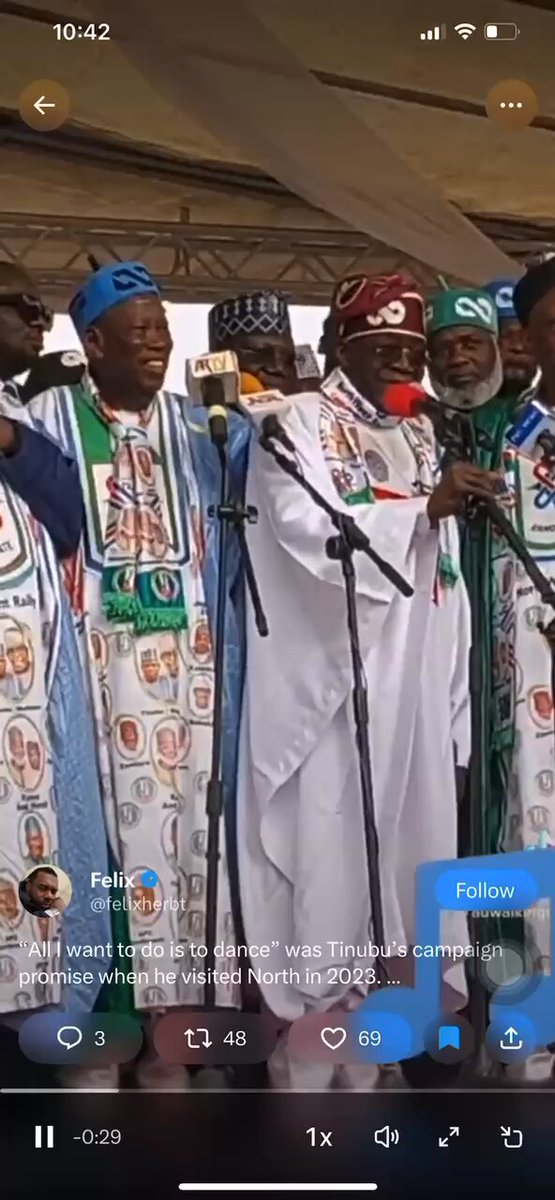
"Kano! I didn't come to campaign. I just want to dance."
You didn't have a problem with it. In fact, you voted the man.
But you have standards for how Peter Obi's interview responses should be.
I know what you are.
55
1,499
3,234
48,634