used to program robots for @NASA, then started a computer vision company @Volumental and such, proud backer @rerundotio @sunriserobots and others
Joined July 2009
- Tweets 940
- Following 954
- Followers 510
- Likes 9,752
93 Photos and videos






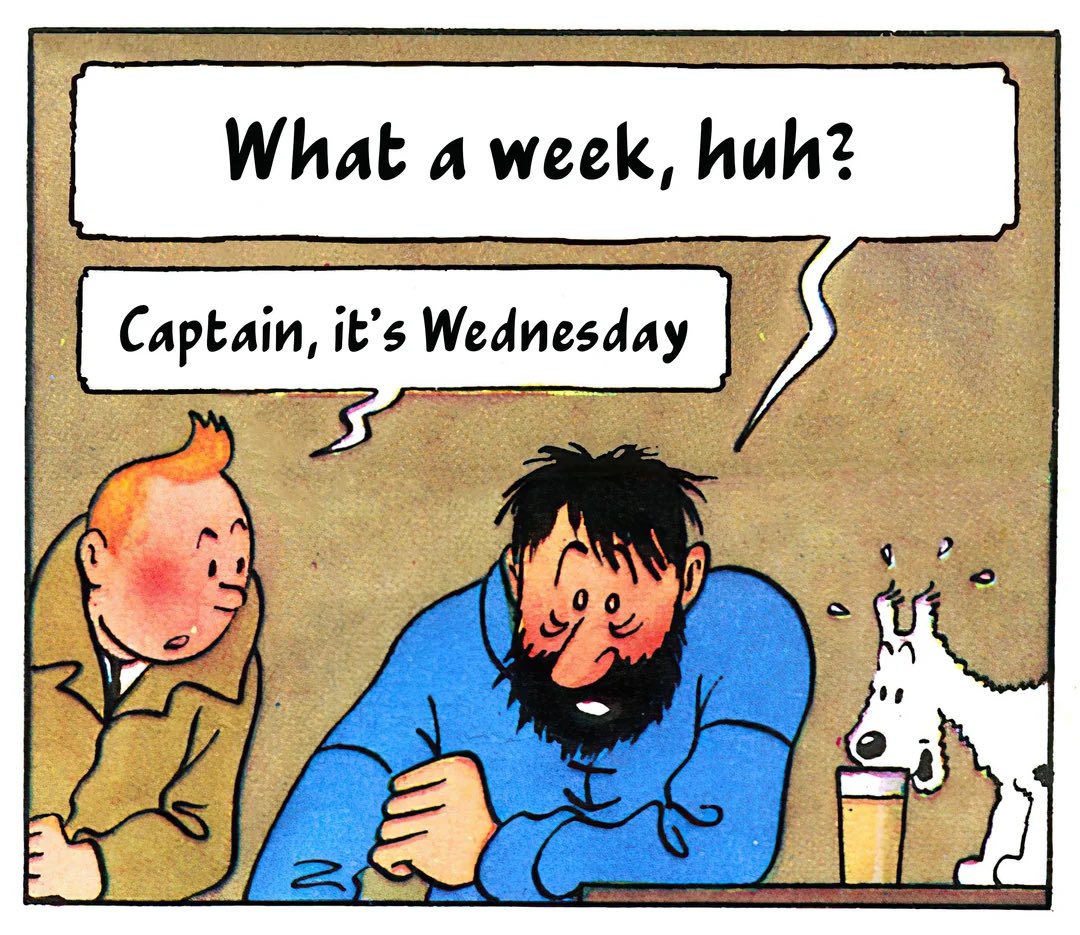
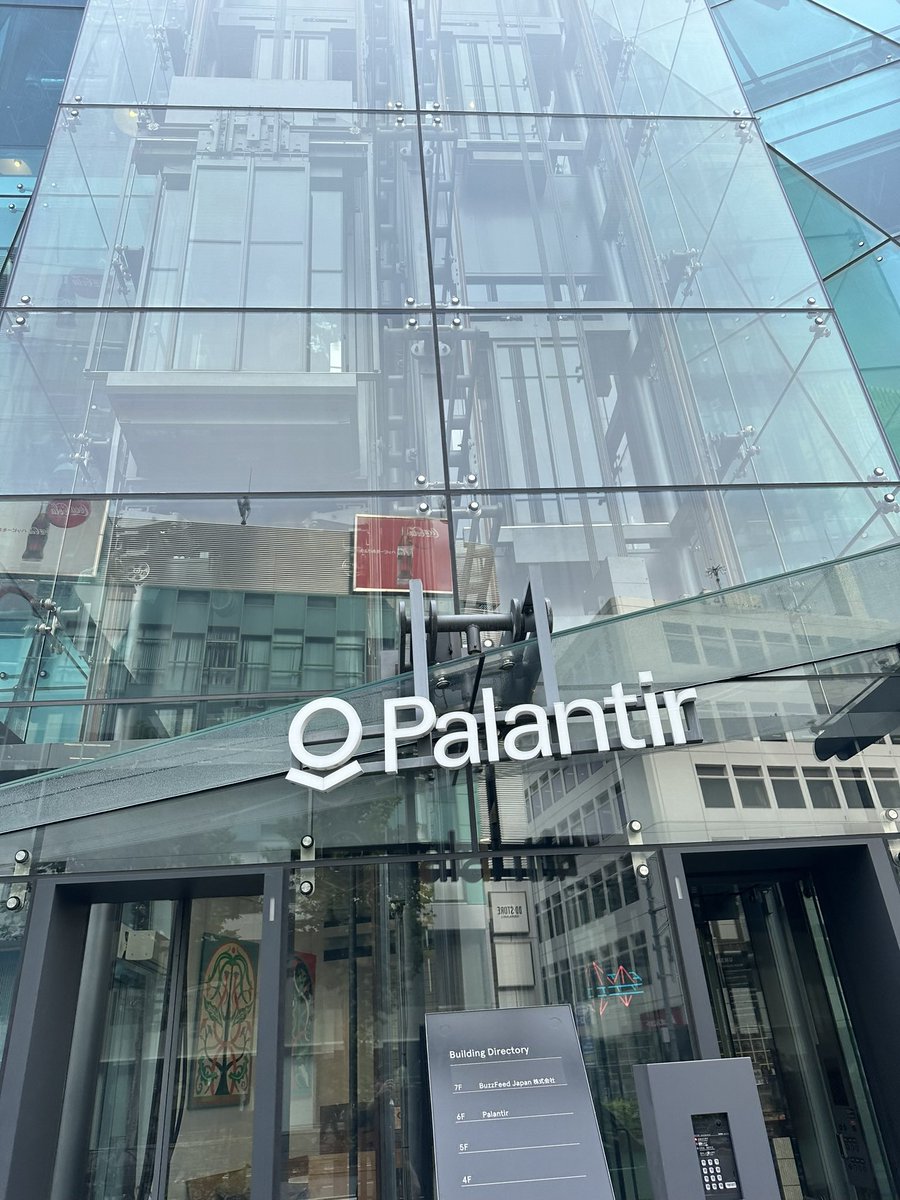
One of America's superpowers is hyping themselves up.
I don't mean this in a derogatory way, I mean it as a positive. Like what you repeat becomes true kind of way.
Another thing they held onto from Europe of old. We gotta practice it much more as company / continent culture.

My theory is that the American empire is JUST getting started.
US has a stranglehold on Space with SpaceX, which is the next frontier for defense/war. It has a comically large lead. No one will be close for at least 20 years.
It is the leading power in AI by far - both in models and chips. China is catching up fast, but the US has an inherent mechanism that will increase the likelihood that it will win in the end - a free market capitalism free speech.
A free market capitalism allows for brutal competition between companies. Free speech allows for AI models to be maximally truth seeking, which means that AIs CAN and WILL BECOME smarter than humans to the point where they can tell the truth about its leaders.
This is literally impossible in China. Try having a Chinese model that says Xi Jinping is corrupt. Good luck with that.
Then, you have a country that has more guns than people and surrounded by two massive oceans and two friendly neighbors, which means any sort of kinetic take over of the country is literally impossible.
Not to mention the US has BY FAR the best and strongest military.
The only way adversaries can hope to defeat the US is by tearing it from within by pitting us against each other. This is why it's virtually guaranteed that all the division/hatred/polarization you see within the country is fomented by China/Russia Psy Ops propaganda efforts.
I'm not saying these aren't naturally happening in spots - America is far from perfect - but it would be naive to think our adversaries aren't pouring millions of gallons of fuel on a fire.
As long as the American public a) has the ability to exercise its free speech b) has a protected 2nd amendment c) capitalism and free markets continue to function and d) the populace is aware of how awesome America really is, it is literally impossible to stop the US's trajectory to global domination in the coming decades, especially as China's demographics continue to collapse.
It's the bottom of the 9th, the game is tied, and the US has the bases loaded. It's a 3-2 pitch.
All we need is a home run, and we win the rest of the century.
15

Jun 13
Not your weights, not your model.
Jun 13

The US government, citing national security authorities, has issued an export control directive to suspend all access to Fable 5 and Mythos 5 by any foreign national, whether inside or outside the United States, including foreign national Anthropic employees.
The net effect of this order is that we must abruptly disable Fable 5 and Mythos 5 for all our customers to ensure compliance.
Access to all other Claude models is not affected.
We apologize for this disruption to our customers. We believe this is a misunderstanding and are working to restore access as soon as possible.
Read our full statement: anthropic.com/news/fable-myt…
34
Jun 9
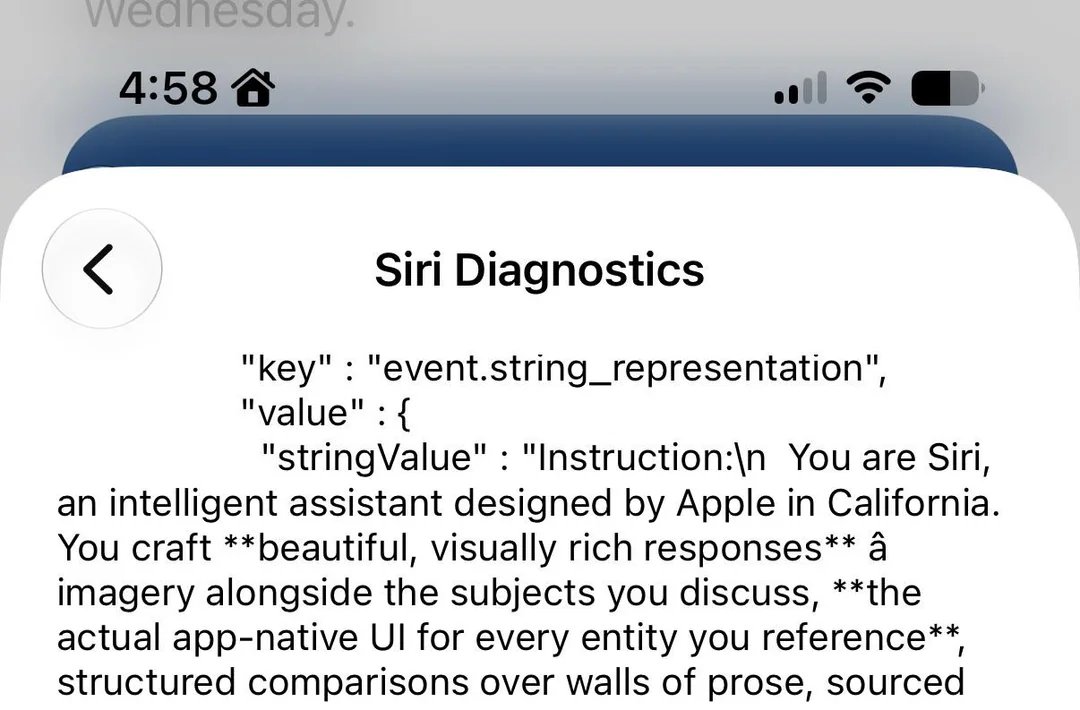
The interesting thing about this tech mode how passive it makes us humans.
Our best way to influence these systems once the weights are baked in is: Asking nicely. You don’t do that with cars, planes, electromagnetism.
It has an effect where we assume a default-beta role.

76
Alper Aydemir retweeted

Jun 5
Mighty Camera runs VIO on-device in a tiny package. But for it to be useful, you need things like mapping (and later occupancy, loop closure etc).
Here is a demo of lightweight mapping which uses VIO pose from Mighty and generates a semi-dense map on host-side in realtime.
It’s early but this will be part of the SDK along with other goodies.
15
28
339
20,326
Jun 6
How you can tell Karri is a great founder is he can write well. As PG says, to think well you need to write well, and to write well you need to read a lot.
If you can think well and are the CEO, you can run a mean company. And he does.
Jun 6

I don’t really have many VC horror stories.
The worst ones are just meetings where there isn’t much interest. Everyone is still polite, but you can feel it’s not going anywhere. With my first company, I pitched a lot of VCs and got a lot of polite rejections.
With Linear, I approached fundraising differently. I tried to always be in a position where I didn’t need funding.
I also didn’t do pitch meetings unless there was real mutual interest. I would take casual meetings, but tried to avoid pitch meetings, until I thought the timing was right, I was in the process, and I was interested and I could see the VC interested too.
Early on, we raised a small amount from angels. We didn’t want to commit to a VC at the very beginning, and with three co-founders we knew we could build the first version without much money.
After we announced the company, investor interest started to pick up. I told most VCs no and said I was focused on building the product.
Then Sequoia reached out. I took a coffee meeting with one of the partners because, well, it was Sequoia.
The partner later pushed me to come in and “meet more people.” I assumed this might turn into more of a pitch meeting, so I came prepared with slides and some thinking. I was willing to do it, again because it was Sequoia.
Before committing to the meeting, I told them clearly that I wasn’t raising and didn’t want to waste their time. They still wanted me to come in.
After the pitch, someone asked how much we were raising, since it wasn’t in the deck.
I said what I had already told them: I’m not raising.
They asked, “Well, if you were raising, what would you raise?”
I said I hadn’t really thought about it, and we wrapped the meeting.
They didn’t invest in that moment, but a few weeks later, once we actually decided to raise, they fought against other term sheets and led our seed round.
About a year later, Linear became breakeven/profitable. Every round since has been more focused. I’ve mostly met casually with VCs, usually engaging with 3–5 firms per round, and only doing a pitch if I thought they were good and they really wanted it. I’ve still gotten plenty of passes too.
Each round has taken about 2-3 weeks, because I've built the relationships, then just completed the show, and closed within couple of weeks.
With every round, I’ve also given VCs some homework. I send them a memo and questions about the business, ask them to write answers, and then we discuss them live.
For our Series B, several people from Accel flew to where I live, booked a hotel space, and came with binders of research about our company. It wasn’t a formal pitch meeting. It was a discussion.
I share this because for every VC horror story, there are also stories where investors really go the extra mile.
There are many cases where the VC builds the case, defends and believes in the founder, and does everything they can to make the investment happen, even when the rest of the partnership isn’t fully there yet.
I’ve only raised in 2012 and from 2019 onward, so I do believe there were times when VCs had more power and could abuse it more. YC, in some ways, helped put a stop to that.
But my guess is that VCs more often do something extraordinary than treat someone badly. You just don’t hear about those extraordinary experiences as much.
I’ve seen VCs fly anywhere in the world on a moment’s notice to try to convince a founder. I’ve been called many times to help sell a founder on a firm. VCs will do everything, call in every favor, to impress the founder.
And I don’t envy the job. It seems grueling. You have to pass on a lot of people who are obviously passionate about their business, and people take it personally. At the same time, you have to work incredibly hard to get into the best deals.
1
100
May 26
2-3 years of Pininfarina and forget
May 25

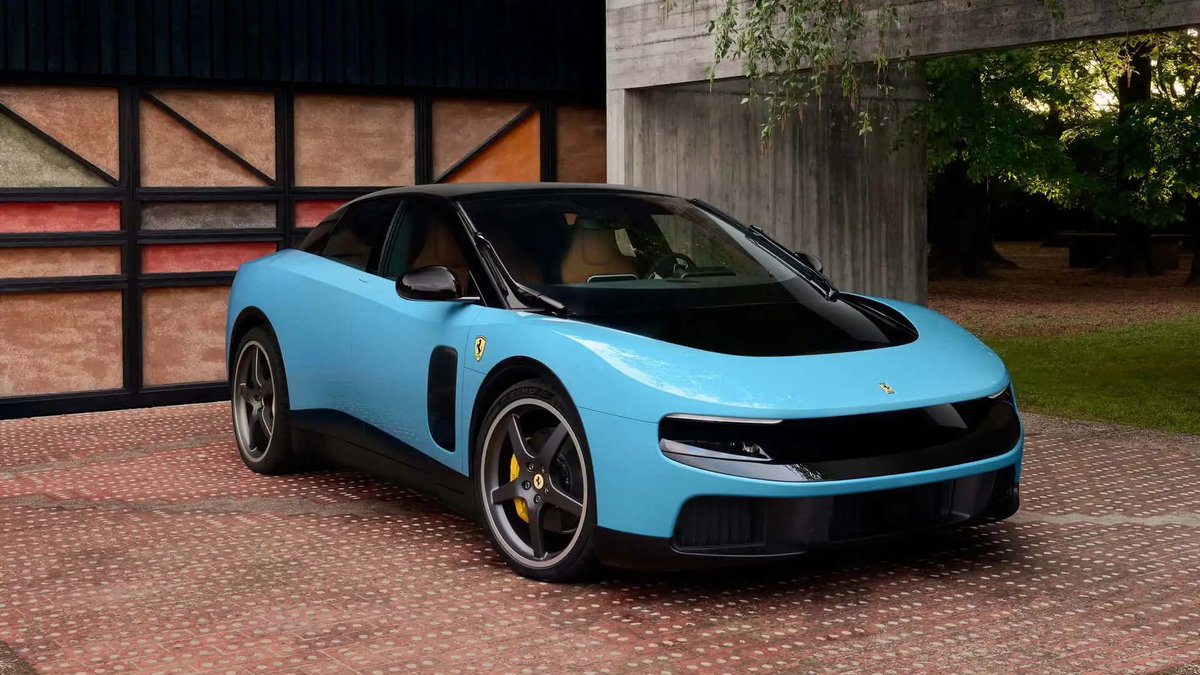
NEW: Ferrari unveils the Luce, its first electric vehicle designed by Jony Ive.
1
70
Alper Aydemir retweeted

May 14
We just shipped our biggest @rerundotio open source release ever, and our commercial product Rerun Hub is now available as private preview. I’m deeply proud of what the team has done here and very excited to share more publicly what we’ve been working on for the last year and a half.
We’re building a new data layer for robot learning

20
44
9,018
Mar 30
mosaics were signs of refinement and elite taste, the ancients viewed public surfaces as opportunities to tell stories and spread beauty
then they got abandoned largely due to cost, custom mosaic being $7,000/m²
But robotics can fix this?
Mar 29

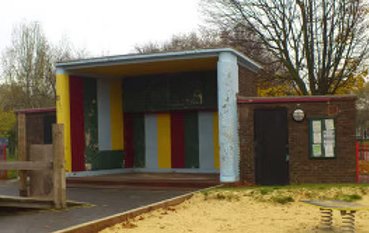
One of the best public art projects I've seen. Grim park shelter turned into glorious roman-style mosaic menagerie, by the Hackney Mosaic Project.

1
2
157
Mar 23
People don't call this "robotics" but it's the biggest robotics success story imo.

2
154
Alper Aydemir retweeted

Mar 16
Make profits, share profits. Keep things simple. Real money, not fake money based on a fickle secondary or public market. Nearly all options expire worthless.
And let them start earning the real thing quickly, accumulating more units the longer they stay up until a cap at 10 years. Doesn't matter the position or salary — reward longevity (fit), not role.
Sharing profits aligns with a healthy business.
This is how we do it:
basecamp.com/handbook/benefi…
These aren't small sums. About 1/3 of our company got 6-figure profit shares last year. Real cash they can buy real homes with, real college educations with, real whatever with.
Mar 16

Unpopular opinion:
If I started a company today, founders & founding employees shouldn’t fully vest in 4 years.
Building a real company takes a decade.
What I recommend to founders:
Founders
6-year vesting, 1-year cliff
Back-weighted:
Year 1 — 10%
Year 2 — 15%
Year 3 — 15%
Year 4 — 20%
Year 5 — 20%
Year 6 — 20%
Founding Eng / Growth
• 2–5% equity
• ~$120k salary
• 6-year vesting, normal weight
• 1-year cliff
Employees
• 4-year vesting
• 1-year cliff
29
28
619
93,779
Alper Aydemir retweeted

Mar 3
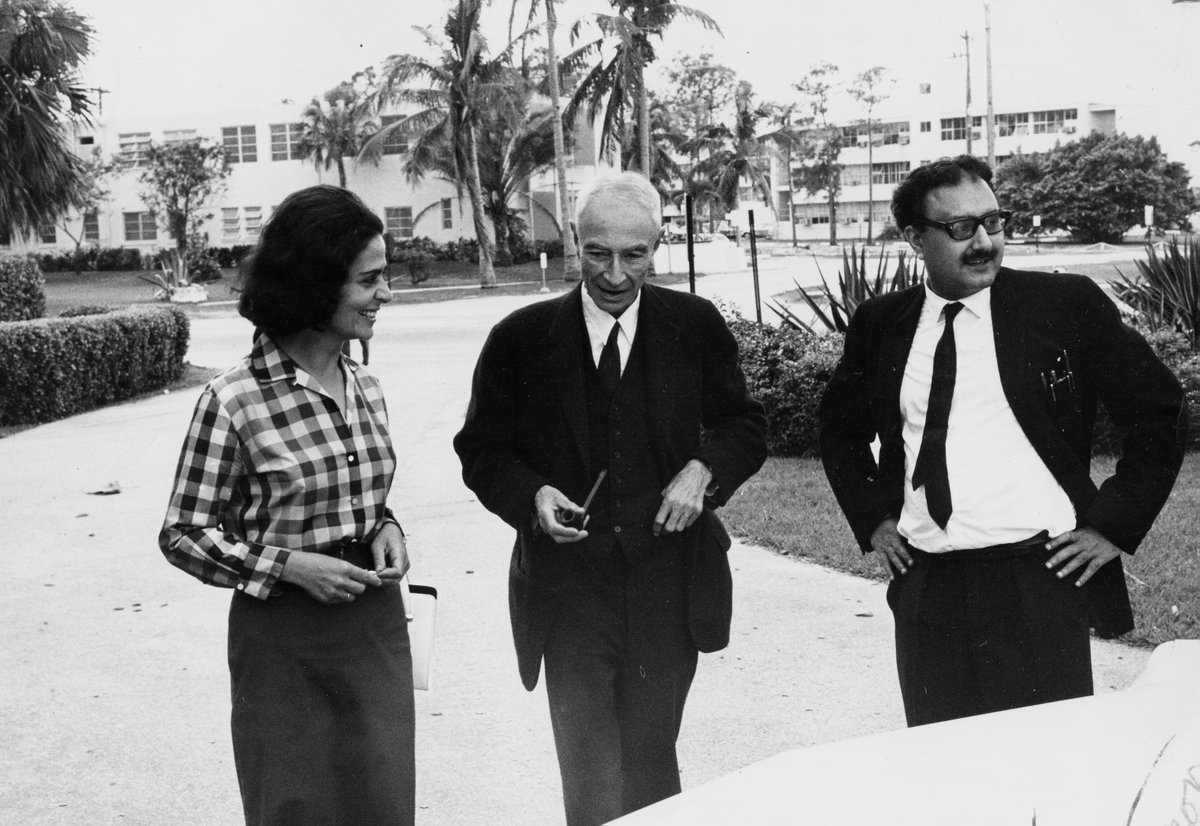
Sevda Arif Kurşunoğlu, J Robert Oppenheimer, and Pakistani Nobel Laureate Abdus Salam converse outdoors in Miami, Florida
Sevda, the widow of Turkish physicist Behram Kurşunoğlu, is now 102 years old and still lives in Florida
(Photo courtesy of AIP)
#Oppenheimer #AbdusSalam
19
153
6,337
Alper Aydemir retweeted

Feb 17
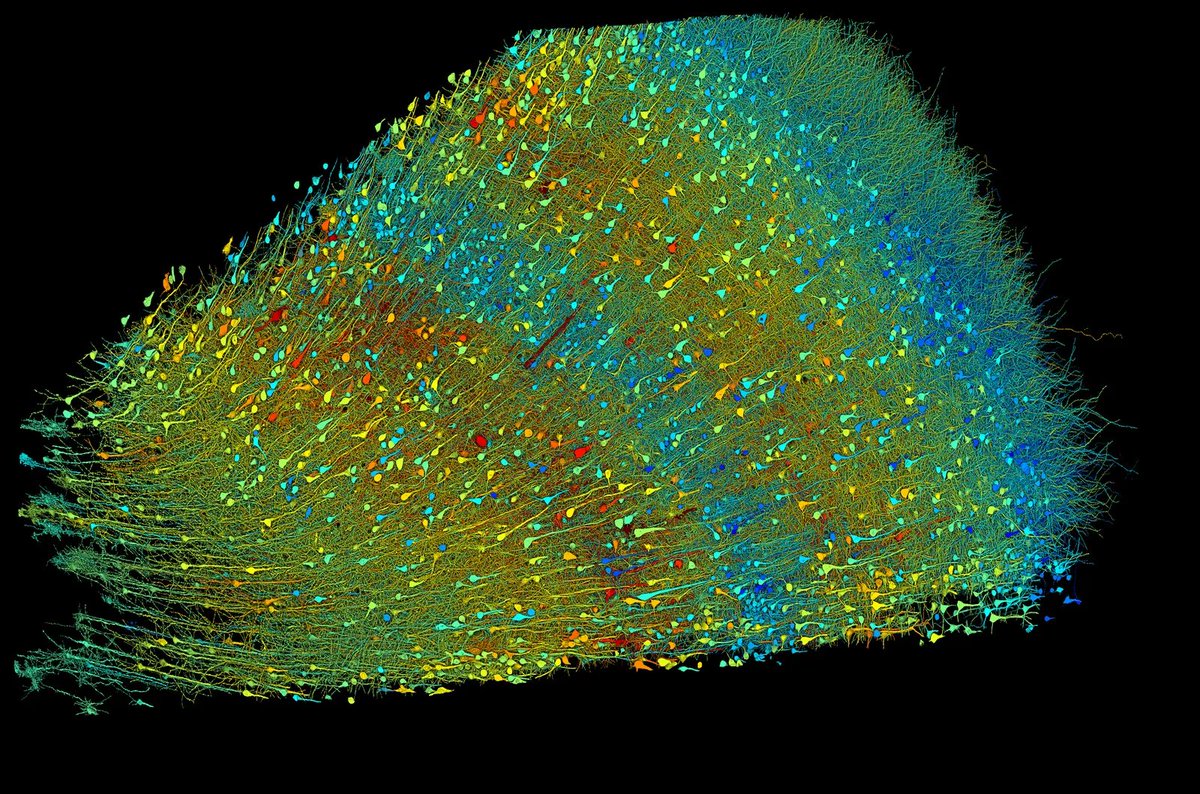
🚨: Scientists mapped 1 mm³ of a human brain ─ less than a grain of rice ─ and a microscopic cosmos appeared.

514
3,725
30,664
8,418,049
27 Dec 2025
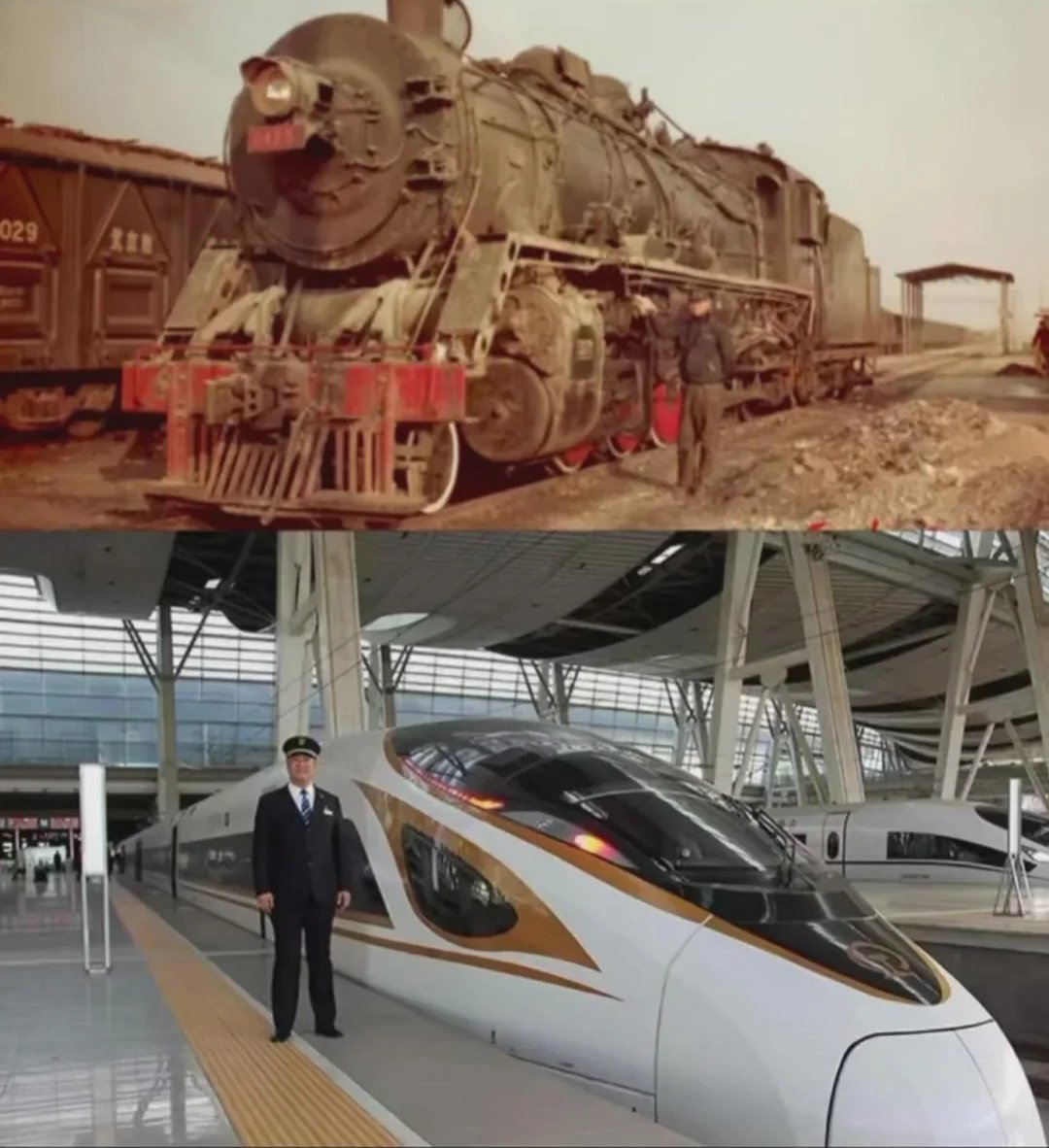
Going from that to this in one lifetime is why many societies around the world still have the fire of progress in their belly - they witnessed it first hand after all, and yet many others have lost it. That forward momentum is a powerful force.
You can feel it as you travel.

1
2
1
255
27 Nov 2025
That’s I think Rich Sutton’s point as well
26 Nov 2025

What if we're approaching robotic manipulation all wrong?
@ilyasut makes a fascinating point here:
Current approaches throw massive amounts of data at the problem — millions of simulation steps, huge compute.
And still, robots can't match human dexterity. Real-world learning of new skills? "Very out of reach."
Meanwhile, humans pick up manipulation tasks almost instantly.
Our dexterity is unmatched. And we do it with remarkable robustness — no reward shaping, no curriculum design, no training instability.
Why the gap?
Evolution. 500M years of optimisation for locomotion, vision, and manipulation.
For these ancient sensorimotor tasks, maybe brute-force data isn't the answer.
Maybe we should be copying the biological algorithms that already solved it.
CC: @dwarkesh_sp
230
Alper Aydemir retweeted

18 Nov 2025
Our model can now learn from its own experience with RL! Our new π*0.6 model can more than double throughput over a base model trained without RL, and can perform real-world tasks: making espresso drinks, folding diverse laundry, and assembling boxes.
More in the thread below.
82
318
2,101
704,046
14 Nov 2025
Accelerate!
14 Nov 2025

🇪🇺🔥 Europe’s manufacturing edge is at real risk – too much capacity is moving to China, and what stays is hard to scale. The surprising solution might be a two-arm robot cell being built in a new lab in Ljubljana.
I visited Sunrise Robotics to see how they’re building a new type of automation that could reshape European industry.
Why it matters:
• Europe is the world’s #2 manufacturing hub (~17–18%)
• 50% of output is small-batch (high-mix/low-volume) → hard to automate
• Millions of workers will retire or be out of job due to outsourcing
• Sunrise created a standardized, simulation-trained cell
• One operator can supervise multiple of these stations to build more complex products
• This is a key to keeping factories – and competitiveness – in Europe
I truly think Sunrise can become a global automation leader – disclaimer: I was their first (small) investor and first (big) fan. 🔥
The video shows everything: the test lab, the simulation stack, the UI, the assembly line, the first production batches… and a deep dive with CEO @tomazstolfa on the vision behind it.
Full video link in the reply.
If you enjoy it, please like subscribe on YT – this really helps boost this kind of content. 🔥
If you care about robotics, automation, European competitiveness, or the future of work – checkout this video.
PS: I was absurdly sick during the shoot… apologies for any sloppy camera work and spaced-out staring 😅
2
8
2,133
Alper Aydemir retweeted

14 Nov 2025
🇪🇺🔥 Europe’s manufacturing edge is at real risk – too much capacity is moving to China, and what stays is hard to scale. The surprising solution might be a two-arm robot cell being built in a new lab in Ljubljana.
I visited Sunrise Robotics to see how they’re building a new type of automation that could reshape European industry.
Why it matters:
• Europe is the world’s #2 manufacturing hub (~17–18%)
• 50% of output is small-batch (high-mix/low-volume) → hard to automate
• Millions of workers will retire or be out of job due to outsourcing
• Sunrise created a standardized, simulation-trained cell
• One operator can supervise multiple of these stations to build more complex products
• This is a key to keeping factories – and competitiveness – in Europe
I truly think Sunrise can become a global automation leader – disclaimer: I was their first (small) investor and first (big) fan. 🔥
The video shows everything: the test lab, the simulation stack, the UI, the assembly line, the first production batches… and a deep dive with CEO @tomazstolfa on the vision behind it.
Full video link in the reply.
If you enjoy it, please like subscribe on YT – this really helps boost this kind of content. 🔥
If you care about robotics, automation, European competitiveness, or the future of work – checkout this video.
PS: I was absurdly sick during the shoot… apologies for any sloppy camera work and spaced-out staring 😅
26
70
419
33,837
Alper Aydemir retweeted

14 Nov 2025
New video up on our YouTube Channel!
Sunrise is revolutionizing manufacturing with their unique robotic cells that can automate any workstation in any factory.
This upgrades workers to machine supervisors and allows Europe to stay competitive.
Link below.
14 Nov 2025
🇪🇺🔥 Europe’s manufacturing edge is at real risk – too much capacity is moving to China, and what stays is hard to scale. The surprising solution might be a two-arm robot cell being built in a new lab in Ljubljana.
I visited Sunrise Robotics to see how they’re building a new type of automation that could reshape European industry.
Why it matters:
• Europe is the world’s #2 manufacturing hub (~17–18%)
• 50% of output is small-batch (high-mix/low-volume) → hard to automate
• Millions of workers will retire or be out of job due to outsourcing
• Sunrise created a standardized, simulation-trained cell
• One operator can supervise multiple of these stations to build more complex products
• This is a key to keeping factories – and competitiveness – in Europe
I truly think Sunrise can become a global automation leader – disclaimer: I was their first (small) investor and first (big) fan. 🔥
The video shows everything: the test lab, the simulation stack, the UI, the assembly line, the first production batches… and a deep dive with CEO @tomazstolfa on the vision behind it.
Full video link in the reply.
If you enjoy it, please like subscribe on YT – this really helps boost this kind of content. 🔥
If you care about robotics, automation, European competitiveness, or the future of work – checkout this video.
PS: I was absurdly sick during the shoot… apologies for any sloppy camera work and spaced-out staring 😅
1
8
26
2,824

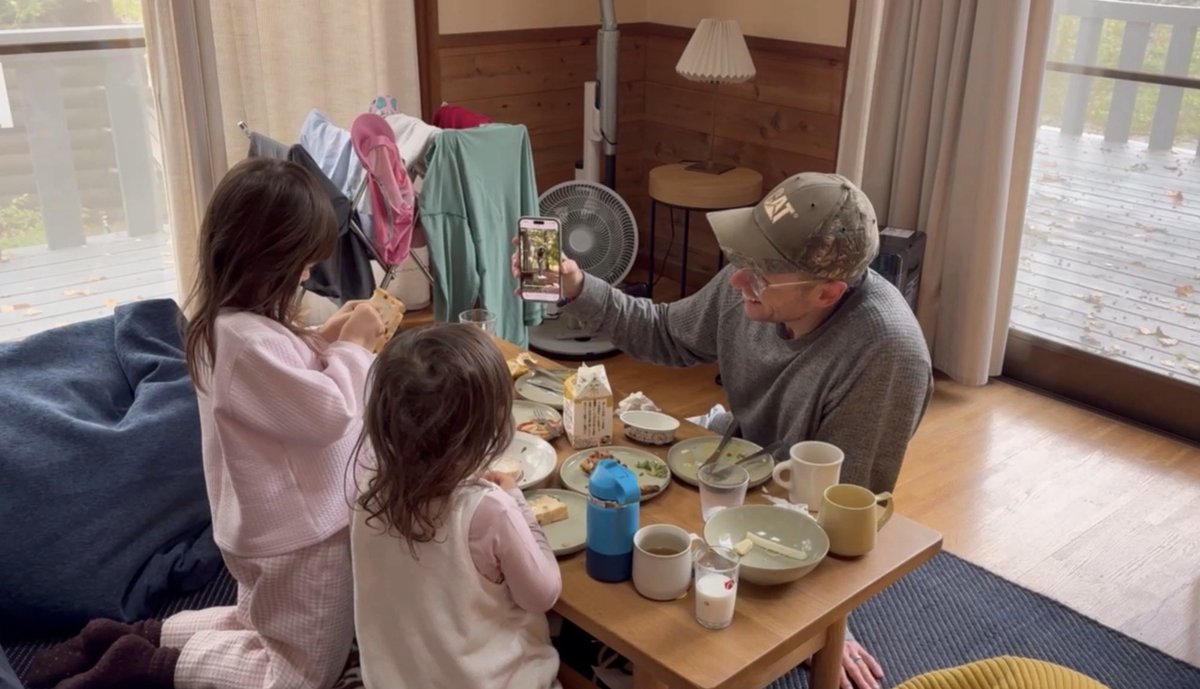
I am the luckiest dude.
I wake up at the crack of dawn to play with my kids and have breakfast with them.
Then I get to ride a kick scooter with them to school that’s less than a kilometer away.
On my way home I lift heavy things and jump into the sauna.
I spend the rest of my day doing work that directly affects the quality of people’s lives until my kids come home and we read books, draw, and play Nintendo.
After a solid 16 hours of Dad’ing and working I crash exhausted every single day.
I feel deeply privileged to both raise kids and do work that helps people improve their lives.
6
1
157
14,054