夜勤さん@momonga777com に新札幌駅で拾われた5ちゃん運営ウォッチャー/アイコン→トラリピくん&山口真帆画伯作🐯/ #MYcharme #まほほんコスメ #マホノミクス
Joined December 2018
- Tweets 211,321
- Following 1,414
- Followers 1,702
- Likes 748,648
16,530 Photos and videos
あるたん retweeted

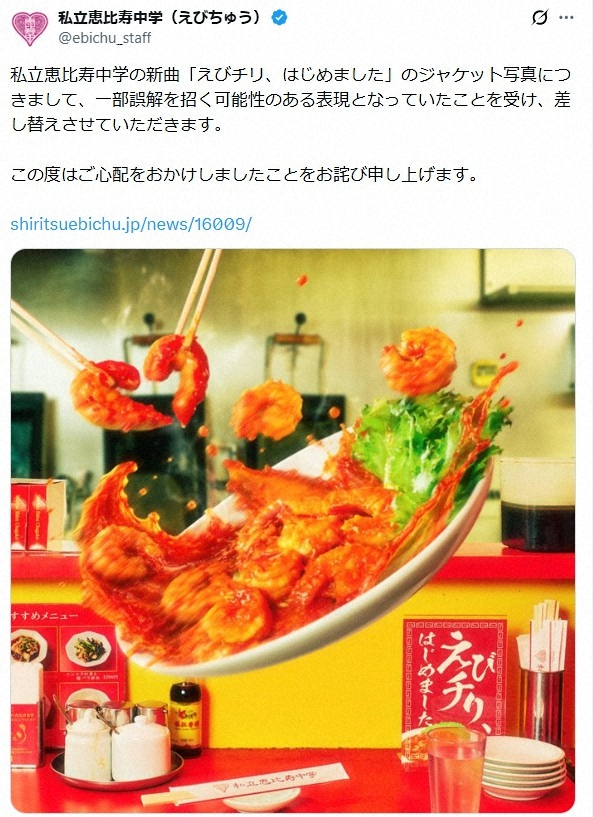
【発表】私立恵比寿中学、新曲のジャケ写が「誤解を招く可能性のある表現」として謝罪 差し替えへ
news.livedoor.com/article/de…
16日、公式SNSを通じ、新曲「えびチリ、はじめました」のジャケット写真について「一部誤解を招く可能性のある表現となっていた」として謝罪。差し替えを発表した。
88
64
404
213,393
あるたん retweeted

It went from “porn” to everything like we all predicted

JUST IN: UK Government clarifies adults will still be able to use social media by verifying their identities with digital IDs, facial recognition, passports and credit cards.
146
11,341
116,025
3,796,963


あるたん retweeted

5h
Amazon Primeかな?

【速報】ホルムズ海峡、60日間は無料開放と米高官
47news.jp/14474721.html?utm_…
88
4,042
27,842
1,453,828

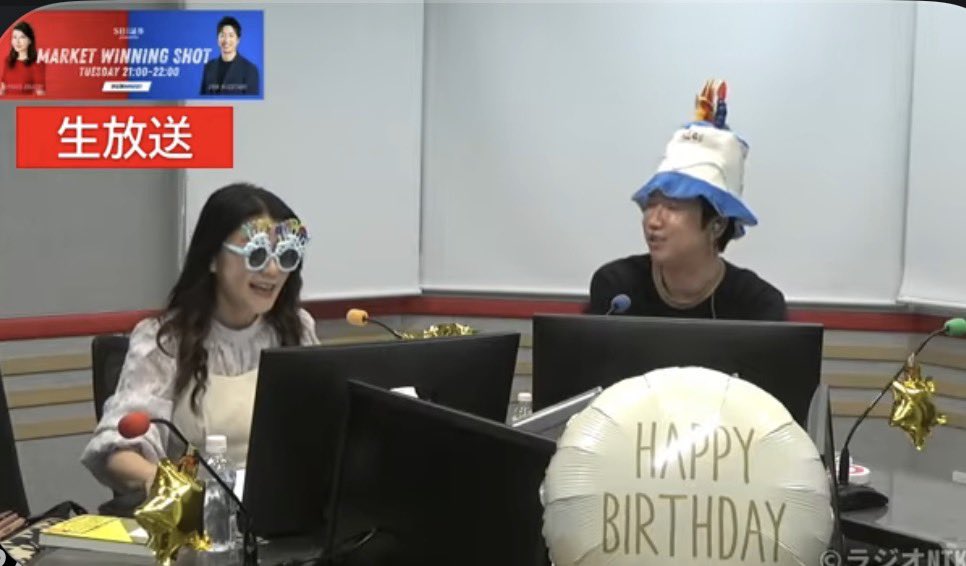
私もおじゃまいたします〜

\⏰本日6/16(火) 16:15〜OA.🎧️/
#みんえふラジオ
日銀が31年ぶりとなる水準まで政策金利を
引き上げても、為替市場は反応薄!?
米イラン停戦合意と重なって、むしろ日銀の
タカ派路線は影を潜めてしまうのか???
本日は井口さん@yoshi_igu さんZoom、
今日は芳賀@Yuto_Headline さんスタジオ
(メインパーソナリティー)、
ゲストは和島英樹 @waji07さん🎙️
……の豪華布陣でお届けします!
【radiko📻️】
radiko.jp/share/?sid=RN1&t=2…
【YouTube LIVE📡】
youtube.com/watch?v=i2StJ7Nn…
さらにこちらの「番組公式X」でも
LIVE配信中!!
1
2
530
あるたん retweeted

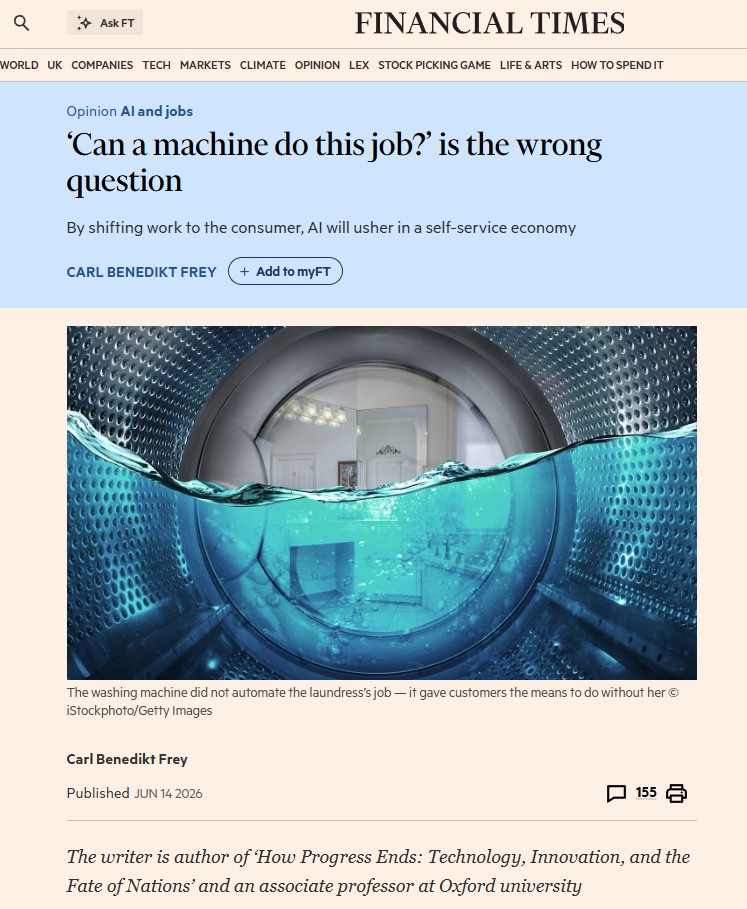
おおむね賛成。一方でAIにきけば自分でボイラー修理できるようになり手作業も壊滅、というのはGoogleやYouTubeでも言われたが、今その基盤となる「まともな人がどこかに正しい情報をあげている」という前提がくずれてる。AIもプロンプトで尋ねる能力みたいなのがネックになり、意外と専門職死なないかも。

My latest in the @FT today. I make four points:
1) Capitalism's great achievement was moving activity out of the household and into the market — turning domestic production into paid specialisation, creating jobs, and making output visible to the national accounts. AI-enabled self-service might quietly reverse that centuries-long trend.
2) When a technology automates tasks within a service, it can trigger a Jevons paradox: the service gets cheaper, demand expands, and employment grows. When it lets people do the work themselves, demand for the service collapses.
3) AI extends this even to the manual trades, the supposed safe haven of the AI age. If a homeowner can ask a chatbot why their boiler keeps losing pressure, heating engineers lose call-outs.
4) When work shifts to the consumer, it vanishes from the economy statisticians measure. Replace a billing department with a chatbot and a firm records lower costs and higher output per worker; the national accounts register a productivity gain. But the hours patients spend decoding their own test results appear nowhere — not in labour statistics, not in GDP. As self-service spreads into professional domains, that blind spot will grow.
1
19
46
5,101

あるたん retweeted

プークスクス

2
10
1,188
井口さんの代打のひとりとして和島さん!?
このあと、16時15分から生放送!
ゲスト:経済ジャーナリスト 和島英樹さん
YouTube&Xで同時生配信中!
↓↓↓ 配信はこちらから!↓↓↓ x.com/i/broadcasts/1yxBeejYo…
32

あるたん retweeted

🆕アジア初🏟️
沖縄サントリーアリーナにLED搭載フロア導入…琉球がBプレミア初年度へ新たな観戦体験
basketballking.jp/news/japan…
クラブの発表によると、プロスポーツチームのホームゲームにおいて、シーズンを通してLED搭載フロアを使用するのはアジア初🏟️
🎦@RyukyuKings
1
170
1,324
82,844

伊予銀行が2016年以来10年ぶりに日本国債、超長期債へ投資を開始が話題ですが、米PGIM債券運用責任者も日本の超長期国債「最も魅力的」としています。
nikkei.com/article/DGXZQOUB2…
~日本国債について「財政赤字が縮小したことで、GDP比で見た債務動向は非常に好転している。これは多くの先進国の中でもほとんど例がないほどの改善ぶりだ」と評価。
潮目が変わるか。

円が下落すると予測して為替ヘッジなしの外債投資を行なって、この2年間で債券投資で利益を計上した唯一の地方銀行となり、また、NVIDIA株を5年前に買って大きく儲けた伊予銀行が、2016年以来10年ぶりに日本国債、超長期債へ投資を開始
bloomberg.com/news/articles/…
愛媛県今治市には世界的に有名な海事産業集積地があり、伊予銀行は世界を股にかける愛媛船主・今治船主に融資してきて、世界市場への嗅覚が優れていると言われる
1
19
124
12,903

あるたん retweeted

19h
あっこれ、西村のせいで業界傾くやつだ。
完全キャッシュレスにしたらパチ業界の全体から手数料搾り取れるからGMOはそりゃやりたいよね。
16兆2000億円の売上の内の手数料5%って8100億だし、全店舗やらないにしても30%の店舗がやったとして2700億。
ちなみに去年のGMOの売上が2850億くらい。
それにパチ屋の利益率って3-5%くらいだから、設備投資して売上から手数料5%持ってかれたらゼロかマイナスじゃん。
客に乗せるしかないから1000円40枚の時代がきそう。

…決済手数料が売上の5%という意味を本当に理解してるのかな?
43
448
1,923
1,447,685

"有識者会議の座長は林芳正総務大臣の実妹である林玲子氏"

【備忘録】「外国人のマンション取得、規制は当面見送り」の関連ニュースです。
1月14日に、政府の有識者会議が、外国人の土地取得規制に歯止めを求める方向の提言を行なっていました。
有識者会議の座長は林芳正総務大臣の実妹である林玲子氏。
林玲子氏は以下のような経歴をお持ちの方です。
- 人口問題研究所 所長
- 国連人口開発委員会 政府代表団員
jiji.com/jc/article?k=202601…
16
640
1,587
25,820