Mama. Actor. VO. Film,Pizza,Dog Lover..Talking Italian. Rep @shmgmt @sn_voices | The Dreamlands| Big Boys | Fool Me Once|KillingEve| SEE YOU ON INSTA @amevs5
Joined June 2012
- Tweets 21,778
- Following 1,143
- Followers 1,853
- Likes 57,265
1,083 Photos and videos


Pinned Tweet

24 Apr 2024
New #showreel update!🎬
Includes footage from @HarlanCoben’s #FOOLMEONCE
@CastingPictures @QuayStreetProd_
@shmgmt ♥️🙏
If anyone is still out there @x this is me!
50’s #Comedy #Drama London based & raised, Italian made🇬🇧🇮🇹
Big🙏
🎬 Edit @ChrisStoneFilms
📷 @RuthCrafer
17
7
52
10,279
anna-maria everett 💙 💙💛 retweeted

Jun 5
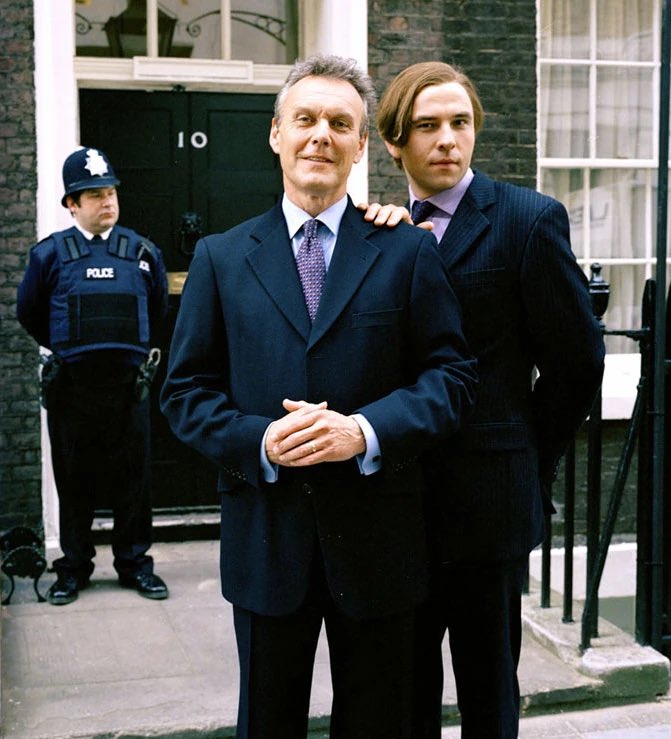
No one will ever look at the Prime Minister quite the way Sebastian did. Farewell to the brilliant Anthony Head, who gave us one of British comedy’s most iconic double-acts.
4
64
724
11,508
anna-maria everett 💙 💙💛 retweeted

May 29
This is such a useful read. Philip brilliantly distilling ten common challenges less experienced writers (and probably some fairly experienced ones too!) face in their scripts.

My fortnightly #screenwriting newsletter. My most frequent script notes - and the takeaways for screenwriters script-consultant.co.uk/my-m…
2
5
10
2,099
anna-maria everett 💙 💙💛 retweeted

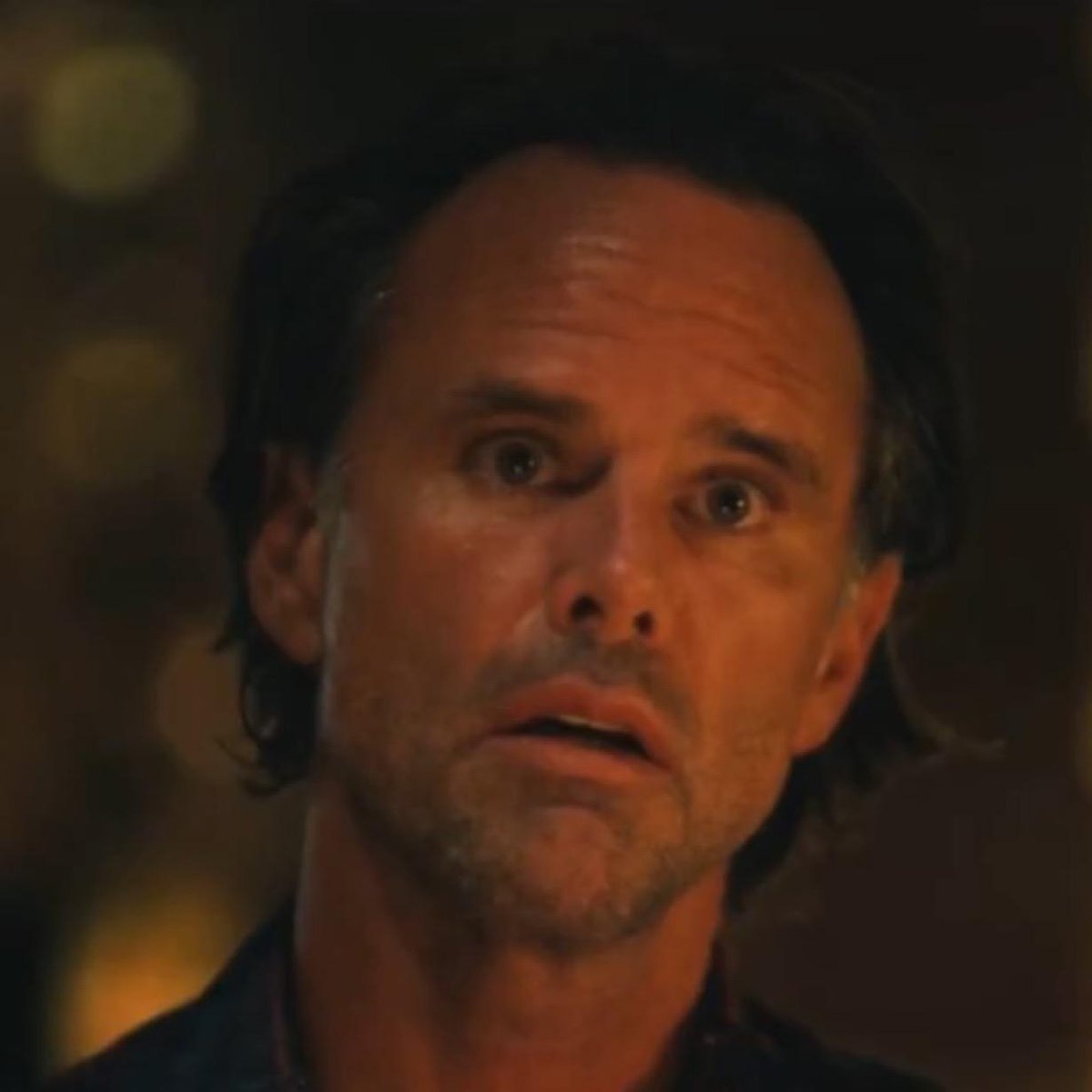
A woman on this train is on the phone to her bank and has put the hold music on loudspeaker
9
3
54
1,666
anna-maria everett 💙 💙💛 retweeted

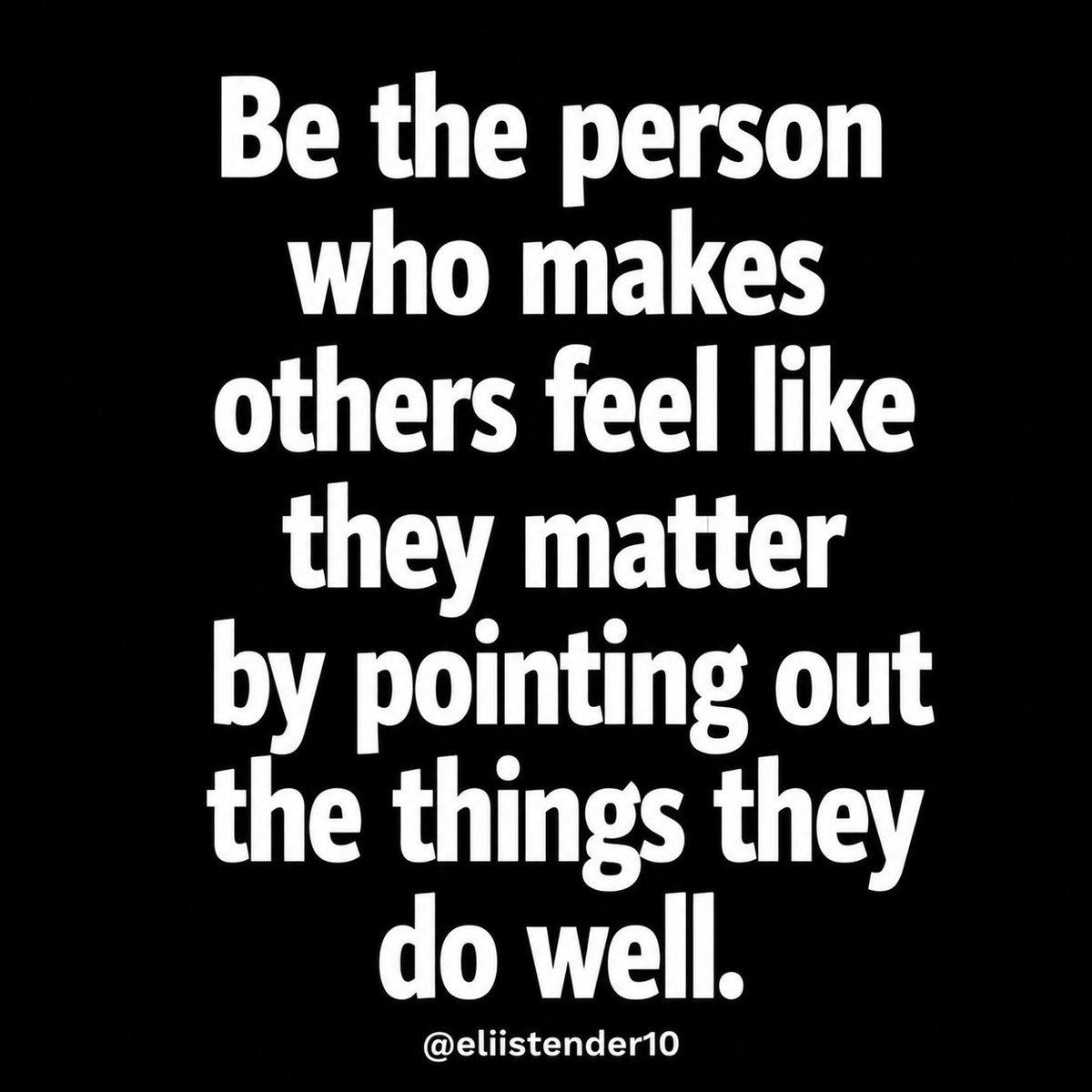
This is important.
5
45
194
3,208
anna-maria everett 💙 💙💛 retweeted

May 12
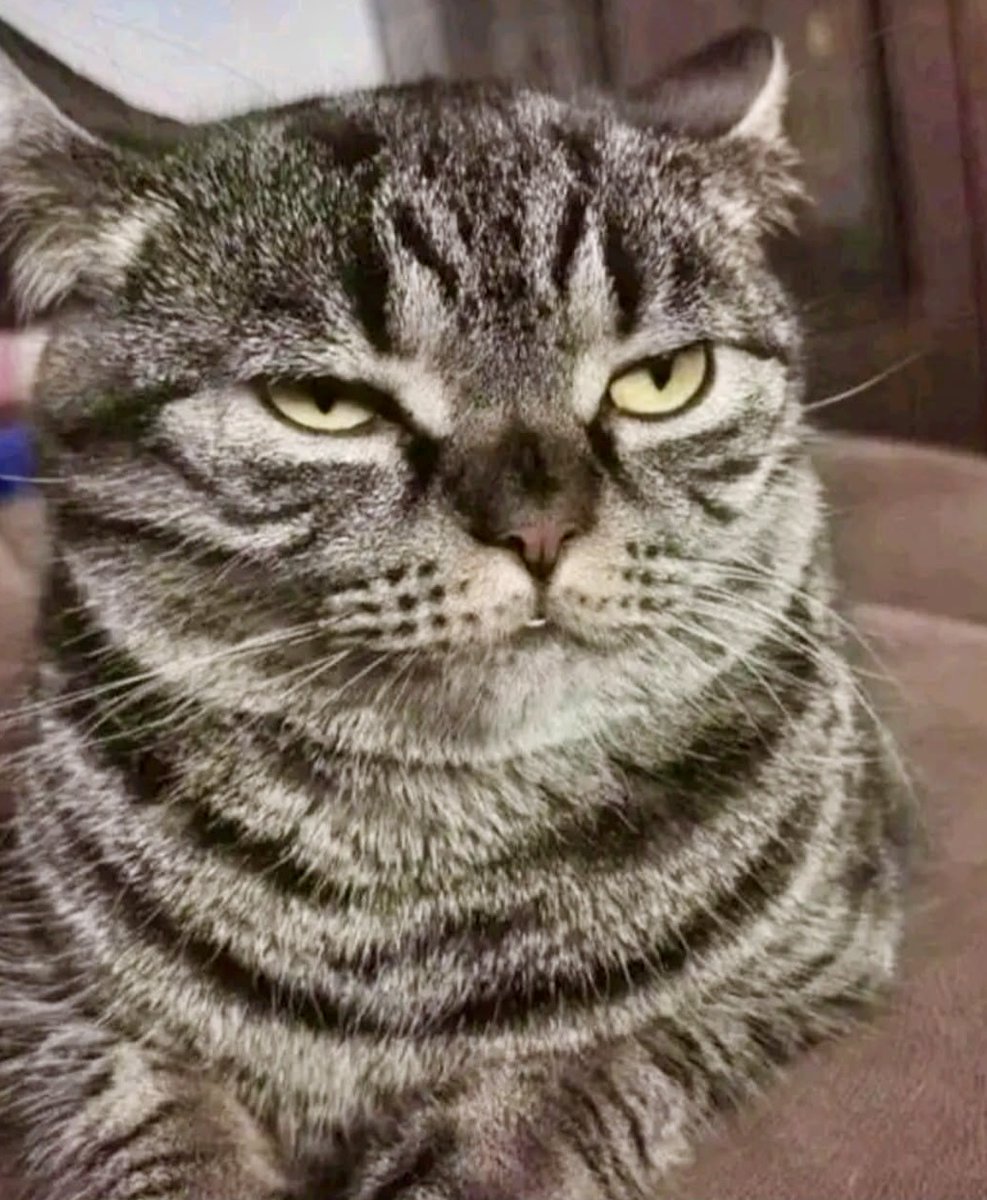
Me when I think I'm being approachable and cooperative at work.
18
98
1,338
14,972
anna-maria everett 💙 💙💛 retweeted

This one hits hard. I spent a small part of my career as a medical scientist working in oncology clinics with Florida Cancer Specialists, and I’ll tell you something that surprised me coming into that work.
I expected to see broken people. Young patients facing terminal diagnoses, families falling apart, despair in the waiting rooms.
What I actually saw was the opposite in a lot of cases. Some of the mentally strongest people I’ve ever met were the ones sitting in those infusion chairs. Young patients in their 20s and 30s, diagnoses most people couldn’t survive a week of emotionally, and they were laughing with the nurses, writing letters to their kids, making lists of people they wanted to see one more time, holding their partner’s hand through cycles most of us can’t imagine.
They weren’t in denial. They weren’t pretending. They had clarity most of us never develop. The noise of everyday life had been burned away. What was left was gratitude, presence, humor, and a kind of fierce love for the ordinary things the rest of us ignore.
Holly writing this letter the day before she died is not an outlier. It’s representative of something I saw over and over. People facing the end of their time often become the wisest voices in the room.
The lesson isn’t that we need to wait for a diagnosis to live that way. The lesson is that the diagnosis isn’t what made them wise. The diagnosis just stripped away everything that wasn’t. Most of us walk around with the same capacity to be present and grateful. We just bury it under calendar invites, phone scrolls, and small grievances.
Read Holly’s words. Then read them again. Then actually go do the things.
Don’t wait for the diagnosis.
Read the label.
5
29
414
27,919
anna-maria everett 💙 💙💛 retweeted

Apr 21
A final piece of advice from Holly Butcher - written the day before she passed away from cancer at just 27:
“It’s a strange thing knowing you’re going to die young.
At 26, I thought I had time…
To fall in love.
Start a family.
Grow old.
But cancer doesn’t care about plans.
Now, I understand how fragile life really is. Every single day is a gift, not a guarantee.
I’m not writing this to scare you. I’m writing to remind you: really live.
Stop stressing over little things. Be kind to your body- move it, nourish it, stop criticizing it. One day you’ll wish you had appreciated it.
Go outside.
Look at the sky.
Feel the sun.
Just be.
Spend less time chasing “stuff” - more time making memories. Don’t skip moments with people you love.
Laugh more.
Write a note.
Tell someone you love them.
Complain less.
Give more.
Helping others brings more joy than anything you can buy.
Be present.
Put your phone down.
Show up - really show up.
You don’t need to have it all figured out. You don’t need a perfect body, or a perfect life.
Just follow what makes your heart light up. Say no to what drains you. Make changes when you need to.
And please - donate blood. I wouldn’t have had that extra year without it. And that year gave me memories I’ll hold close… forever.
Thank you for reading this.
Live your life well.
And maybe… we’ll meet again someday.”
Holly 🩷
Repost & share Holly’s important advice. ❤️
477
7,442
31,280
2,304,920
anna-maria everett 💙 💙💛 retweeted

Apr 20
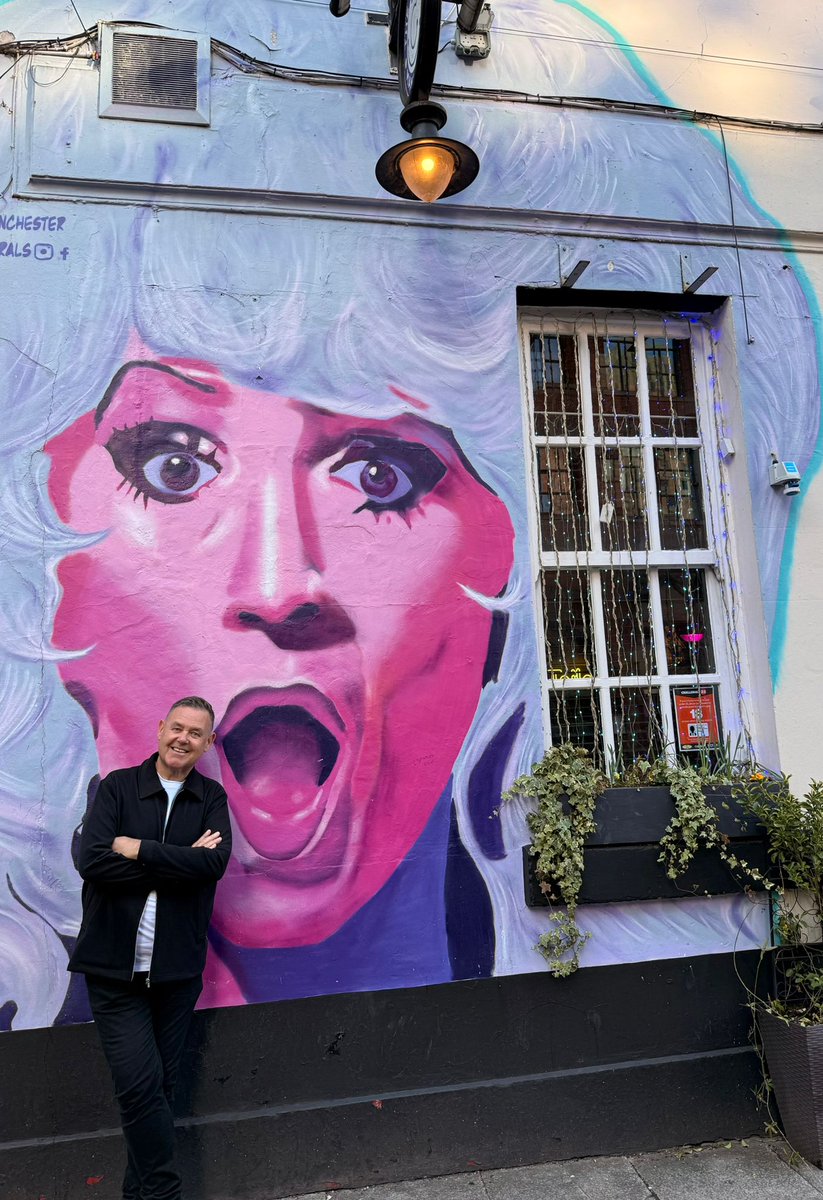
Not the first time I've had that gob screaming in my ear!!! ❤️
22
13
802
22,625

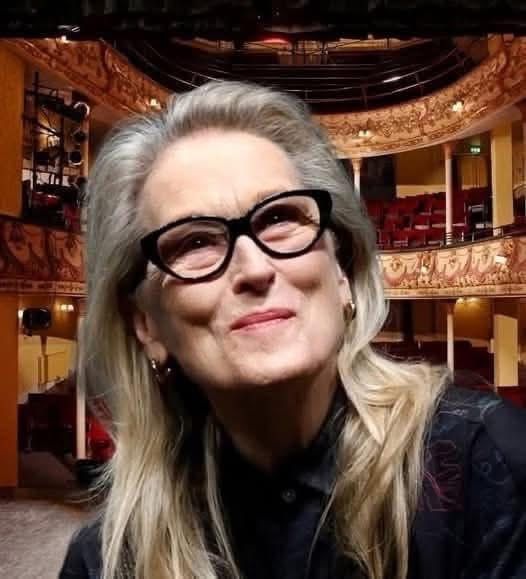
Meryl Streep said:
"Aging is not for the weak. One day you wake up and realize that your youth is gone, but along with it, so go insecurity, haste, and the need to please... You learn to walk more slowly, but with greater certainty. You say goodbye without fear, and you cherish those who stay. Aging means letting go, it means accepting, it means discovering that beauty was never in our skin... but in the story we carry inside us."
145
1,371
6,707
211,205
anna-maria everett 💙 💙💛 retweeted

Mar 10
A teenager repeatedly kicked the seat in front of him, ignoring the passenger’s requests to stop.
Eventually, the man reclined his seat, which resulted in the teen getting hurt from the sudden impact.
2,157
1,809
33,859
3,730,791
anna-maria everett 💙 💙💛 retweeted

3,666
241
2,604
138,953
anna-maria everett 💙 💙💛 retweeted

Mar 10
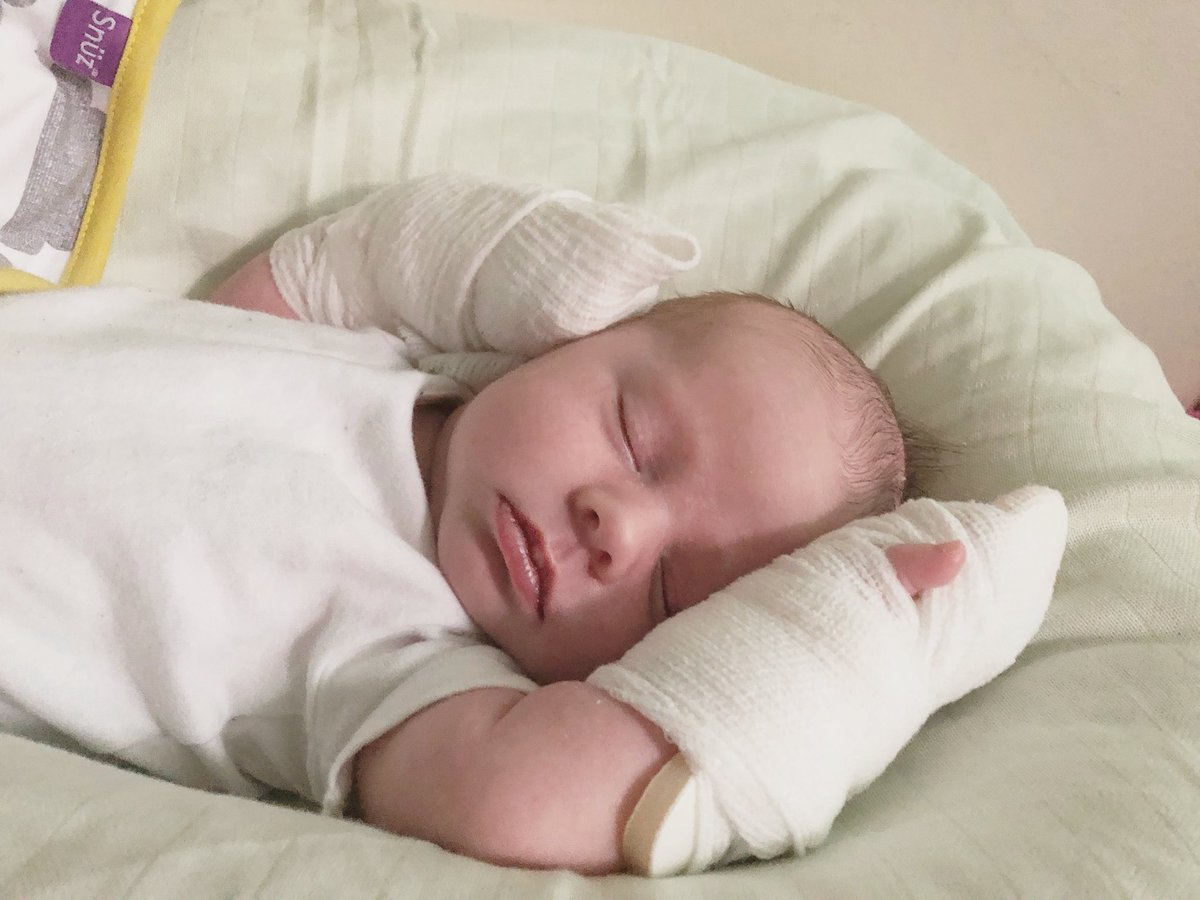
A fighter from the moment I met you.
You and I. So many hospitals rooms. So many long and terrifying hospital nights. So many nurses and doctors.
Not in the end though. You were home. However hard it was in the end, you were home. ❤️🩹
justgiving.com/page/billysba…
9
11
289
6,634
anna-maria everett 💙 💙💛 retweeted
Mar 6
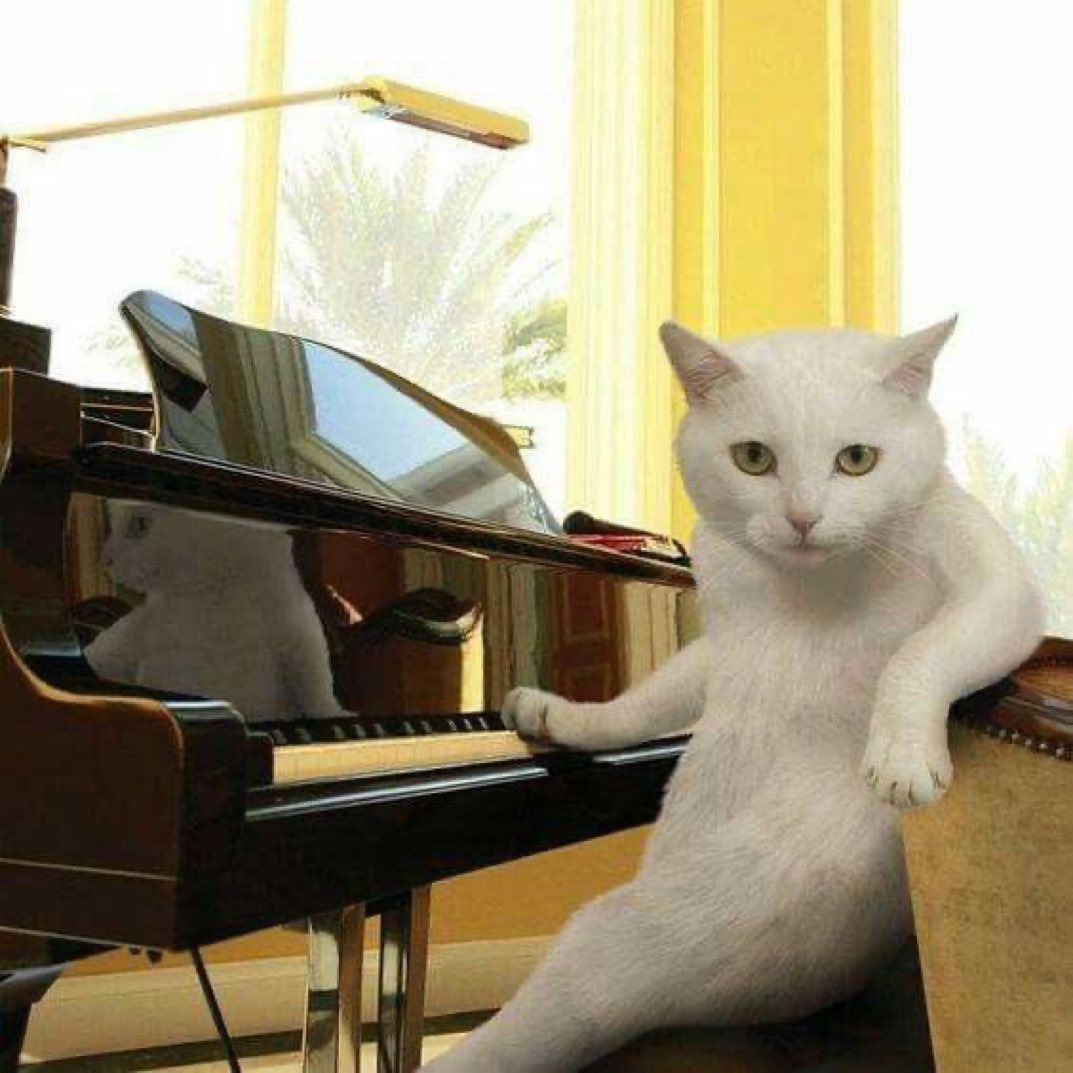
"This next song explores the fragile dance of loyalty, shattered expectations, and the raw sting of abandonment and it's called 'Bitch Why Is My Bowl Still Empty'"
91
444
3,189
55,934
anna-maria everett 💙 💙💛 retweeted
Mar 6
"SHIT"
"FUCK"
"NO"
"FUCK"
"SHIT"
"FUCK"
94
1,917
8,977
166,151
anna-maria everett 💙 💙💛 retweeted
Mar 2
She did it. Can’t stop won’t stop!
justgiving.com/page/billysba…
2
4
63
2,475
anna-maria everett 💙 💙💛 retweeted
Mar 1
"LOOK AT ME I'M A TORTOISE, I'M SO SLOW, IT TAKES ME HALF AN HOUR JUST TO GET TO THE FRONT GATE"
"Fuck off Brian"
144
1,825
23,015
444,707
anna-maria everett 💙 💙💛 retweeted

29 Jul 2025
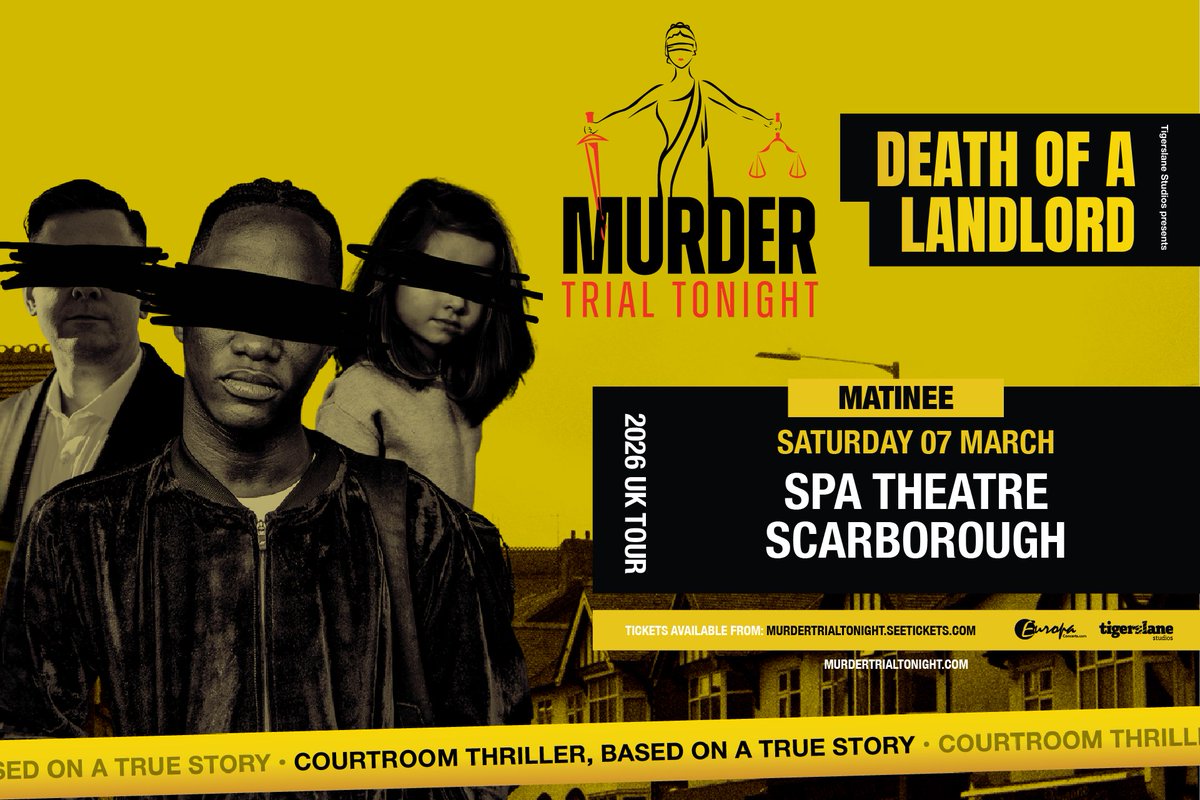
🧑⚖️ @MurderTT brings 'Death of a Landlord' to the Spa!
A powerful new immersive courtroom show where YOU are the jury. Hear evidence. Debate the verdict. Then learn the shocking real-life outcome!
📅 7th March 2026
🎫 Tickets on sale Friday!
#MurderTrialTonight #DeathOfALandlord
2
1
248
anna-maria everett 💙 💙💛 retweeted
Feb 24
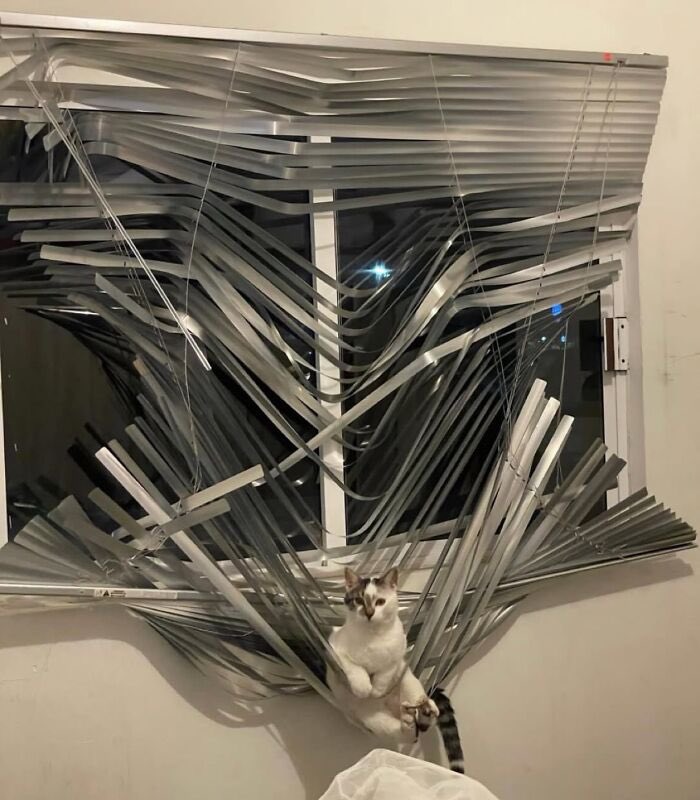
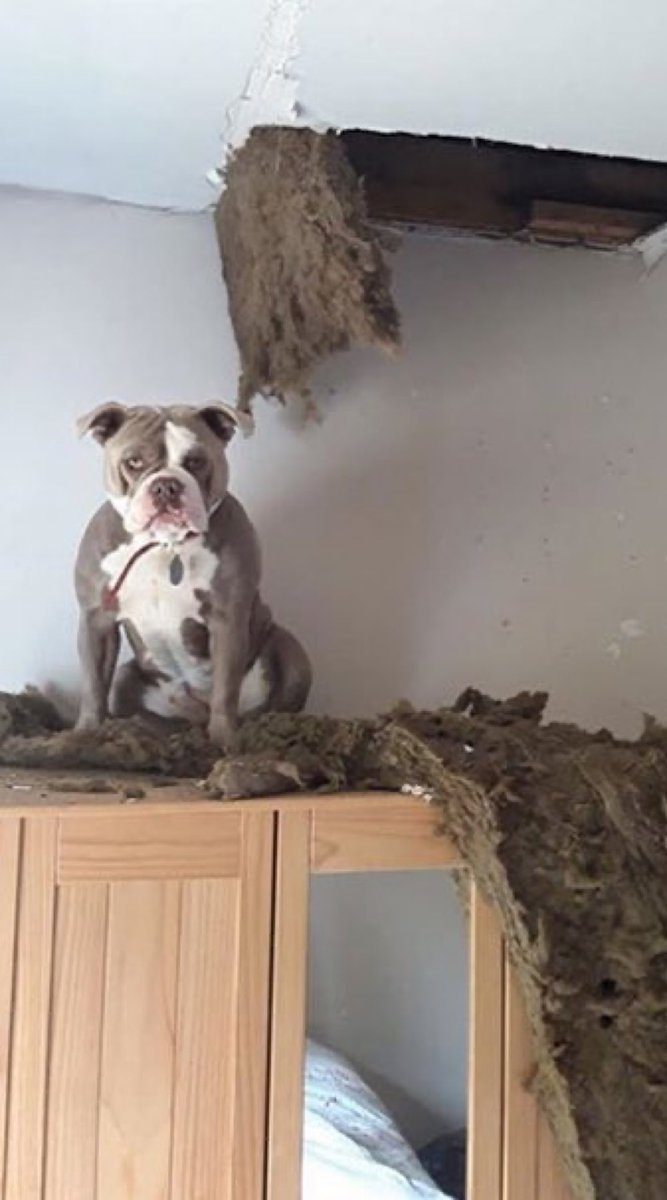
"You probably haven't even noticed but there was an incident with the ceiling when you were out"
24
93
973
14,665
anna-maria everett 💙 💙💛 retweeted
Feb 16
"What the fuck did you just say"
30
133
1,480
19,698
anna-maria everett 💙 💙💛 retweeted
Feb 9
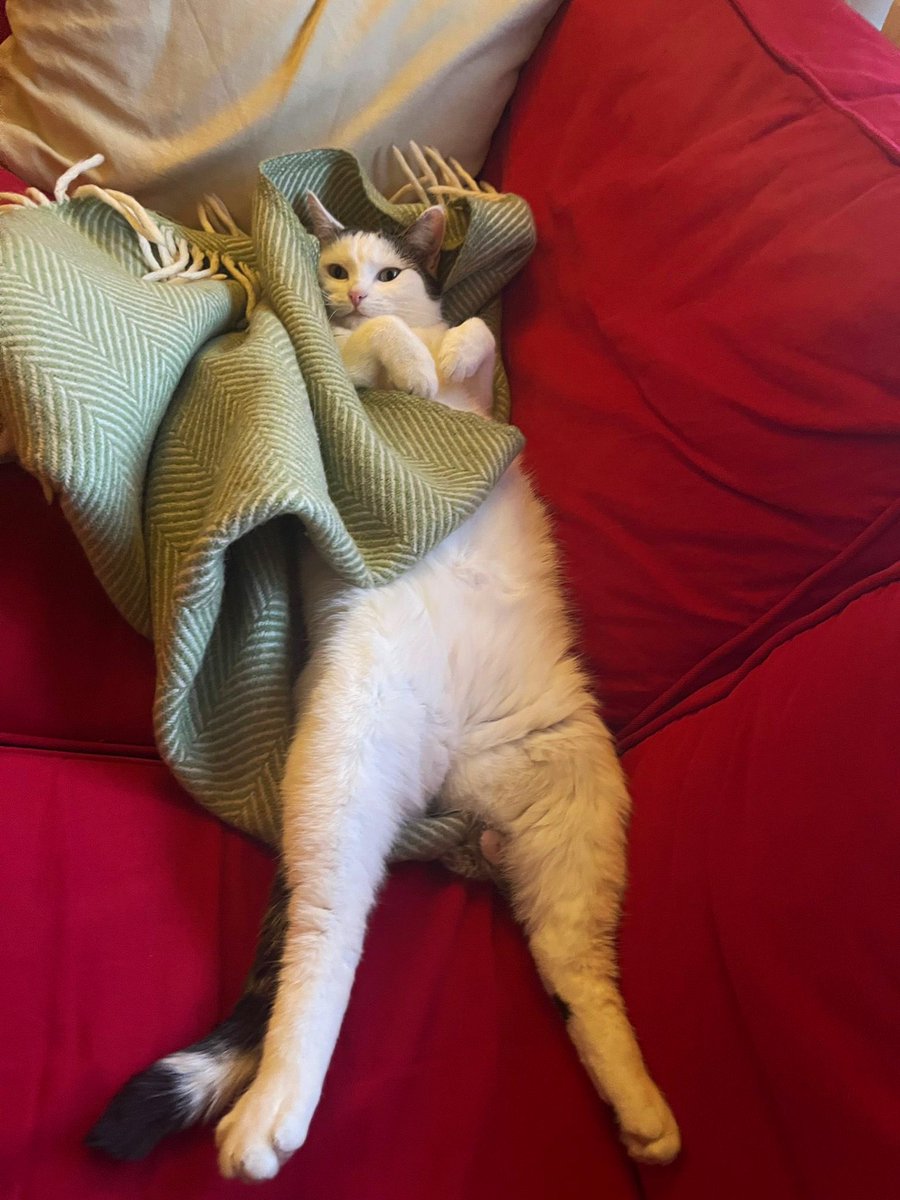
When you leave the room for five minutes and the cat starts an OnlyFans.
📷: Ruby, from @parrotfan
24
74
931
12,522