مستشار متخصص في القضايا الجيوسياسية و باحث في هندسة الرأي العام و تحليل البروباكاندا التطبيقية
Joined March 2010
- Tweets 4,642
- Following 2,426
- Followers 21,250
- Likes 9,283
1,084 Photos and videos
Pinned Tweet

Jun 9
﴿بِسْمِ اللَّهِ مَجْرَاهَا وَمُرْسَاهَا﴾
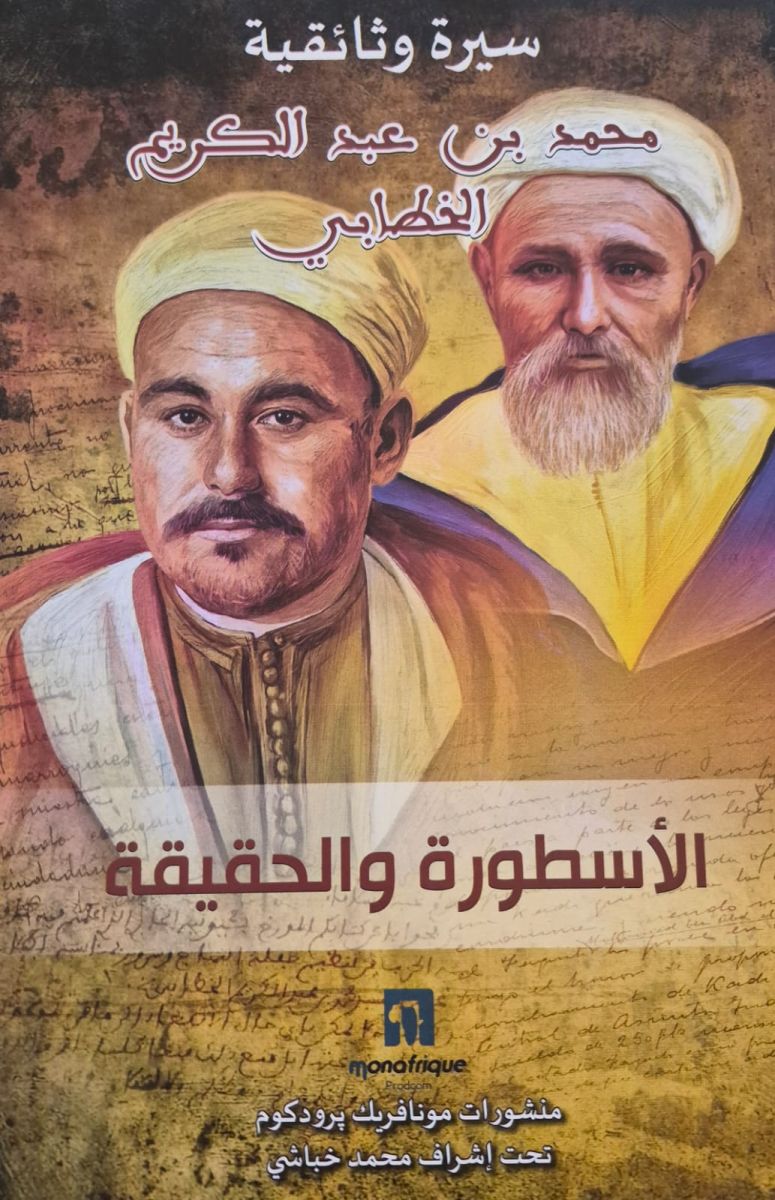
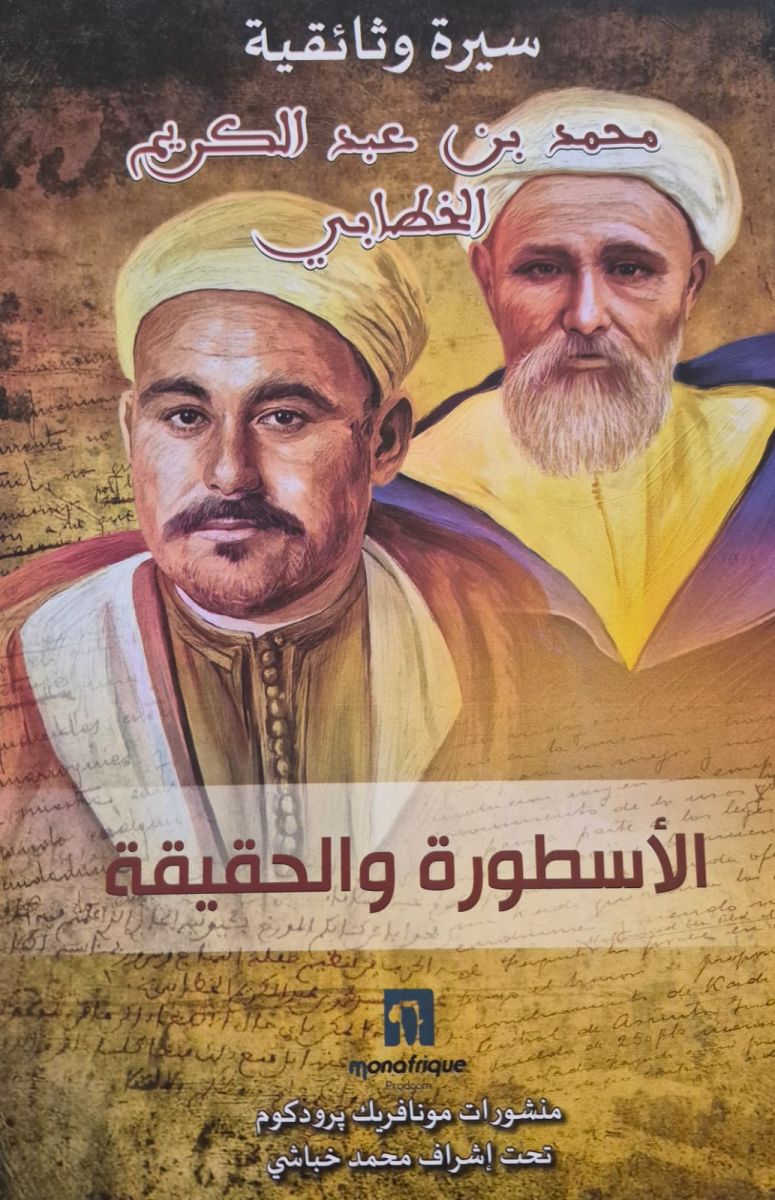
على بركة الله، وبعد شهور من البحث والتدقيق والمراجعة العلمية، يسعدني أن أعلن صدور الكتاب الجماعي:
“الأسطورة والحقيقة.. سيرة وثائقية عن محمد بن عبد الكريم الخطابي”
وهو عمل جماعي شاركت فيه إلى جانب نخبة من الباحثين والمؤرخين، في مشروع علمي يروم إعادة فحص واحدة من أكثر الشخصيات حضوراً وإثارة للجدل في تاريخ المغرب المعاصر، من خلال العودة إلى الوثائق والأرشيفات والمصادر الأصلية، بعيداً عن الأحكام المسبقة والسرديات التي راكمتها السياسة والذاكرة الجماعية على امتداد عقود.
لقد تحوّل محمد بن عبد الكريم الخطابي إلى شخصية تجاوزت حدود التاريخ لتدخل مجال الأسطورة؛ فتكاثرت حوله الروايات، وتضاربت بشأنه القراءات، واختلطت الوقائع التاريخية بالتمثلات الإيديولوجية، حتى أصبح من الصعب أحياناً التمييز بين ما هو موثق وما هو متخيل، وبين ما تقوله الوثيقة وما تروجه الذاكرة.
ومن هنا جاءت فكرة هذا الكتاب. فهو لا يقدم سيرة جديدة بالمعنى التقليدي، ولا يضيف رواية أخرى إلى الروايات المتنافسة، بل يحاول أن يجيب عن سؤال جوهري:
من هو محمد بن عبد الكريم الخطابي كما تكشفه الوثائق؟
على امتداد أكثر من 450 صفحة، وبدعم من وثائق إسبانية وبريطانية وتقارير ومراسلات تاريخية رُفع عن جزء منها طابع السرية، يعيد الكتاب تركيب صورة أكثر اكتمالاً وتعقيداً للرجل وللمرحلة التي عاشها.
سيجد القارئ بين دفتيه معطيات ووثائق تتناول الخلفيات السياسية والفكرية التي شكلت شخصية الخطابي، وطبيعة المشروع الذي كان يسعى إلى بنائه في الريف، وعلاقاته بالقوى الدولية والإقليمية في مرحلة شديدة الاضطراب، إضافة إلى زوايا نظر جديدة حول كيفية تلقّيه داخل الأوساط الاستعمارية الأوروبية، وعدد من الوقائع التي ظلت لعقود تُتناقل دون العودة إلى مصادرها الأصلية.
إن أهمية هذا العمل لا تكمن فقط في ما يقدمه من وثائق جديدة، بل أيضاً في الجرأة العلمية التي يدعو من خلالها إلى إعادة فتح النقاش حول مرحلة مفصلية من تاريخ المغرب الحديث، بعيداً عن منطق التقديس، وبعيداً عن القراءة الانتقائية للتاريخ.
فنحن لا نسعى إلى بناء أسطورة جديدة، ولا إلى تصفية حساب مع شخصية تاريخية اختلفت حولها القراءات والتأويلات.
بل نسعى إلى شيء أكثر أهمية:
إعادة الاعتبار للوثيقة باعتبارها المرجع الأعلى في كتابة التاريخ. فالوثائق لا تجامل أحدا.
ولذلك قد يفاجئ هذا الكتاب بعض القراء، وقد يثير نقاشات واسعة بين المهتمين بتاريخ المغرب، لأنه يطرح أسئلة ظلت مؤجلة طويلاً، ويقارب موضوعاً حساساً بمنهج علمي يستند إلى الأرشيف والتحليل والمقارنة.
أعتز شخصياً بالمساهمة في هذا الإصدار الذي أعتبره إضافة نوعية للمكتبة التاريخية المغربية، ومساهمة في ترسيخ ثقافة البحث العلمي الرصين في تناول الشخصيات والأحداث التي صنعت تاريخ هذا الوطن.
فالتاريخ لا يُكتب بالشعارات…
ولا يُختزل في الذاكرة وحدها…
#الأسطورة_والحقيقة
#محمد_بن_عبد_الكريم_الخطابي
#تاريخ_المغرب
#التاريخ_المغربي
#الريف
#وثائق_تاريخية
#الأرشيف_الإسباني
20
31
156
2,690
المشكلة في #السودان لم تبدأ مع الحرب، بل مع إرث ثلاثة عقود من حكم #الإخوان_المسلمين بقيادة عمر البشير (1989–2019)، الذي قاد البلاد إلى العزلة الدولية والانقسام وانتهى بانفصال #جنوب_السودان عام 2011.
والمفارقة أن كثيراً ممن يديرون السلطة اليوم كانوا جزءاً من تلك المنظومة. وبعد سقوط البشير في أبريل 2019، لم يكتمل الانتقال المدني؛ إذ أطاح الجيش بالحكومة الانتقالية في انقلاب 25 أكتوبر 2021، قبل أن تنزلق البلاد منذ أبريل 2023 إلى حرب مدمرة بين شركاء الأمس.
#السودان #الإخوان_المسلمون
2
6
171
The problem in #Sudan did not begin with the current war. It began with the legacy of three decades of #MuslimBrotherhood rule under Omar al-Bashir (1989–2019), a period that drove the country into international isolation and internal fragmentation, culminating in the secession of #SouthSudan in 2011.
Ironically, many of those governing Sudan today were part of that same political and military establishment. After al-Bashir’s ouster in April 2019, the civilian transition was never allowed to take root. Instead, the military overthrew the transitional government in the 25 October 2021 coup, before the country descended, in April 2023, into a devastating war between former allies.
#Sudan #MuslimBrotherhood
3
60
Jun 14
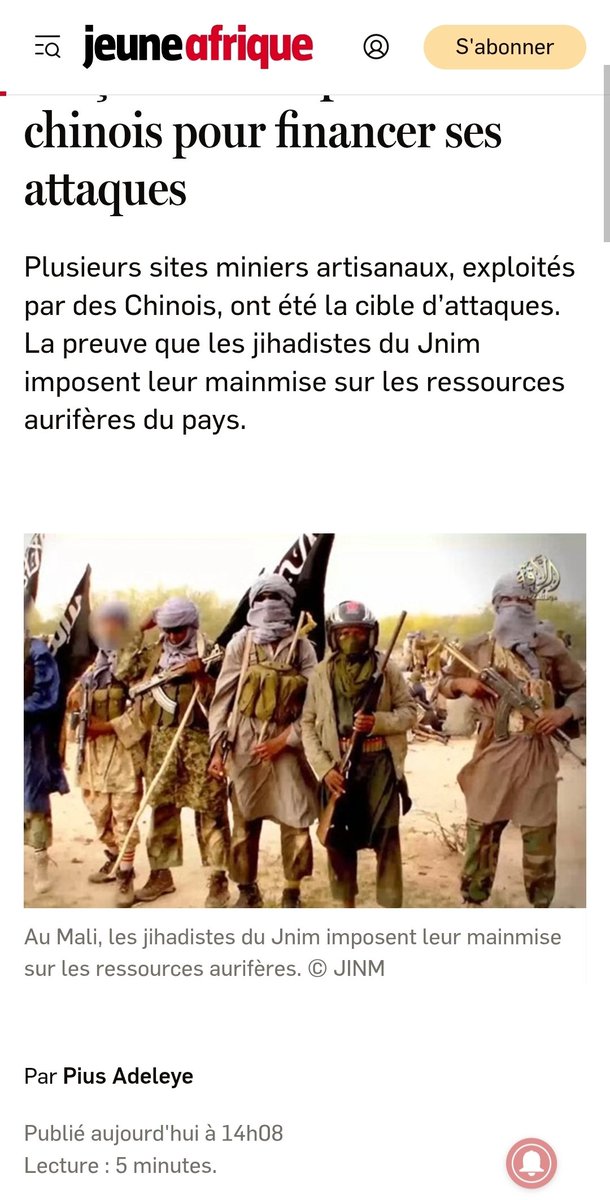
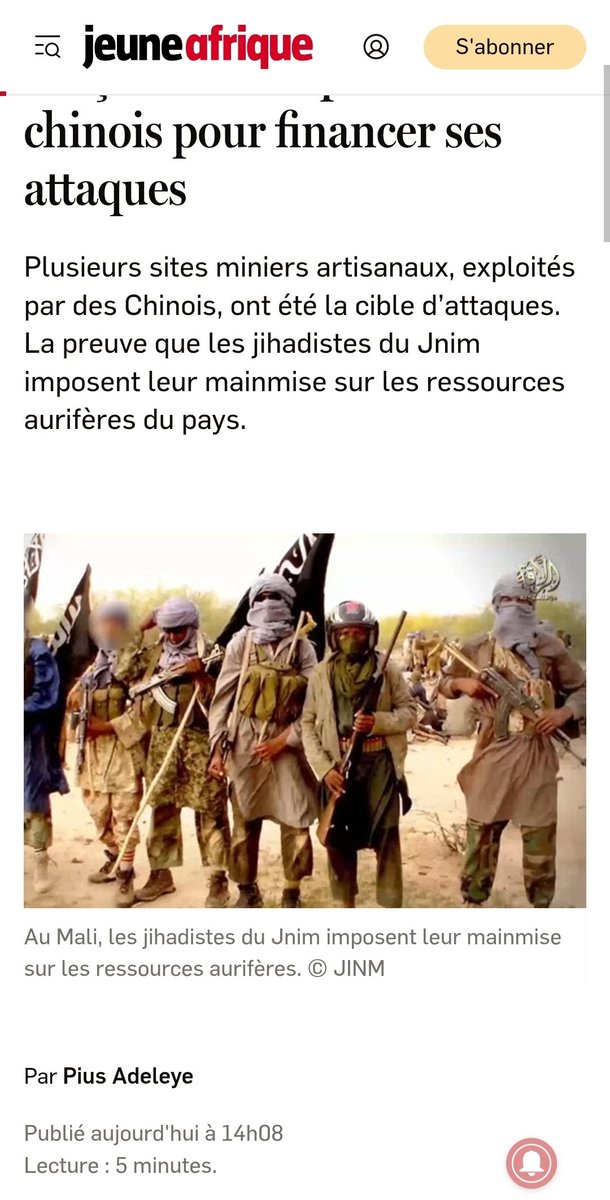
إن فرض الضرائب من قبل #جماعة_نصرة_الإسلام_والمسلمين في شمال #مالي ليس مجرد وسيلة لتمويل التنظيم، بل خطوة متقدمة في بناء سلطة موازية للدولة. فهذه الجماعات لا تكتفي بالقتال، بل تسعى إلى إدارة السكان، وجباية الأموال، وفرض قواعدها، بما ينسجم مع منطق «#إدارة_التوحش» القائم على ملء الفراغ الذي تتركه الدولة بعد إنهاكها واستنزافها في الأطراف.
ويكتمل هذا المشهد مع مبادرات مثل إطلاق الأسرى، التي تُستخدم لكسب الحاضنة الاجتماعية وتقديم التنظيم كفاعل قادر على توفير العدالة والخدمات، في محاولة لاكتساب الشرعية المحلية قبل ترسيخ السيطرة العسكرية.
وتزداد خطورة هذا المسار مع هشاشة الحدود، خاصة بين #مالي و#الجزائر، حيث تنشط #الجماعات_الإرهابية وشبكات التهريب و#الحركات_الانفصالية في بيئة تعاني من ضعف التنسيق الأمني الإقليمي. كما أن استمرار رفض الجزائر بناء تعاون أمني فعّال مع دول الجوار يضعها في دائرة الاتهام بإدامة بيئة تسمح لهذا النموذج بالتمدد.
#الساحل #أفريقيا #مالي #الجزائر #الأمن #الإرهاب #القاعدة #أزواد #غرب_أفريقيا #الأمن_الإقليمي #الأمن_والسياسة #الأخبار_العاجلة

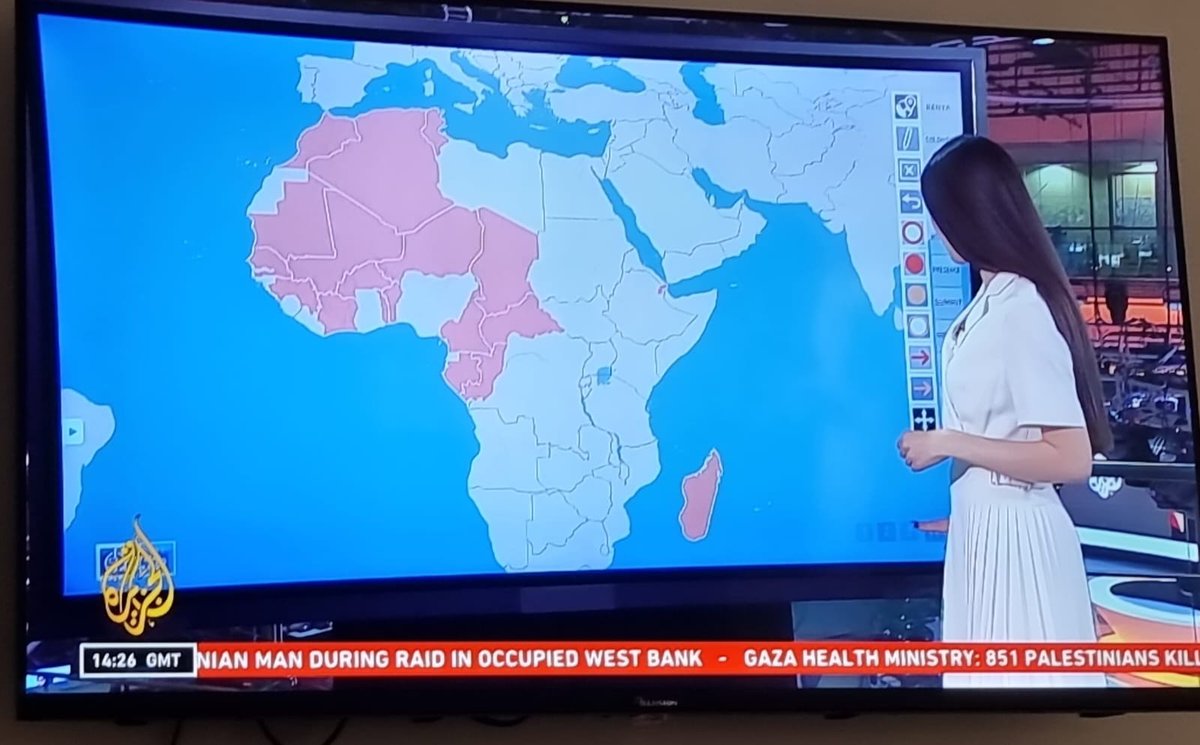
في اجتماعات أصبحت روتينية، إذ تنظم كل بضعة أشهر، يستدعي المتشددون في مالي التابعون لتنظيم القاعدة رجال قرية بوتشي إلى مسجد مبني من الطوب اللبن لجمع الضرائب على محاصيلهم ومواشيهم، ثم يوزعون الطعام والدواء والحيوانات على الفقراء
reut.rs/4a1oNxE
1
6
20
512
Jun 14
Taxation imposed by #JamaatNusratAlIslamWalMuslimin in northern #Mali is not merely a means of financing the organization, but an advanced step toward building a parallel authority to the state. These groups do not limit themselves to fighting; they seek to govern populations, collect funds, and impose their own rules, in line with the logic of “#ManagementOfSavagery,” which is based on filling the vacuum left by a weakened and exhausted state after it has been weakened and drained in the peripheries.
This picture is further reinforced by initiatives such as the release of prisoners, used to win local support and present the group as an actor capable of providing justice and services, in an attempt to gain local legitimacy before consolidating military control.
The severity of this trajectory increases with border fragility, especially between #Mali and #Algeria, where #terrorist_groups, #smuggling_networks, and #separatist_movements operate in an environment of weak regional security coordination. Algeria’s continued refusal to establish effective security cooperation with neighboring countries places it in a position of being accused of sustaining an environment that allows this model to expand.
#Sahel #Africa #Mali #Algeria #Security #Terrorism #AlQaeda #WestAfrica #Geopolitics #NorthAfrica #BreakingNews #CounterTerrorism #ConflictZone
في اجتماعات أصبحت روتينية، إذ تنظم كل بضعة أشهر، يستدعي المتشددون في مالي التابعون لتنظيم القاعدة رجال قرية بوتشي إلى مسجد مبني من الطوب اللبن لجمع الضرائب على محاصيلهم ومواشيهم، ثم يوزعون الطعام والدواء والحيوانات على الفقراء
reut.rs/4a1oNxE
1
3
221
Jun 14
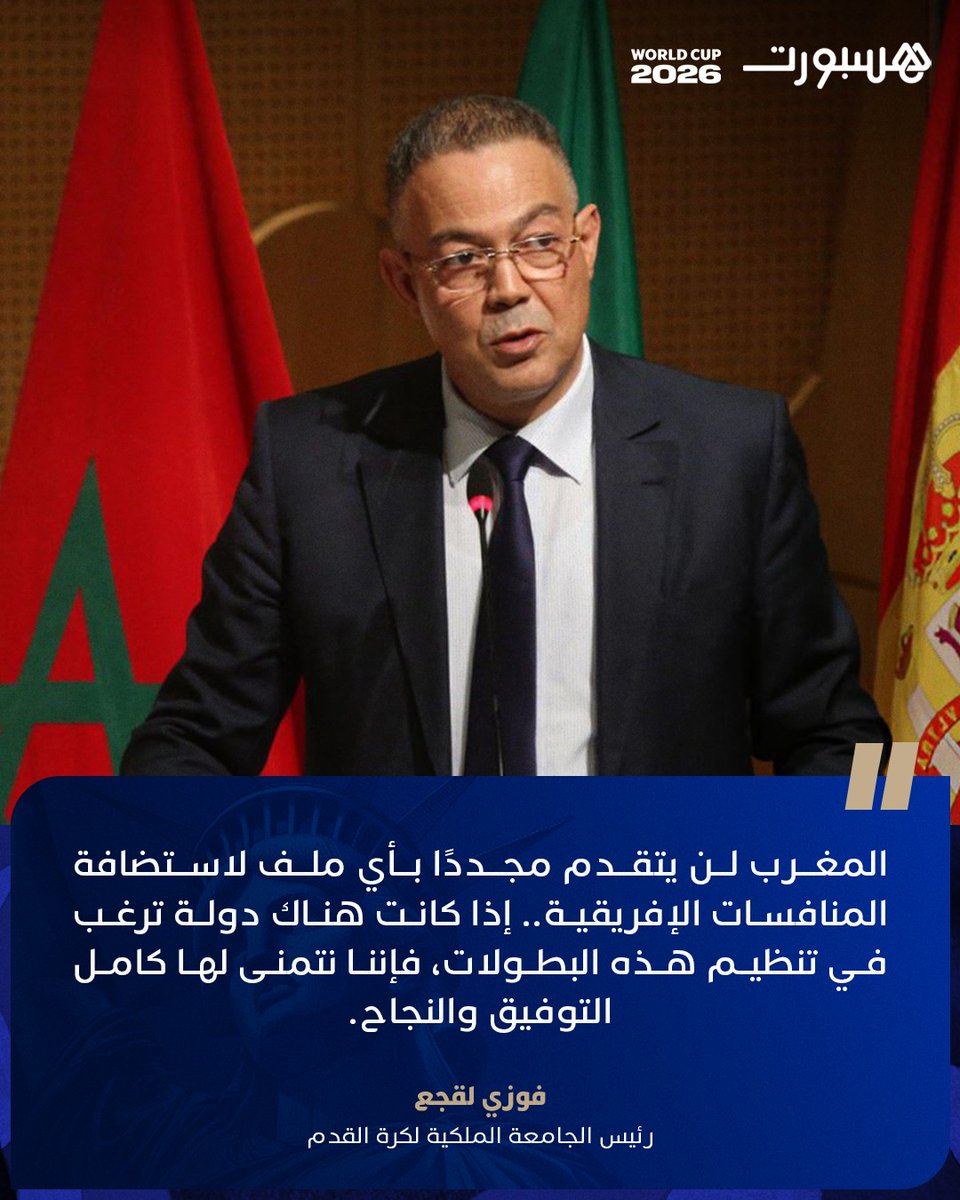
#المغرب قدم نموذجا يتخطى بأجيال إمكانيات #إفريقيا وهو ما تسبب في حرج لكثير من الدول التي تعجز عن تحقيق مثل هذه الإنجازات فترجمت ذلك بسلوكها العدواني البئيس تجاه #المغرب.
#المملكة_المغربية تعمل بجد لتحقيق طموحاتها العالمية وليس لديها وقت لتضيعه في مناكفات تجرها للخلف، من الأولى حاليا أن نترك المجال لدول أخرى حتى تطور نفسها بنيويا وتصبح أهلا للتنافس بشكل لائق.
Jun 13

فوزي لقجع يؤكد أن المغرب لن يتقدم مجددا بأي ملف لاستضافة المنافسات الإفريقية🇲🇦
6
15
105
2,048
د. أمين صوصي علوي retweeted

Jun 13
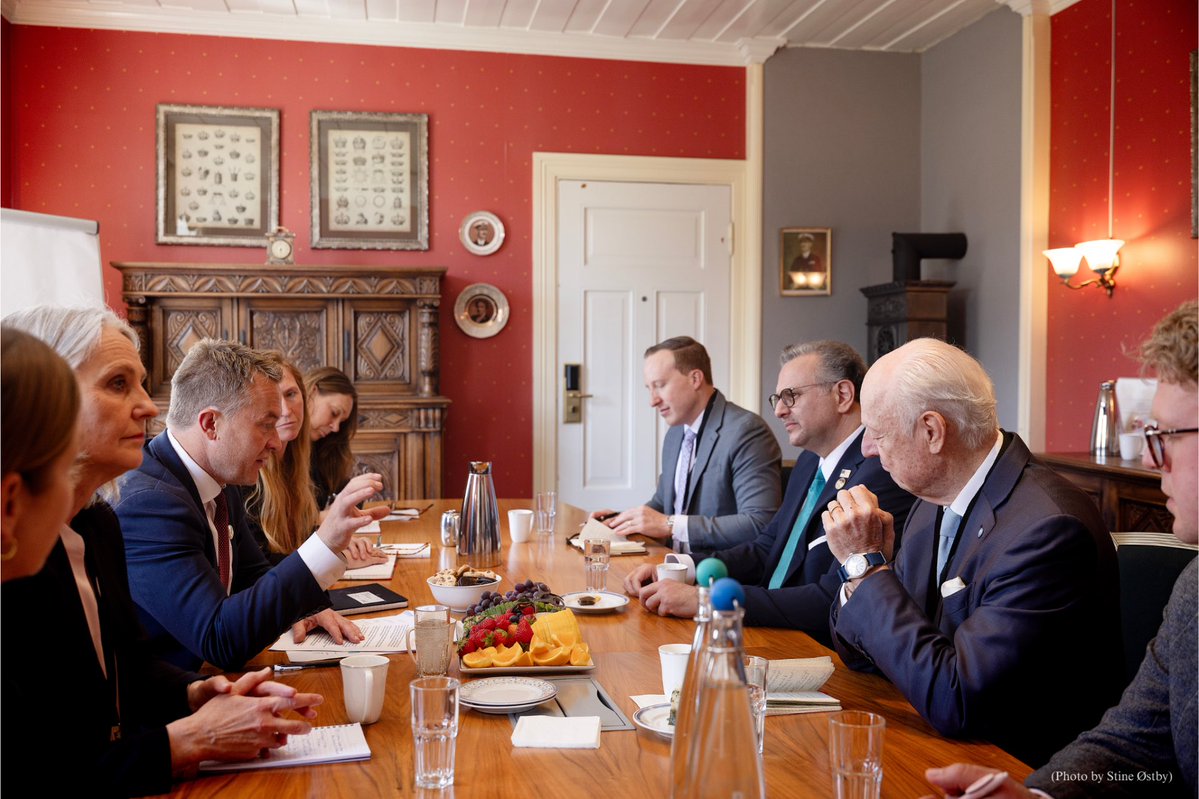
كبير مستشاري الولايات المتحدة للشؤون العربية والإفريقية، مسعد بولس: على هامش منتدى أوسلو، أجرينا مناقشة قيّمة حول قضية الصحراء الغربية وأهمية مواصلة الجهود الدبلوماسية لحل هذا النزاع طويل الأمد.
وفيما نمضي قدمًا في تنفيذ قرار مجلس الأمن الدولي رقم 2797، يظل الحوار العملي والإرادة السياسية والتسوية عناصر أساسية للتوصّل إلى حل سياسي عادل ودائم ومقبول من جميع الأطراف، بما يعزز الاستقرار والازدهار في المنطقة.
وقد سبق وشدّد الرئيس ترامب على ضرورة الشروع في المناقشات التي تجري بحسن نية دون تأخير.
26
27
176
10,066
Jun 12
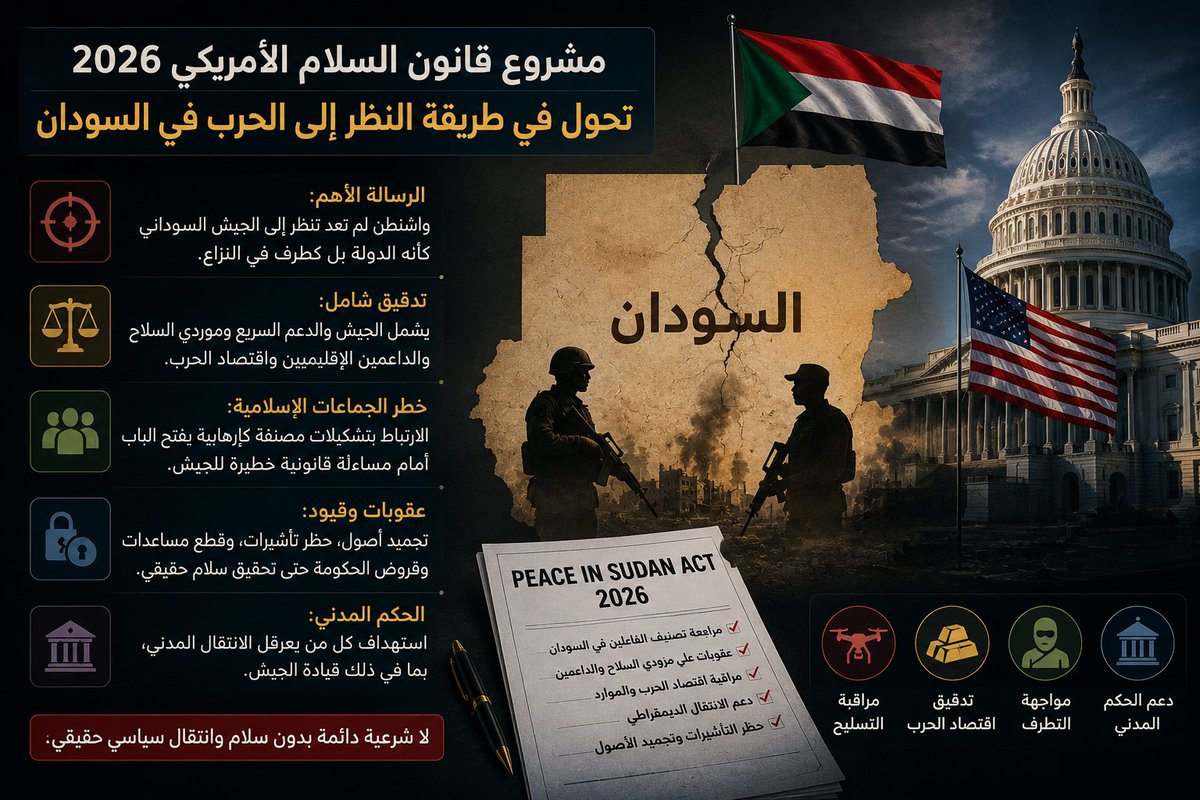
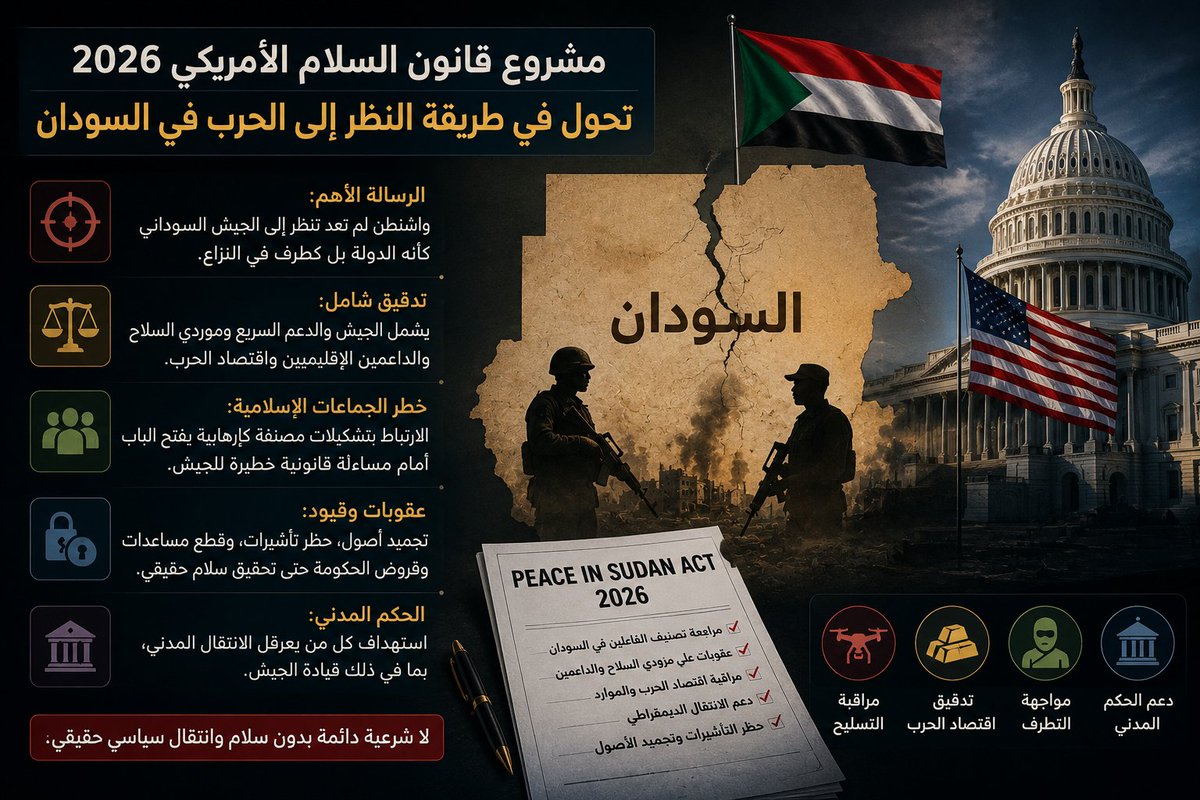
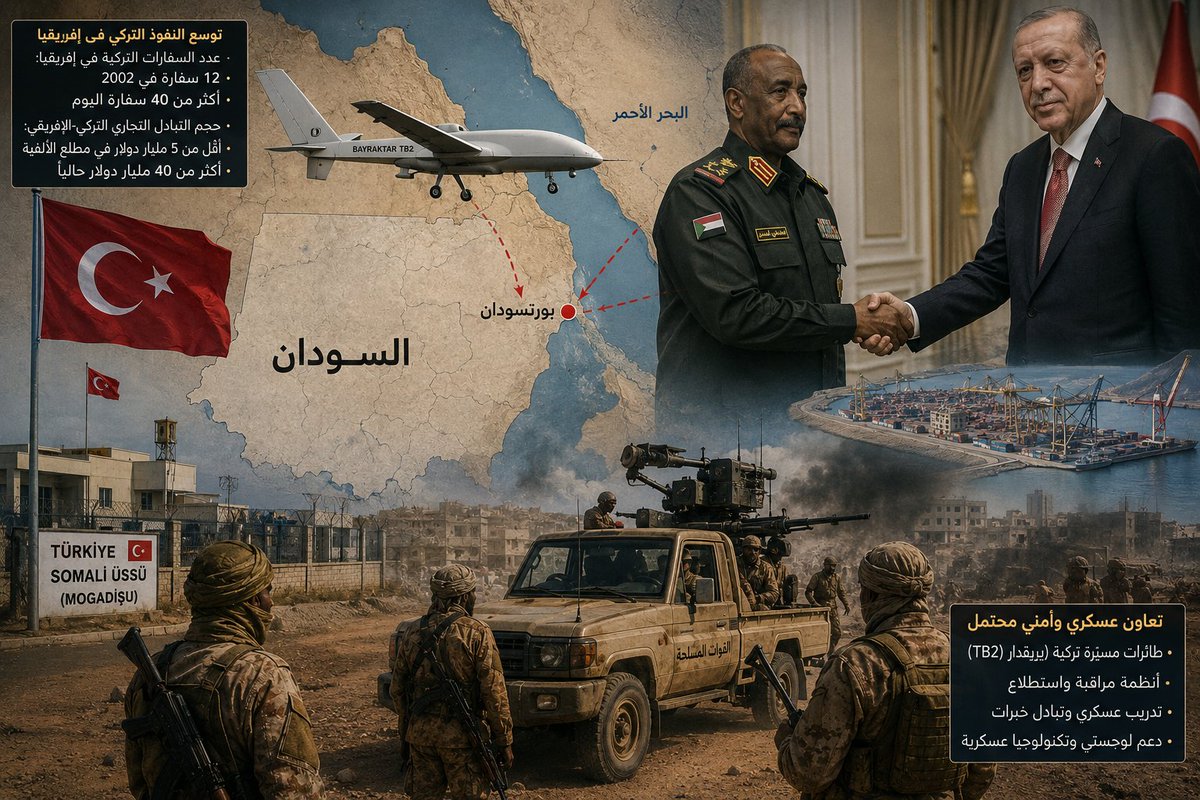
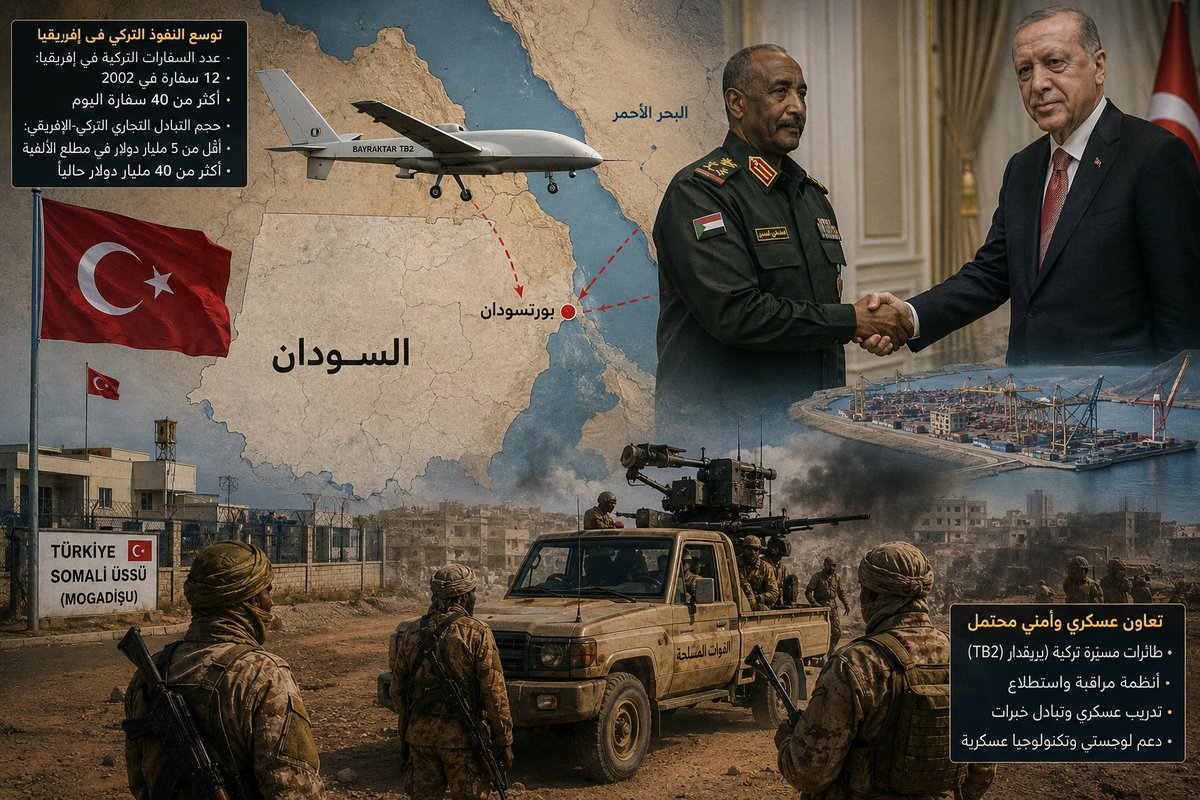
For years, #Sudan has been framed in Washington as a humanitarian file: war, famine, displacement, and aid.
However, the “Sudan Peace Act” approaches the crisis as something far beyond an internal conflict, positioning it as an issue directly linked to #Red_Sea security, and as part of a broader framework connected to regional stability and even core U.S. security interests, with a clear focus on arms and financing networks that sustain the continuation of the war.
The most sensitive element in this new approach is that it places countries such as #Egypt and #Saudi_Arabia in a complex equation, where they could find themselves within a similar pressure framework applied to #Iran and #Turkey—not on the basis of political similarity, but due to perceived military and financial support to the Port Sudan authorities. Such support is viewed as contributing to prolonging the war and indirectly benefiting networks associated with the #Muslim_Brotherhood aligned with #Burhan. This reflects a shift from the traditional logic of separating allies from adversaries toward a logic of positioning within a single influence network tied to the continuation of the conflict in #Sudan.
2
11
248
Jun 12
لسنوات، كان #السودان يُطرح في واشنطن كملف إنساني: حرب، مجاعة، نزوح، ومساعدات.
لكن «قانون السلام في #السودان» يتعامل مع الأزمة باعتبارها أكبر من كونها نزاعاً داخلياً، بل ملفاً يمس أمن #البحر_الأحمر، ويُنظر إليه ضمن دائرة أوسع مرتبطة بالأمن الإقليمي وحتى المصالح الأمنية الأمريكية المباشرة، مع تركيز واضح على شبكات السلاح والتمويل التي تُغذي استمرار الحرب.
الخطير في هذه المقاربة الجديدة هو وضع دول مثل #مصر و#السعودية أمام معادلة حساسة، إذ يمكن أن تجد نفسها ضمن نفس دائرة الضغط التي تُستخدم تجاه #إيران و#تركيا، ليس من زاوية التشابه السياسي، بل من زاوية توفير الدعم العسكري والمالي لحكومة بورتسودان، على اعتبار أن ذلك الدعم يساهم في إطالة الحرب ويصب في صالح شبكات #الإخوان_المسلمين المتحالفة مع #البرهان. وهو ما يعكس تحولاً من منطق الفصل بين الحلفاء والخصوم إلى منطق “التموضع داخل شبكة تأثير واحدة” مرتبطة باستمرار النزاع في #السودان.
6
20
449
Jun 12
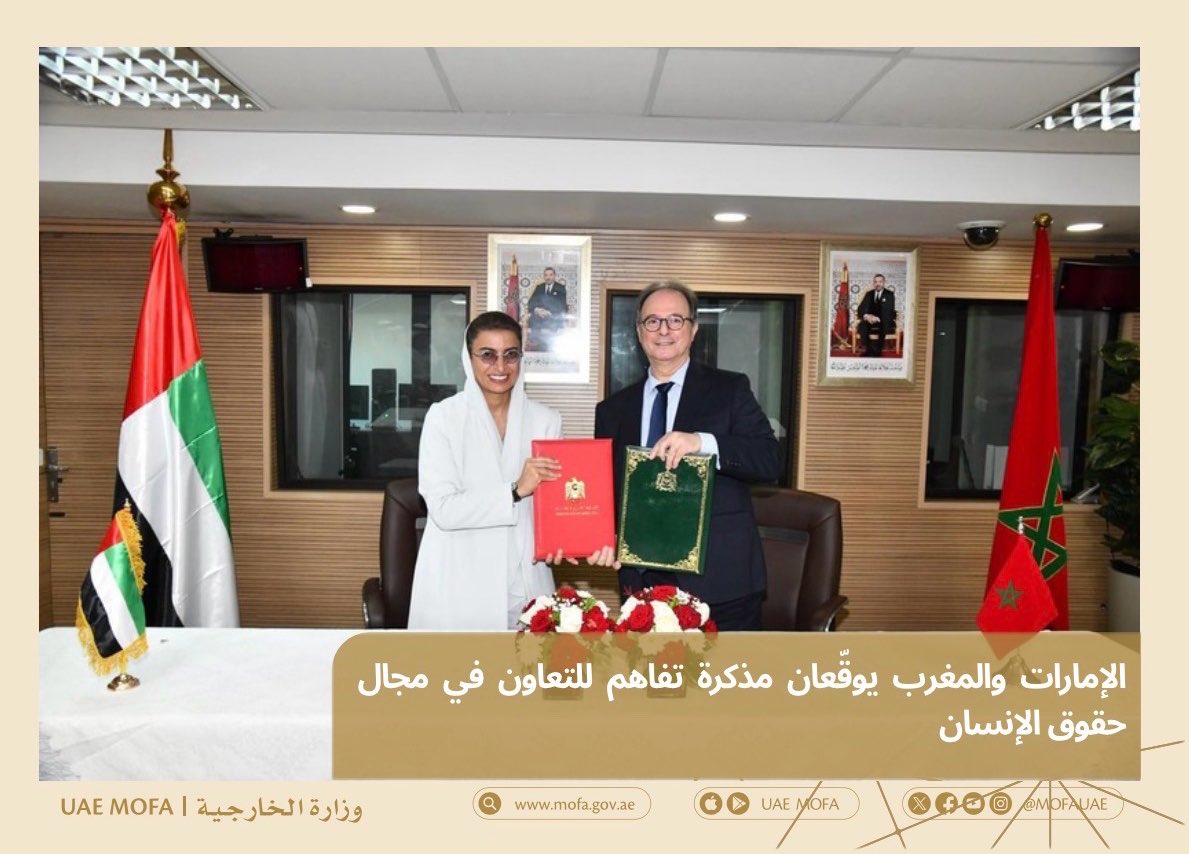
RT @mofauae: الإمارات والمغرب يوقّعان مذكرة تفاهم للتعاون في مجال حقوق الإنسان
mofa.gov.ae/ar-ae/mediahub/n…
65
1
Jun 12
يجب طرد ايران من كافة الهيئات و المنظمات الإسلامية
Jun 12

رابطة العالم الإسلامي تُدين العدوان الإيراني على البحرين والكويت والأردن
#وام
wam.ae/a/179oese
1
6
22
393
Jun 12
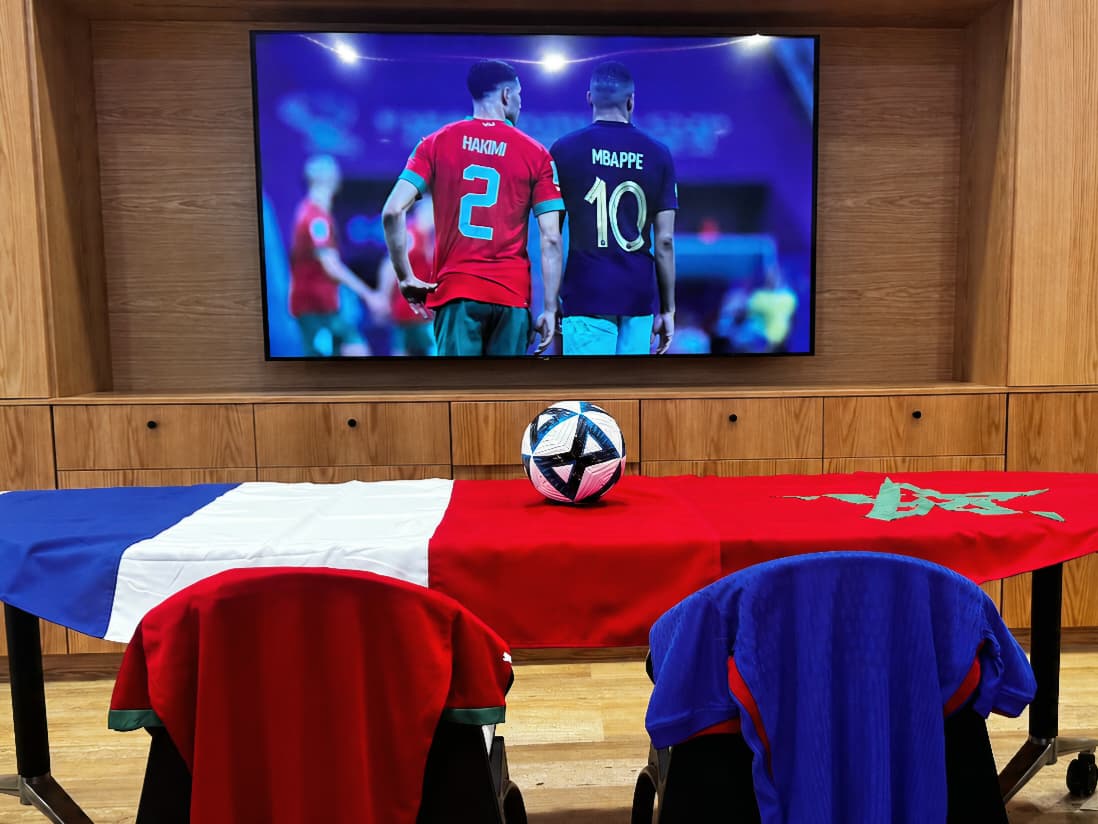
مباراة منتظرة من الجميع.

🏆 Cette coupe du monde, certains vibreront pour les Bleus, d’autres pour les Lions de l’Atlas.
🇫🇷 🇲🇦 À l’ambassade de France au Maroc, nous avons la chance de vibrer pour les deux !
2
17
415
Jun 12
The most dangerous aspect of the new U.S. Peace Act on Sudan is not the potential sanctions, but the fact that Washington has begun to separate the Sudanese army from the Sudanese state.
#Sudan
2
5
264
Jun 12
أخطر ما في مشروع قانون السلام الأمريكي الجديد بشأن السودان ليس العقوبات المحتملة، بل أن واشنطن بدأت تفصل بين الجيش السوداني والدولة السودانية.
#السودان
2
10
386
د. أمين صوصي علوي retweeted
Jun 11
بيان صادر عن حكومات الولايات المتحدة الأمريكية، والمملكة المتحدة، وأستراليا، والنمسا، وبلجيكا، وبلغاريا، وكندا، وتشيكيا، والدنمارك، وإستونيا، وفنلندا، وفرنسا، وألمانيا، وأيرلندا، ولاتفيا، وليتوانيا، وهولندا، ونيوزيلندا، ومقدونيا الشمالية، والنرويج، والبرتغال، والسويد بشأن أنشطة التهديد التي تمارسها الدولة الإيرانية في أوروبا وأمريكا الشمالية وأستراليا:
bit.ly/442VeYU
66
229
596
194,891
Jun 9
Tras varios meses de investigación, revisión crítica y trabajo académico riguroso, me complace anunciar la publicación del volumen colectivo:
“Mito y verdad: una biografía documental de Mohammed Ben Abdelkrim El Khattabi”
Se trata de una obra colectiva que reúne a un grupo de investigadores e historiadores en el marco de un proyecto académico destinado a reexaminar una de las figuras más relevantes y debatidas de la historia contemporánea de Marruecos, mediante el retorno a los documentos originales, los archivos y las fuentes primarias, más allá de las interpretaciones preconcebidas y de los relatos políticos y memoriales acumulados a lo largo del tiempo.
Con el paso del tiempo, Mohammed Ben Abdelkrim El Khattabi ha trascendido el ámbito del análisis histórico para entrar en el terreno de la construcción mítica. Las narrativas sobre su figura se han multiplicado, las interpretaciones han divergido y los hechos históricos se han entrelazado con representaciones ideológicas, dificultando en ocasiones la distinción entre evidencia documental y memoria construida.
De ahí la pregunta central de la obra:
¿Quién es Mohammed Ben Abdelkrim El Khattabi según las fuentes documentales?
A lo largo de más de 450 páginas, y a partir de documentos de archivo españoles y británicos, correspondencia y informes recientemente desclasificados, el libro ofrece una reconstrucción más matizada y compleja del personaje y del contexto histórico en el que actuó.
El lector encontrará análisis sobre el contexto político e intelectual que configuró la trayectoria de El Khattabi, la naturaleza del proyecto que pretendió desarrollar en el Rif, sus relaciones con las potencias regionales e internacionales en un periodo de gran inestabilidad, así como nuevas perspectivas sobre su percepción en las administraciones coloniales europeas, además de numerosos episodios transmitidos durante mucho tiempo sin un retorno crítico a las fuentes primarias.
La relevancia de esta obra no reside únicamente en los nuevos materiales documentales que incorpora, sino también en su voluntad académica de reabrir un capítulo fundamental de la historia contemporánea de Marruecos, más allá de lecturas hagiográficas o reduccionistas.
No buscamos construir un nuevo mito, ni emitir juicios retrospectivos sobre una figura histórica cuyas interpretaciones siguen siendo múltiples.
Buscamos más bien un objetivo esencial:
Reafirmar la primacía del documento en la escritura de la historia. Los documentos no halagan a nadie.
Por ello, esta obra puede cuestionar ciertas representaciones establecidas y generar debate en el ámbito académico y entre los lectores interesados en la historia de Marruecos, al plantear preguntas largamente postergadas y adoptar un enfoque riguroso basado en el análisis archivístico y la comparación de fuentes.
Me honra haber contribuido a esta publicación, que considero un aporte significativo a la historiografía marroquí y al fortalecimiento de una cultura científica exigente en el estudio de las figuras y acontecimientos que han marcado su historia.
La historia no se escribe con eslóganes…
Tampoco se reduce a la memoria…
4
14
300
Jun 9
Après plusieurs mois de recherche, de relecture critique et de travail scientifique approfondi, j’ai le plaisir d’annoncer la publication de l’ouvrage collectif :
« Mythe et vérité : une biographie documentaire de Mohammed Ben Abdelkrim El Khattabi »
Cet ouvrage collectif réunit un ensemble de chercheurs et d’historiens dans le cadre d’un projet académique visant à réexaminer l’une des figures les plus importantes et les plus débattues de l’histoire contemporaine du Maroc, à travers un retour aux documents originaux, aux archives et aux sources primaires, au-delà des interprétations préconstruites et des récits politiques et mémoriels accumulés au fil du temps.
Avec le temps, Mohammed Ben Abdelkrim El Khattabi a dépassé le cadre de l’analyse historique pour entrer dans celui de la construction mythique. Les récits le concernant se sont multipliés, les interprétations ont divergé, et les faits historiques se sont entremêlés avec des représentations idéologiques, rendant parfois difficile la distinction entre données documentées et mémoire construite.
D’où la question centrale de l’ouvrage :
Qui est Mohammed Ben Abdelkrim El Khattabi tel qu’il apparaît dans les sources documentaires ?
Sur plus de 450 pages, et à partir de documents d’archives espagnols et britanniques, de correspondances et de rapports récemment déclassifiés, l’ouvrage propose une reconstitution plus fine et plus complexe de la figure et du contexte historique dans lequel elle s’inscrit.
Le lecteur y trouvera des analyses relatives au contexte politique et intellectuel ayant façonné la trajectoire d’El Khattabi, à la nature du projet qu’il entendait développer dans le Rif, à ses relations avec les puissances régionales et internationales dans une période particulièrement instable, ainsi que de nouvelles perspectives sur sa perception dans les administrations coloniales européennes, en plus de nombreux épisodes longtemps transmis sans recours critique aux sources primaires.
L’intérêt de ce travail réside non seulement dans les nouveaux matériaux documentaires mobilisés, mais aussi dans sa volonté scientifique de rouvrir un chapitre central de l’histoire contemporaine du Maroc, au-delà des lectures hagiographiques ou réductrices.
Nous ne cherchons ni à construire un nouveau mythe, ni à porter un jugement rétrospectif sur une figure historique dont les interprétations restent multiples.
Nous poursuivons plutôt un objectif essentiel :
Réaffirmer la primauté du document dans l’écriture de l’histoire. Les documents ne flattent personne.
Ainsi, cet ouvrage est susceptible de remettre en question certaines représentations établies et de susciter un débat au sein de la communauté académique et des lecteurs intéressés par l’histoire du Maroc, en posant des questions longtemps différées et en adoptant une approche rigoureuse fondée sur l’analyse archivistique et la comparaison des sources.
Je suis honoré d’avoir contribué à cette publication, que je considère comme une contribution significative à l’historiographie marocaine et au renforcement d’une culture scientifique exigeante dans l’étude des figures et des événements qui ont marqué son histoire.
L’histoire ne s’écrit pas en slogans…
Elle ne se réduit pas non plus à la mémoire…
1
6
21
304
Jun 9
With months of research, critical review, and scholarly refinement, I am pleased to announce the publication of the collective volume:
“Myth and Truth: A Documentary Biography of Mohammed Ben Abdelkrim El Khattabi”
This collective scholarly work brings together a group of researchers and historians within an academic project aimed at re-examining one of the most prominent and debated figures in modern Moroccan history, through a return to original documents, archival materials, and primary sources, beyond preconceived interpretations and long-standing political and collective narratives.
Over time, Mohammed Ben Abdelkrim El Khattabi has moved beyond the boundaries of historical inquiry into the realm of myth-making. Narratives surrounding him have multiplied, interpretations have diverged, and historical facts have become intertwined with ideological representations, making it at times difficult to distinguish between documented evidence and constructed memory.
This leads to the central question of the book:
Who is Mohammed Ben Abdelkrim El Khattabi as revealed through the documentary record?
Across more than 450 pages, and drawing on Spanish and British archival documents, correspondence, and recently declassified reports, the book reconstructs a more nuanced and complex portrait of the individual and the historical context in which he operated.
The reader will encounter analyses of the political and intellectual context that shaped El Khattabi’s trajectory, the nature of the project he sought to develop in the Rif, his relations with regional and international powers in a highly volatile period, as well as new perspectives on how he was perceived within European colonial administrations, alongside numerous episodes long transmitted without critical reference to primary sources.
The significance of this work lies not only in the new documentary material it introduces, but also in its scholarly attempt to reopen a pivotal chapter of modern Moroccan history, beyond both hagiographic and reductionist readings.
We do not seek to construct a new myth, nor to engage in retrospective judgments on a historical figure whose interpretations have varied widely.
Rather, we aim at something more essential:
Restoring the document as the primary reference in historical writing. Documents do not flatter anyone.
Accordingly, this book may challenge certain assumptions and generate debate among scholars and readers interested in Moroccan history, as it raises long-standing questions and approaches a sensitive subject through a rigorous methodology grounded in archival research, analysis, and comparison.
I am honored to have contributed to this publication, which I consider a meaningful addition to Moroccan historiography and to the strengthening of a rigorous scholarly culture in the study of historical figures and events that have shaped the country’s past.
History is not written in slogans…
Nor is it reduced to memory alone…
3
11
234