
Joined September 2011
- Tweets 5,875
- Following 526
- Followers 393
- Likes 2,027
343 Photos and videos


athif thitah retweeted

Jun 3
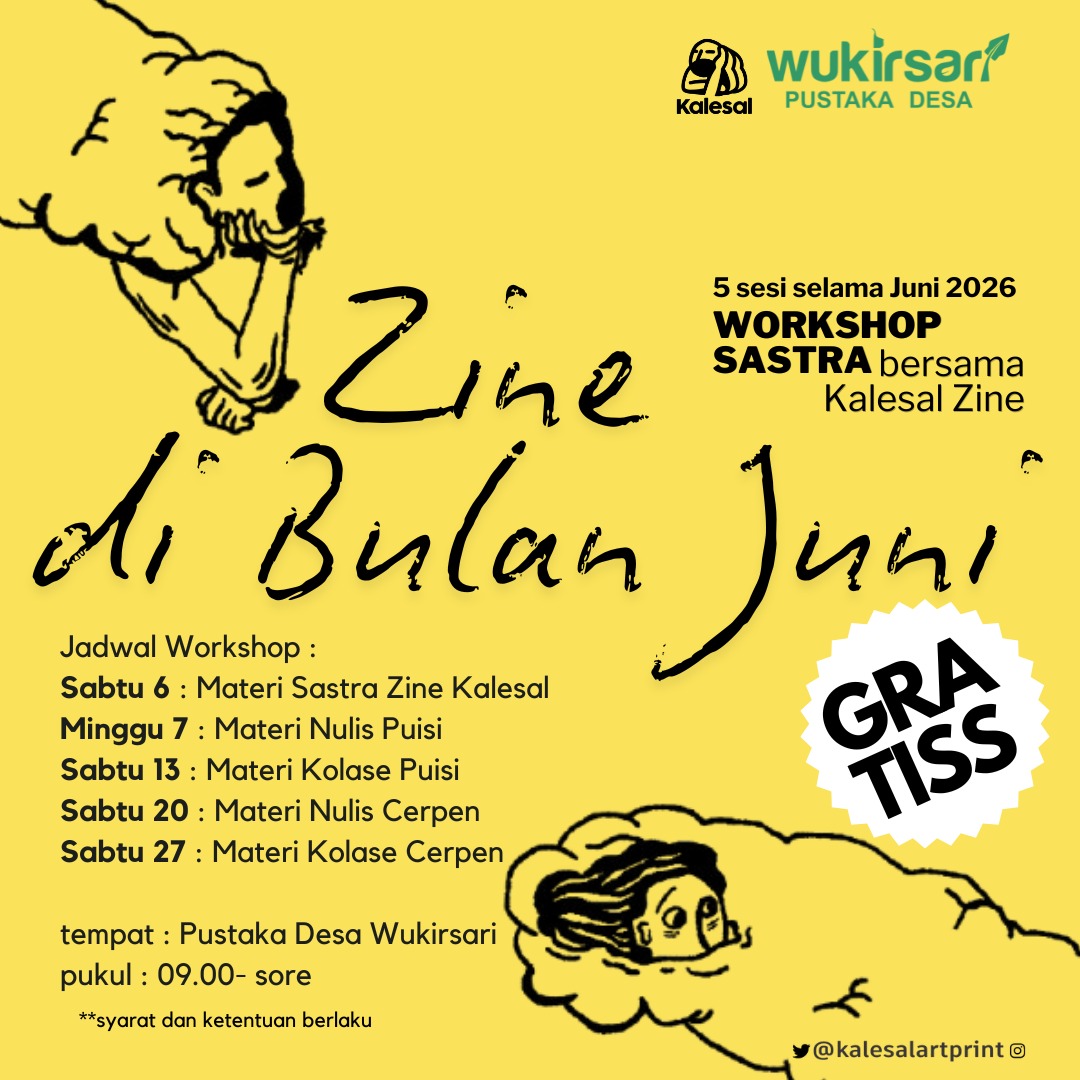
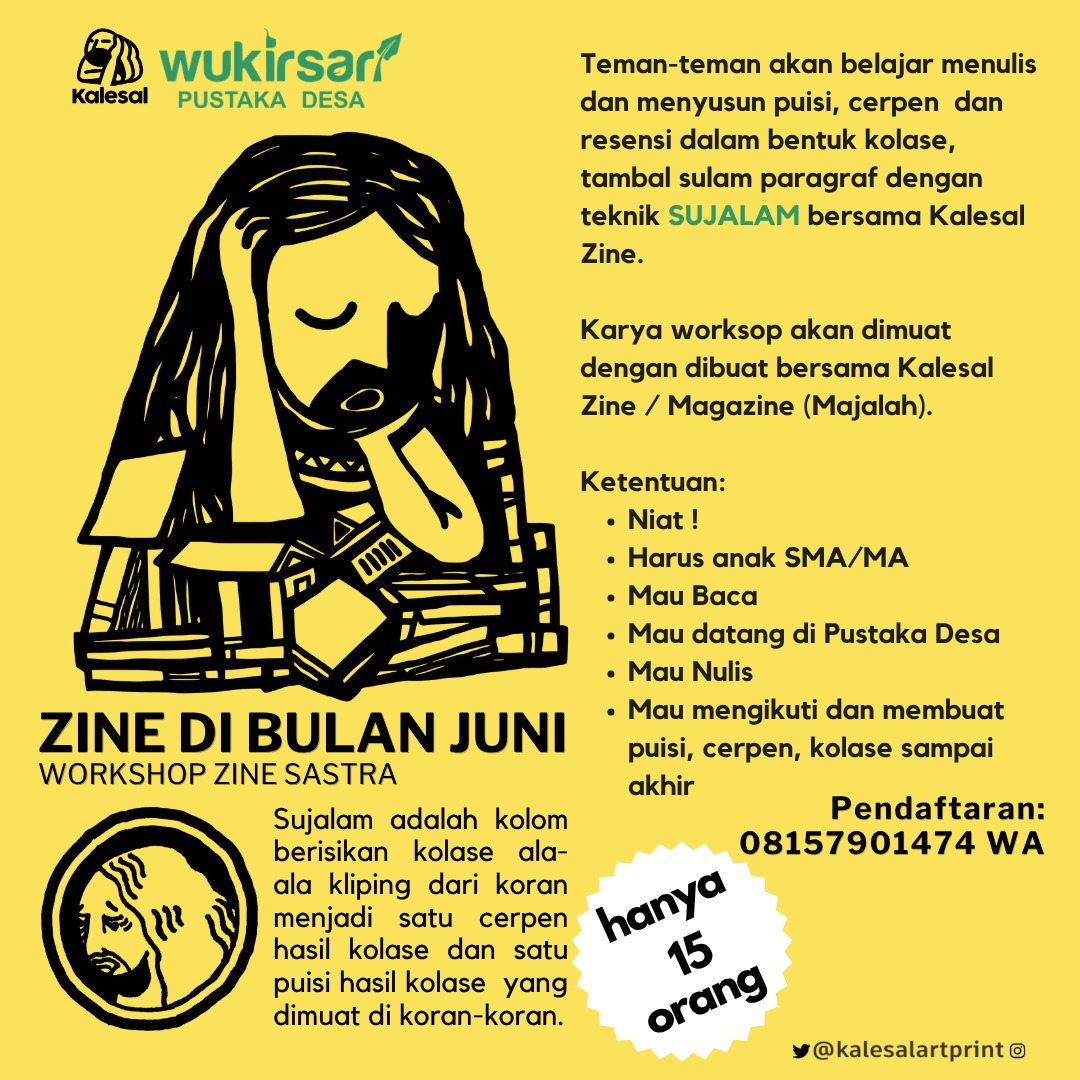
Zine di Bulan Juni
Kelas Nulis Sastra di jogja
buat SMA sih sbnere, tapi kalo ada yang minat ntar jadi zine bareng juga
Kalo Sapardi buat "Hujan Bulan Juni" kenapa kita gak buat "Zine di Bulan Juni", saja ?
1
4
200

May 11
sesuatu yang indah,
bermanfaat dan bersyukur
itu.
maafkan, masa lalu ku.
aku tak mengerti saat itu.
dari sekian waktu,
sekarang adalah caraku memberi
bagi siapapun
1
27


athif thitah retweeted

May 7
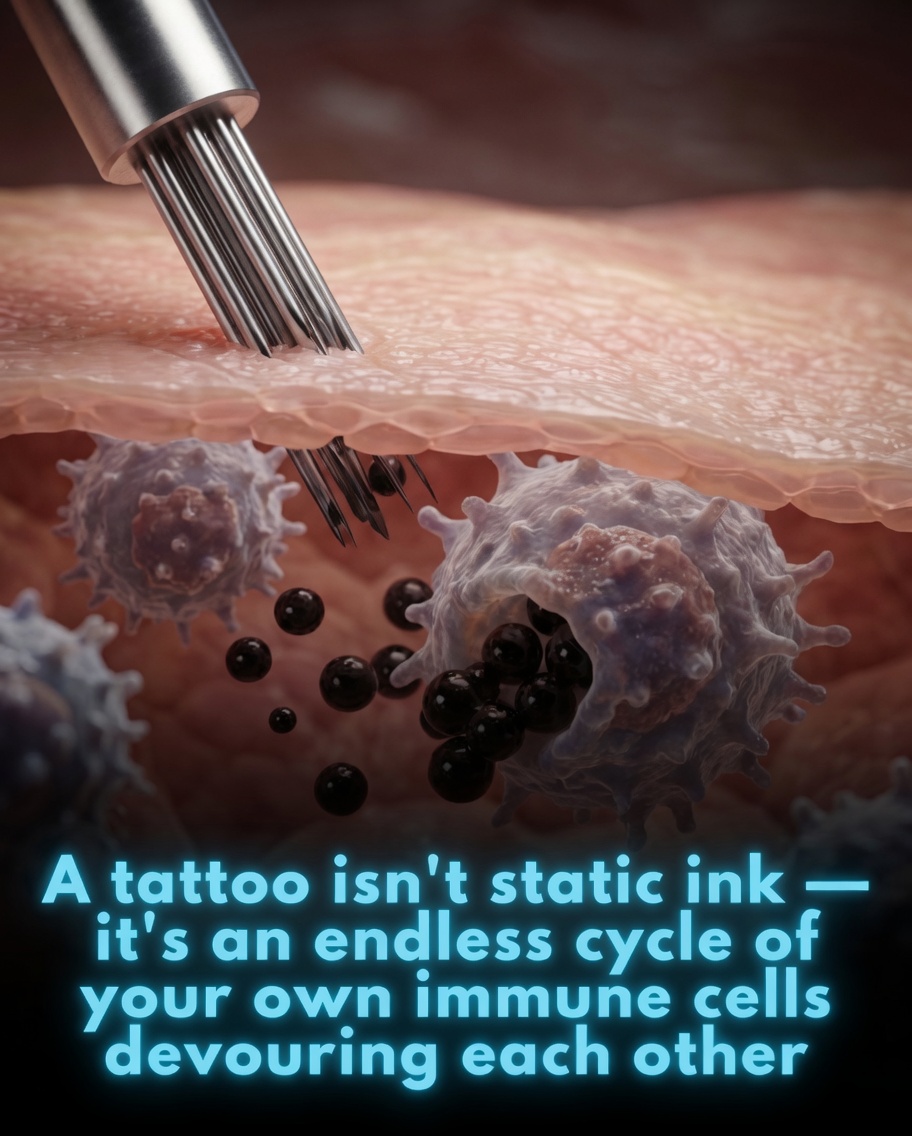
Tato itu "permanen" BUKAN karena tintanya nempel di kulit terus, tapi karena 𝘀𝗶𝗸𝗹𝘂𝘀 𝗽𝗲𝗿𝗮𝗱𝗮𝗻𝗴𝗮𝗻 𝗸𝗿𝗼𝗻𝗶𝘀 𝗱𝗶 𝗸𝘂𝗹𝗶𝘁 𝘆𝗮𝗻𝗴 𝗺𝗲𝗹𝗶𝗯𝗮𝘁𝗸𝗮𝗻 𝘀𝗲𝗹-𝘀𝗲𝗹 𝗶𝗺𝘂𝗻.
Jadi saat jarum tato menembus kulit, tubuh langsung menganggap ini sebagai luka dan ancaman asing. Pigmen yang masuk langsung "dimakan" oleh sel-sel imun seperti neutrofil, makrofag, dan sel dendritik.
Tinta tato ini akan bertahan lama di makrofag karena makrofag punya mekanisme "capture–release–recapture" yang membuat tato bisa bertahan lama.
Jadi pas tinta tato itu masuk, makrofag akan berbondong-bondong menelan partikel tersebut. Namun, makrofag tidak bisa mencerna pigmen tinta, karena ukurannya besar dan tahan lama. Akibatnya, makrofag mati, melepaskan pigmen kembali ke jaringan sekitar. Lalu gelombang makrofag baru datang dan mengulangi proses yang sama.
Sederhannya tato "permanen" itu sebenarnya bukan karena tinta nempel terus, tapi karena ada relay makrofag yang terus-menerus mengambil ulang tinta yang terlepas saat makrofag lama mati.
Beberapa penelitian terkini menunjukkan bahwa penumpukan ini bisa mengganggu fungsi imun normal, termasuk respons terhadap vaksin tertentu, serta dikaitkan dengan peningkatan risiko limfoma, yaitu kanker kelenjar getah bening, dan kanker kulit.
Semoga bermanfaat!
Sumber:
Tattoo ink exposure is associated with lymphoma and skin cancers - a Danish study of twins
May 4

Your tattoo isn’t just decorative ink: it’s a permanent trigger that keeps your immune system locked in a lifelong cycle of chronic inflammation.
As soon as the ink is injected into your skin, your body recognizes the pigment particles as foreign invaders. Immune cells called macrophages immediately swarm the area and attempt to swallow them up. But because they can’t actually break down the ink, the macrophages eventually die, releasing the pigment back into the surrounding tissue — only for a new wave of macrophages to arrive and repeat the process.
This endless cycle is what keeps the tattoo permanently visible, while also maintaining a state of ongoing, low-level inflammation in the skin.
Over time, some of these ink particles migrate through the lymphatic system and accumulate in the lymph nodes, placing constant stress on the body’s defense mechanisms. Emerging research suggests this internal ink buildup may interfere with normal immune function, potentially reducing the effectiveness of certain vaccines, including mRNA types. Additionally, many tattoo inks contain heavy metals like nickel and cobalt. Combined with the chronic inflammation, this has been linked to a modestly elevated risk of lymphoma and skin cancer.
While tattoos remain a powerful form of self-expression, they represent a complex, decades-long biological conflict between your immune system and foreign substances embedded in your skin.
[Nielsen, C., Jerkeman, M., & Jöud, A. S. (2024). Tattoos as a risk factor for systemic lymphoma: A population-based case-control study. eClinicalMedicine]
196
4,011
14,814
991,391

nasionalisme indonesia itu dilahirkan en dikembangkan oleh para intelektual bukan tentara, sebab itu menjadikan tentara sbg rujukan pemahaman nasionalisme bkn saja gagal paham sejarah, tetapi juga mengerdilkan pemahaman nasionalisme indonesia
May 4

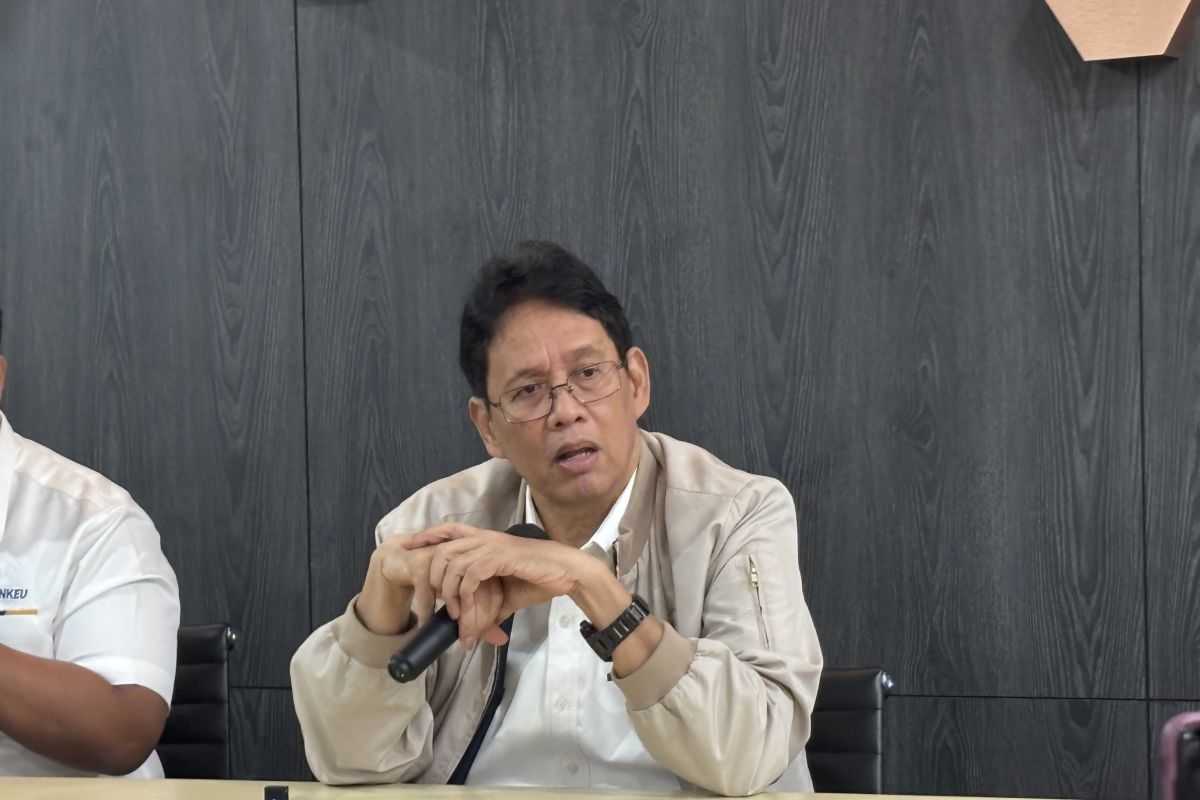
ANTARA - ANTARA - Purbaya: Pembekalan TNI di LPDP untuk tingkatkan nasionalisme dlvr.it/TSMGLw
72
3,864
7,978
159,729
athif thitah retweeted

Apr 27
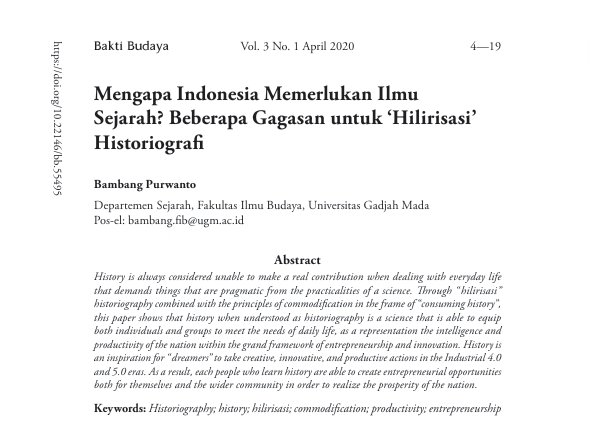
Bagaimanapun dan sampai kapanpun, ilmu sejarah akan terus relevan dengan berbagai aspek kehidupan dan lintasan zaman. Prof. Bambang Purwanto memberikan panduan bagaimana ilmu sejarah memiliki urgensi, termasuk dalam sektor industri.
Baca di: journal.ugm.ac.id/bakti/arti…
Apr 26

Prodi-prodi humaniora yang sudah terpinggirkan akan semakin tidak dianggap penting karena dipandang nggak relevan dengan Industri.
4
873
2,510
44,498
Apr 27
harus jadi "penjaga" perpustakaan dan punya rumah di dengan 2 kamar mandi (dalam dan luar)
Apr 26

Omongan adalah doa
5 tahun lagi kamu harus jadi apa dan punya apa?
27
Apr 23
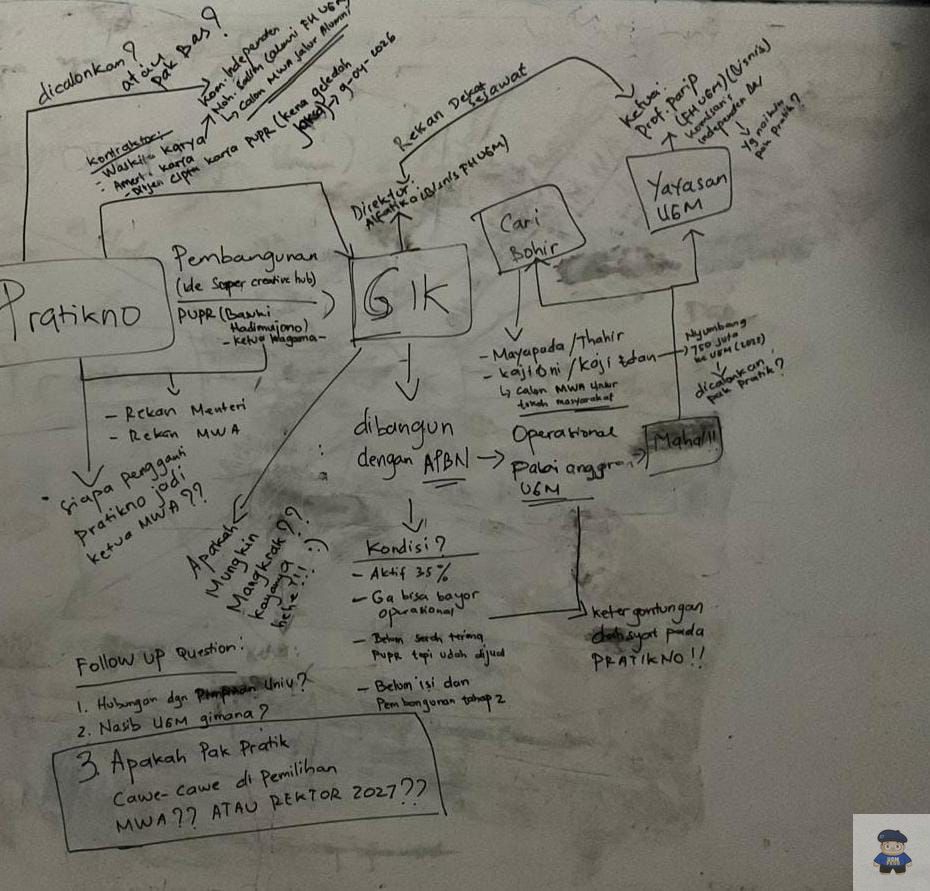
"papan" ini kalo dipamerkan di GIK bisa gak ya?
ntar mau jadi kolektornya ah

Akhirnya Sender buat bagan tentang Pratikno, GIK, dan kroni2nya sesuai bahan dan data yang sender punya. Teman-teman kalau ada yg punya insight lain yg bisa ditambahkan boleh banget. yujiem
1
107
Apr 23
aku ditanya mengenai apa tujuanku.
Lantas, siapa yang berani sampai titik ini dengan mengorbankan segalanya?
aku jawab,"hanya ingin membaca dan menulis, keduanya adalah caraku bahagia dan menerima pertanyaan dari yang sebenarnya pantas menanyakan hal itu"
Kau tau, aku masih ada
91
19 Mar 2025
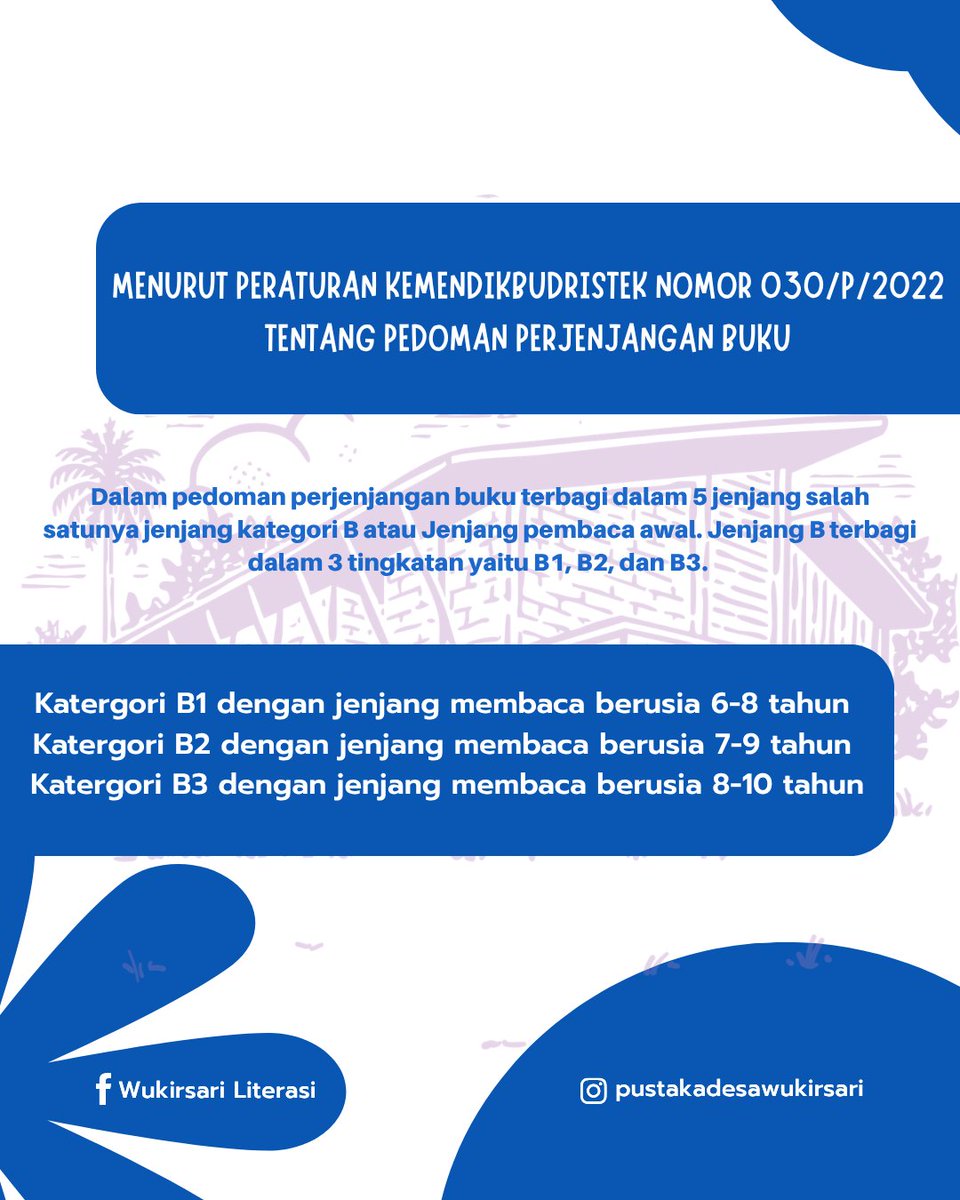
Sebagai seorang pustakawan di Pustaka Desa Wukirsari Imogiri
Aku pengen share berkala buku bacaan baru bagi anak-anak hibah dari @perpusnas1 sebanyak 1.000 buku
Oiya ini alamatnya maps.app.goo.gl/ndhZbAKx73TN…
pelan tapi pasti, sialakan nikmati 📚📚😗😗🚀🚀
(sebuwah utas)
1
7
15
3,901
Apr 1
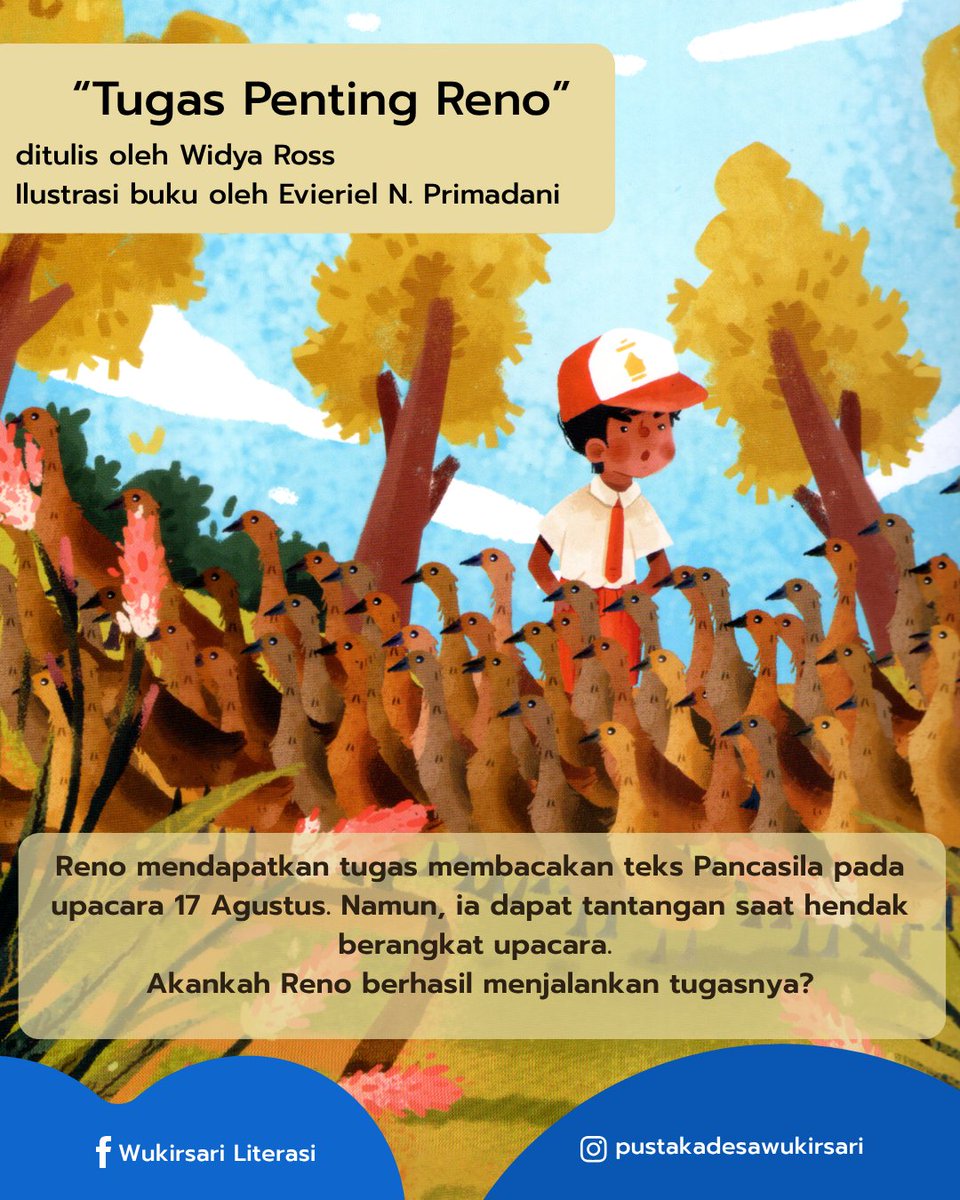
3. Buku berjudul "Tugas Penting Reno"
Buku ini menceritakan Reno anak sekolah yang juga seorang pemulung. Ia mengumpulkan barang bekas dan menjualnya untuk jajan dan menabung. Di sekolah, ia ditugaskan untuk mengikuti upacara 17 Agustus, namun ia menghadapi tantangan
#pustakadesa
1
70
Apr 22
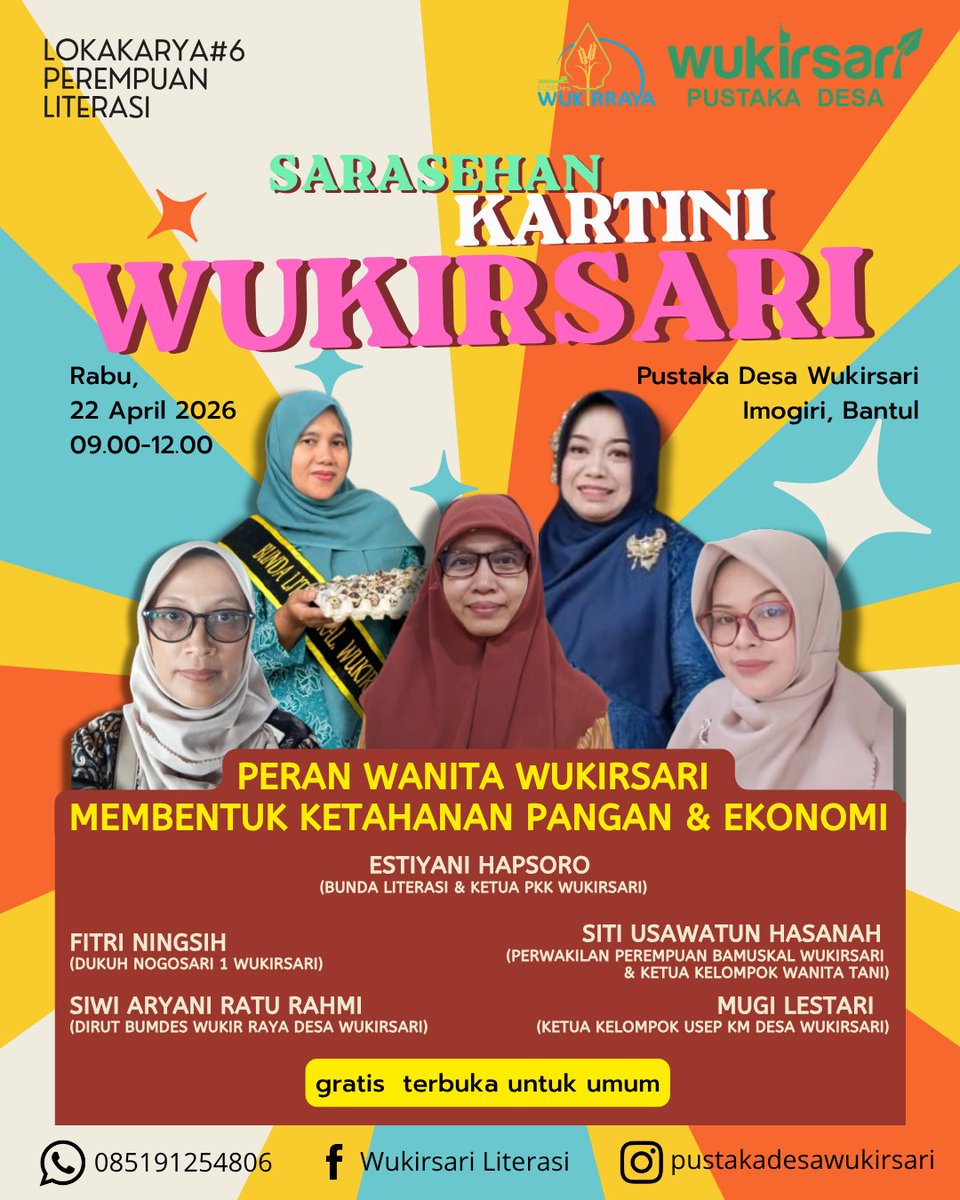
hari ini, Pustaka Desa mengadakan Sarasehan #KartiniWukirsari tentang "Peran Wanita Wukirsari Membentuk Ketahanan Pangan & Ekonomi"
tokoh pemantik adalah tokoh perempuan dari Wukirsari
keren kan ya 😋😋😋
#pustakadesawukirsari
#kartini
#perpustakaan
#literasiwukirsari
72
Apr 13
mengerikannya dari sebuah politik adalah musuh dan lawan dari teman
Apr 13

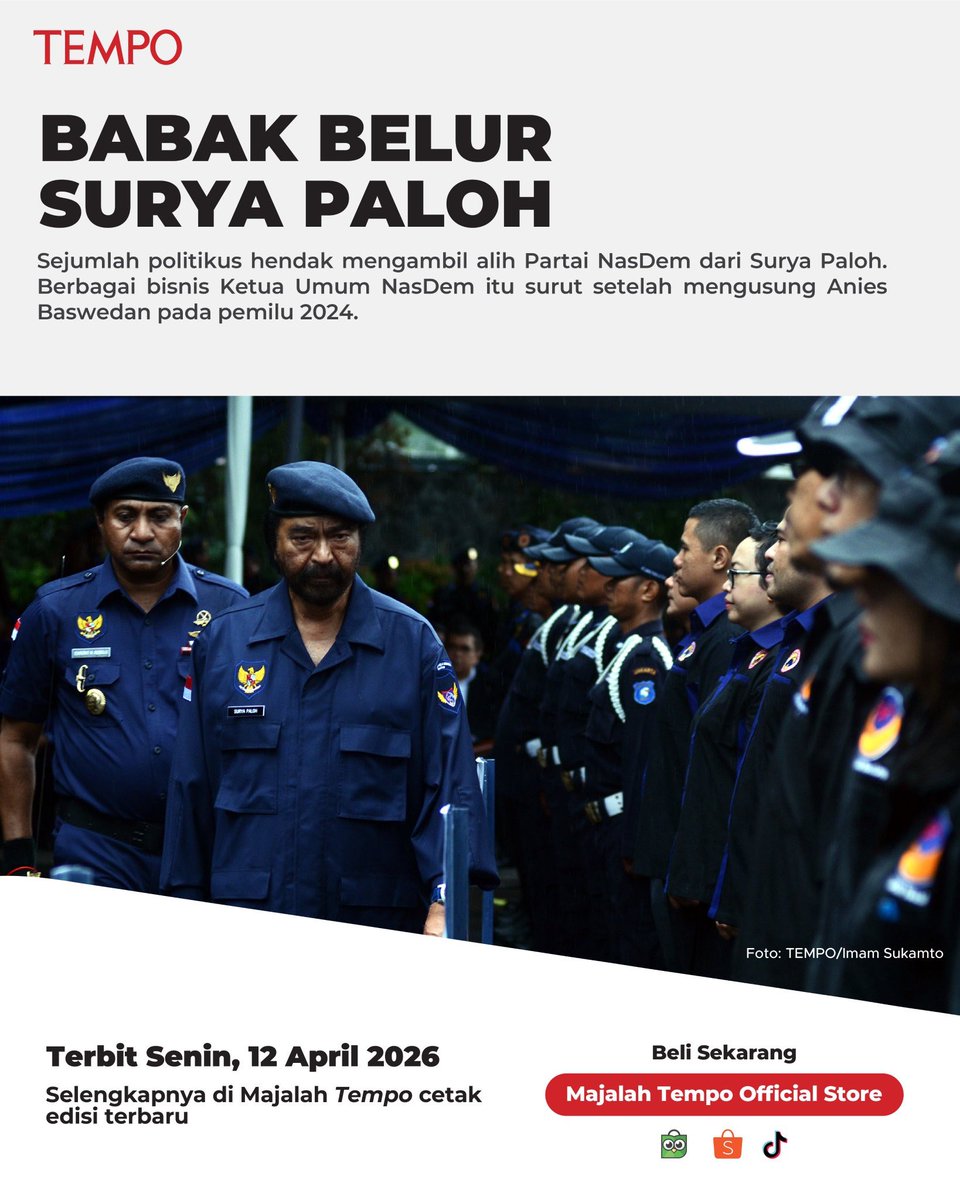
Jika Nasdem dibegal dari tangan Surya Paloh, maka haqul yakin, Orang Dalam yg akan pertama kali “menikam dari belakang” Surya Paloh adalah seorang Politisi Wanita bermulut jahat, arogan, penjilat genk Solo, bermuka tebal, yg berasal dari partainya sendiri.
Lihat saja nanti!.
42
Apr 8
sebutlah namanya, tetap di jalannya
kelak kau mengingat, kau akan teringat
1
24
Apr 8
mbantul dianggep brengsek lho cah
wkwkwkwk
Apr 7

bantul kabupaten anomali brengsekkk
68
Mar 31
ternyata, ilmu pengetahuan itu murah, jika mau dan membaca di perpustakaan, tentu harus betah
1
80