nonprofit professional, fundraiser, and volunteer; a believer in never underestimating the powerful difference YOU can make in the lives of others.
Joined November 2015
- Tweets 1,483
- Following 354
- Followers 128
- Likes 4,250
Photos and videos
Strong communities are built through both affordable housing and thriving local businesses. When investment is paired with local knowledge and trusted community partners, the result is lasting economic opportunity and greater stability for families and neighborhoods. #CommunityDevelopment #AffordableHousing #SmallBusiness
1
Amy Farrier retweeted

🚨 The countdown is ON! In just one week, golfers will hit the course for the 16th Annual Give & Golf Tournament at @suncadiaresort🏌️ Rally your team and register today, then join us June 18 at Suncadia Resort for a day of golf that makes a difference.
🔗 habitatskc.org/kittitas-coun…

1
1
15
Amy Farrier retweeted
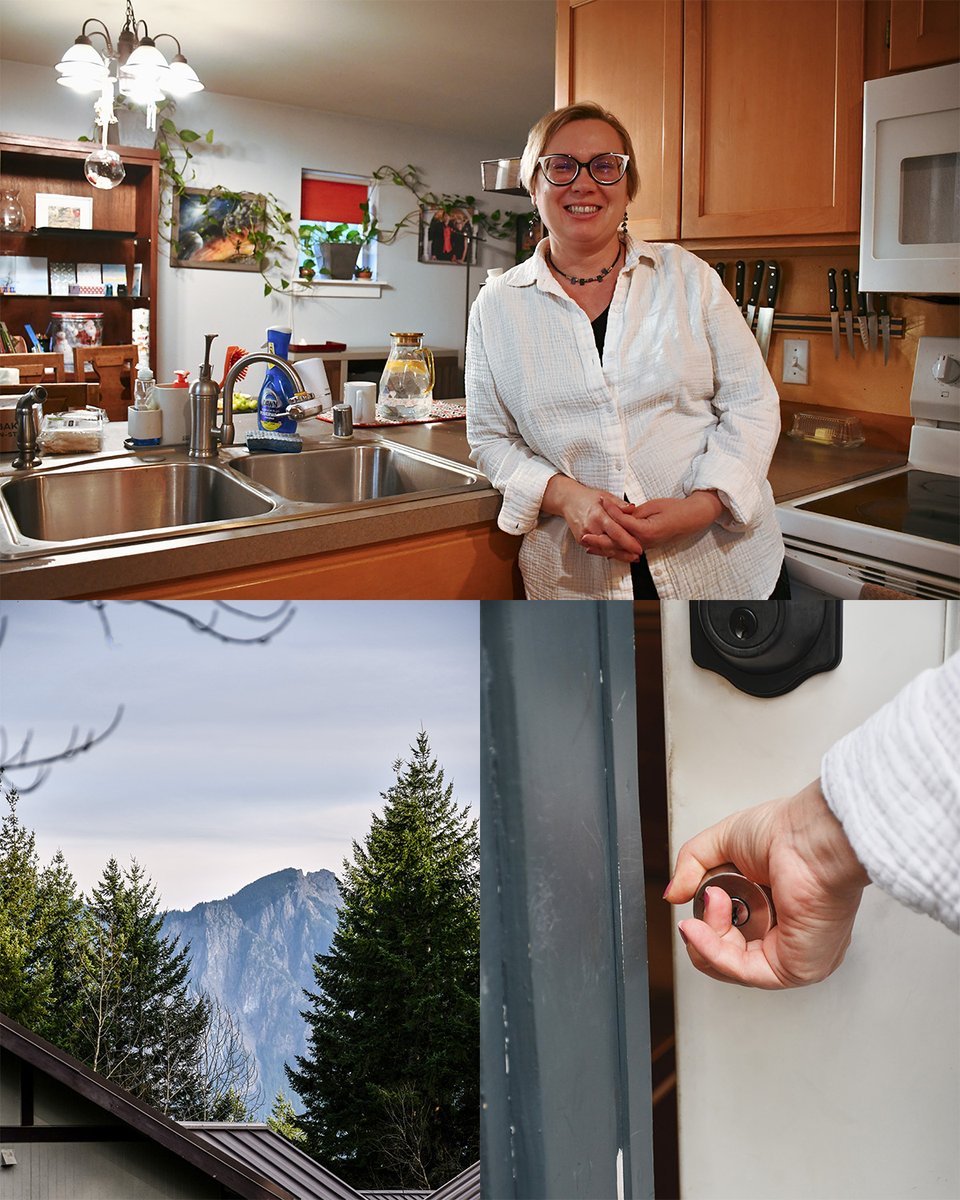
From her kitchen, with a view of Mount Si, Iulia has spent 16 years sharing meals, hosting loved ones, & building memories. "It's been 16 years, but almost every day I remember those people who helped us build our house."
Read her story in our blog post! habitatskc.org/forever-home-…
1
3
13

Jun 12
Milwaukee almost cut its down payment assistance program by 90%.
Residents went to the city hearings with neighborhood-level data. They made the case. The money was restored.
Three housing agencies had been running parallel systems for years, counting the same families more than once, with no shared picture of where the real gaps were. When they consolidated that data and built tools anyone could read, policymakers could finally see which neighborhoods needed more support, and funders could see exactly where their investment would go.
From 2024 to 2025, CDA converted 140 vacant lots into homes for first-time buyers and secured $4.5 million in new philanthropic investment. Milwaukee went from proposing cuts to declaring 2026 the year of housing.
In my own work, I've seen how much changes when the people closest to the problem are the ones walking into the room with the numbers. The conversation is just different.
CDA's chief executive said something I keep thinking about: "Residents want the data. People may say it is too complicated for the residents to understand, but that means someone is not explaining the data right."
What would change in your city if the right people had the right picture? housingmatters.urban.org/fou…
5
Jun 11
The conversation happening right now at City Hall will determine whether the next Becaley gets the same shot.
Becaley came to Seattle with a theater group. Ended up in a homeless shelter. Became a bus driver. Put in her sweat equity hours. Bought a home on Capitol Hill. She calls it breaking a generational cycle of never owning a home.
That home exists because Seattle's Mandatory Housing Affordability (MHA) program exists.
A coalition of nearly 30 developers is asking the city to cut MHA fees by 90%. The argument is that fees are making projects financially unviable. The permit slowdown is real. Applications last year were down nearly 90% from the 2020 peak, and that should concern everyone who cares about housing in this city.
But a 90% fee reduction means roughly 36 affordable homes funded per year instead of 365. MHA has delivered 4,595 affordable homes in Seattle since 2017. Not projections. Homes that exist today.
Here's the context that matters. Seattle's 2026 budget invested $349.5 million in affordable housing, more than five times what the city spent in 2019. The political will is there. The momentum is real. So, cutting MHA right now is a retreat at exactly the wrong moment.
Families are already leaving Seattle because they can't afford to stay. School enrollment is falling. The workforce that keeps this city running is being priced out.
The developers asking for relief are facing genuine pressure. We understand that, and we're not opposed to reform. But this level of cut doesn't reform the program. It guts the pipeline for the people the housing system has already failed the most. theurbanist.org/op-ed-the-ca…
32
Jun 10
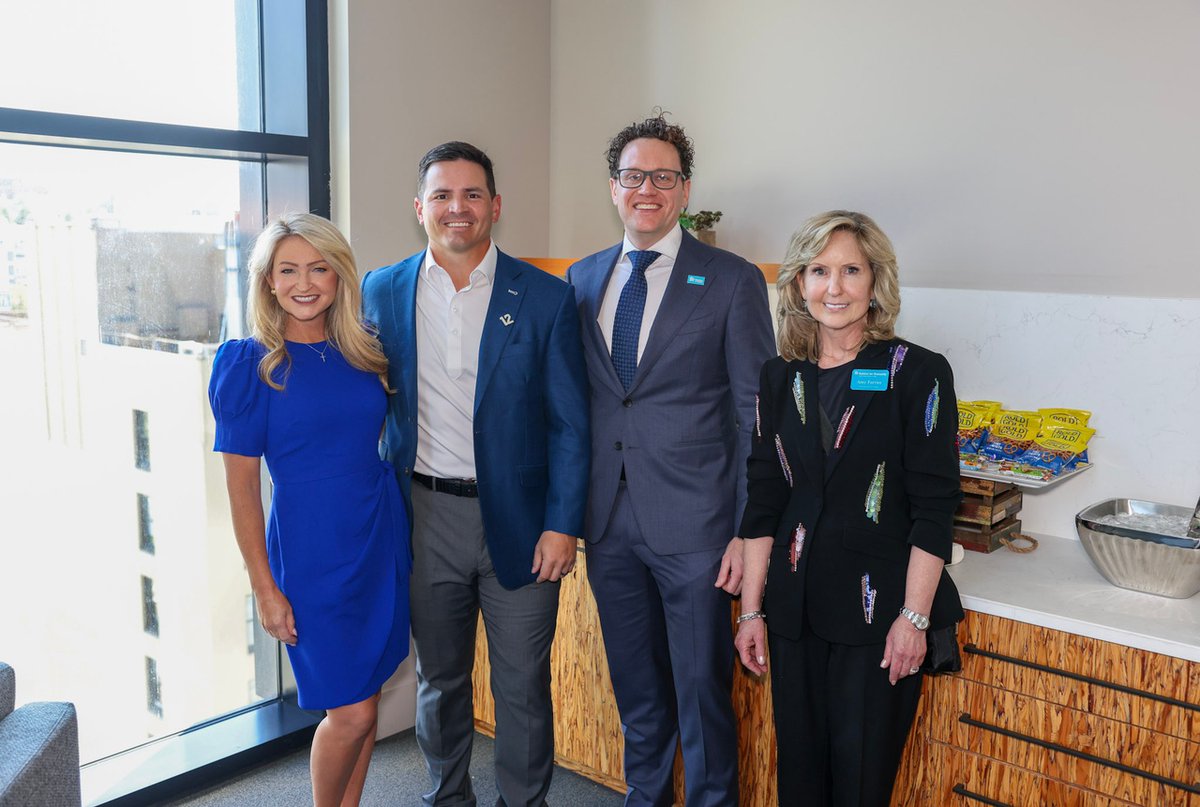
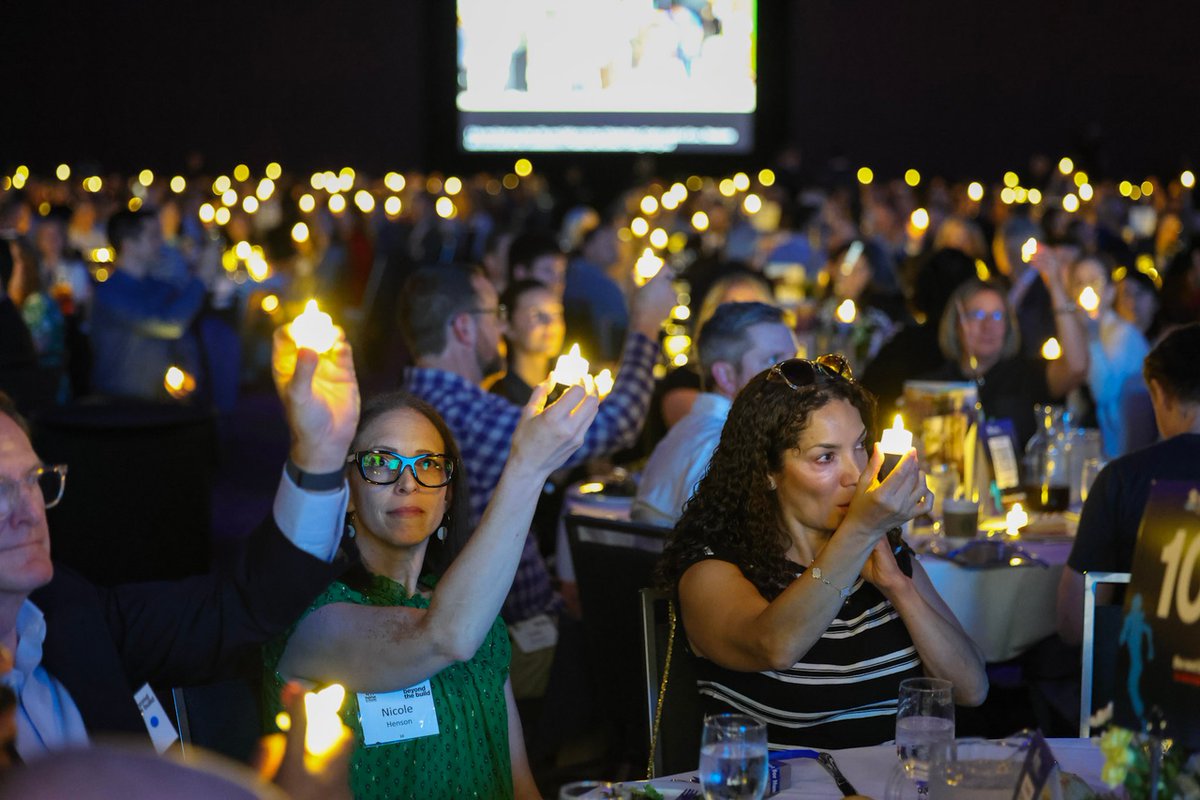
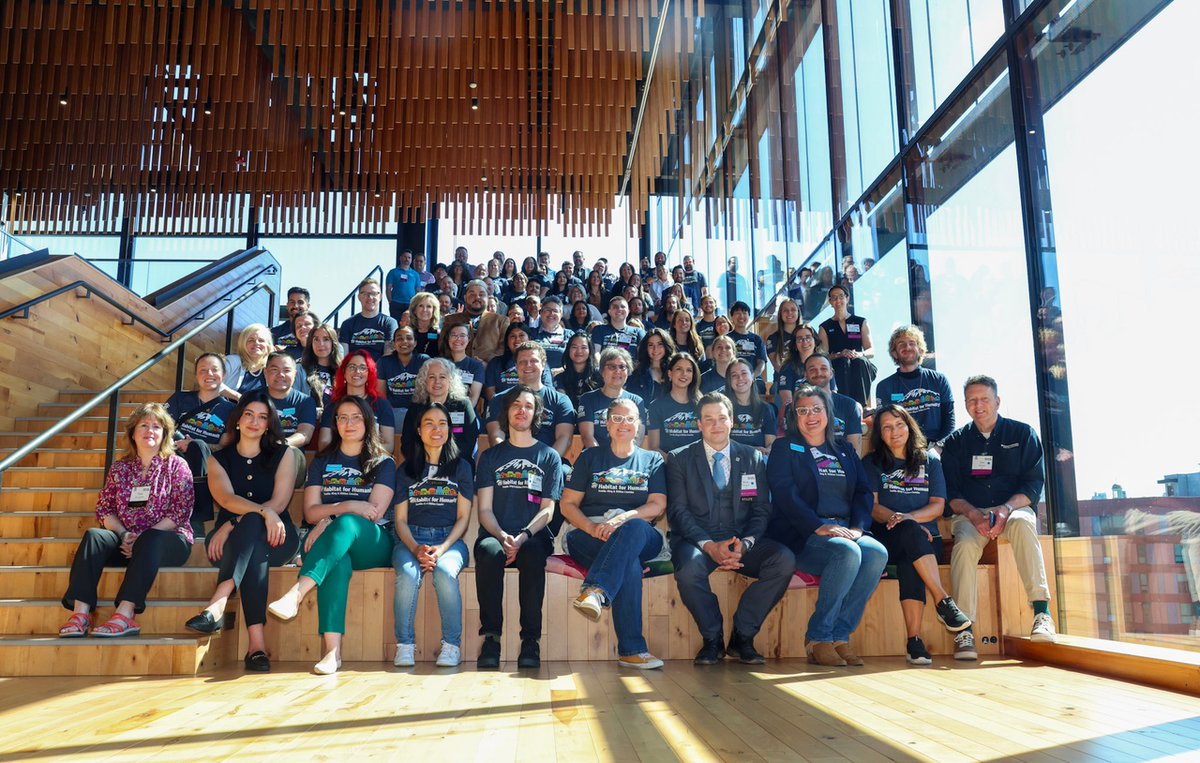
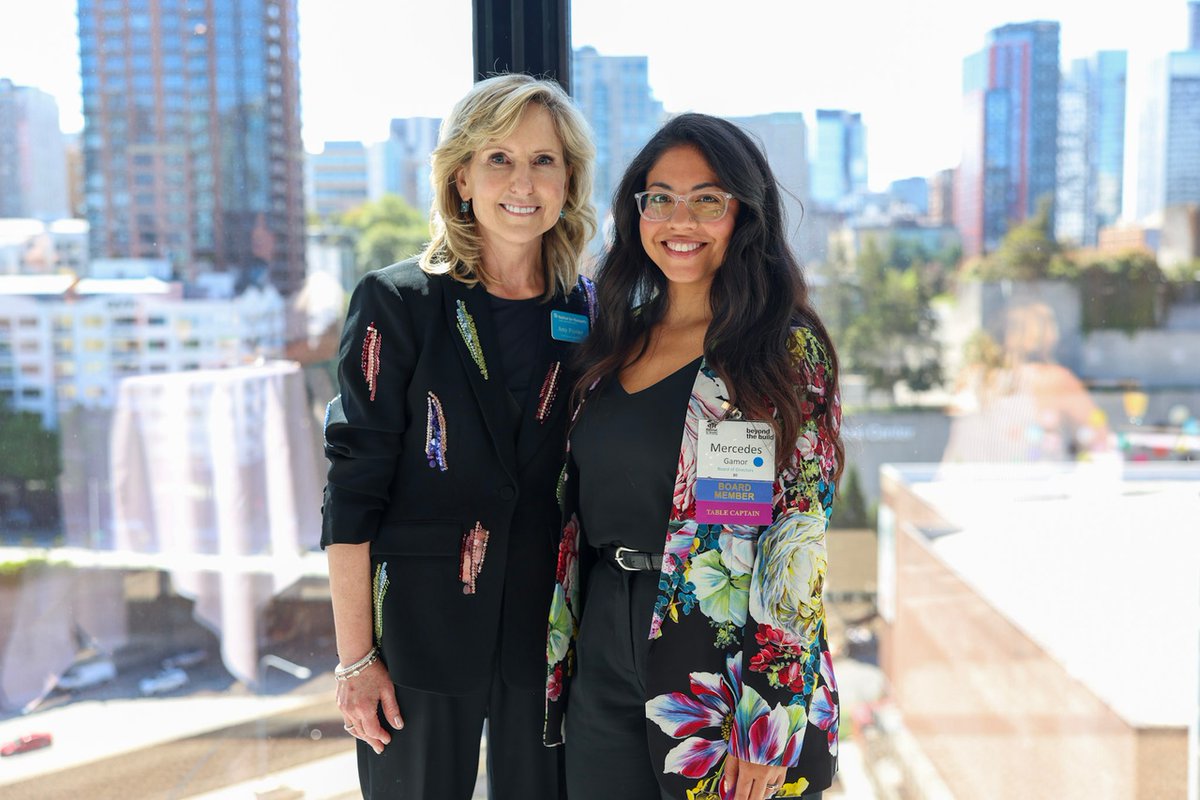
I've been to a lot of fundraising luncheons. Beyond the Build hits differently, and I've been thinking about why.
Part of it is Joanne W., who stood at the microphone and told the room she's had 3,000 nights of sleep without a knot in her stomach since getting her home eight years ago. You can't manufacture that. You either earn it over decades or you don't.
But I think what actually makes this event work is something most donors don't see.
The people who show up to Beyond the Build aren't writing checks out of sympathy. They come back year after year because they've decided this is a community worth investing in. Bev S. first walked onto a build site in 2004. She's logged over 3,000 volunteer hours since. That's not charity. That's conviction.
When I think about what serious philanthropy looks like, the kind that actually shifts outcomes at scale, it looks a lot like what this community has built over 40 years.
We raised $2.2 million and counting this year, and the pipeline is over 300 homes. That represents more than 1,000 families in King and Kittitas Counties whose path looks different because enough people stayed in the work long enough for it to compound over time.
Most funders want to see impact on a short timeline. Affordable homeownership doesn't work that way. The ones who stay long enough to see what they actually built are the partners worth having.
tinyurl.com/3pet437h
3
12
Jun 9
Most board chairs I've worked with walk into their first major gift ask underprepared. Not through any fault of their own. Nobody sits them down and walks them through what the conversation actually looks like.
So here's what I'd tell them.
- Know the number before you go in. Not a range but a number. The moment you offer a range, you've already negotiated against yourself.
- Listen more than you talk. Ask questions. Find out what they care about, what's bothering them, what success looks like to them. The ask goes better when you've done that work first.
- When you finally make it, let the silence sit. Someone has to fill it, and it should not be you. That pause is where the donor is making a decision. Give them the space to make it.
- Lead with impact, not need. The donor is not there to rescue you. They're choosing where their investment matters most. Show them the outcome, the family, the longer story. Need is background. Impact is the reason.
- And know your close going in. What are you asking them to do by the end of this conversation? A commitment, a follow-up visit, a next step of any kind. Walking out without one means starting over.
The board members I've seen struggle the most in major gift conversations are the ones who spent all their prep time on the pitch and none of it on the conversation. Those are two different things.
What's the one thing you wish someone had told you before your first major ask?
3
Jun 8
A nonprofit founder spent three years paying her staff's salaries instead of her own. She eventually asked someone when it would be okay to start paying herself.
That question is haunting me.
This piece by Esther Saehyun Lee names something I've seen in board rooms and funder conversations for years. Leaders, often women, often leaders of color, have quietly learned that asking for what the work requires is a high-risk move. So they edit themselves before anyone asks them to. They cut the line item, reduce the ask, absorb the gap personally.
The author calls it the scarcity vow. I'd say it's one of the most expensive habits our sector has.
One question she poses to board members stopped me: ask your ED what they took out of the budget before they brought it to you.
I've been in enough of those conversations to know the answer is almost always something significant. A position. A salary adjustment. Professional development. The things that would have made the organization stronger but felt too risky to defend.
If you sit on a #board, that question is worth asking. Not once, regularly. The funding and #governance structures that created this problem are the same ones that have to change it. candid.org/blogs/nonprofit-l…
27
Jun 3
There’s a lot of emotion right now in the conversation about homelessness in King County, and it’s understandable. When public dollars are involved, people want clarity, accountability, and systems they can trust.
The audit findings and the decision to launch a 90-day review are serious signals that the system needs closer examination.
At the same time, there’s a parallel reality that often gets lost in moments like this: the scale of housing instability in our region didn’t emerge from one agency or one structure. It’s the result of years of supply constraints, rising costs, and fragmented delivery systems across housing, health, and human services.
The challenge ahead is ensuring continuity for people who are currently in shelter, outreach programs, and permanent supportive housing.
Accountability matters. So does stability for the people relying on the system right now. komonews.com/news/local/king…
7
Jun 3
Seattle really does have a unique culture of philanthropy: It's deeply community-focused. The Pacific Northwest has a strong tradition of pairing innovation with action. Nonprofits, foundations, businesses, and local leaders are all part of that ecosystem.
1
May 30
A couple of weeks have passed since Women Build wrapped up in May, and I’ve been reflecting on the generosity that showed up across King County!
Teams from different organizations, long-time volunteers, and first-timers all worked side by side with a shared purpose: expanding access to affordable homeownership for women and families in our community.
I’m grateful to everyone who helped make it possible this year.
If you weren’t able to join us this May, there’s another opportunity coming up September 9–19, 2026. Registration is open, and we’d love to welcome new and returning volunteers into the work. habitatskc.org/women-build/
5
May 26
Memorial Day is a time to pause and remember the individuals who gave their lives in service to our country. Their sacrifice (and the sacrifices made by their families) are so meaningful that they can't even be put into words.
In my work, I’m constantly reminded that stable communities are built through people showing up for each other in meaningful ways. That spirit of service is something worth carrying forward.
Thinking today of all those who gave their lives, and the loved ones who continue to carry that loss with them.

5
6
May 23
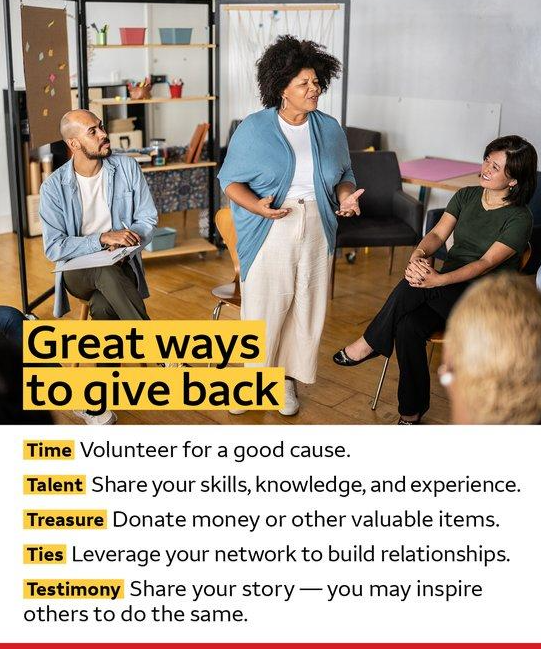
We all have the power to make a difference in our communities. There are plenty of ways to show support for the causes you care about, and how you give is personal.
For some people, it’s financial support. For others, it’s volunteering time, serving on a board, mentoring, advocating for policy change, or simply helping connect the right people to the right work.
2
May 21
The growing divide between funding for homelessness response and affordable homeownership overlooks a critical reality: housing stability exists on a continuum. It is not an either/or conversation.
We cannot sustainably address homelessness without also investing in the pathways that help working families remain stably housed, build equity, and avoid displacement in the first place. Strengthening the middle of the housing ladder — including affordable homeownership opportunities — is an essential part of creating a healthier, more resilient housing system overall.
2
Amy Farrier retweeted
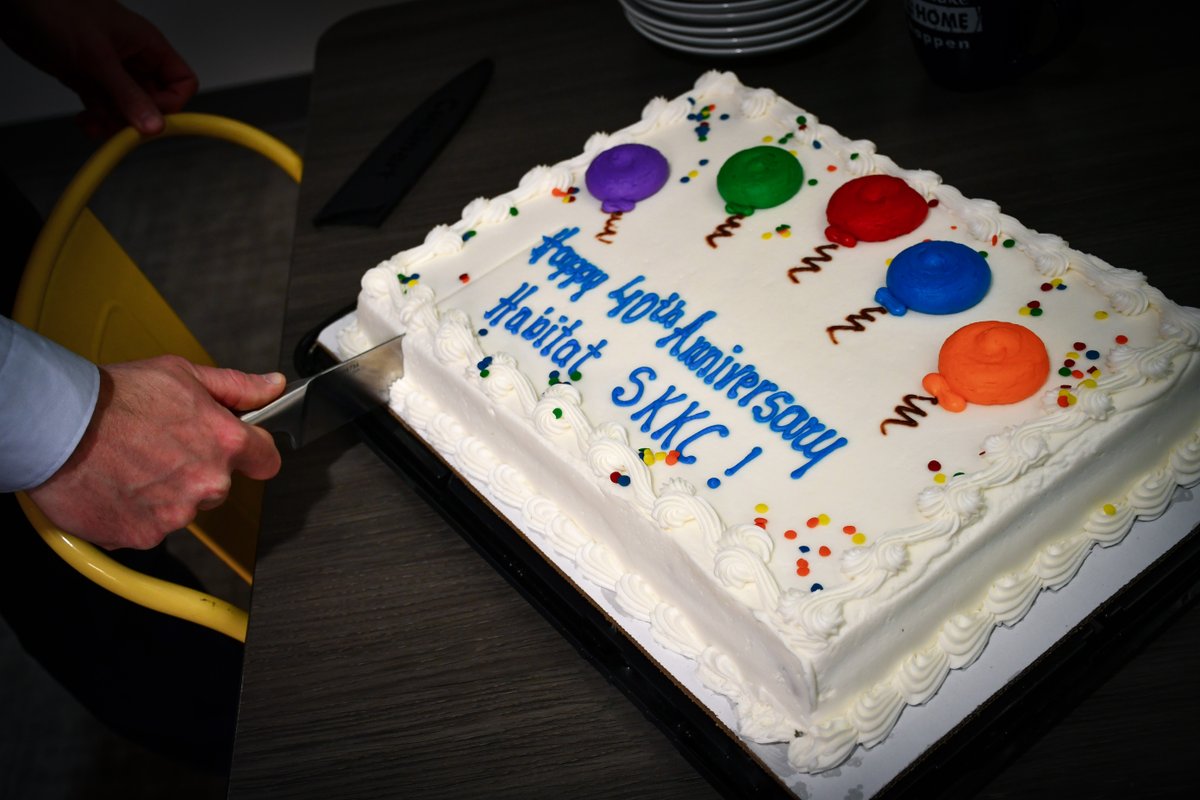
Today officially marks 40 years of Habitat SKKC! 🎉We’re celebrating this milestone with deep gratitude for the volunteers, supporters, partners, & families who have shaped the last four decades and made this work possible. Thank you for building with us. #40YearsBuildingTogether
1
2
26
Amy Farrier retweeted

May 19
#DidYouKnow that @Forbes has recognized Habitat for Humanity as one of the best charities to donate your car or other vehicle for four years in a row?
Learn how vehicle donations support our work by visiting habitat.org/carsforhomes.
4
6
404
May 21
Hope you will join us!

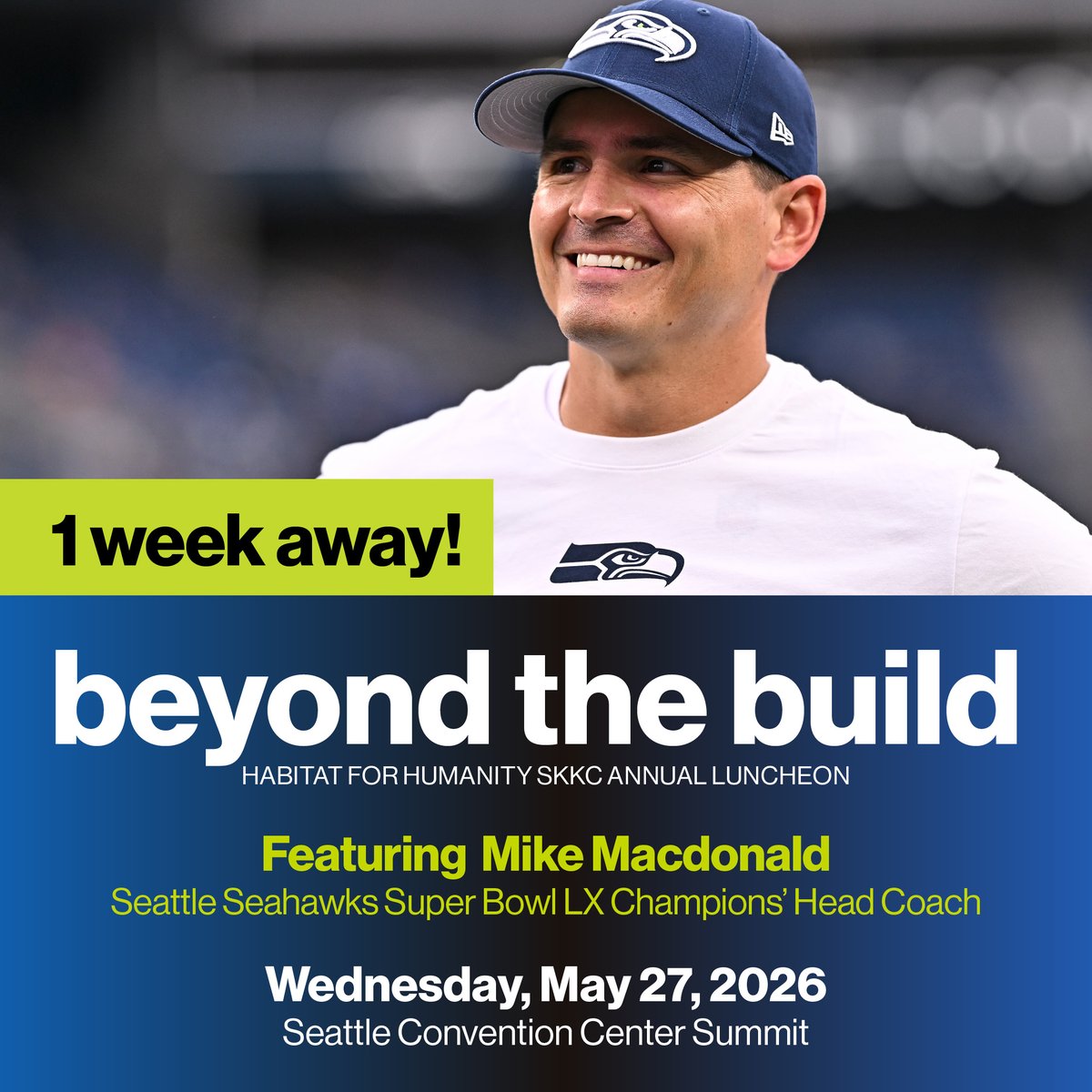
🥁🥁🥁 One week until Coach Mike Macdonald takes the stage. Are you joining us?
Register today. habitatskc.org/luncheon26/
#BeyondTheBuildLuncheon2026 #40YearsBuildingTogether
May 21
In affordable housing work, meaningful progress rarely comes from one person or one organization acting alone. It happens when people stay engaged — through advocacy, investment, volunteering, policy, partnership, or simply continuing to show up for the conversation.
You do not have to solve the entire housing crisis on your own to make a real impact. Real progress happens when enough people choose to stay involved, lend their voice, invest in solutions, and help build the long-term momentum required to create more stable, affordable communities for future generations.
3
May 20
The biggest mistake nonprofits make in the quiet phase of a campaign isn't moving too slowly. It's asking too early. There’s a lot of pressure in fundraising to move fast. Timelines are tight, and needs are immediate. In my experience, there are usually a few signals that tell you an organization is actually ready:
First, leadership is aligned internally. Not just on the funding goal, but on the purpose, the priorities, and what success looks like five or ten years from now.
Second, the case for support is grounded in reality. Donors can distinguish between urgency and clarity. People want to understand the actual problem, what the organization is positioned to do about it, and where their investment fits.
Third, relationships have enough depth to support honest conversations. The strongest partnerships come from consistency over time.
The quiet phase can feel slow from the outside, but it's often where the foundation for transformational giving is built. Some of the most important work in a campaign happens long before the public phase.
1
May 18
The response to #GiveBIG this year was incredible!
Surpassing a $50K goal and raising more than $54K is an amazing reflection on our community.
In Washington and throughout the Pacific Northwest, housing challenges can feel overwhelming. But moments like this are a reminder that people are still willing to show up, invest in one another, and help build long-term solutions together.
3