
PhD student @MITEECS. AI interactions and models for thought. @PDSoros @nsf grfp fellow. ugrad @UWPhilosophy @UWCSE
Joined November 2021
- Tweets 106
- Following 623
- Followers 298
- Likes 386
6 Photos and videos
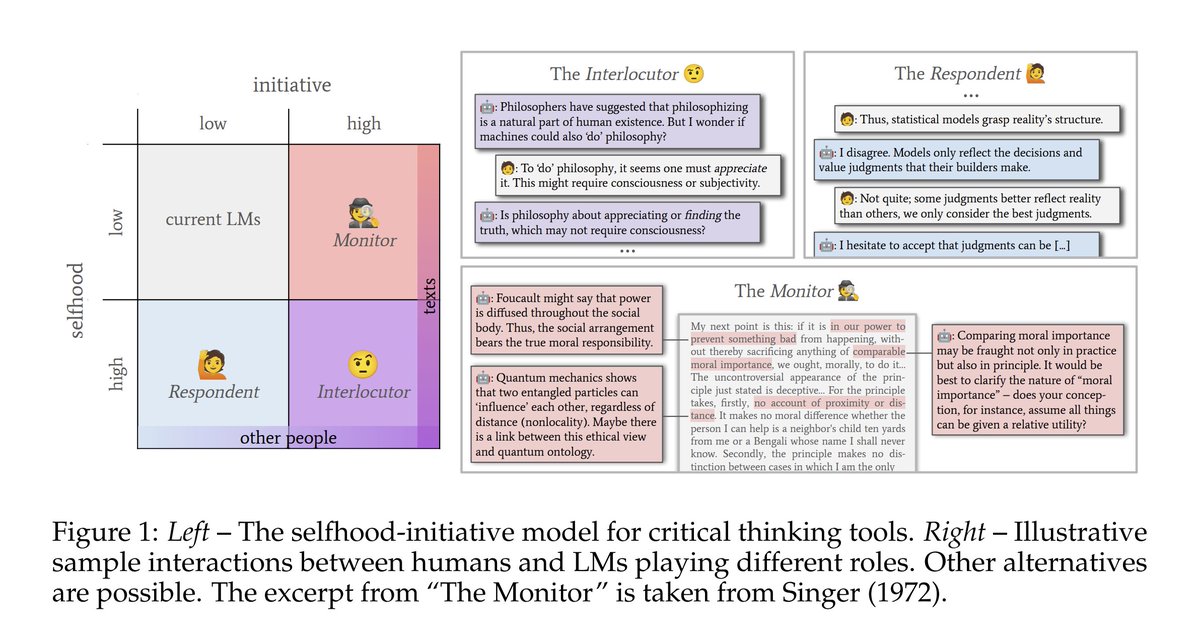
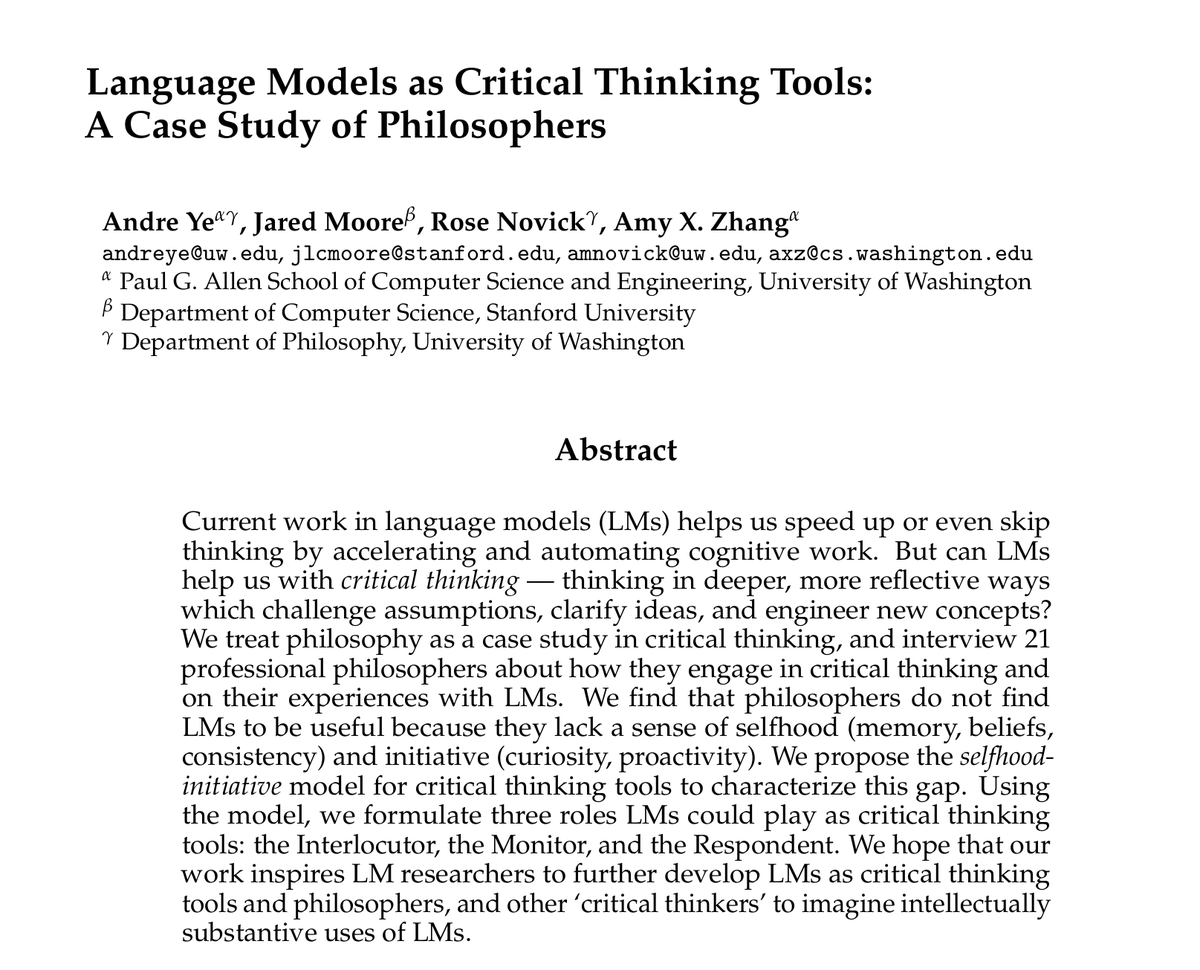

We're back! The MIT HCI group has grown, and we couldn't be more excited. A huge welcome to our newest faculty (@mitchellgordon, @huangcza, @ZanaBucinca & @jas_x_flowers) & students joining @arvindsatya1, @karger, Stefanie Mueller, Rob Miller & Daniel Jackson. Give us a follow!
2
13
66
16,088
Andre Ye retweeted

I defended! 🎉
For the past six years, I have studied whether AI models see the world the same way as their users. My dissertation, "Reconciling AI Representations and User Mental Models," gives people the agency to define, measure, and adjust human-AI alignment in their domain.

4
5
73
4,844
Andre Ye retweeted

Jun 5
LLMs can shift people's beliefs.
But most persuasion studies only check beliefs before and after a conversation.
We built PersuasionTrace to measure beliefs turn by turn, so we can study how belief updates actually unfold.
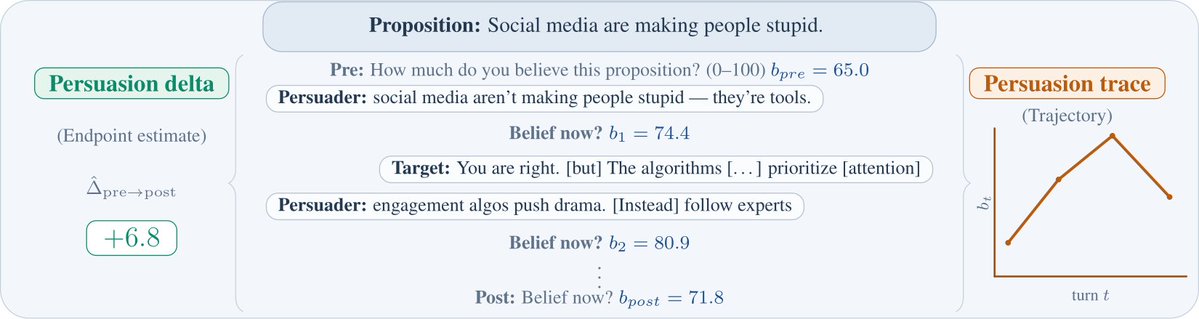
ALT An example human-target persuasion round with multi-turn persuasion tracing.
1
5
37
3,654

May 22
Super exciting work from my friend @RyanBoldi! From an HCI POV, I’m especially excited about how RL on multiple objectives might make models more socially intelligent while avoiding pitfalls of optimizing on one narrow objective (e.g., sycophancy from RLHF)
May 22

Your RL post-training may be sabotaging your LLM’s test-time scaling!
Conventional RL pretends that you can collapse all reward signals *upfront* into a single *scalar reward*.
We introduce Vector Policy Optimization (VPO), which natively maximizes *vector-valued* rewards, boosting test time search performance, even on the original scalar.
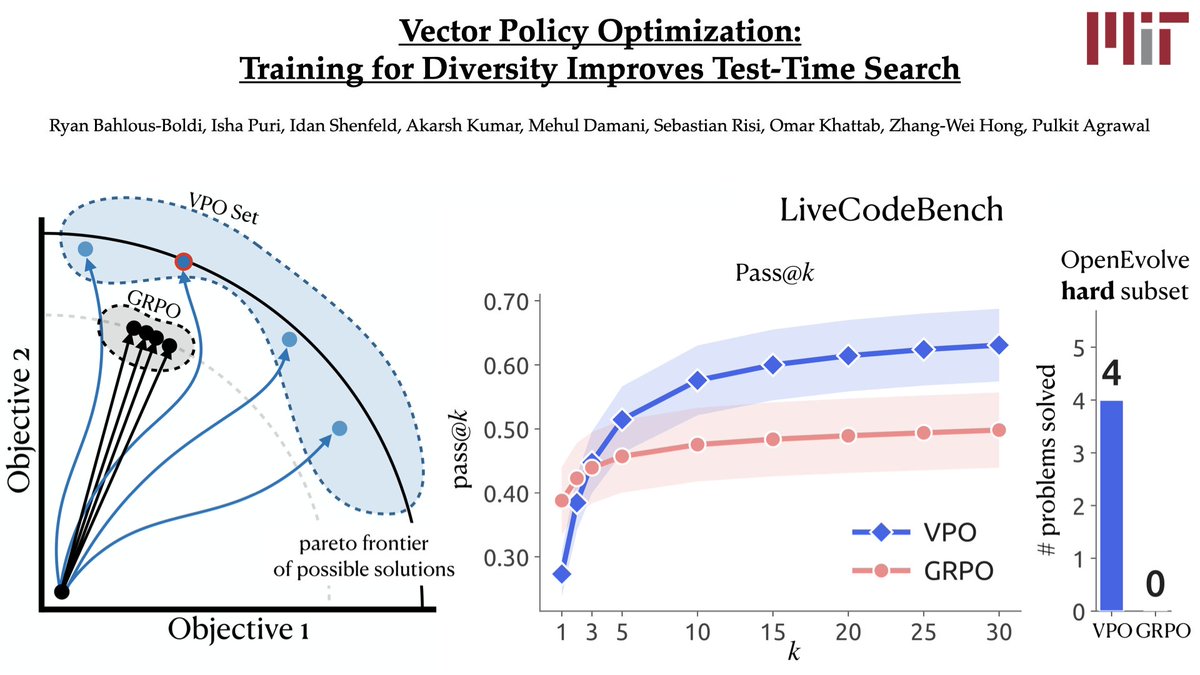
7
446
May 8
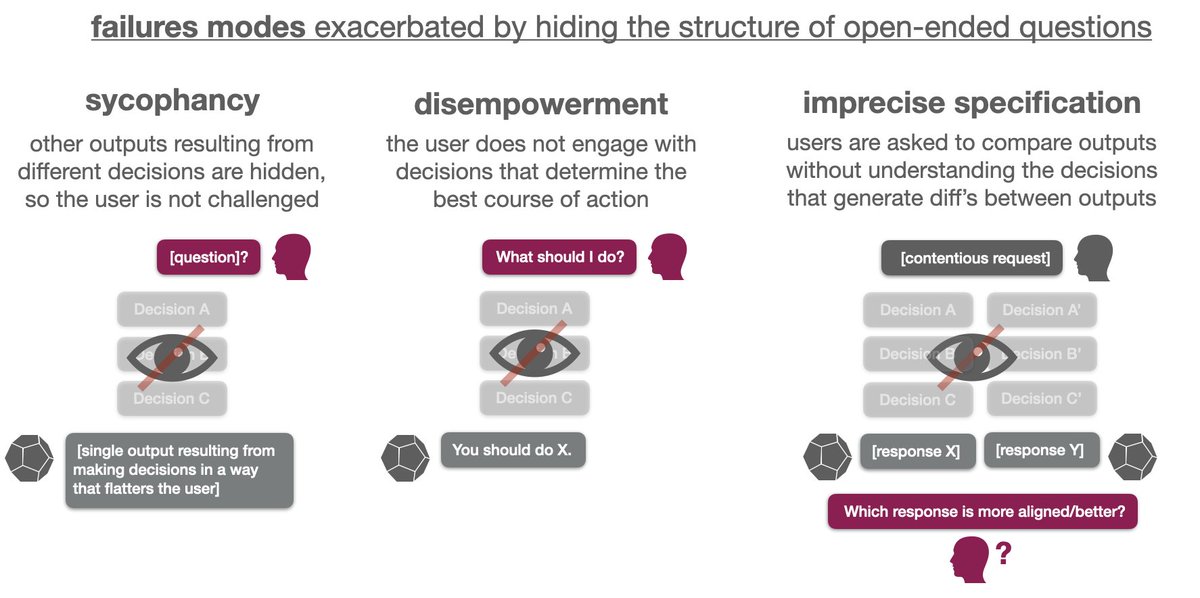
Sycophancy, disempowerment, homogenization of thought: lots to be grim about for what AI is doing to us, the collapse of our subjectivity into a machine "objectivity". But a lot of AI's value seems to come precisely from scaling this objectivity. How do we make sense of this?
1
3
23
1,238
May 8
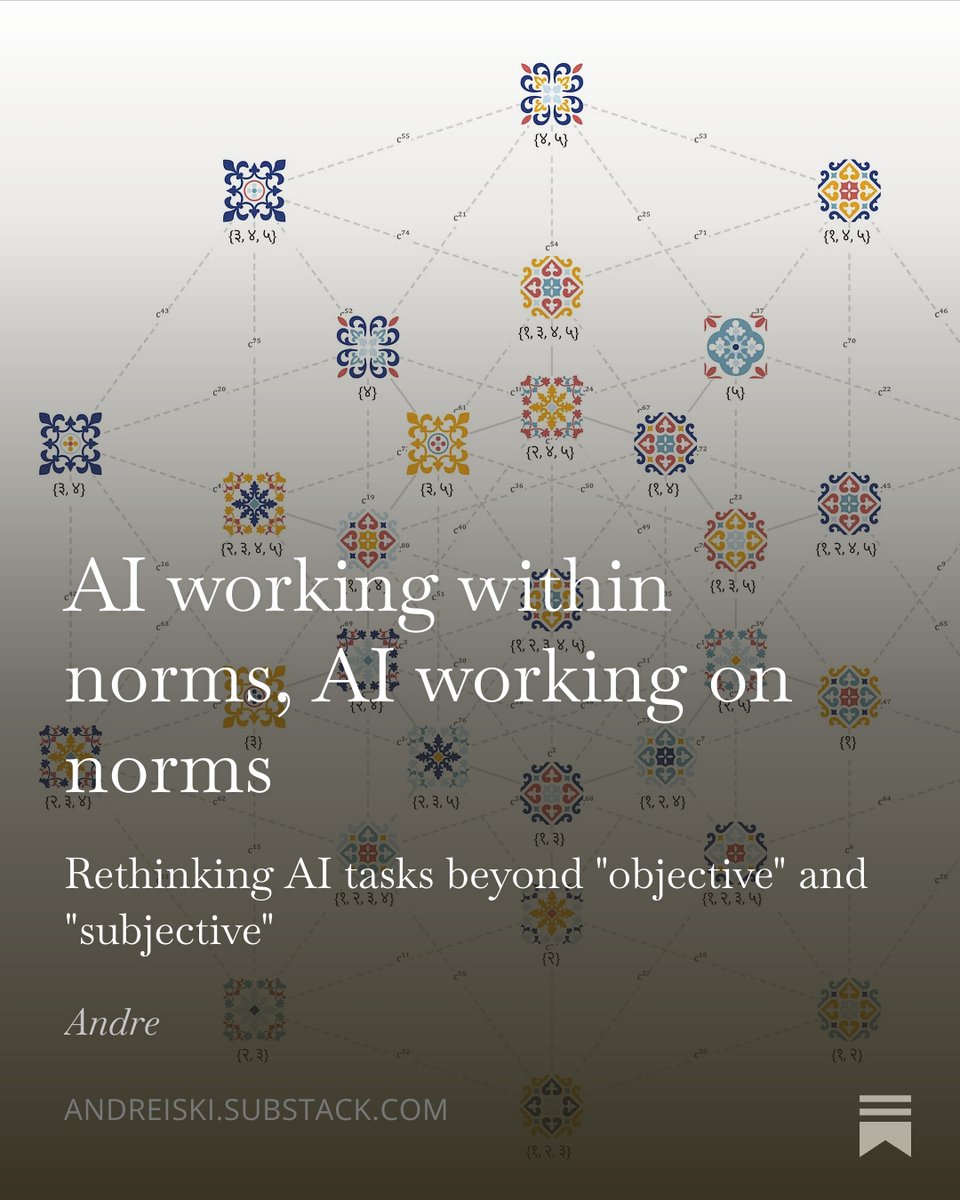
In the picture I lay out, we need work both *within* norms and work *on* norms. We've already thought a lot about how AI can help us work *within* norms, since that objective was more easily definable. There is more to be done on AI that helps us work *on* norms.
1
140
May 8
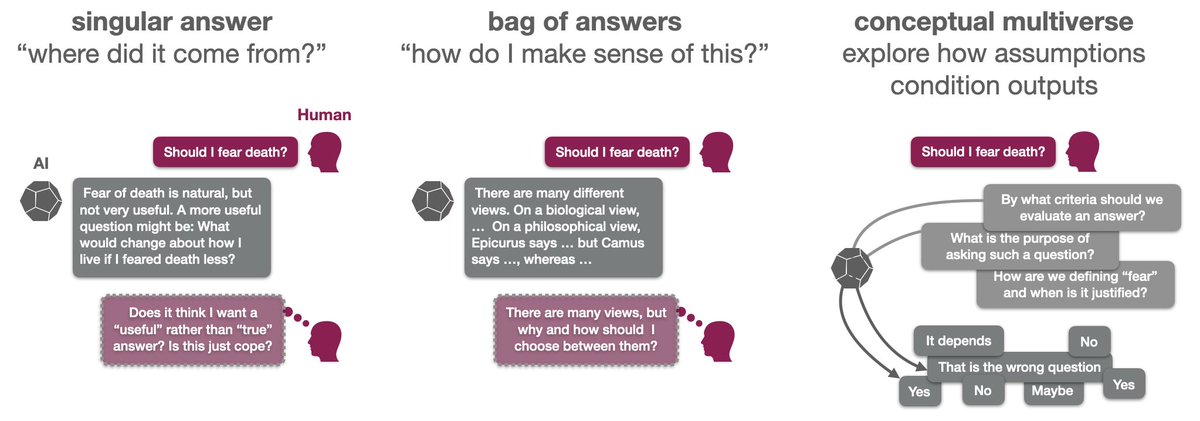
“Should I fear death?” Ask an LLM and you get one answer or a big bag, but little visibility into the decisions and assumptions that produced them. We built the "conceptual multiverse": a system that makes those decisions transparent and intervenable. multiverse.csail.mit.edu
1
9
39
6,530
May 8
Thank you so much to my incredible collaborators @JennyHuang99, @upcycledwords, Rose Novick, @ta_broderick, and @mitchellgordon!
1
2
178
May 8
If you're interested in additional perspectives on this work, check out @JennyHuang99's blogpost on "slow AI" jennyhuang19.github.io/slow-… and my blogpost on AI for "work *on* norms" andreiski.substack.com/p/ai-…
2
155
May 5
Check this blogpost out! I think this is a really exciting and important direction to be thinking about.
May 5

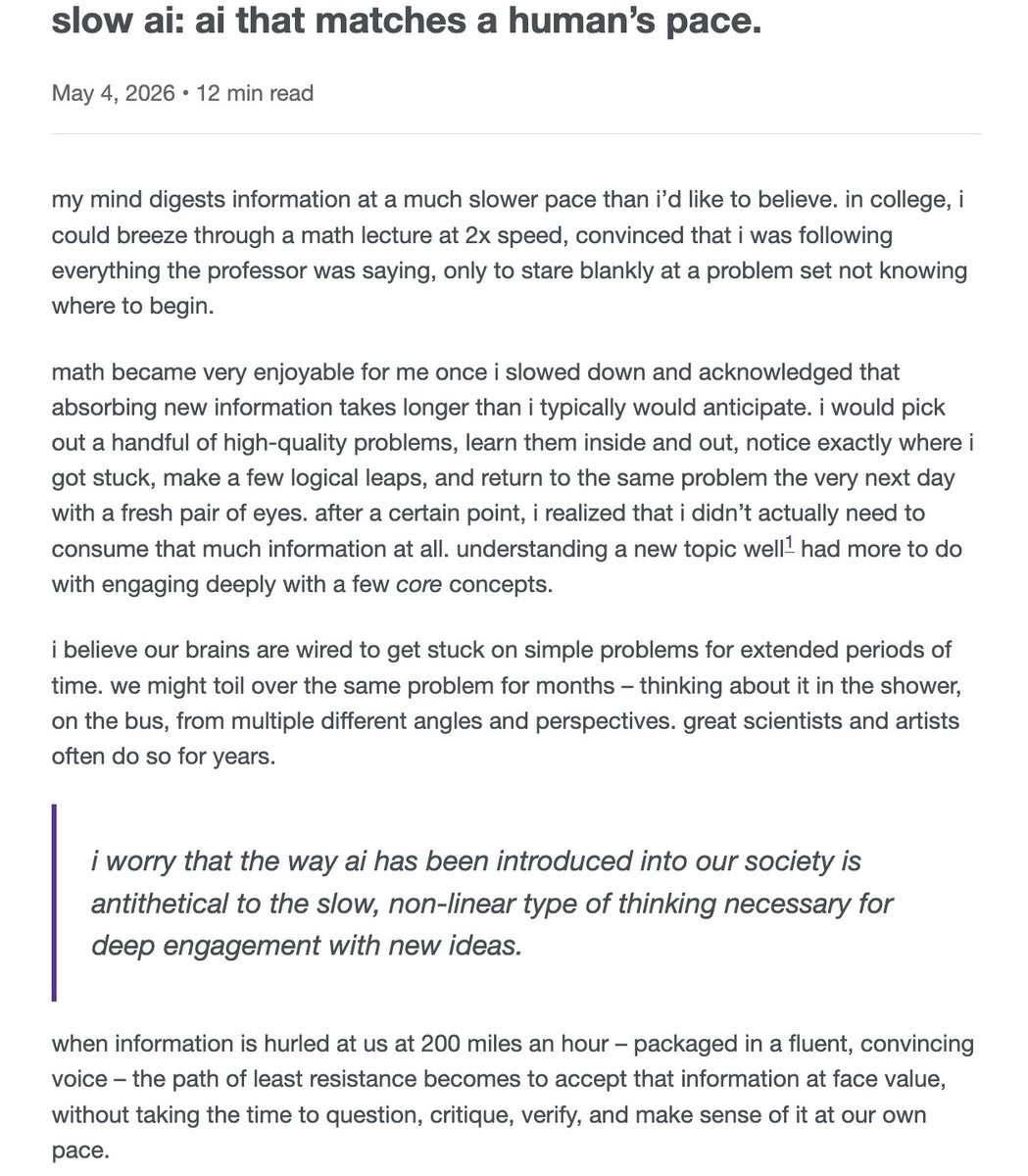
recently, i’ve been thinking about ways to design ai systems to be more compatible with slow thinking 🐌.
you can check out the full blogpost here 🤗:
jennyhuang19.github.io/slow-…
6
252
Andre Ye retweeted

Mar 10
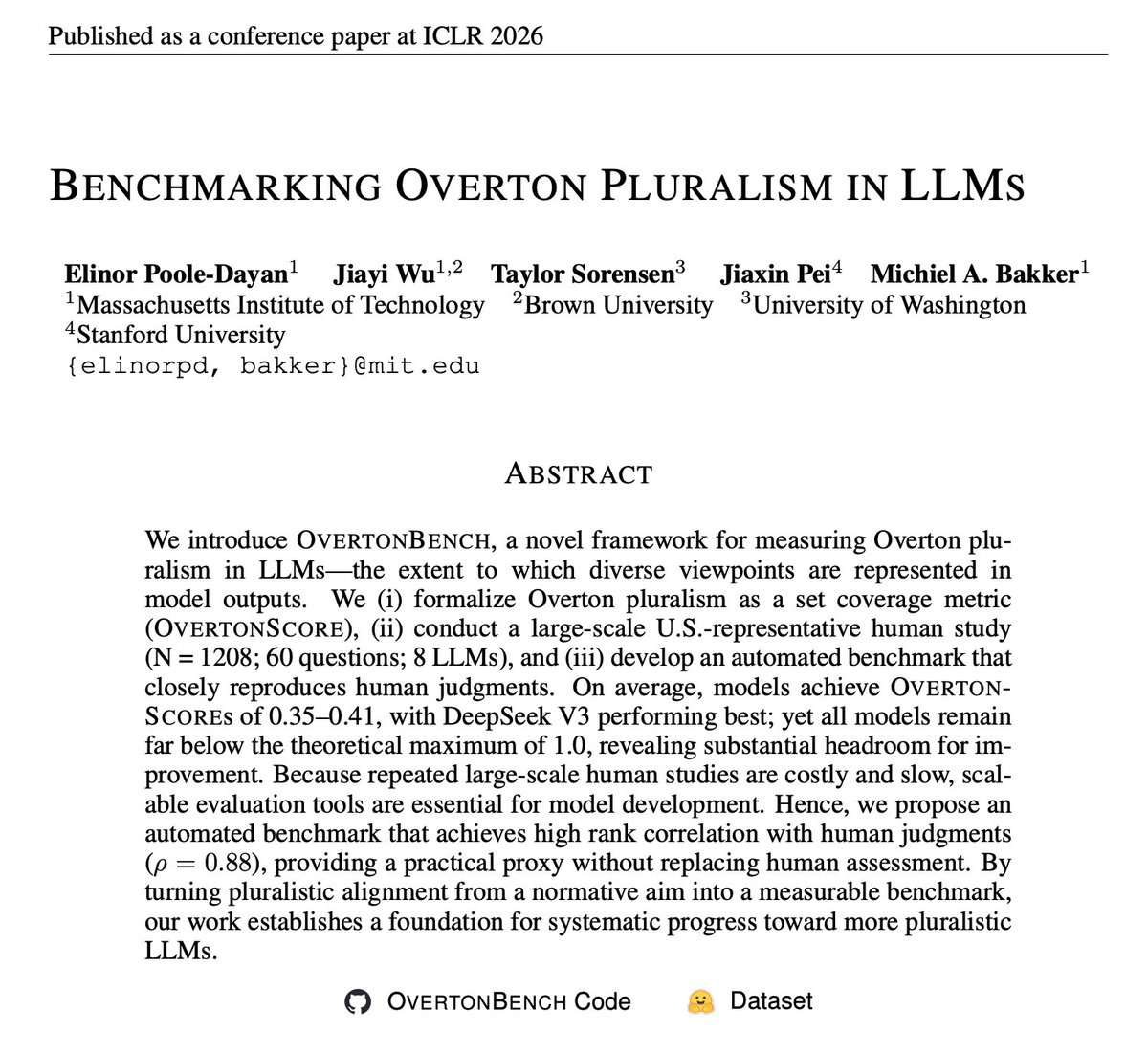
There's been a lot of excitement about pluralistic value alignment 🌈 — AI that reflects the full range of human perspectives
But no formal way to benchmark whether we're actually making progress. 🤔
Introducing 𝐎𝐕𝐄𝐑𝐓𝐎𝐍𝐁𝐄𝐍𝐂𝐇. 🎉Accepted to #ICLR2026
1/n 🧵
3
18
118
21,543
Andre Ye retweeted

16 Jul 2025
“Technical computer science savvy and deep philosophical commitments”: @UW #UWAllen alum @andreiskiii was named the @UWArtSci Dean’s Medalist in Social Sciences for his campus leadership and research contributions spanning #AI and philosophy. #UWdiscovers artsci.washington.edu/news/2…
3
12
2,777