
Partner and China research director at Gavekal Dragonomics. Aspiring blogger. Former Wall Street Journal. Variously from Louisiana, Beijing, Pacific Northwest.
Joined March 2009
- Tweets 4,008
- Following 616
- Followers 12,699
- Likes 1,119
486 Photos and videos








Pinned Tweet

17 Dec 2025
It’s time for the annual books list. It seems like reading 19th century authors was a theme in the culture this year, and I ended up participating in this trend without really planning to: Twain, Stevenson, Whitman were some of my highlights. And more!
4
1
14
3,471
Jun 15
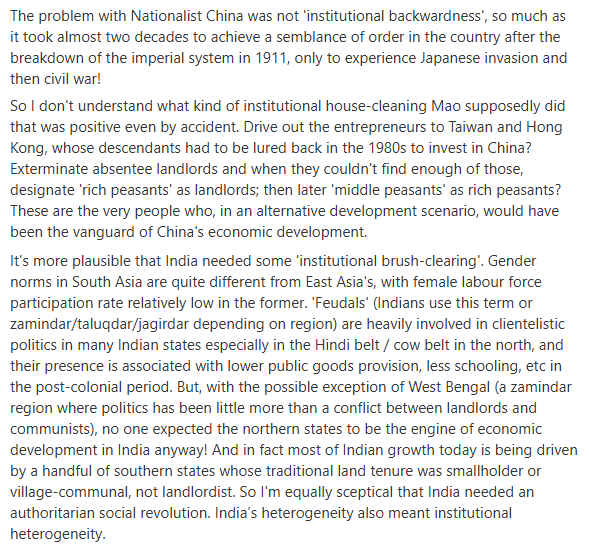
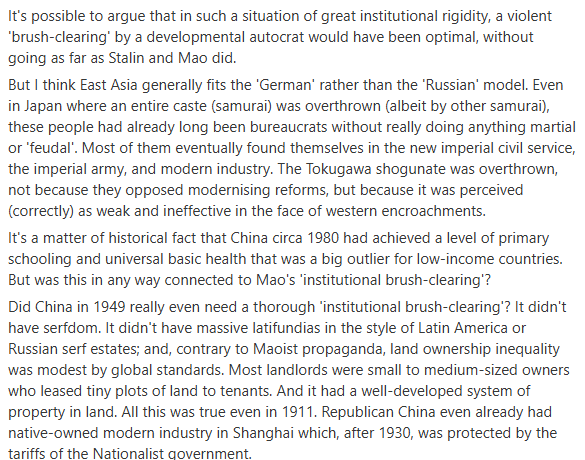
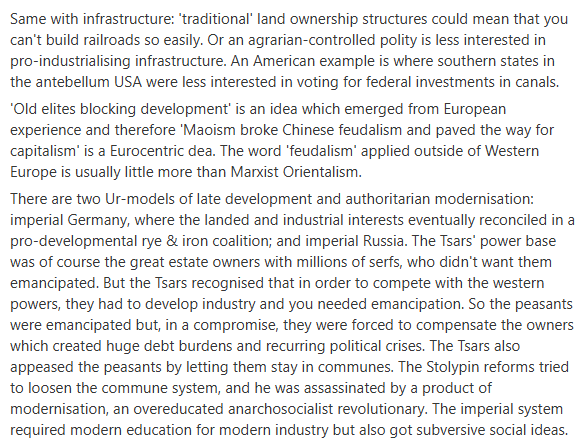
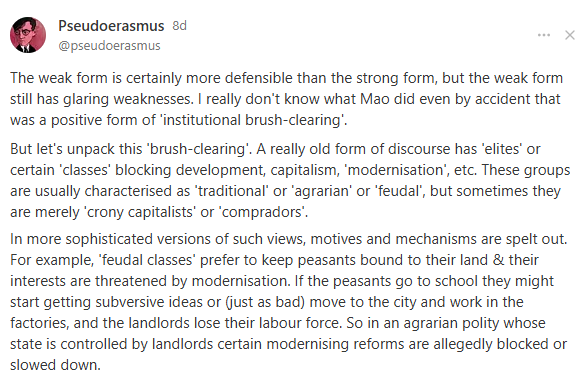
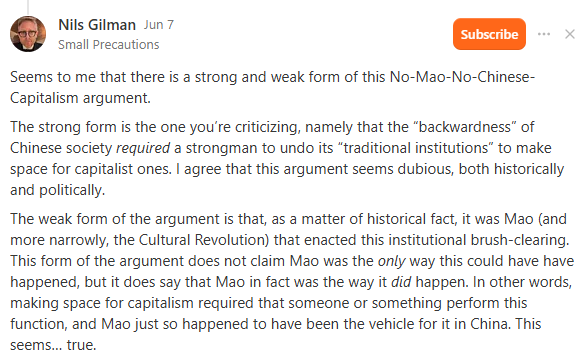
Since the great Pseudoerasmus is having a break from Twitter, I'm taking the liberty of copying and pasting a recent intervention on China from the other platform, on "the idea that traditional Chinese society had to be destroyed root and branch by Mao in order for China to become truly ready for capitalist industrialisation." It came after this comment:
1
8
52
8,029
Andrew Batson retweeted

Jun 12
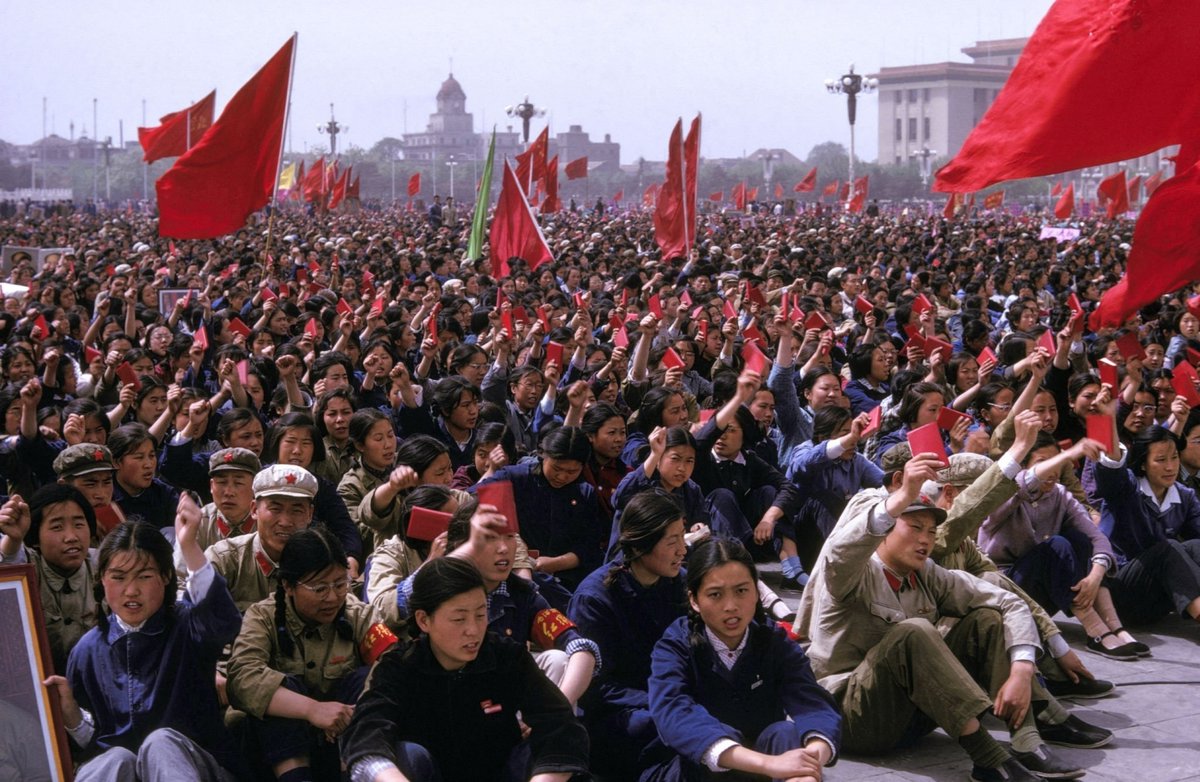
I got thousands of rare Cultural Revolution-era photos from a historical archive here in China.
I believe some of these have never been posted online, or only exist behind extremely expensive licenses.
So here they are, for free. Open the thread for more.
120
1,871
13,151
538,199
Jun 5
Great thread from one of the best analysts of Chinese local government
Jun 5

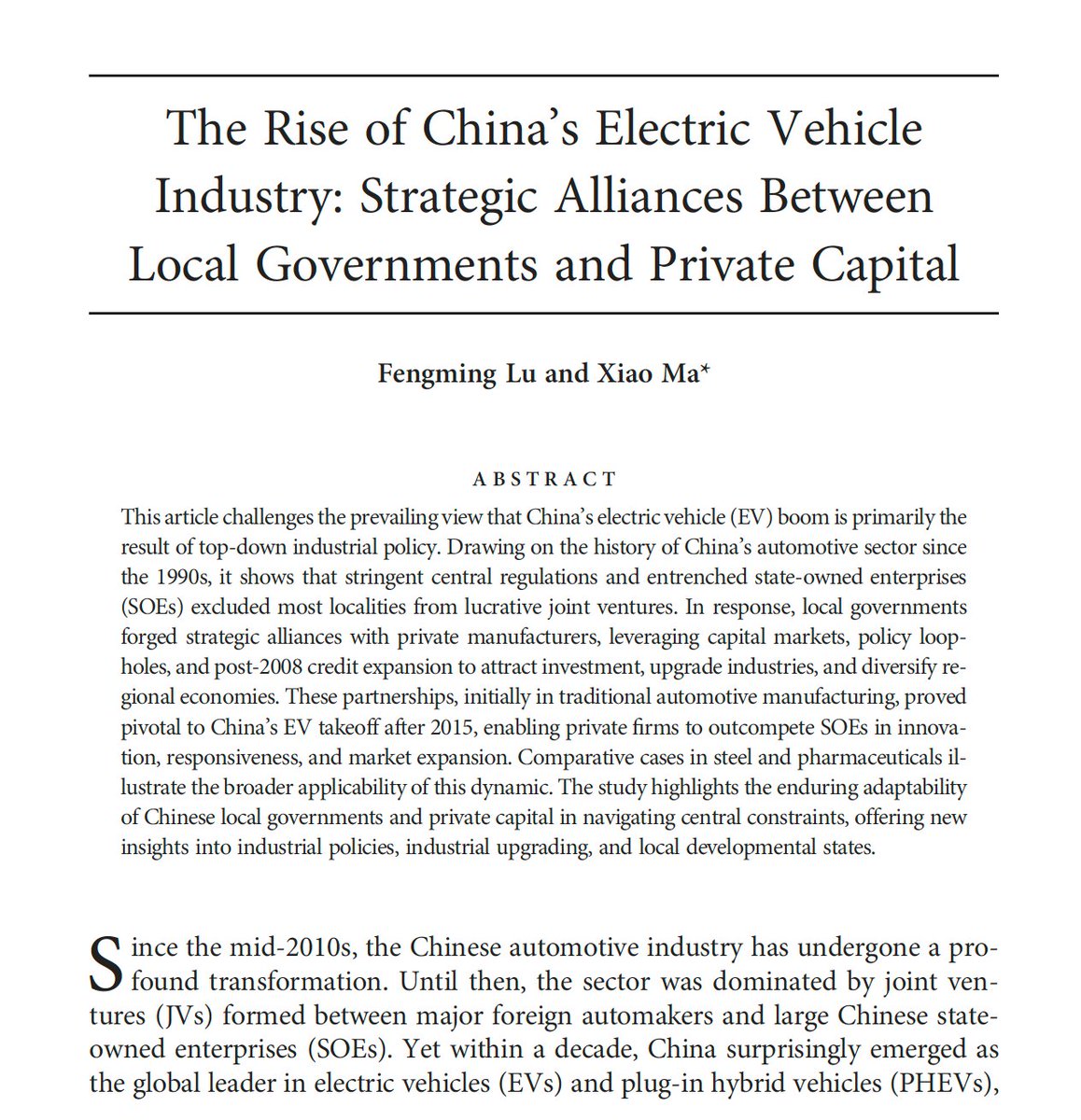
🚗🔋 Many think Beijing masterfully planned China's EV takeover. Fengming Lu (@ANUBellSchool ) and I spent 3 years and 60 interviews finding out what actually happened in our latest article @TheChinaJournal. A thread 🧵
5
78
463
106,090
Andrew Batson retweeted

Grachan Moncur III was born on this day June 3, 1937. The trombonist's two remarkable 1960s Blue Note albums move between post-bop & the avant-garde yet exist in a realm of their own.
"Evolution" bluenote.lnk.to/GrachanMoncu…
"Some Other Stuff" bluenote.lnk.to/GrachanMoncu…



1
6
73
2,945
27 Aug 2025
Amazing photo. Also makes you realize that the Hokusai prints of Fuji that seem so stylized were actually pretty faithful to visual perception


1
2
8
2,304
Jun 1
Another one


1
465
May 27
Useful thread

Lots of confusion about how China is able to cut seaborne oil imports so drastically. I think a significant blind spot in most analysis is China's stockpiles of refined products. These are reported in China's official energy data. 🧵
x.com/JavierBlas/status/2058…
1
4
915
May 26
China’s heavily test-based university admissions system has gotten a lot of criticism over the years but seems like it is a lot more resilient to AI than the US system. With possibly quite long lasting implications for human capital.
May 26

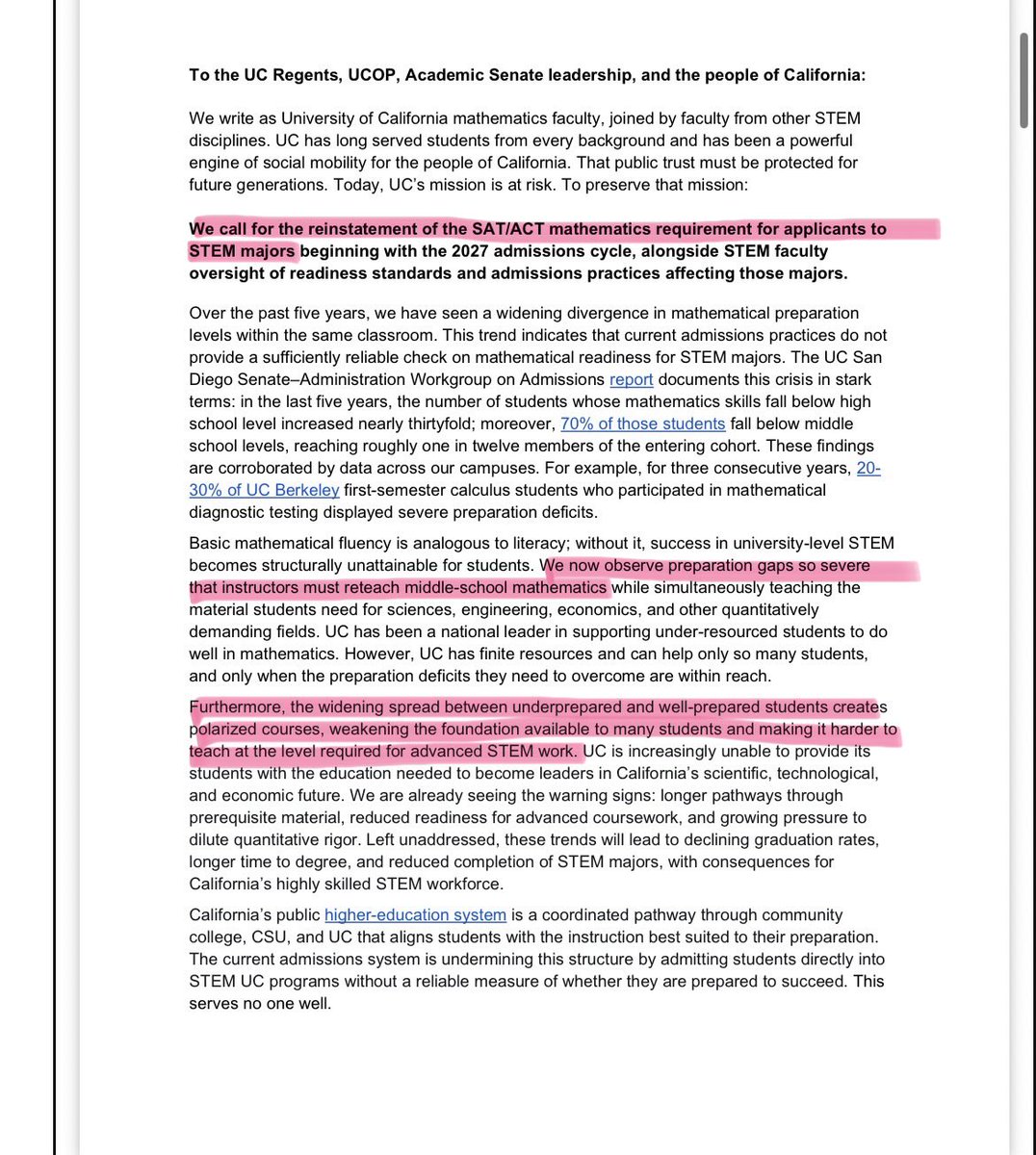
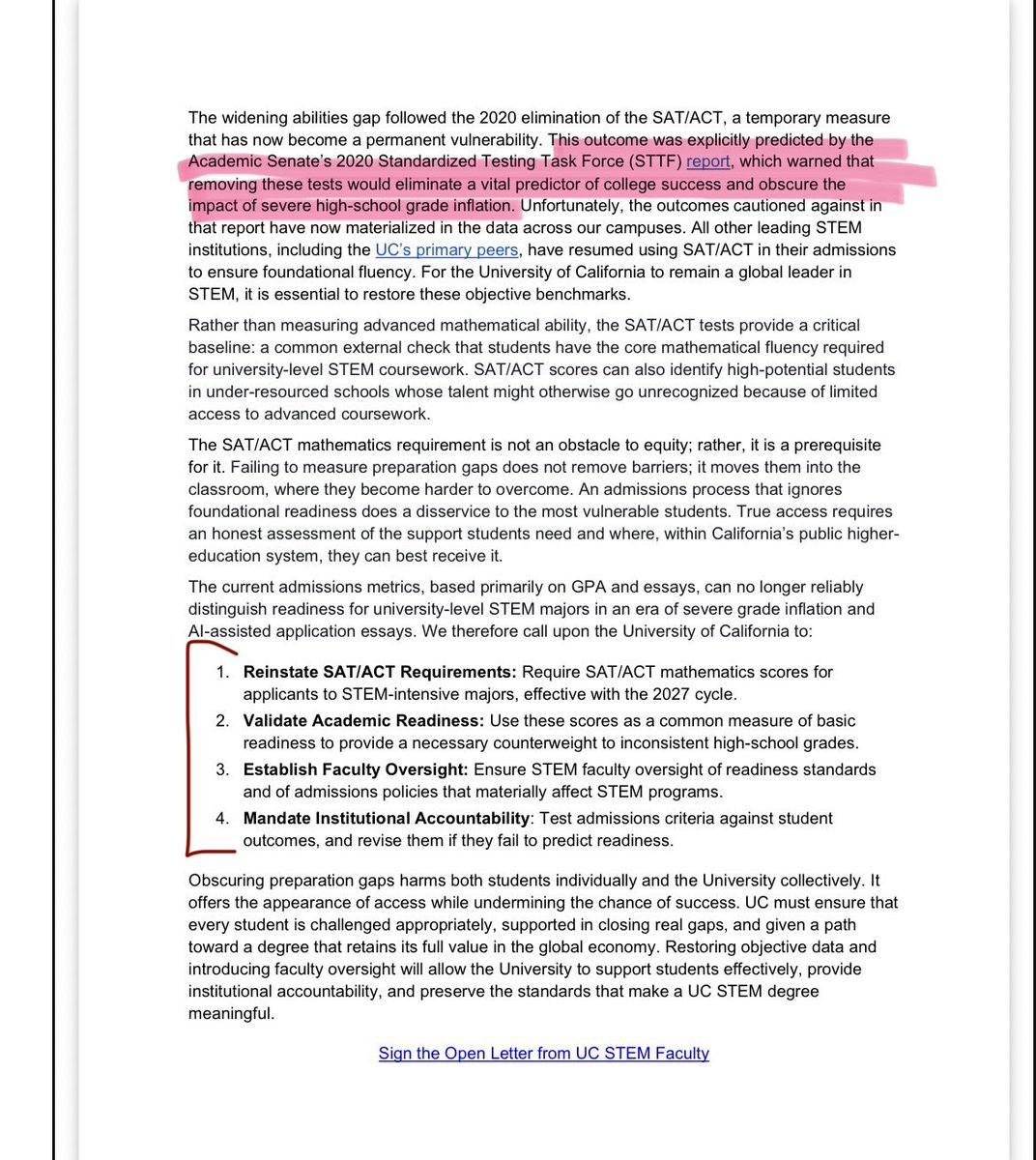
University of California STEM professors want standardized tests back due to severe math deficiencies among students:
“We now observe preparation gaps so severe that instructors must reteach middle school mathematics”
“The current admissions metric, based primarily on GPA & essays, can no longer reliably distinguish readiness for university-level STEM majors in an era of severe grade inflation & AI assisted application essays”
4
12
57
5,311
Andrew Batson retweeted

May 26
It is with deep sorrow and profound love that we announce the passing of Sonny Rollins. The Saxophone Colossus died this afternoon at his home in Woodstock, NY at the age of 95. 1/2 conta.cc/4wFIDrM

ALT Sonny Rollins in 2009. Photo by John Abbot.
529
7,224
17,638
1,124,674
May 23
Tyler and Kim did a great job of avoiding facile modern analogies with the Roman Empire in this episode, but I was still surprised that they did not even pause for a knowing chuckle after Kim said the empire declined because of inflation and falling population. I mean!

Kim Bowes is an archaeologist at Penn who thinks we've barely scratched the surface of what Rome can teach us about ancient economies.
Most of the Roman economy consisted of family farms, yet only about a dozen have been excavated. Thousands of papyri remain unanalyzed. A belt of factories in the Tiber Valley—Rome's equivalent of Pittsburgh—went undiscovered until twenty years ago, when archaeologists realized the bricks that built Rome couldn't have been produced within the city itself.
The more we uncover, the more puzzles emerge: why did Romans keep trusting currency the empire was steadily debasing? Why was population declining by the second century? And might these two things be the key drivers behind Rome’s decline?
@tylercowen and Kim discuss all this and more, including:
· 00:00:00 – What Roman housing was like
· 00:08:55 – Life for early Roman Christians
· 00:17:47 - Roman economic thought
· 00:31:25 - The economics of Roman slavery
· 00:34:56 – Did shopping hold the empire together?
· 00:42:56 - The Romans as masters of scale
· 00:48:13 – Why she’s not a fan of the Vesuvius Challenge
· 01:03:03 – Best sites outside of Rome for touring the Roman Empire
Watch the full episode here or check out the links in the next post.
youtu.be/Dzavi6iTDcs?si=F5dg…
3
1,279
Andrew Batson retweeted

May 22
Another arrival day shoutout to #SunRa: one of his greatest baritone-riding fanfares riffing away below two of his most jaw-dropping space chants. From THE album to get if you or someone needs one well-recorded sampler covering most of his infinite bases:
youtube.com/watch?v=-9jnkl5p…
1
4
656
May 16
Exactly right

Today in China, GDP is less important as a KPI. I defend GDP targeting in this excerpt from my 2023 book. To paraphrase Churchill, “GDP targeting is the worst kind of KPI, except for all those other KPIs that have been tried from time to time” open.substack.com/pub/yashen…
2
4
1,892
May 15
My Chinese friends with young children these days report feeling increasingly out of sync with contemporary urban culture, a big change from the more pro-family vibes of past decades
May 15

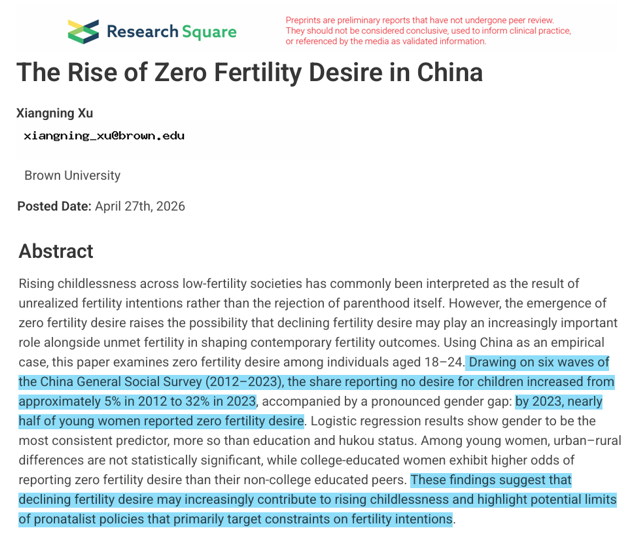
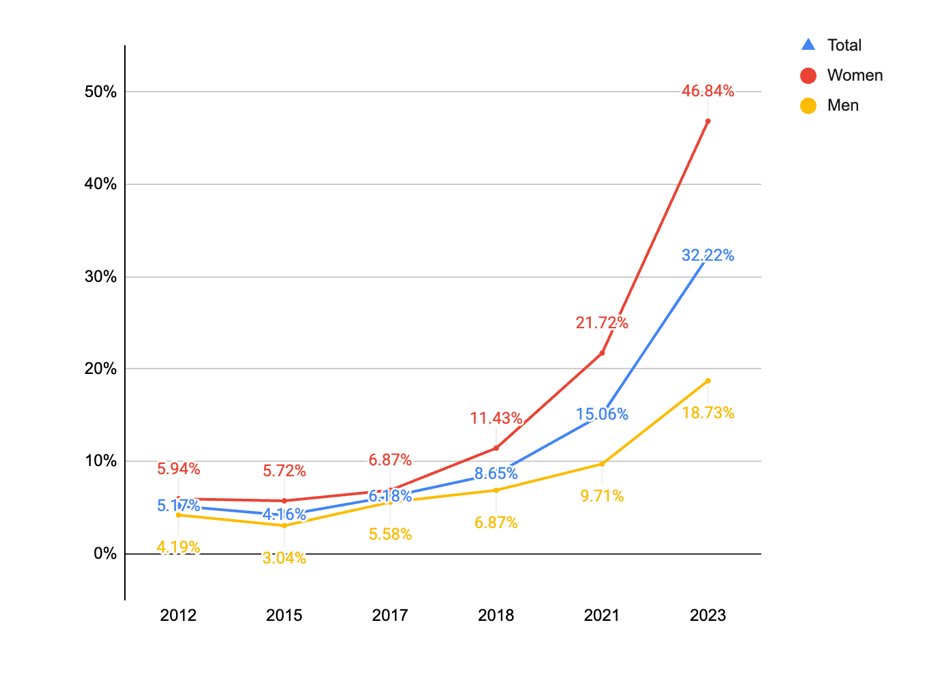
A shocking new study finds that the desire for children has collapsed among young people in China.
In the most recent data some 32% of 18–24-year-olds, and nearly half of young women, said they don't want any children at all. 🧵.
8
2,342
Andrew Batson retweeted

In “the transparency and force with which it conveys, across centuries, the discombobulating intensity of adolescence itself,” writes Catherine Nicholson, Felix Platter’s 16th-century diary is without precedent. go.nybooks.com/4blYbaj
4
8
3,673
Andrew Batson retweeted

Apr 30
"The core of the U.S.-China technology competition is not chips or subsidies, but the cultural and structural conditions that produce leading technical talent. America’s advantage in this deeper competition is eroding."
Sharp new piece by @yingyi_ma! brookings.edu/articles/why-c…
6
32
125
16,498
Andrew Batson retweeted

A post of mine on industrial policy from last July is having a second life, so let me rewrite it more clearly now that I have more experience with X.
Can industrial policy work? Yes. The East Asian experience shows it can, at least partially. But its success rests on a key condition: labor control.
Japan, South Korea, and Taiwan industrialized rapidly under authoritarian (e.g., Park’s South Korea) or semi-authoritarian regimes (e.g., Japan). Wages and labor rights were systematically repressed to favor capital accumulation and export competitiveness. This was especially stark in South Korea during the 1980s and 1990s, when unions clashed with the state and big business. China’s recent experience basically follows the same pattern.
Authoritarianism in East Asia was not incidental to the success of industrial policy. It was functional. No labor repression, no successful industrial policy.
Let me be careful about what I am NOT claiming:
1) I am not claiming labor repression is sufficient for industrial policy to succeed. You need many other ingredients. Best counterexample? Brazil under import substitution: labor repression, but without the other key pieces, such as aggressive export orientation. Labor repression is a necessary condition. If you do not get the difference between necessary and sufficient, you have more important priorities than reading about industrial policy.
2) I am not claiming the only path to growth is industrial policy. Many countries have grown without it, or with pretty lousy and ineffectual versions of it. Best example? Spain.
3) I am not saying labor repression means wages do not grow. It means they grow less than they otherwise would have. Think counterfactuals.
4) I am not saying democracies cannot repress labor. They sometimes do. It just happens far less often, and often less effectively.
Continental Western Europe after WWII was not an example of industrial policy. France and, to some degree, Italy used some, but the mainstream view is that postwar growth was not driven by it. What many of these countries used was a form of “coordinated capitalism,” in which unions accepted slower wage growth in exchange for higher investment and faster growth. That has a flavor similar to my argument.
As far as I can tell, there is no clean example of large-scale industrial policy that has succeeded without labor repression. Why so many people on the left are in love with industrial policy is a mystery to me.
More generally, why so many people on the left admire China, given that its economic policy is 100% contrary to what they support (low taxes, little industrial regulation, little concern for the environment, labor repression, as little economic and political power to women and minorities as possible) is even more of a mystery except for some infantile contrarian positioning (“since this is not what The Economist like, I support it”)
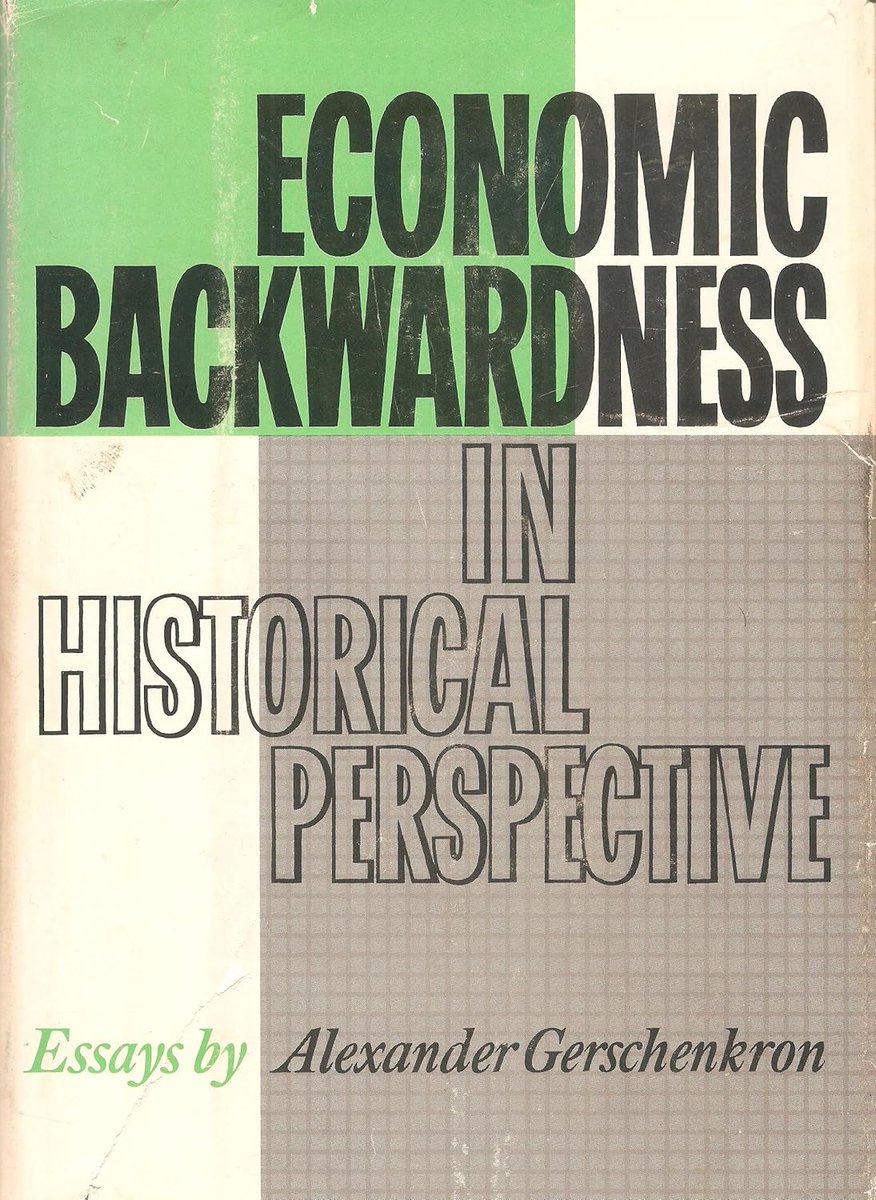
Alexander Gerschenkron made this point better than anyone. But it was also Marx’s point about “primitive accumulation,” and Stalin’s logic in the five-year plans, which were all about repressing labor (mostly agricultural, but to a lesser degree in manufacturing too). I am not going to praise Stalin in public, but he understood economics better than the average poster on X.
Read Gerschenkron. Seriously.
The original post:
x.com/JesusFerna7026/status/…
29 Jul 2025

📦 Can industrial policy work? Yes—the East Asian experience shows it can (at least partially).
But its success rests on a key condition: labor control.
🇯🇵🇰🇷🇹🇼 Japan, South Korea, and Taiwan industrialized rapidly under authoritarian or semi-authoritarian regimes. Wages and labor rights were systematically repressed to favor capital accumulation and export competitiveness.
This was especially stark in South Korea during the 1980s–1990s, when unions clashed with the state and business. (If you’ve watched Squid Game, it’s in the backstory of Seong Gi-hun.)
⚠️ Authoritarianism wasn’t incidental—it was functional.
Not all authoritarian regimes succeed with industrial policy, but successful cases relied on the ability to suppress real wages and labor rights.
🇦🇷 This is why Latin America’s Big Push programs failed: their political base—urban working-class voters (e.g., Peronistas)—couldn’t sustain the wage repression required. The strategy collapsed under its own contradiction.
💥 You can’t push industrialization with cheap labor and depend politically on those who demand higher wages. The internal logic breaks. Latin America’s populism was a road to nowhere.
As far as I can tell, there are no examples of country-wide industrial policy success where real wages (and consumption) were not kept relatively low.
🇨🇳 China is not so different today.
🧾 Consumption as a share of GDP remains exceptionally low—even compared to countries at similar stages of development.
That wouldn’t be the case if China were a democracy. High savings and low consumption are features, not bugs, of its growth model.
🤔 That’s why I’m puzzled when advocates defend industrial policy from a progressive position that favors high wages and democratic institutions. You can’t have your cake and eat it too.
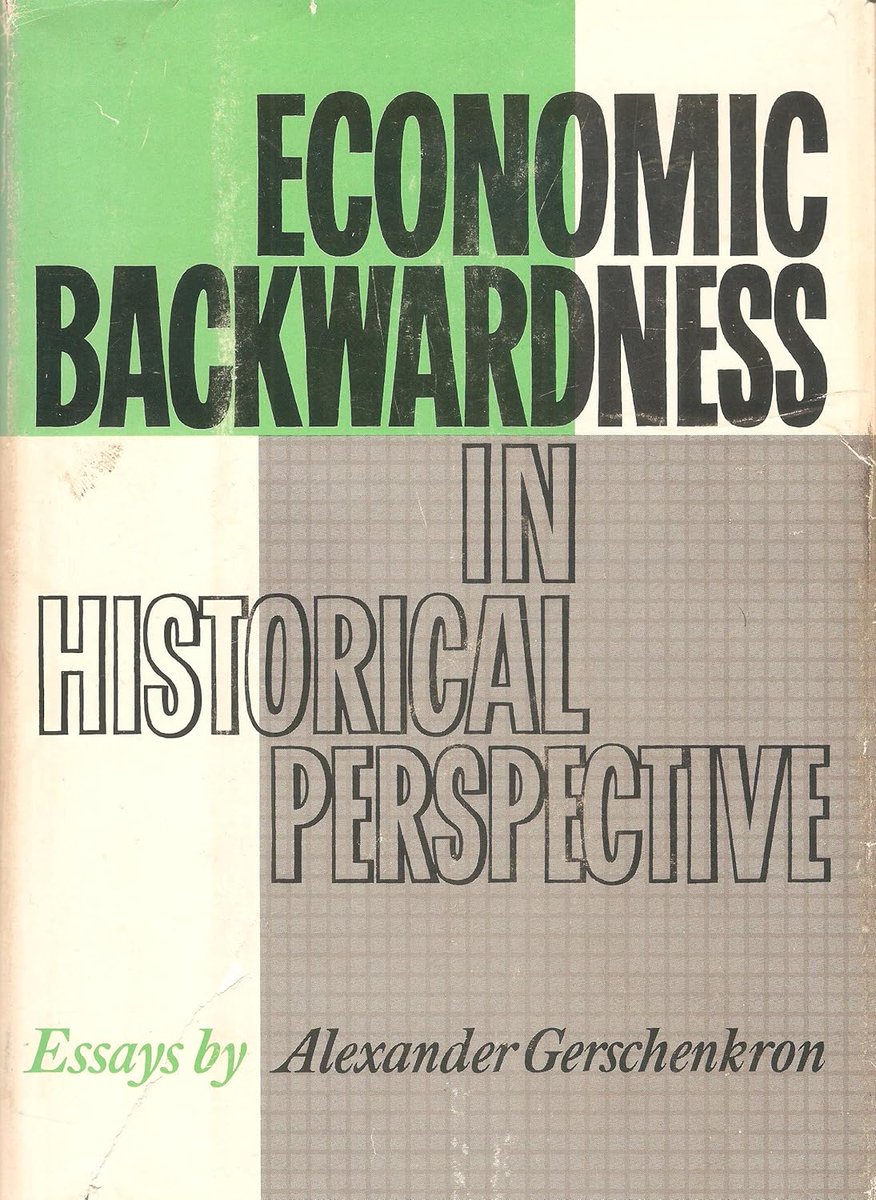
📚 This point isn’t new: @pseudoerasmus has made it for years. And long before him, it was central to Marx, Gerschenkron, and Dobb—and deeply embedded in the logic of socialist Big Push programs, from Stalin to Mao.
24
186
717
124,696