Endeavours to Keep the company of the brave and the wise.
Joined December 2014
- Tweets 6,746
- Following 1,512
- Followers 509
- Likes 84,368
1,219 Photos and videos

Andrew Wing BEM. retweeted

Jun 13
In 1840 an American slave ship ran aground in the Bahamas.
On British ground, the 38 people below deck could not be owned. 🇬🇧
Free Black boatmen rowed out, magistrates came aboard, and all 38 walked ashore free.
19 October 1840. The Hermosa, a schooner out of Richmond, Virginia, bound for the slave markets of New Orleans.
Below deck, 38 enslaved people. Her papers listed them as cargo.
She struck a reef off Abaco, in the Bahamas. British ground.
Bahamian boatmen rowed out through the surf, free Black men who worked these reefs for a living, and carried all 38 safe to Nassau. Britain had abolished slavery 6 years before.
The captain refused to let them ashore. He called for another ship to carry them back to bondage. Then British magistrates came aboard, armed men at their backs. No fleet. No proclamation. A local court doing its ordinary work.
In Virginia, paper made those 38 people property. On British ground, no paper on Earth could. One by one, 38 people stepped ashore at Nassau. Free.
The owners demanded them back for years. They never got them.
Nobody famous freed those 38. Boatmen rowed out. Magistrates climbed aboard. Ordinary hands, keeping Britain's word.
In Virginia, paper made them property. On British ground, thanks to the British citizens, it could not. 🇬🇧
This is the revival of British culture. Be part of it.
👉 proudofus.co.uk/support 👈
Be part of us. ☝️🇬🇧
Be Proud Of Us. 🙏🇬🇧
43
895
3,753
163,929
Andrew Wing BEM. retweeted
Jun 12
A spiral carved on a stone, sealed in the dark for 4,000 years. 🏴🇬🇧
Nobody knows what it means. But once a year, the sun still finds it.
Around 3,000 BC, a Welsh farming community on Anglesey cut massive slabs of stone and raised a chamber inside a mound. Then they did something extraordinary. They aligned the passage to the rising sun on the summer solstice.
Once a year, on the longest day, sunlight threads the doorway and floods the chamber for three minutes. Then it moves on.
Inside, they carved a single stone with a tight spiral. One of the oldest carved stones in Britain. Welsh hands cut it 5,000 years ago, and to this day nobody can say what it represents.
They gathered there for two thousand years. Then they sealed the chamber and walked away. The mound held the dark until Victorian archaeologists opened the passage and the summer sun threaded the doorway again. 🌅
It still does. Every June 21st, locals walk back to Bryn Celli Ddu and stand at the chamber wall, lit by the same sun through the same stone door their ancestors built.
Welsh people built it. Welsh people kept it. Welsh people still walk to it.
Help us remember who we are. Help us remember every British achievement. 👇🙏
👉 proudofus.co.uk/support 👈
Be part of us. ☝️🇬🇧
Be Proud Of Us. 🙏🇬🇧
23
449
1,619
26,133
Andrew Wing BEM. retweeted

Jun 8
An all-time stand-up classic: Rowan Atkinson playing the Devil. A masterclass in timing, delivery, and turning a simple premise into comedy gold.
16
284
1,832
67,540
Andrew Wing BEM. retweeted
Jun 7
You were told mathematics began with the Greeks or the Arabs. 🤔
Three carved chalk drums from a Yorkshire grave might prove otherwise. 🥁🇬🇧
In 1889 they were found buried with a five year old child. For 130 years nobody knew what they were for. ⏳
Then in 2018 researchers measured them. The proportions appear to encode a standard unit of length. 📏
Wind a cord ten times around the smallest drum and you get the “long foot”, about 32cm. The same unit researchers believe was used to lay out Stonehenge. 🪨
A fourth drum later turned up over 200 miles south in Sussex. Same measurements. The chalk ones were likely replicas of working tools carved in wood. 🪵
Not in a king’s grave. Not in a treasury. Buried with a small child, so the knowledge would be remembered. 🕯️
British people were measuring the world before England had a name. 🇬🇧
Long before we had a name, this island was measuring the world.
Help us make sure that our history is never forgotten again. 👇🙏
👉 proudofus.co.uk/support 👈
Be part of us. ☝️🇬🇧
Be Proud Of Us. 🙏🇬🇧
26
652
2,456
43,053
Andrew Wing BEM. retweeted
Jun 5
🏴🇬🇧 3,500 years ago a Welsh goldsmith beat a single ingot of gold...
Thin enough to wrap around the shoulders of a child.
In 1833 quarry workmen broke it into pieces.
It took the British Museum 120 years to put it back together.
In October 1833, a team of workmen dug into a Bronze Age burial mound at Bryn yr Ellyllon, Mold, Flintshire, looking for stone for a wall. They broke into the cist. They found a small skeleton. And beside the bones, beaten flat against the stone, a sheet of gold.
564 grams of it. About 75% pure. Hammered thin. Worked in concentric bands of beaten pattern across the surface. Shaped to wrap around the shoulders of someone small.
🏛️ The workmen had no idea what they had. They split the gold between themselves and took it home.
Pieces were sold off, melted down, used as keepsakes.
A vicar wrote it up in The Cambrian. Decades later a museum officer began the work of finding the fragments and buying them back.
The reassembly took until 1953. 120 years from the day it was broken open. The British Museum's conservators pieced it back together against a leather backing, one fragment at a time, until the cape was whole.
It is the finest prehistoric goldwork ever found in Britain. Worked by a Welsh hand. For a child the village had set apart. In a country where the gold for it was mined, the bronze for the tools came from Cornwall, and the people who walked the hill knew the shape of every slope.
🇬🇧 You were told the finest prehistoric goldwork was continental. It was Welsh. And it is still in the British Museum.
━━━━━━━━━━━━━━
They preserved the child in gold.
Help us preserve their story. 👇🙏
👉 proudofus.co.uk/support 👈
Be part of us. ☝️🇬🇧
Be Proud Of Us. 🙏🇬🇧
16
561
2,457
70,528
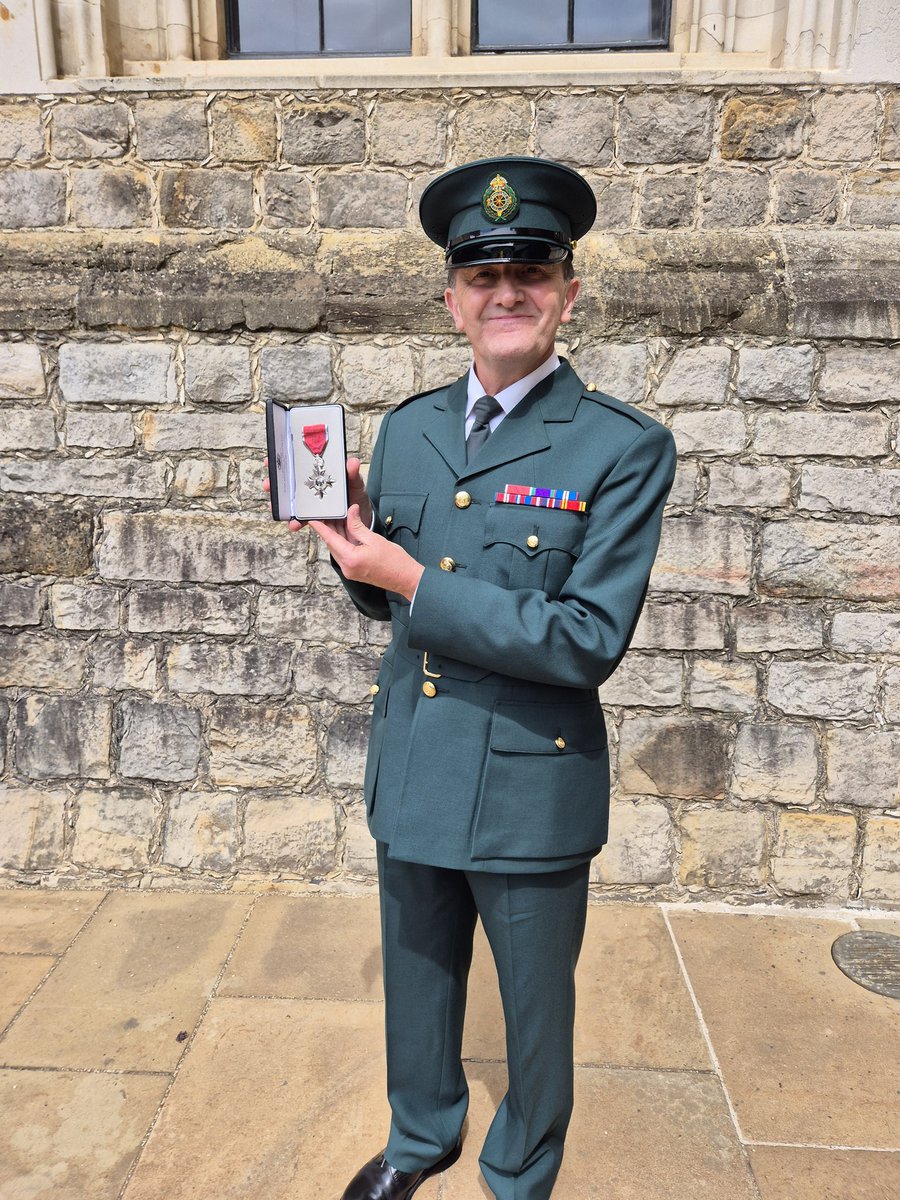
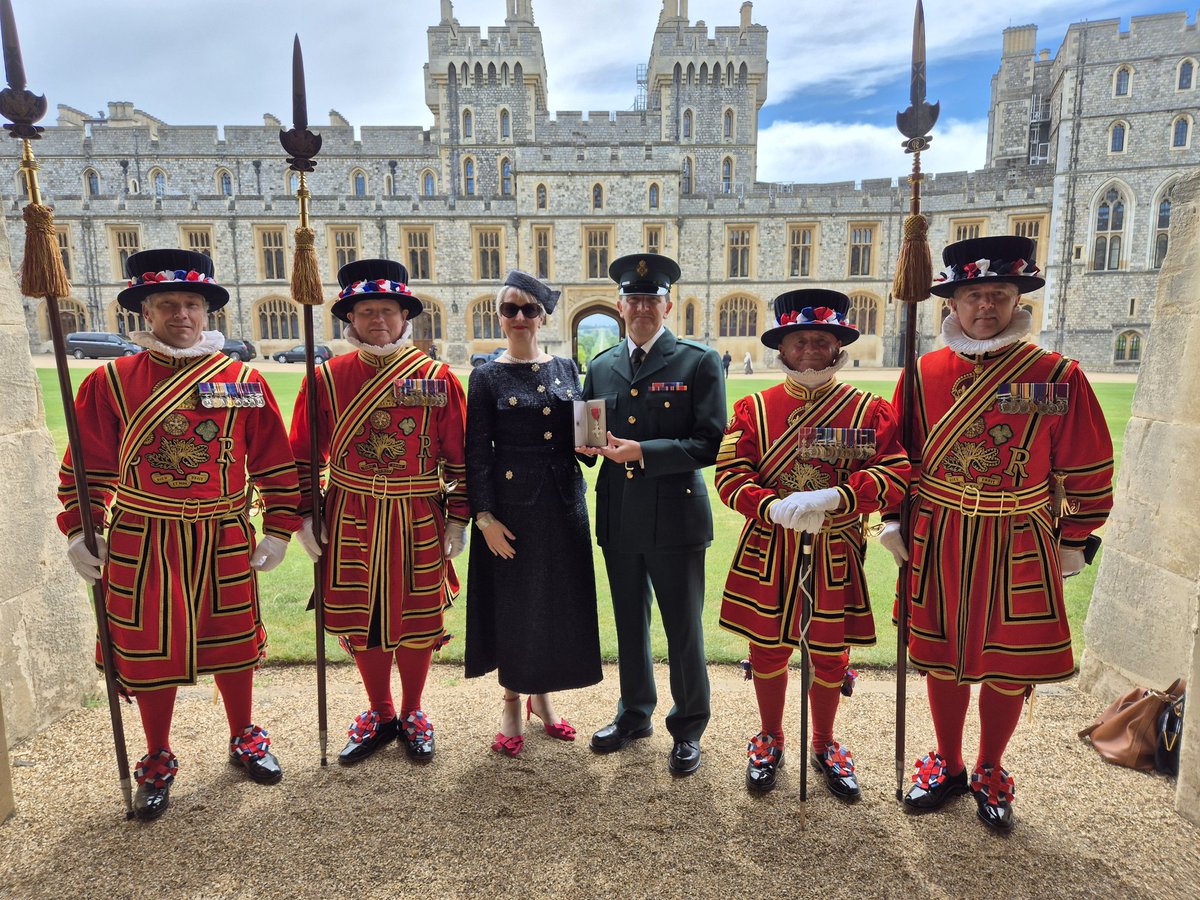
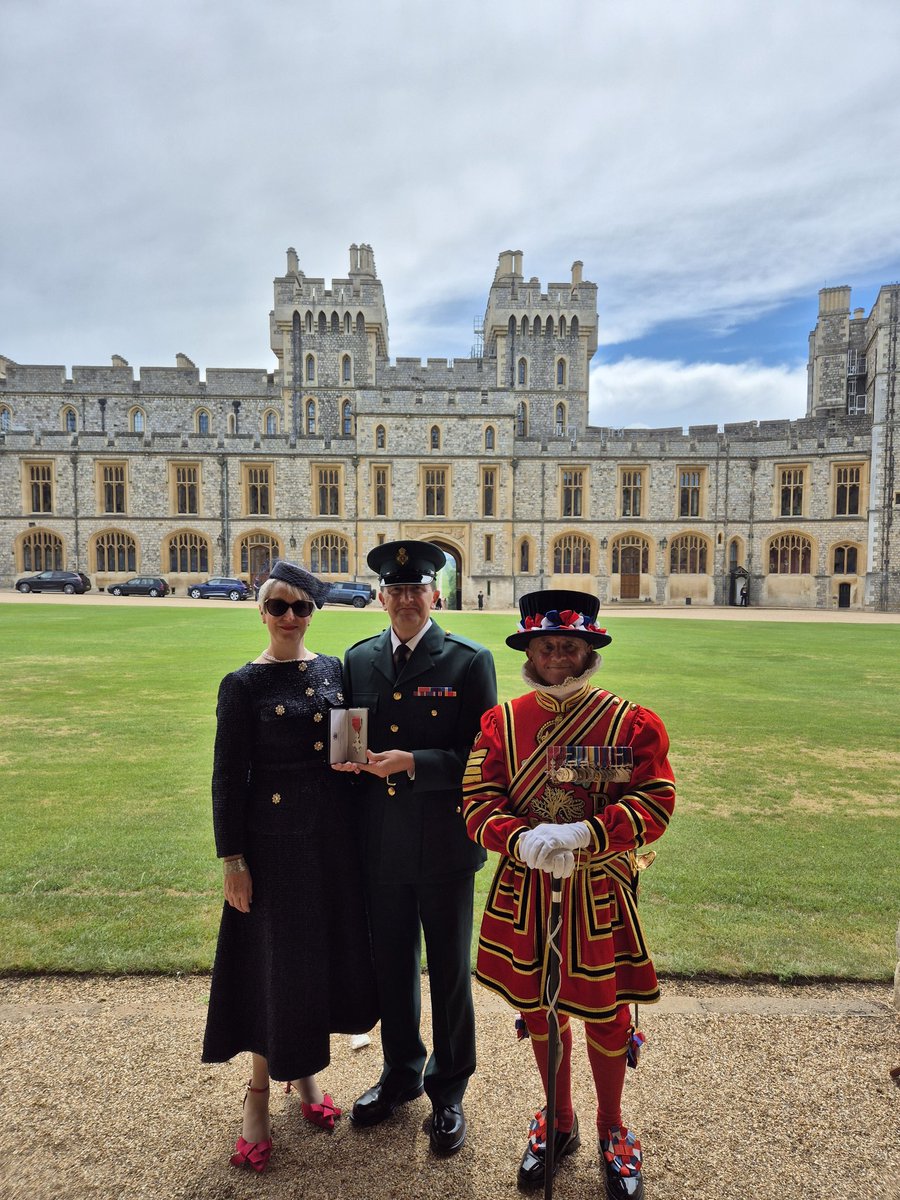
By Royal Appointment...Absolute Legend.

So yesterday this happened...absolute honour to receive my award from His Majesty the King and then to meet old friends who are part of the King's Yeoman Bodyguard....
#humanitarian #volunteering #windsorcastle #MBE
38
Andrew Wing BEM. retweeted

Jun 3
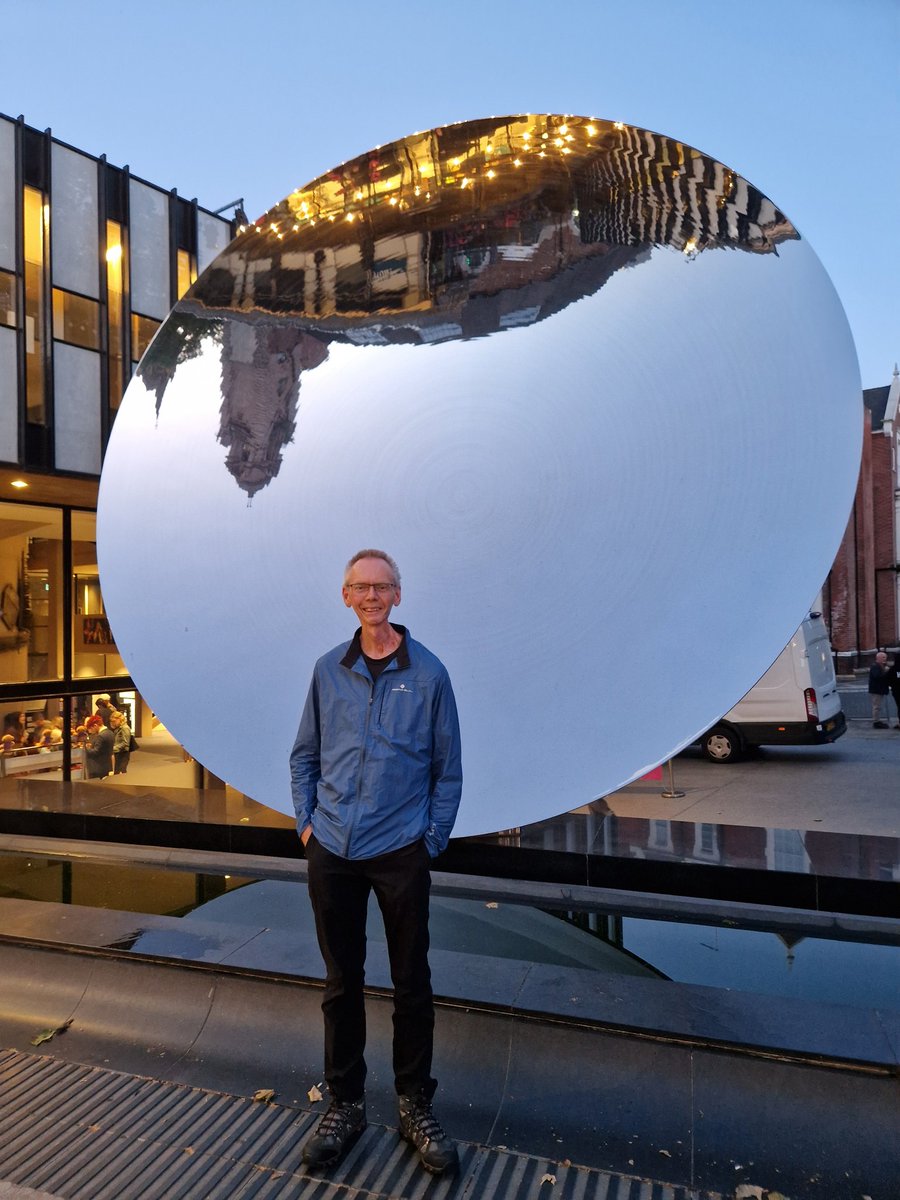
Time to reflect: I’ve lost friends and family and the version of life I once knew. But not myself. Cancer holds up a brutal mirror to relationships as not everyone can cope with watching someone fight for their life every day or even comprehend it. Some people become anchors and others become absences. Thank you to everyone who supports me, it is hugely appreciated 🙂
247
319
5,830
39,810
Andrew Wing BEM. retweeted
Jun 2
🇬🇧 On a Berkshire hillside there is a chalk horse 3,000 years old.
100 generations of British people have refused to let it fade.
Its name is the Uffington White Horse. It sits on the chalk of the Berkshire Downs. And it was cut around 1,000 BC by Britons of the Late Bronze Age.
They cut a trench into the turf. And filled it with crushed chalk. They cut a horse 110 metres long. Visible from miles.
Chalk hillside art does not last. Grass grows. Silt fills. Without care, a chalk figure disappears within a generation.
🏔️ The Uffington White Horse should have vanished by the Iron Age. It did not.
Because every generation that has lived near it has scoured it. Cleared the grass. Refilled the chalk. Kept the design alive.
The Iron Age tended it. Rome tended it. The Anglo-Saxons named the hill after it. A Welsh poem of 600 AD mentioned it as already ancient. Medieval villagers held a festival to scour it. Victorian villagers wrote songs about it. And every year, modern volunteers continue.
3,000 years of British people. Bronze Age carvers. Iron Age tribes. Roman Britons. Anglo-Saxon farmers. Medieval villagers. Victorian families. And the British still here today.
The carvers who cut the horse became Britons. Their descendants became the British. 100 generations have tended the same horse. 100 generations have refused to let it fade. The horse is alive because the people have stayed.
This is what continuity looks like. Not a memory. Not a museum. A horse kept alive by hand.
🇬🇧 If you want to know whether the British are still here, look up.
━━━━━━━━━━━━━━
The chalk has been re-cut by hand for 3,000 years.
Most British kids have never been up the hill.
Our work is made in Britain, for Britain.
Take your kids up the hill. 🙏
👉 proudofus.co.uk/support 👈
Be part of us. ☝️🇬🇧
Be Proud Of Us. 🙏🇬🇧
52
773
3,167
50,122
Andrew Wing BEM. retweeted
Jun 1
🇬🇧 In 51 AD, the biggest kingdom in Britain was ruled by a queen named Cartimandua. 🇬🇧
When a fugitive British king came to her hall asking for sanctuary, she put him in chains and gave him to Rome. 🇮🇹
Her name was Cartimandua. Queen of the Brigantes. The largest tribal kingdom in pre-Roman Britain.
Her land stretched from the Humber to the Tyne. Sea to sea across northern England.
Her capital sat at Stanwick. The largest Iron Age earthwork in northern Britain.
And at its centre stood a queen.
🏛️ When Rome invaded Britain in 43 AD, most of the tribes fought. Cartimandua did not. She made a treaty. She would be a client queen. Her kingdom would keep itself. Rome would not invade her land.
In return, she would deliver Rome what Rome asked for.
In 51 AD, the fugitive Caratacus came to her hall. The Catuvellaunian king who had fought Rome for 9 years. He asked for sanctuary.
She had a treaty with Rome. And a kingdom to protect.
She put him in chains and gave him to Rome.
Her own warriors did not forgive her. Her husband Venutius did not forgive her. He led a rebellion against her. She divorced him and took his armour-bearer as her new partner.
The kingdom split. The civil war began.
⚔️ Rome saved her. In 69 AD, she lost her throne. Venutius took the kingdom. And in 71 AD, Rome took the kingdom from him. The largest kingdom in Britain became a Roman province.
But the people did not vanish. They became Britons. Their descendants became the British. And Yorkshire still calls itself God's own country.
Britain has been politically complex for 2,000 years. Queens have ruled here. Choices have been made here. The land remembers.
━━━━━━━━━━━━━━
Our mission is to put our history back in our books.
Most Britons have never heard her name.
Our work is made in Britain, for Britain.
Teach your kids her name. 🙏
👉 proudofus.co.uk/support 👈
Be part of us. ☝️🇬🇧
Be Proud Of Us. 🙏🇬🇧
26
458
2,027
38,615

May 31
Sunday’s ‘Daily Briefing’, lean in to the uncertainty, and adapt accordingly, Aye, Aye Captain.
May 31

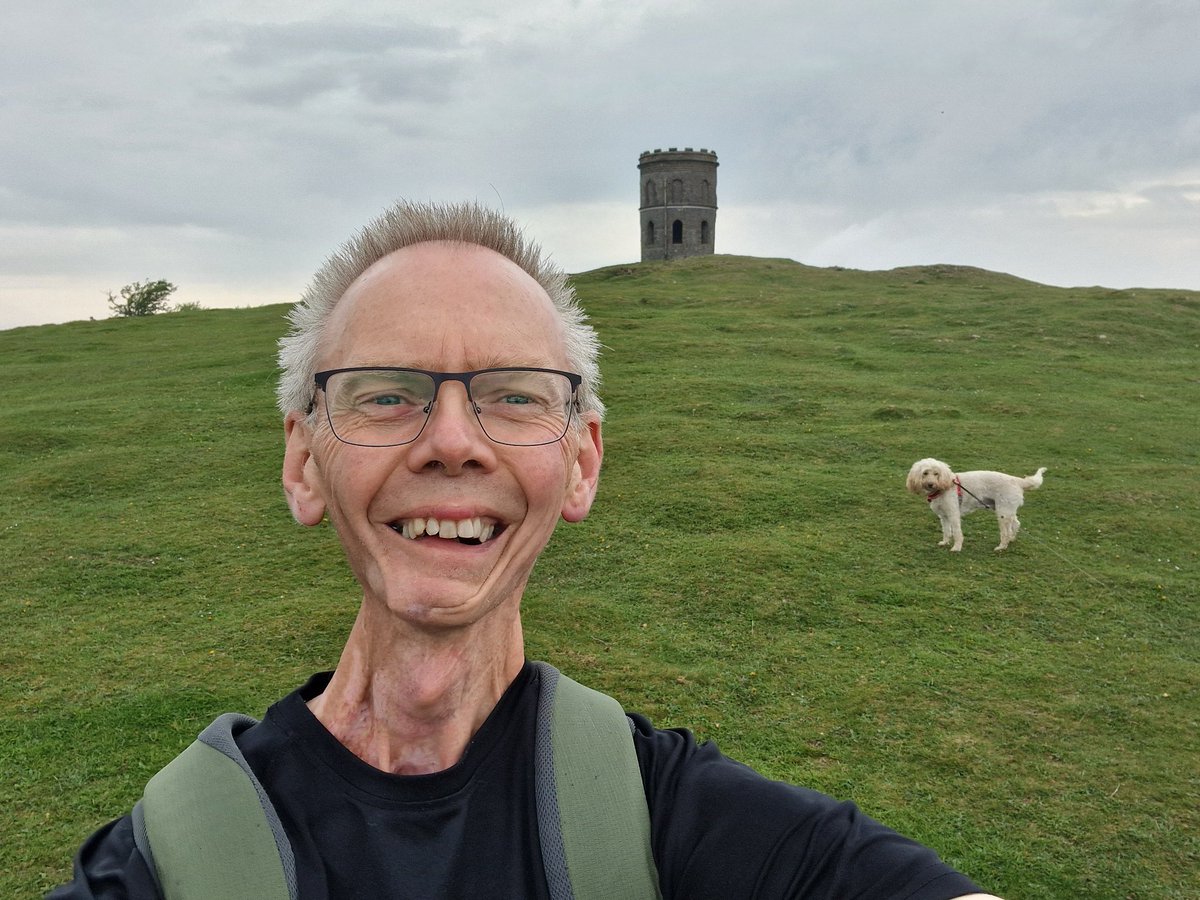
We don’t know where the landmines are buried, but we can’t stay at home 24/7 waiting for the world to become safe. Living with cancer means stepping out into uncertainty every day, planning where we can, adapting when we must, and hoping the ground holds.
1
23
May 29
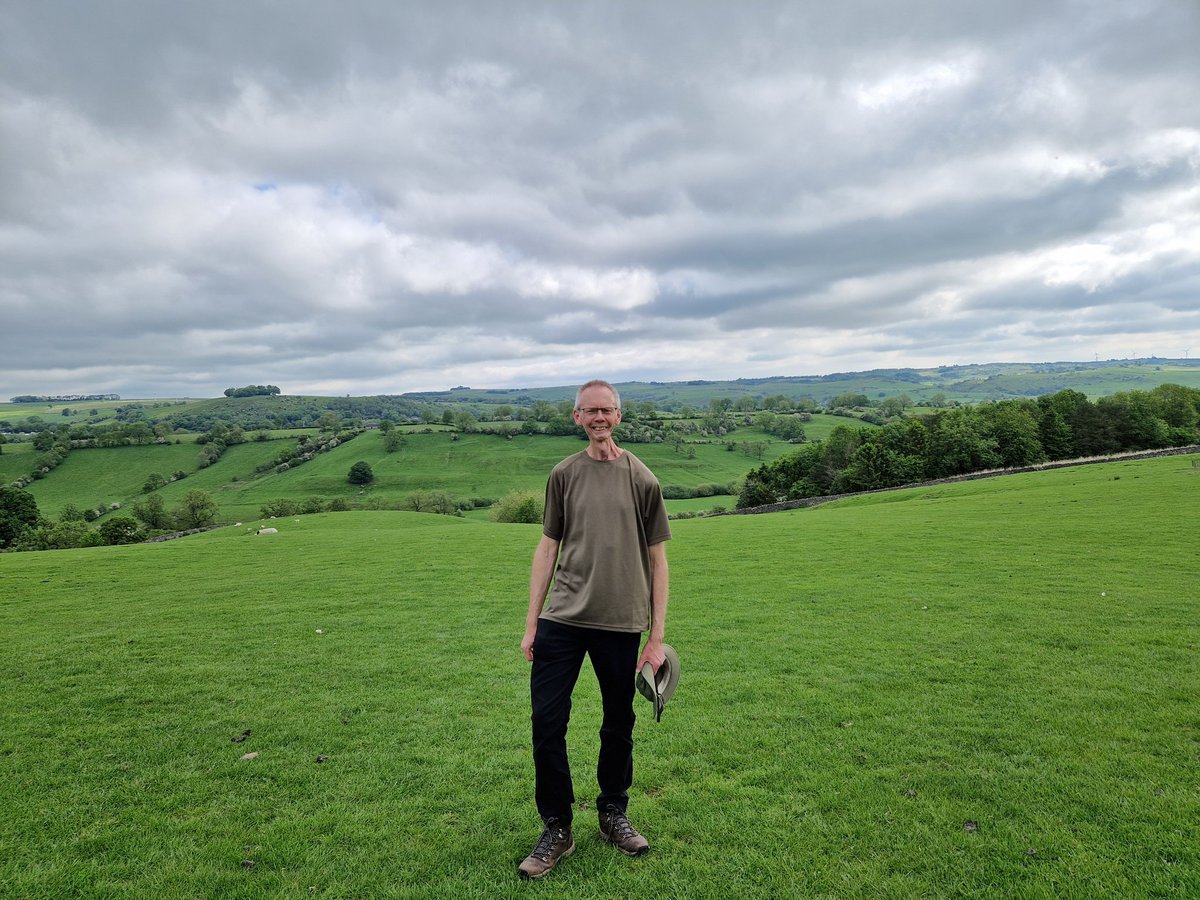
The ONLY Weather Report worth taking note of...100% this, Aye, aye Captain.
2
15
May 28
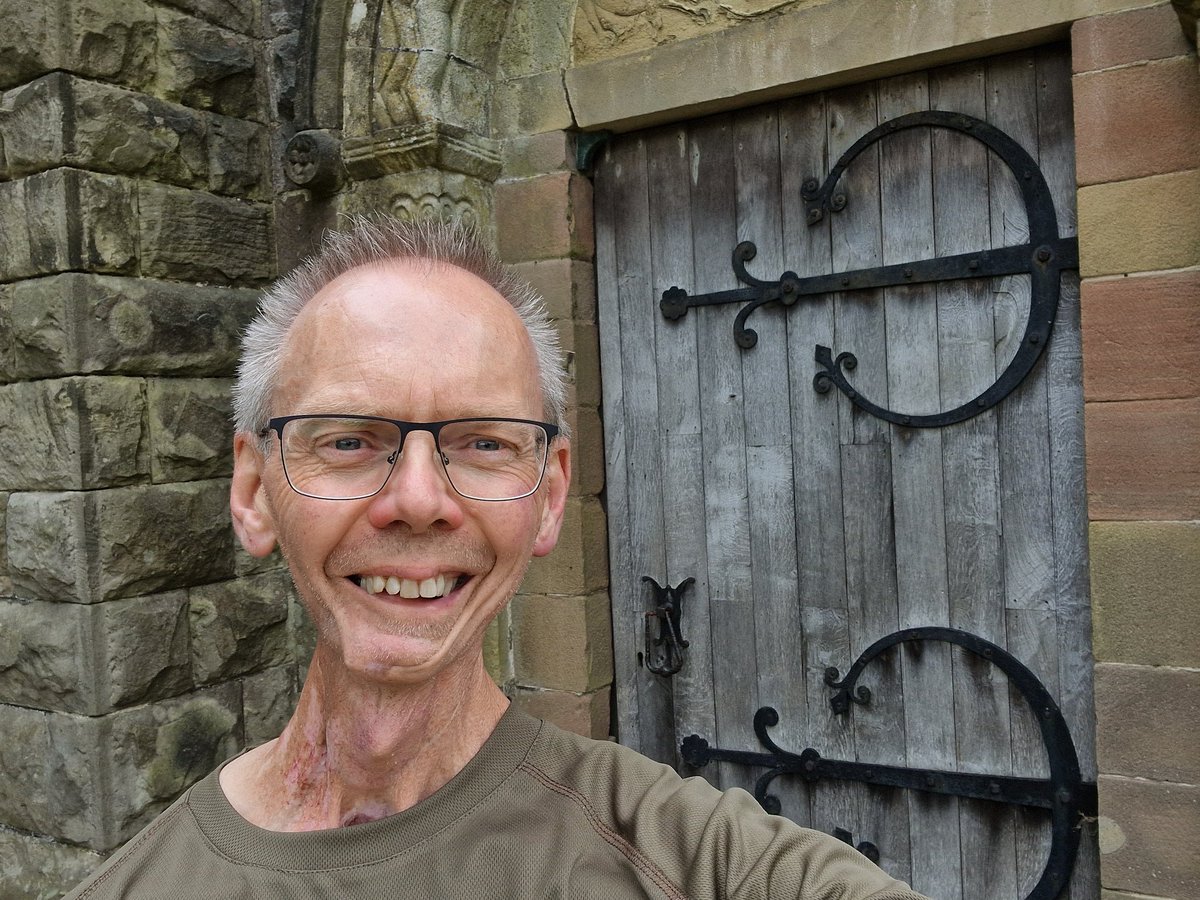
Daily Orders from the Captain…No key required….just the right attitude…
May 28
There's a lot hinging on your day with the right attitude. It might just open a few doors.
5
21
671
7,274
Andrew Wing BEM. retweeted
May 28
🇬🇧 In chains..
An ancient Briton stood before the slave empire of Rome. 🇮🇹
And asked them a question that shamed them into silence. ❓
His name was Caratacus.
His people called themselves the Pretannoi. Greek explorers wrote their name down in 325 BC. The Romans would later call them Britanni.
The name of this island was older than the empire that came to break it.
⚔️ In 43 AD, Rome invaded. Caratacus and his people fought. They lost their lands.
But Caratacus did not stop. He fled west to the mountains of what is now Wales. He rallied two more tribes. The Silures and the Ordovices.
For 9 years he fought Rome from the Welsh mountains. The Romans called him the most dangerous enemy in Britain.
In 51 AD they finally cornered him. His army was destroyed. He fled north for sanctuary and was put in chains and given to Rome.
They marched him 1,500 miles. His wife, his daughter, his brothers, all in chains.
The Romans expected him to beg. They had heard the others beg.
🏛️ They brought him before the Roman Senate. The most powerful body of men in the known world. And one Briton stood before them in chains.
He spoke:
"Had your ancestors been more moderate, I might have come to this city as a friend, not a captive."
"Why, when you wish to rule the world, must it follow that the world should welcome slavery?"
"Grant me life, and I shall be an everlasting example of your mercy."
The Senate sat in silence.
Claudius ordered his chains struck off.
The Briton who had fought Rome for 9 years would live the rest of his life a free man in the heart of it.
He was the first Briton on record to refuse Slavery. He would not be the last.
⚖️ In 1772 a London court ruled no man could be held as a slave on English soil.
⚖️ In 1807 the House of Commons banned the slave trade.
🔥 The slave empire of Rome could not make the world welcome Slavery. And the British have been refusing it ever since.
━━━━━━━━━━━━━━
2,000 years on, his question still stands in us.
Help us carry it further. 👇🙏
👉 proudofus.co.uk/support 👈
Be part of us. ☝️🇬🇧
Be Proud Of Us. 🙏🇬🇧
44
678
2,850
98,085