Writer, author, blogger, and accidental illustrator. #memoir #travel #horror #scifi #indiewriter 📚🖋️
Joined April 2019
- Tweets 1,593
- Following 3,394
- Followers 2,542
- Likes 19,622
303 Photos and videos
andycwareing retweeted

Jun 12
You are allowed to feel lucky to be British. People seem to forget this.
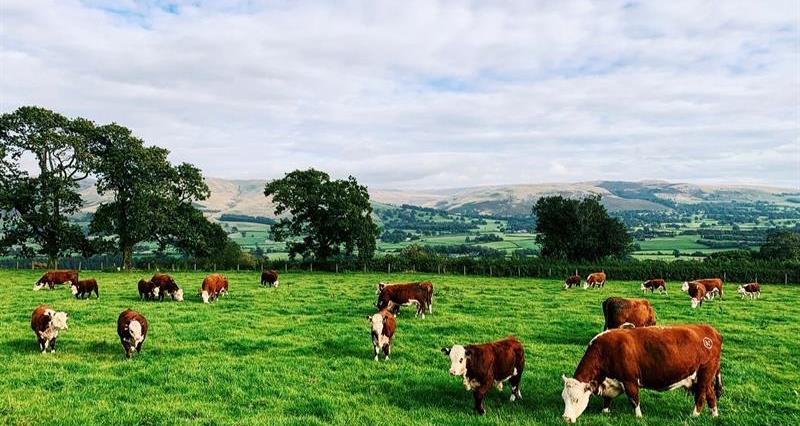
The accent that somehow gets you served first abroad. Countryside that looks like it was painted by someone quietly showing off. A proper pub at the end of a wet walk. The shipping forecast read out every night to a nation that is, for the most part, not at sea.
But there is one blessing that never makes the list, and it never makes the list because the people compiling the list have spent a decade being told it is a problem to be managed rather than a gift to be counted.
British livestock farming.
Start with welfare. Britain sits near the very top of the global table for animal welfare law, level with Sweden and Austria, and ahead of every other major economy on earth. No country scores full marks, but nobody scores higher than we do. The animal that becomes your Sunday roast was made insensible before it knew a single thing was wrong, on a holding you could trace by the number printed on the label. There are corners of the world where none of that is true. We are not one of them.
Then the self-sufficiency, which is the part the net zero crowd would prefer you never sat down and worked out.
Britain is over 100% self-sufficient in lamb. We grow more than we eat and sell the surplus abroad. We are around 80% self-sufficient in beef, and very nearly self-sufficient in the milk in your tea. Now look at fresh vegetables, where we manage barely half of what we get through, the lowest figure since records began. The most resilient, most homegrown, least import-dependent food this entire country produces is the exact food we are being lectured to give up.
Sit with that one. It does not get any less strange the longer you stare at it.
And none of it is luck of the draw. It is the land itself. Britain was built, by rain and rock and ten thousand years of weather, to grow grass and very little else across most of its surface. You cannot put wheat on a Welsh hillside or a Cumbrian fell. You can put a cow on it, or a sheep, and stand back, and in return some of the most marginal farmland in Europe quietly turns out some of the finest red meat and dairy on the planet. The climate that ruins your barbecue is the same climate that grows the grass that feeds the herd that feeds you.
So here is the bit they leave out of the documentary.
You live in a country with the highest welfare standards, the shortest supply chains, the most suitable land, and a thousand-year head start, and you are being asked to feel guilty about eating the produce of all of it while you wait for an avocado to be flown in from a drained valley in Mexico.
So don't feel guilty. Feel lucky, and then go and put your money where your good fortune already is.
Eat British.
48
459
1,652
15,487

1 Mar 2025
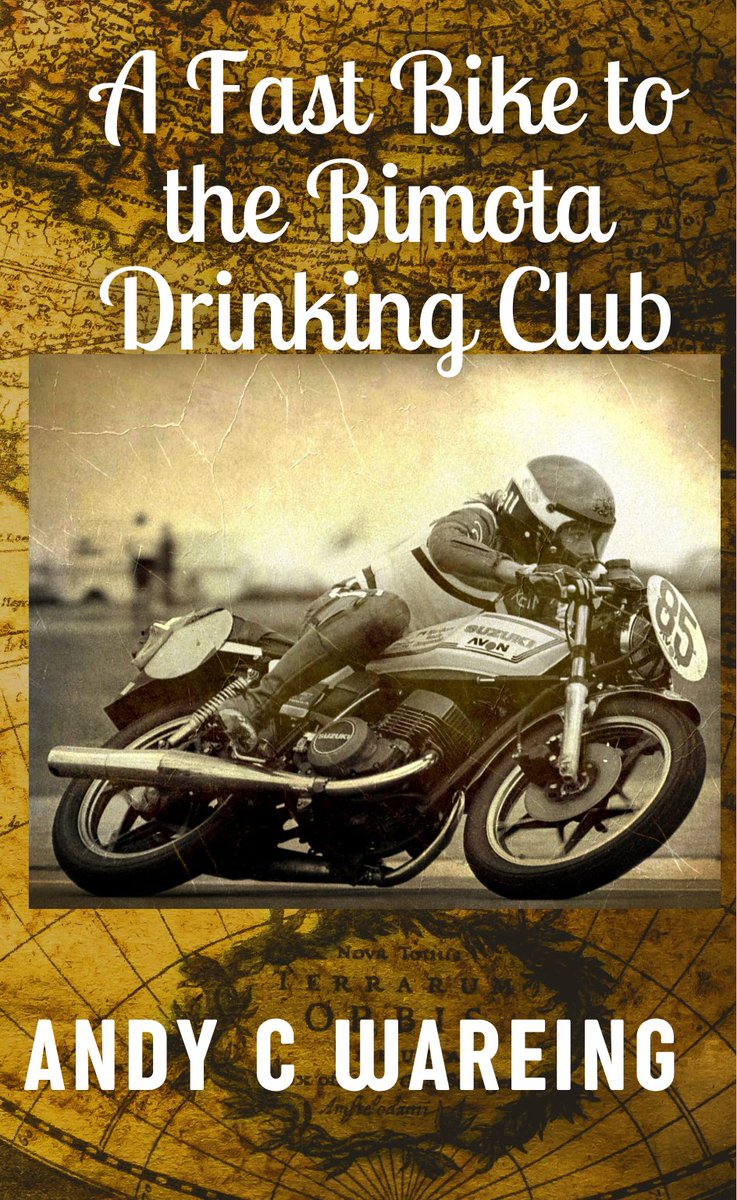
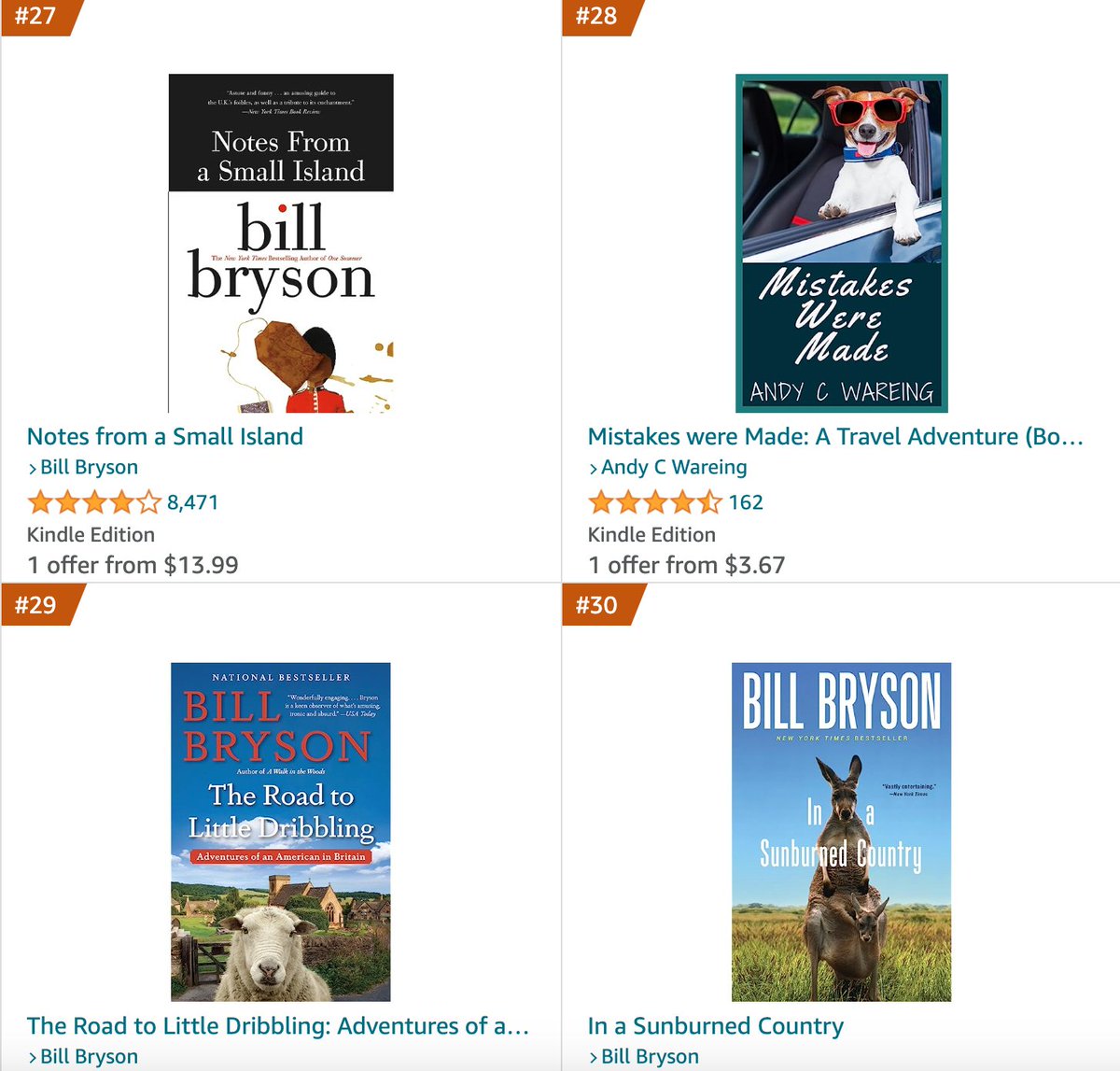
Took a small break from writing the latest book "A Fast Bike to the Bimota Drinking Club," to finish up the audiobook version of "Mistakes Were Made." Now back to finishing off the latest WIP
Aiming for an early April release...
#Fastbikeadventure #LatestRelease #wip #bimota
1
62
27 Feb 2025
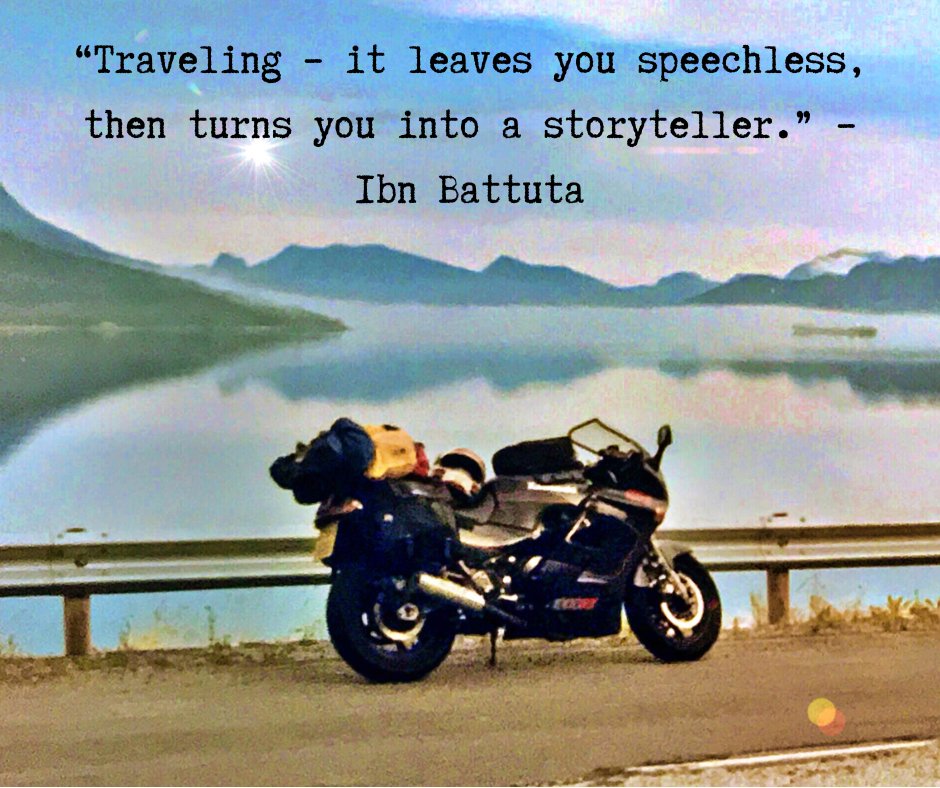
“Traveling – it leaves you speechless, then turns you into a storyteller.” – Ibn Battuta
andycwareing.com/
#Fastbikeadventure #audiobook #amazonbestseller
2
3
39
andycwareing retweeted

23 Nov 2024
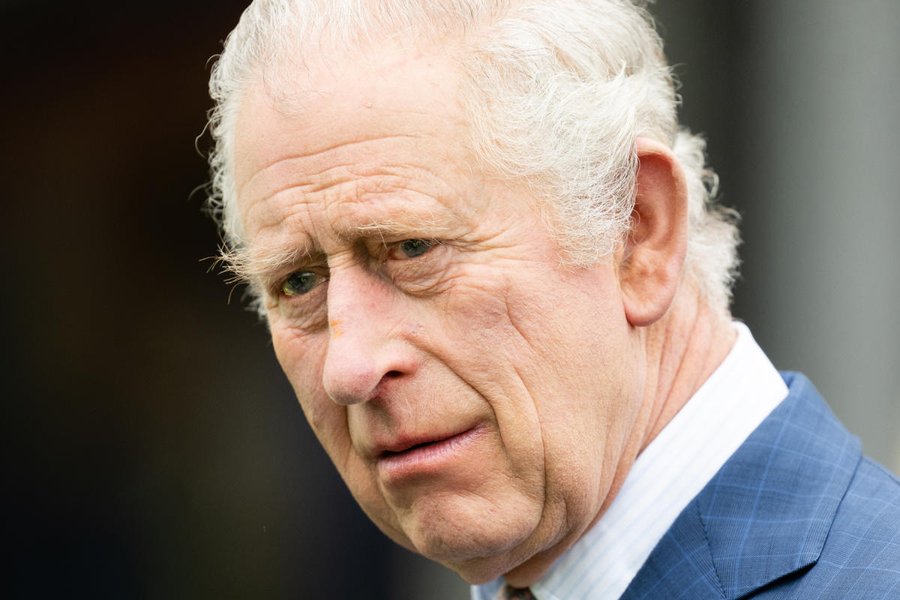
King Charles inherited £650m tax free, gets £125m a year tax free from the tax payer and has an estate worth £22bn that’s never taxed.
But he still needed a 45% pay rise.
Like if he needs a pay cut.
RT if you want the Monarchy gone.
#NotmyKing #AbolishTheMonarchy
425
4,428
7,987
226,473
23 Nov 2024
This week as the UK freezes under #snow, it’s just been announced that our #energybills will go up AGAIN. We need to demand action from the Government to keep us warm this winter! Add your name now: 38d.gs/price-cap-twitter
3
53
andycwareing retweeted

22 Nov 2024
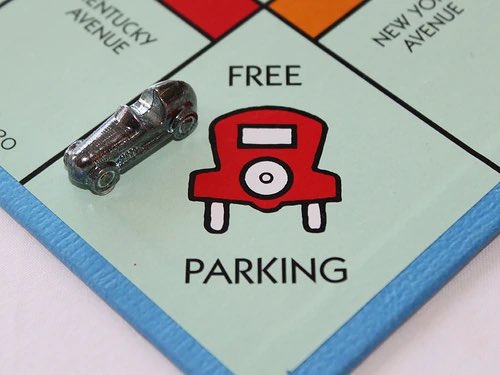
We think both NHS staff and patients should be able to park for free in hospital car parks
Please repost if you do too
347
3,814
7,104
293,960
20 Nov 2024
115 Post Offices could be set to close down. We cannot lose these crucial community hubs. Tell Post Office bosses to think again. I've already added my name to the petition, can you add yours too? 38d.gs/POclosuresshareX
3
20
27 Jul 2024
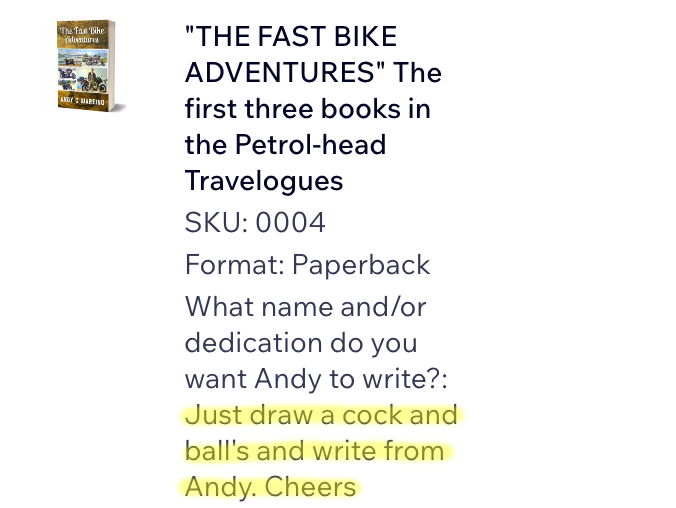
Best request for a book signing ever?
#booksigning #funnyrequest #mademelaugh #itsawriterslife #cocknballs #cockandballs
2
2
4
73
andycwareing retweeted

31 May 2024
Tomorrow is the open day at @GlastonburyAbbe
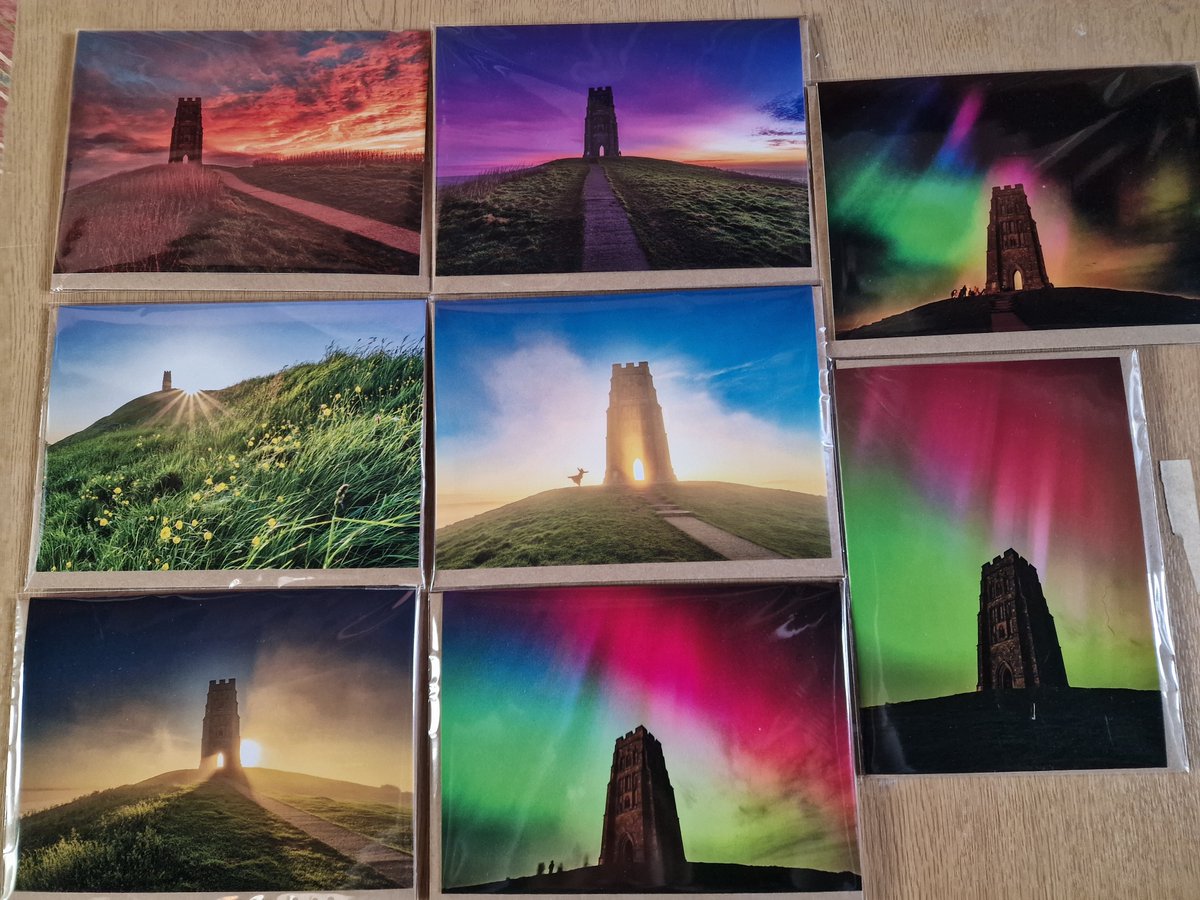
It is free entry and a fantastic day out. I have a stall there selling all things Glastonbury Tor related. New greetings cards just in stock today will be on sale along with prints, canvases, calendars, notebooks, postcards, bags, magnets etc.
7
60
301
5,795
andycwareing retweeted

31 May 2024
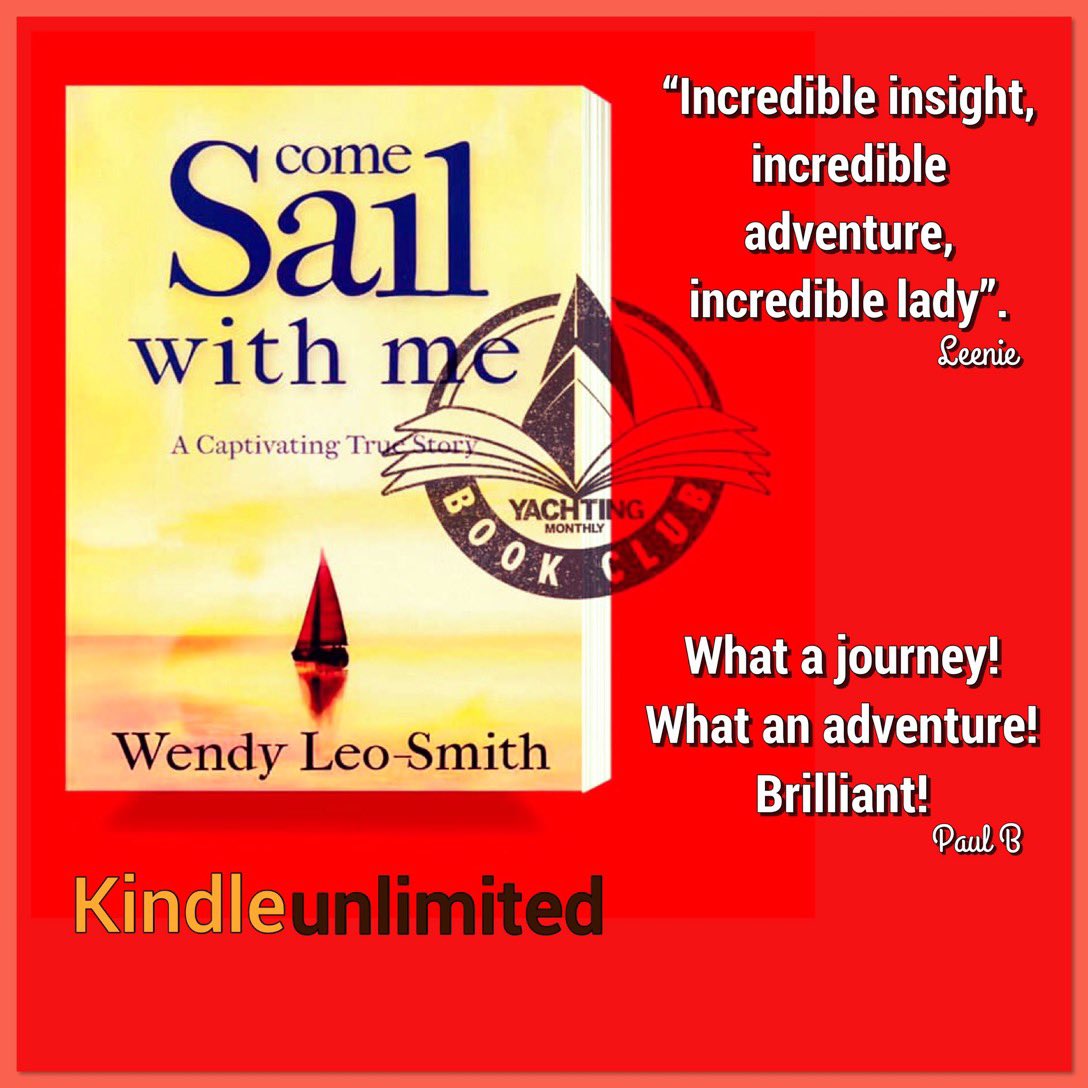
Would you give up everything to sail across an ocean with a man you barely know?
mybook.to/COMESAILWITHME
“With hurricanes, pirates, and much more, it makes you wonder, how did they survive to tell the tale?” David M
#SouthAfrica #Brazil #Travel #Memoir #TrueStory #KindleUnlimited #books #sailing
10
9
334
andycwareing retweeted
11 May 2024
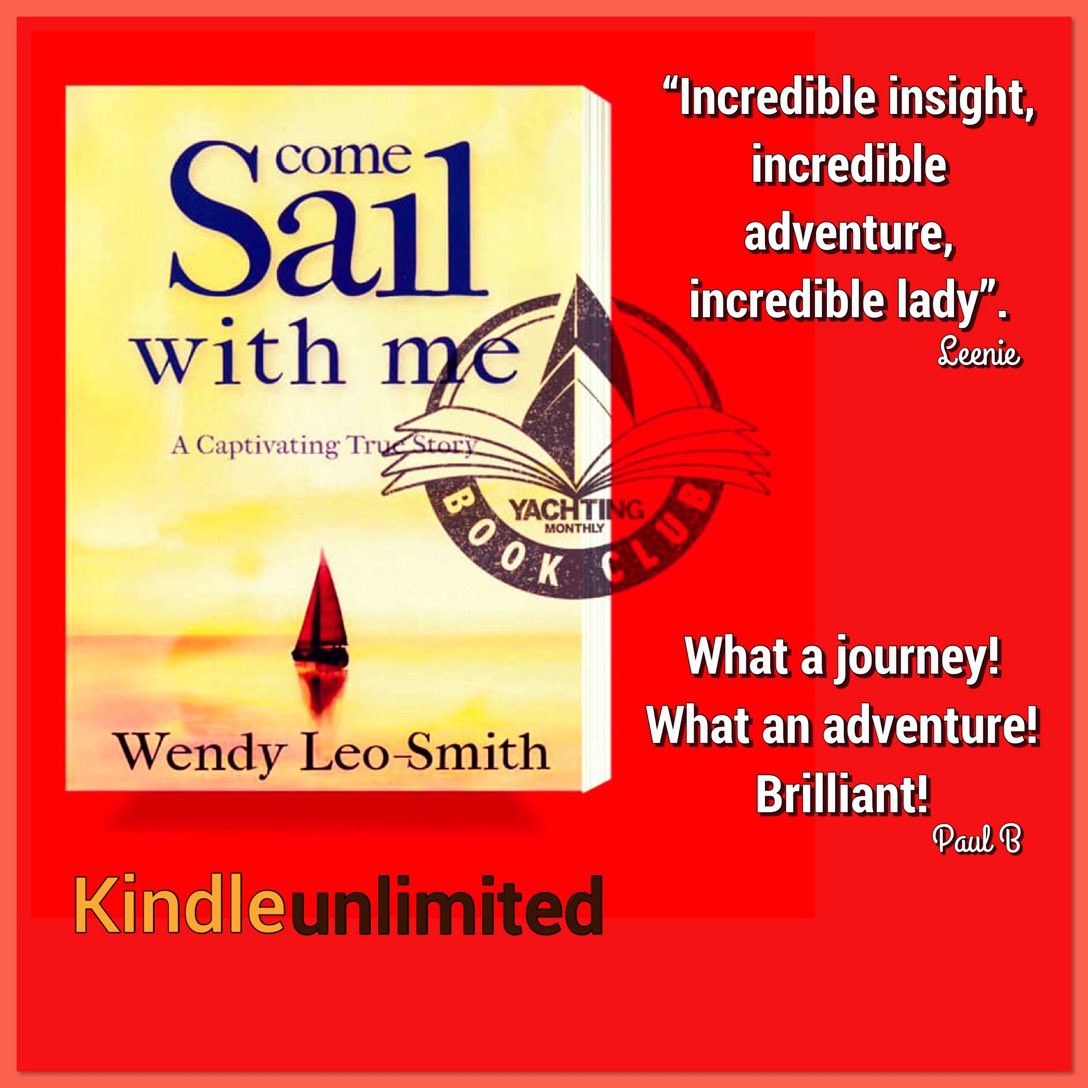
Would you give up everything to sail across an ocean with a man you barely knew?
mybook.to/COMESAILWITHME
“With hurricanes, pirates, and much more, it makes you wonder, how did they survive to tell the tale?” David M
#SouthAfrica #Brazil #Travel #Memoir #TrueStory #KindleUnlimited #books #sailing
8
194
114
9,121
andycwareing retweeted

26 May 2024
Brave or foolhardy? You decide….
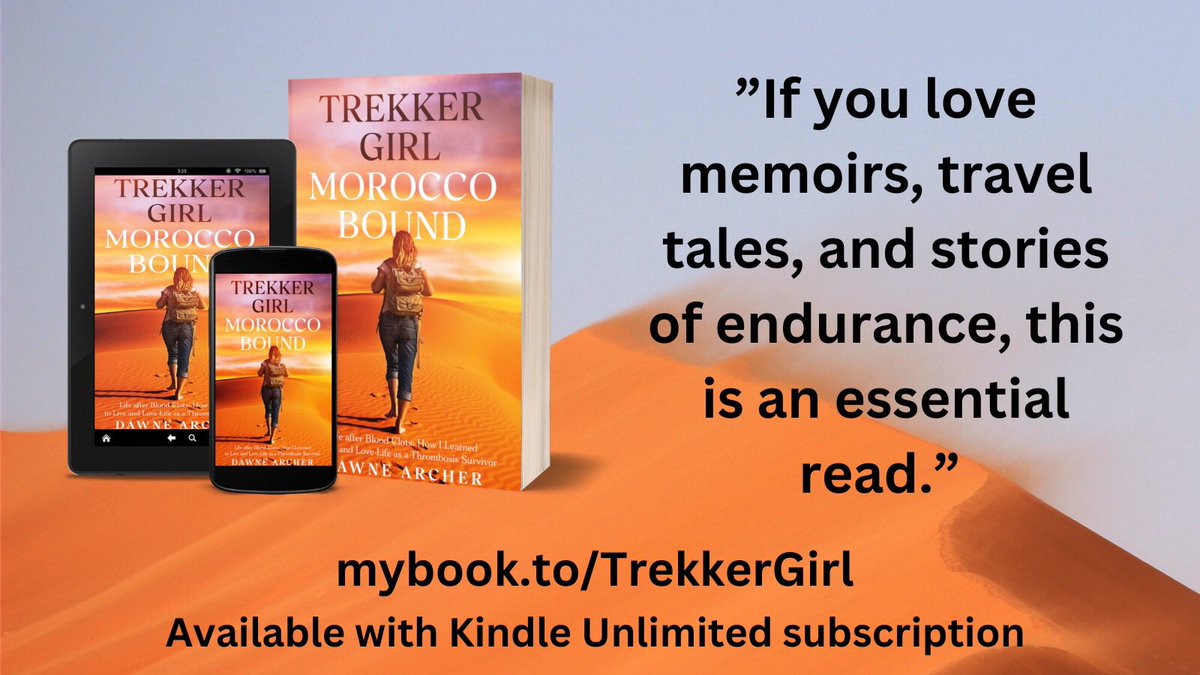
Trekking in the Sahara Desert. Magnificent experience, full of beauty, yet painful and exhausting.
@thrombosisuk receive all profits on book sales.
mybook.to/TrekkerGirl
Read on Kindle Unlimited
@welovememoirs
32
24
1,456
28 May 2024
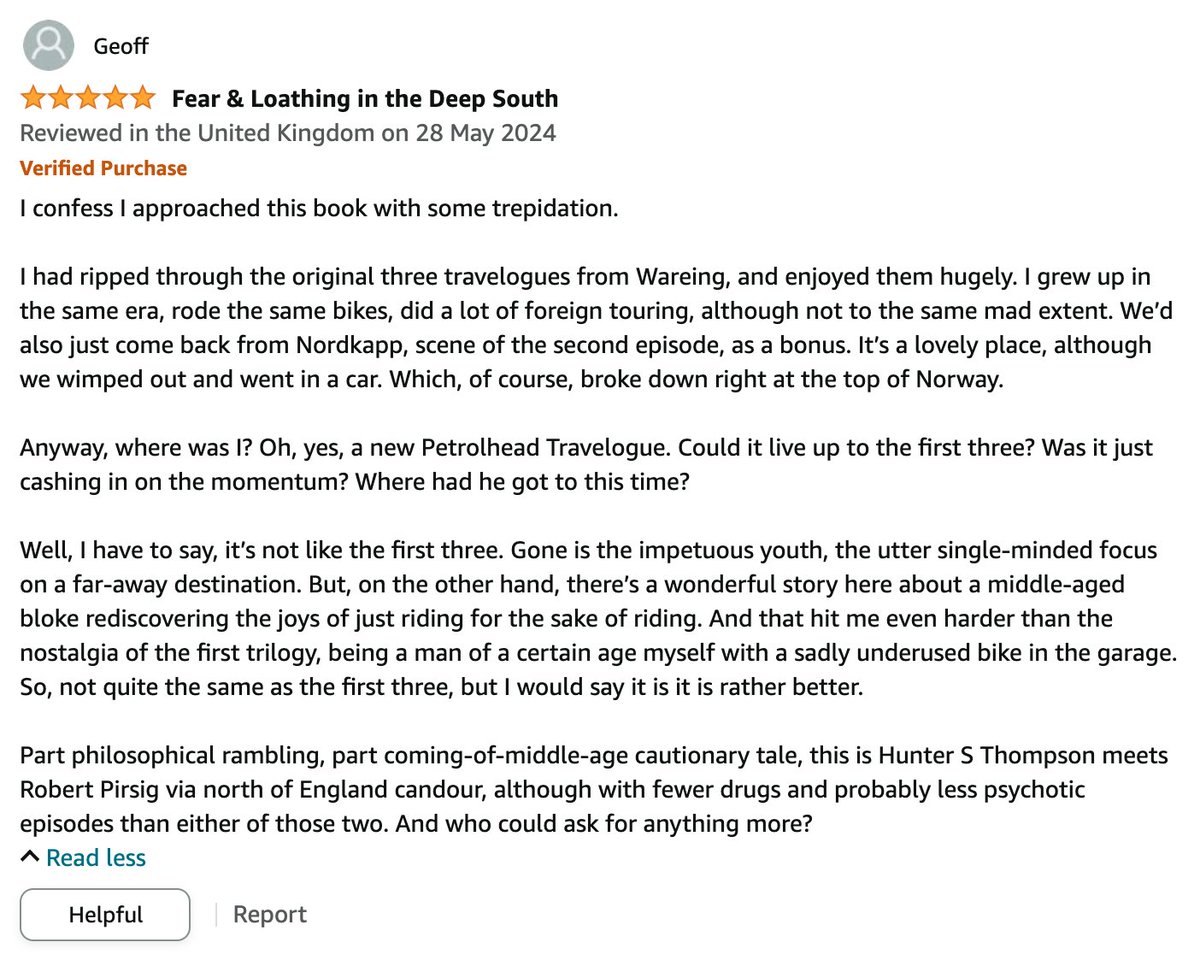
Couldn't ask for a kinder, more thoughtful, and honest first review of the new book.
"A Fast Bike Through the Badlands" - available now at your local Amazon store.
geni.us/FastBikeBadlands
#fastbikeadventures #amazonbestseller #amazonnewrelease #newrelease #welovememoirs
5
7
235
andycwareing retweeted
19 May 2024
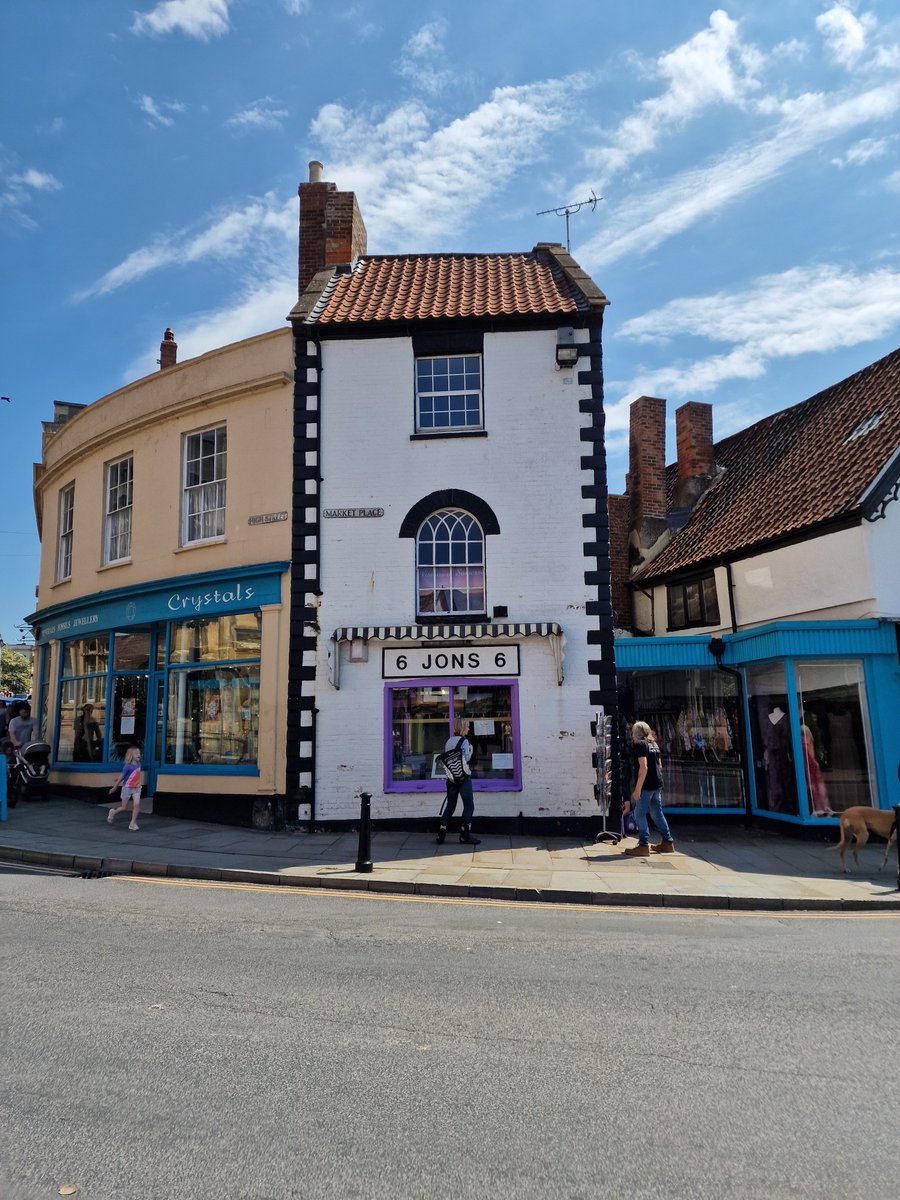
I will soon be opening a shop in Glastonbury. It's Number 6 Market Place which used to be Jon's the jewellers. A fantastic building right in the centre of town. It's both exciting and scary all at the same time. Official opening Saturday 25th May but I am in most days this week so open with limited stock in the meantime. Come and say hi 👋
visionsofsomerset.co.uk
315
303
2,257
86,617
14 May 2024
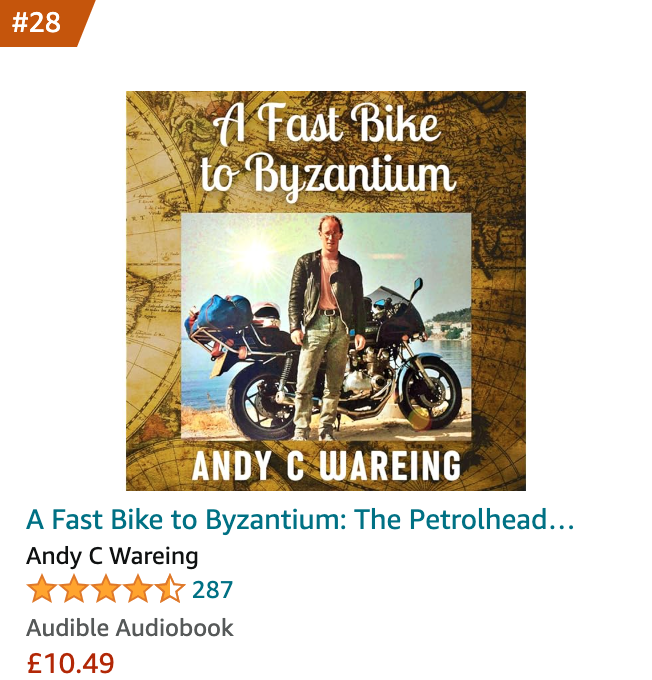
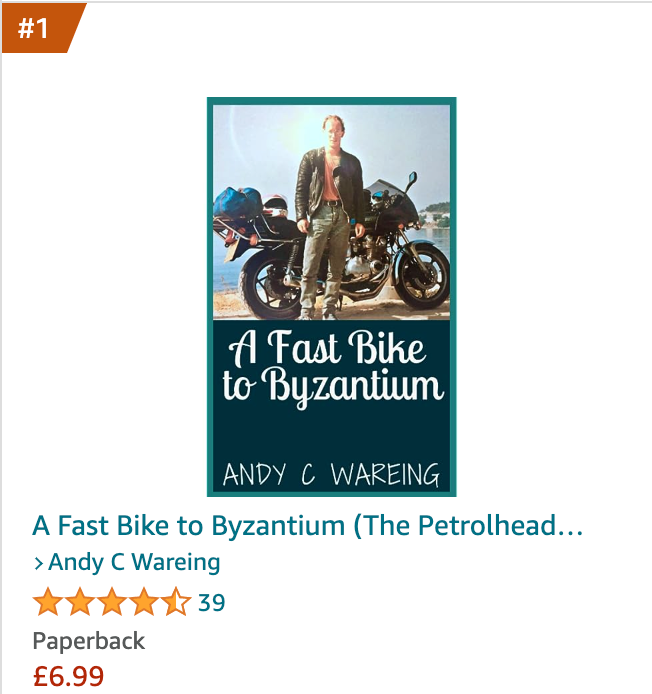
Wasn't sure how well the audiobook would be received so chuffed to bits to see it at #28 in the Amazon Best Seller in Travel Writing category.
geni.us/ACXFastBikeToByzanti…
#ACX #Fastbikeadventure #amazonbestseller #audiblebooks
2
2
31
6 May 2024
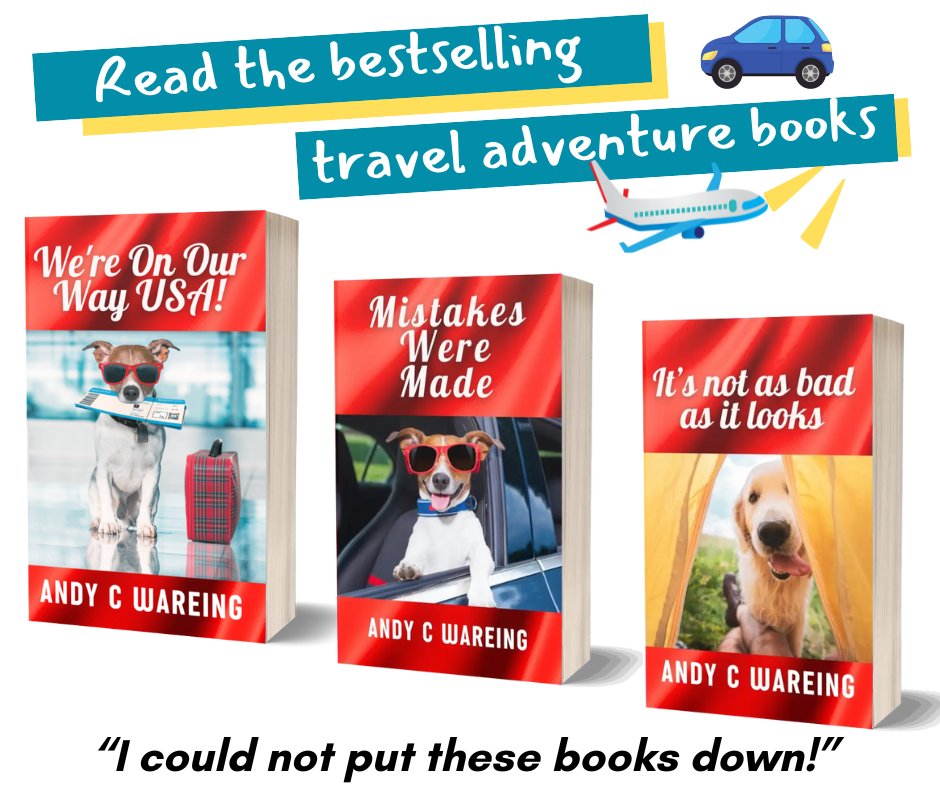
Read the bestselling travelogue series today.
geni.us/TailspinTravelogues
#memoir #amazonbestseller #GreatReads
18
3 May 2024
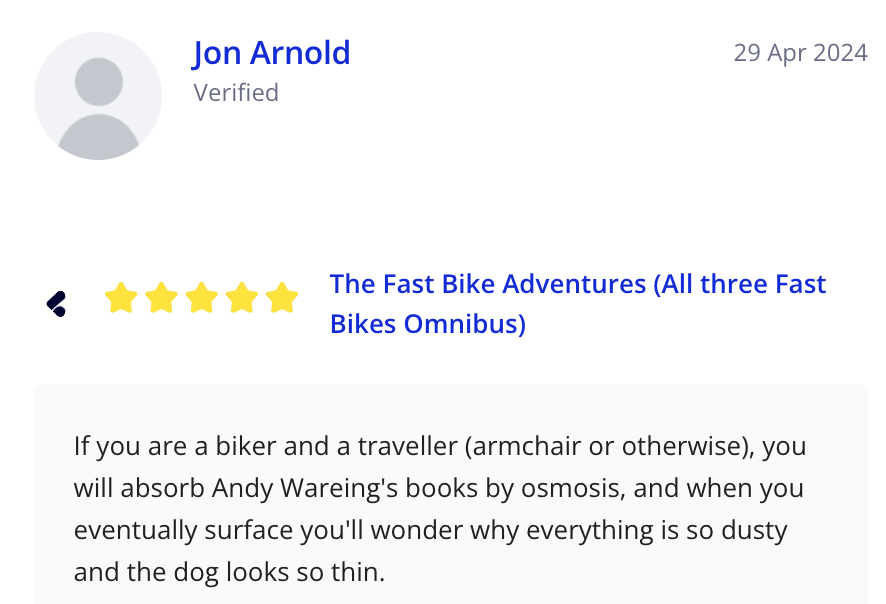
Great review from Jon Arnold - thanks Jon.
andycwareing.com/
#fastbikeadventures #amazonbestseller #greatreviewsmatter
8