
head of business development @etherfuse
Joined February 2023
- Tweets 340
- Following 579
- Followers 360
- Likes 1,060
56 Photos and videos














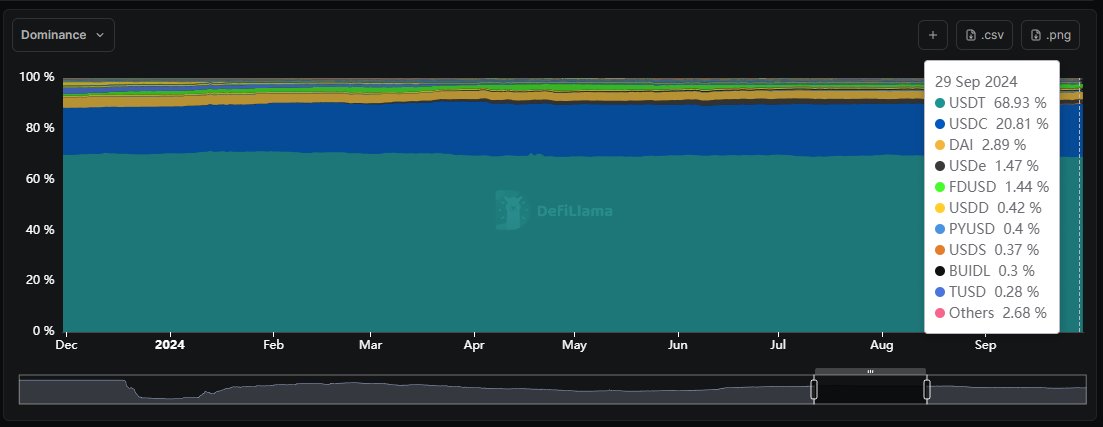


69 reasons yield-bearing stablecoins are the future of payments👇
Most stablecoins — like USDC, USDT, or MXNe — only hold value. They don’t generate it. That means every user and business loses the yield they could earn elsewhere — effectively a zero to one, in terms of opportunity cost.
Yield-bearing stablecoins — such as our CETES, TESOURO, USTRY, EUROB, and GILTS — fix that by embedding yield from audited sovereign debt directly into the asset. The result is a lower cost structure: the yield offsets what non-yield coins lose.
Businesses are rational. They’ll always move toward cheaper, safer, and more efficient options once they exist. If you’re building or integrating payments with non-yield stablecoins today, you’re likely spending 3–6 months on something that will be obsolete within a year.
Your competitors will use yield-bearing stablecoins instead. They’ll process payments with lower costs and generate income from their float — across multiple currencies, not just USD. That advantage compounds over time.
Companies holding non-yield stablecoins effectively subsidize their issuer’s margins. Those holding yield-bearing assets reduce their own cost base while earning a return from the same underlying stability.
@etherfuse enables this model safely:
- Bankruptcy-remote structures under Swiss law
- Audited vaults holding only sovereign debt (CETES, TESOURO, GILTS, USTRY, EUROB)
- Native and international payment rails, including SPEI for MXN
This creates stability that earns, not just holds.
Stablecoins solved for volatility. Yield-bearing stablecoins solve for efficiency. They’re not a trend — they’re the next standard for how money moves. Build for tomorrow.
15
8
40
4,504
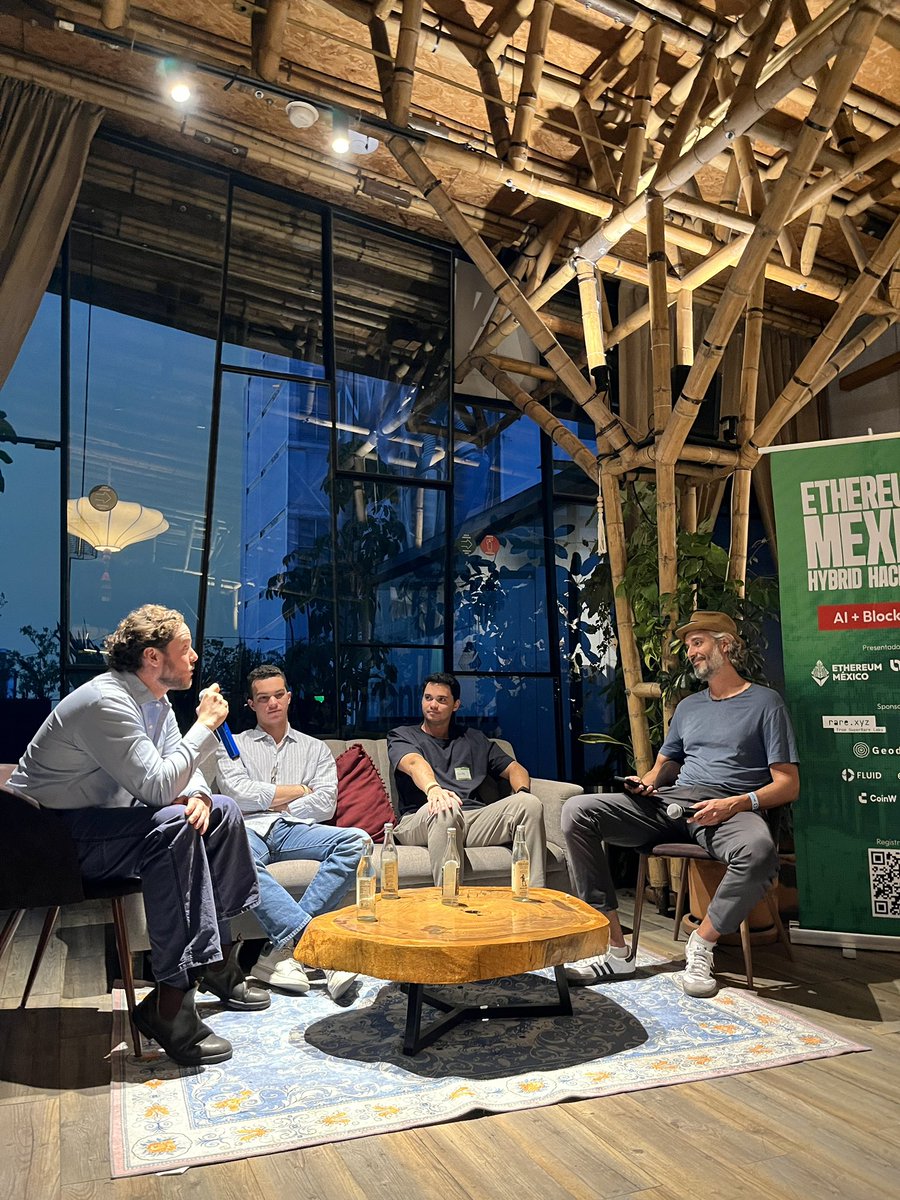
Always a pleasure to collaborate with @ethereum_mexico and to share the stage with more than peers but friends!
Tamo en curazao con un flow pasao @eldoradoio and @capa_fi

“Estamos en una Application Era en Latinoamérica, que le va a proveer mejores servicios a las personas.”
🎤 Rieles financieros on-chain: la nueva infraestructura de pagos.
👤 @andyfi | @etherfuse
👤 @stablecoing | @eldoradoio
👤 @JuandiFromCapa | @capa_fi
👤 Pedro Armengol | Openbank México
2
8
633
Andy retweeted

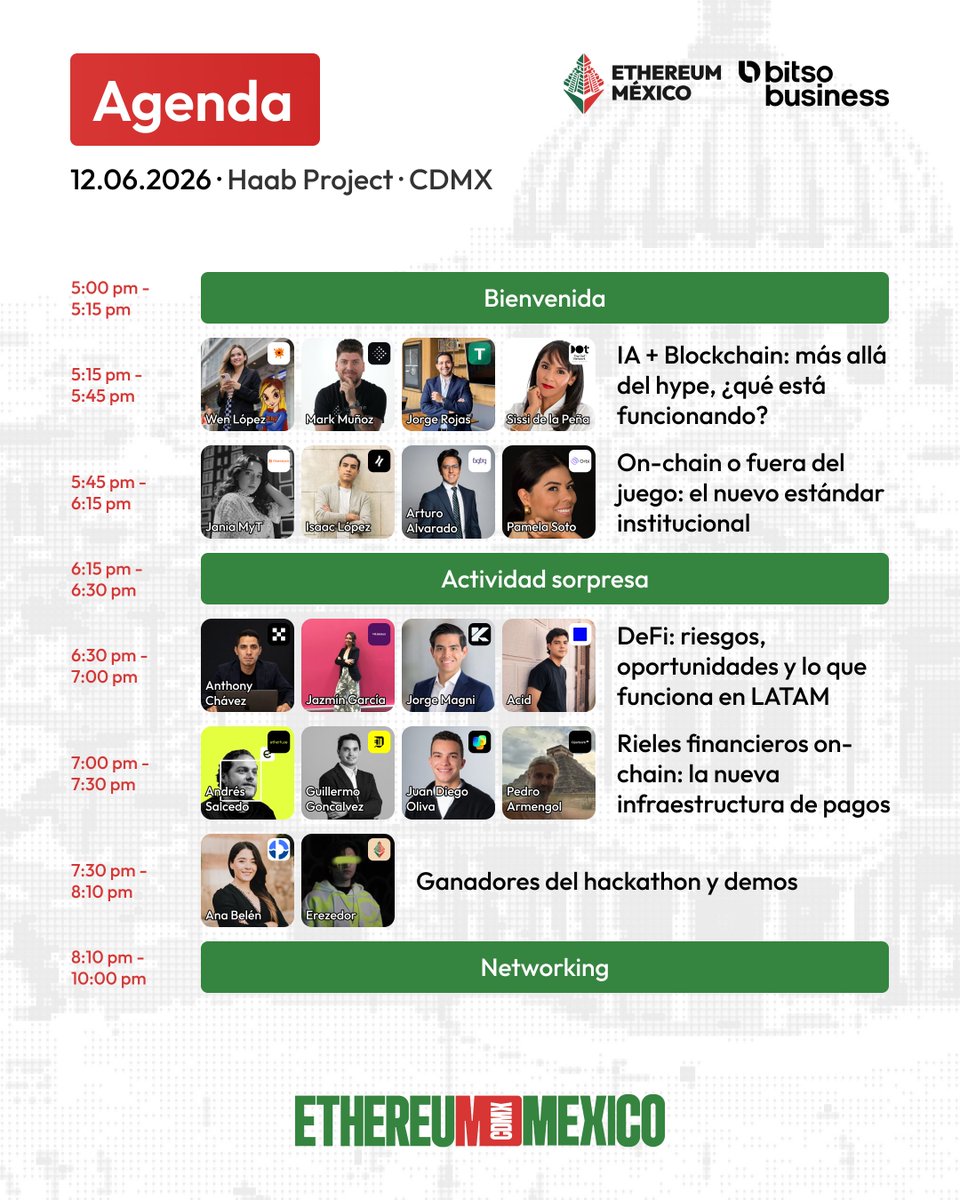
The stage is set. 🇲🇽
Top speakers from AI, Tech, Blockchain & Stablecoins. Tomorrow. CDMX. #ETHMéxico2026🇲🇽
📅 Friday, June 12
→ Registration: luma.com/705be0np
1
12
23
2,079

The everything investing app just got more global.
TESOURO (Brazil) and CETES (Mexico) are now on Glider.
Real government bonds with weekly yield, fully backed and held in regulated custody.
More countries coming.
Powered by @etherfuse.
🌎

101
58
230
5,308
Andy retweeted

Jun 8
"This is how real-world assets become usable inside the next generation of financial applications
One API. More financial building blocks"
PODS
Find out more: pods.finance

1
4
12
499
Andy retweeted
The stage is set. 🇲🇽
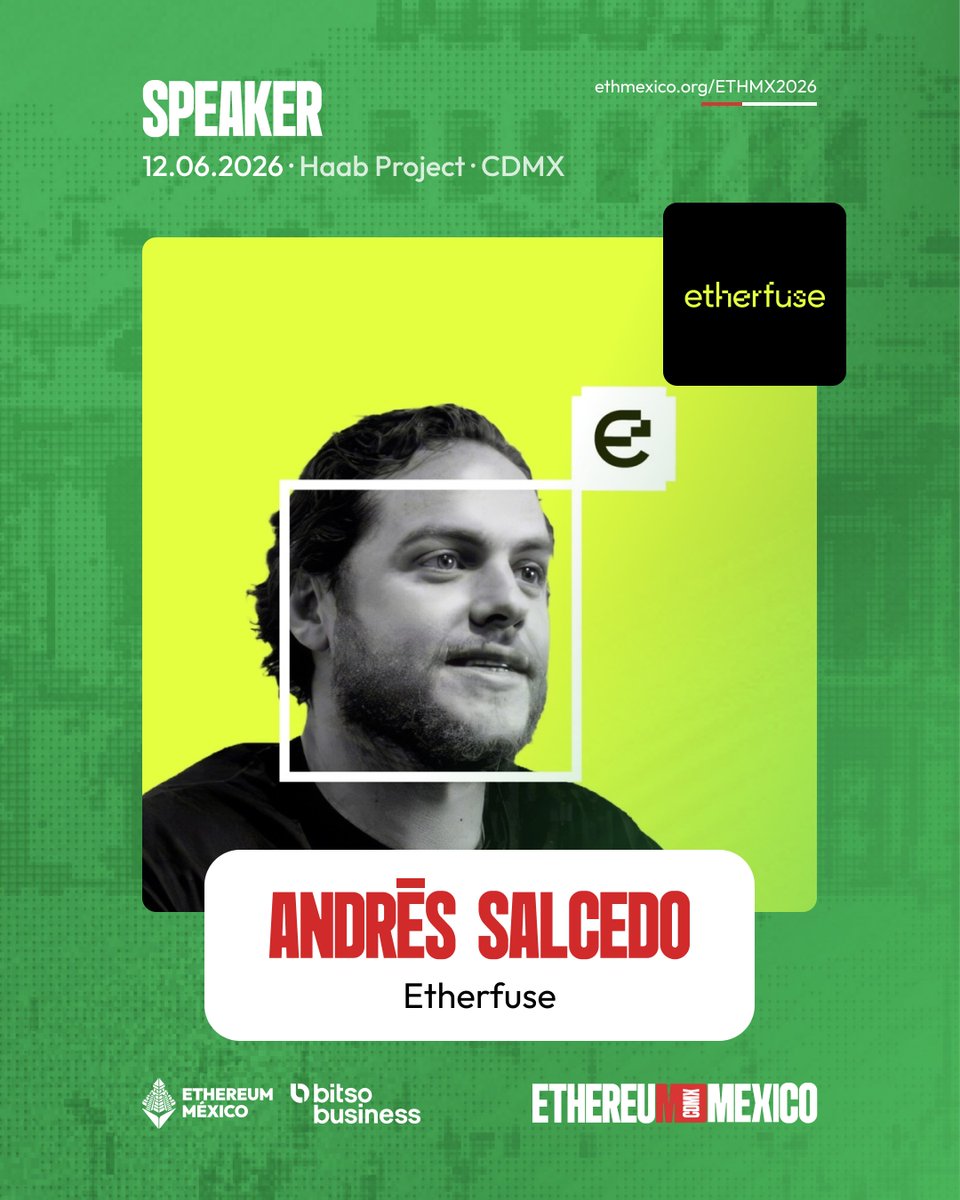
Andres Salcedo, @andyfi is on the lineup for the fourth edition of #ETHMéxico2026.
Andrés Salcedo is the head of business development at @etherfuse. Specializing in business strategy, Go-To-Market, and real-world use cases within Web3.
1
3
18
478
Andy retweeted

Jun 5
Pods x @etherfuse
Etherfuse is now available through the Pods API.
Etherfuse builds tokenized sovereign asset infrastructure for the modern financial system, giving institutions, fintechs, neobanks, and onchain applications access to real-world financial products through crypto-native rails.
Their Stablebonds bring sovereign debt onchain: tokenized government bonds backed by regulated custodians and 100% collateralized reserves.
The lineup spans CETES, Tesouro, US Treasuries, Eurobonds, UK Gilts, and Korean Treasury Bonds, unlocking treasury allocation, corporate float, institutional liquidity, collateral, remittances, settlement, and yield-bearing products.
This is how real-world assets become usable inside the next generation of financial applications.
One API. More financial building blocks.
Welcome, Etherfuse.
6
12
37
2,504
CDMX conference week is almost here — and our events are nearly full. 🔥
I'm hosting 3 with @etherfuse @StellarOrg @0xHighlandSec:
🌮 Taco Night — Jun 14 luma.com/c47709zl
☀️ Morning Alpha — Jun 15 luma.com/lsgz54st
🍸 BBVA Cocktail — Jun 16 luma.com/2h9sw1pp
We'll also have a booth on the main convention days, come say hi! 👋
First come, first served till capacity 👇
1
5
397
Andy retweeted
The best teams need the best sponsors @etherfuse just joined the game. ⚽ #ETHMéxico2026 🇲🇽
1
2
16
268
Andy retweeted

May 26
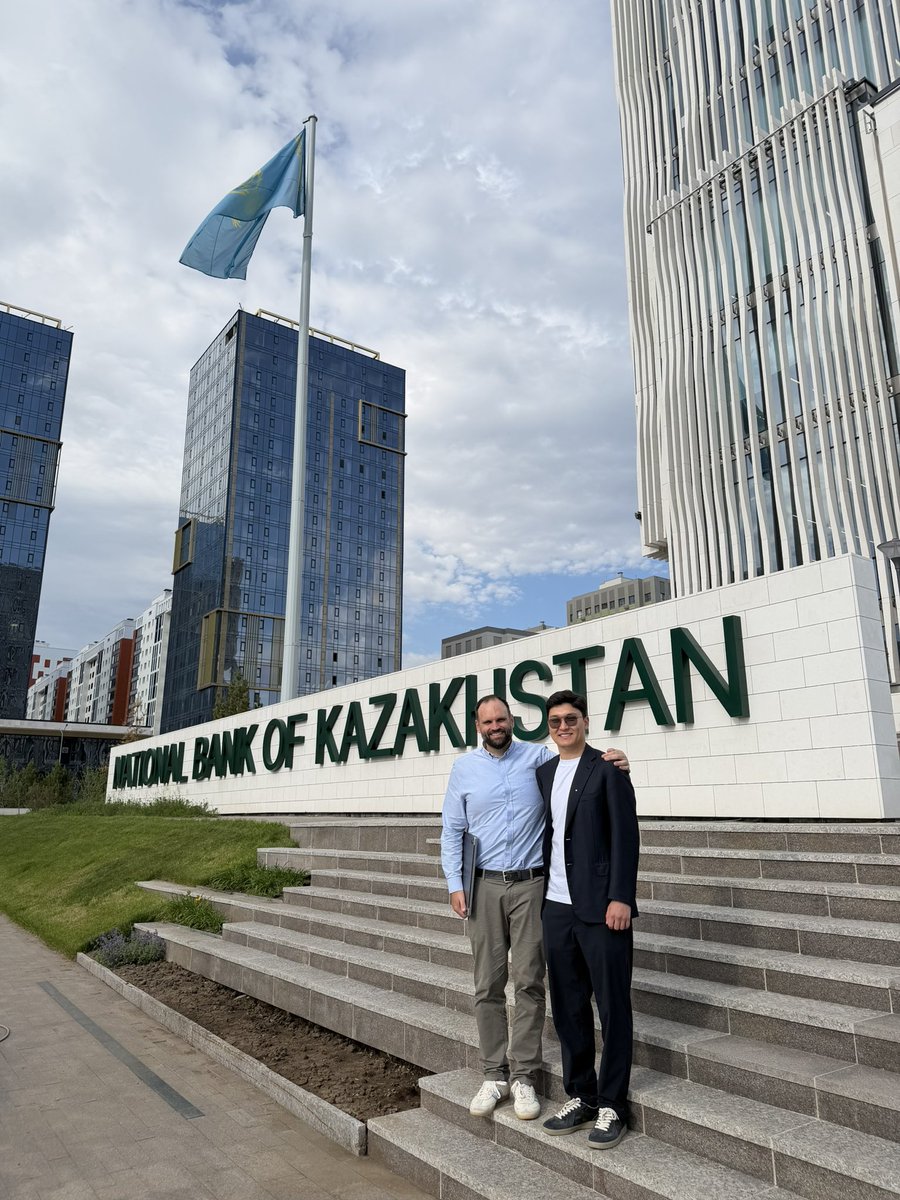
Issuing Kazahkstan’s debt onchain starting in July
19
13
147
11,474
Andy retweeted

May 14
¡Speaker confirmado @andyfi!
Andrés Salcedo is the head of business development at Etherfuse. Specializing in business strategy, Go-To-Market, and real-world use cases within Web3. He has led strategic initiatives at BNB Chain, driving exchange listings, institutional partnerships, and interoperability programs globally. Formerly Head of Crypto Strategy at Bitso, he helped shape stablecoin and multichain adoption in the LATAM region. With experience spanning corporate finance, product strategy, and business development, Andrés focuses on bridging traditional capital with Web3 infrastructure. He is also an active mentor for Web3 accelerators, helping startups succeed. Additionally, he is a contributor to international panels, presentations, the crypto education community, content creators, and established media with publications in outlets such as Bloomberg, Forbes, and MIT Sloan Review, among others.
Regístrate 👇
luma.com/anz3g3w3
#Speaker #Sideevent #LLW2026 #Cripto #web3

2
7
204
Andy retweeted

May 3
The question most people have about tokenized yield: is it real?
For CETES via Pistachio, yes. @Etherfuse buys real CETES through regulated Mexican channels, holds them in custody, and issues a 1:1 on-chain token.
The underlying is the bond, not a promise. Yield passes through. Redeemable for the underlying.
1
2
8
170
Andy retweeted
Apr 30
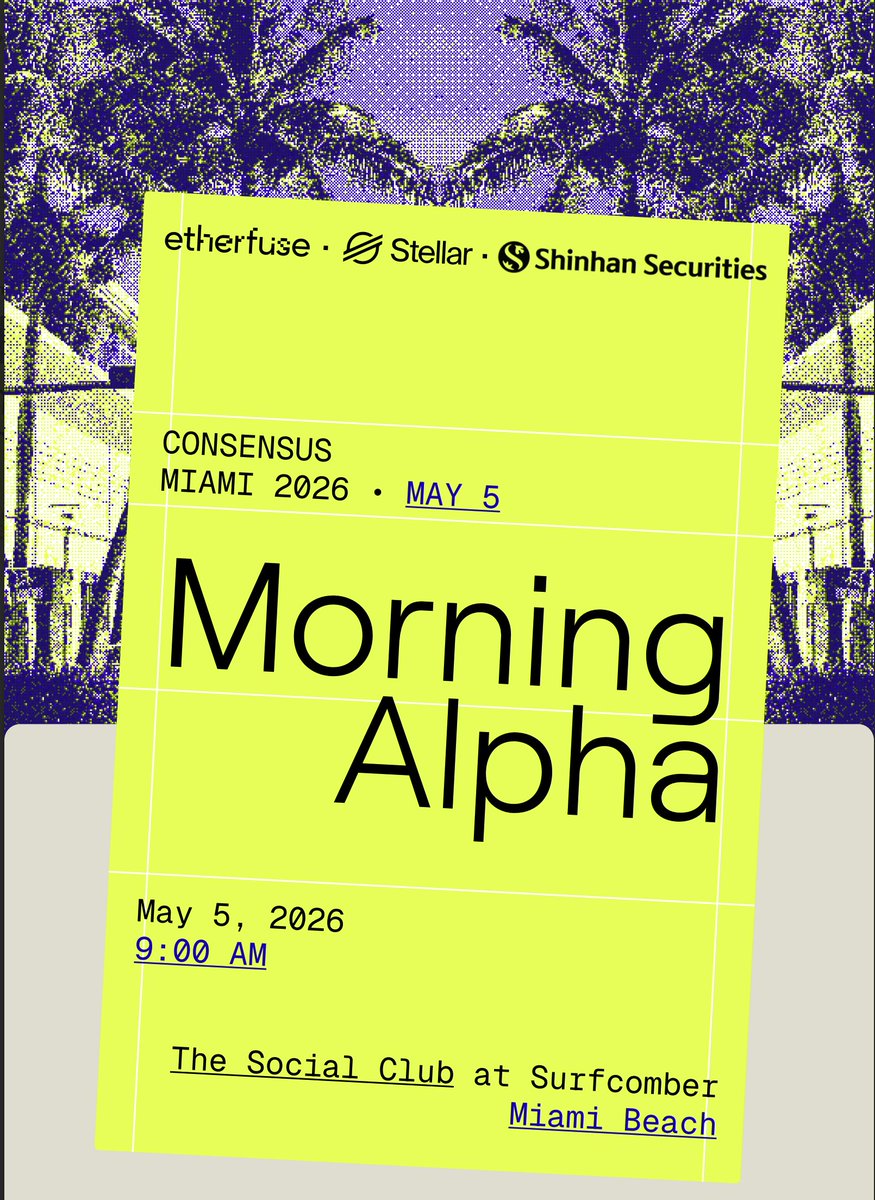
Come join us in Miami.
We're hosting Morning Alpha during Consensus week in Miami, an invite-only brunch with Etherfuse, Shinhan Securities, and Stellar.
Tuesday, May 5 · 9–11 AM
The Social Club at Surfcomber, Miami Beach
Intimate room (capped at 30) — institutional folks, asset managers, and the builders working on RWAs and sovereign yield onchain. Felt like the right crowd for you to be in.
RSVP here (approval-based): luma.com/9r2exe6m
2
2
28
831
Andy retweeted
Apr 29
We're heading to Miami! Come catch up with the team. @StellarOrg and Shinhan are joining us to host a welcome brunch!
luma.com/9r2exe6m
2
2
17
459
Find Waldo (@etherfuse )

1
7
813
Andy retweeted

Apr 28
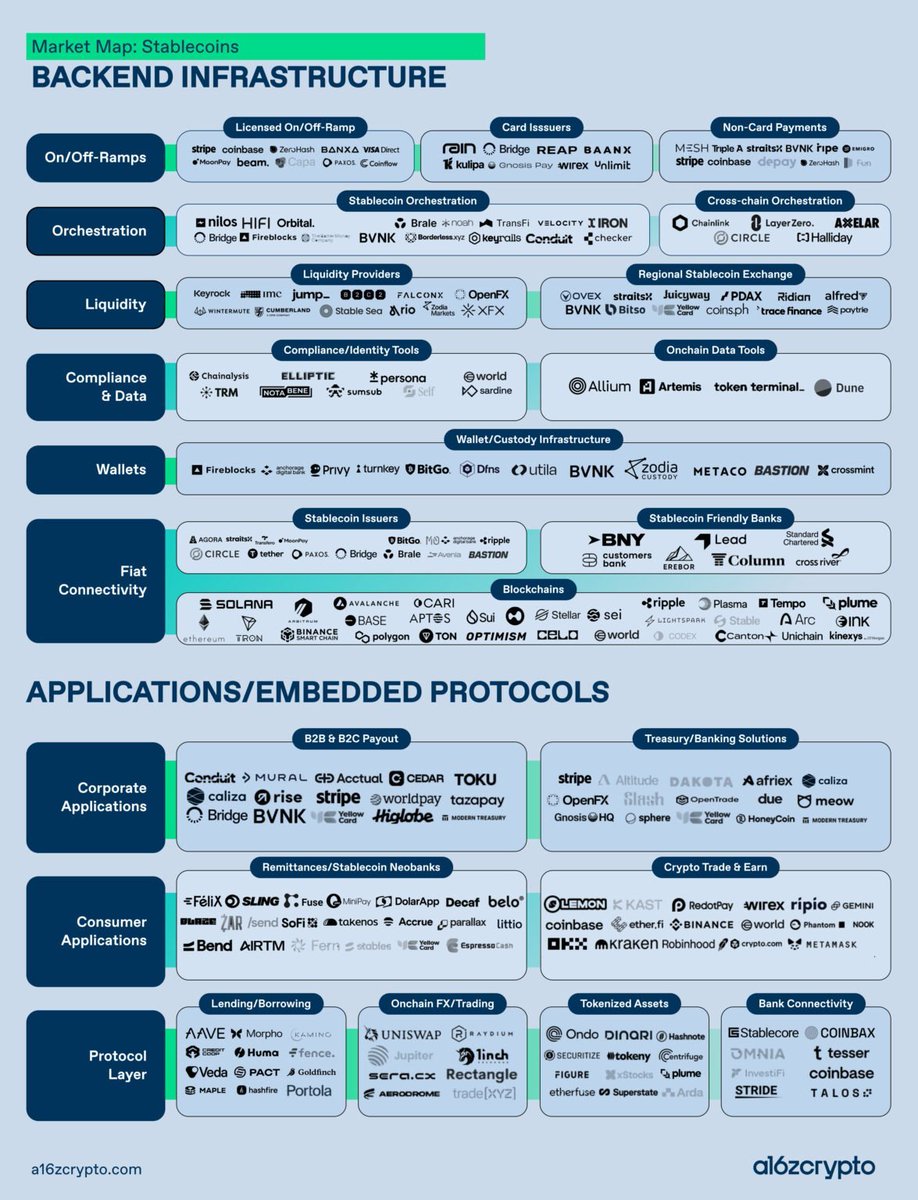
The new stack for global finance, mapped 👇
169
370
1,594
387,573
Panels are easy. Building together is the real work. @etherfuse @CashAbroadApp @revertfinance — shipping side by side. Community and network effects matter, and @StellarOrg gets it. #Sevienencositas

1
5
282
