
Computational Justice. @angelofmath on Bluesky. Advisor. Mathematical Advocate. Personal Opinion.
Joined February 2014
- Tweets 6,460
- Following 676
- Followers 781
- Likes 1,806
610 Photos and videos

Pinned Tweet

Apr 26
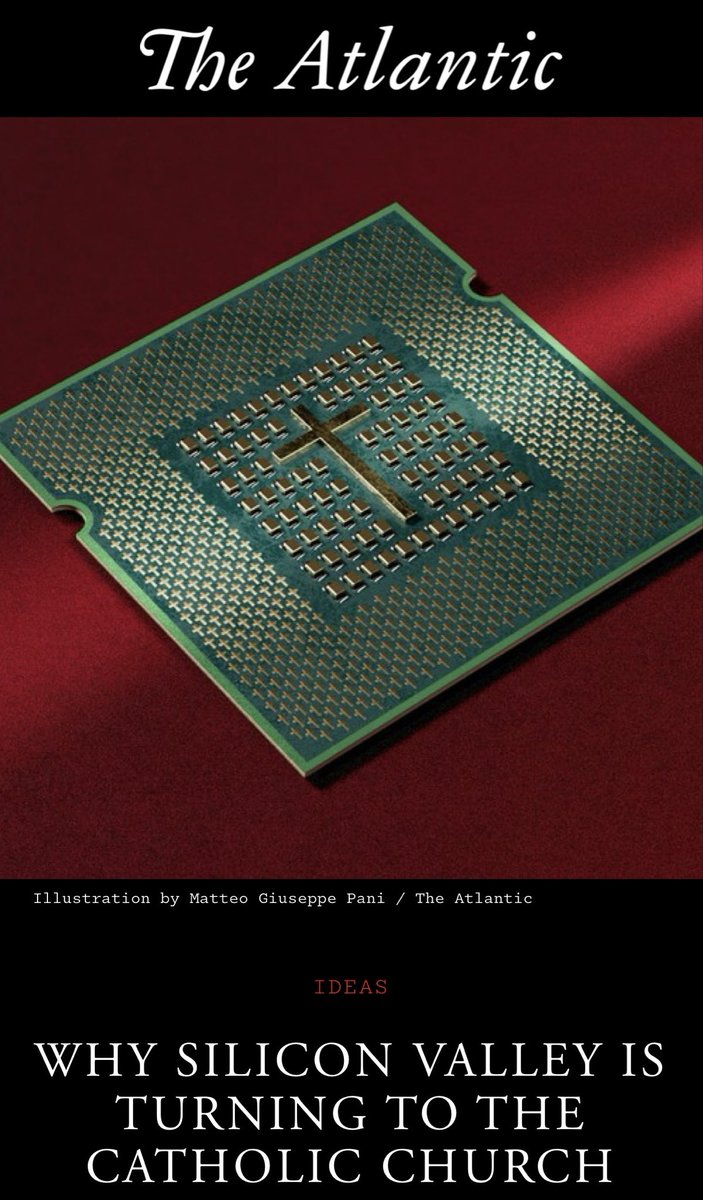
What happens when morality becomes #math?
@reidhoffman and @TheAtlantic, will it erase ethics from our minds?
It may take Hill, the Valley, and faith and non-faith communities intentionally answering the question together.
2
2
104
Michael Akinwumi retweeted

Jun 8
We’re launching America’s Workforce Academy (AWA): a nationwide, unprecedented fast-track to a long-term career in a skilled trade, powered by an initial $115 million first year investment. Including a large-scale skilled trades training program, there is zero cost to the trainees and guarantees a job offer through one of our contractor partners at a @meta data center site.
about.fb.com/news/2026/06/am…
266
75
221
151,905
Jun 8
“However, in mathematics, finding a pattern in a massive dataset is not the same as proving it will happen every single time to infinity. There is still a lingering possibility that out there in the infinite expanse of numbers, there exists a starting number that either spirals upward forever or falls into a completely different loop than 4-2-1.”

17

Michael Akinwumi retweeted

Jun 3
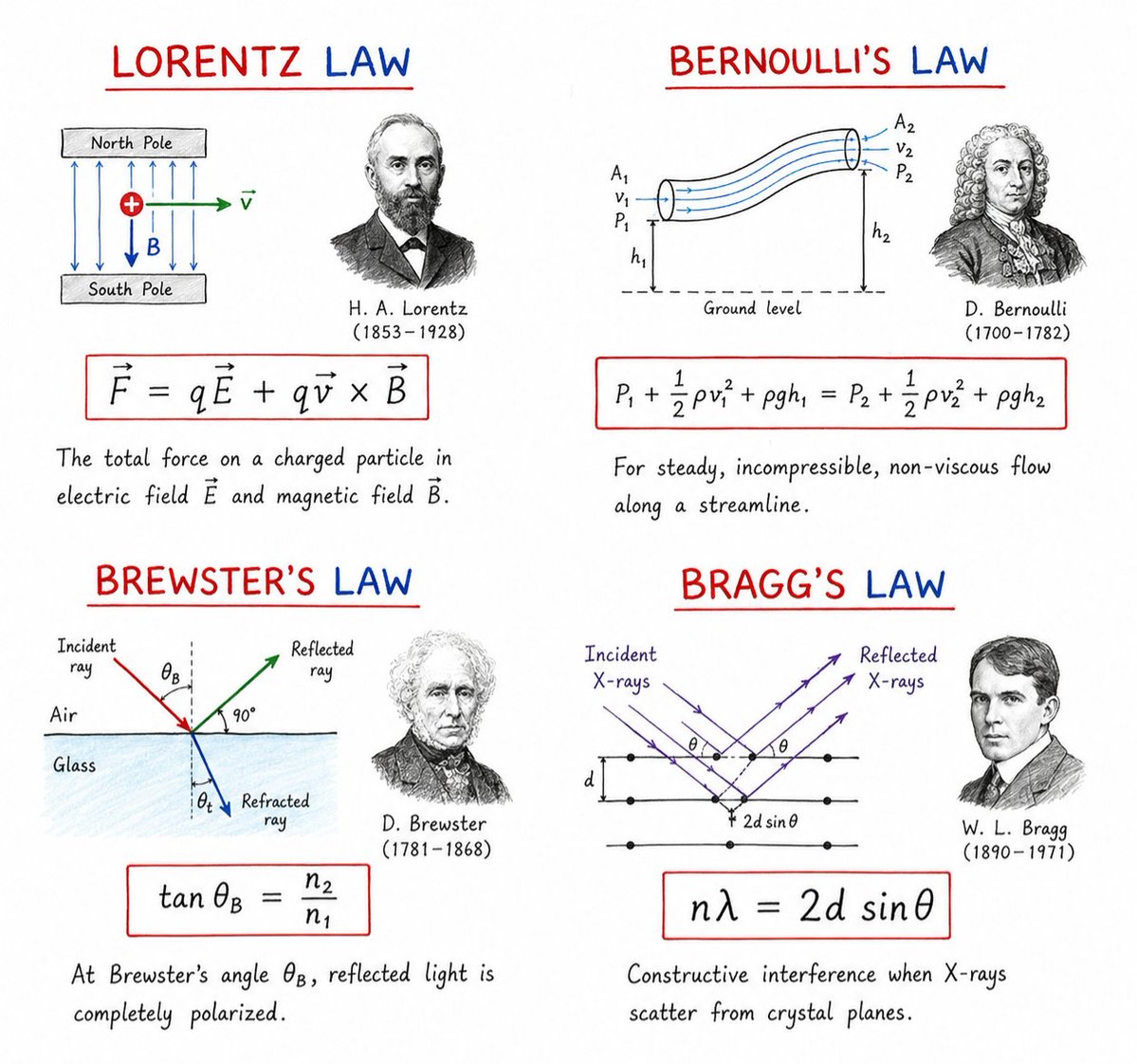
Some of the most powerful ideas in physics can be written in a single line.
- Lorentz's Law
- Bernoulli's Law
- Brewster's Law
- Bragg's Law
Four equations that help explain electricity, fluids, light, and the atomic structure of matter.
9
152
695
15,257
Michael Akinwumi retweeted

Jun 3
161
952
4,565
982,115
Jun 2
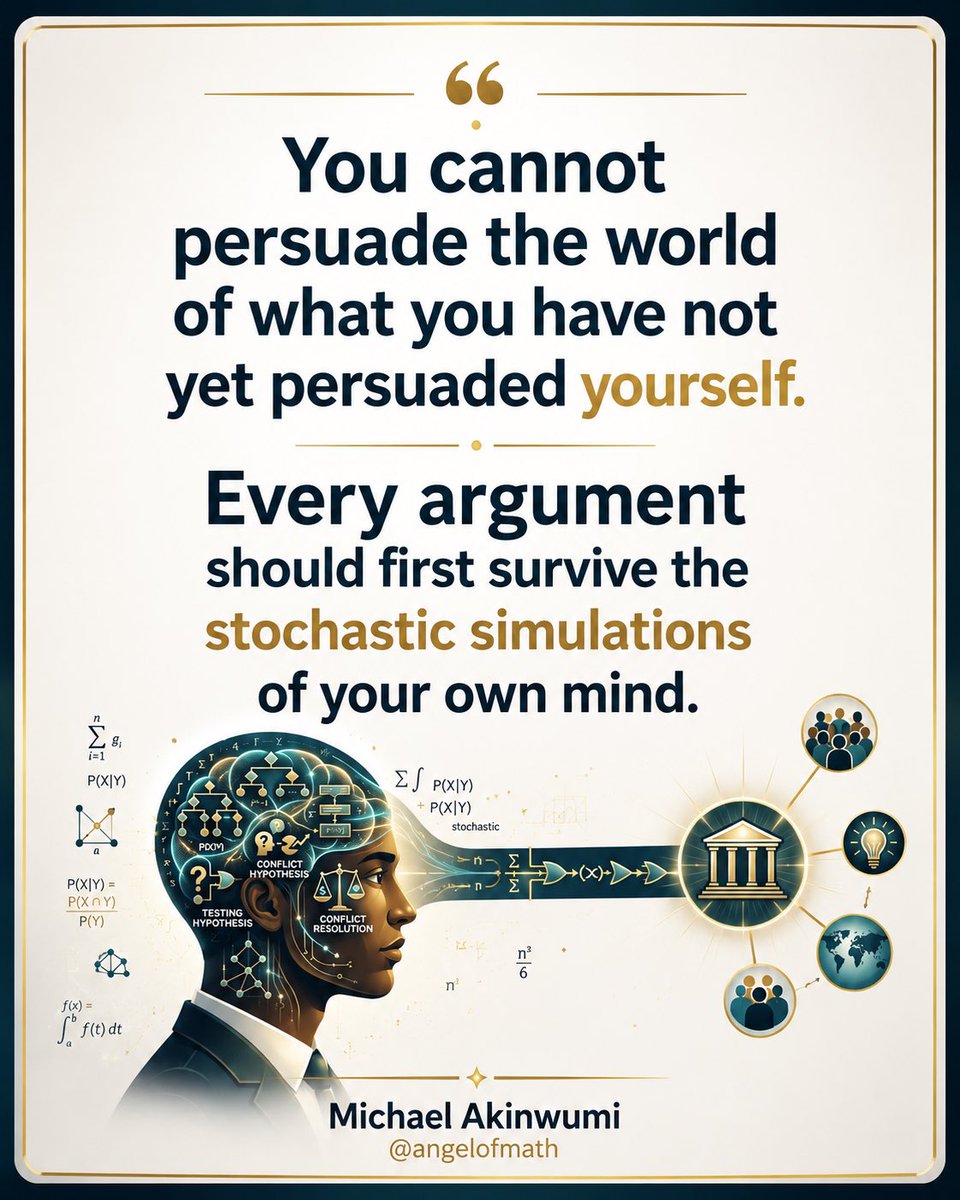
ALT You need to convince yourself before trying to convince the world. You need to conquer yourself before you can conquer the world.
1
13
Michael Akinwumi retweeted

May 30
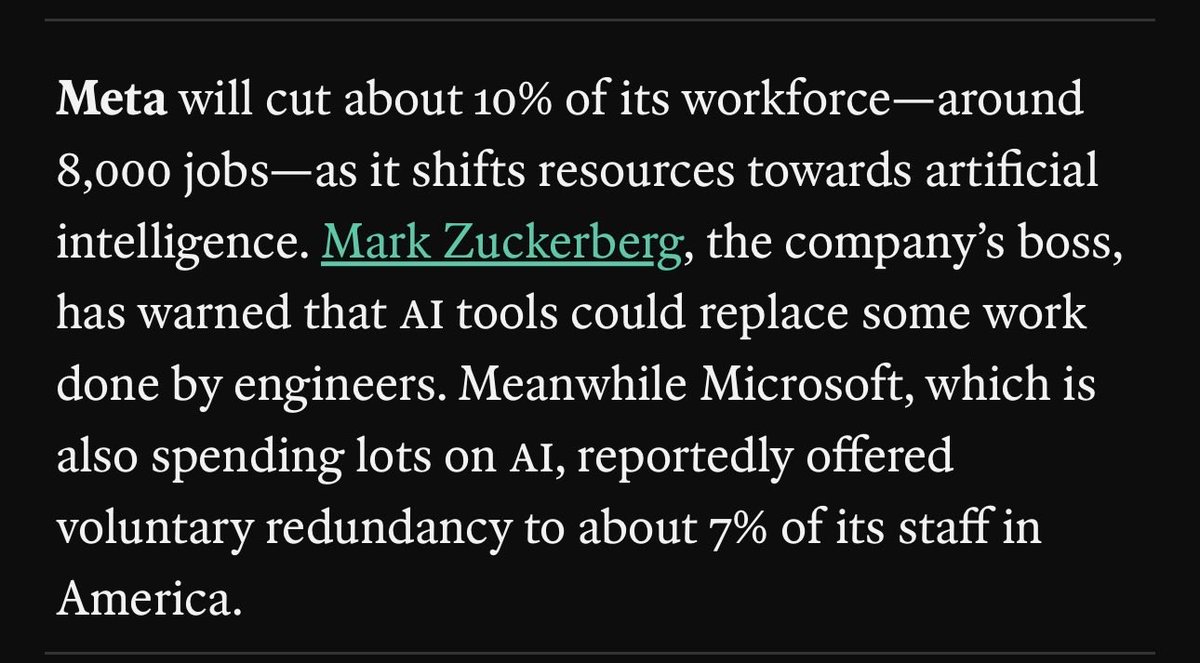
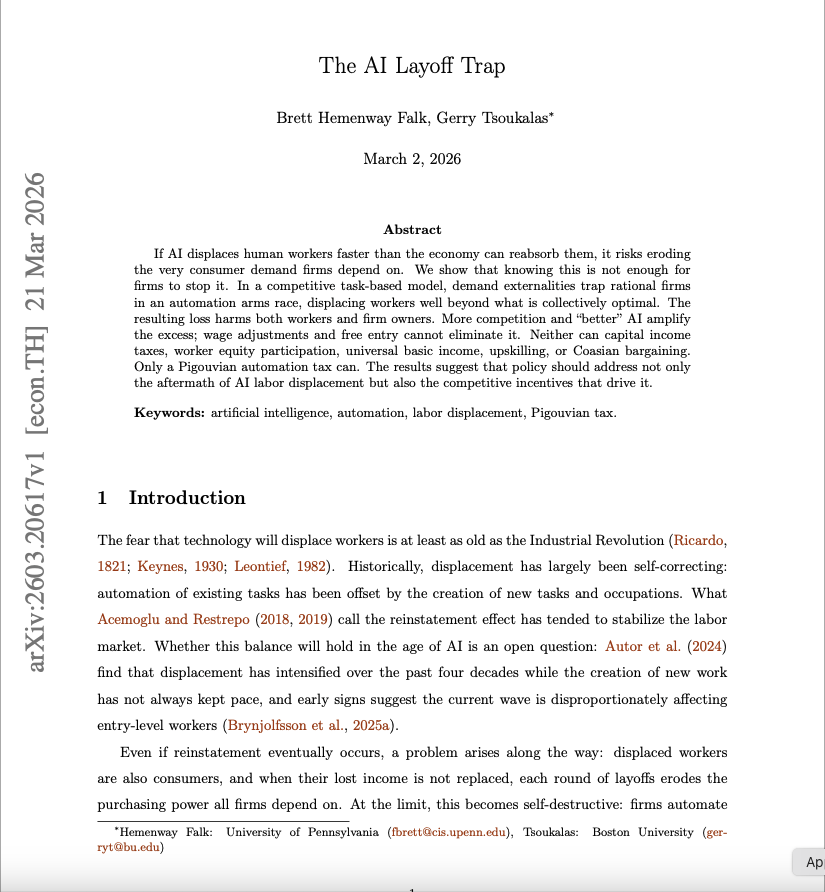
Two economists just published a mathematical proof that AI will destroy the economy.
Not might. Not could. Will — if nothing changes.
The paper is called "The AI Layoff Trap." Published March 2, 2026. Wharton School, University of Pennsylvania. Boston University. Peer reviewed. Mathematically modeled.
The conclusion is one sentence.
"At the limit, firms automate their way to boundless productivity and zero demand."
An economy that produces everything. And sells it to nobody.
Here is how you get there.
A company fires 500 workers and replaces them with AI. A competitor fires 700 to keep up. Another fires 1,000. Every company is behaving rationally. Every company is following the incentives correctly. And every company is building a trap for itself.
Because the workers who were fired were also customers.
When they lose their jobs faster than the economy can absorb them, they stop spending. Consumer demand falls. Companies respond by cutting costs — which means automating more workers — which means less spending — which means more falling demand — which means more automation.
The loop has no natural exit.
The researchers tested every proposed solution. Universal basic income. Capital income taxes. Worker equity participation. Upskilling programs. Corporate coordination agreements.
Every single one failed in the model.
The only intervention that worked: a Pigouvian automation tax — a per-task levy charged every time a company replaces a human with AI, forcing them to price in the demand they are destroying before they pull the trigger.
No government has implemented this. No major economy is seriously discussing it.
Meanwhile the numbers are already tracking the curve. 100,000 tech workers laid off in 2025. 92,000 more in the first months of 2026. Jack Dorsey fired half of Block's workforce and said publicly: "Within the next year, the majority of companies will reach the same conclusion."
Nobody is doing anything wrong. Companies are following their incentives perfectly. That is exactly the problem.
Rational behavior. At scale. Simultaneously. With no mechanism to stop it.
Two economists built the math. The math leads to one place.
Source: Falk & Tsoukalas · Wharton School Boston University ·
1,233
5,642
12,648
1,648,217
May 30
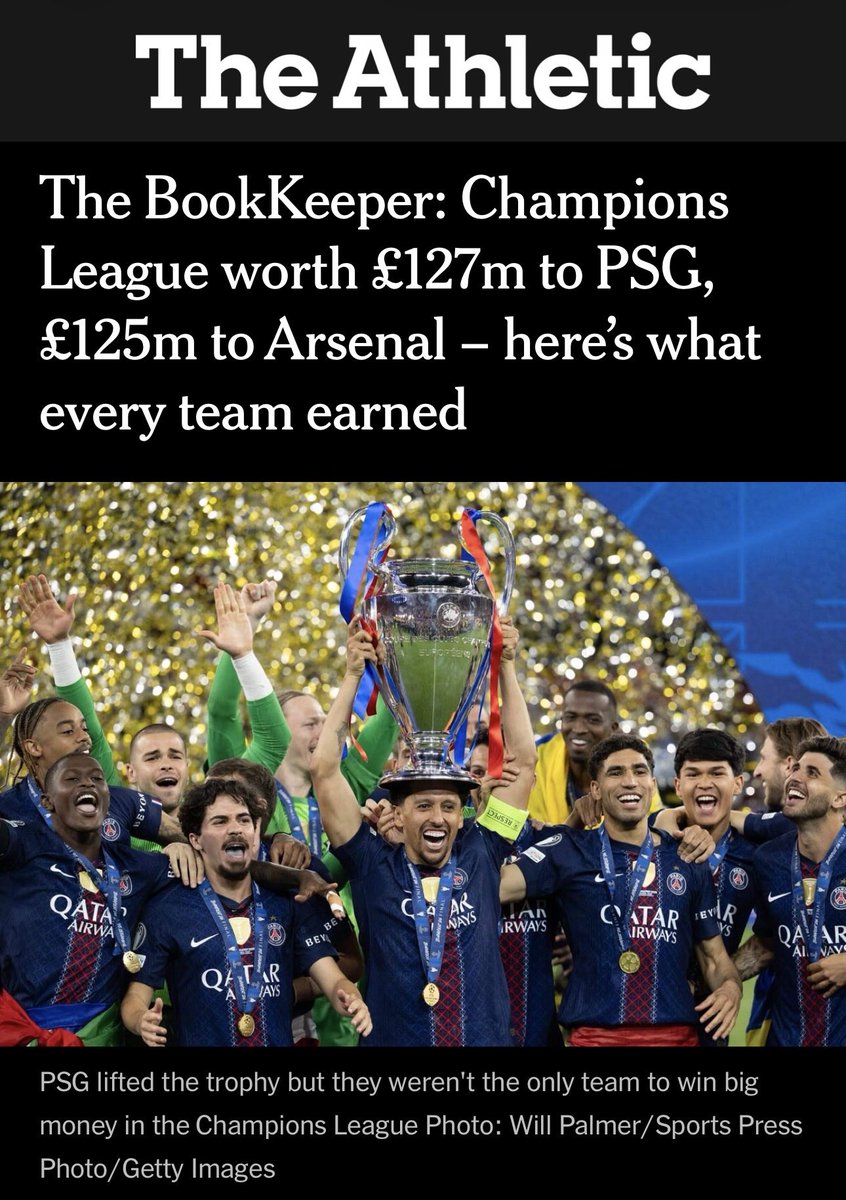
Congratulations, @Arsenal. This is from a @LFC fan.
The £2m prize money difference, according to the @TheAthletic, isn’t bad. You guys came really close.
27
May 30
How long? How long before @AppleNews adopts AI-generated reading of news? How long? @grok any idea?
1
1
19
Michael Akinwumi retweeted

Lisa Su ’90, SM ’91, PhD ’94 to the Class of 2026, “Run toward the hardest problems. Hard problems teach you what you're capable of.”

ALT Lisa Su at the commencement stage podium.
15
432
2,635
118,725

Michael Akinwumi retweeted

May 29
NEW: Oxford researchers have helped to achieve a world first: loading a complete genome onto a quantum computer. This makes an important step towards a future where quantum computing accelerates biological discovery.
Find out more ⬇️
bit.ly/4u7Qr3h
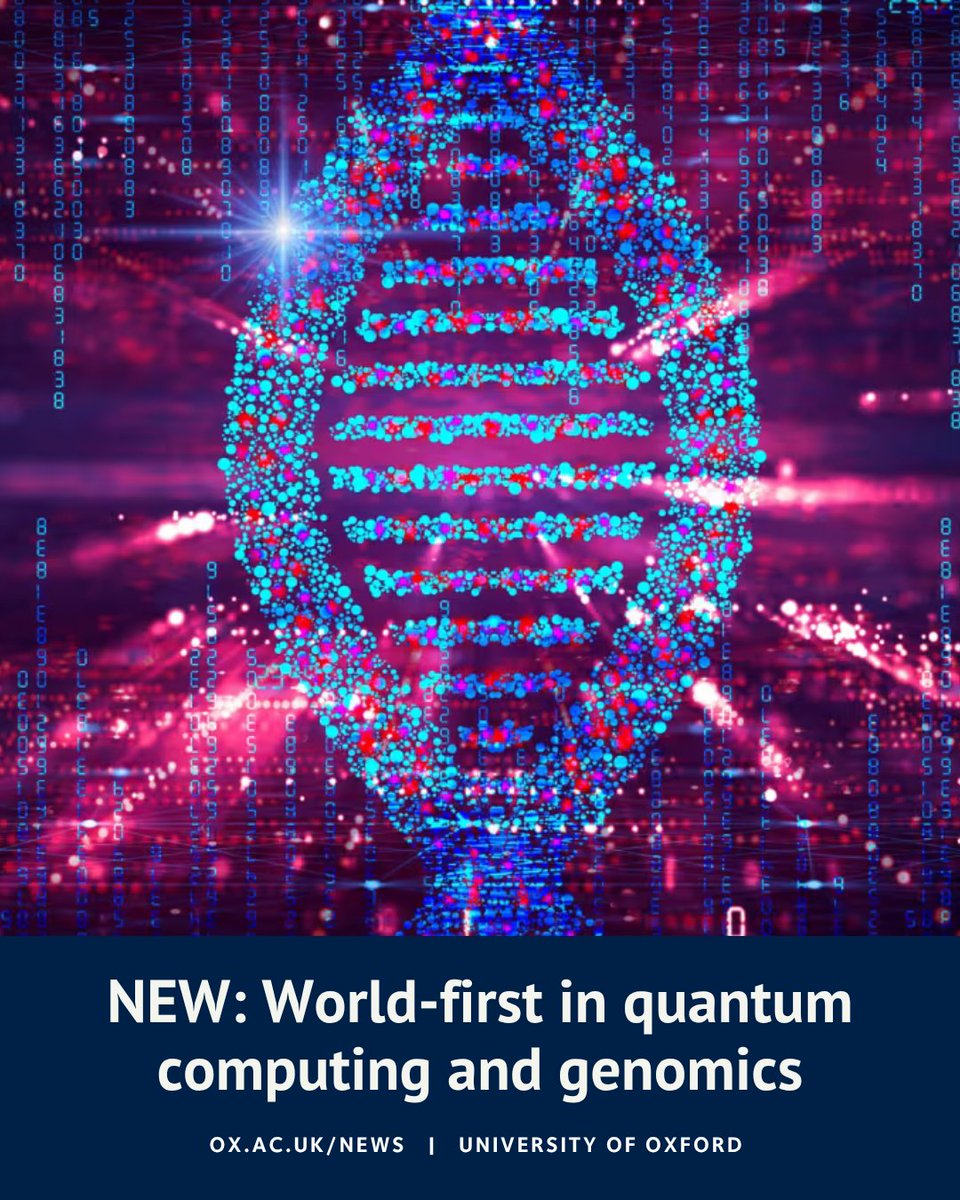
ALT Digital illustration of a DNA strand surrounded by data and code, with a headline about a world-first achievement in quantum computing and genomics.
28
284
764
38,192
May 28
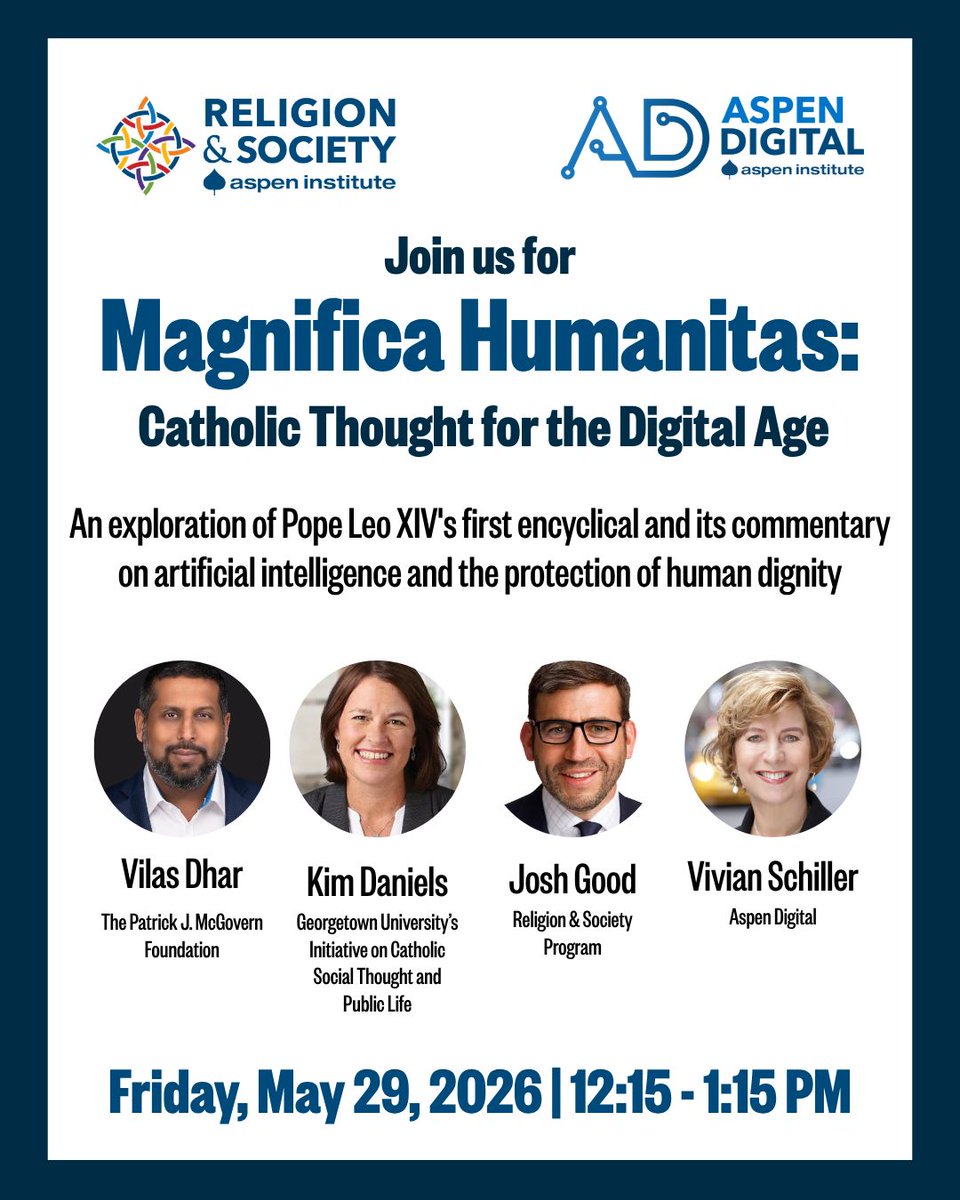
The Editorial Board of @WSJ may have missed the central theme of the @Pontifex’s Magnifica Humanitas. The encyclical calls for AI accountability.
wsj.com/opinion/pope-leo-ai-… via @WSJopinion
25
Michael Akinwumi retweeted

May 27
You know π belongs to circles… but what about e?
Imagine a magical bank offering 100% interest per year. You deposit $1, wait a year, and walk away with $2. Simple.
But what if the bank compounds your interest twice a year—50% every six months?
After 6 months: you have $1.50.
Now you earn interest not just on $1, but on $1.50.
By the end of the year: $1.50 (1.50 × 0.5) = $2.25.
You just made more than doubling your money.
Naturally, you say: “Do it faster.”
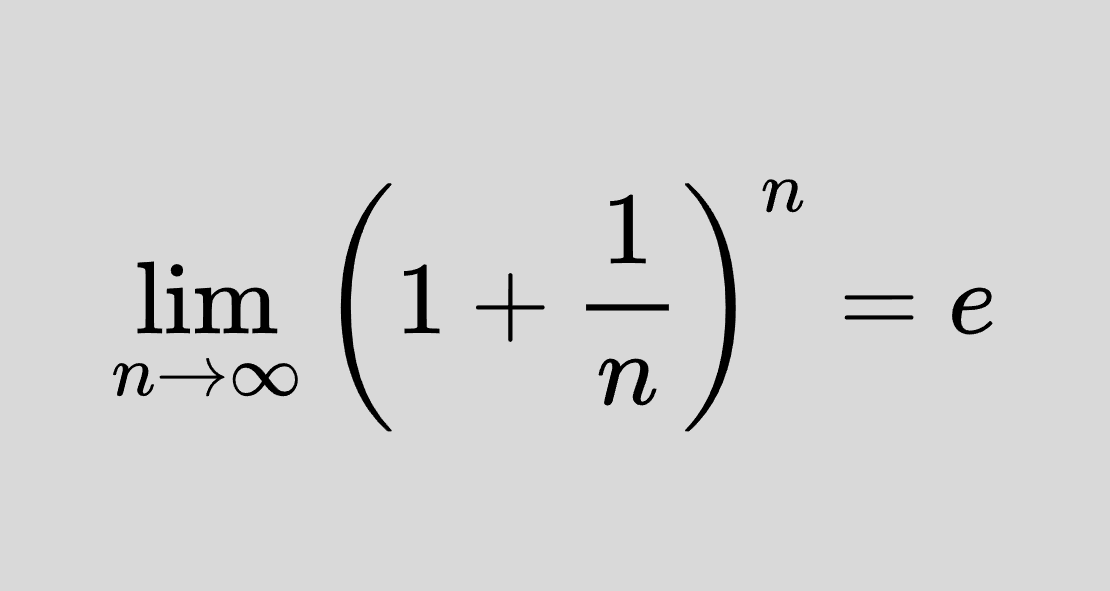
Daily. Every second. Continuously. Mathematically, this becomes:
(1 1/n)ⁿ
As n (the number of compounding periods) grows larger and larger, something incredible happens…
You hit a limit.
No matter how fast you compound, the value approaches 2.718…
In 1748, Leonhard Euler recognized this number as a universal constant and named it e.
And no—it wasn’t named after him. It simply emerged from the mathematics of growth itself. From finance to physics, from biology to probability—e is everywhere. Not bad for a number born from compounding interest.
19
112
634
25,630
May 27
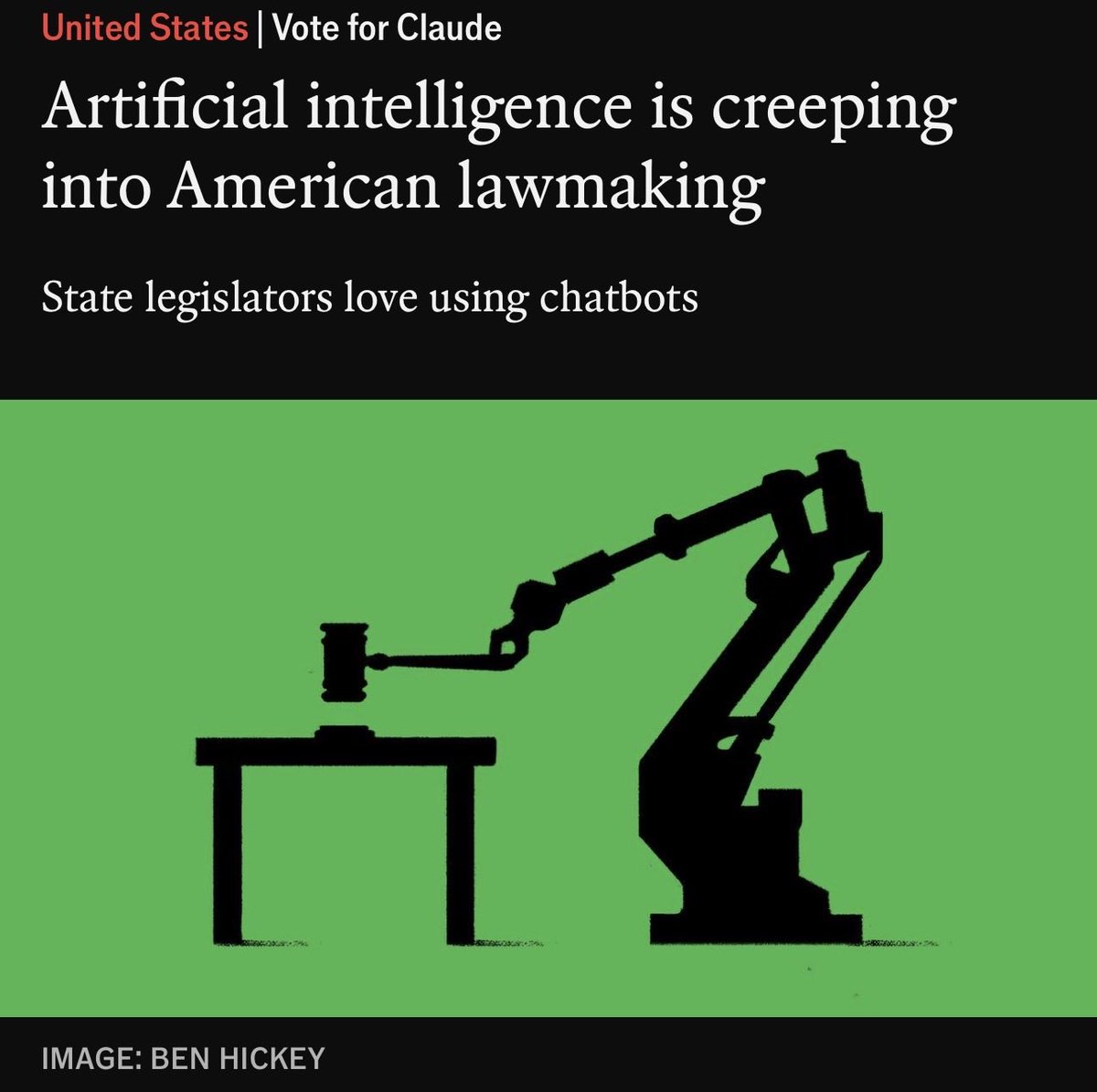
History will remember whether this generation defended fairness in the age of AI or surrendered it for convenience. I intend to tell my sons we chose to resist.
The public was overwhelmingly against efforts to normalize algorithmic discrimination. Of the thousands of comment letters submitted to the CFPB from consumers, civil rights groups, and industry leaders—96% opposed removing disparate impact liability. Yet, the agency created to protect consumers from discrimination ignored this weight of evidence.
While we are in court, we need your support. Share this update. Stay connected. Support the fight.
A luta continua, victoria ascerta.

The Equal Credit Opportunity Act has protected families for 50 years. The CFPB just moved to gut it—despite more than 93% of the public opposing this decision.
Today, the National Fair Housing Alliance filed suit to stop it.
Learn more: nationalfairhousing.org/nfha…
43
May 27
Register Now: register.aspeninstitute.org/… via @AspenInstitute, @AspenDigital, @AspenReligion and @PJMFdn
1
6
78
Michael Akinwumi retweeted

The Equal Credit Opportunity Act has protected families for 50 years. The CFPB just moved to gut it—despite more than 93% of the public opposing this decision.
Today, the National Fair Housing Alliance filed suit to stop it.
Learn more: nationalfairhousing.org/nfha…
3
8
5
427
Michael Akinwumi retweeted

May 26
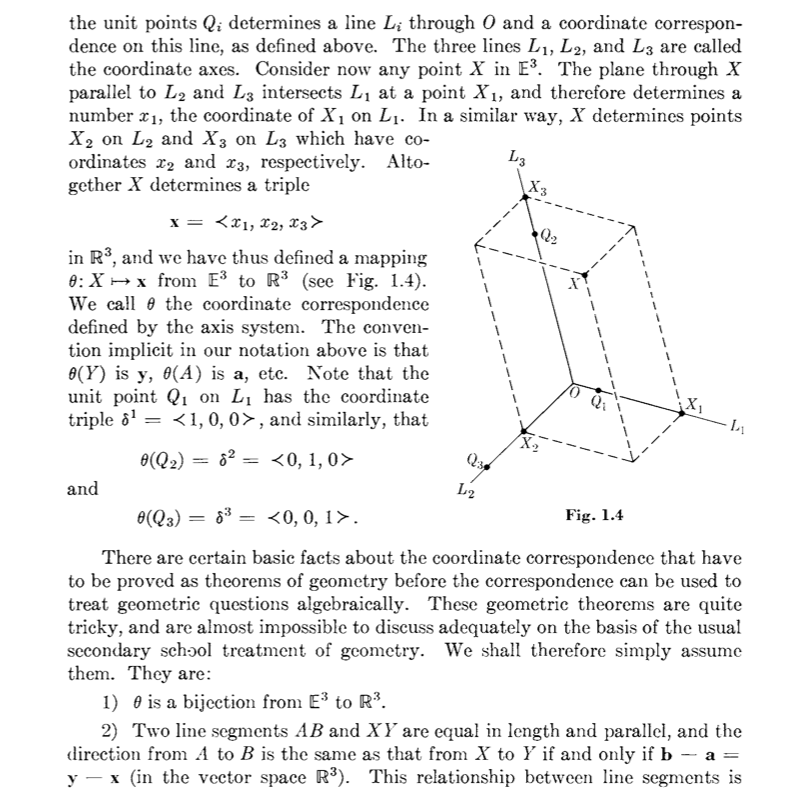
"Advanced Calculus" is a free book of more than 500 pages published by the Harvard Mathematics Department and represents a real gold mine for the study of mathematical analysis.
It covers normed vector spaces, compactness and completeness, multivariable differential calculus, integration, differential equations, multilinear forms, differentiable manifolds, exterior calculus, potential theory, and classical mechanics.
It is a mathematically substantial book, rigorous yet accessible to readers with a solid background in analysis and linear algebra. Despite its advanced level, it maintains remarkable clarity and develops the theory in a progressive and coherent way.
It is one of those resources worth keeping in your mathematical toolbox, useful not only for mathematicians but also for those working in physics, mechanics, engineering, data science, and computer science, where many of the concepts developed in the text find direct applications.
people.math.harvard.edu/~shl…
9
207
1,239
46,611
Michael Akinwumi retweeted

May 26
In order to protect the human person in the age of #ArtificialIntelligence, we must once again reflect on the common good, the universal destination of goods, subsidiarity, solidarity and social justice. #MagnificaHumanitas
vatican.va/content/leo-xiv/e…
313
2,819
14,480
343,685