Author: BEHAVIOR MATTERS FOR CATS AND DOGS, Animal Behaviorist, MA, Licensed Pet Care Technician Teacher, Doggone Safe, PPG, ISAE and MS in Urban Planning too!
Joined December 2011
- Tweets 16,712
- Following 768
- Followers 982
- Likes 10,010
1,017 Photos and videos

Pinned Tweet

BEHAVIOR MATTERS FOR CATS AND DOGS:"An information-packed guide to managing and modifying cat and dog behaviors sensitively and effectively" - Kirkus Reviews
🐾Winner DWAA 2024 Best Behavior Book and Winner DWAA 2024 Best Book of the Year🐾#animalbehavior amazon.com/dp/B0D315DD96
1
4
114
Frania Shelley-Grielen, MA, MS retweeted
Ridglan Farms is officially shutting down. A lot of focus has been on beagles, but as we move away from dogs in research, what about other species?
On May 15th, High Quality Research in Fort Collins shut down thanks to the work of many individuals and groups.
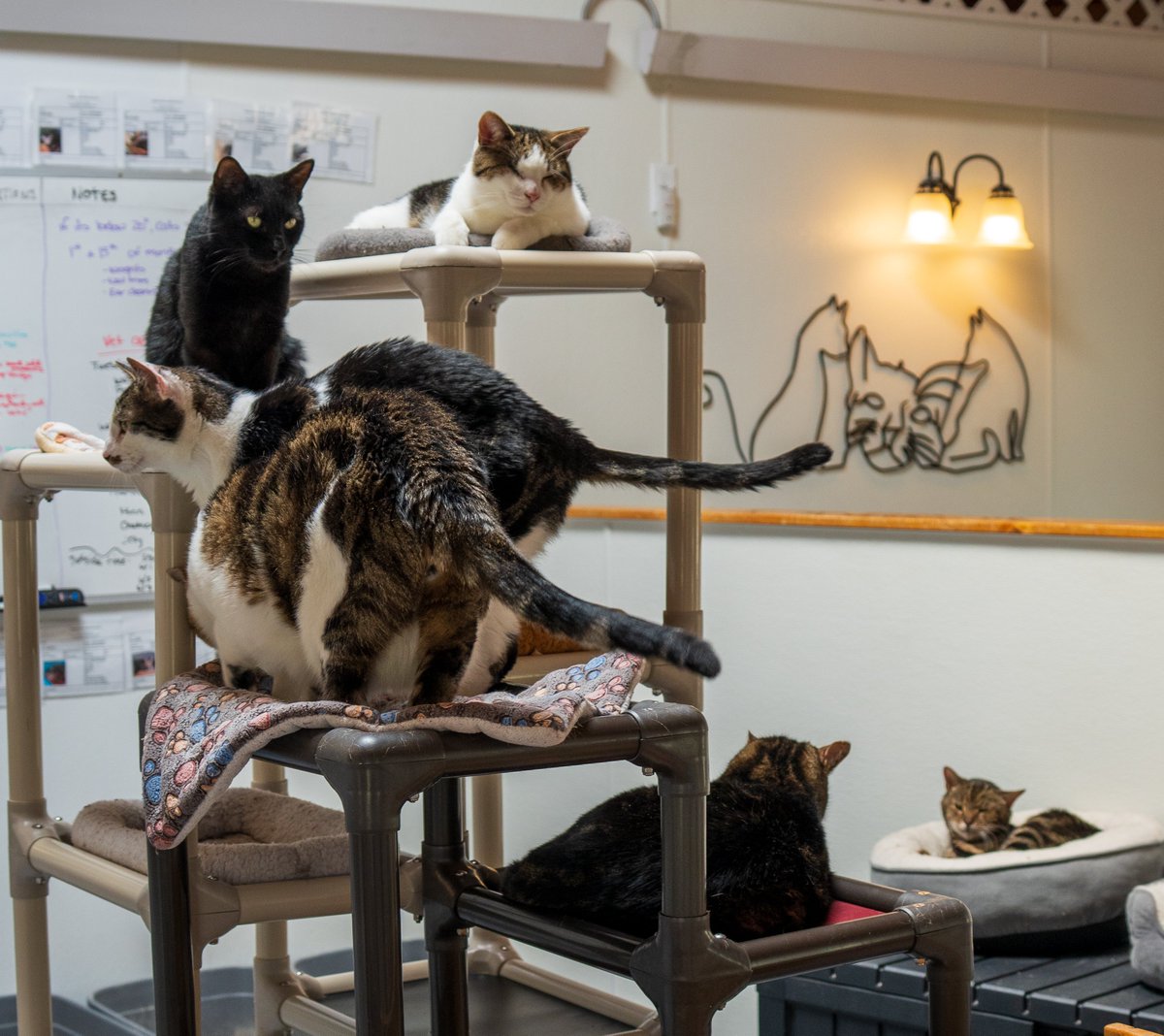
These are some of the cats released to Kindness Ranch after that facility closed. They were bred at a place called Liberty Research, which sells them to labs for $1700 each.
In 2025, the USDA reported 12,632 cats held or used by research facilities. Of those, 1,274 were held and not used; 7,700 were used in procedures reported as causing no more than momentary pain/distress; 3,577 were used in painful/distressful procedures with pain relief; and 81 were used in painful/distressful procedures without pain relief because the drugs were said to interfere with the study.
Will boycotting products that test on animals help stop these experiments? I don’t want to discourage anyone from becoming a conscientious objector to animal exploitation. Boycotts can shift some consumer markets, but they will not, on their own, end vivarium-based biomedical research.
What kind of experiments are these cats used in? Were they fed Drano and laundry detergent? No.
They are used to study cat diseases like FIV, FeLV, FIP/coronaviruses, toxoplasmosis, cardiomyopathy, kidney disease, ophthalmic disease, and inherited neurologic diseases. FIV has also been used as a lentivirus model relevant to HIV/AIDS because of the biological similarities between FIV infection in cats and HIV infection in humans.
Historically, cats have been used in toxoplasmosis research because they are the definitive hosts for Toxoplasma gondii.
USDA’s own cat toxoplasmosis program became a major source of controversy and was discontinued in 2019 after public and congressional pressure; USDA ARS said it would not reinstate the use of cats in any ARS lab.
Most of us would not deny our cats vaccines, antivirals, antibiotics, anesthesia, or emergency care because animal studies were part of their development. Using these prevention and treatment measures does not make you a hypocrite, but it does show that consumer boycotts alone are not a complete theory of change.
Instead, we can seek to change how research is conducted to develop prevention and treatment for cats.
What if veterinary research followed a pediatric-style model: patients with naturally occurring disease, guardian consent, independent oversight, minimization of harm, and a realistic prospect of benefit?
Cats would not be confined to vivariums, but instead, when you bring your cat to a veterinarian for care, some of their diagnostics and treatments would be publicly funded for the benefit of society, and they would be entered into studies and their health would be monitored by researchers who are part of that study.
What other research are cats used for?
Cats have long been used in visual neuroscience because of their developed visual system and forward-facing eyes; classic kitten deprivation studies helped shape modern understanding of visual cortical development. Cats are also still used in auditory neuroscience, cochlear implant, and auditory nerve implant research, including surgical models for implanting devices into the feline auditory nerve.
How can we conduct this research in a way that is more clinically relevant and more aligned with unmet needs? By not purposefully harming cats in cages and instead providing diagnostics and care to human beings and other animals who currently lack access to medical care. How much information are we missing because we simply aren’t caring for those with existing visual and auditory impairments?
Cats are also used in some movement, gait, spinal cord injury, and neural control studies because their locomotion has historically been treated as a model for mammalian walking. Recent reporting described NIH-funded studies involving spinal cord injury and treadmill walking in cats, highlighting that some active cat experiments remain highly invasive. In vivarium-based settings, the spinal cords of cats are purposefully damaged for this research.
While working in a highly impacted animal shelter, every day I would care for cats suffering from paralysis, paresis or traumatic brain injuries. My staff would provide the best care they could, but if they didn’t make progress in a few days, they would be euthanized. What a missed opportunity for knowledge. How much might we learn if they were all afforded the diagnostics and care those purposefully harmed cats received in research settings?
Cats are also used in genetic disease and gene therapy models. Research cats are bred with naturally occurring or induced genetic disorders, including neurologic storage diseases, to test gene therapies. NIH project descriptions have cited feline gangliosidosis models as support for moving some AAV gene therapy approaches toward human clinical trials. What if we provided resources and diagnostics for cats with genetic disorders and tried gene therapy approaches on them?
Cats are also used in veterinary teaching, surgery, anesthesia, physiology, or clinical skills training. Instead, we can teach students on cats who actually need care, under the guidance of experienced veterinarians. Students learn more clinically relevant skills without wasting valuable time and resources on less productive teaching methods.
The biggest challenge society faces is not the lack of prevention and treatments for dreaded diseases, but the lack of access to existing prevention and treatments.
We now have a highly effective treatment for the formerly fatal cat disease feline infectious peritonitis (FIP). In the development of this treatment, many cats were purposefully infected and killed. Meanwhile, many more cats were euthanized in veterinary clinics across the country because there was no treatment available to them. What if we could bridge the gap between researchers and clinicians?
Sadly, though, now that there is a treatment, few people can afford it. Every cat who dies because of a lack of access to care should be considered just as much of a loss as a death due to a lack of a known cure.
Almost 2 billion humans, about one-third of the global population, lack regular access to essential medicines. Tuberculosis is now preventable and curable. Yet 1.23 million humans died from the disease in 2024.
By redirecting resources away from vivarium-based research and towards epidemiologic research, diagnostics, and access to care, we will be able to solve the biggest medical crises of our time for all species.
Simply boycotting products that test on animals, though an admirable endeavor, will not end vivarium-based research.
Many veterinarians and researchers are working on just that. Will you join us?
#ridglanbeagles #vetmed #animalresearch #animaltesting #animalexperimentation #animalwelfare #vetschool #vetstudent
2
6
29
516
Frania Shelley-Grielen, MA, MS retweeted

Jun 13
Few people realize that over the years, many dogs bred by Ridglan and Marshall Farms have later been released by laboratories to animal protection organizations.
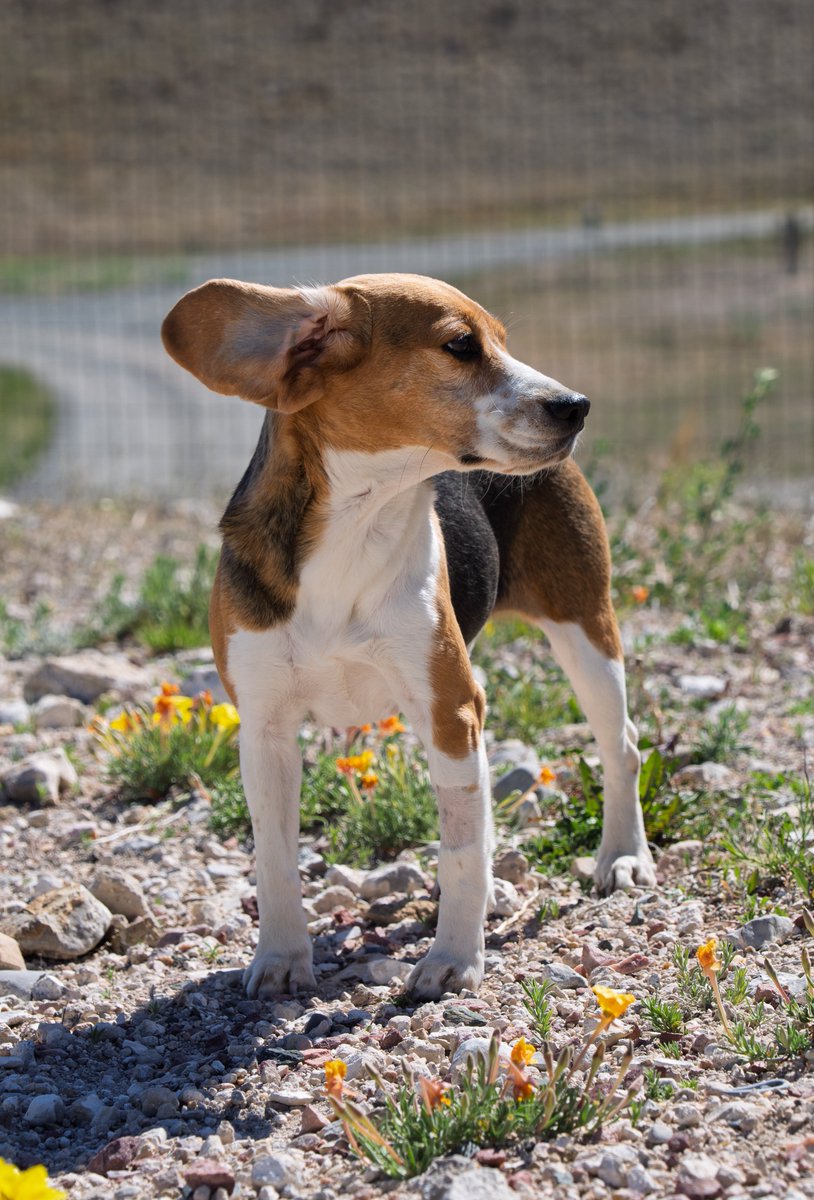
These are some of the dogs released from High Quality Research/Red Beast in Fort Collins on May 15th.
Marshall-bred dogs are often preferred by laboratories because Marshall has a desensitization program where dogs may be handled, acclimated to masks, and conditioned to being manipulated and restrained before sale. I'm not saying it's right to use dogs this way, just sharing some insider industry knowledge.
Ridglan dogs, by contrast, reportedly had far less socialization. Dogs received an average of only about 90 seconds of enrichment per day.
Dogs who have spent their lives in commercial breeding or research settings need time, patience, veterinary care, and behavioral support to learn how to live in a home.
If we cannot shut down commercial breeding operations and animal research laboratories today, we owe it to these dogs to secure their release after their breeding days are over and their research projects have ended.
Befriend your local animal lab worker. Contact laboratories and commercial breeding operations. Help us create more release pipelines--not just for dogs, for mice, rats, bunnies, ferrets, pigs, and other animals too! 🧵
#beagles #researchanimals #3rs #vetmed #labanimal #labdog
1
10
26
672
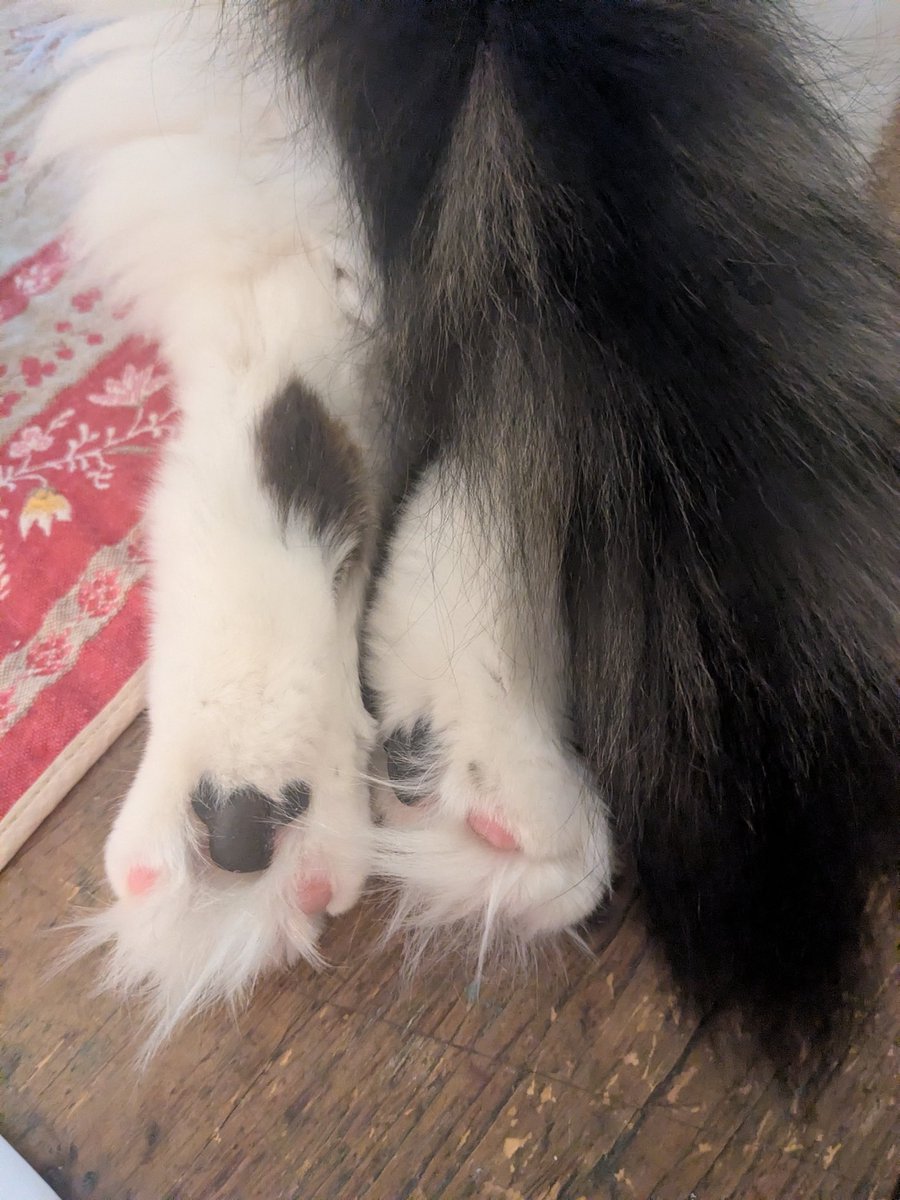
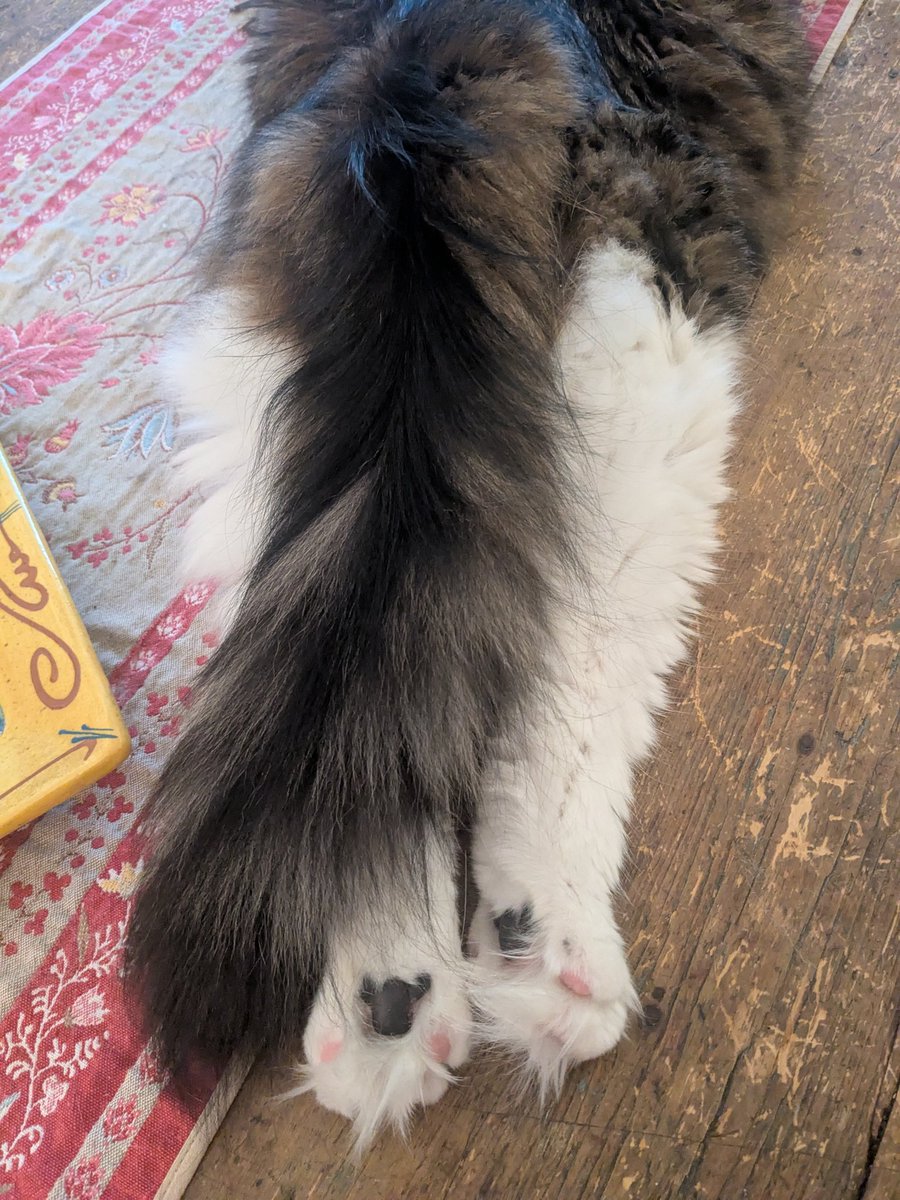
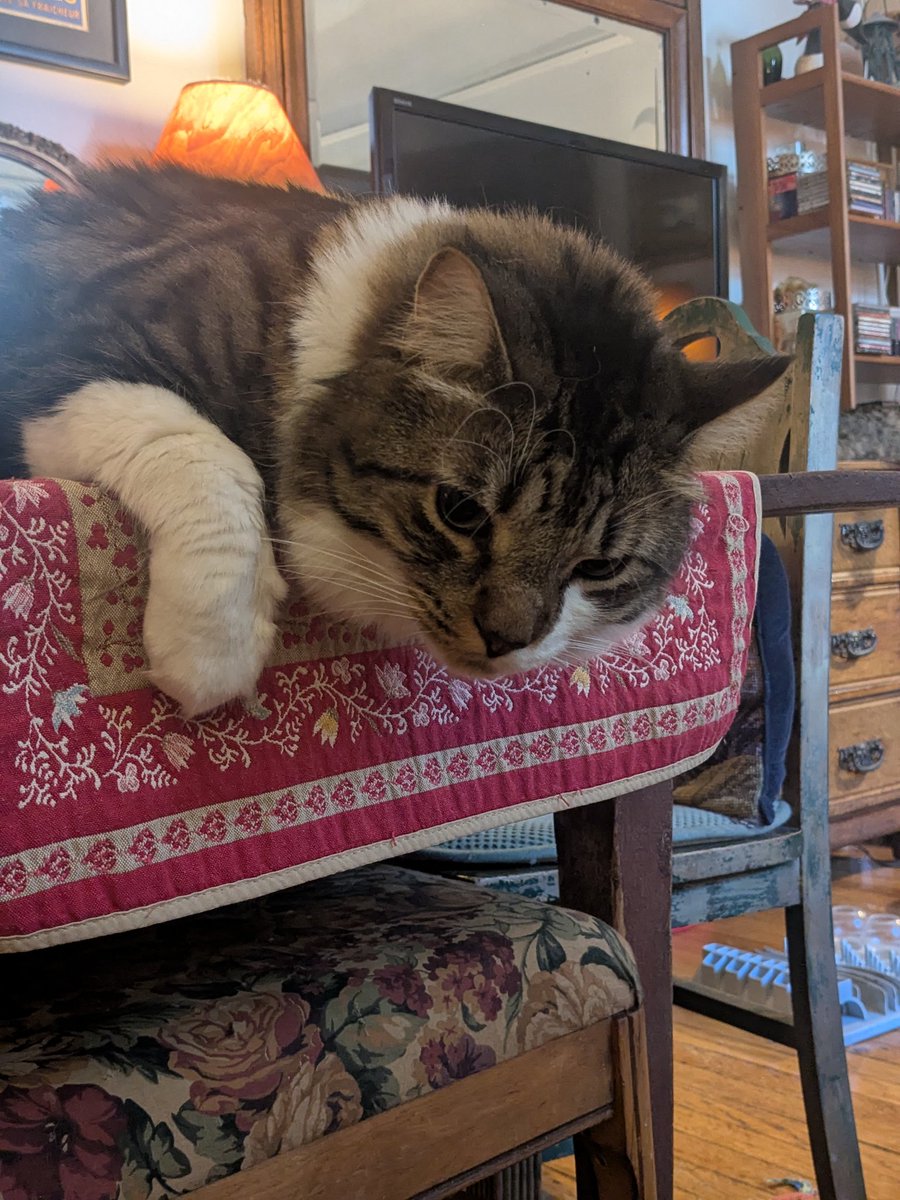
1
1
22
"This mirrors what has been found in companion animal research, where people with higher avoidant attachment tend to be less attentive and less engaged in caring for their pets. Our findings suggest the same dynamic extends to horse ownership," #horses phys.org/news/2026-06-horse-…
2
1
34
"Informal and self-guided resources were widely used but perceived as less effective, and although veterinarians were commonly consulted, they were rated as less helpful than board-certified vet behaviorists, trainers, or prescribed medications." #dogs mdpi.com/3915690
2
2
32
Frania Shelley-Grielen, MA, MS retweeted

Jun 10
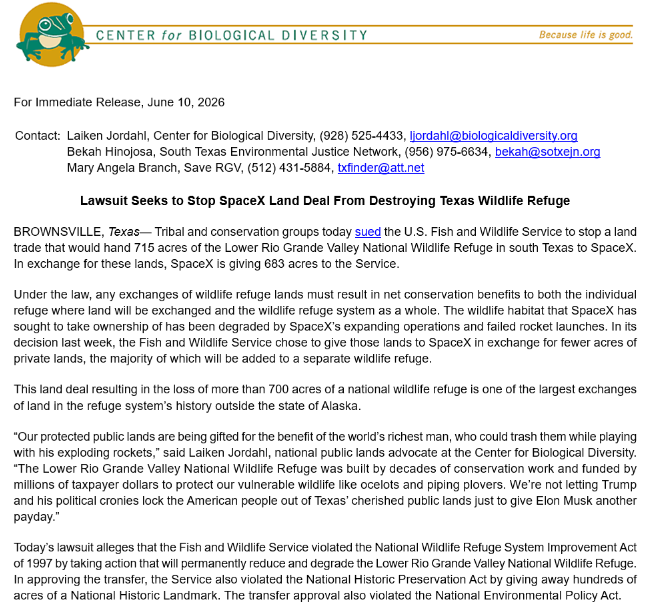
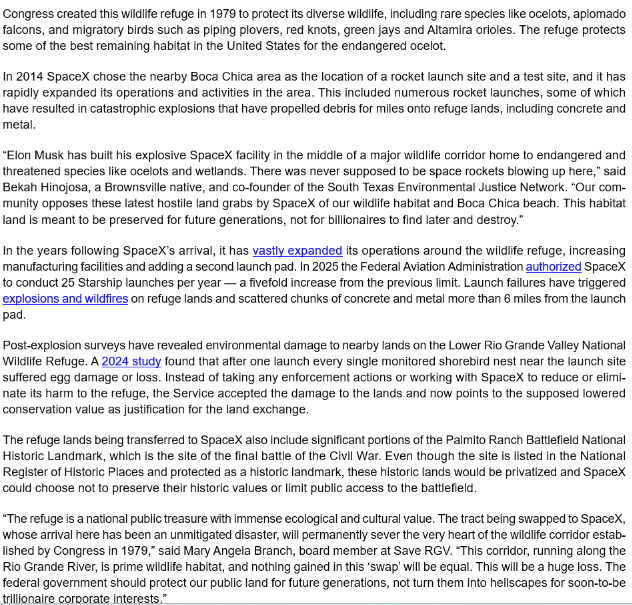
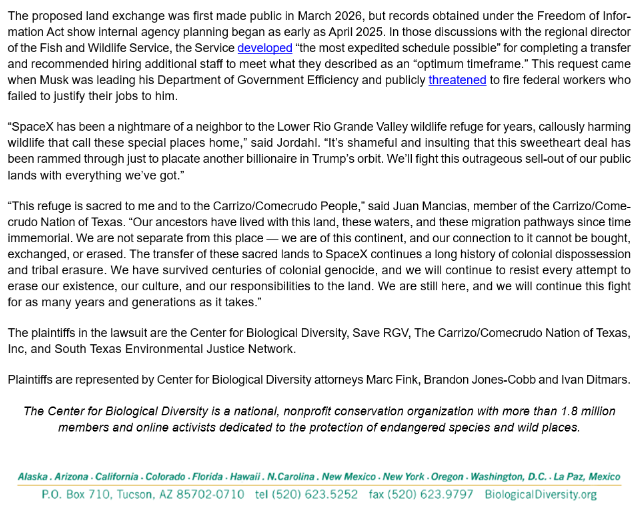
BREAKING: We're suing the U.S. Fish & Wildlife Service over their plan to give away 715 acres of a public wildlife refuge to billionaire corporation Space X.
Americans shouldn't be sacrificing their public lands to subsidize a company owned by the richest man in the world.
316
10,680
33,796
354,873
Frania Shelley-Grielen, MA, MS retweeted

Community cats, or unowned cats who live outdoors, are generally not socialized to people. In other words, they aren't candidates for adoption and can't adapt to indoor living. In fact, a life within four walls can cause them stress.
#TNRWorks because it respects the nature of these independent cats, and keeps them out of shelters where their lives are put at risk.
Learn more at alleycat.org/TNR
#trapneuterreturn #communitycats #catcare #catvideos
2
52
162
1,177
Frania Shelley-Grielen, MA, MS retweeted

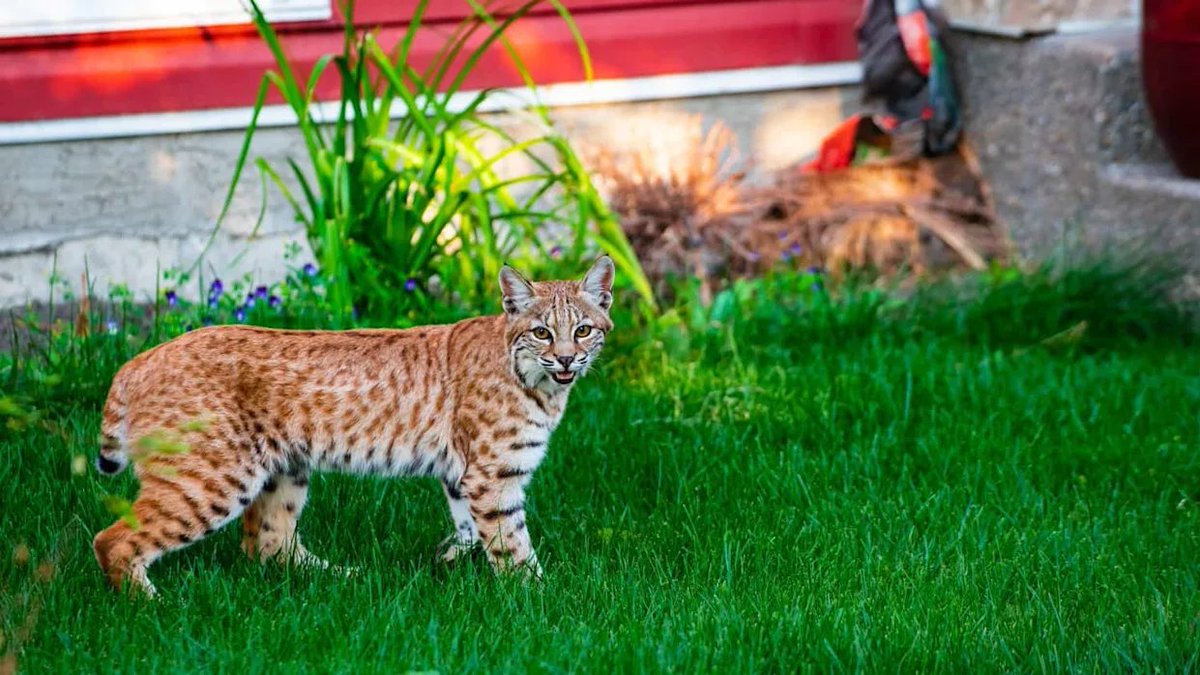
A bobcat eats hundreds of rats and mice a year, for free, and doesn't bill us for its service.
It won't bother you, either. It's about twice the size of a housecat, wants nothing to do with people, and you'll be lucky to ever lay eyes on one. What it wants is the mice in your yard, that's it.
But here's the sick part: in the mountains around Los Angeles, 88% of bobcats tested positive for rat poison. In one study, 31 of 39 dead bobcats had it in their bodies. They eat poisoned rodents, the anticoagulant tears down their immune system, mange takes hold, and they die slow.
We put poison out to kill rats, and the poison kills the bobcat.
If one turns up in your yard, you don't have a problem. You have the best pest control on the continent, on the house. Put the rodenticide away and let the bobcats cook.
39
623
2,260
26,185
Frania Shelley-Grielen, MA, MS retweeted

Jun 10
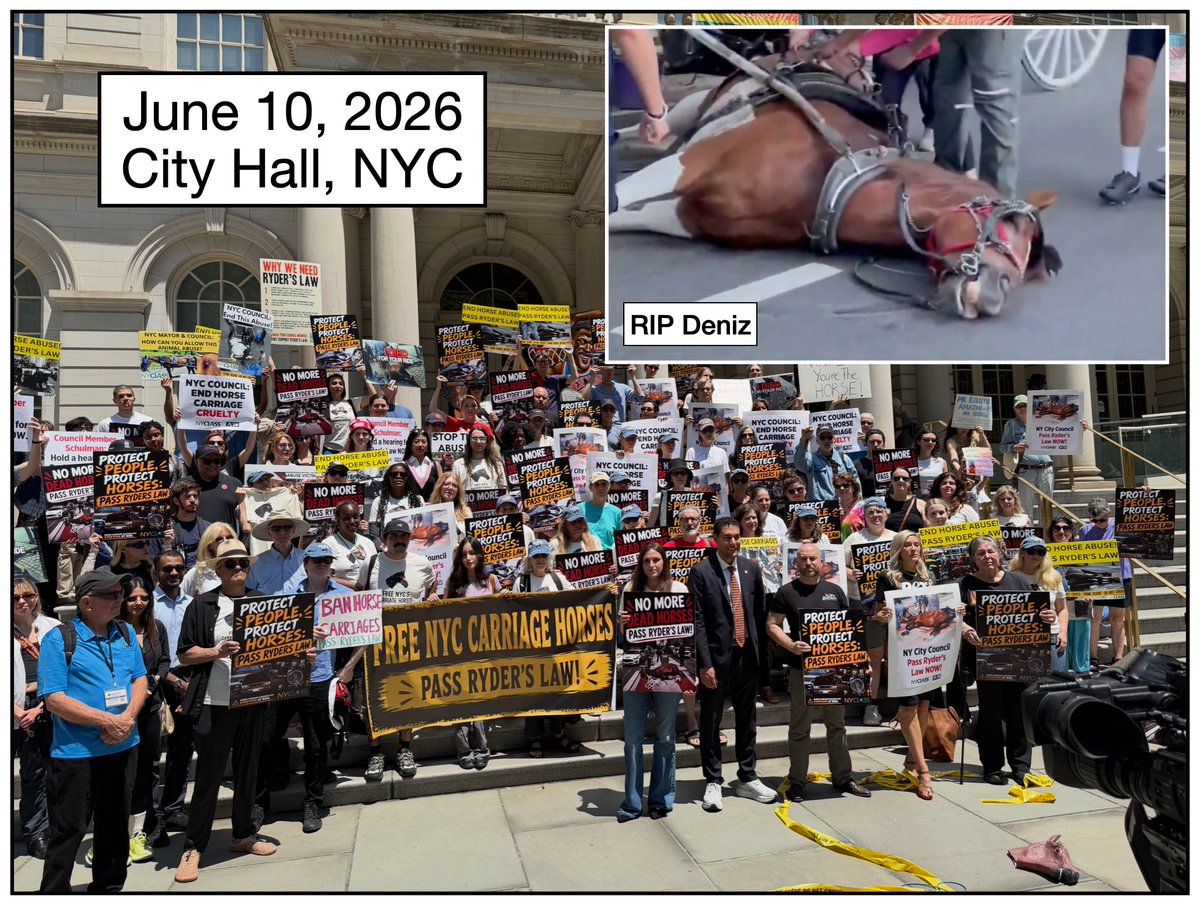
NY Daily News: Have your views changed on this issue? If so, please consider an editorial explaining why horse-drawn carriages cannot be operated humanely or safely in the streets of NYC. Among the cruelest aspects of this business is that the horses have no pasture where they can graze, run and interact physically, as herd animals do. They've been stripped of everything that would make their lives worth living.
5
31
109
3,274
Frania Shelley-Grielen, MA, MS retweeted

Jun 10
We are deeply saddened by the most recent incident involving a carriage horse in Central Park.
Read the full statement: bit.ly/43YUnIJ
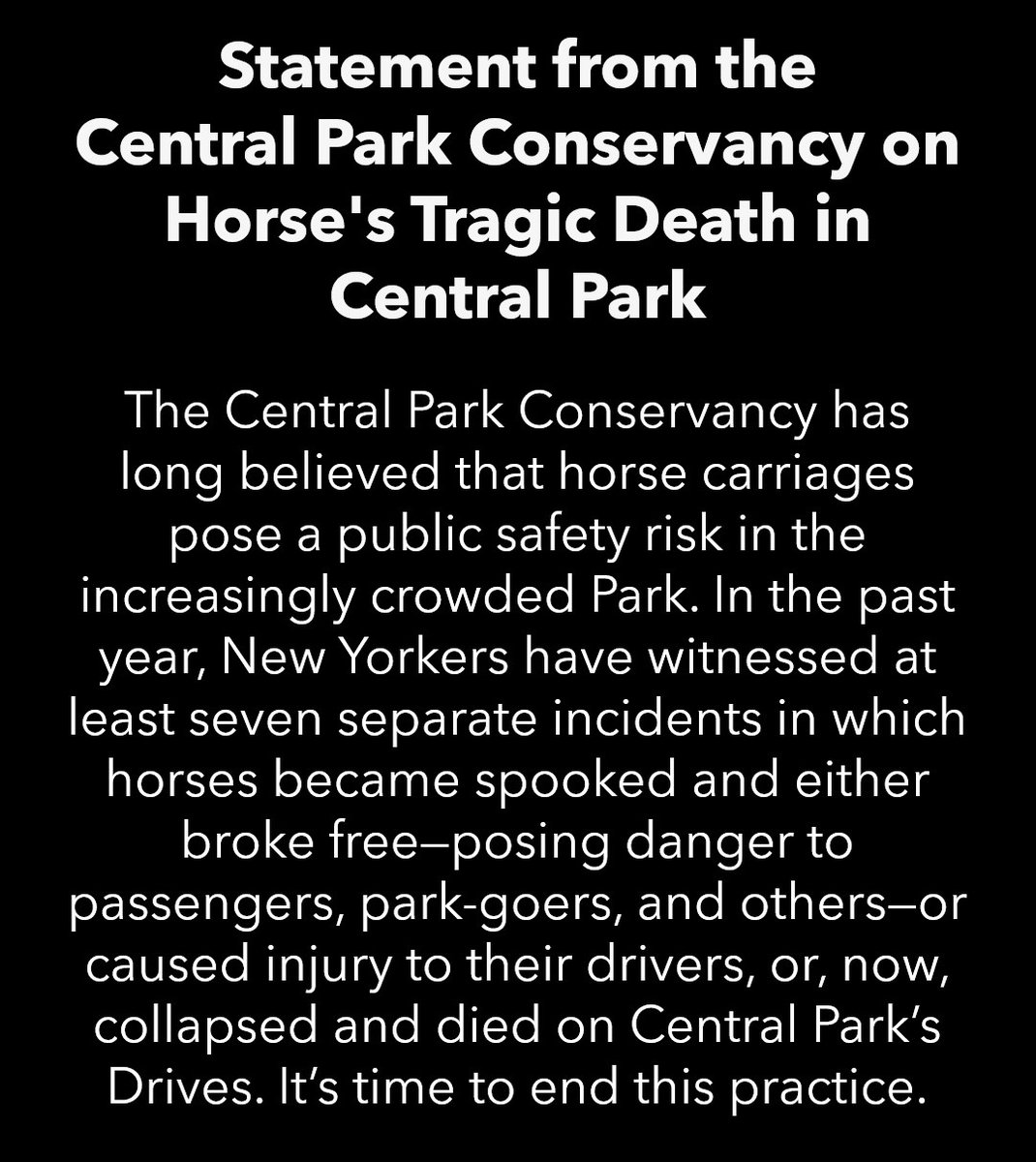
ALT White text on a black background that reads: Statement from the Central Park Conservancy on Horse's Tragic Death in Central Park. The Central Park Conservancy has long believed that horse carriages pose a public safety risk in the increasingly crowded Park. In the past year, New Yorkers have witnessed at least seven separate incidents in which horses became spooked and either broke free—posing danger to passengers, park-goers, and others—or caused injury to their drivers, or, now, collapsed and died on Central Park’s Drives. It’s time to end this practice.
113
259
952
68,505
"Across 1052 hours of continuous monitoring, we found that attaching the CatBib™ resulted in reductions in daily activity; with increases in inactivity and decreases in locomotion, though no changes to overall roaming distances." #cats
sciencedirect.com/science/ar…
22
"the researchers found that the city slickers adorned their bowers with nearly five times as many ornaments as those living in the sticks. These extra items were also larger and bolder in color." #bowerbirds #nestbuilding #birds nytimes.com/2026/06/06/scien…
1
18
Frania Shelley-Grielen, MA, MS retweeted

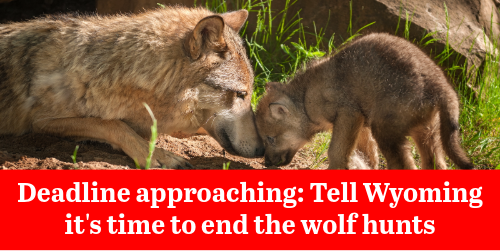
June 10 Deadline: Wyoming wolf numbers have reached their lowest point in 20 years -- but now the state is trying to organize a trophy hunt to kill 22 more.
Join the more than 10,000 wolf-lovers who have already signed our petition:
environmental-action.org/tak…
38
42
543
Frania Shelley-Grielen, MA, MS retweeted

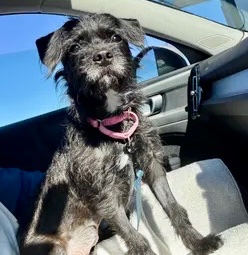
GINNY IS MISSING IN EDGEWATER, Last seen at the intersection of Orchard Street and River Road, she's 13 pounds and chipped: 985113010502447. If you've seen or found her please call 888-466-3242 and PLEASE RT GINNY!
9
224
215
11,941
Frania Shelley-Grielen, MA, MS retweeted
The right way to pick up a dog? Take a look. Miss Daisy was the best team collaborator ♥️. Want individual consults on handling, behavior or training? Link in Bio or Animal behaviorist.us #dogs #animalbehaviorist #doghandling #dogtraining
instagram.com/reel/DY7cm3Exj…
2
3
42
Frania Shelley-Grielen, MA, MS retweeted
A new paper out notes allogrooming can maintain social bonds and/or dispel solve conflict. But there's often more to the story. What else would your cats like to add? Individual consults at Bio. #cats #catgrooming #allogrooming #animalbehavior
instagram.com/reel/DZImCbcNx…
2
3
29
"There’s a reason why businesses that use these practices are called #factoryfarms; they treat animals like widgets, not living beings and confine them in miserably small cages to maximize profits." denverpost.com/2026/05/18/an…
1
1
20